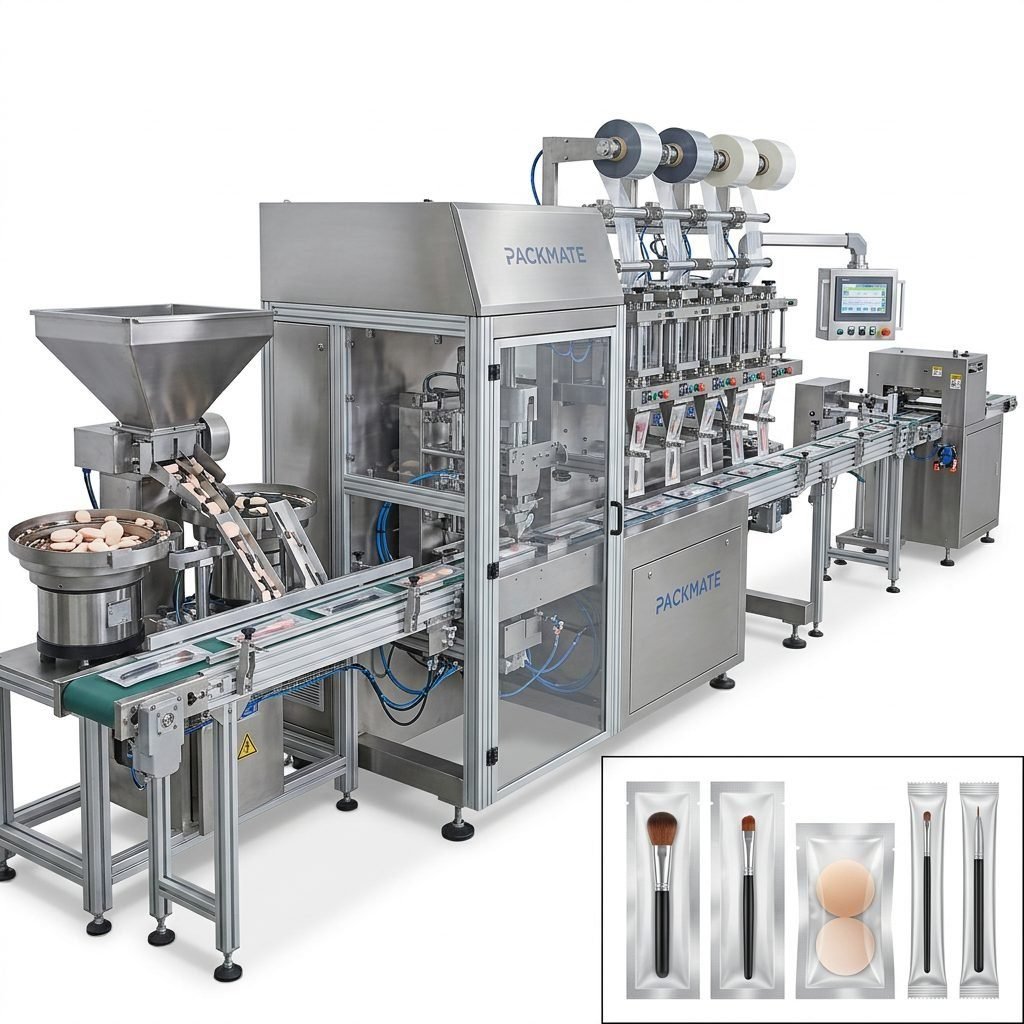
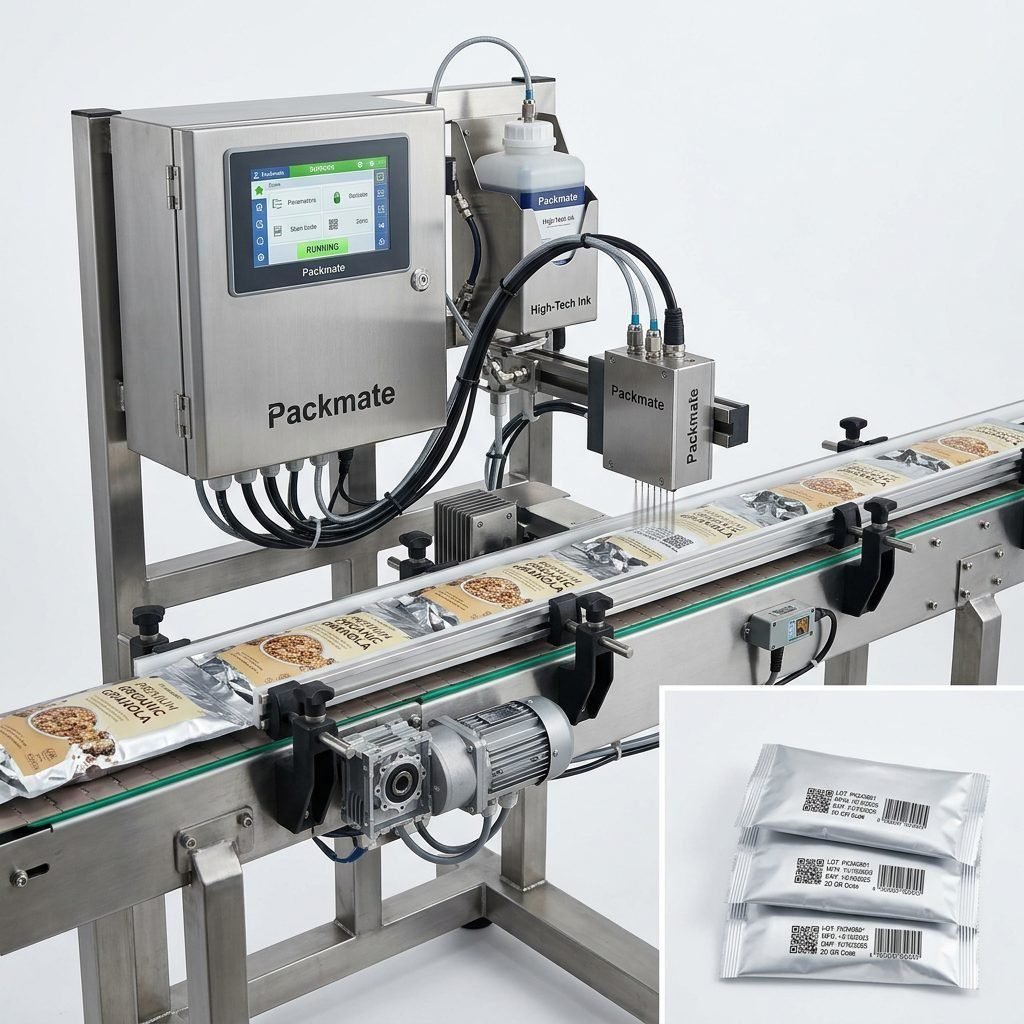
In the fast-paced world of manufacturing, efficiency and reliability are paramount. For businesses handling powders, granules, or liquids, the right packaging solution can be the difference between profit and loss. This is where Casmatic packaging machines come into play. As a cornerstone of modern production lines, these automated systems offer unparalleled precision, speed, and consistency.
What Are Casmatic Packaging Machines?
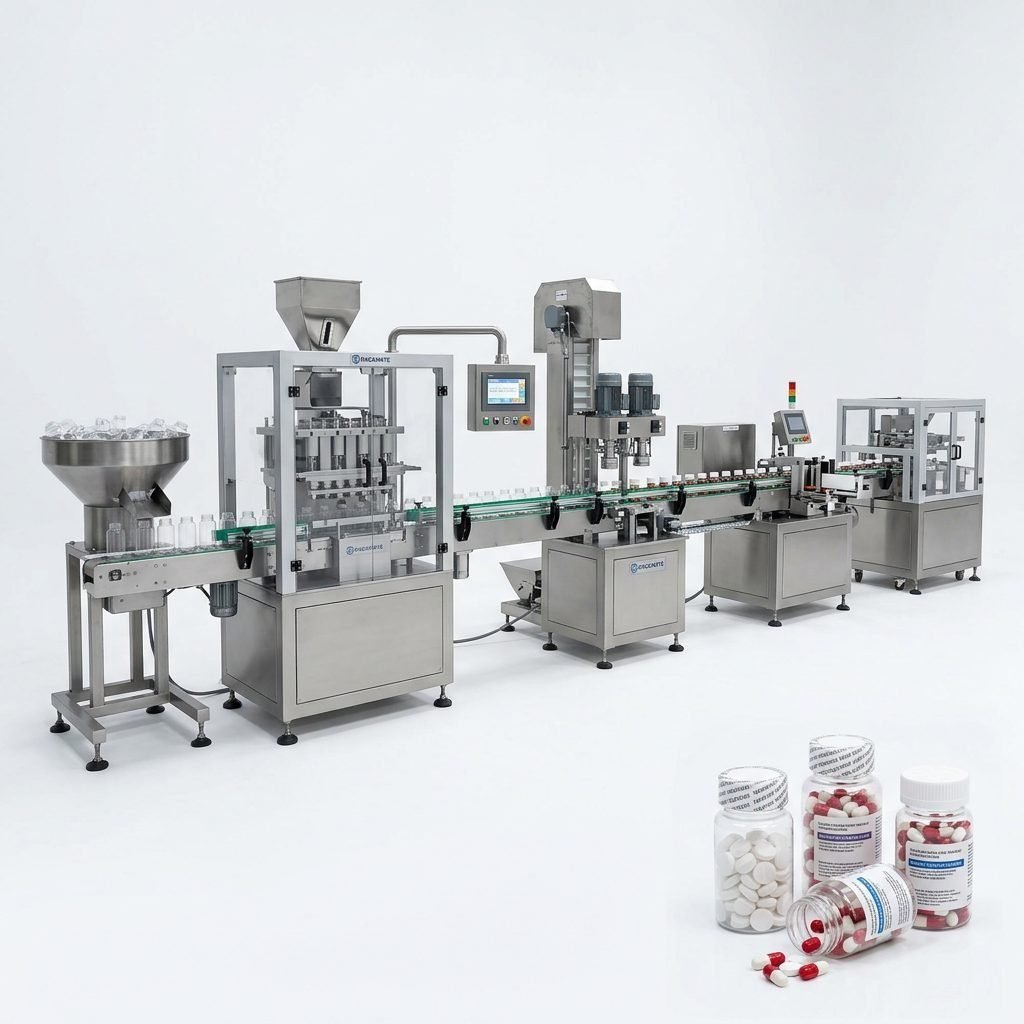
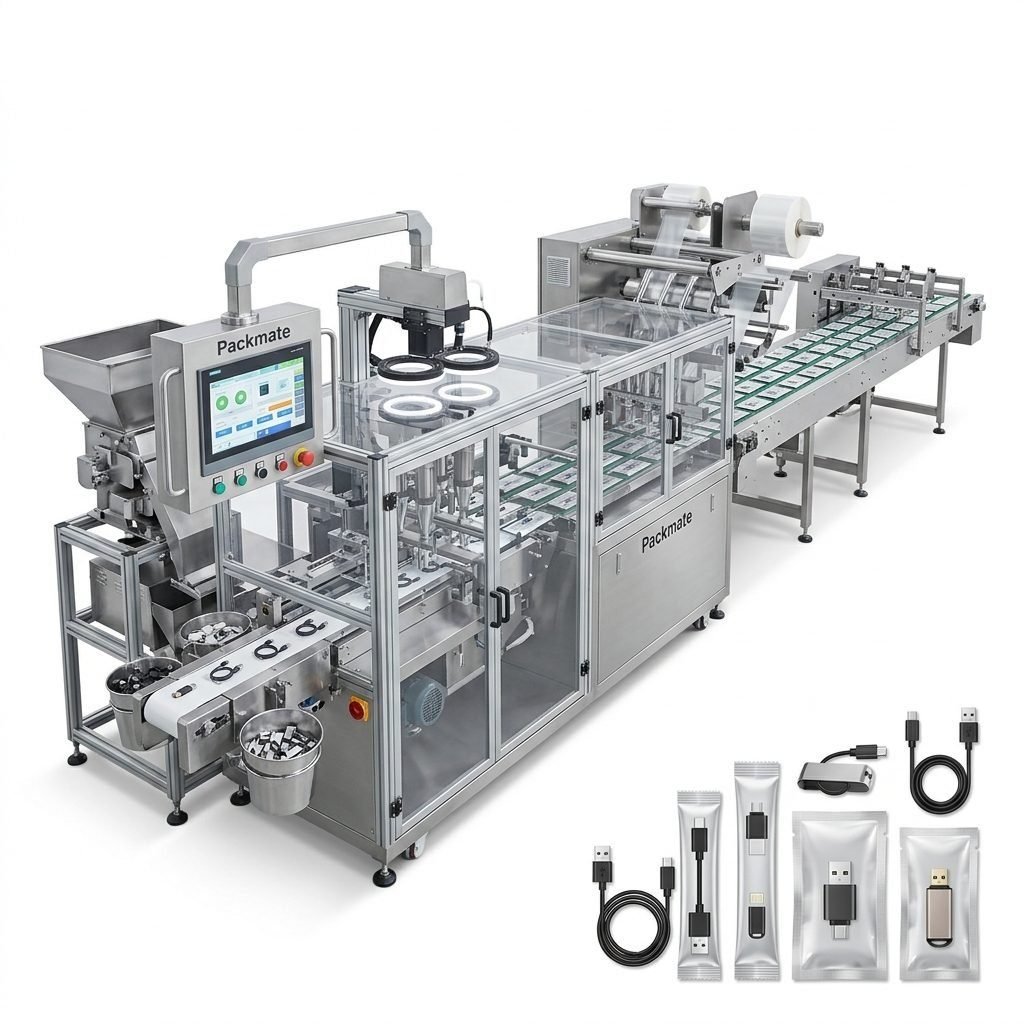
Casmatic is a term often associated with highly automated, versatile, and reliable packaging systems. These machines are engineered to handle a variety of products, from food ingredients and pharmaceuticals to health supplements and chemicals. They are designed to form, fill, and seal packaging—typically sachets, stick packs, or pouches—in a continuous, high-speed operation. The core principle is automating repetitive tasks to minimize human error, maximize output, and ensure stringent hygiene standards.
Core Operational Principles
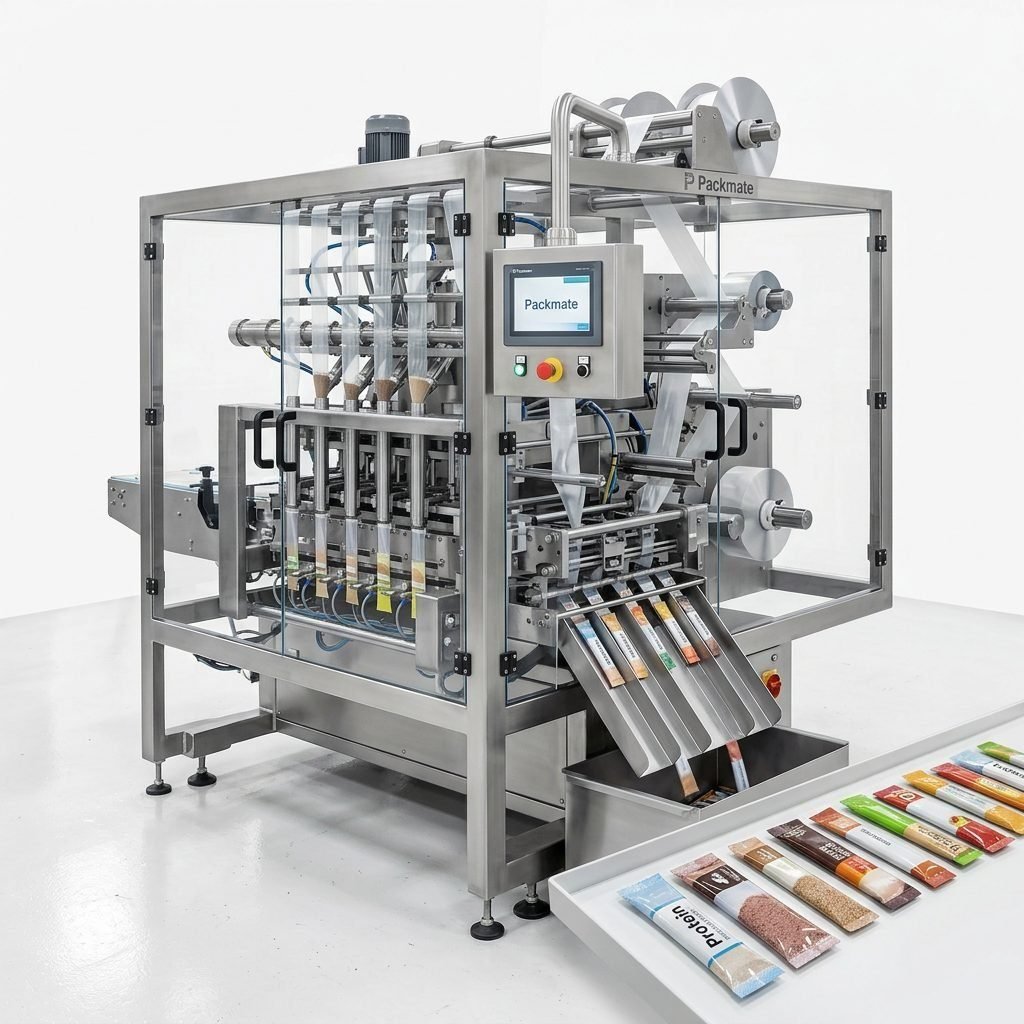
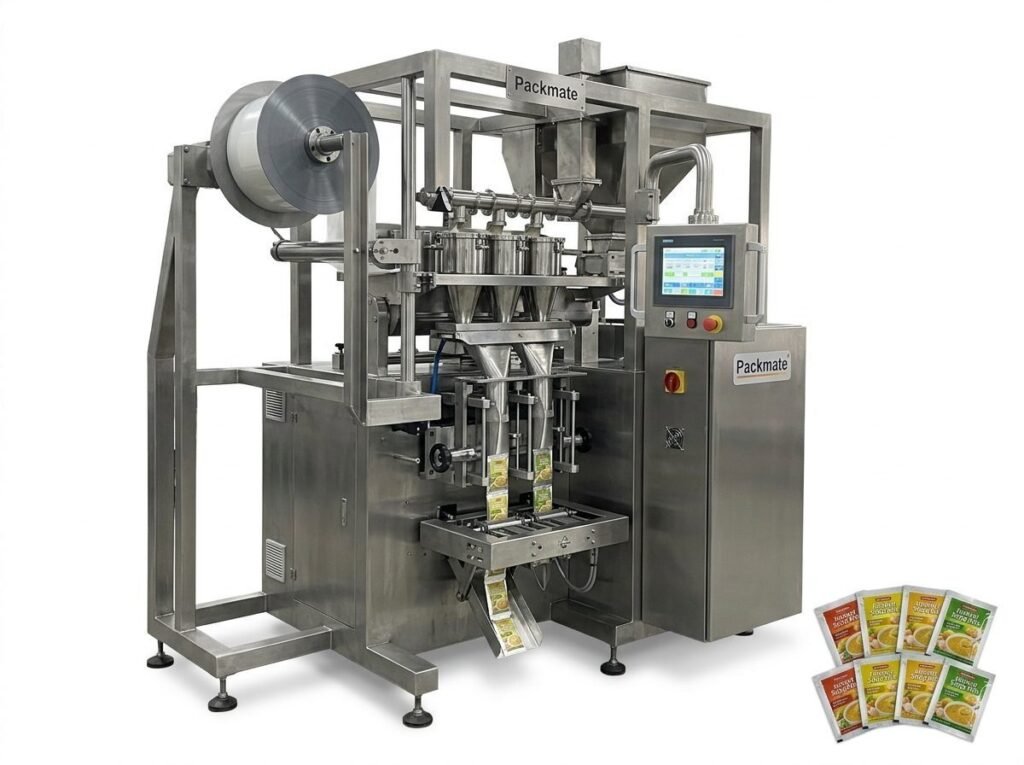
The operation of a Casmatic-style machine is a symphony of mechanical precision. It begins with the feeding of a roll of packaging film. This film is then formed into a tube or pouch shape. Precisely measured product is dispensed into the formed pouch, after which the machine seals the package and cuts it into individual units. Advanced models feature multi-lane designs, allowing for the simultaneous packaging of multiple product streams, dramatically increasing throughput. This seamless process is why companies like Packmate Machinery have built their reputation on such reliable technology.
Key Features of Modern Casmatic Machines
Today’s advanced packaging machines are packed with features that address the complex needs of global industries. Understanding these features helps in selecting the right equipment for your specific application.
1. High-Speed Multi-Lane Packaging
One of the most significant advancements is the development of multi-lane systems. Unlike single-lane machines, these can produce multiple sachets or stick packs in parallel. For instance, a multi-lane stick pack machine can achieve outputs exceeding hundreds of packs per minute. This feature is indispensable for large-scale production where volume is critical.
2. Precision Weighing and Dosing Systems
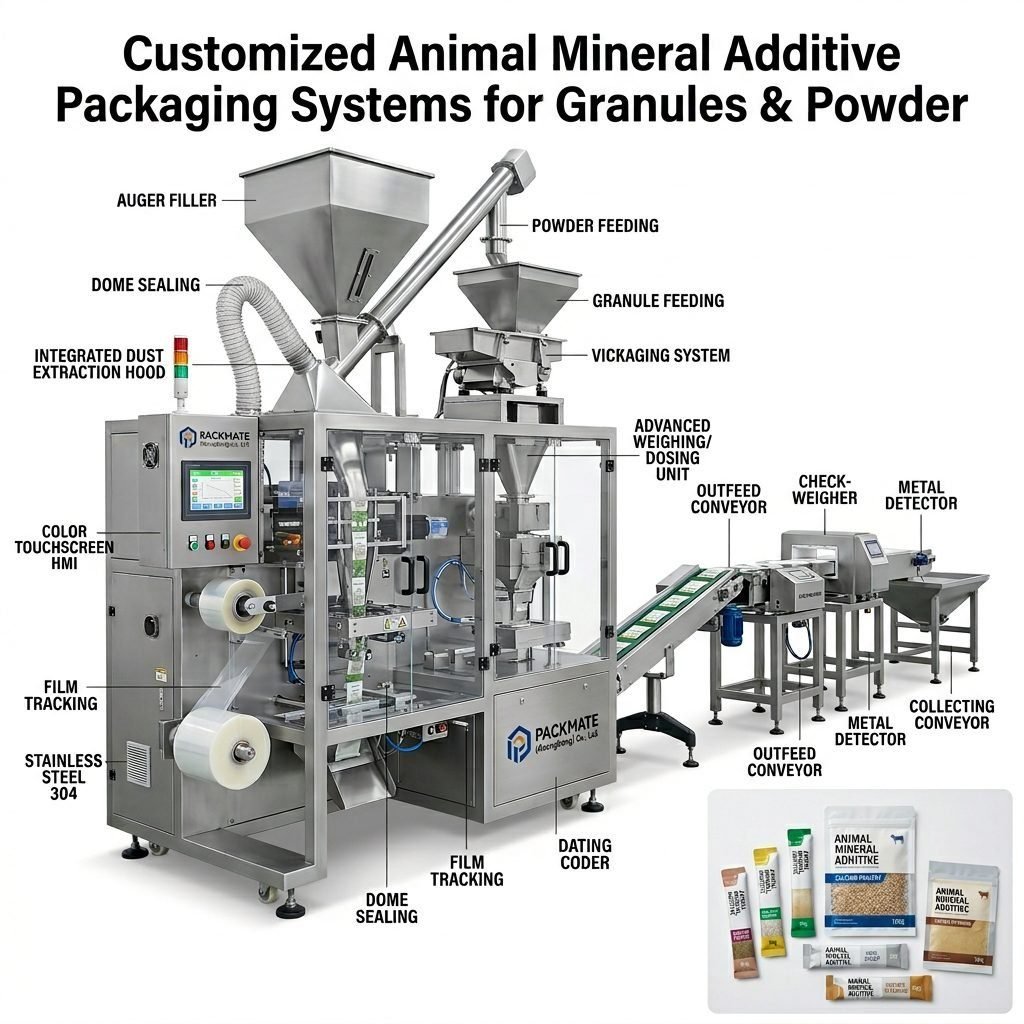
Accuracy in filling is non-negotiable, especially in industries like pharmaceuticals where dosage is critical. Modern Casmatic machines integrate sophisticated weighing systems, such as auger fillers, volumetric cup fillers, or liquid pumps. These systems ensure each package contains the exact amount of product, reducing giveaway and ensuring compliance with regulatory standards. This precision is a hallmark of integrated weighing and packaging systems.
3. Versatile Material Handling
A top-tier machine must handle diverse products. Whether it’s a fine powder prone to dusting, a sticky granule, or a free-flowing liquid, the machine’s design must accommodate it. Features like anti-static systems, specialized hoppers, and gentle handling mechanisms prevent product degradation and ensure smooth operation. This versatility extends to packaging materials, from standard laminates to high-barrier films for sensitive products.
4. User-Friendly PLC Control Interface
Gone are the days of complex mechanical adjustments. Contemporary machines are governed by Programmable Logic Controllers (PLCs) with intuitive touchscreen interfaces. Operators can easily set parameters like package length, fill weight, and sealing temperature. Recipe storage allows for quick changeovers between different products, minimizing downtime. This smart control is central to modern filling and packaging lines.
5. Robust Hygiene and Safety Design
For food and pharmaceutical applications, hygiene is paramount. Machines designed for these sectors often feature stainless steel construction (especially in product contact parts), easy-clean surfaces, and enclosed mechanisms to prevent contamination. Safety features include emergency stop buttons, protective guarding, and interlock systems to protect operators.
Tangible Benefits for Your Business
Investing in a Casmatic packaging machine is not just about buying equipment; it’s about acquiring a strategic asset that delivers measurable returns across your operation.
Dramatically Increased Production Efficiency
Automation translates directly to higher output. Machines run consistently 24/7, far surpassing manual packaging speeds. This allows you to meet large orders, scale production during peak seasons, and reduce lead times. The efficiency gain is the primary driver for the return on investment.
Unmatched Consistency and Reduced Waste
Human operators naturally have variations in speed and accuracy. An automated machine delivers identical packages every single cycle. This consistency ensures every product meets your quality specifications, enhances brand reputation, and significantly reduces material waste from overfilling or sealing errors.
Significant Labor Cost Savings
While initial investment is required, the long-term savings on labor are substantial. One machine operated by a single worker can replace an entire line of manual packers. This allows you to reallocate human resources to more value-added tasks like quality control, maintenance, and process optimization.
Enhanced Flexibility for Market Demands
The ability to quickly switch between package sizes and products is a competitive advantage. With easy changeover features, you can respond rapidly to custom orders, launch limited-edition products, or test new packaging formats without major downtime or retooling costs.
Improved Worker Safety and Morale
Automating repetitive and physically demanding tasks reduces the risk of strain injuries and accidents. It also frees employees from monotonous work, allowing them to engage in more skilled and satisfying roles, which can improve overall morale and reduce turnover.
Choosing the Right Partner: The Packmate Example
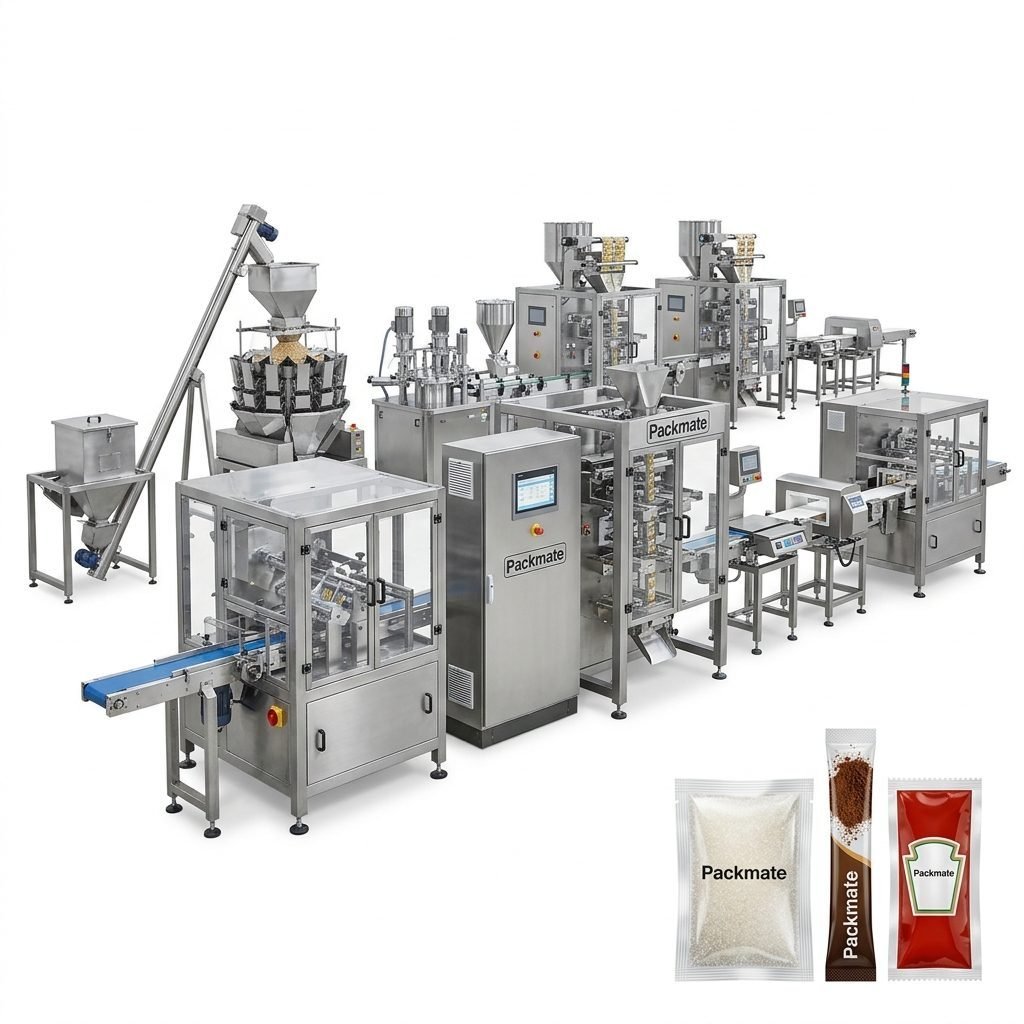
Selecting a machine is only half the battle; choosing the right manufacturer is crucial. A company’s heritage, expertise, and support network are vital. Packmate (GuangDong) Co., Ltd. exemplifies these qualities. With roots dating back to 1993 and formal incorporation in 2003, their journey from a small workshop to a 20,000㎡ modern facility mirrors the evolution of packaging automation itself. Their focus on “reliable solutions for granules, powders, and liquids” is backed by over 30 years of focused R&D, resulting in a portfolio of more than 50 machine models. This deep-seated experience ensures they don’t just sell a machine; they provide a complete, turnkey packaging solution tailored to client needs, from individual bag & pouch packaging machines to fully integrated lines.
Frequently Asked Questions (FAQ)
1. What is the typical output speed of a multi-lane Casmatic machine?
Output speeds vary greatly depending on the product, package size, and number of lanes. A standard multi-lane stick pack machine can typically produce between 200 to 600 packs per minute per lane. High-speed models configured with multiple lanes can achieve total outputs well into the thousands of packs per minute. The exact speed for your application should be determined during the machine selection process with your supplier.
2. How difficult is it to change over between different products or package sizes?
Modern machines are designed for relatively quick changeovers. While changeover time depends on the complexity, many parts (like forming tubes and filling heads) are designed as interchangeable modules. With recipe storage in the PLC, an experienced operator can often complete a changeover for a similar product type in 30 minutes to an hour. For vastly different products, more time may be required for thorough cleaning and part replacement.
3. What kind of maintenance do these machines require?
Regular preventive maintenance is key to longevity and uptime. This typically includes daily cleaning, lubrication of moving parts as per the manual, and inspection of seals and wear parts. More comprehensive maintenance, such as belt tension checks or servo motor calibration, might be scheduled weekly or monthly. Reputable manufacturers provide detailed maintenance schedules and offer training and support services.
4. Can these machines handle fragile or non-free-flowing products?
Yes, but it requires specific configurations. For fragile products like flakes or clusters, machines can be equipped with gentle handling systems, vibration-free conveyors, and soft-drop filling mechanisms. For cohesive, non-free-flowing powders, specialized hoppers with agitators, vibrating trays, or force-flow systems are used to ensure consistent product feed to the dosing unit.
5. What is the lead time for acquiring a new packaging line?
Lead times can range from a few months to over half a year. Standard machine models may have shorter lead times (e.g., 12-16 weeks), while fully custom, turnkey lines with extensive integration and testing require more time (20-30 weeks or more). Factors affecting lead time include the level of customization, current factory order backlog, and the complexity of auxiliary equipment integration. It’s best to discuss timelines early in the planning process with your chosen manufacturer.