Choosing the right nut packaging machine is crucial for maintaining product quality, ensuring efficiency, and meeting market demands. This comprehensive guide explores the various types of nut packaging machines, their specific uses, and provides essential buying tips to help you make an informed investment for your business.
Understanding Nut Packaging Machine Types
The packaging process for nuts requires precision and care to preserve freshness and prevent damage. Different machine types cater to various packaging styles and production scales.
Vertical Form Fill Seal (VFFS) Machines
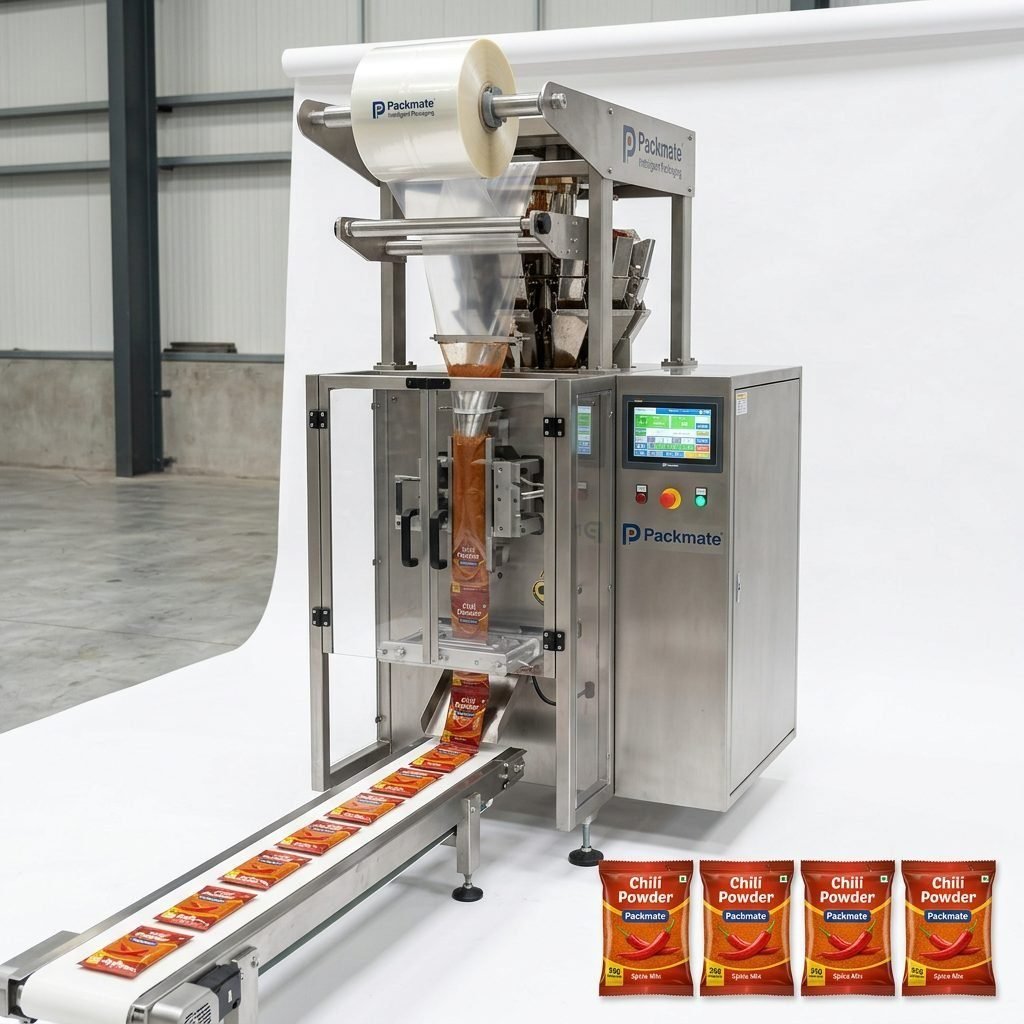
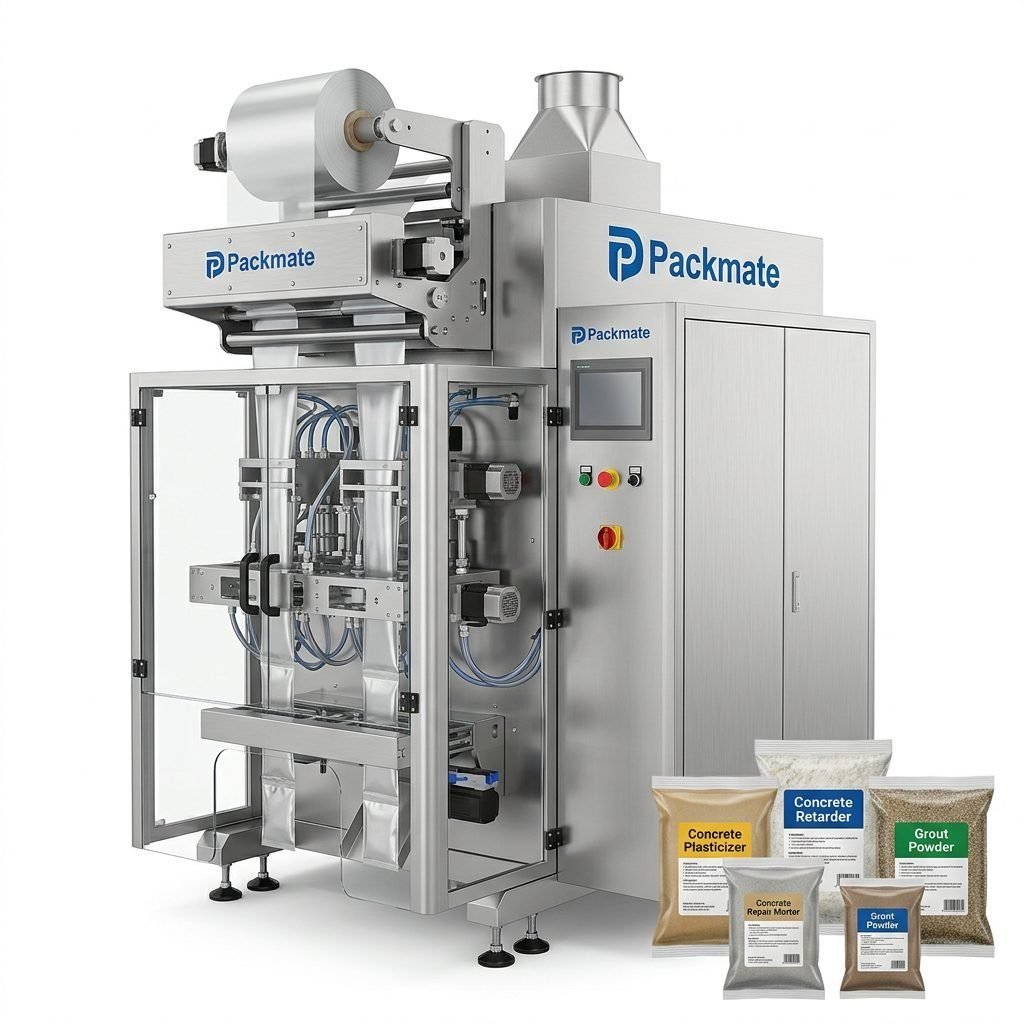
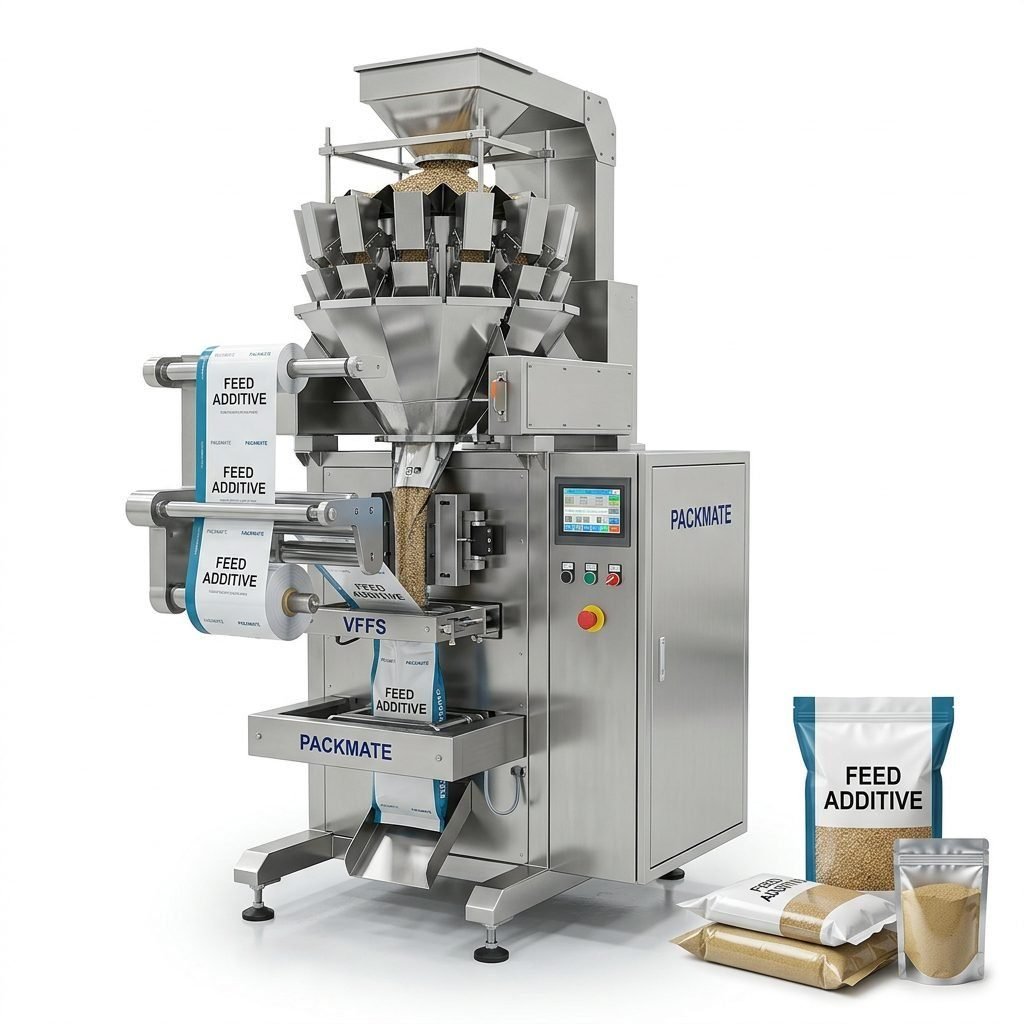
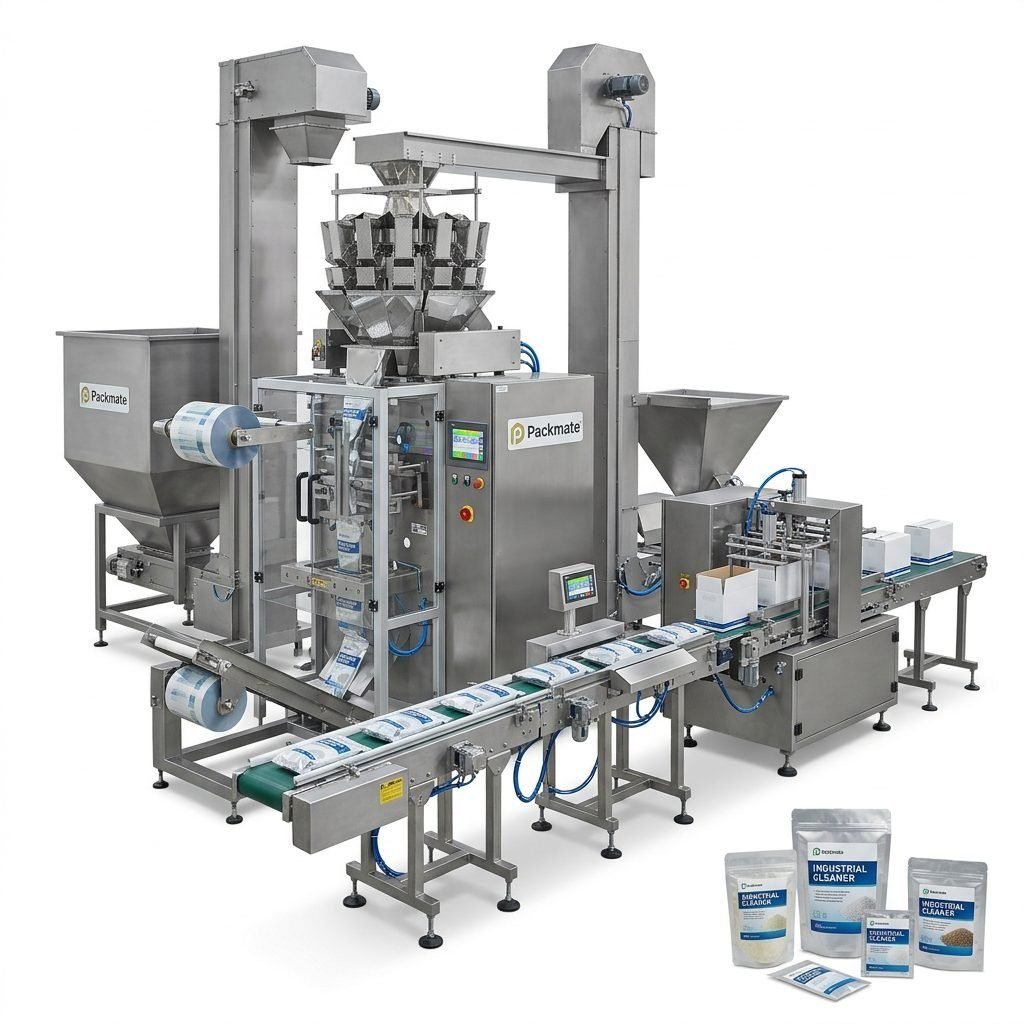
These are the most common machines for packaging nuts. They form bags from a roll of film, fill them with a pre-measured amount of product, and then seal them. Ideal for producing pillow bags or gusseted bags in various sizes, VFFS machines are highly versatile and efficient for medium to high-volume production lines.
Horizontal Form Fill Seal (HFFS) Machines
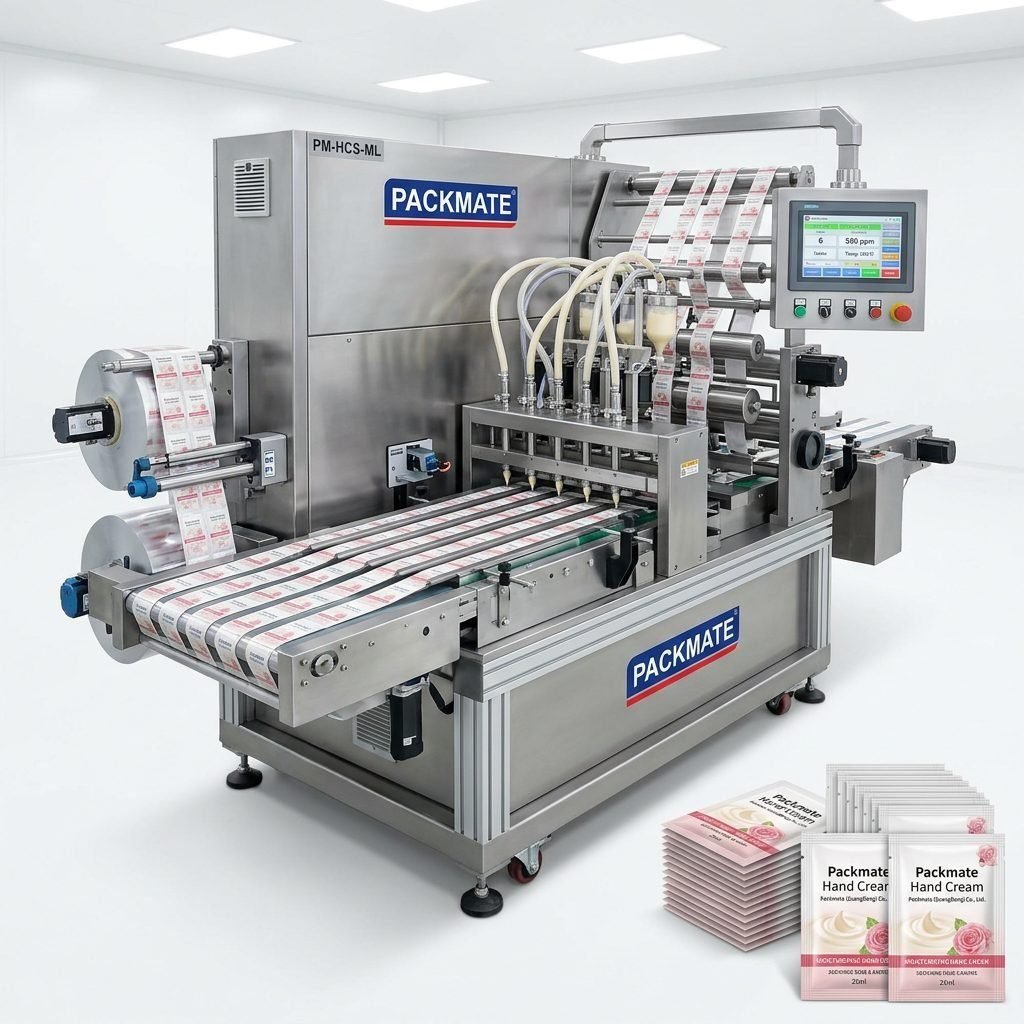
HFFS machines are typically used for more complex packaging formats, such as trays or cartons. While less common for standard nut packaging, they are excellent for creating premium presentation boxes or multi-compartment packs containing mixed nuts and dried fruits.
Pre-Made Pouch Machines
This type of machine uses pre-manufactured pouches or bags. It is perfect for businesses that require specific, high-quality printed packaging materials. The machine simply opens the pouch, fills it, and seals it. This method often allows for more intricate bag designs and is suitable for brands focusing heavily on shelf appeal.
Weighing and Combination Scales
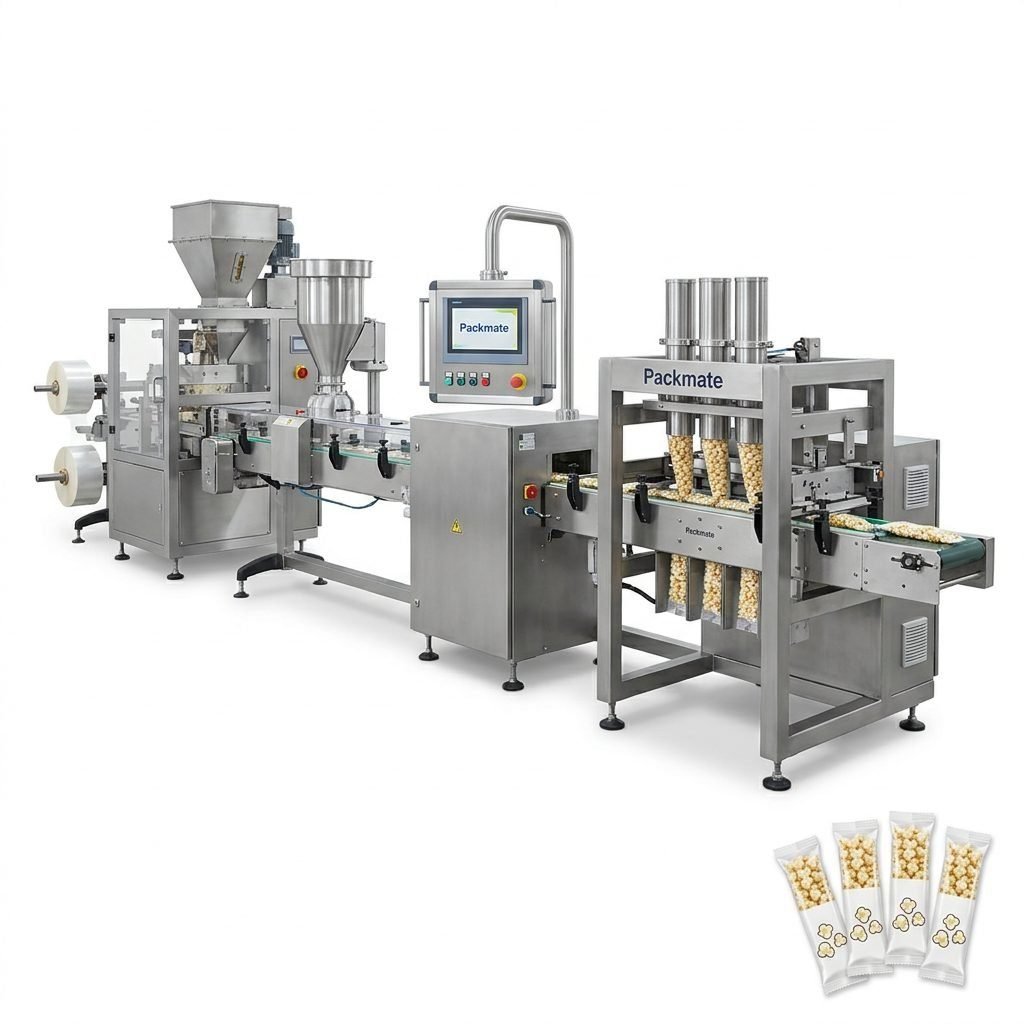
Critical to any nut packaging line is accurate weighing. Multi-head weighers and combination scales work in tandem with the bagging machine to ensure each package contains the exact weight specified. Advanced systems can handle sticky or oily nuts without compromising speed or accuracy.
Primary Uses and Applications in the Nut Industry
Nut packaging machines are designed to handle a wide array of products, each with its own challenges.
Packaging Different Nut Varieties
From lightweight peanuts and almonds to heavier macadamias and walnuts, machines must be adjustable. Key considerations include vibration systems for even distribution and gentle handling mechanisms to prevent nut breakage. For salted or seasoned nuts, machines need corrosion-resistant components.
Maintaining Freshness and Shelf Life
The primary role of packaging is to protect the product. Machines that integrate gas flushing (Modified Atmosphere Packaging – MAP) capabilities are invaluable. By replacing the air inside the bag with an inert gas like nitrogen, oxidation is drastically reduced, keeping nuts fresher and crispier for much longer.
Meeting Retail and Consumer Demands
Modern machines must be flexible to produce different bag sizes – from small single-serve snack packs to large family-sized bags. They also need to accommodate various sealing methods, including zippers or re-sealable features that consumers increasingly demand for convenience.
Essential Buying Tips for Your Investment
Selecting a nut packaging machine is a significant decision. Here are critical factors to evaluate before purchasing.
Assess Your Production Requirements
Clearly define your current and projected output (bags per minute), the range of bag sizes you need, and the types of nuts you will be packaging. This will determine the machine’s necessary speed, versatility, and robustness. Consider visiting a manufacturer like Packmate Machinery to see machines in action.
Focus on Machine Quality and Durability
The machine’s construction is paramount. Look for food-grade stainless steel contact parts, precision-engineered servos, and reliable PLC controls. A machine built to last, such as those from experienced manufacturers with a long company history, reduces long-term maintenance costs and downtime.
Evaluate Ease of Use and Changeover
Time is money. Choose a machine with a user-friendly HMI (Human-Machine Interface) and quick-change parts for bag size adjustments. Features like recipe storage can switch between different nut types and bag formats in minutes, maximizing your line’s productivity.
Consider Integration and Support
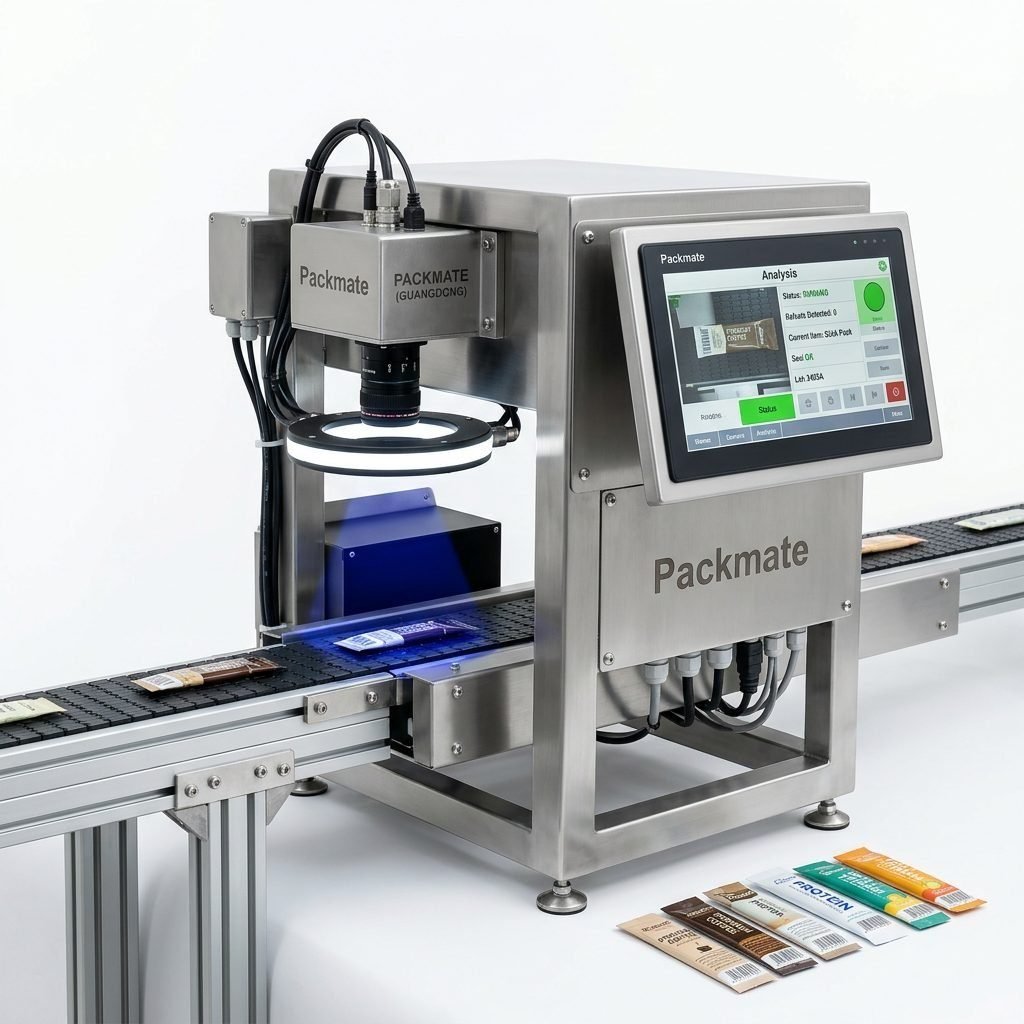
Will the machine need to integrate with existing checkweighers, labelers, or case packers? Ensure compatibility. Furthermore, comprehensive after-sales support, including training, spare parts availability, and technical service, is non-negotiable. Providers offering full service plans provide greater long-term security.
Understand the Total Cost of Ownership
Look beyond the initial purchase price. Factor in operational costs (energy consumption, film waste), maintenance expenses, and potential costs for future upgrades. A slightly higher upfront investment in a more efficient, reliable machine often leads to a lower total cost over its lifespan.
Optimizing Your Packaging Line
Beyond the core machine, several factors contribute to a successful packaging operation for nuts.
Choosing the right packaging film is critical. It must provide an excellent moisture and oxygen barrier, have good seal integrity, and offer the desired clarity and printability for branding. Work with your machine supplier and film vendor to find the optimal material.
Regular maintenance is key to consistent performance. Establish a schedule for cleaning, lubrication, and inspection of critical components like sealing jaws, film guides, and weighing sensors. This prevents unplanned stoppages and ensures package quality.
Frequently Asked Questions (FAQs)
What is the average speed of a nut packaging machine?
Speeds vary widely based on the machine type and bag size. Standard vertical form-fill-seal machines can typically range from 40 to over 120 bags per minute. For precise figures, it’s best to consult specific machine specifications from suppliers of weighing and packaging systems.
Can one machine handle different types of nuts?
Yes, most modern machines are highly versatile. However, changeover between different nut types (e.g., from whole almonds to small pine nuts) may require adjustments to the weighing system, vibration settings, and possibly the funnel size to ensure smooth product flow and accurate filling.
How important is gas flushing (MAP) for nut packaging?
Extremely important for extending shelf life and preserving quality, especially for nuts with high oil content that are prone to rancidity. MAP packaging can increase shelf life by 3 to 5 times compared to air-packed products, making it a valuable feature for many brands.
What kind of maintenance do these machines require?
Daily cleaning to remove nut dust and oils, weekly checks of sealing jaw temperatures and alignment, and periodic lubrication of moving parts as per the manufacturer’s manual. A well-maintained machine ensures consistent seals, accurate weights, and minimal film waste.
Where can I see these machines before buying?
Reputable manufacturers often have demonstration facilities or showcase their equipment at global exhibitions. Always request a live or video demonstration with a product similar to yours to assess the machine’s performance firsthand.