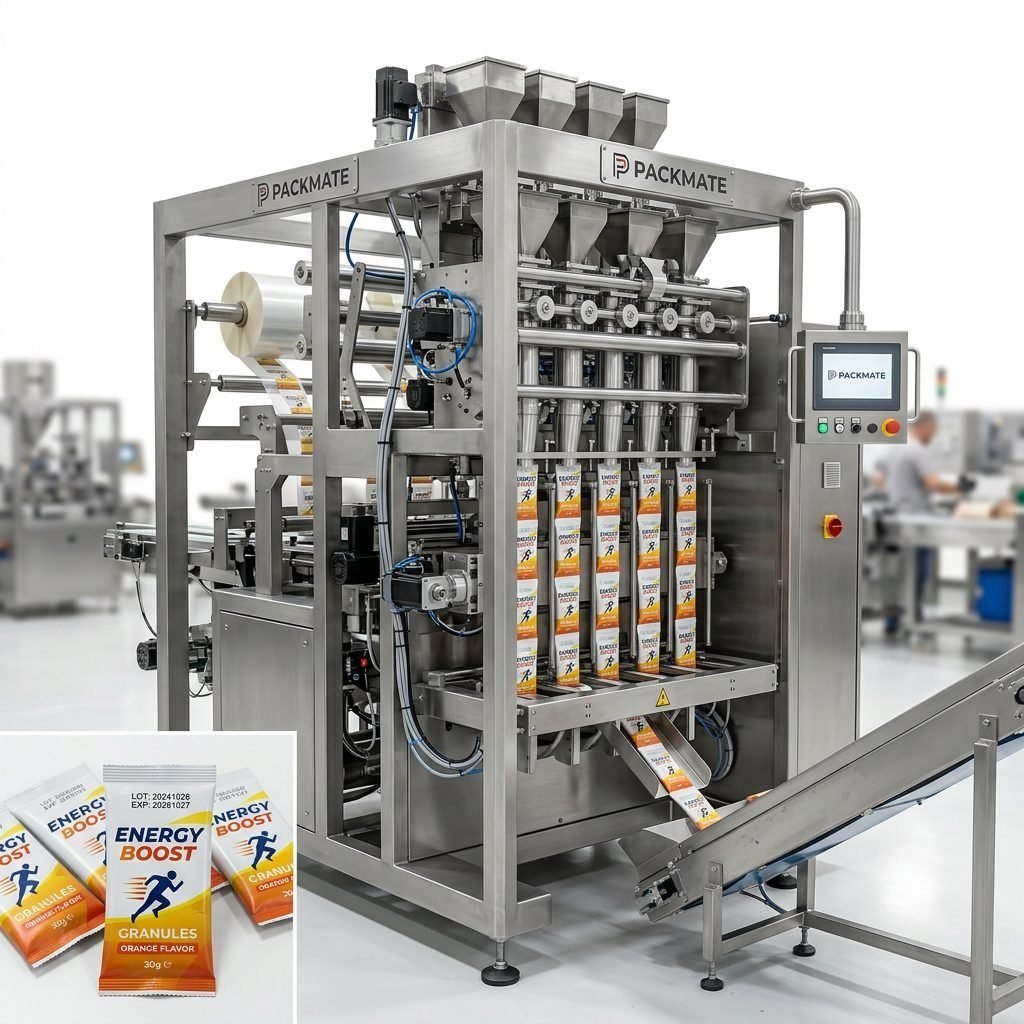
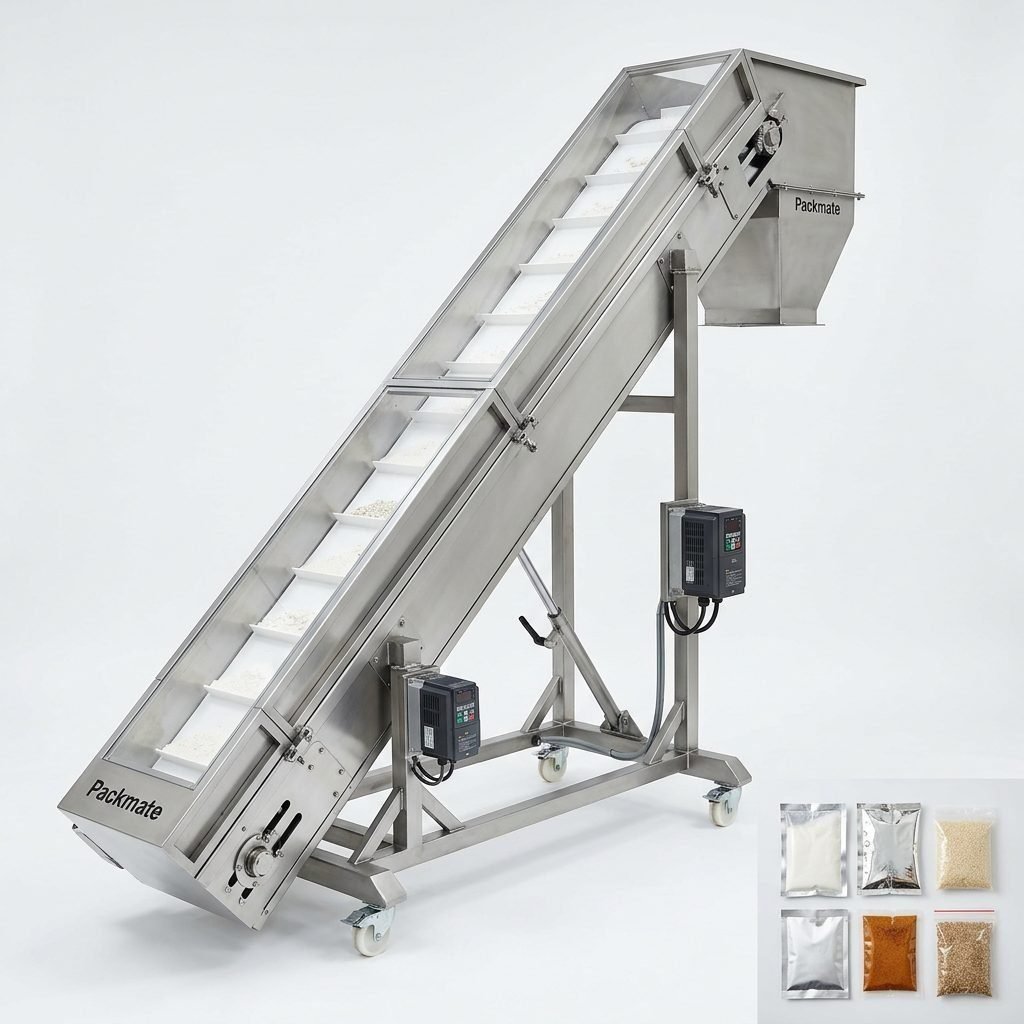
Choosing the right frozen pet food packaging machine is a critical decision for manufacturers aiming to ensure product freshness, safety, and market appeal. This comprehensive guide will walk you through every aspect of the buying process, from understanding core technologies to evaluating supplier reliability.
Understanding Frozen Pet Food Packaging Needs
The primary goal of packaging frozen pet food is to create a robust barrier against moisture, oxygen, and contaminants while maintaining structural integrity at low temperatures. This requires machinery capable of handling specialized materials and operating reliably in cold environments.
Key considerations include the packaging format (e.g., pouches, trays, bags), production speed requirements, and the specific type of food (wet, semi-moist, or raw). Machines must also be easy to clean and sanitize to meet stringent food safety standards, a non-negotiable aspect of pet food production.
Core Technologies in Modern Packaging Machines
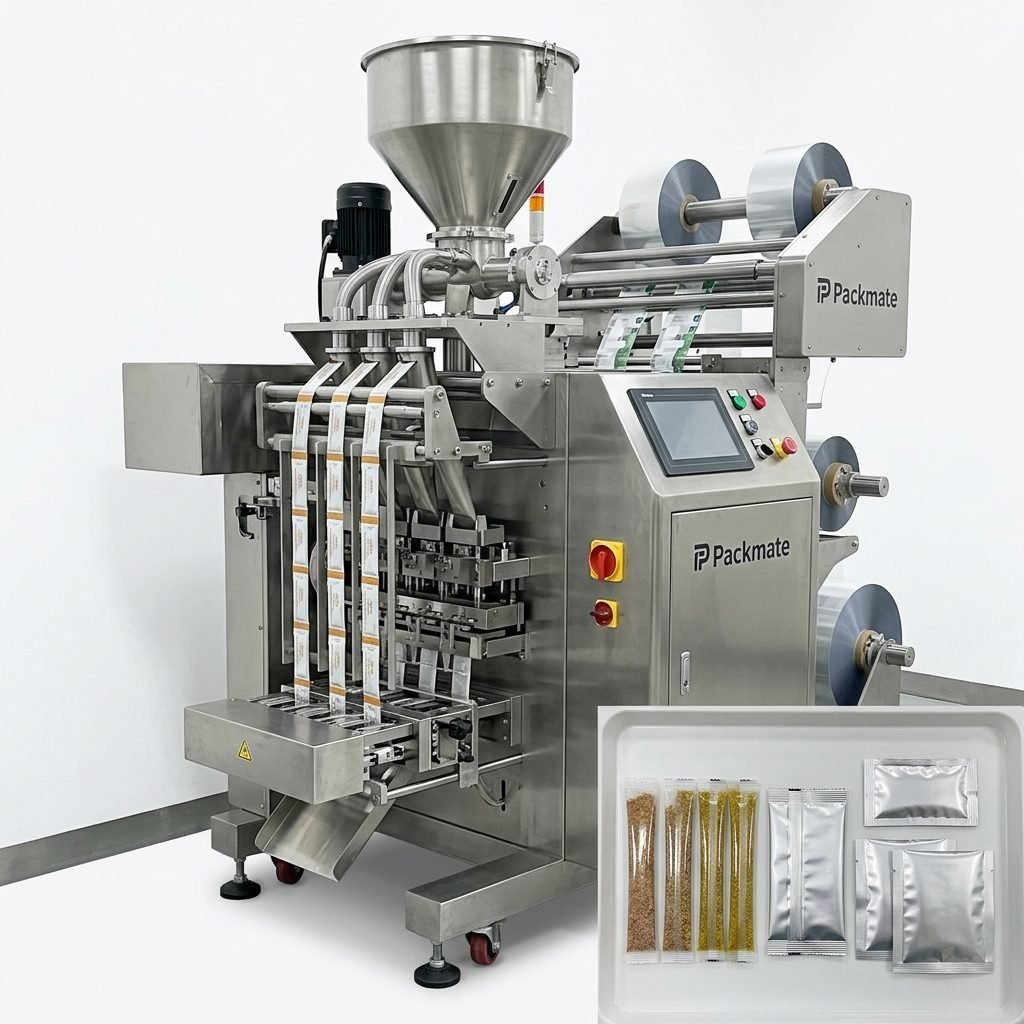
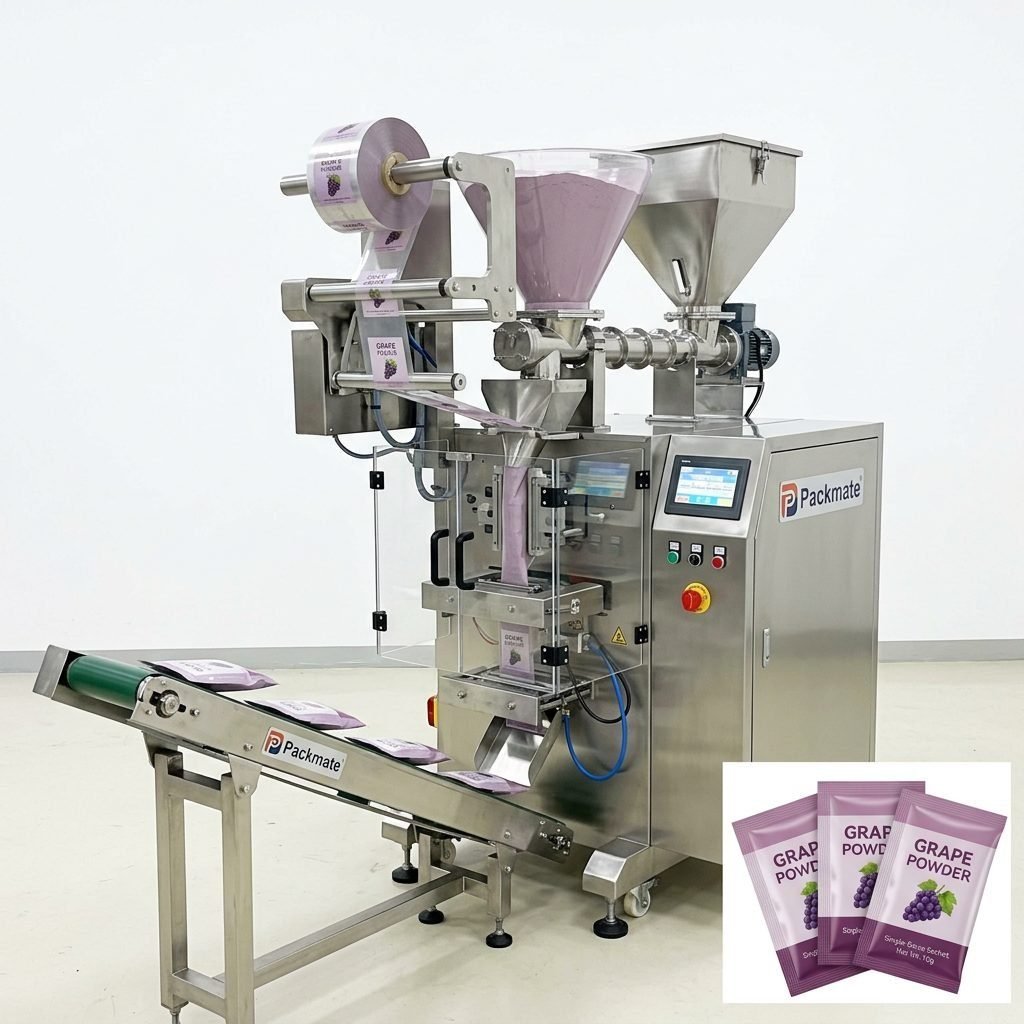
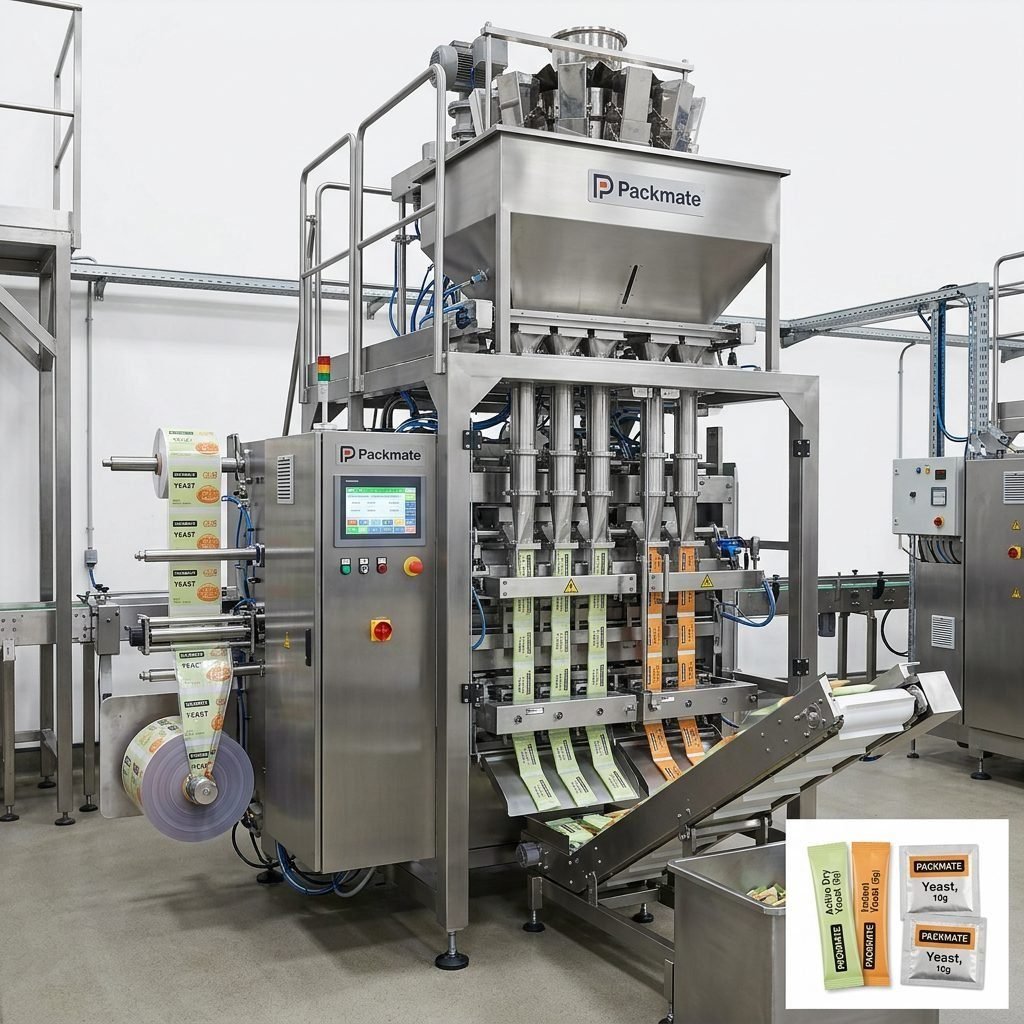
Today’s advanced machines integrate several key technologies. Vertical Form-Fill-Seal (VFFS) systems are highly popular for their efficiency in creating bags from roll stock film, filling them, and sealing them in one continuous operation. For pre-formed trays or rigid containers, automatic filling and sealing lines are the standard.
Furthermore, incorporating modified atmosphere packaging (MAP) technology is becoming essential for premium products. MAP replaces the air inside the package with a protective gas mix (like nitrogen or carbon dioxide), significantly extending shelf life and preserving nutritional value and taste.
Critical Features to Evaluate
When comparing machines, focus on these essential features:
Material Compatibility: Ensure the machine can run the specific laminates or co-extruded films required for frozen products, which often have high barrier properties.
Precision Weighing & Filling: Look for multi-head weighers or precision liquid pumps that guarantee accurate fill weights for both solid and liquid components, minimizing giveaway.
Seal Integrity: Robust heat sealing systems with consistent temperature control are vital to prevent leaks and freezer burn.
Hygienic Design: Stainless steel contact parts, smooth surfaces, and easy access for cleaning are mandatory for food-grade production.
Automation & Control: User-friendly PLC interfaces with recipe storage, production data tracking, and diagnostic alerts streamline operation and maintenance.
Selecting a Reliable Machinery Partner
Your machine is only as good as the company behind it. Partnering with an experienced manufacturer like Packmate Machinery provides significant advantages. With over 22 years of development and a 20,000㎡ modern facility, they bring deep expertise in creating reliable, intelligent packaging solutions.
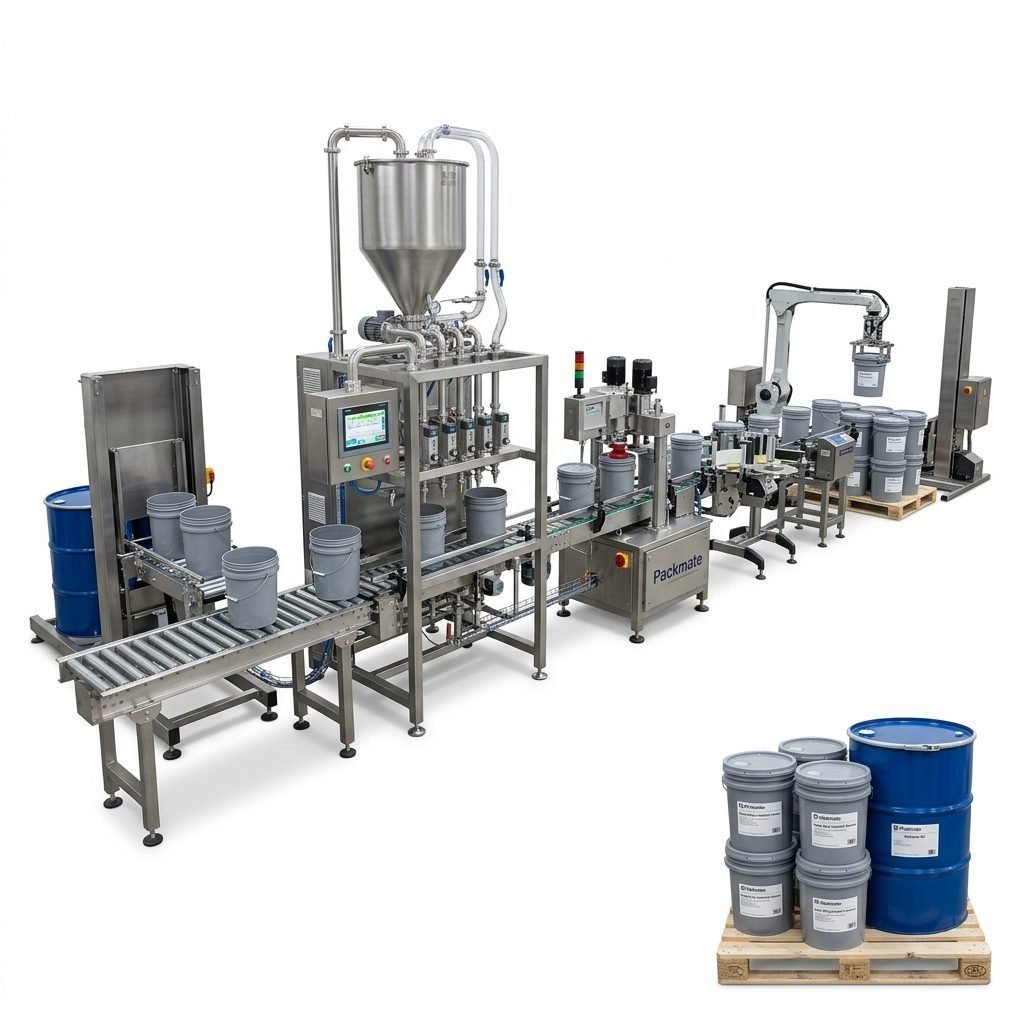
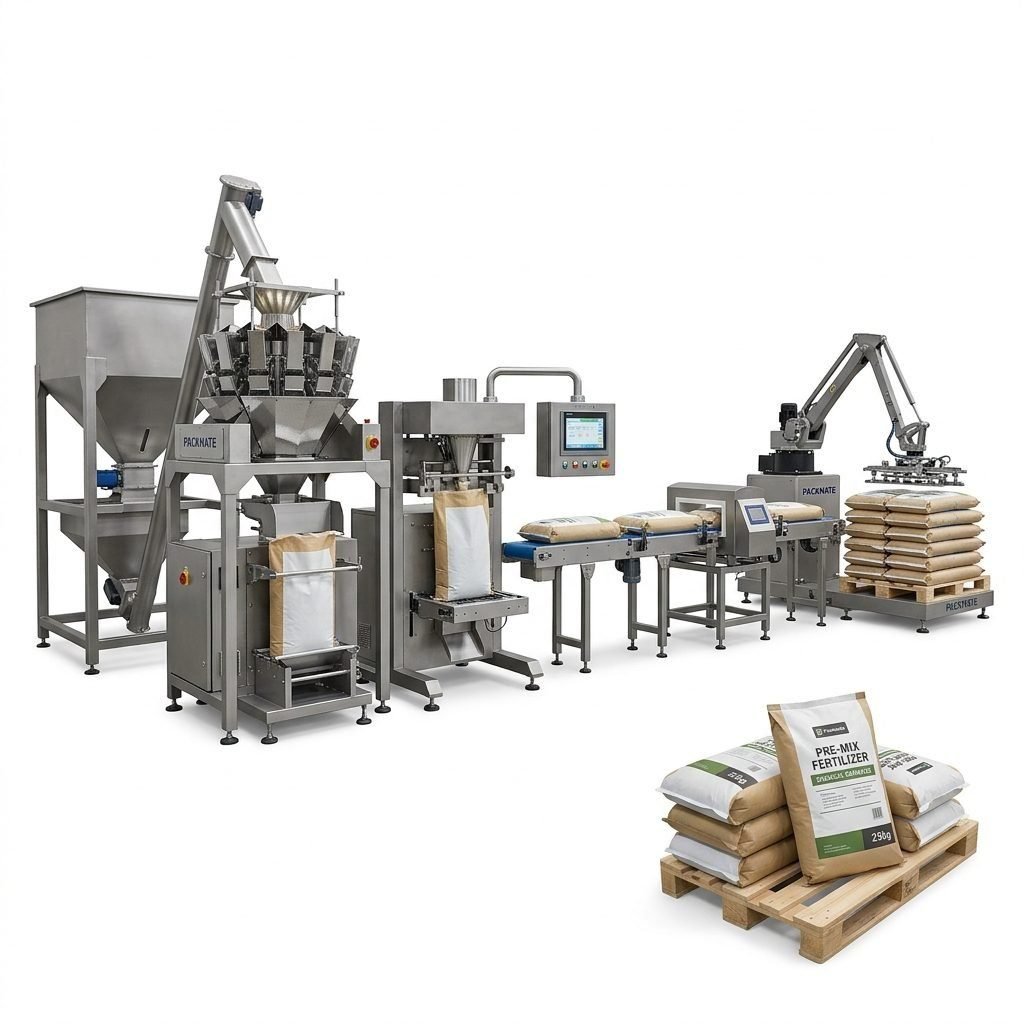
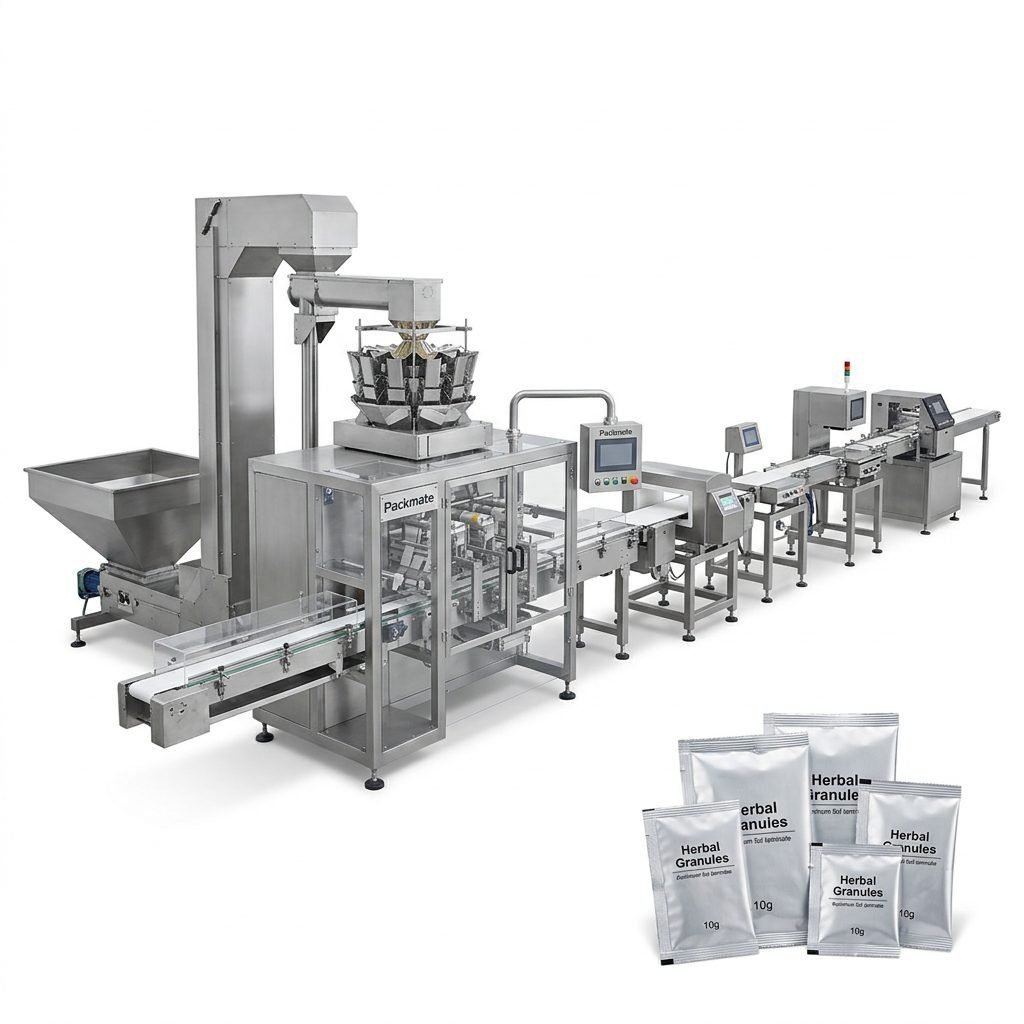
A trustworthy supplier offers more than just a machine. They provide comprehensive support, including customized engineering to match your product line, thorough factory acceptance testing, detailed operator training, and reliable after-sales service with readily available spare parts. This turnkey approach, as offered for their filling & packaging lines, ensures a smooth project from concept to full production.
Total Cost of Ownership Analysis
Look beyond the initial purchase price. The Total Cost of Ownership (TCO) includes factors like energy consumption, maintenance costs, required operator skill level, changeover times for different package sizes, and potential downtime. A slightly higher initial investment in a robust, efficient machine from a proven packaging equipment manufacturer often leads to much lower long-term costs and higher overall productivity.
Planning for Future Growth
Consider your business’s scalability. Can the machine handle future increases in output? Is it modular to allow for the addition of features like checkweighers or vision inspection systems later? Choosing a flexible platform protects your investment and supports expansion without requiring a complete machinery overhaul.
Frequently Asked Questions (FAQs)
What is the typical production speed for a frozen pet food packaging line?
Speeds vary widely based on package type and size. Standard vertical form-fill-seal machines for pouches can range from 40 to 120 bags per minute. For more complex operations like filling and sealing pre-formed trays, speeds might be 20-60 trays per minute. It’s crucial to match the machine’s capacity with your actual production volume targets.
How important is Modified Atmosphere Packaging (MAP) for frozen products?
While freezing itself preserves food, MAP provides an extra layer of protection against oxidation and flavor degradation, especially after the product leaves the freezer (e.g., during transport or retail display). It is highly recommended for premium products and those with high-fat content to maintain optimal quality and extend shelf life.
What are the key maintenance requirements for these machines?
Regular maintenance is vital. Daily tasks include cleaning and sanitizing all product contact surfaces. Weekly or monthly schedules should involve lubricating moving parts, checking seal bar alignment and temperature sensors, and inspecting cutting blades. Partnering with a supplier that offers clear manuals, training, and readily available spare parts, like those found in the service section, is essential for uptime.
Can one machine handle different package sizes and shapes?
Most modern machines are designed for quick changeover. However, the degree of flexibility differs. Some require manual adjustment and part changes (like forming tubes and sealing jaws), while more advanced models may offer servo-driven adjustments stored in the PLC for rapid, tool-less changeovers. Define your product range clearly with your supplier to get the right level of flexibility.
What safety and certification standards should I look for?
Machines must comply with local and international safety standards (e.g., CE, UL). For direct food contact, materials should be food-grade, often requiring 316L stainless steel. Documentation on material certifications and machine safety is a must. Reputable manufacturers will have this readily available, similar to the certifications highlighted by industry leaders.