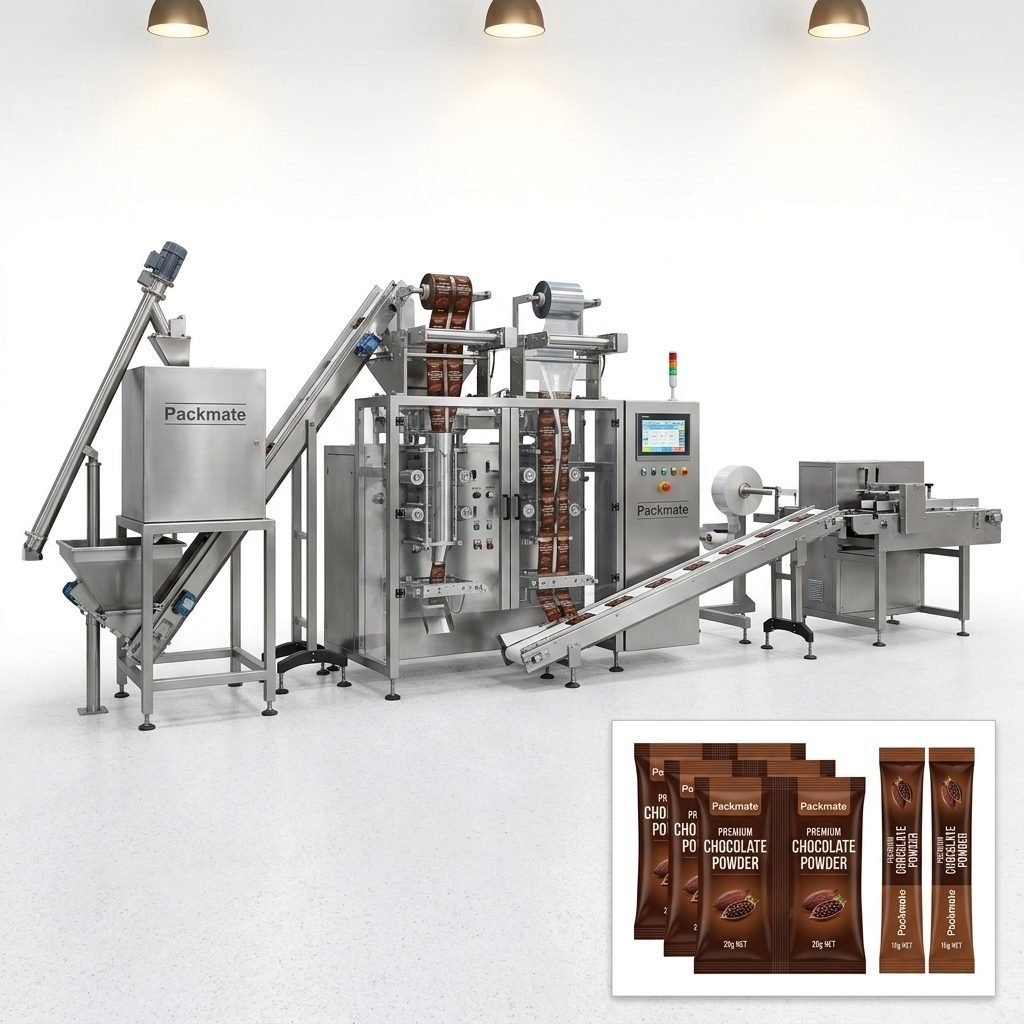
In today’s fast-paced manufacturing world, efficiency is paramount. High-speed packaging machines have emerged as critical assets for businesses aiming to scale production, reduce costs, and maintain consistent product quality. This guide delves into the various types of high-speed packaging equipment available and explores their significant benefits for modern operations.
Understanding High-Speed Packaging Machinery
High-speed packaging machines are automated systems designed to rapidly form, fill, and seal products into their final retail packaging. These machines are engineered for durability and precision, handling thousands of units per hour with minimal human intervention. The core principle is to maximize output while minimizing waste and operational downtime, a crucial factor for competitive industries like food, pharmaceuticals, and consumer goods.
The shift towards automation is not just a trend but a strategic necessity. Companies investing in advanced packaging machinery often see a direct impact on their bottom line through improved operational efficiency and reduced labor costs.
Primary Types of High-Speed Packaging Machines
The market offers a diverse range of machines, each tailored for specific products, materials, and production volumes. Selecting the right type is the first step toward optimizing your packaging line.
Vertical Form-Fill-Seal (VFFS) Machines
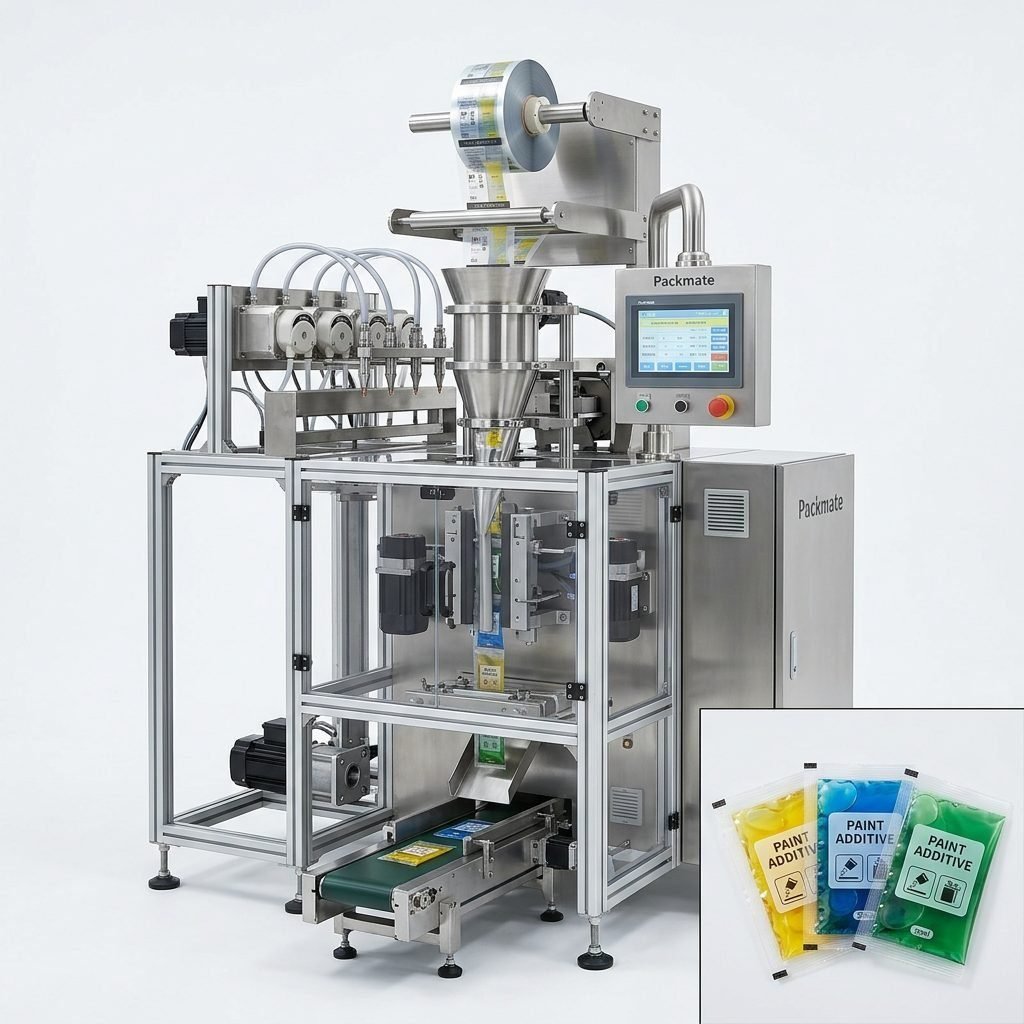
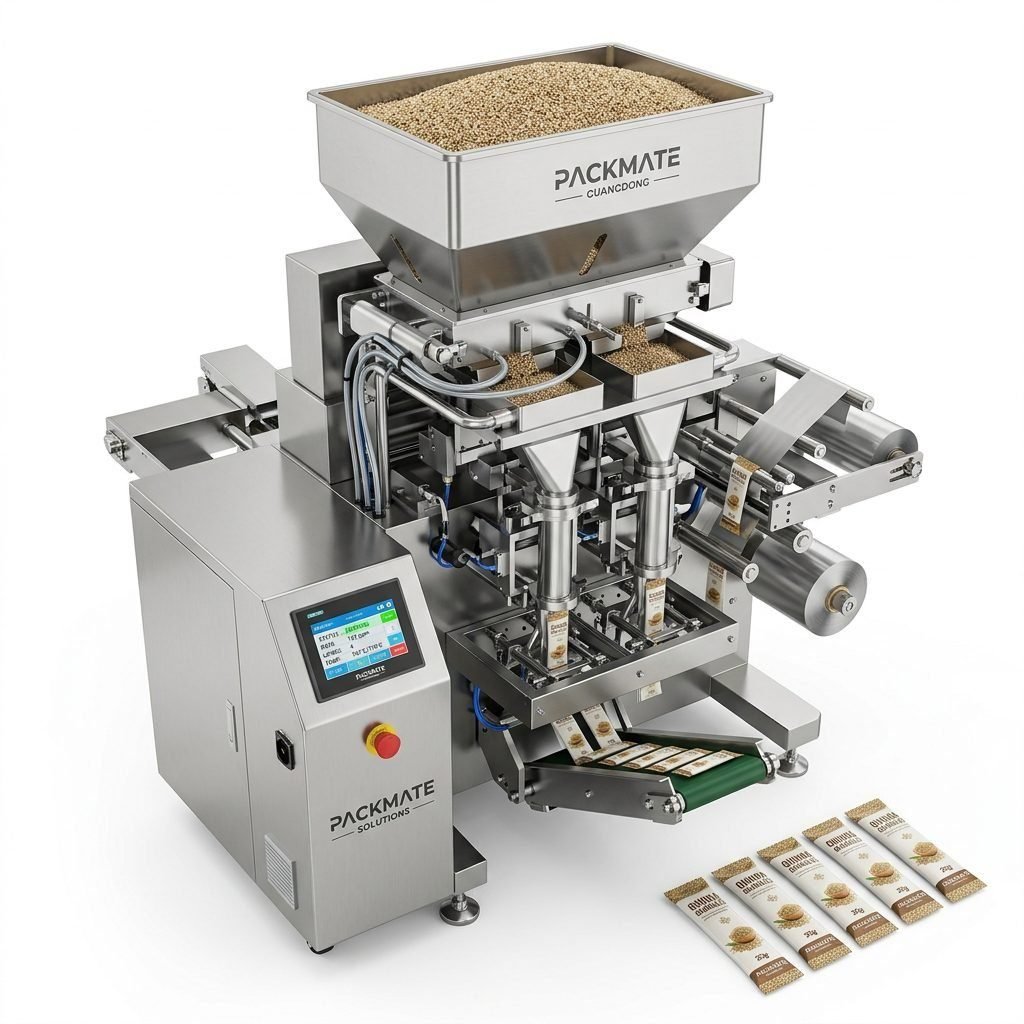
These are among the most common and versatile high-speed packagers. They form packaging from a roll of film, fill it with product, and seal it—all in a continuous vertical motion. Ideal for granules, powders, snacks, and liquids, VFFS machines are celebrated for their compact footprint and ability to handle a wide variety of pouch styles.
Horizontal Form-Fill-Seal (HFFS) Machines
Operating on a horizontal plane, these machines are typically used for wrapping solid products like candy bars, biscuits, or medical devices. They offer excellent presentation and are often used for flow-wrapping or skin packaging applications where product visibility and protection are key.
Stick Pack and Sachet Packaging Machines
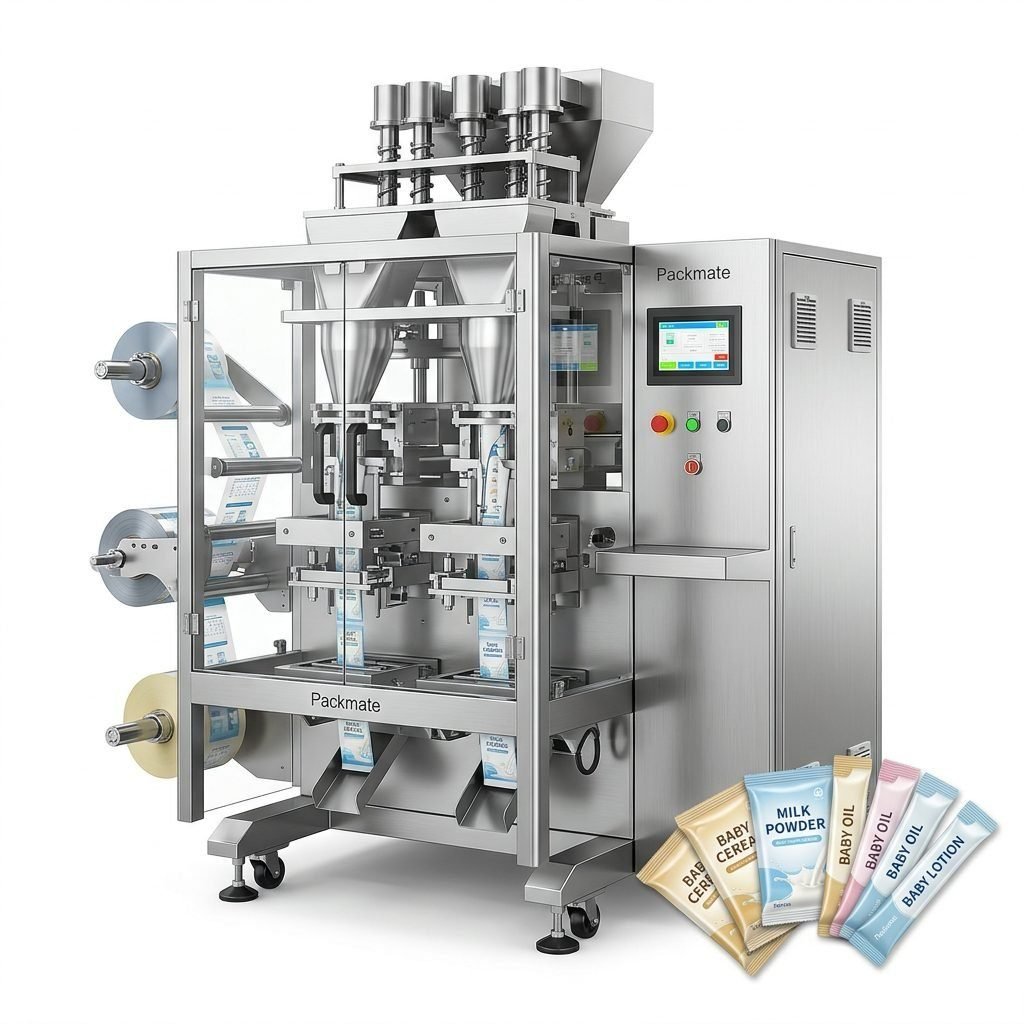
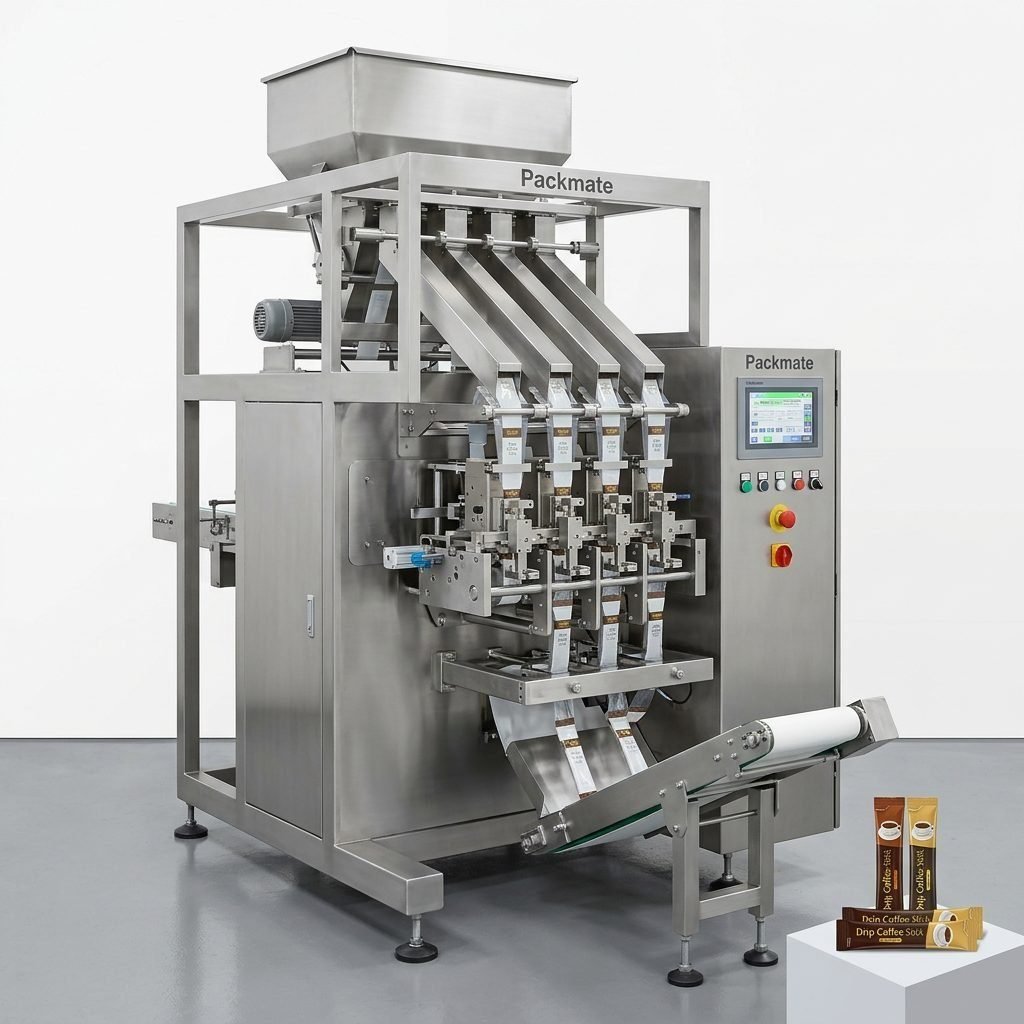
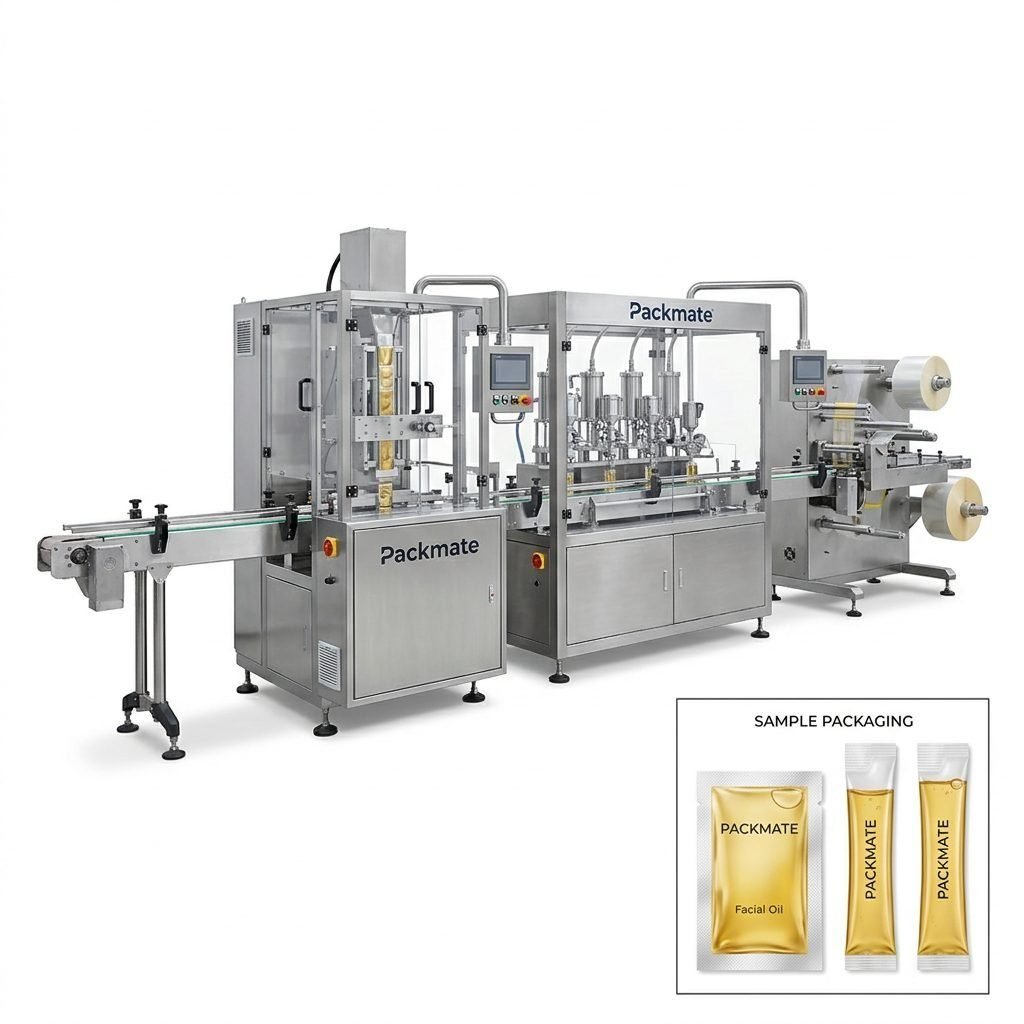
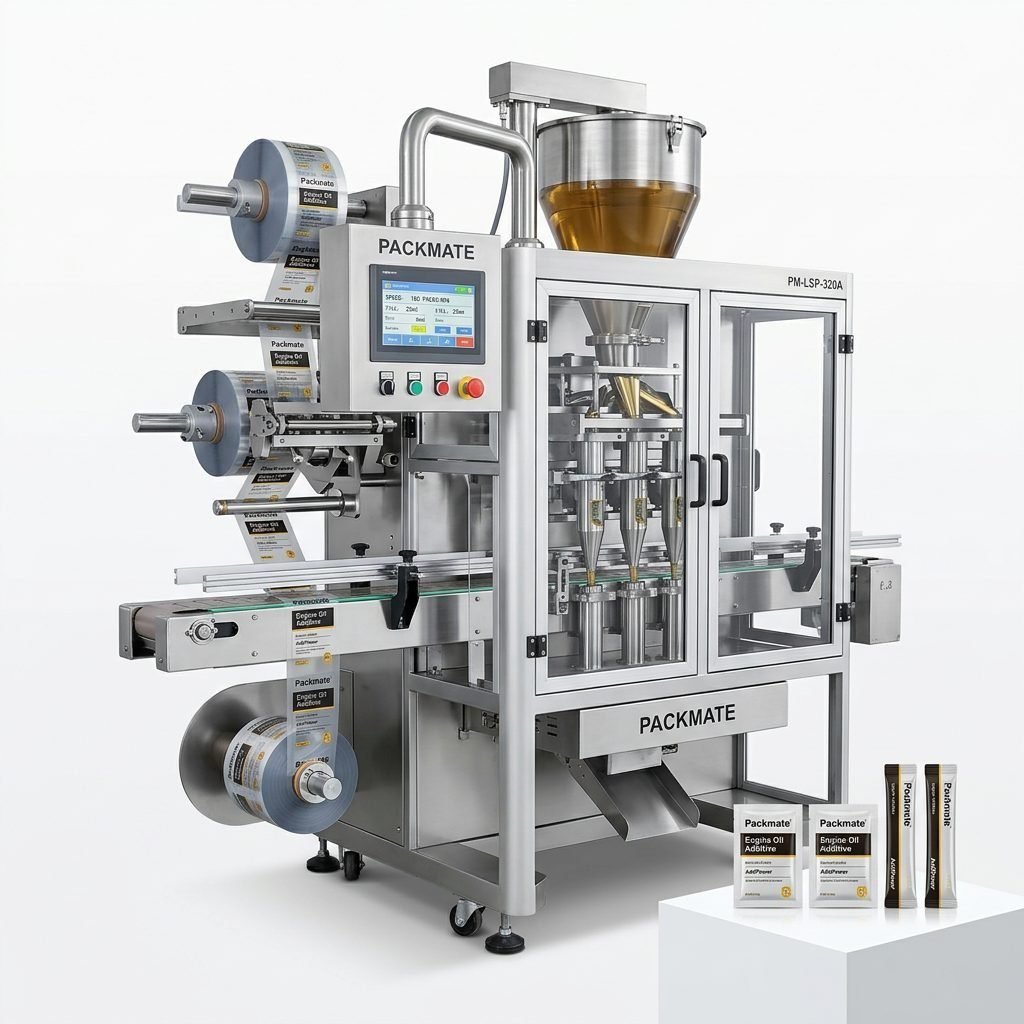
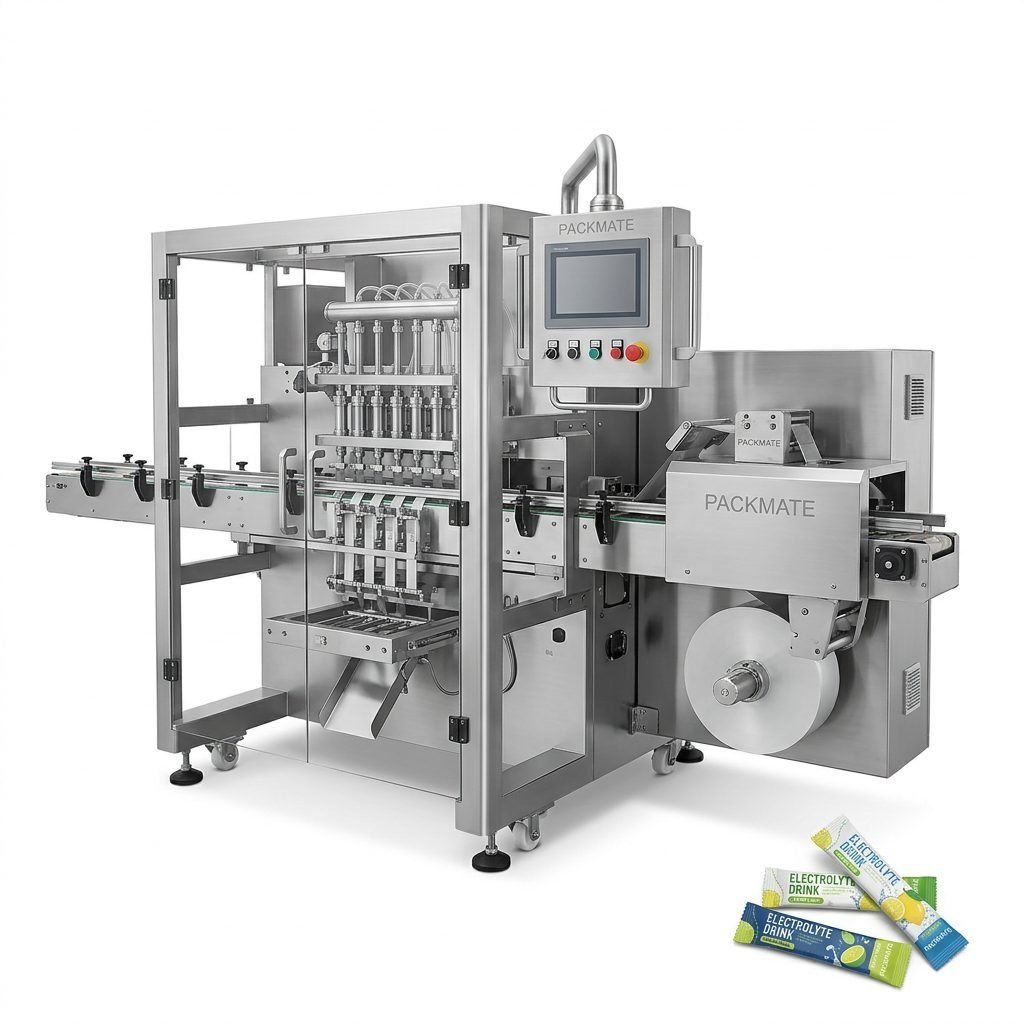
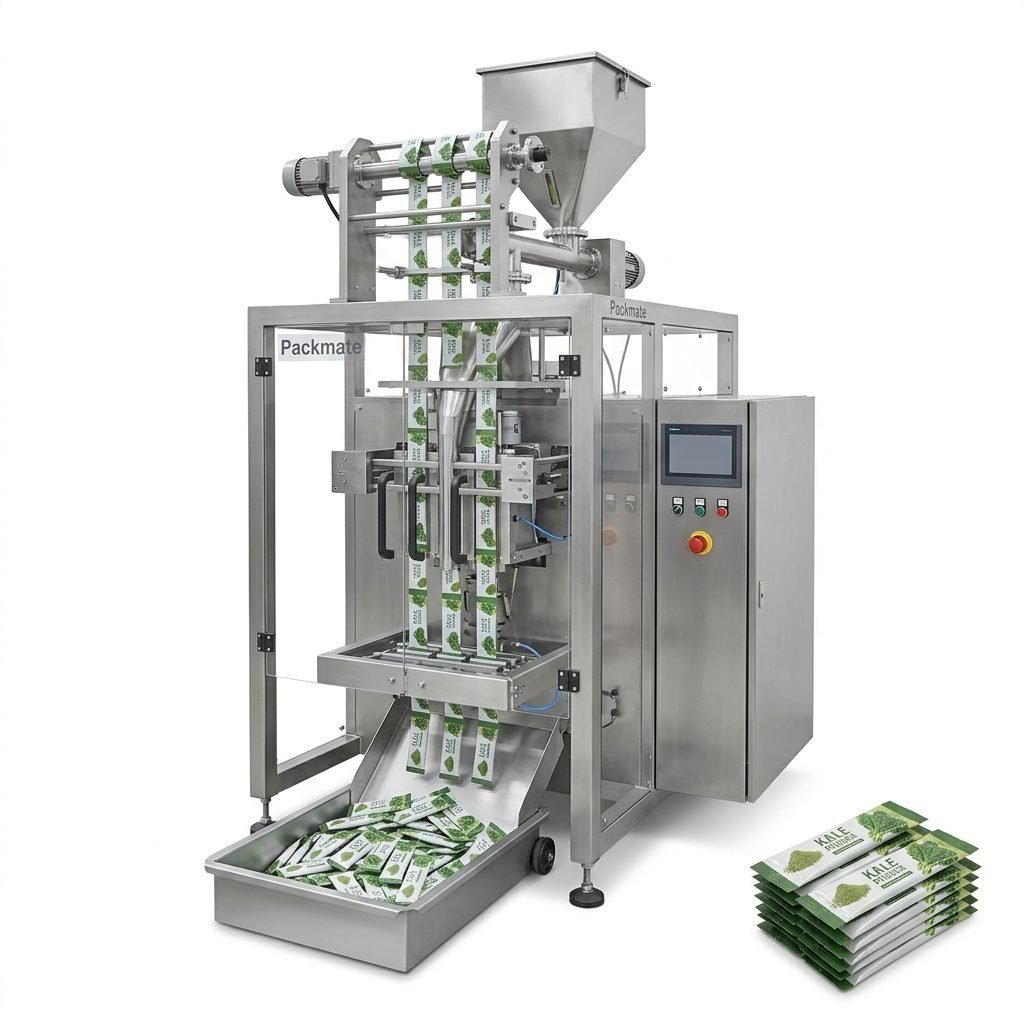
Specialized for single-serve and sample-sized packaging, these machines produce small, elongated stick packs or flat sachets at incredibly high speeds. They are perfect for powdered beverages, condiments, pharmaceuticals, and cosmetics. For businesses looking to enter this market, exploring dedicated sachet and stick pack machine solutions is highly recommended.
Multi-lane configurations can exponentially increase output, allowing a single machine to produce dozens of stick packs simultaneously, making them a powerhouse for high-volume production.
Bottling and Capping Lines
For liquid products, high-speed rotary fillers integrated with capping and labeling systems create a seamless bottling line. These systems can handle various container shapes and sizes, filling them with precise volumes before applying closures at remarkable speeds.
Cartoning Machines
These machines automate the process of loading products into pre-glued cartons, folding, and sealing them. High-speed cartoners are essential for end-of-line packaging, ensuring products are securely housed for shipping and retail display.
Key Benefits of Implementing High-Speed Packaging
The advantages of upgrading to high-speed automation extend far beyond simply packing things faster. They touch every aspect of production and business health.
Dramatically Increased Production Output
The most apparent benefit is the sheer increase in production capacity. Machines can operate 24/7 with consistent speed, eliminating the variability and fatigue associated with manual labor. This allows businesses to meet large orders, scale operations, and explore new market opportunities without being constrained by packaging bottlenecks.
Enhanced Product Consistency and Quality
Automation ensures every package is identical. Fill weights are precise, seals are uniform and strong, and placement is consistent. This reduces product giveaway (overfilling) and virtually eliminates leakers or faulty seals that can lead to spoilage and customer complaints, thereby protecting brand reputation.
Significant Reduction in Labor Costs and Dependency
One high-speed machine can replace multiple manual packaging stations. This translates to direct savings on labor wages and associated costs (benefits, training, management). It also mitigates challenges related to labor shortages and allows skilled workers to be reassigned to more value-added tasks like quality control and machine supervision.
Improved Operational Efficiency and Material Savings
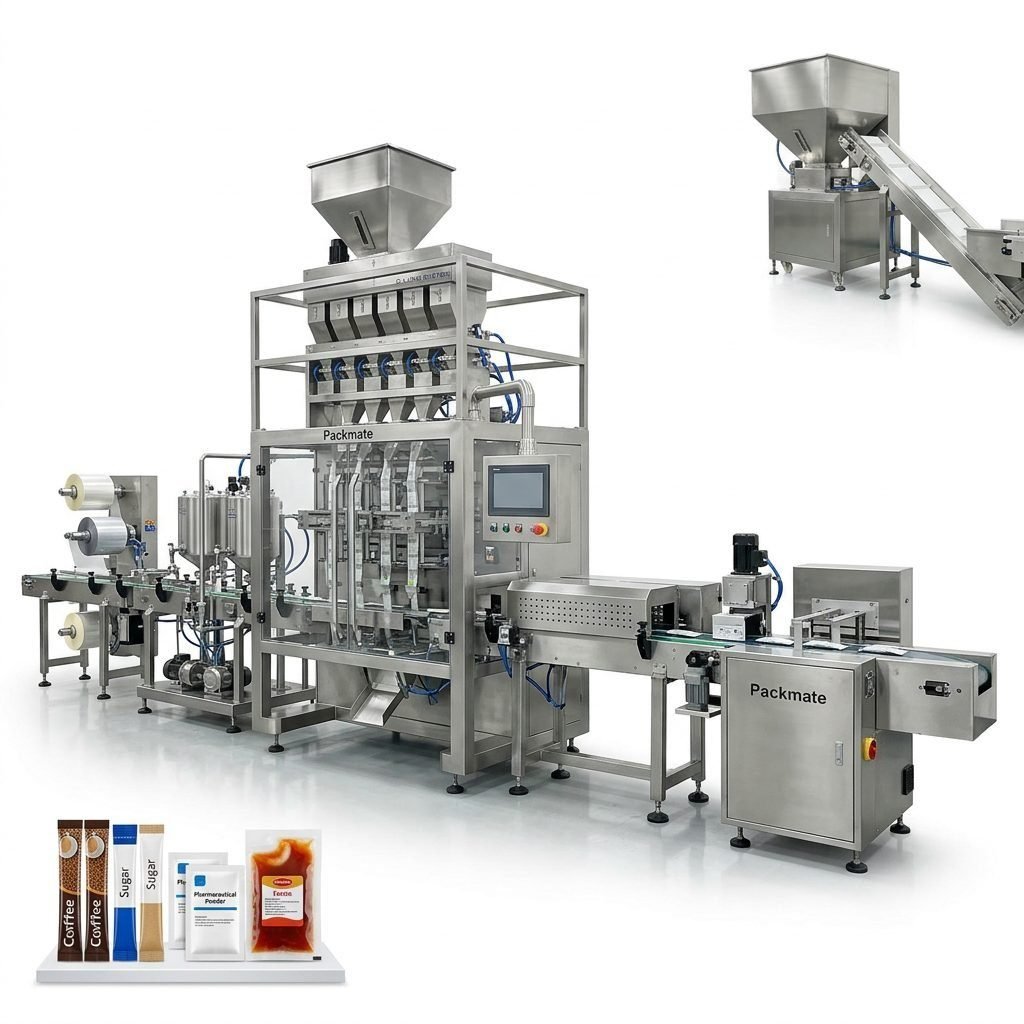
Modern machines are designed with precision material handling systems that minimize film, cardboard, or label waste. Advanced controls allow for quick changeovers between different products or package sizes, reducing downtime. Furthermore, integrating a high-speed weighing system upstream can ensure perfect fill accuracy and compliance with regulatory net content requirements.
The long-term Return on Investment (ROI) for a high-speed packaging machine is often compelling. While the initial capital outlay is higher than manual methods, the combined savings from labor, material, waste reduction, and increased sales capacity typically lead to a payback period of just a few years, followed by years of profitable operation.
Greater Workplace Safety
Automating repetitive and potentially strenuous tasks reduces the risk of repetitive strain injuries (RSIs) among workers. It also minimizes their exposure to sharp materials, dust, or other production line hazards, creating a safer working environment.
Scalability and Flexibility for Future Growth
Many high-speed machines are modular. You can start with a core form-fill-seal unit and later add modules for checkweighing, metal detection, vision inspection, or case packing. This modularity, often seen in complete filling and packaging lines, allows businesses to invest in stages, aligning capital expenditure with growth.
Choosing the Right Machine for Your Needs
Selecting a high-speed packaging machine is a significant decision. Key considerations include:
Product Characteristics: Is it a solid, powder, granule, or liquid? What is its flowability and density?
Packaging Material: What type of film, laminate, or pre-made pouch will be used?
Required Speed (Units Per Minute/Hour): Match the machine’s capacity to your current and projected future volumes.
Footprint and Utility Requirements: Ensure your facility has the space, power, and compressed air necessary.
Budget and Total Cost of Ownership: Consider not just the purchase price, but also installation, maintenance, spare parts, and operational costs.
Partnering with an experienced manufacturer like Packmate Machinery, with over 30 years of expertise, can provide invaluable guidance. Their team can help you navigate these choices to find a reliable, high-performance solution tailored to your specific application.
Frequently Asked Questions (FAQs)
What is the typical lifespan of a high-speed packaging machine?
With proper maintenance and operation, a well-built high-speed packaging machine from a reputable manufacturer can last 15 to 20 years or more. Regular servicing, using genuine spare parts, and following operational guidelines are crucial for maximizing machine life.
How difficult is it to train operators on a new high-speed machine?
Modern machines feature user-friendly Human-Machine Interface (HMI) touchscreens. Reputable suppliers provide comprehensive training during installation and commissioning. While the underlying technology is complex, day-to-day operation, monitoring, and basic changeovers are designed to be intuitive for trained personnel.
Can one machine handle multiple different products or package sizes?
Yes, most high-speed machines are designed for changeover. The ease and speed of changeover vary by machine type and model. Machines with servo-driven components and digital recipe storage allow for faster, more precise changeovers between different products, weights, and pouch sizes, enhancing flexibility for multi-SKU production.
What kind of maintenance do these machines require?
Maintenance is categorized into daily, weekly, and periodic schedules. Daily tasks include cleaning and visual inspections. Weekly tasks might involve lubrication and checking for wear. Periodic maintenance (quarterly, annually) involves more in-depth inspections and replacement of wear parts. A proactive maintenance plan is essential to prevent unplanned downtime.
Are high-speed packaging machines suitable for small businesses or startups?
While traditionally aimed at medium to large enterprises, the market now offers more scalable and affordable entry-level high-speed models. The decision should be based on a thorough cost-benefit analysis. For a startup expecting rapid growth, investing in automation early can prevent future bottlenecks and establish a foundation for efficient, scalable production.