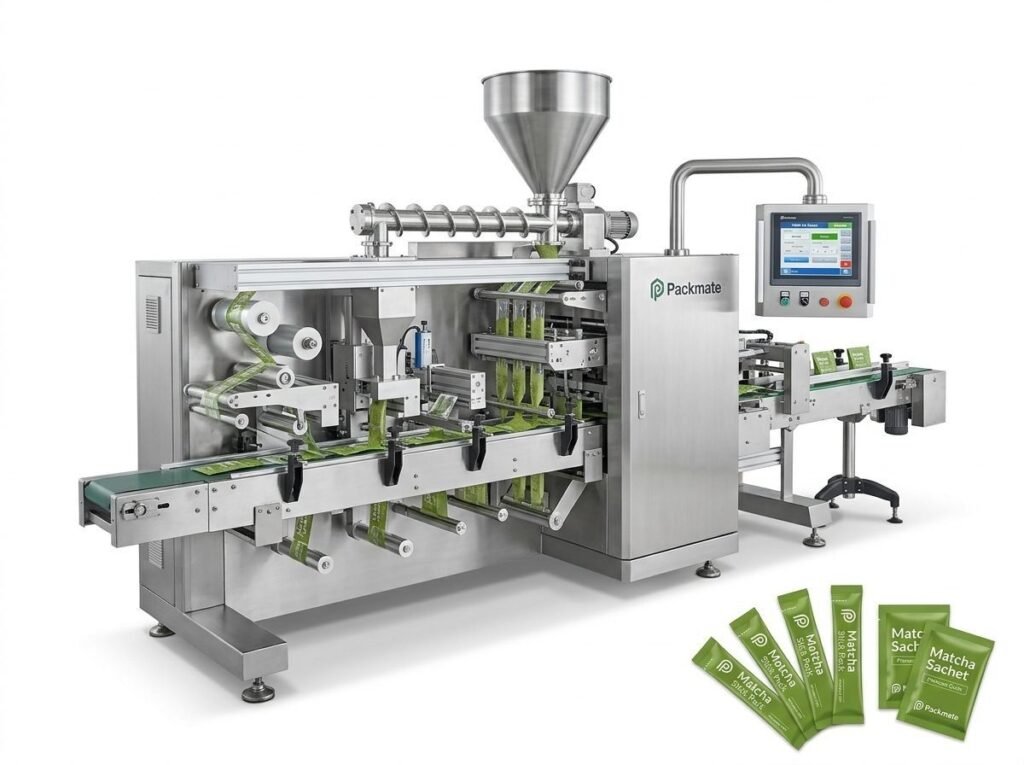
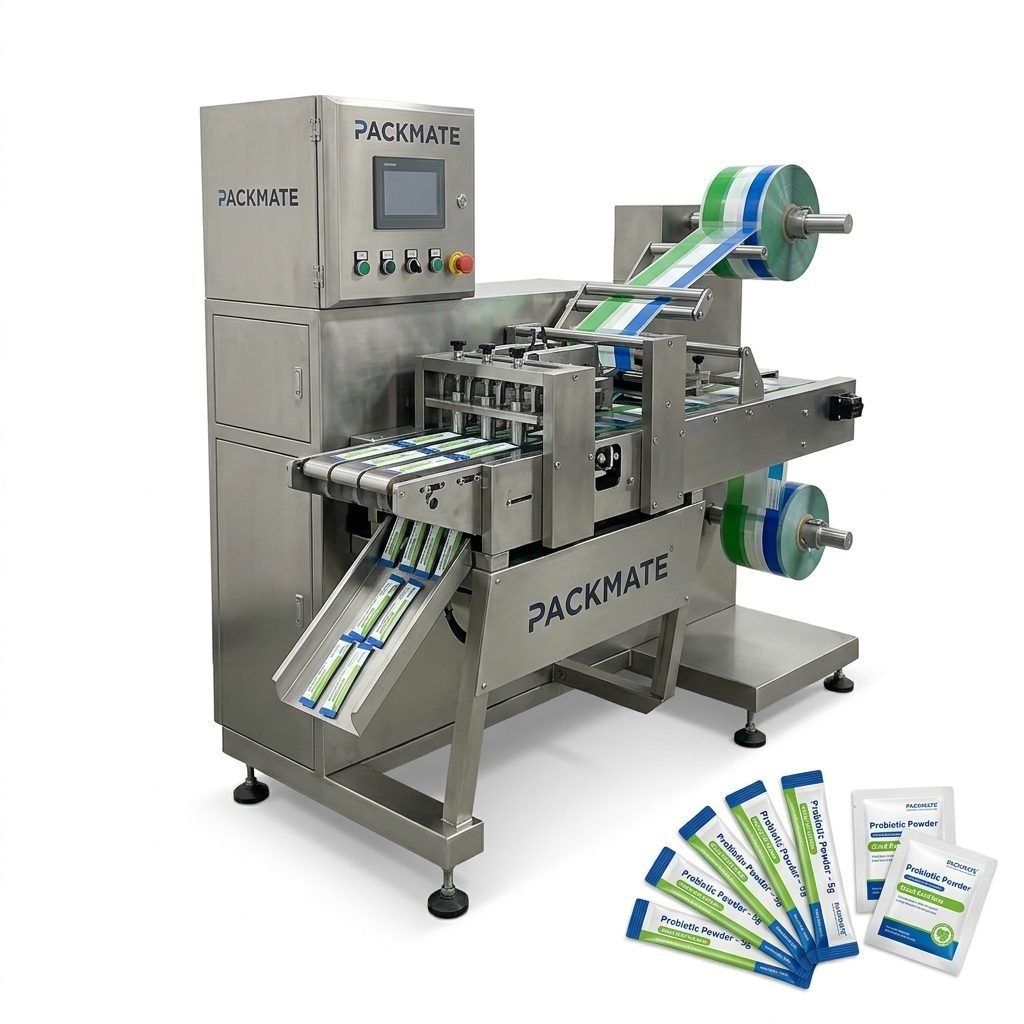
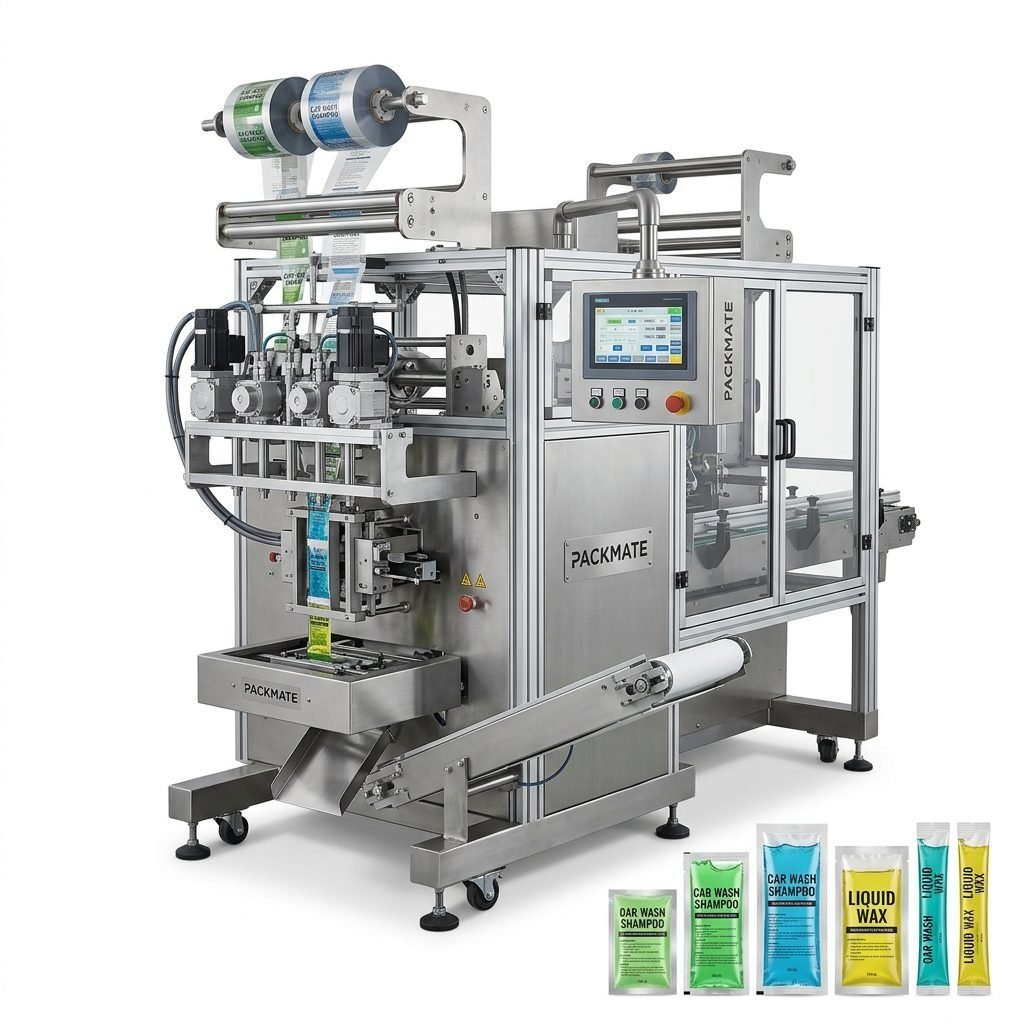
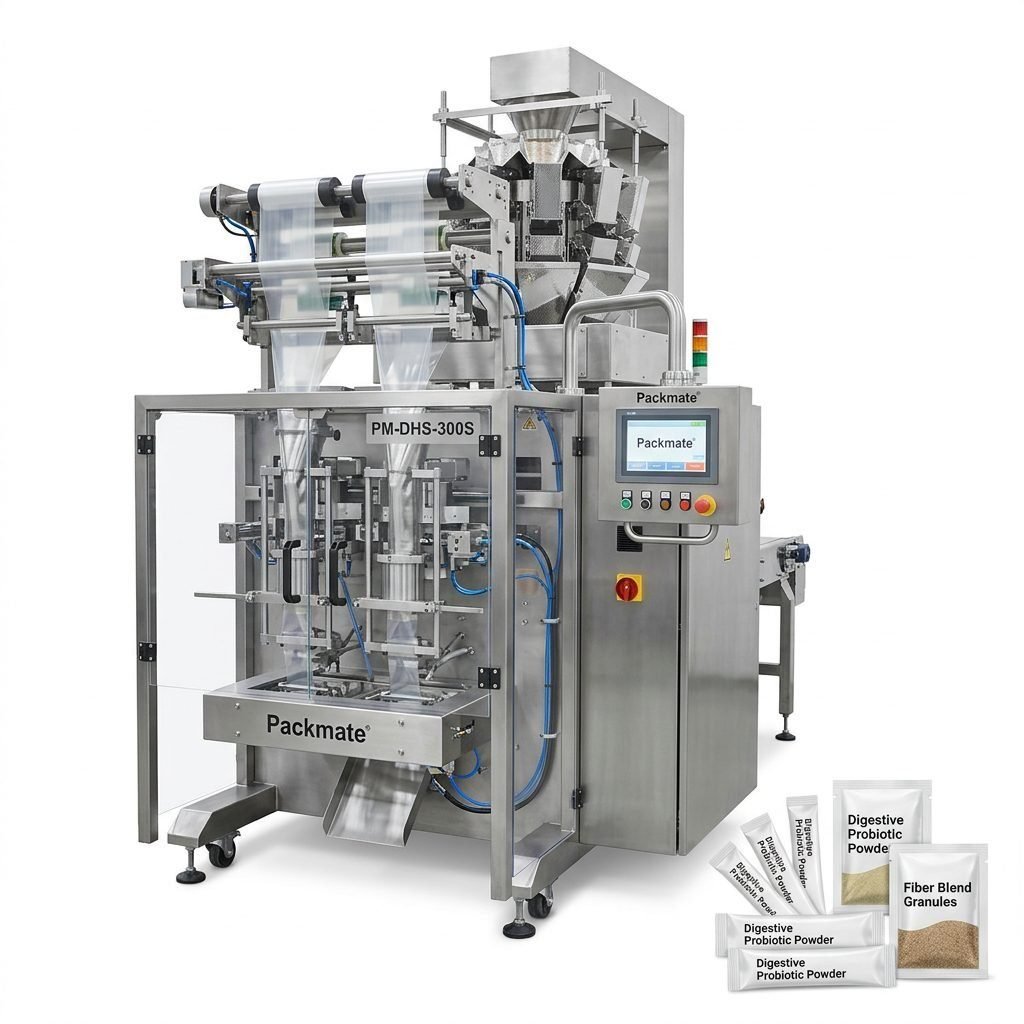
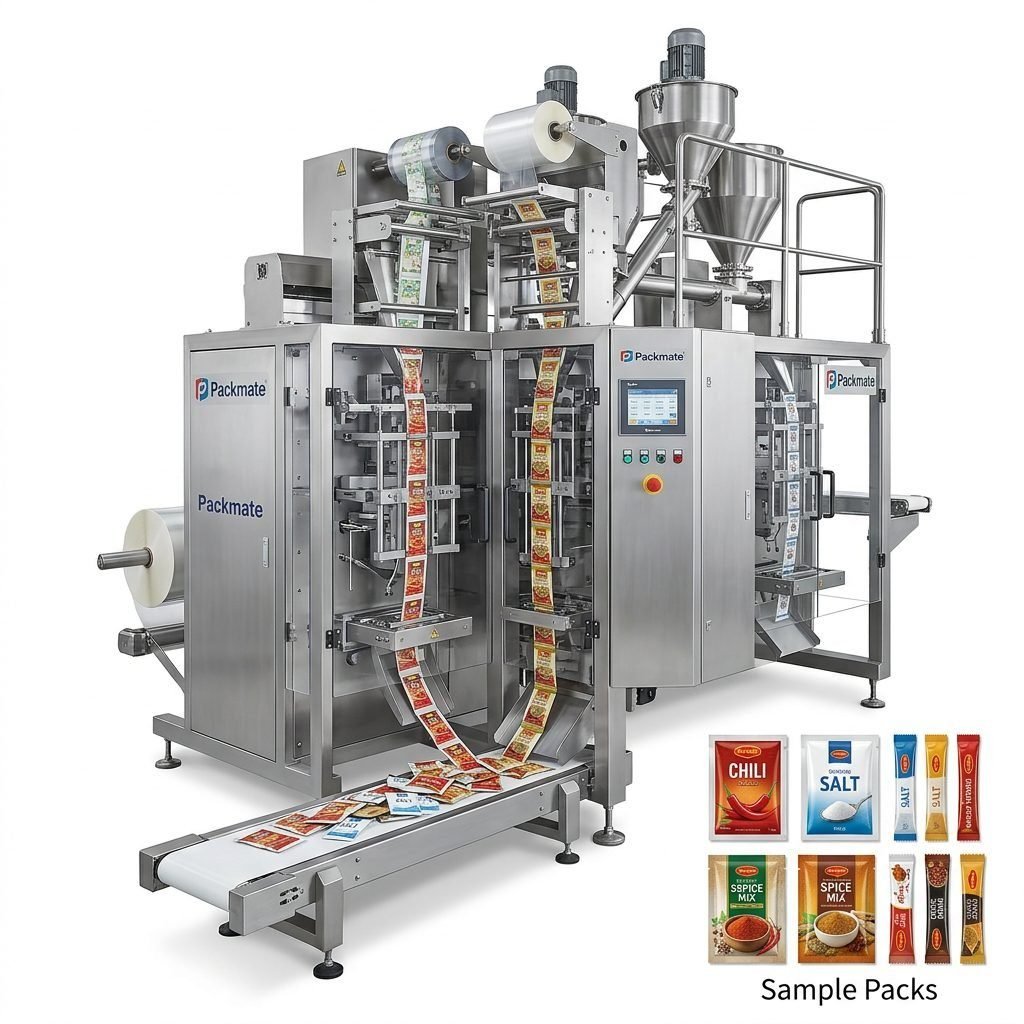
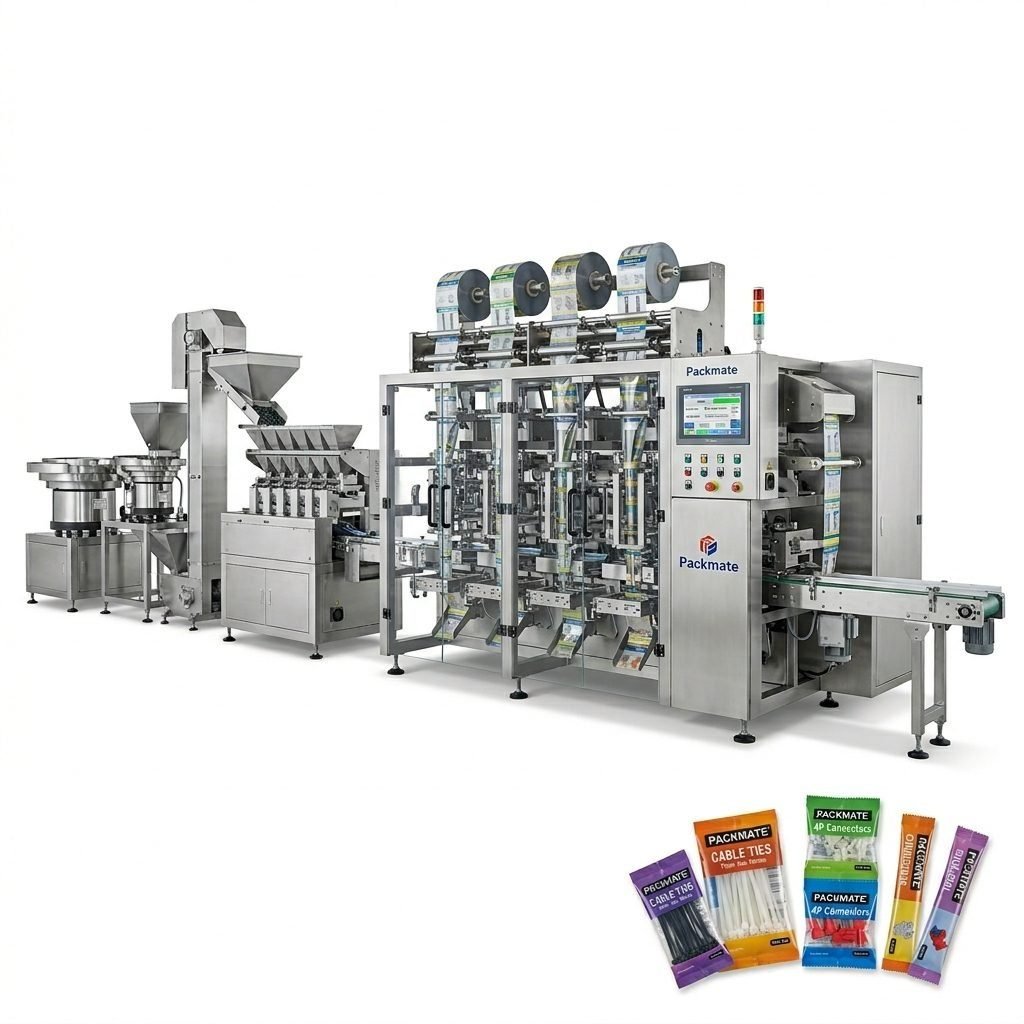
In the highly specialized and demanding field of ammunition manufacturing, operational efficiency, safety, and precision are non-negotiable. The packaging stage is a critical final checkpoint, where the integrity of the product is sealed for storage, transport, and end-use. Selecting the right ammunition packaging machine solutions is paramount for streamlining production, ensuring compliance, and maintaining a competitive edge. This guide explores the top solutions designed to enhance efficiency at every step of your packaging line.
The Critical Role of Packaging in Ammunition Operations
Beyond mere containment, ammunition packaging serves multiple vital functions. It must protect sensitive components from moisture, corrosion, and physical damage during long-term storage and rough handling. It must also provide clear, durable labeling for lot tracking, caliber identification, and safety warnings. Furthermore, efficient packaging directly impacts logistics, affecting how many units can be palletized and shipped. An optimized packaging process, therefore, contributes to reduced waste, lower shipping costs, enhanced safety, and improved brand presentation in a competitive market.
Key Packaging Requirements for Ammunition:
Barrier Protection: Shielding primers and powders from humidity is essential to prevent degradation.
Durability: Packaging must withstand stacking, vibration, and impacts without failure.
Tamper-Evidence & Safety: Features that indicate if a package has been opened are crucial for consumer safety.
Speed & Throughput: High-speed operations are necessary to match modern production volumes.
Top Machine Solutions for Streamlined Packaging Lines
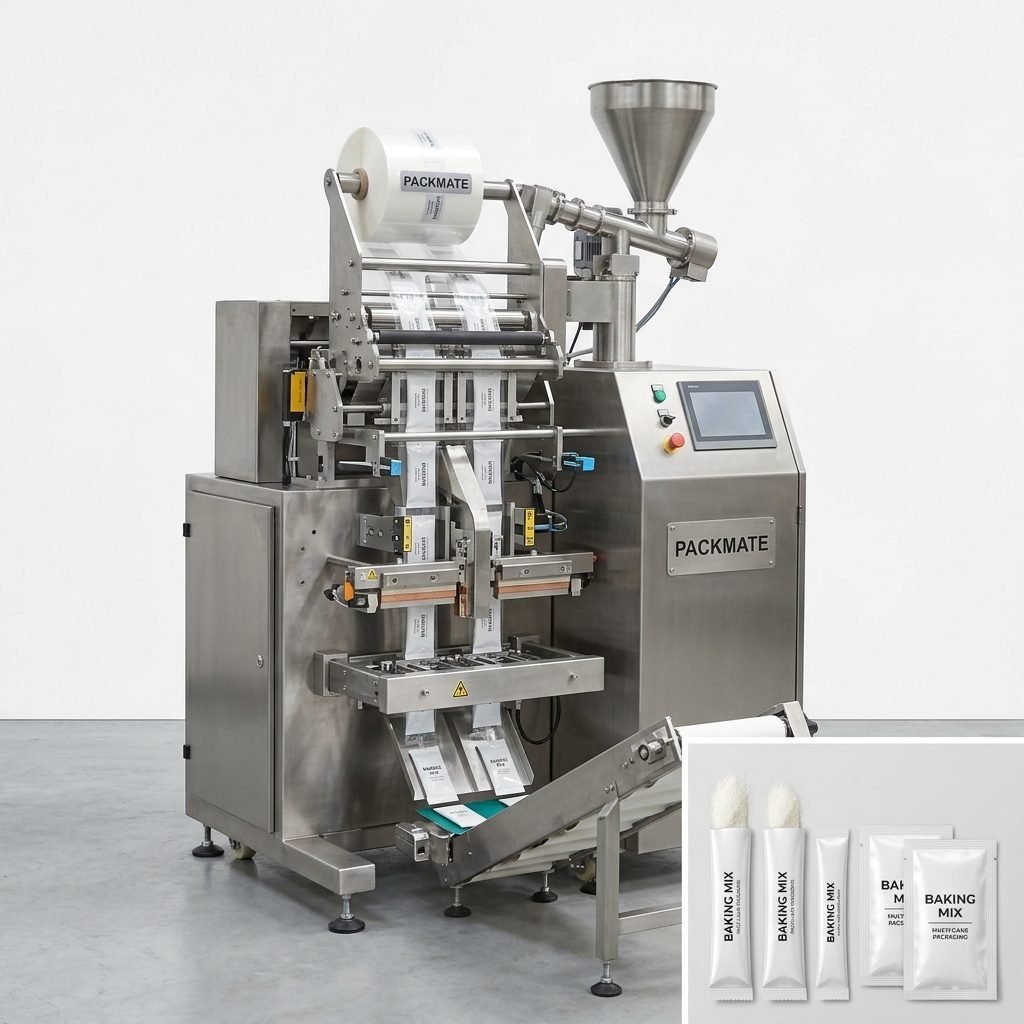
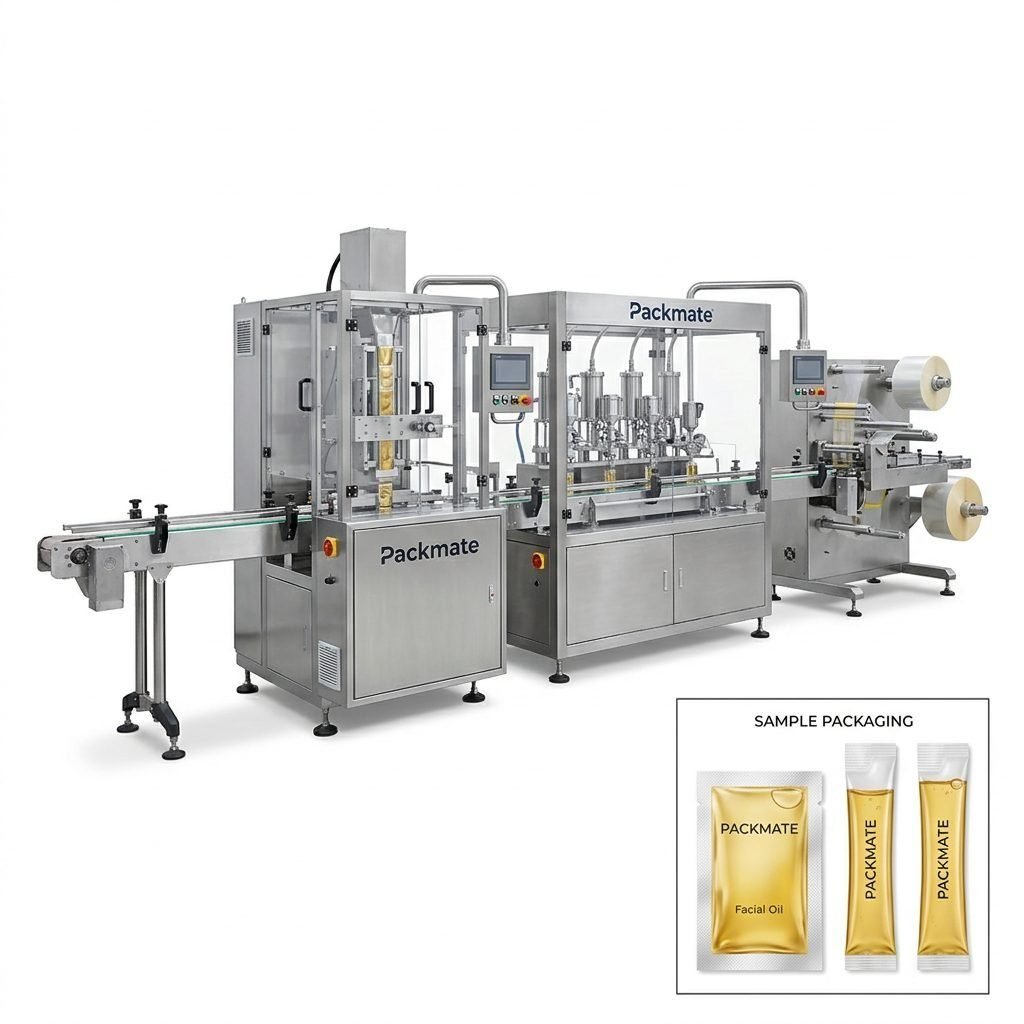
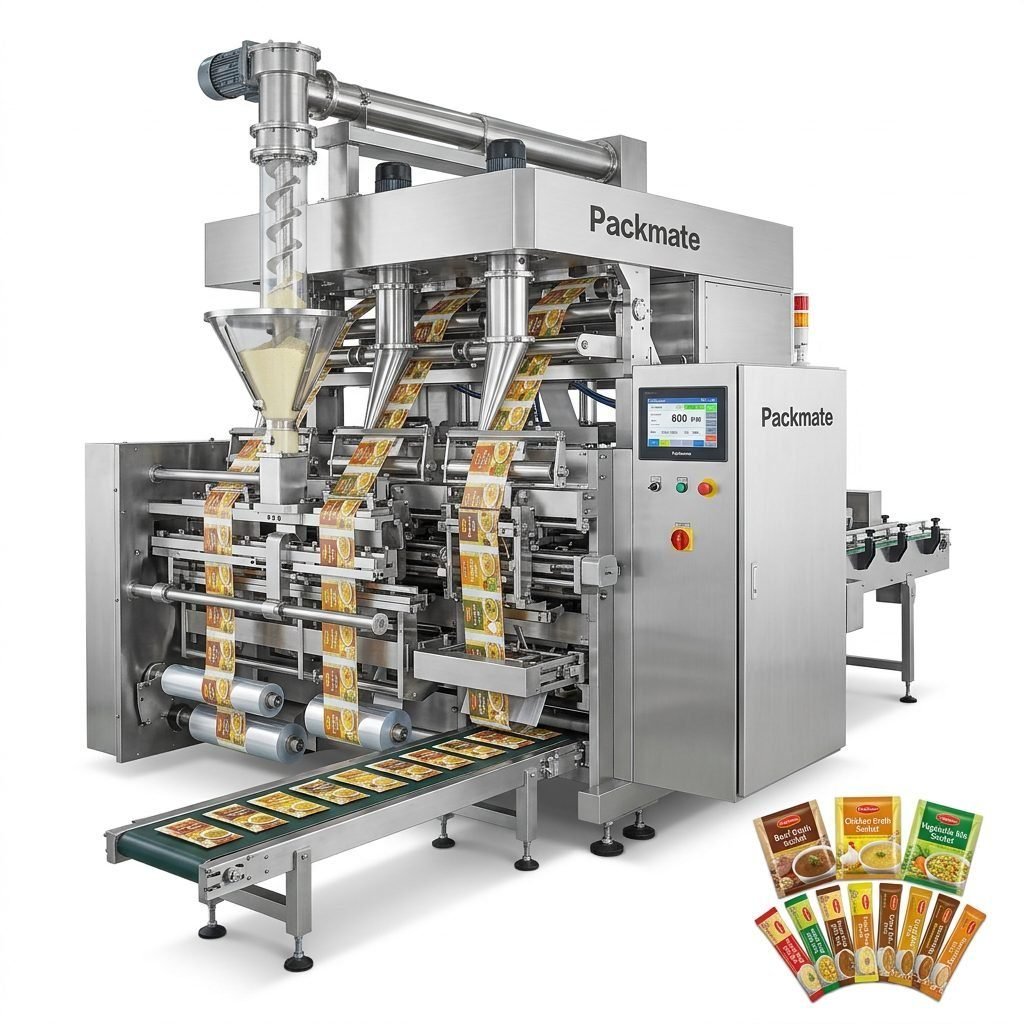
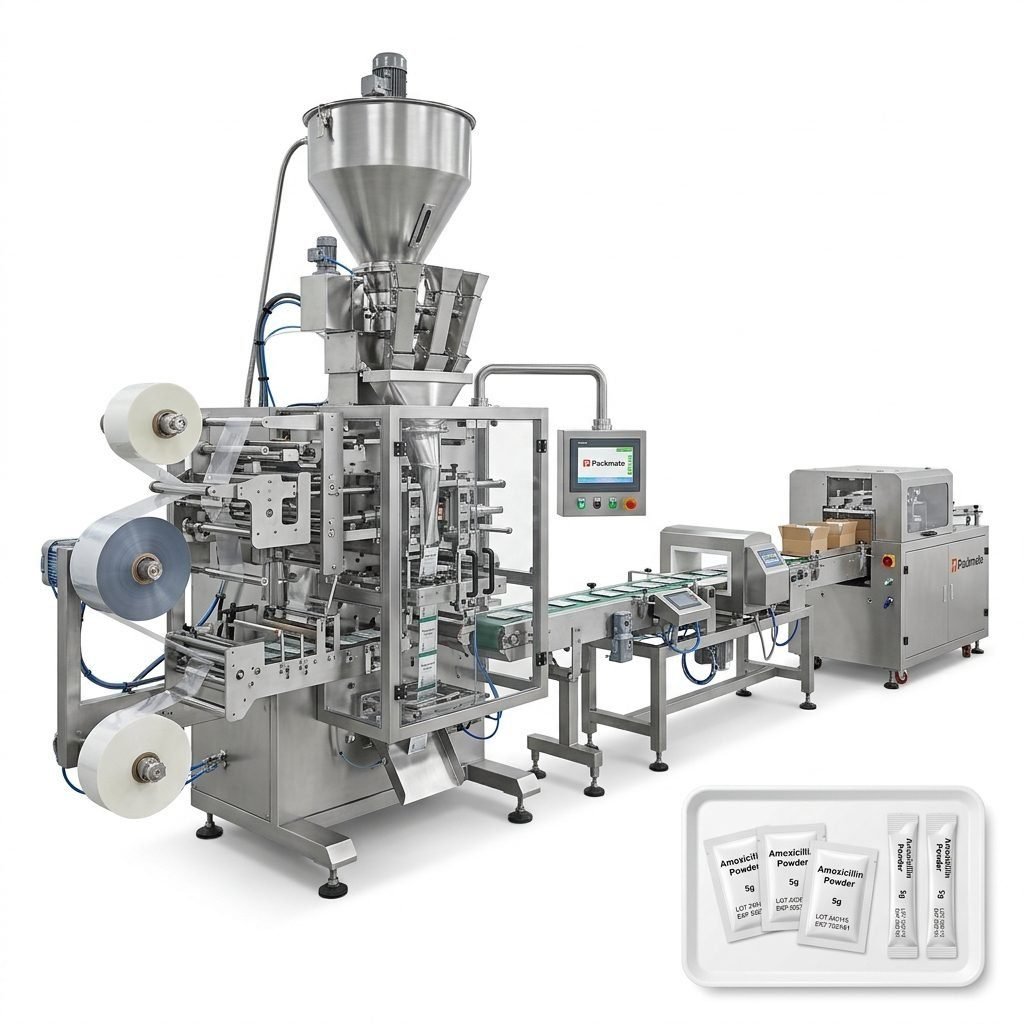
Modern ammunition packaging leverages automated machinery to achieve consistency and speed. Here are the core solutions that form an efficient packaging line:
1. High-Speed Cartoning Machines
These machines automatically form cartons, insert ammunition boxes or blister packs, and seal them. Advanced models can handle multiple calibers and box sizes with quick changeovers, integrating vision systems for label verification and ensuring every carton is correctly filled and sealed before proceeding down the line.
2. Automated Case Packers and Palletizers
For bulk shipping, automated case packers efficiently load filled cartons into shipping cases, applying seals or tape. Downstream, robotic palletizers arrange cases into stable, warehouse-ready pallets according to pre-programmed patterns. This automation eliminates heavy manual labor, minimizes product handling, and maximizes load stability for transport.
3. Weighing & Checkweighing Systems
Integral to quality control, these systems verify the weight of each package. A deviation can indicate a missing round, an incorrect count, or the presence of foreign material. Modern checkweighers operate at high speeds, automatically rejecting under or overweight packages and providing real-time production data to supervisors. This is a critical step for ensuring product compliance and customer trust.
4. Labeling and Coding Systems
Precise and durable labeling is a regulatory and logistical necessity. High-resolution inkjet or thermal transfer printers apply batch codes, expiration dates, barcodes, and safety symbols directly onto cartons or labels. Reliable coding ensures traceability throughout the supply chain and compliance with global shipping regulations.
Integrating a Complete Turnkey Solution
The highest level of efficiency is achieved not by standalone machines, but by a fully integrated, synchronized packaging line. A turnkey packaging line is designed from the ground up to work in harmony. Conveyors, sensors, and control systems link cartoners, case packers, and palletizers into a single, seamless operation. This integration minimizes bottlenecks, reduces manual intervention, and allows for centralized monitoring and control, leading to a significant boost in Overall Equipment Effectiveness (OEE).
Partnering with an experienced manufacturer like Packmate Machinery can be invaluable here. With over 22 years of development in automation, they understand how to design systems where each component, from weighing systems to end-of-line equipment, functions as part of a cohesive whole, ensuring reliability and maximum throughput.
Benefits of an Integrated Line:
Maximized Productivity: Continuous, synchronized flow with minimal downtime between processes.
Consistent Quality: Automated checks at multiple stages ensure uniform output.
Data-Driven Insights: Centralized controls provide valuable data on production speed, yield, and downtime causes.
Scalability: A well-designed line can often be modified or expanded to meet future growth.
Enhanced Safety: Reducing manual handling of heavy or repetitive loads improves workplace safety.
Future-Proofing Your Packaging Operations
Investing in ammunition packaging machinery is a long-term decision. To protect your investment, consider solutions that offer flexibility for different package sizes and formats, easy maintenance access, and robust construction for 24/7 operation. Furthermore, choosing equipment with connectivity for Industry 4.0 data collection will allow you to leverage predictive maintenance and deeper analytics, driving continuous improvement in your efficient operations.
Frequently Asked Questions (FAQ)
1. What is the most important factor when choosing an ammunition packaging machine?
Reliability and precision are paramount. The machine must operate consistently with minimal downtime and handle the product with extreme care to avoid any damage or misfeeds. Safety features and compliance with industry standards are equally critical.
2. Can one packaging line handle different calibers and box sizes?
Yes, many modern machines are designed with quick-changeover capabilities. With adjustable forming tools, programmable settings, and easy-to-switch parts, a single line can often be reconfigured in minutes to accommodate different product formats, enhancing operational flexibility.
3. How does automated packaging improve safety?
Automation significantly reduces the need for manual handling of heavy cartons and cases, lowering the risk of ergonomic injuries. It also minimizes direct operator contact with the production line, and integrated checkweighers or vision systems provide an additional layer of quality control that human inspection might miss.
4. What kind of maintenance do these machines require?
Regular, preventive maintenance is key. This typically includes lubrication of moving parts, inspection and replacement of wear items like seals and belts, and calibration of weighing and sensing systems. Choosing equipment from a manufacturer with strong service and support ensures you have access to manuals, spare parts, and technical expertise.
5. Are turnkey packaging solutions more cost-effective than piecing together equipment?
While the initial investment may be higher, a well-engineered turnkey solution often provides a better long-term ROI. It eliminates compatibility issues between machines, reduces integration time and costs, and is optimized for a specific workflow from the start, leading to higher sustained efficiency and lower total cost of ownership.