In the global supply chain, the journey of a product from manufacturer to end-user is fraught with potential hazards. Secure transit packaging is not merely a final step in production; it is a critical safeguard for your product’s integrity, your brand’s reputation, and your bottom line. Selecting the best transit packaging equipment is paramount for businesses that prioritize reliability and customer satisfaction in their shipping processes.
The Critical Role of Transit Packaging
Transit packaging, often referred to as shipping or secondary packaging, serves as the protective shell for primary packaged goods during storage and transportation. Its primary functions are to:
<p style="background-color: #f9f9f9; padding: most important: prevent damage from impacts, vibrations, compression, and environmental factors like moisture. Second, it must facilitate efficient handling through stacking, palletization, and identification. Finally, modern transit packaging also considers sustainability, aiming to use minimal, recyclable, or reusable materials without compromising protection.
Failure in any of these areas can lead to significant financial losses, wasted resources, and damaged customer relationships. Therefore, investing in high-performance packaging machinery is an investment in business continuity.
Key Considerations for Choosing Equipment
Before delving into specific machine types, it’s essential to understand the factors that dictate the choice of transit packaging equipment:
- Product Characteristics: Fragility, weight, dimensions, and shape.
- Volume and Speed: Required output (units per minute/hour).
- Packaging Material: Corrugated cardboard, stretch film, shrink film, strapping, etc.
- Level of Automation: Manual, semi-automatic, or fully automatic systems.
- Integration: How the equipment fits into existing production or warehouse lines.
Essential Transit Packaging Equipment for Secure Shipping
The following categories represent the cornerstone of a robust transit packaging operation. For comprehensive solutions across these areas, exploring the portfolio of a specialized manufacturer like Packmate Machinery can provide valuable insights.
1. Case Erecting, Packing, and Sealing Machines
For products shipped in corrugated boxes, this equipment streamlines the entire process. Case erectors form flat cartons into open boxes. Robotic or manual packing stations then insert the product, often with internal dunnage like air pillows or foam. Finally, case sealers apply tape or hot melt glue to securely close the box. High-speed automatic packing machines are indispensable for e-commerce fulfillment centers and high-volume manufacturers.
2. Stretch Wrappers and Shrink Wrapping Systems
These machines are vital for unitizing pallet loads. Stretch wrappers spin a pallet while applying layers of stretch film, creating a tight, cohesive unit that prevents individual items from shifting. Shrink wrapping involves enclosing a load in a loose plastic film and then applying heat, causing the film to shrink tightly around the contours of the products. This method offers excellent weather resistance and tamper evidence. Both systems are crucial for stabilizing loads for forklift transport and long-haul shipping.
3. Strapping and Banding Machines
Strapping machines apply plastic or steel straps around boxes, bundles, or pallets to reinforce them. They provide high tensile strength to prevent boxes from bursting open under pressure. Automatic strappers can be integrated into conveyor lines for continuous operation, applying consistent tension and seal strength that manual tools cannot match.
4. Void Fill and Cushioning Systems
Protecting products inside their outer box is equally important. Equipment in this category includes air pillow machines, paper filling systems, and foam-in-place dispensers. They automatically create and insert protective dunnage to fill empty spaces, preventing product movement and cushioning against impacts. This is a key component for businesses shipping a wide variety of product sizes.
5. Labeling and Tracking Integration
Modern transit packaging isn’t complete without accurate identification. Automated print-and-apply labelers can affix shipping labels, barcodes, and handling instructions directly onto cartons or pallets. Integrating this with Warehouse Management Systems (WMS) ensures traceability and reduces shipping errors. While not protective in a physical sense, this technology protects against logistical failures.
The Packmate Advantage in Packaging Solutions
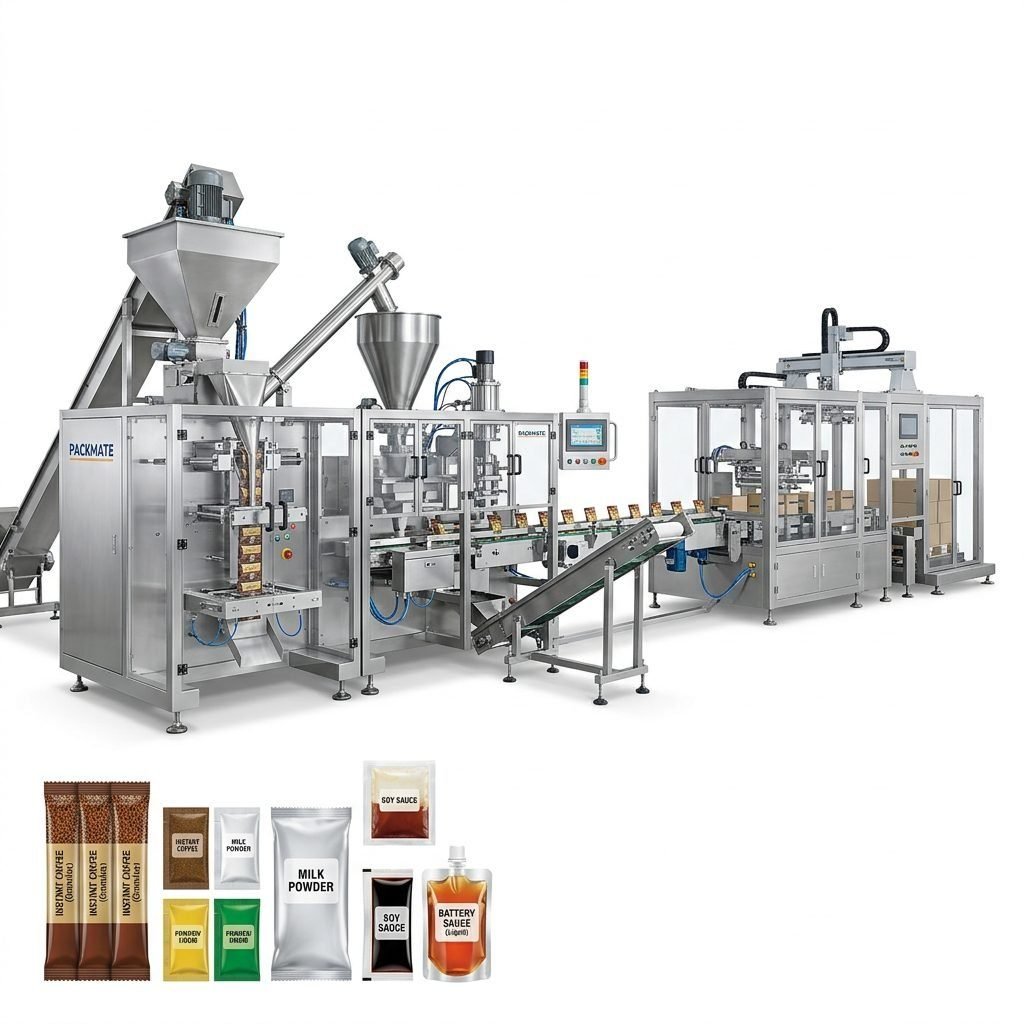
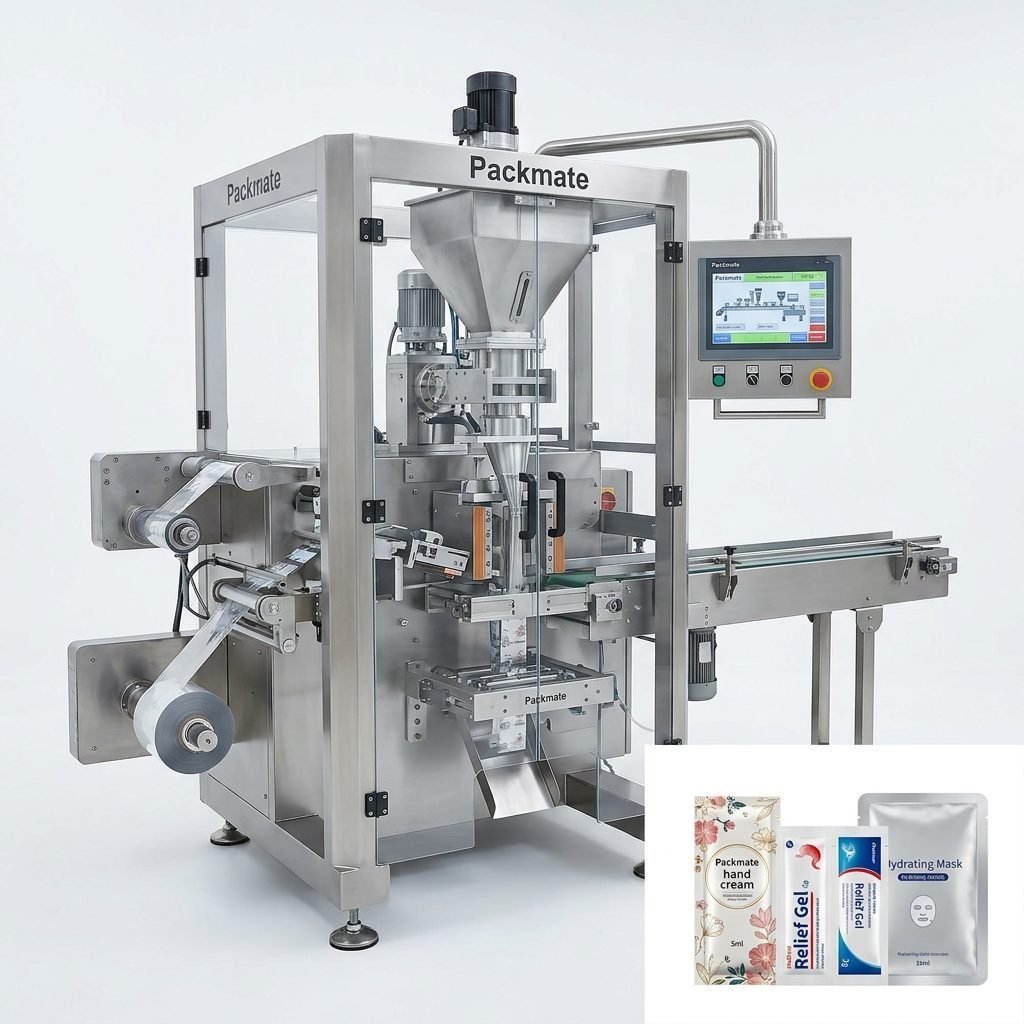
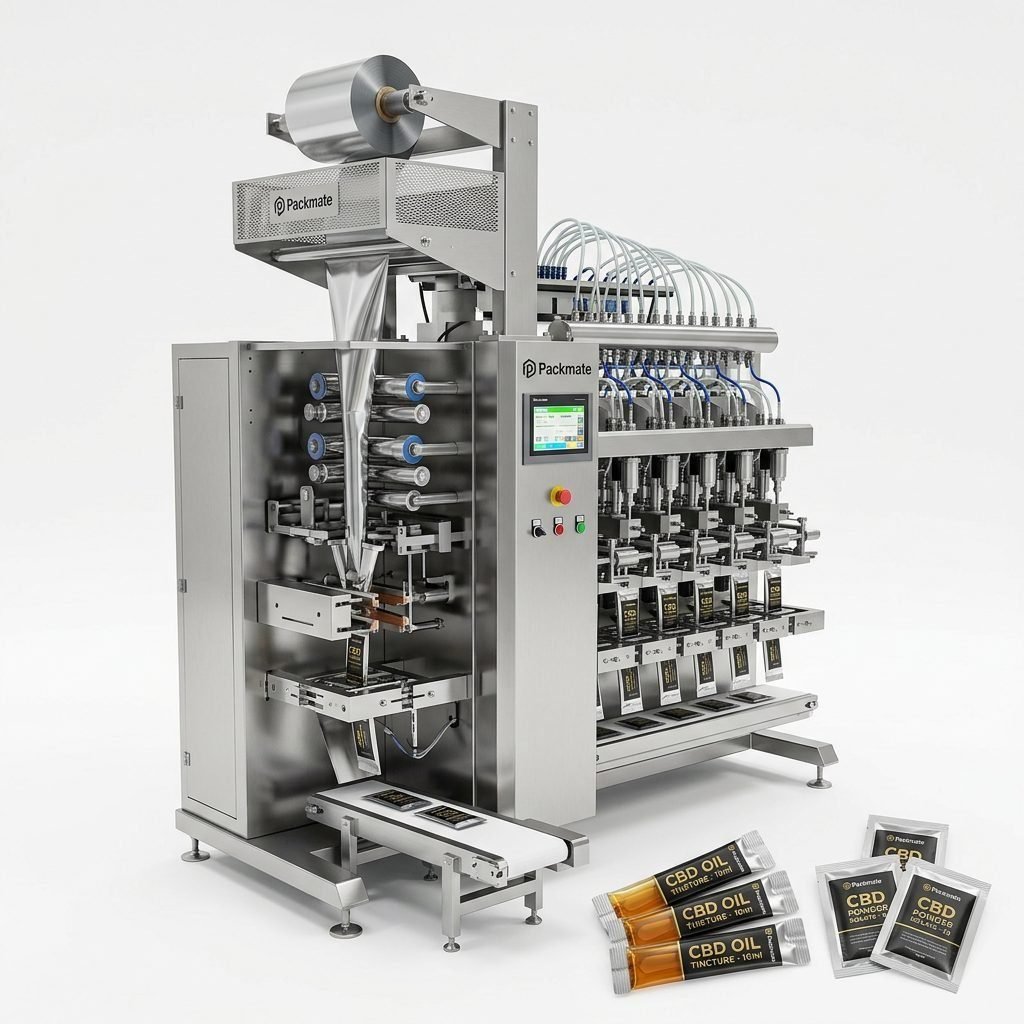
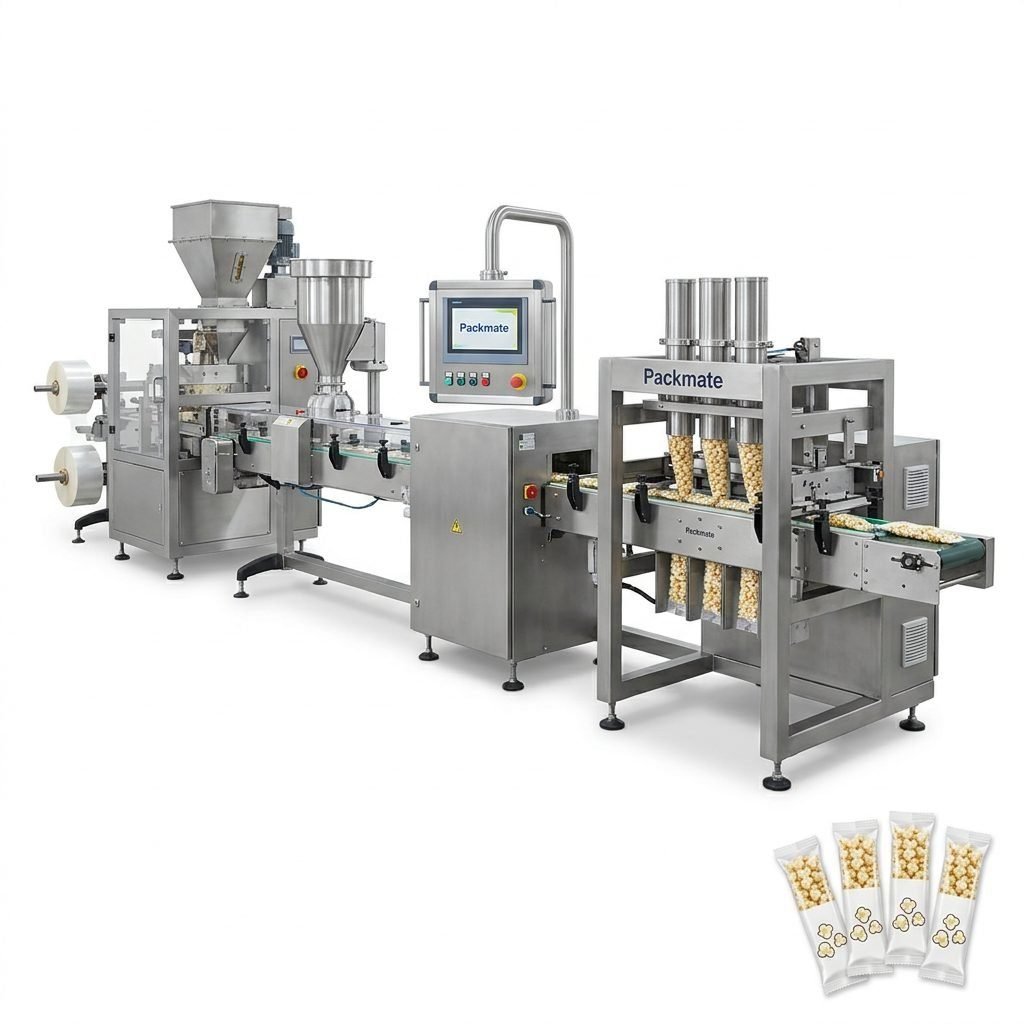
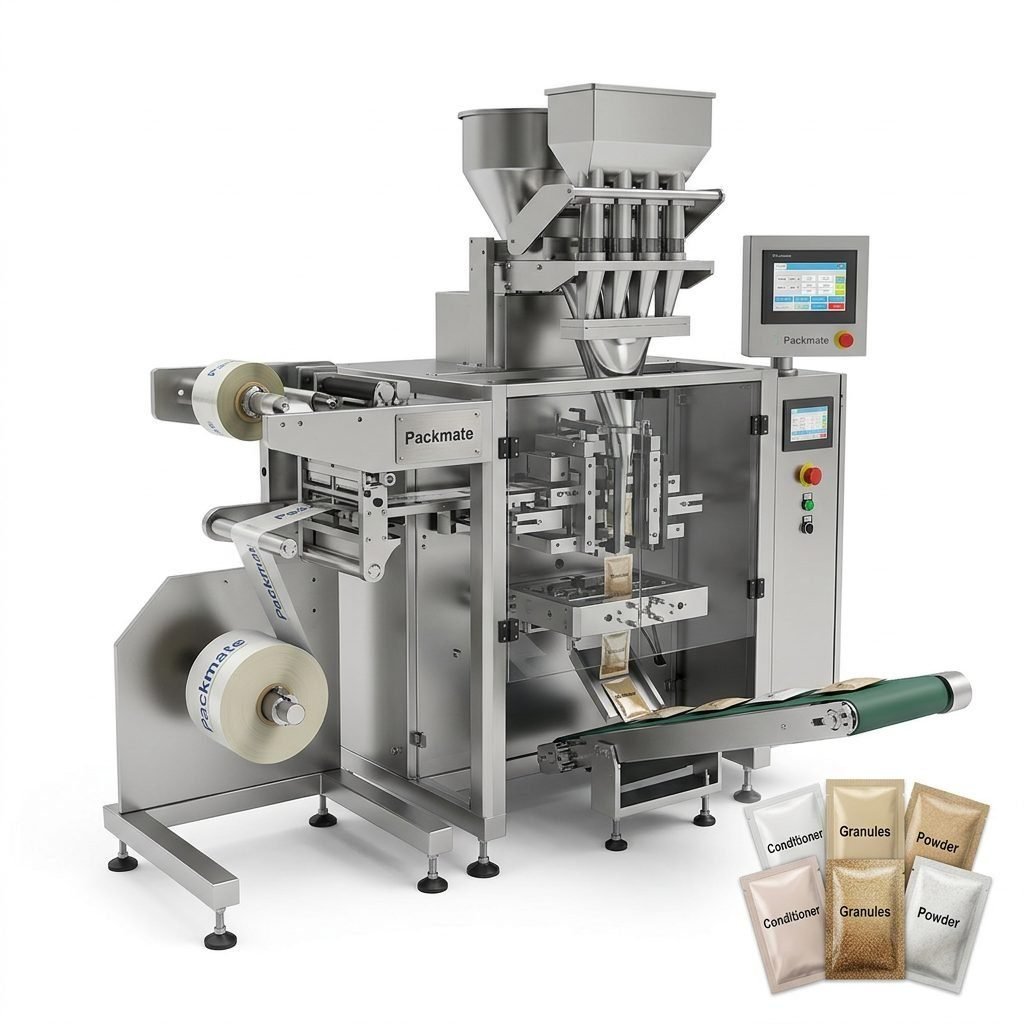
While Packmate Machinery is renowned for its primary packaging expertise in sachet and stick pack machines, the principles of precision, reliability, and innovation translate directly to the transit packaging sphere. A company with over 30 years of experience in designing robust, automated systems understands the end-to-end needs of a packaging line. Their focus on turnkey solutions means they consider how primary packages are efficiently collated, grouped, and prepared for their secondary transit packaging, ensuring a seamless flow from production to shipping dock. You can learn more about their engineering philosophy on their Company Profile page.
Pro Tip: When designing your packaging process, view transit packaging not as an isolated step but as an integral part of your overall production system. Equipment that integrates smoothly with your upstream filling and sealing lines, like those offered by specialists in filling and packaging lines, minimizes bottlenecks and maximizes overall efficiency.
Future Trends: Smart and Sustainable Packaging
The future of transit packaging equipment is being shaped by two major forces: digitalization and sustainability. Smart machines with IoT sensors can monitor their own performance, predict maintenance needs, and provide data on material usage. Sustainability drives demand for equipment that handles recycled content corrugate, minimizes plastic film use through advanced stretch-wrapping algorithms, and facilitates easy disassembly for recycling. Choosing equipment with these capabilities future-proofs your operations.
Conclusion
Selecting the best transit packaging equipment is a strategic decision that directly impacts product safety, operational efficiency, and brand perception. From automatic case sealers and stretch wrappers to intelligent void-fill systems, the right machinery forms an invisible shield around your products. By understanding your specific needs and partnering with experienced equipment providers who value quality and integration—principles embodied by companies like Packmate Machinery—you can build a shipping process that is not just secure, but also streamlined, cost-effective, and ready for the future.
Frequently Asked Questions (FAQs)
Q1: What is the most cost-effective transit packaging equipment for a small business?
For low to medium volume, semi-automatic equipment like a tabletop stretch wrapper, a manual strapping tool, and a void-fill air pillow machine offer excellent protection without a large capital investment. They provide a significant upgrade over entirely manual methods.
Q2: How can I reduce transit packaging material waste?
Invest in equipment with precise sizing capabilities. Right-sized case erectors create boxes that fit your product snugly. Stretch wrappers with pre-stretch technology use less film. Using equipment designed for recyclable materials like paper cushioning also helps.
Q3: Is fully automatic transit packaging equipment worth the investment?
For businesses with high, consistent shipping volumes, yes. Automation drastically increases speed, reduces labor costs, minimizes human error, and ensures uniform packaging quality. The ROI is often realized through increased throughput and lower damage rates.
Q4: How do I ensure my transit packaging equipment is compatible with my existing line?
Work with suppliers who offer integration support. Provide them with detailed specs of your conveyor heights, speeds, and product dimensions. Many reputable manufacturers can customize machine in-feeds and out-feeds to match your current setup.
Q5: What regular maintenance do these machines require?
Maintenance varies by machine type but generally includes regular cleaning, lubrication of moving parts, inspection and replacement of wear items (like sealing wires, film brakes, or strapping heads), and software updates. Always follow the manufacturer’s recommended maintenance schedule.