Selecting the right cooking oil packaging machine is a critical decision for producers aiming to ensure product quality, optimize production efficiency, and meet market demands. This guide provides a comprehensive overview of the types available, their key features, and essential considerations for making an informed purchase.
Understanding Different Types of Cooking Oil Packaging Machines
The packaging process for cooking oil varies significantly based on the target market, oil type, and desired package format. Here are the primary machine categories.
Volumetric and Gravimetric Filling Machines
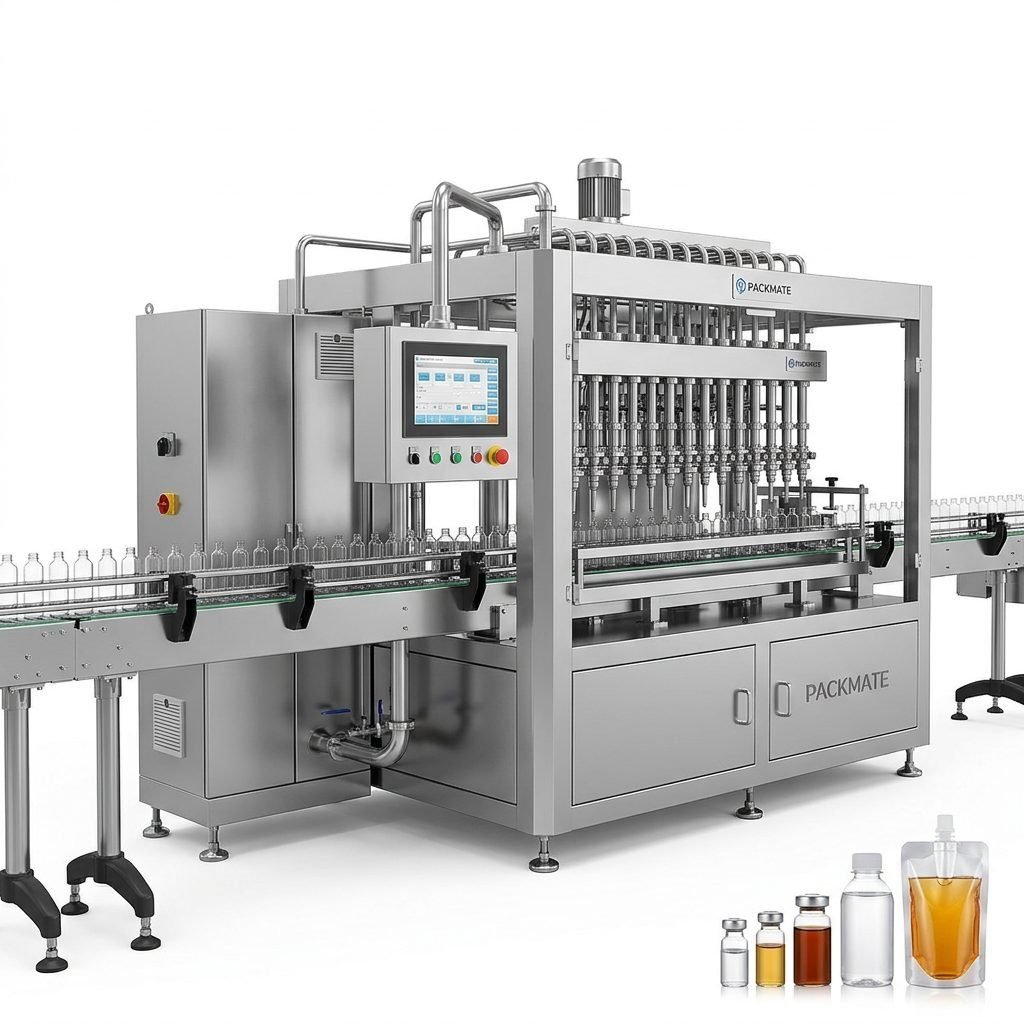
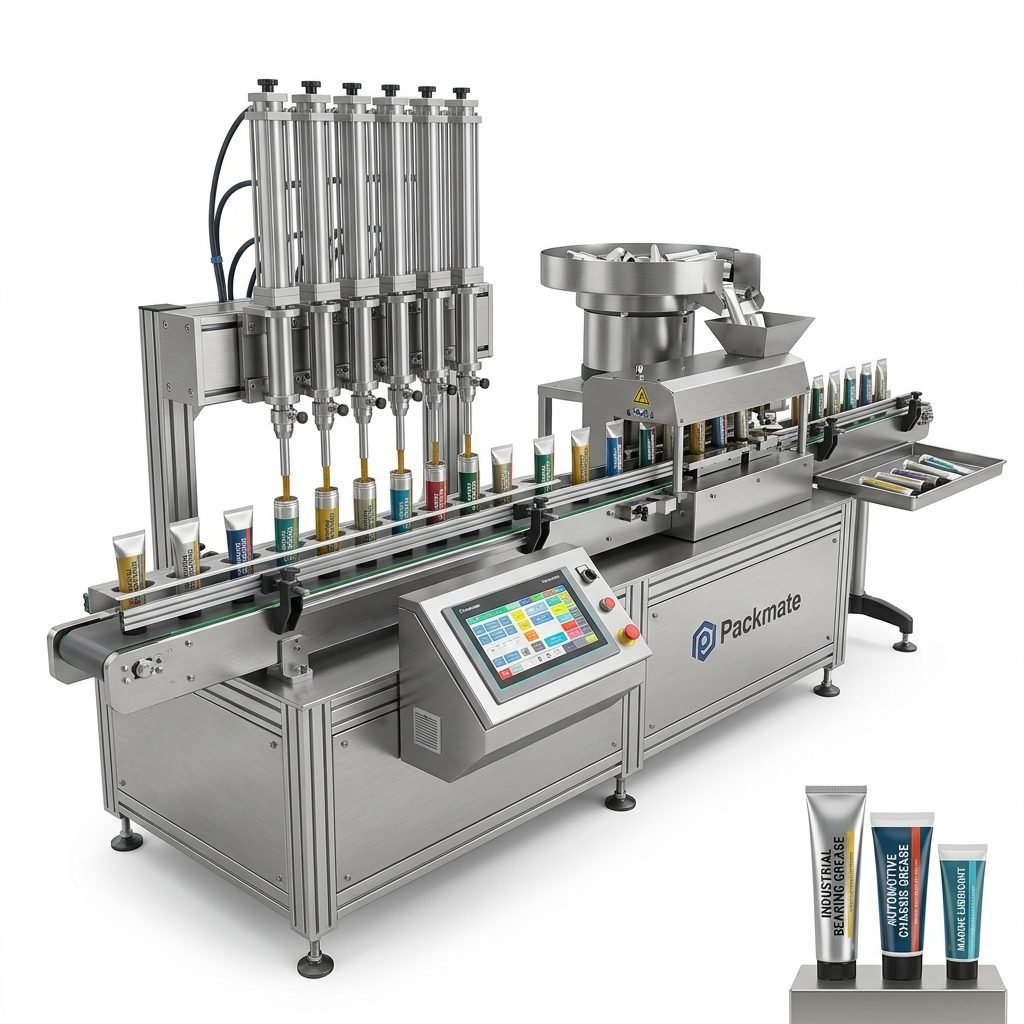
These machines are the core of any oil packaging line, responsible for dispensing precise amounts of oil. Volumetric fillers use pistons or pumps to measure a specific volume, ideal for medium-viscosity oils. Gravimetric fillers (or net weight fillers) use scales for ultra-high precision, crucial for premium or high-value oils where exact weight is paramount. The choice depends on your required accuracy and budget.
Pouch and Sachet Packaging Machines
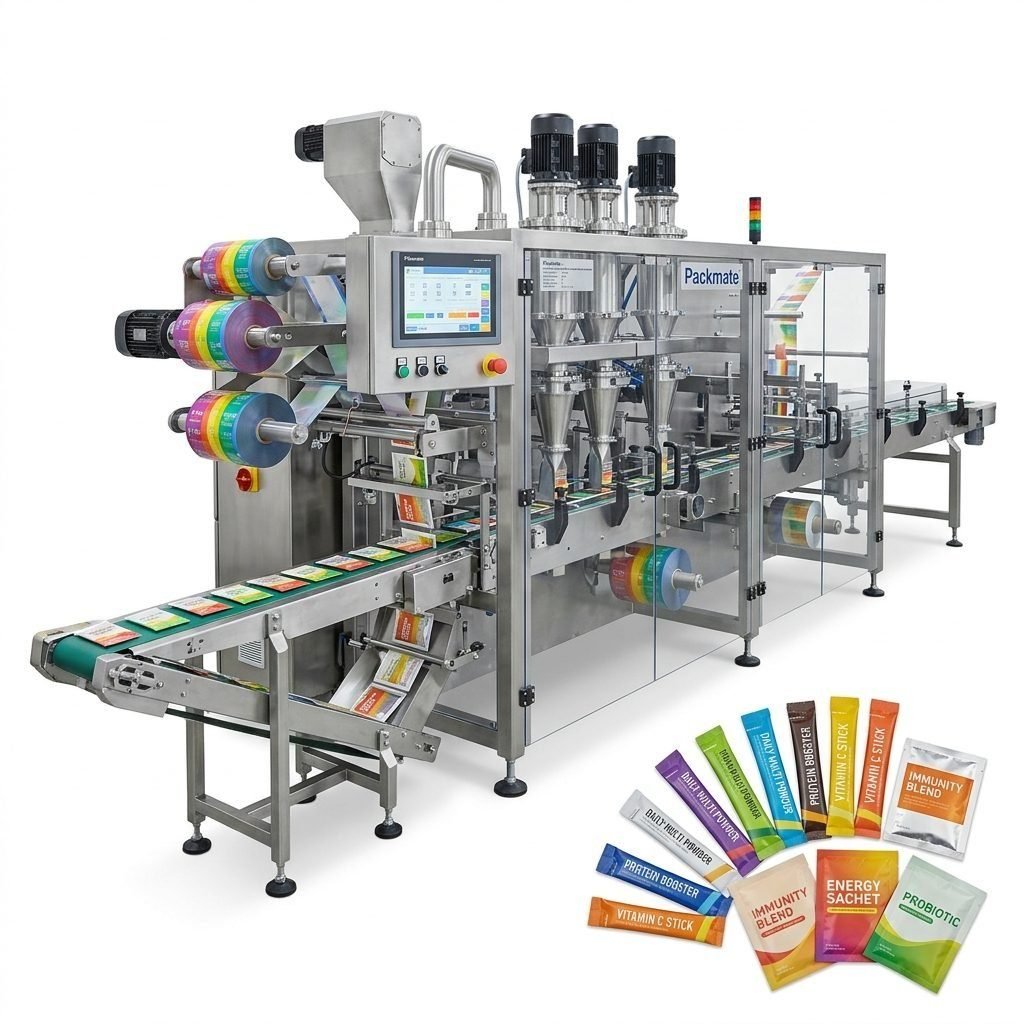
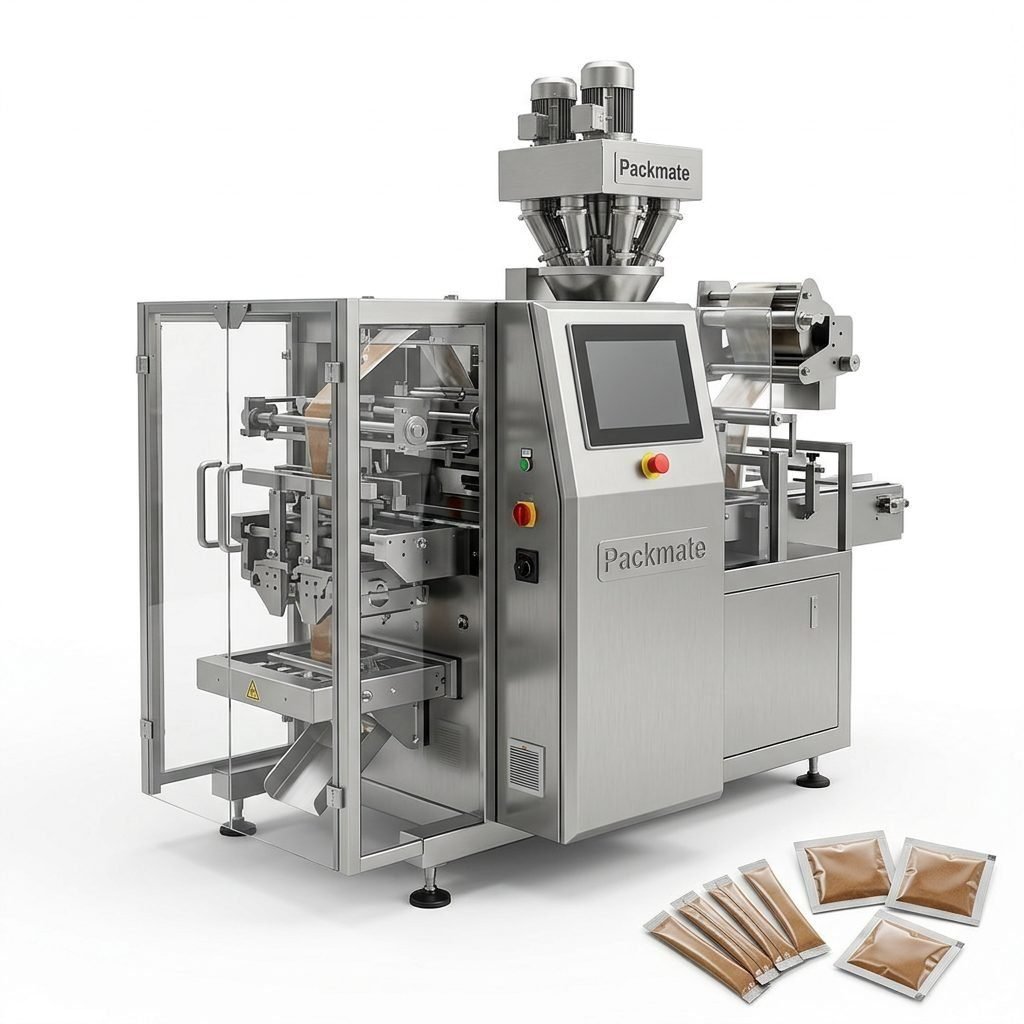
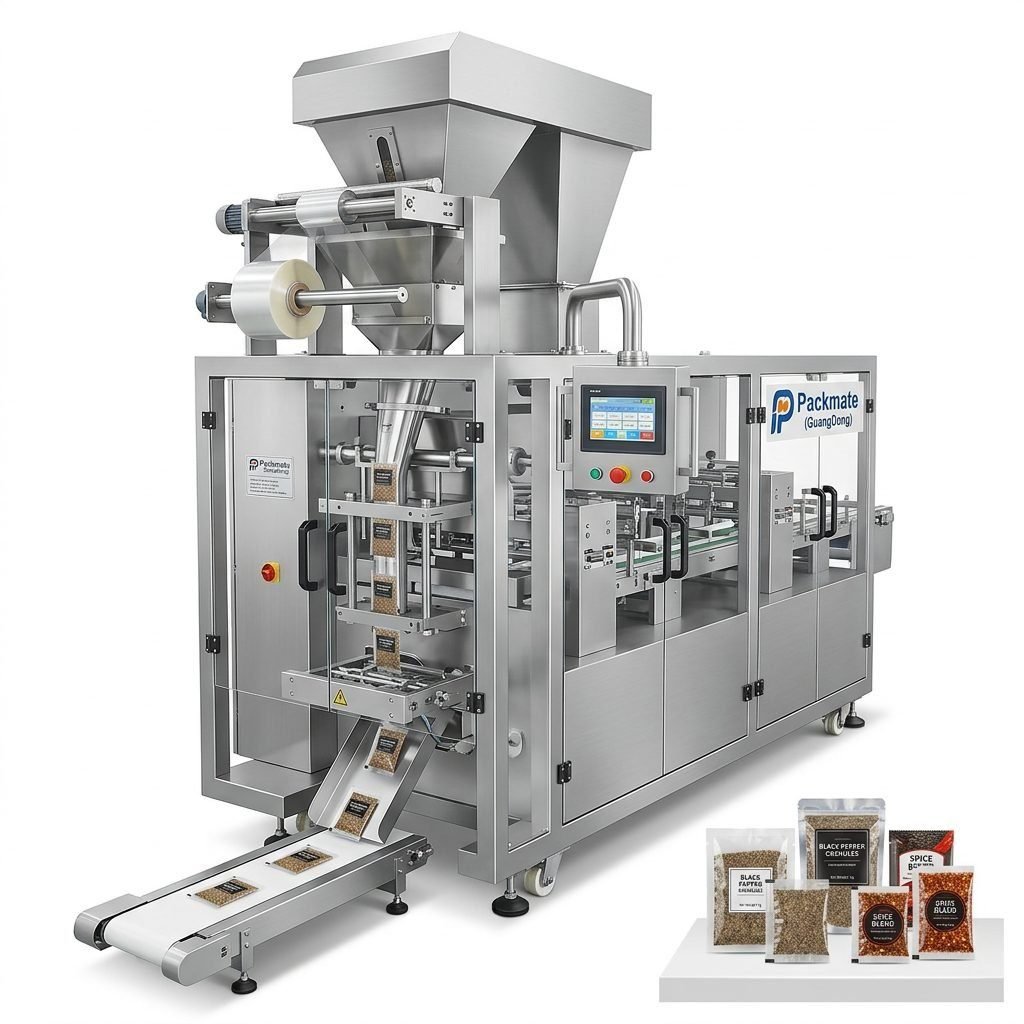
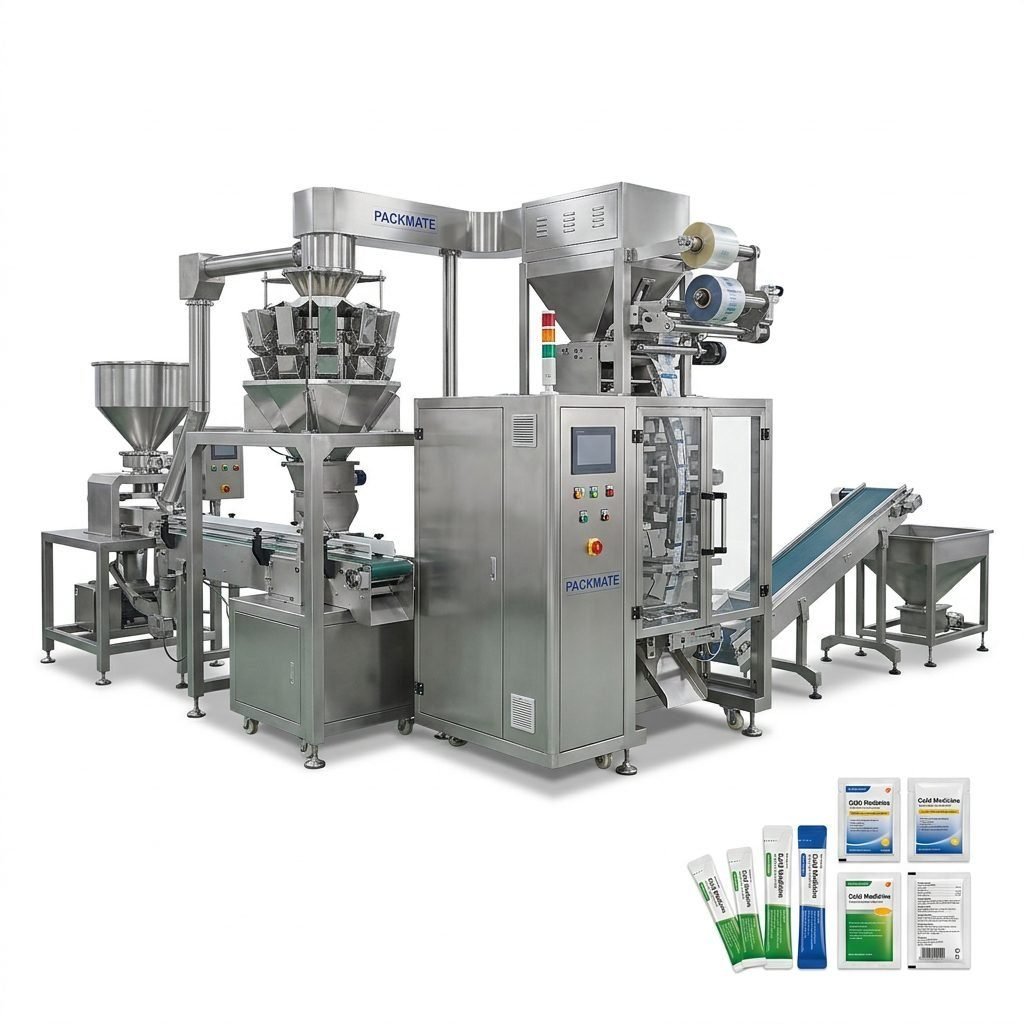
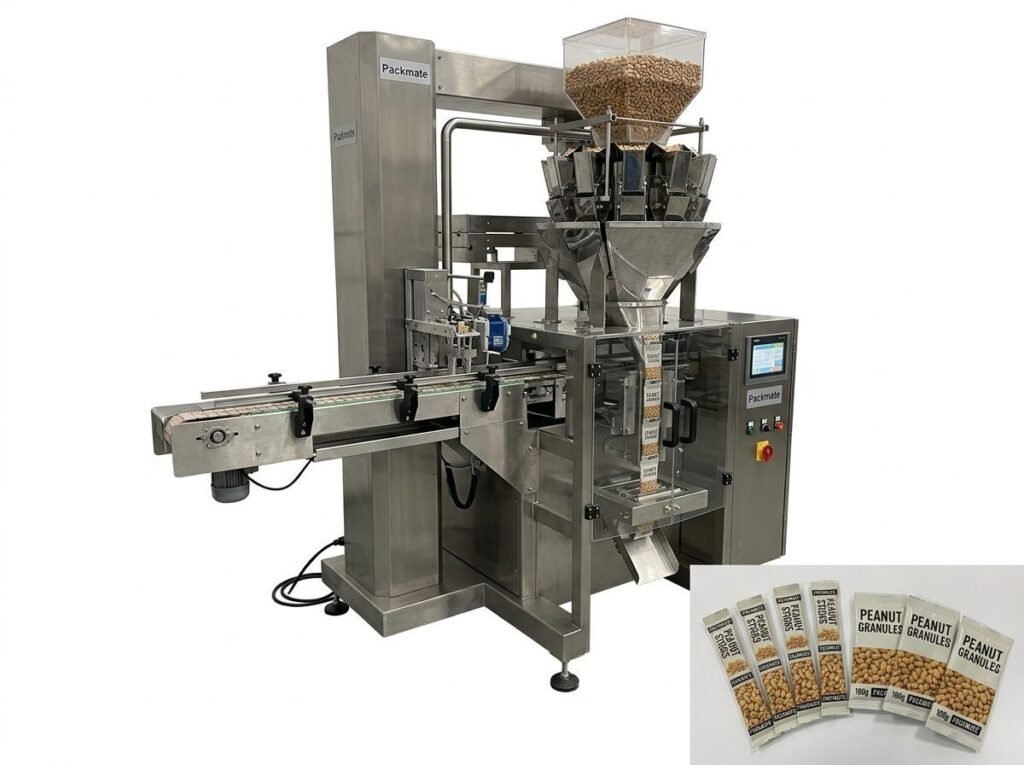
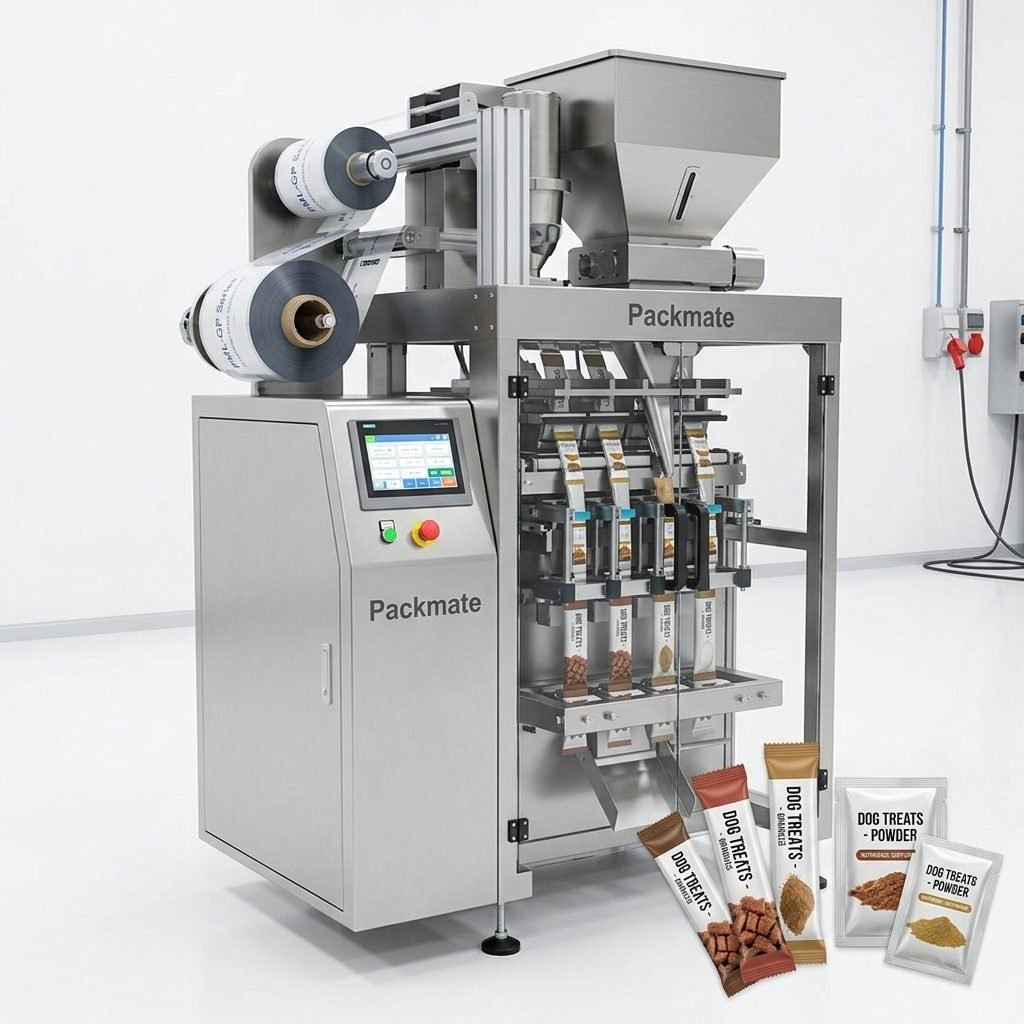
For single-serve portions, promotional samples, or smaller retail units, pouch machines are essential. They form, fill, and seal bags from a roll of laminated film. Sachet & Stick Pack Machines are a specialized subset, perfect for creating tiny, sealed portions of oil, often used in food service or alongside other products. These machines offer excellent barrier properties to protect oil from light and oxygen.
Bottle Filling and Capping Lines
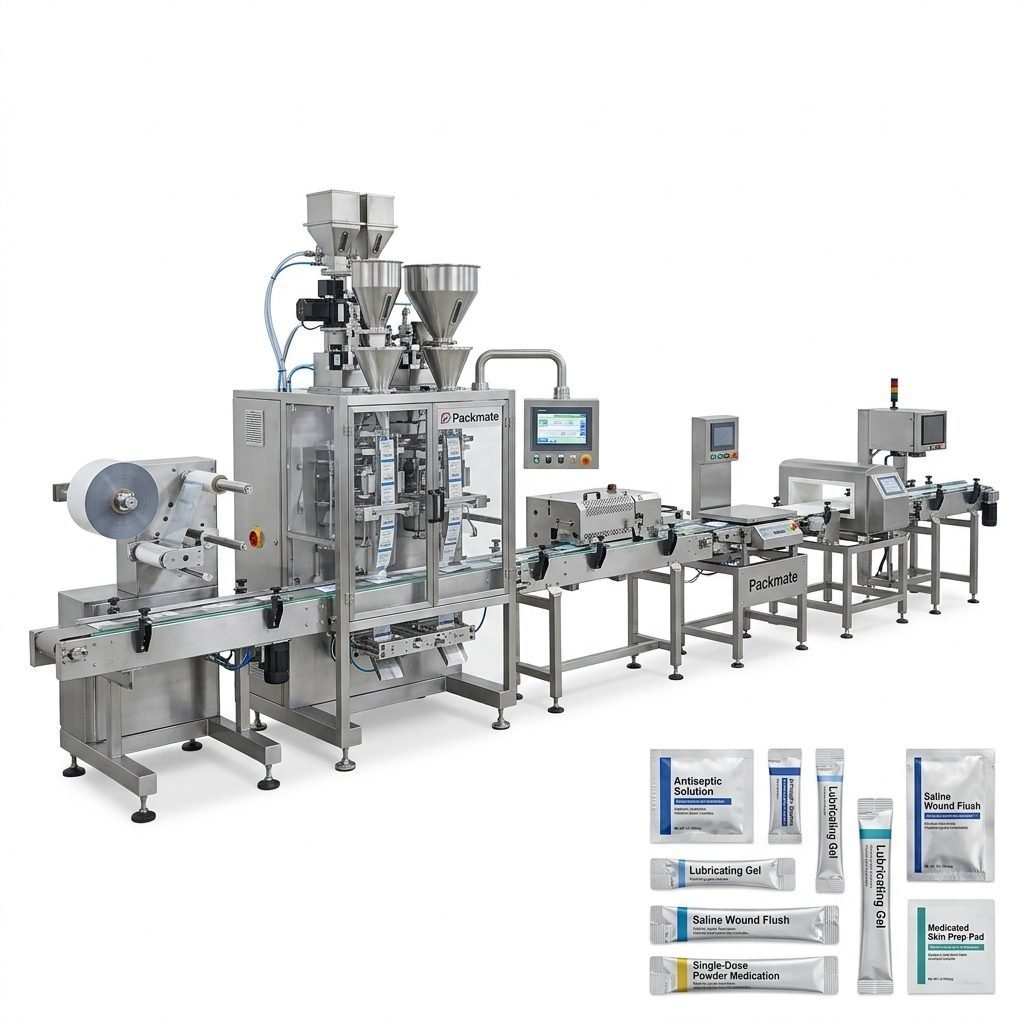
This is the most common system for retail consumer oil. An automated line typically includes a bottle unscrambler, a rinser (if needed), the filling machine, a capping or sealing station, and a labeling machine. These lines can handle various bottle materials (PET, glass, HDPE) and cap types (screw caps, pull-top lids, dispensers). For a complete solution, explore integrated Filling & Packaging Lines.
Flexible Intermediate Bulk Container (FIBC) Fillers
For bulk industrial or food service supply, oils are packaged in large bags, typically holding 500 to 1000 liters. FIBC filling stations are heavy-duty systems designed to handle the large volume and weight, often incorporating pumps and specialized nozzles to fill these containers safely and efficiently.
Key Features to Evaluate Before Purchase
Beyond the machine type, several technical and operational features determine long-term success and return on investment.
Accuracy and Speed (Output Capacity)
Accuracy is non-negotiable to avoid costly giveaways or regulatory underfill issues. High-end machines offer fill accuracy of ±0.1% or better. Speed, measured in containers per minute (CPM), must align with your production targets. A machine that is too slow creates bottlenecks, while an overly fast, complex machine may be an unnecessary capital expenditure for a smaller operation.
Material Compatibility and Changeover Flexibility
Can the machine handle your specific oil viscosity (from light olive oil to viscous sesame oil)? Is it compatible with your packaging material, whether it’s a specific plastic film laminate for pouches or a bottle shape? Furthermore, quick changeover capabilities are vital for producers running multiple oil varieties or package sizes, as they minimize downtime and maximize line flexibility.
Hygiene, Safety, and Construction
Food-grade construction using stainless steel (particularly 304 or 316 grades) in all product contact areas is mandatory for hygiene and ease of cleaning. Look for machines with smooth surfaces, minimal crevices, and designs that facilitate washdowns. Safety features like emergency stops, guards, and interlocks protect your operators.
Automation and Control Level
Modern machines feature Programmable Logic Controllers (PLCs) and touch-screen Human-Machine Interfaces (HMIs). These allow for recipe storage (for different oils and volumes), real-time monitoring of production counts and efficiency, and diagnostic alerts. Higher automation reduces operator error and improves consistency.
Essential Buying Guide: Making the Right Investment
Purchasing a packaging machine is a significant investment. Follow this structured approach to ensure you select the optimal equipment for your needs.
1. Conduct a Thorough Needs Analysis
Start by defining your current and future requirements. What is your daily/weekly production volume? What package types and sizes will you use now and in the next 3-5 years? What is the physical and chemical nature of your oils? Answering these questions creates a clear specification list to share with suppliers.
2. Research and Shortlist Reputable Manufacturers
Seek out manufacturers with proven experience in food-grade liquid packaging, specifically with oils. Evaluate their history, client portfolio, and after-sales support structure. A company like Packmate Machinery, with over two decades of specialization in packaging solutions, exemplifies the depth of expertise needed for reliable machinery. Reviewing their case studies can provide real-world insights.
3. Request Detailed Quotations and Demos
Contact shortlisted suppliers with your specifications. A professional quote should detail the machine model, all included components, optional accessories, warranty terms, delivery time, and installation support. Always request a live or recorded demonstration using a material and product similar to yours. This is the best way to verify performance claims for speed, accuracy, and ease of use.
4. Evaluate Total Cost of Ownership (TCO)
Look beyond the initial purchase price. Consider costs for installation, training, spare parts, preventative maintenance, energy consumption, and potential future upgrades. A slightly more expensive machine from a manufacturer with excellent local service support often has a lower TCO than a cheaper machine with poor support and high downtime.
5. Finalize Support and Service Agreements
Before signing the contract, clarify the terms of technical support, availability of spare parts, and training for your operators and maintenance staff. Ensure you have clear contact points for troubleshooting. Comprehensive service plans are invaluable for maintaining peak operational efficiency over the machine’s lifespan.
Frequently Asked Questions (FAQs)
What is the typical maintenance required for a cooking oil packaging machine?
Daily maintenance includes cleaning all product contact surfaces to prevent oil residue buildup and cross-contamination. Weekly tasks may involve lubricating moving parts (with food-grade lubricants) and checking for wear on seals and gaskets. Following the manufacturer’s scheduled maintenance plan for more in-depth checks is crucial for long-term reliability.
Can one machine package different types of oil and different bottle sizes?
Yes, most modern machines are designed for changeover. However, the ease and time required vary. Machines with “tool-less” changeovers or quick-change part kits allow switches in minutes. It’s essential to discuss your specific changeover needs with the supplier during the selection process to ensure the machine’s flexibility meets your production schedule.
How do I ensure the packaging maintains the oil’s freshness and shelf life?
The machine must work in tandem with high-quality packaging materials. For bottles, this includes proper oxygen-barrier caps. For pouches, the film laminate must have excellent barrier properties against oxygen and light. The filling process itself should minimize oil exposure to air, and some lines can incorporate nitrogen flushing or vacuum sealing to displace oxygen from the headspace before sealing.
What safety standards should the machine comply with?
Machines should comply with international safety standards such as CE (for Europe) or UL/CSA (for North America), which cover electrical safety and machine guarding. For food contact, materials must meet FDA (USA) or EU regulations for food-grade materials. Reputable manufacturers will provide documentation of compliance.
Is operator training provided by the machine manufacturer?
Yes, professional manufacturers almost always include basic operator and maintenance training as part of the purchase package. This typically occurs during installation and commissioning at your factory. Ensure the training scope is detailed in your purchase agreement, covering machine operation, routine maintenance, basic troubleshooting, and safety procedures.