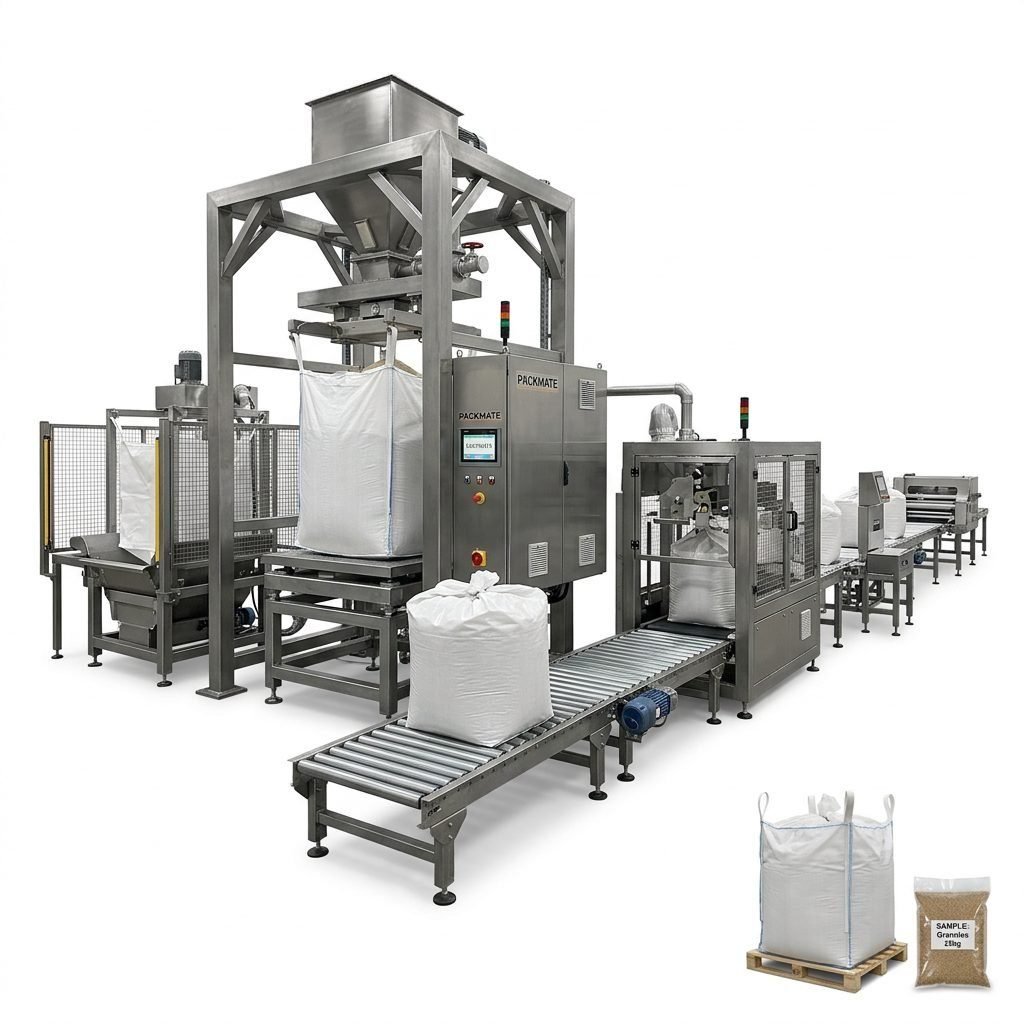
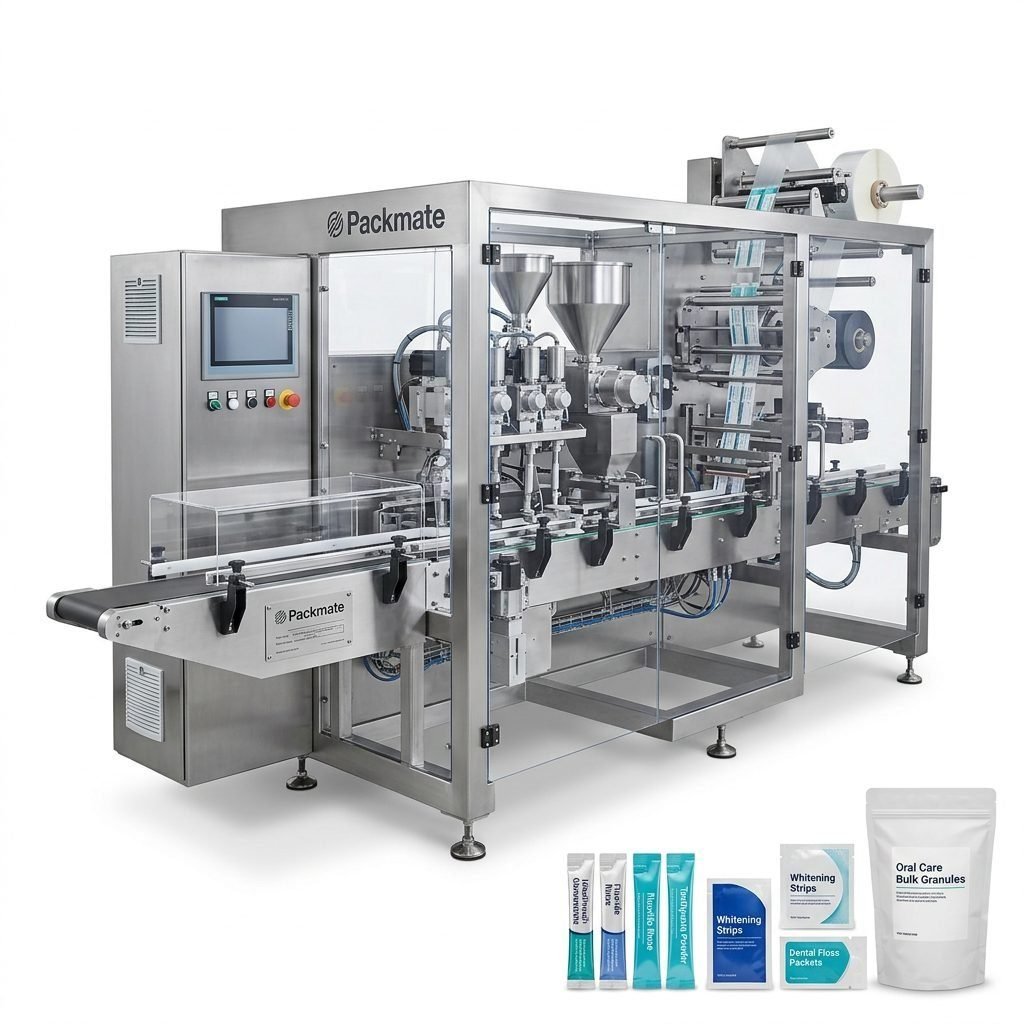
In today’s fast-paced industrial landscape, selecting the right packaging equipment is crucial for maintaining efficient operations and staying competitive. The machinery you choose directly impacts your production speed, product quality, and overall profitability. This article explores the top packaging equipment machinery designed to enhance operational efficiency across various industries.
Understanding Packaging Equipment Categories
Packaging machinery can be broadly categorized based on function and application. Primary packaging equipment handles the direct containment of products, while secondary packaging deals with grouping and preparing for distribution. Within these categories, specialized machines exist for specific materials and product types.
Key Insight:
Modern packaging lines often integrate multiple machine types to create a seamless, automated workflow. This integration is essential for achieving maximum efficiency and minimizing manual intervention.
Filling and Sealing Machines
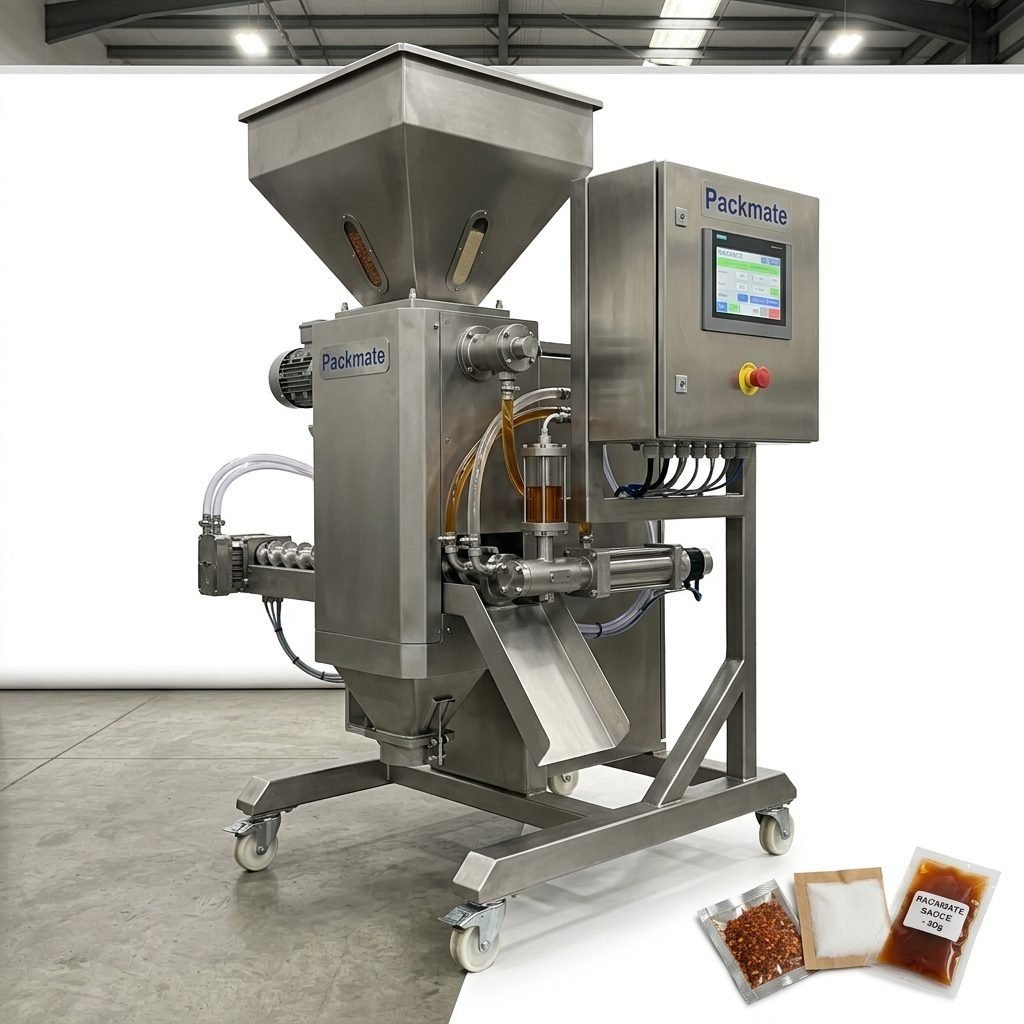
These machines represent the core of many packaging operations. They accurately measure and deposit products into containers before securely sealing them. Advanced models feature precision weighing systems and can handle various consistencies, from granules and powders to viscous liquids. For businesses looking to streamline their liquid or powder packaging, exploring dedicated filling and packaging lines can provide significant efficiency gains.
Form-Fill-Seal (FFS) Equipment
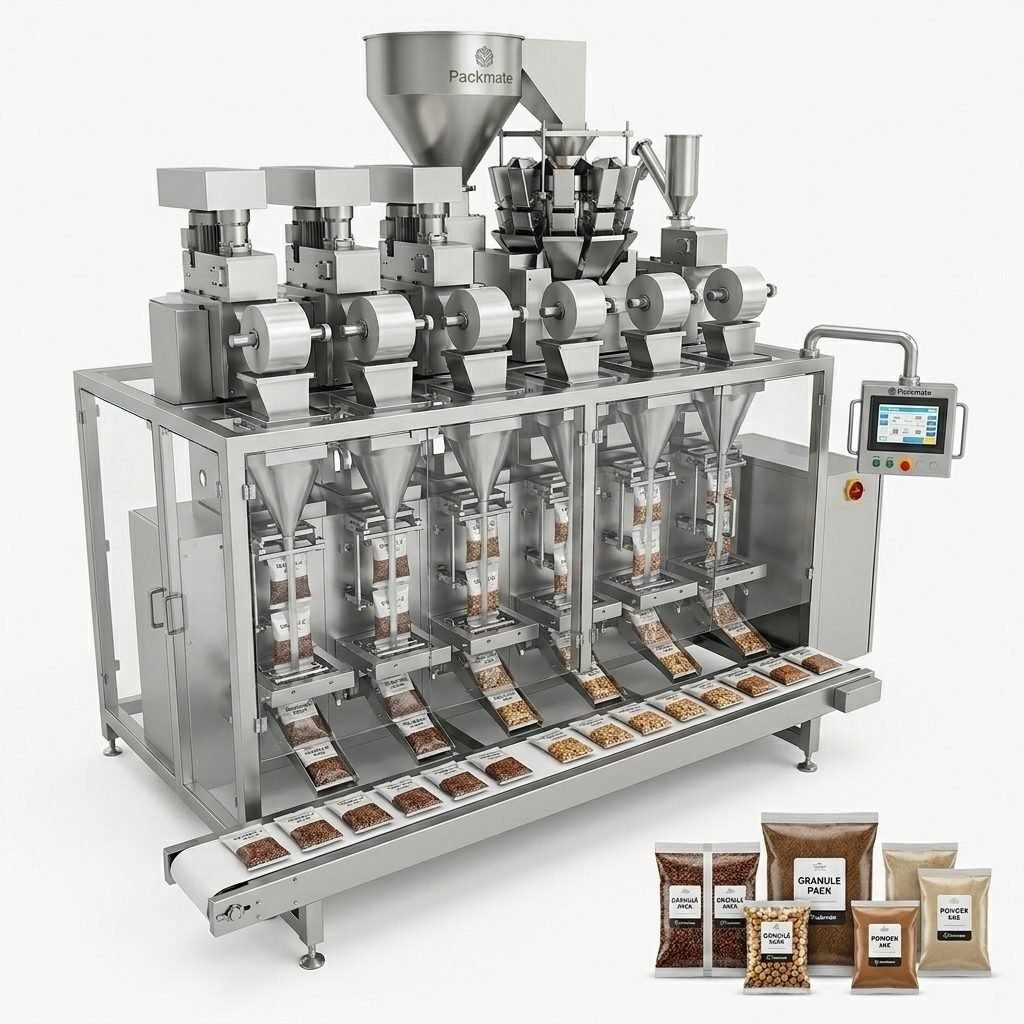
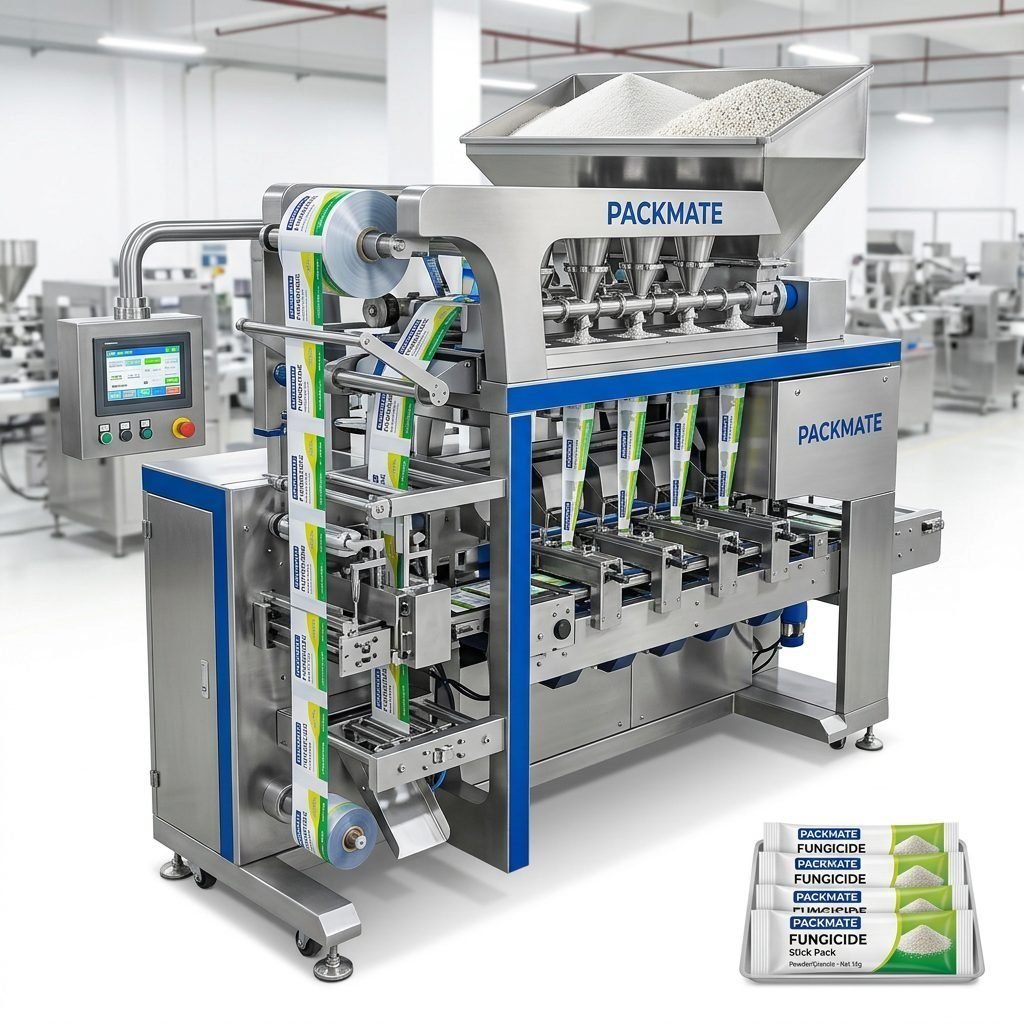
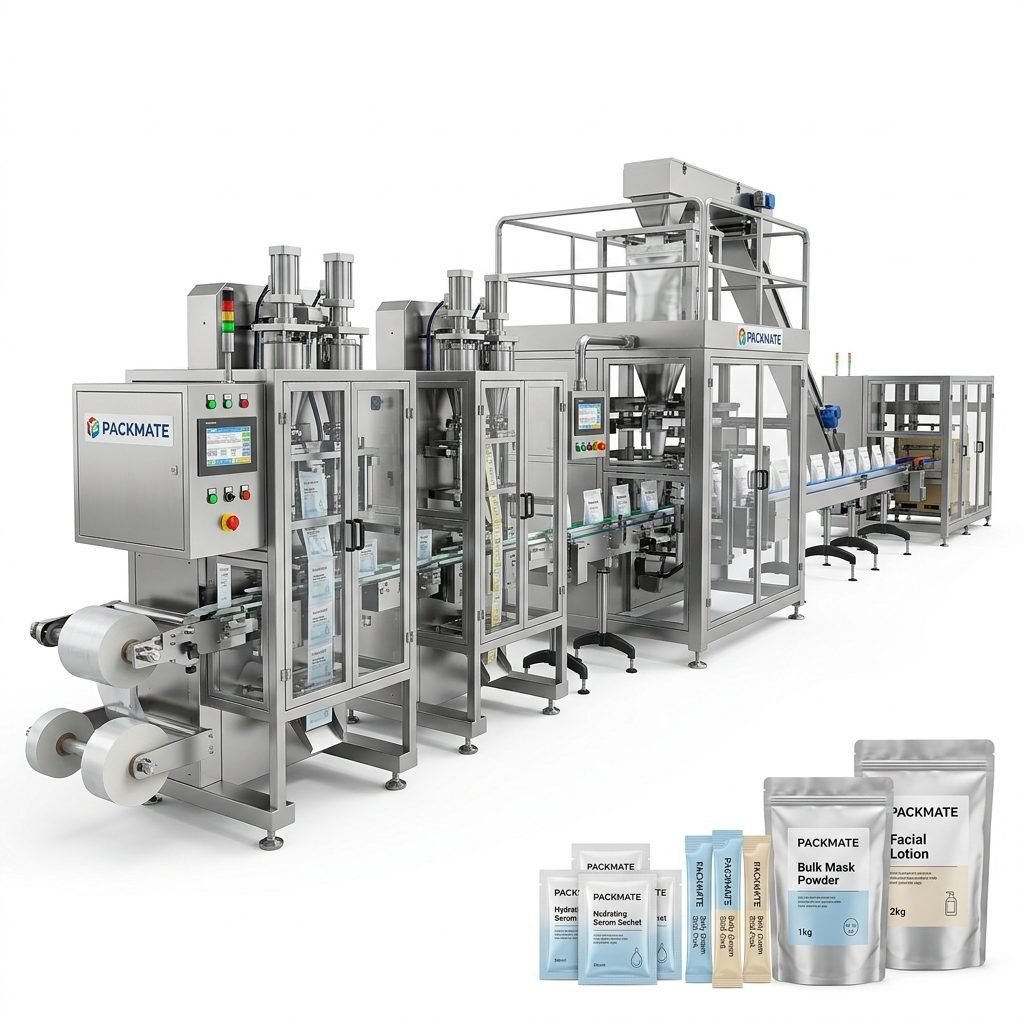
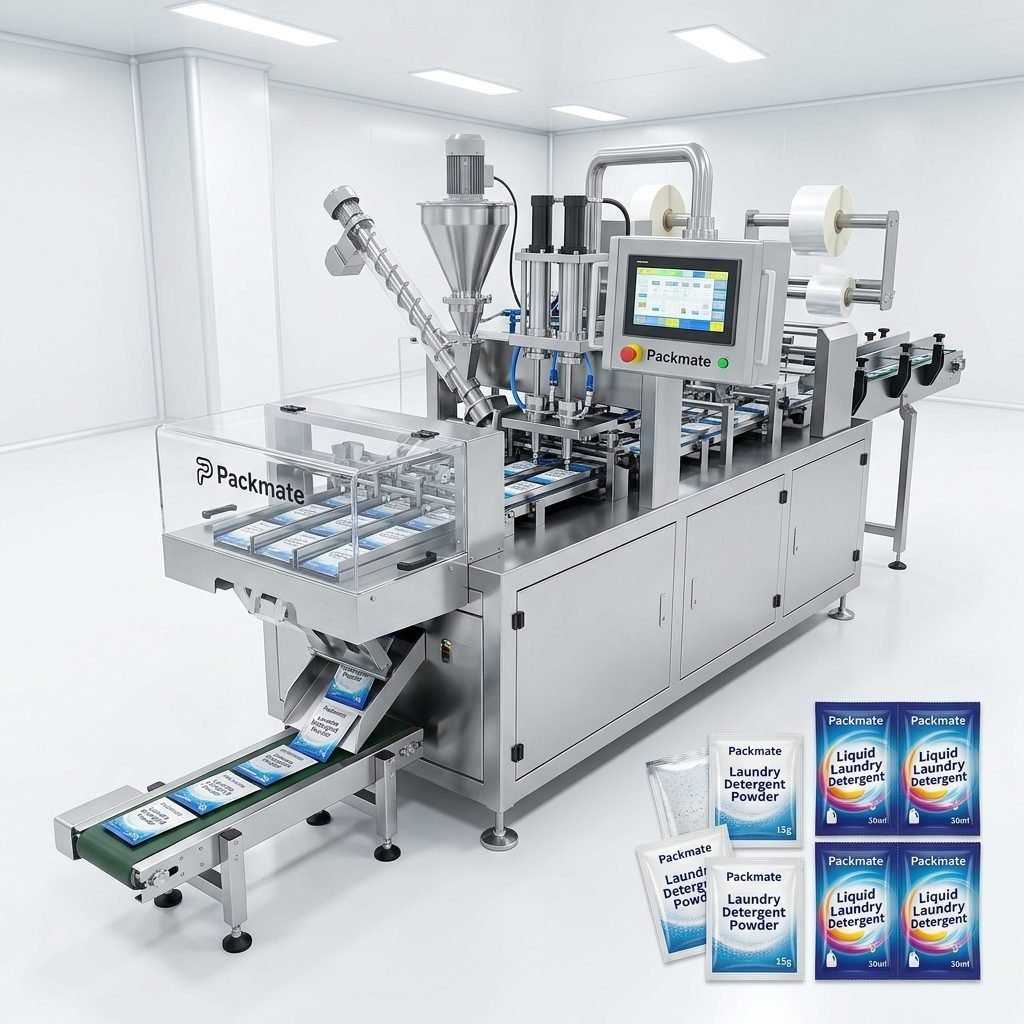
FFS machines are highly efficient as they perform three functions in one continuous process: forming the package from a roll of film, filling it with product, and sealing it. This technology is ideal for producing sachets, stick packs, and pouches with minimal material waste and high-speed output. Companies like Packmate Machinery have developed sophisticated multi-lane FFS systems that dramatically increase production capacity.
Labeling and Coding Systems
Efficient operations require accurate product identification and tracking. Modern labeling and coding equipment applies labels, prints batch codes, expiration dates, and barcodes at high speeds. Integration with factory management systems ensures traceability and compliance with industry regulations, which is particularly vital in the pharmaceutical and food sectors.
Factors Driving Operational Efficiency
Several key factors determine how packaging equipment contributes to efficient operations. Understanding these will guide you in selecting the most suitable machinery for your specific needs.
Speed and Throughput
The most obvious metric is the machine’s cycles per minute (CPM) or packages per minute (PPM). High-speed machines, such as multi-lane stick pack machines, can produce hundreds of packages per minute, drastically reducing production time. However, speed must be balanced with reliability to avoid costly downtime.
Flexibility and Changeover Time
In a market with frequent product launches and varying batch sizes, equipment flexibility is paramount. Machines with quick-change features for different package sizes, shapes, or materials minimize downtime during product switches. This adaptability is a cornerstone of lean manufacturing and efficient operations.
Automation and Integration Potential
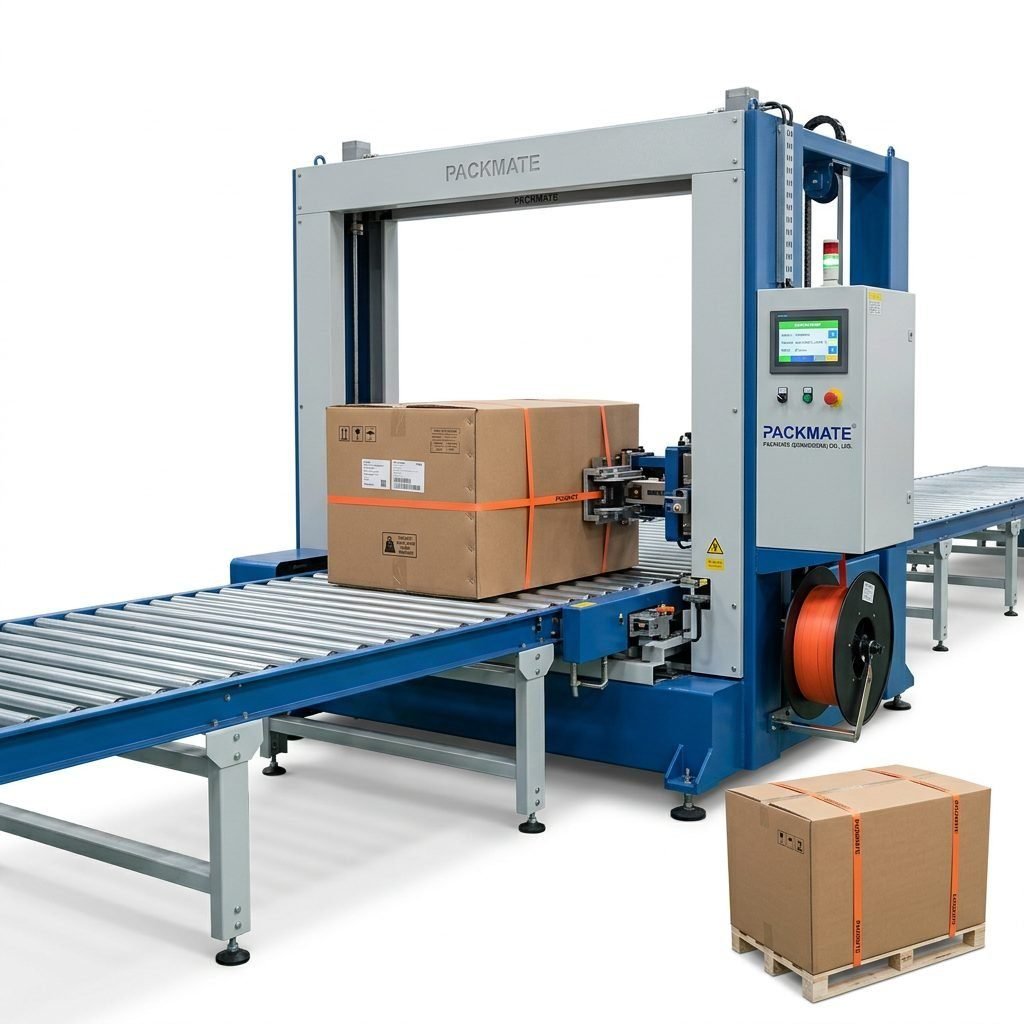
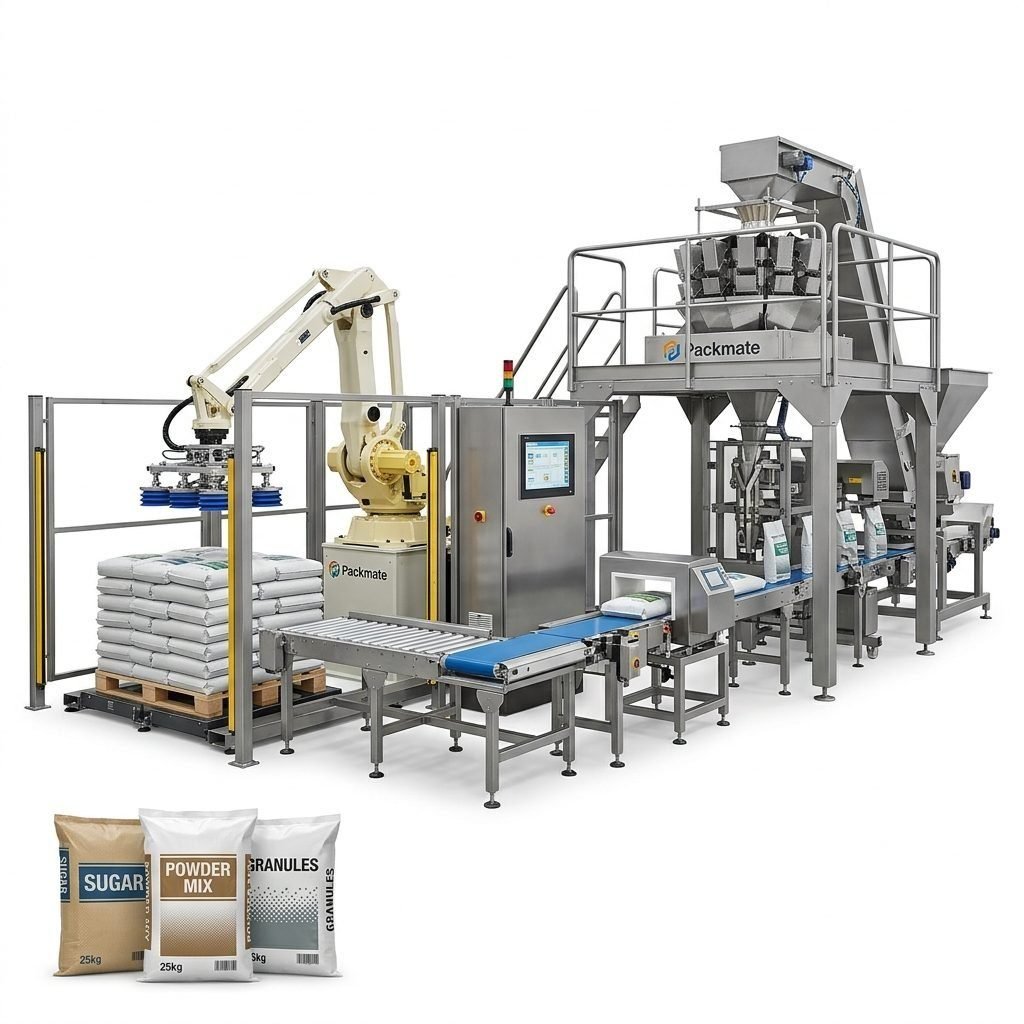
Truly efficient operations are achieved through automation. Packaging equipment that can integrate with upstream and downstream processes—like weighing systems, conveyors, and robotic palletizers—creates a continuous flow. This reduces manual handling, lowers labor costs, and improves consistency. Intelligent machines with PLC controls and IoT connectivity allow for real-time monitoring and predictive maintenance, preventing unexpected breakdowns.
Accuracy and Waste Reduction
Efficiency isn’t just about speed; it’s also about precision. Equipment that ensures accurate filling weights minimizes product giveaway, saving significant material costs over time. Similarly, precise sealing mechanisms reduce the rate of defective packages and product spoilage. This focus on accuracy directly improves your bottom line.
Industry-Specific Solutions for Peak Efficiency
The optimal packaging machinery varies significantly by industry, as each has unique requirements for hygiene, precision, speed, and compliance.
Food and Beverage Industry
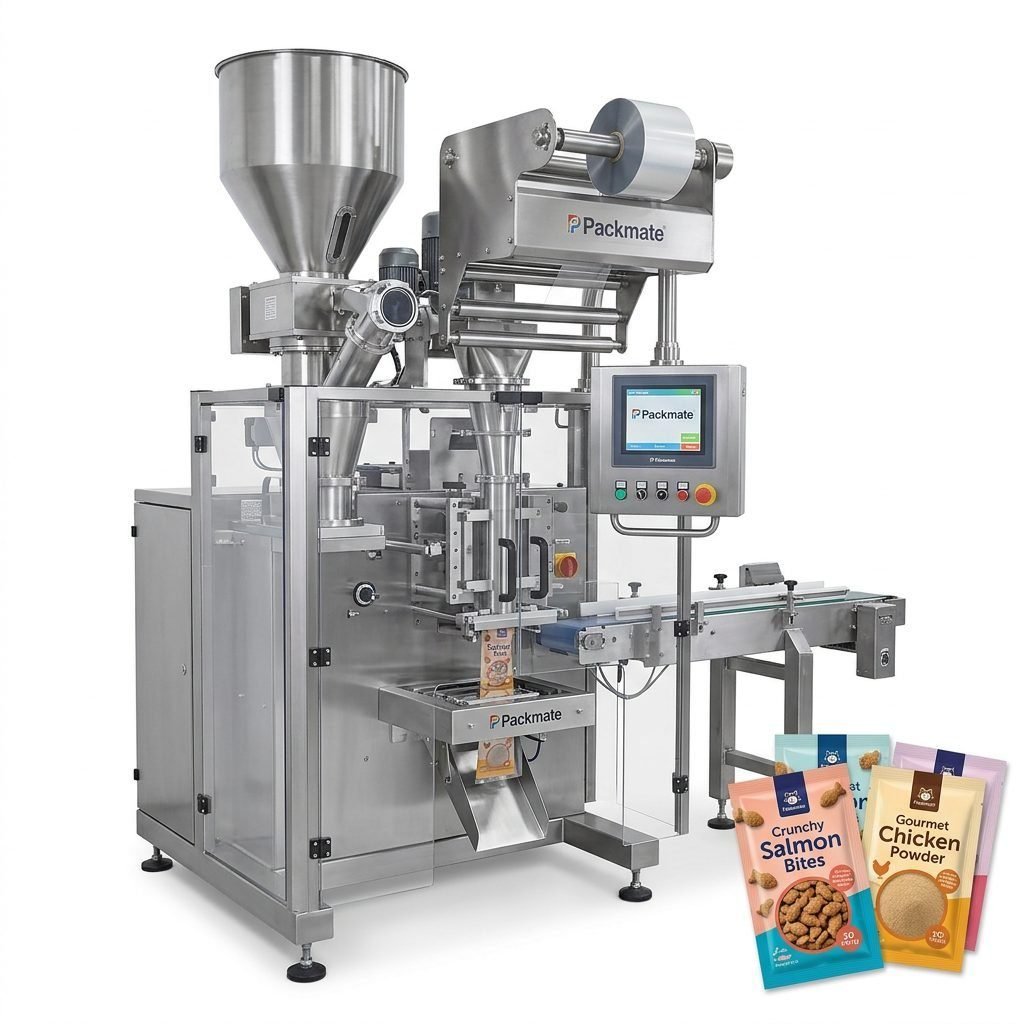
This sector demands equipment that ensures product freshness, prevents contamination, and meets stringent food safety standards. Efficient machinery often includes nitrogen flushing capabilities for extended shelf life and is constructed from food-grade stainless steel for easy cleaning. High-speed vertical form-fill-seal machines are prevalent for snacks, powders, and liquids.
Pharmaceutical and Healthcare
Here, efficiency must never compromise accuracy or sterility. Machines for blister packing, vial filling, and sachet packaging of powders or granules must operate with extreme precision and often within controlled environments. Track-and-trace serialization capabilities are increasingly becoming a non-negotiable feature for regulatory compliance and supply chain security.
Cosmetics and Personal Care
Beyond functionality, packaging in this industry heavily influences brand perception. Efficient equipment must handle diverse, often delicate containers (tubes, bottles, jars) and various product viscosities (creams, gels, liquids) while maintaining elegant presentation. Automated bag and pouch packaging machines are also popular for sample sachets and travel-sized products.
The Role of a Trusted Manufacturer
Partnering with an experienced manufacturer is critical for long-term operational efficiency. A provider with deep industry knowledge, like Packmate Machinery, which has over 30 years of expertise, can offer more than just a machine. They provide complete turnkey solutions, including installation, training, and ongoing support. Their company history of innovation, from a small workshop in 1993 to a 20,000㎡ modern facility today, demonstrates a commitment to developing reliable and efficient packaging technology that evolves with market demands.
Implementing for Long-Term Success
Purchasing top equipment is only the first step. Proper implementation is what unlocks sustained efficiency.
Comprehensive Operator Training: Well-trained personnel can operate machines at optimal parameters, perform basic troubleshooting, and conduct efficient changeovers, maximizing uptime.
Preventive Maintenance Schedule: Adhering to a strict maintenance routine as recommended by the manufacturer prevents minor issues from escalating into major failures that halt production.
Continuous Improvement Mindset: Regularly review packaging line performance data. Look for bottlenecks and explore opportunities for upgrades or integration with new auxiliary equipment to further enhance the workflow.
Frequently Asked Questions (FAQs)
What is the most important factor when choosing packaging machinery for efficiency?
While speed is important, the overall equipment effectiveness (OEE)—which combines availability, performance, and quality—is a better metric. A slightly slower machine that is extremely reliable and produces zero defects is often more efficient in the long run than a fast but unreliable one.
How can I improve the efficiency of my existing packaging line?
Conduct a thorough audit to identify bottlenecks. Often, adding or upgrading a single component, like a faster capper, labeler, or an automated case packer, can significantly improve the throughput of the entire line without replacing all the machinery.
Are automated packaging lines suitable for small to medium-sized businesses (SMBs)?
Yes, absolutely. Automation is scalable. Many manufacturers offer modular and semi-automatic machines that provide a significant efficiency boost over fully manual processes at a lower entry cost, allowing SMBs to grow into full automation.
What kind of return on investment (ROI) can I expect from efficient packaging equipment?
ROI comes from multiple streams: increased production output, reduced labor costs, lower material waste from improved accuracy, and decreased downtime. A well-chosen machine often pays for itself within 1-3 years through these savings and increased capacity.
How do I ensure the packaging machine remains efficient over its lifespan?
Partner with a manufacturer that offers strong after-sales service, readily available spare parts, and technical support. Following the prescribed maintenance schedule and using genuine parts are essential for preserving the machine’s performance and longevity.