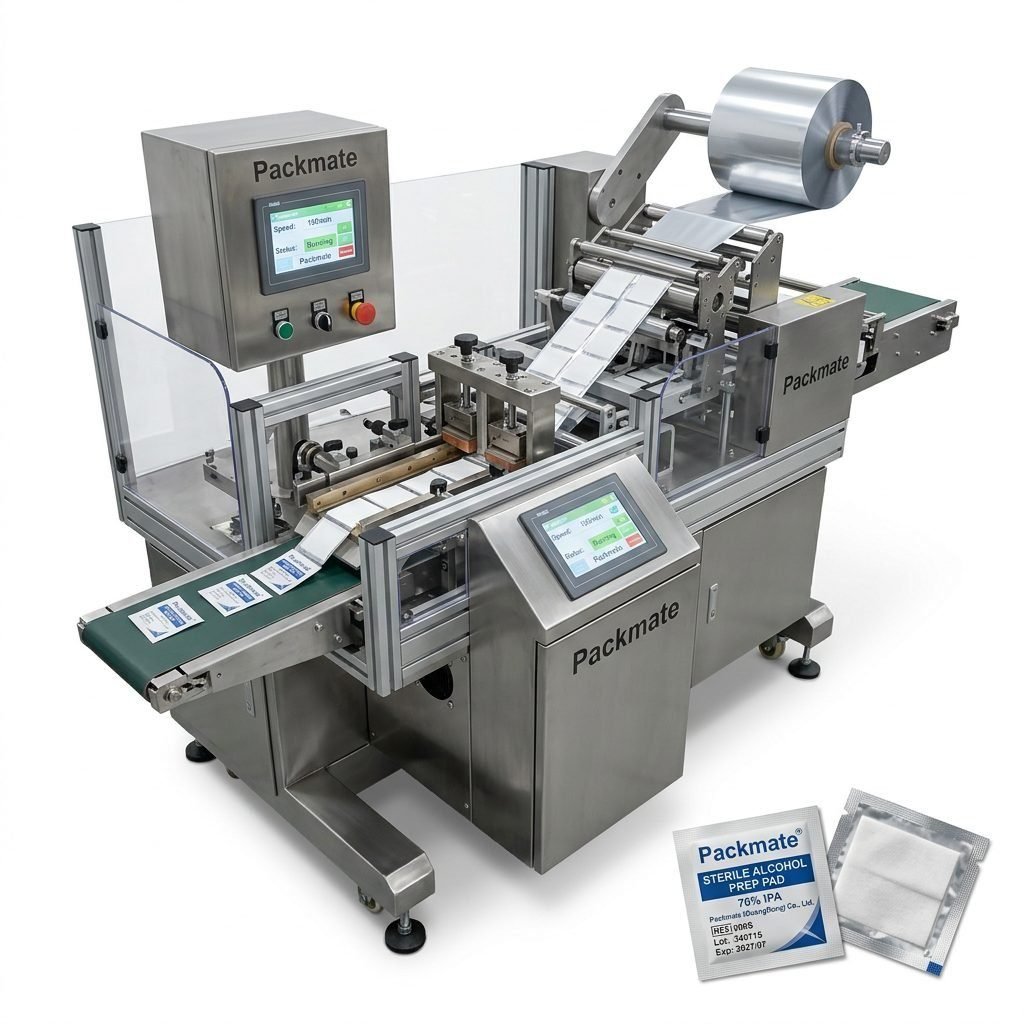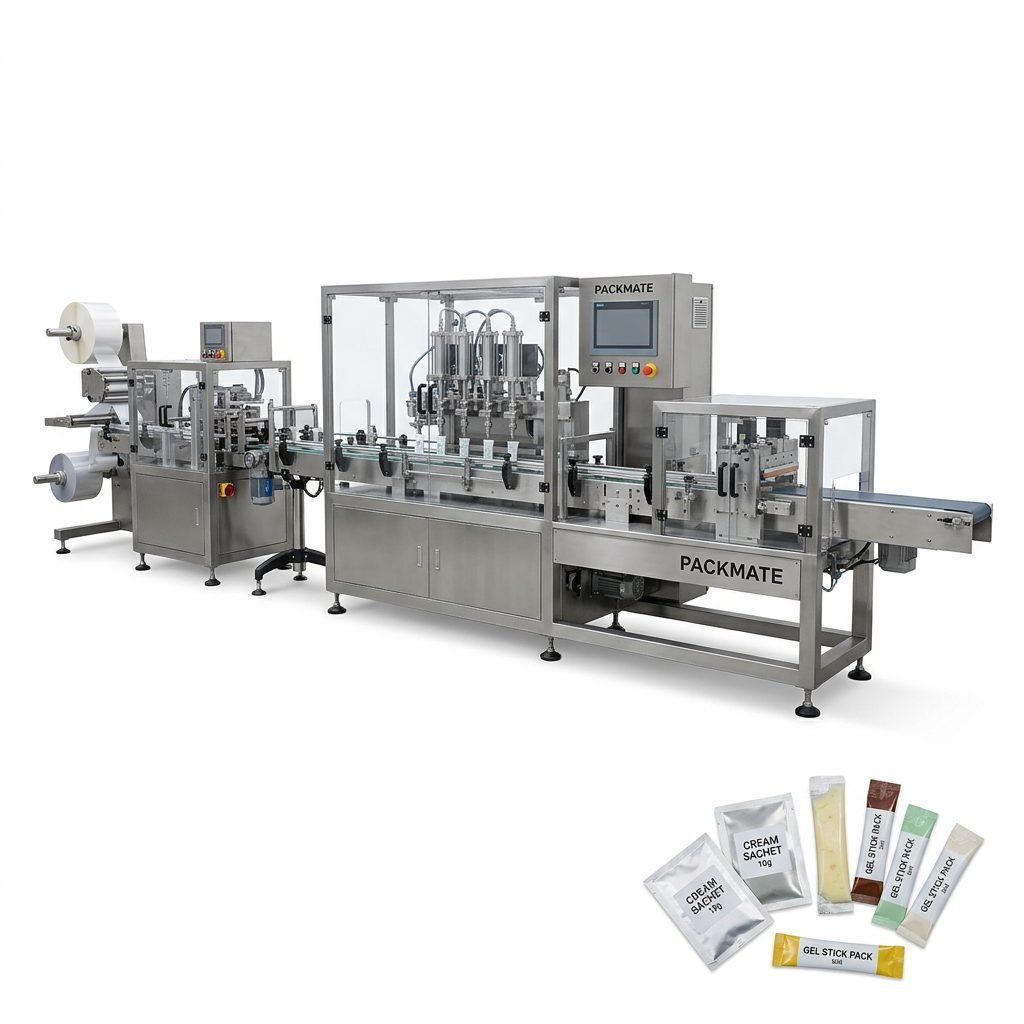
Selecting the right packaging machinery is a critical decision that directly impacts your production efficiency, product quality, and overall operational costs. In today’s competitive market, investing in better packaging machines is not a luxury but a necessity for businesses aiming to scale and meet evolving consumer demands. This guide will walk you through the essential factors for choosing efficient, reliable, and future-proof packaging solutions.
Understanding Your Core Packaging Needs
Before diving into machine specifications, a thorough analysis of your specific requirements is paramount. This foundational step ensures the solution you choose aligns perfectly with your operational goals.
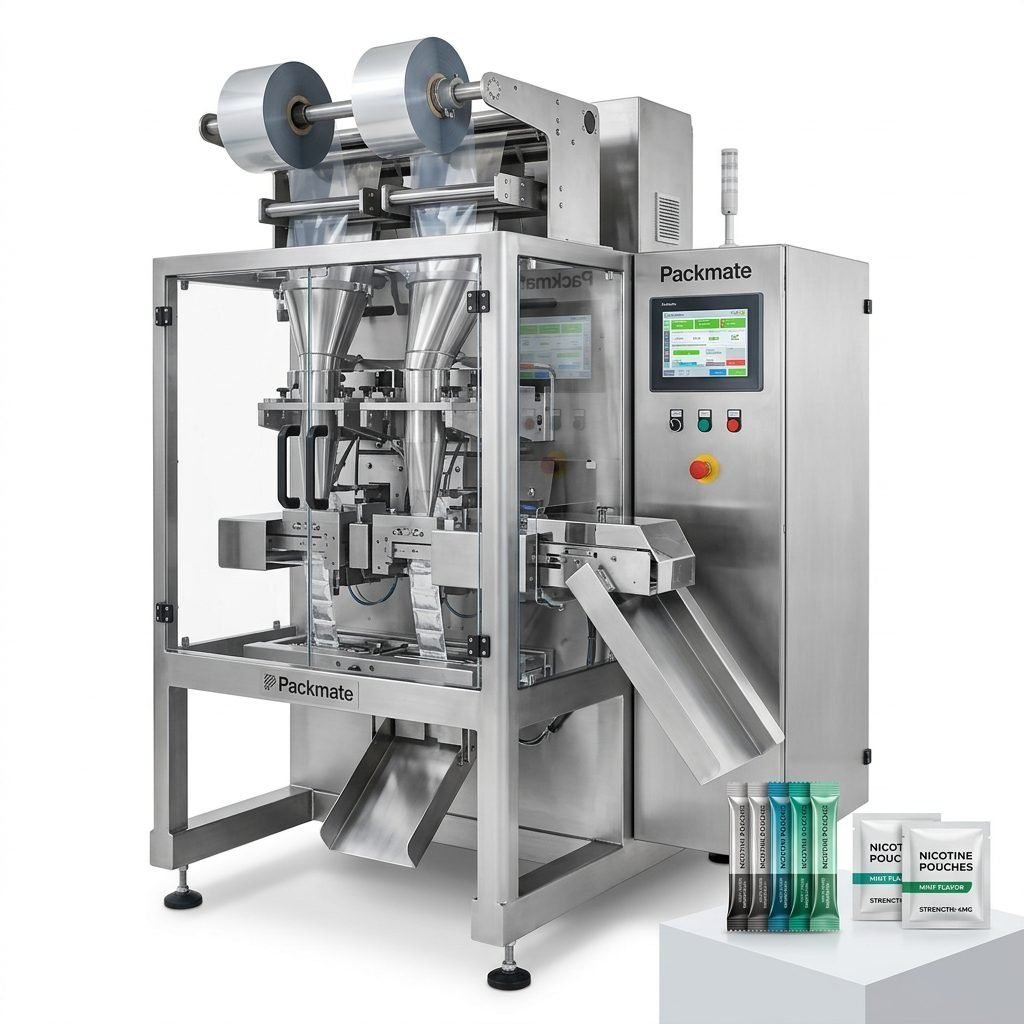
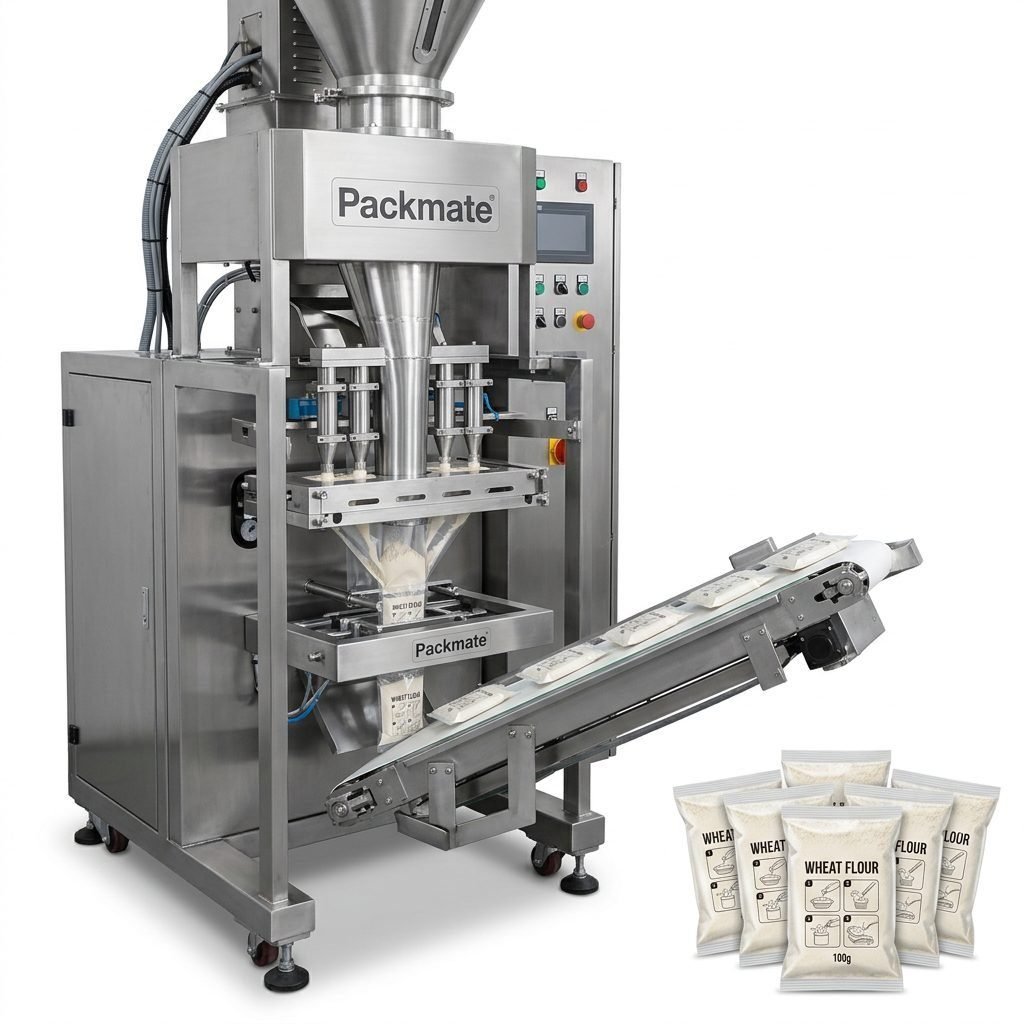
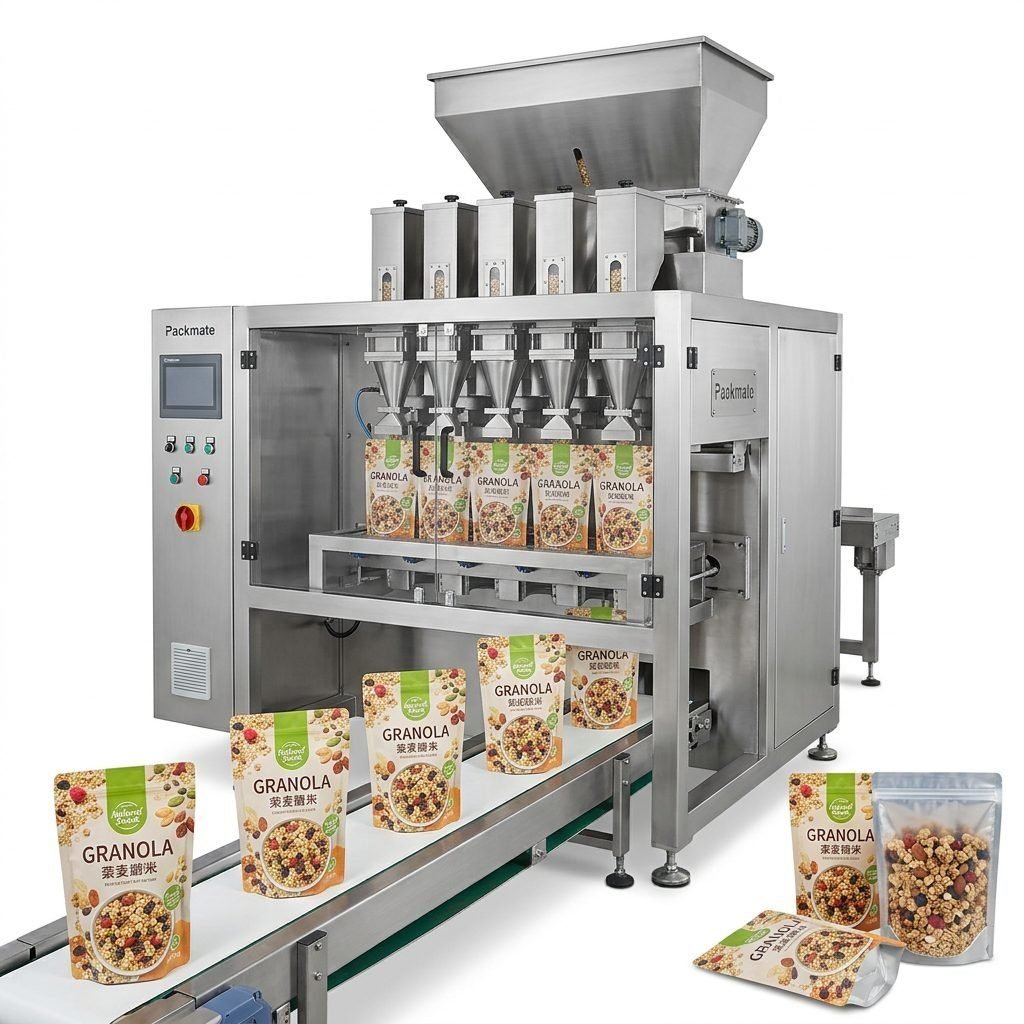
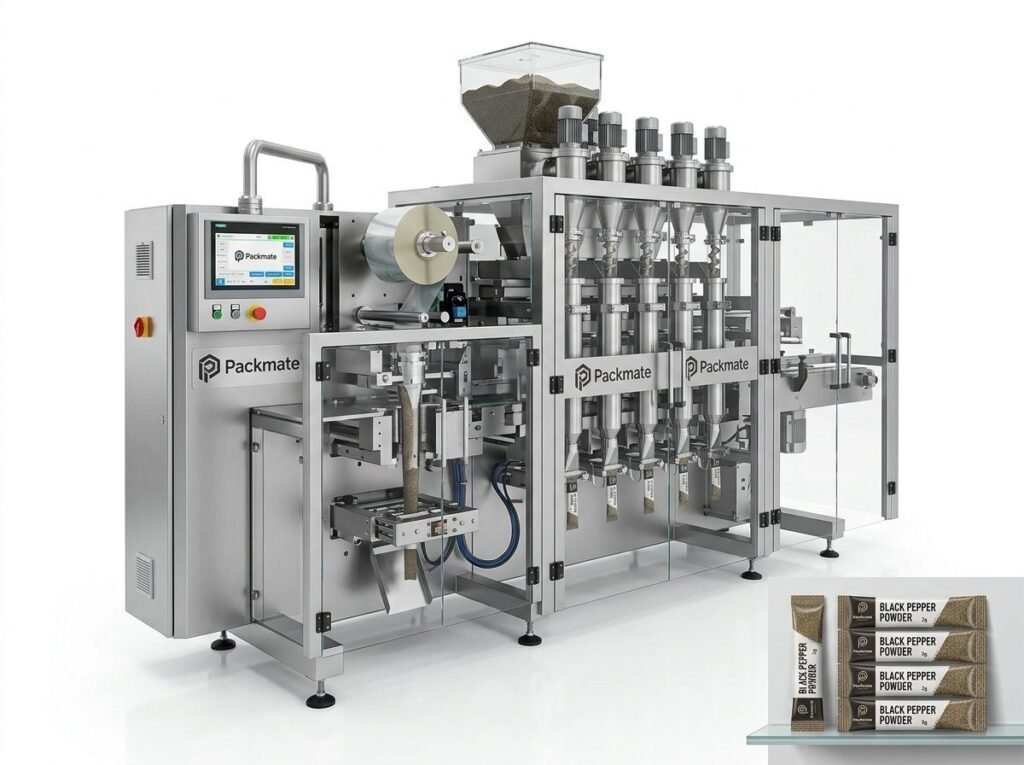
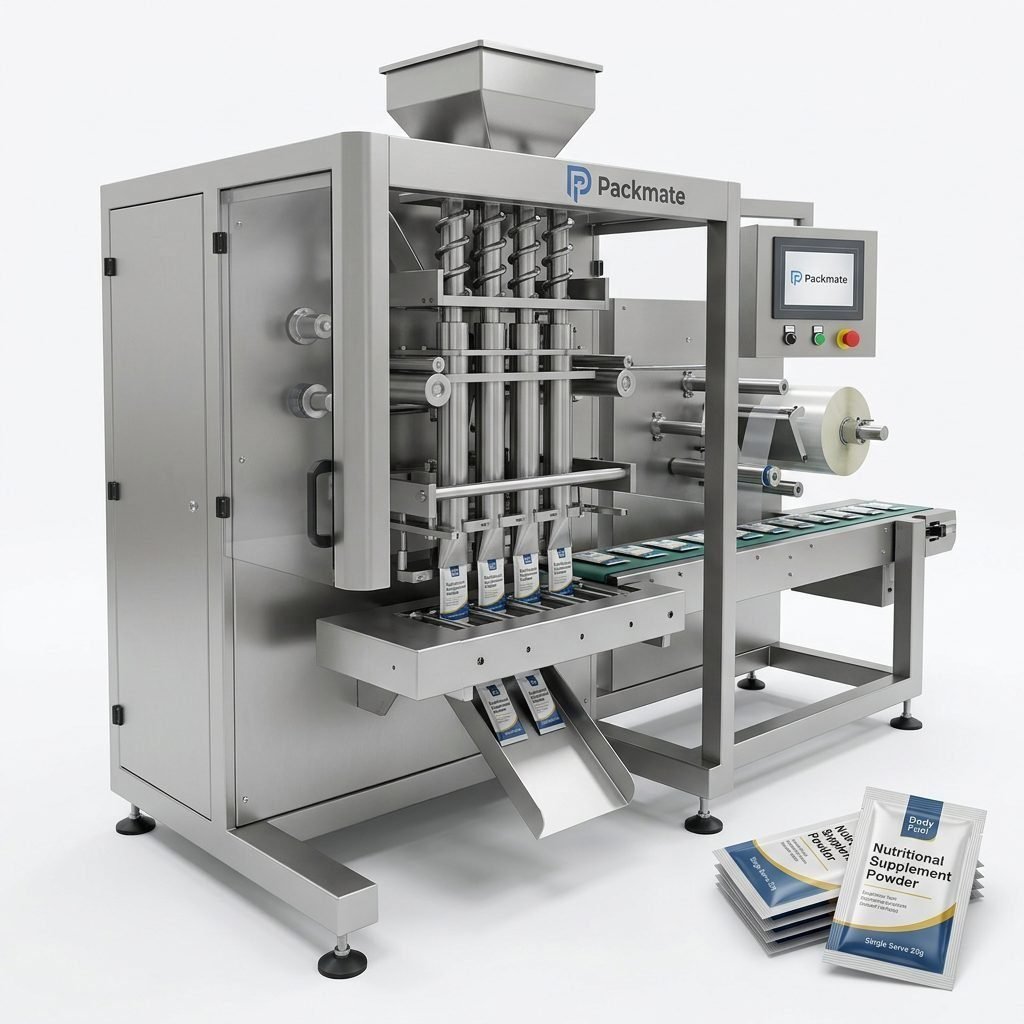
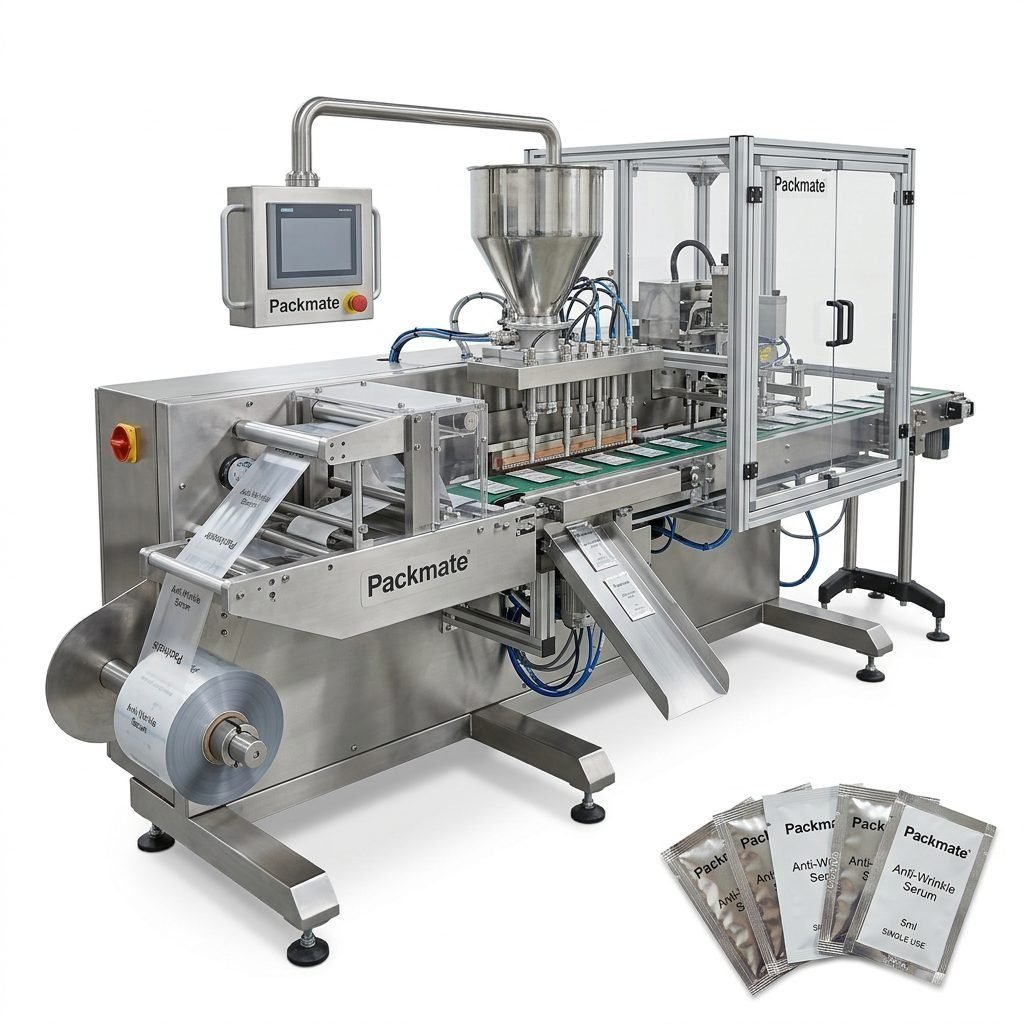
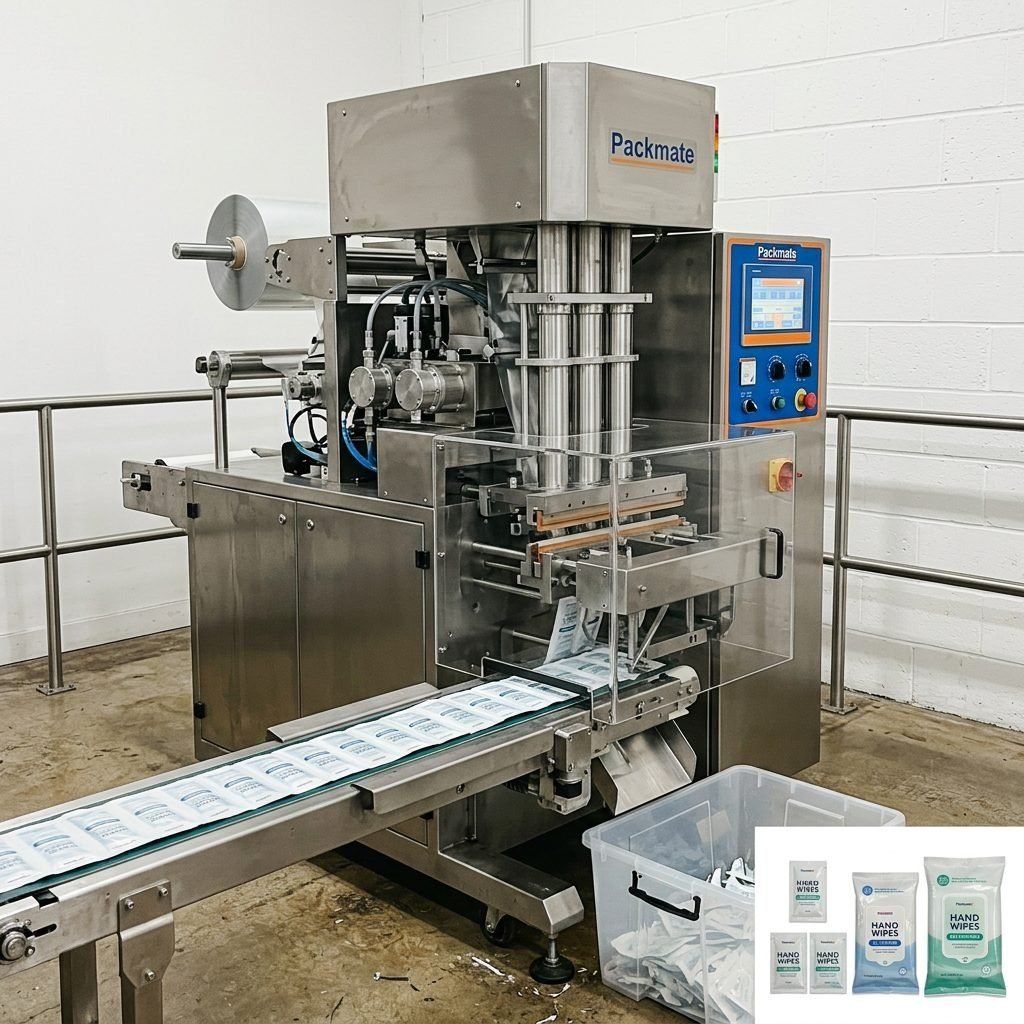
Product Characteristics: The nature of your product dictates the machine type. Are you packaging granules (like coffee or sugar), fine powders (like protein or spices), viscous liquids (like sauces or shampoos), or solids? Each requires different feeding, filling, and sealing technologies. For instance, a sachet packaging machine is ideal for single-serve portions, while a pouch packaging machine might be better for larger retail bags.
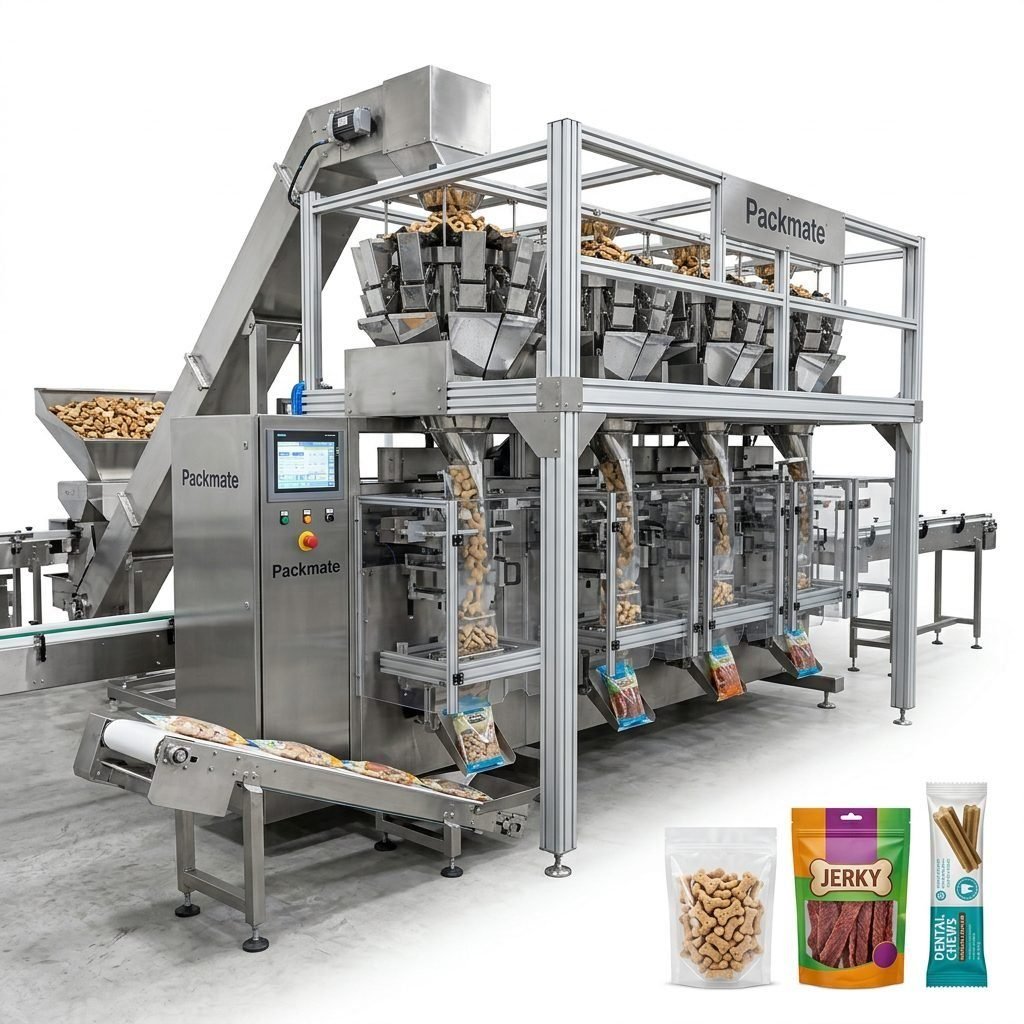
Production Volume & Speed: Assess your current output and projected growth. A machine’s speed (packages per minute) must match your production targets without causing bottlenecks. High-volume operations often benefit from multi-lane systems, which significantly boost output by running several packaging lines in parallel.
Packaging Materials: The machine must be compatible with your chosen film or laminate (e.g., PET/AL/PE, CPP, OPP). Consider factors like material thickness, barrier properties, and print registration if using pre-printed roll stock.
Key Features of Modern, Efficient Packaging Machines
Today’s better packaging machines integrate advanced features that go beyond basic functionality to deliver superior performance and control.
Precision and Accuracy: Inconsistent fills lead to product giveaways or underfills, both of which are costly. Look for machines with high-precision servo-driven auger fillers, liquid pumps, or multi-head weighers. These systems ensure each package contains the exact specified weight or volume, ensuring compliance and maximizing profitability.
Flexibility and Changeover Ease: Market trends change rapidly. A machine that can handle multiple package sizes and formats with quick, tool-less changeovers is a valuable asset. This flexibility allows you to respond to new product launches or seasonal packaging variations with minimal downtime.
Automation and Integration: The true hallmark of an efficient solution is its ability to integrate into a complete packaging line. This includes automatic feeding systems, inline checkweighers, date coders, and cartoning units. Automation reduces labor dependency, minimizes human error, and creates a seamless, continuous flow from product to pallet.
Durability and Build Quality: Packaging equipment is a long-term investment. Machines constructed with high-grade stainless steel and robust components withstand the rigors of 24/7 operation, require less maintenance, and have a longer operational lifespan. A reputable manufacturer’s history, like Packmate’s 22+ years of development, often reflects a commitment to durable engineering.
The Importance of Supplier Expertise and Support
The machine itself is only part of the equation. The manufacturer or supplier’s role is crucial for long-term success.
Technical Support and Training: Comprehensive training for your operators and maintenance staff is essential. Ensure the supplier offers detailed manuals, on-site training, and readily accessible technical support to resolve issues quickly and keep your line running.
Availability of Spare Parts: Downtime is expensive. A reliable supplier maintains a robust inventory of critical spare parts and can ship them promptly. This minimizes production stoppages when routine maintenance or unexpected repairs are needed.
Customization and R&D Capability: Off-the-shelf solutions don’t always fit unique needs. A partner with strong R&D and engineering prowess, evidenced by a portfolio of over 50 machine models, can develop custom modifications or entirely new solutions to address specific challenges.
Evaluating Total Cost of Ownership (TCO)
Look beyond the initial purchase price. The Total Cost of Ownership provides a more accurate picture of your investment.
- Initial Investment: Purchase cost of the machine and any necessary auxiliary equipment.
- Operational Costs: Energy consumption, required labor, and consumable parts (like sealing jaws).
- Maintenance & Downtime Costs: Cost of scheduled maintenance, spare parts, and revenue lost during unplanned stoppages.
- Efficiency Gains: Savings from reduced material waste, higher output speed, and lower giveaway.
A slightly higher initial investment in a more efficient, reliable machine from a proven manufacturer often results in a significantly lower TCO over 5-10 years.
Future-Proofing Your Investment
Technology evolves. Choosing a machine with a modular design and software-upgradable controls allows you to add new features or integrate with emerging technologies (like IoT for predictive maintenance or data analytics) in the future. This protects your investment and keeps your operations competitive.