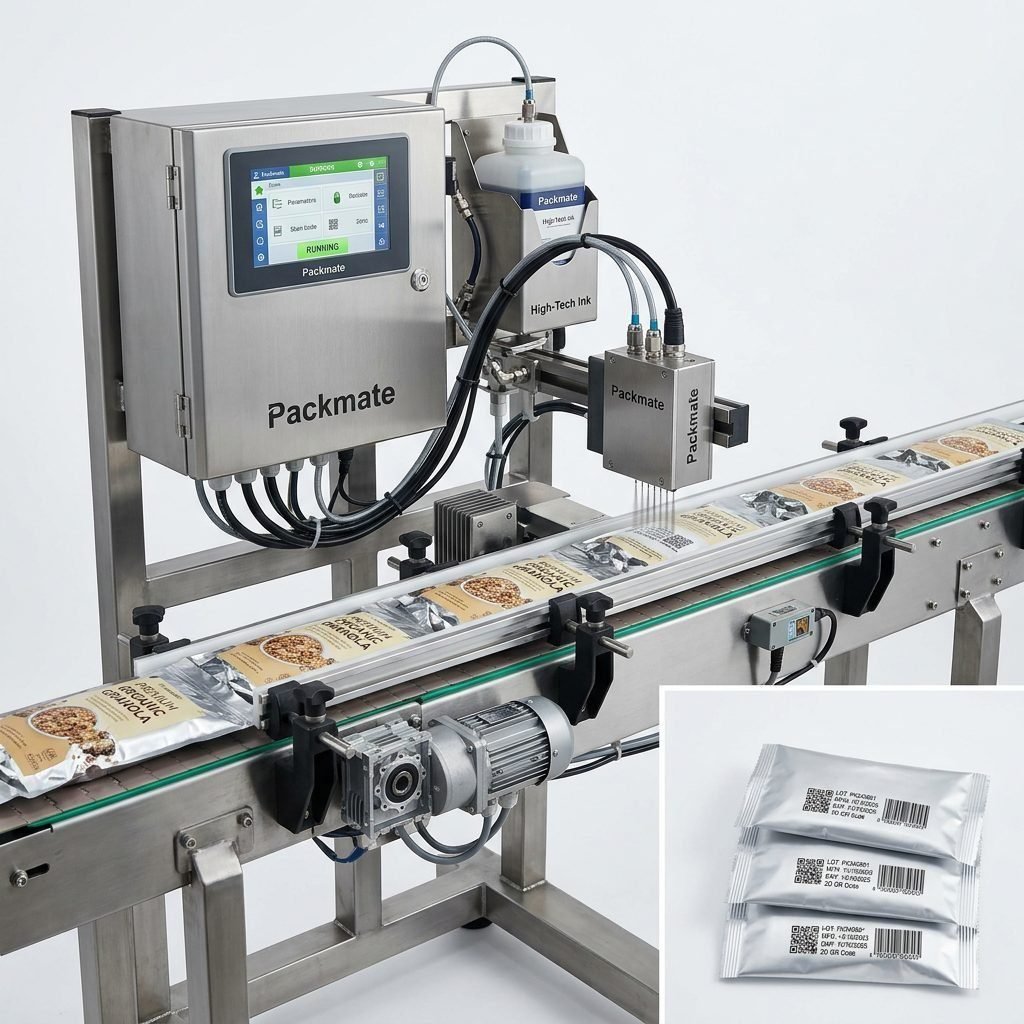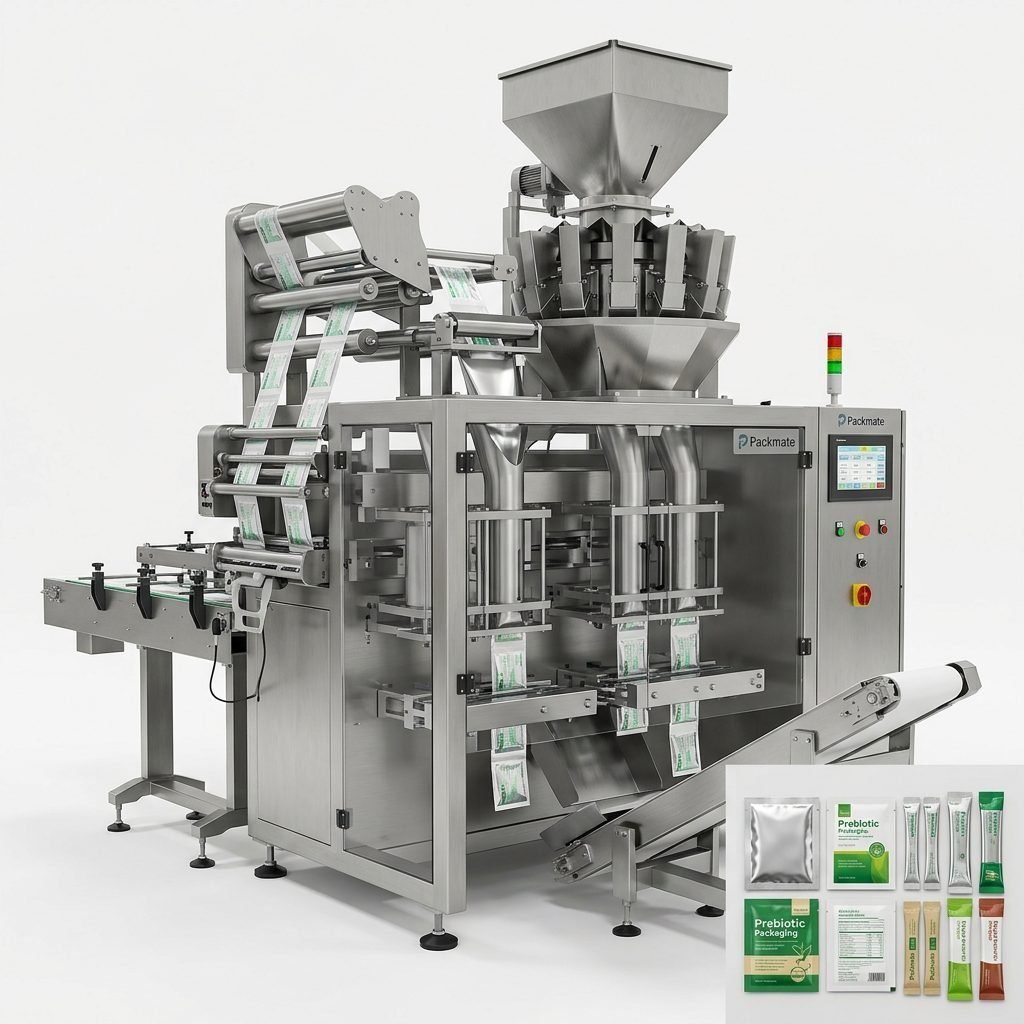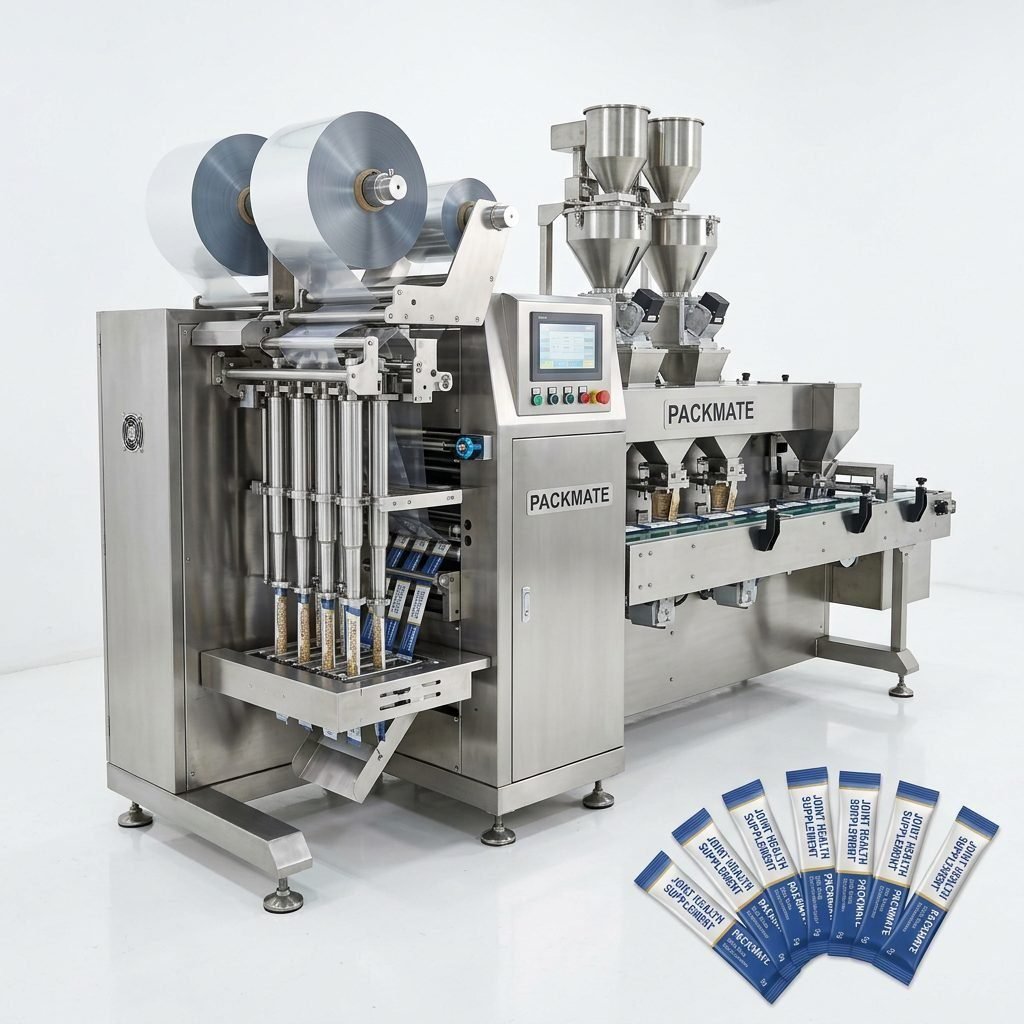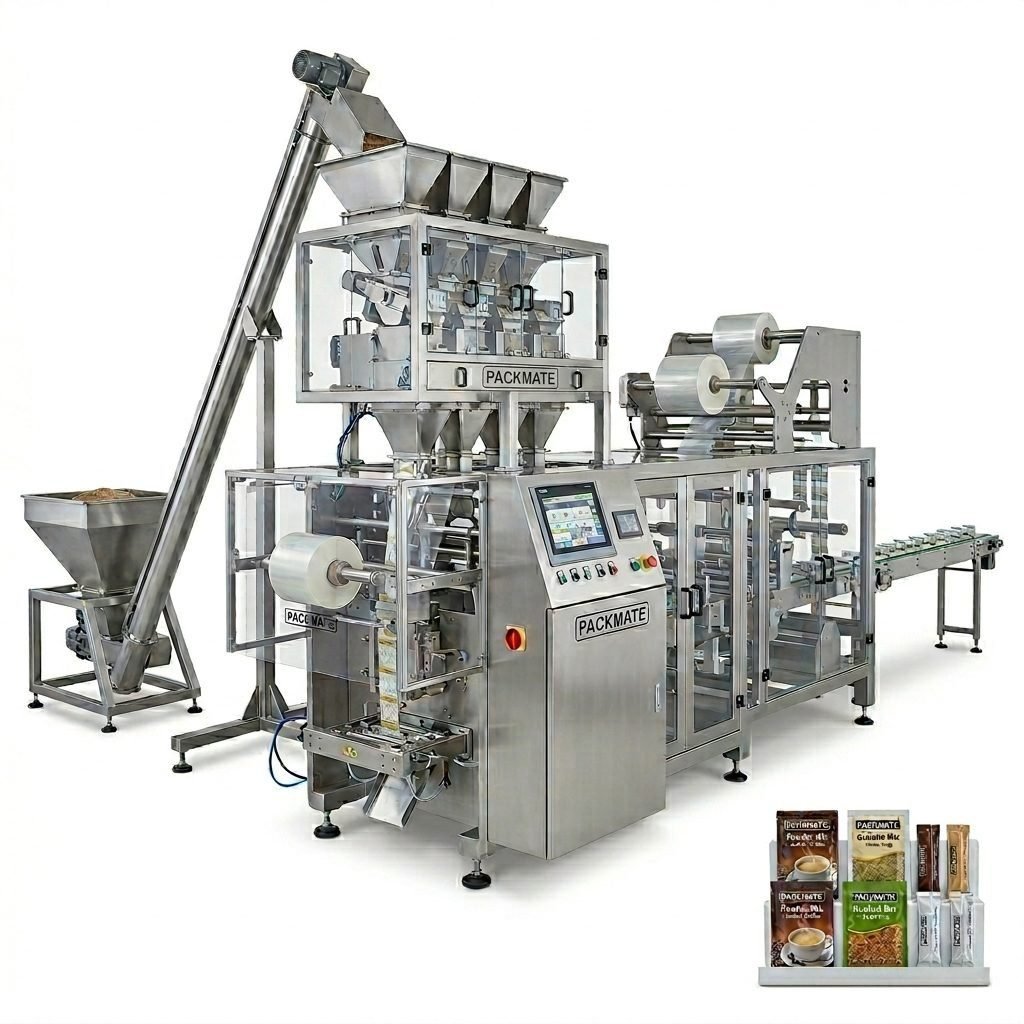
In today’s fast-paced world, preserving the freshness, flavor, and nutritional value of food is a universal concern. Whether you’re a home cook looking to extend the shelf life of bulk purchases, a small-batch food producer, or a large-scale manufacturer, the right tools make all the difference. Vacuum packaging has emerged as a leading solution, and selecting the best vacuum packaging machine is crucial for achieving optimal food storage and maintaining peak freshness.
Why Vacuum Packaging is Essential for Modern Food Storage
The primary enemy of food freshness is oxygen. It accelerates oxidation, leading to spoilage, rancidity, and the degradation of vitamins and flavors. Vacuum packaging works by removing air from the package before sealing it, creating an environment where aerobic bacteria and molds cannot thrive. This process significantly slows down decay, locks in moisture to prevent freezer burn, and helps retain the food’s original texture and taste. For businesses, this translates to reduced waste, longer shelf life for products, and enhanced customer satisfaction by delivering superior quality.
Key Benefits at a Glance
Extended Shelf Life: Can increase the storage time of perishables by 3 to 5 times compared to conventional methods.
Preserved Quality: Protects against freezer burn, moisture loss, and flavor migration.
Space Efficiency: Vacuum-sealed bags are compact, saving valuable refrigerator, freezer, and pantry space.
Enhanced Safety: Inhibits the growth of spoilage microorganisms, contributing to food safety.
Choosing the Right Machine: Key Features to Consider
Not all vacuum packaging machines are created equal. Your specific needs will determine the best fit. Here are the critical factors to evaluate during your selection process.
1. Type of Machine: Chamber vs. External (Snorkel) Sealers
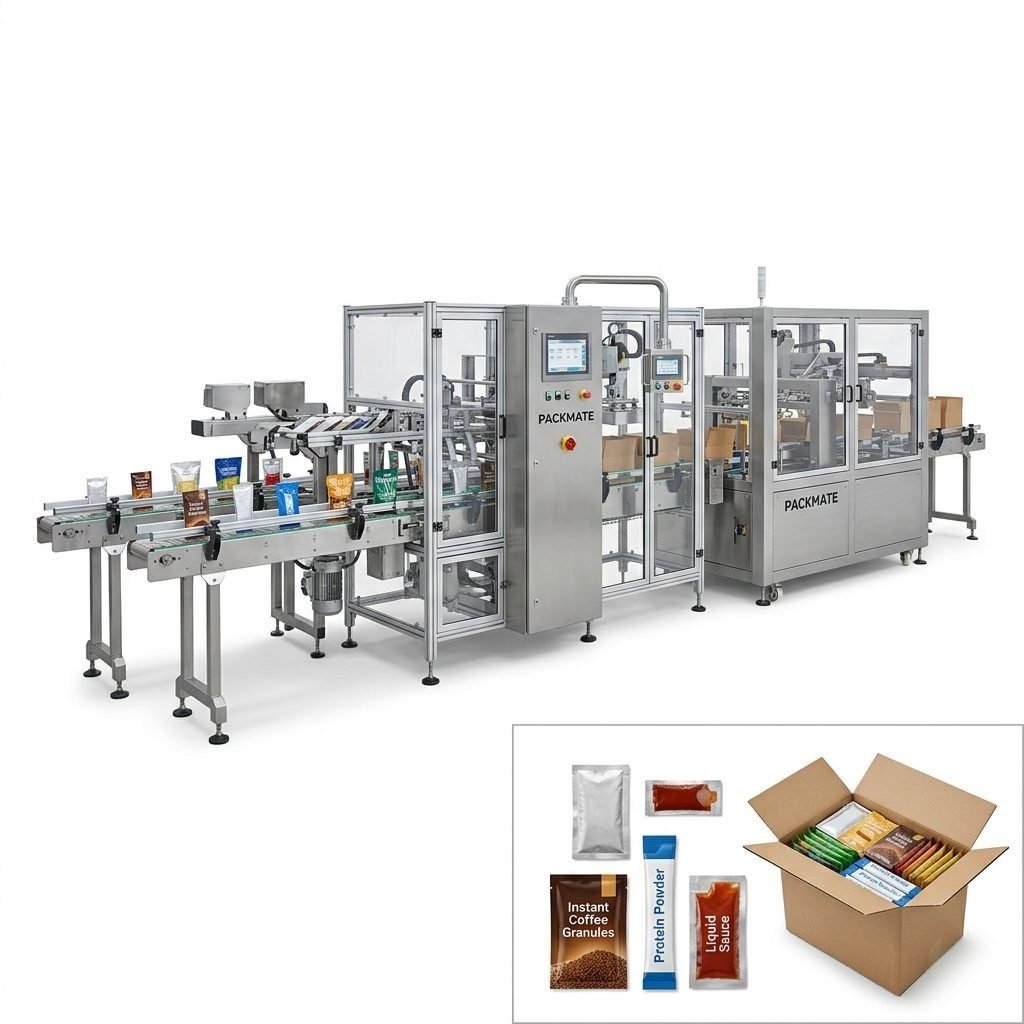
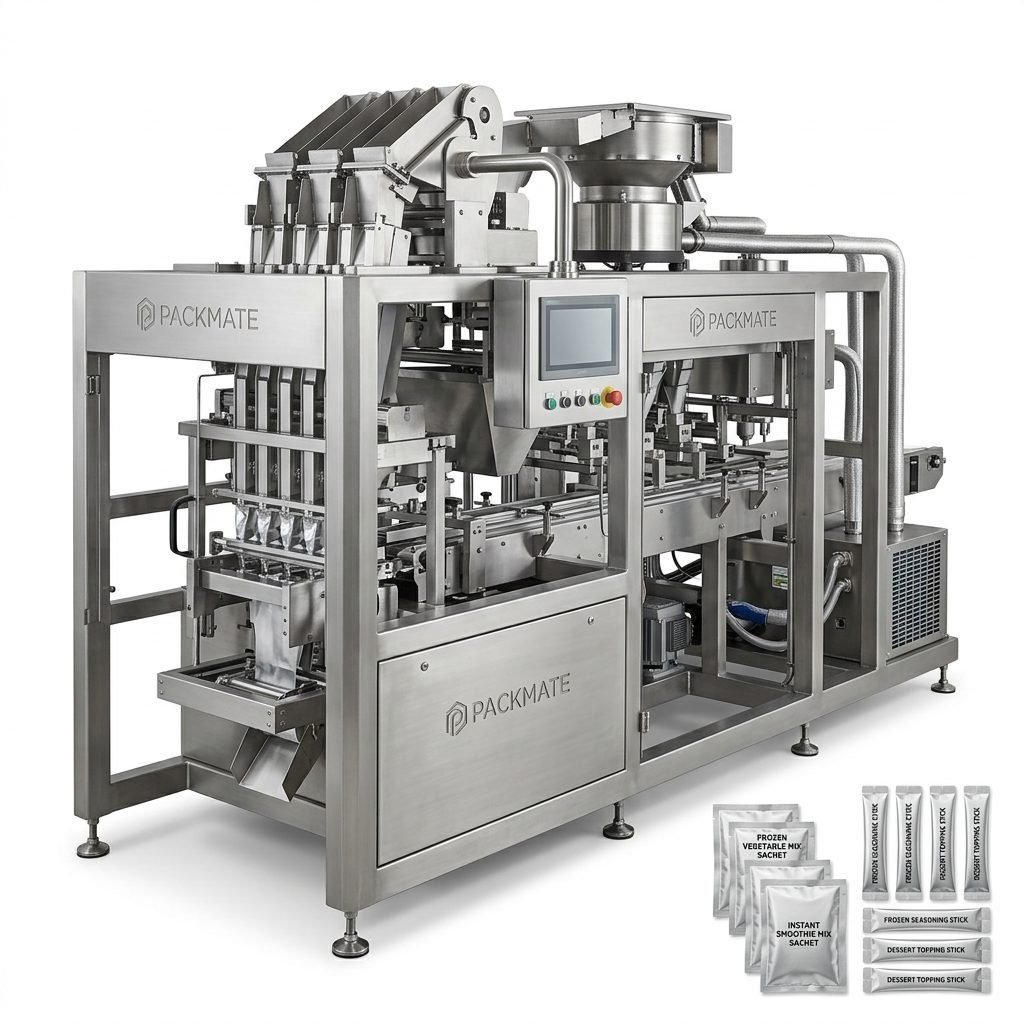
Chamber Vacuum Sealers are the professional’s choice. The entire bag is placed inside a sealed chamber. Air is removed from the chamber (and thus the bag), and then the bag is heat-sealed. They are excellent for packaging liquids, powders, and moist foods as they prevent liquid from being sucked into the machine’s pump. They offer stronger vacuums and are built for heavy-duty use. Explore our range of advanced filling & packaging lines which often integrate chamber technology for liquid and granular products.
External (Snorkel) Vacuum Sealers are more common for home and light commercial use. A hose or snorkel is inserted into a specially designed bag, air is extracted, and the bag is sealed. They are generally more affordable and take up less counter space but are not suitable for wet items.
2. Vacuum Strength and Pump Quality
The power of the vacuum pump, measured in bar or cubic feet per minute (CFM), dictates how much air can be removed and how quickly. A stronger vacuum results in a tighter seal and better preservation. For commercial applications requiring reliability and powerful performance, the quality of the engineering is paramount. Companies with deep expertise, like Packmate Machinery, leverage decades of experience to build machines with robust and durable pumping systems.
3. Seal Quality and Bar Width
A strong, airtight seal is non-negotiable. Look for machines with adjustable heat settings and a wide seal bar (often dual seals for redundancy). A good seal prevents air from re-entering the package over time. This is a critical component in all our bag & pouch packaging machines, ensuring package integrity from the factory to the end consumer.
4. Versatility and Bag Compatibility
Consider what you’ll be packaging. Do you need to handle irregular shapes, large cuts of meat, or delicate baked goods? Some machines offer accessory ports for jar sealers or hose attachments for vacuuming containers. Also, check what types of bags or rolls the machine uses—some are proprietary, while others work with standard, more economical bags.
For Commercial & Industrial Users
When selecting equipment for business, scalability and integration are key. The best vacuum packaging solution is often part of a complete, automated line. This ensures consistency, high throughput, and operational efficiency. Investing in a turnkey system from a manufacturer with a proven track record can save significant time and resources in the long run. Review our project cases to see how integrated solutions solve real-world packaging challenges for businesses globally.
Applications Across the Food Spectrum
The utility of a high-quality vacuum packaging machine spans numerous food categories:
Meat, Poultry & Seafood: The classic use case. Vacuum sealing prevents freezer burn, locks in juices, and is essential for safe sous-vide cooking.
Cheese & Dairy: Protects cheese from drying out and prevents mold growth, allowing it to age or store perfectly.
Prepared Meals & Meal Prep: Ideal for portioning and storing homemade or commercial ready-to-eat meals, keeping components fresh and separate.
Dry Goods & Bulk Items: Protects grains, coffee, nuts, and spices from staleness and pests.
Produce: Can blanch and vacuum-seal vegetables for long-term freezer storage, preserving color and texture far better than traditional freezing.
Maximizing Freshness with Proper Technique
Owning a great machine is only half the battle. Proper technique ensures the best results:
Pre-freeze Liquids & Moist Foods: For external sealers, freeze soups, stews, or marinated meats solid before vacuum sealing to avoid liquid interference.
Leave Adequate Space: Allow at least 2-3 inches of empty bag material above the food for the machine to grip and create a proper seal.
Clean the Seal Bar: Wipe the heat strip regularly with isopropyl alcohol to remove any residue that could weaken seals.
Label Everything: Always label bags with the contents and date before sealing. This is crucial for inventory management and food safety.
Conclusion: An Investment in Quality and Sustainability
Choosing one of the best vacuum packaging machines is an investment that pays dividends in reduced food waste, higher food quality, and greater convenience. For households, it promotes smarter shopping and eating. For businesses, it’s a critical component of quality control, logistics, and brand reputation. By understanding the types, features, and applications, you can select a machine that perfectly aligns with your food storage goals, ensuring that freshness is never compromised.
Frequently Asked Questions (FAQ)
Can I vacuum package liquids with any machine?
No, standard external vacuum sealers will suck liquid into the pump, damaging it. For liquids, moist foods, or powders, you must use a chamber vacuum sealer. The chamber method removes air from around the bag, not through it, making it perfectly safe for liquid packaging.
How much longer does vacuum-sealed food last?
It varies by food type. In the freezer, meats can last 2-3 years vs. 6-12 months normally. In the refrigerator, hard cheeses can last 4-8 months vs. 1-2 months. Dry goods like coffee or nuts can maintain peak freshness for over a year when sealed, compared to a few weeks in their original packaging.
Are vacuum-sealed bags reusable?
They are generally designed for single use, especially after containing raw meat or messy foods for safety and hygiene reasons. Bags used for dry, clean items can sometimes be washed, dried thoroughly, and re-sealed if the seal area remains undamaged, but performance may degrade.
What maintenance does a vacuum sealer require?
Regular maintenance is simple but essential. Keep the seal bar clean, empty the drip tray (on chamber models) after packaging moist items, and ensure the vacuum channel is clear of debris. For commercial machines, follow the manufacturer’s scheduled maintenance plan, which often includes oil changes for the pump. Our comprehensive service support ensures industrial machines maintain peak performance.
Is vacuum packaging the same as sous vide?
They are complementary processes. Vacuum packaging is the method of removing air and sealing the food in a bag. Sous vide is a cooking technique where that vacuum-sealed bag is cooked in a precisely temperature-controlled water bath. All sous vide cooking requires vacuum-sealed food, but not all vacuum-sealed food is intended for sous vide.