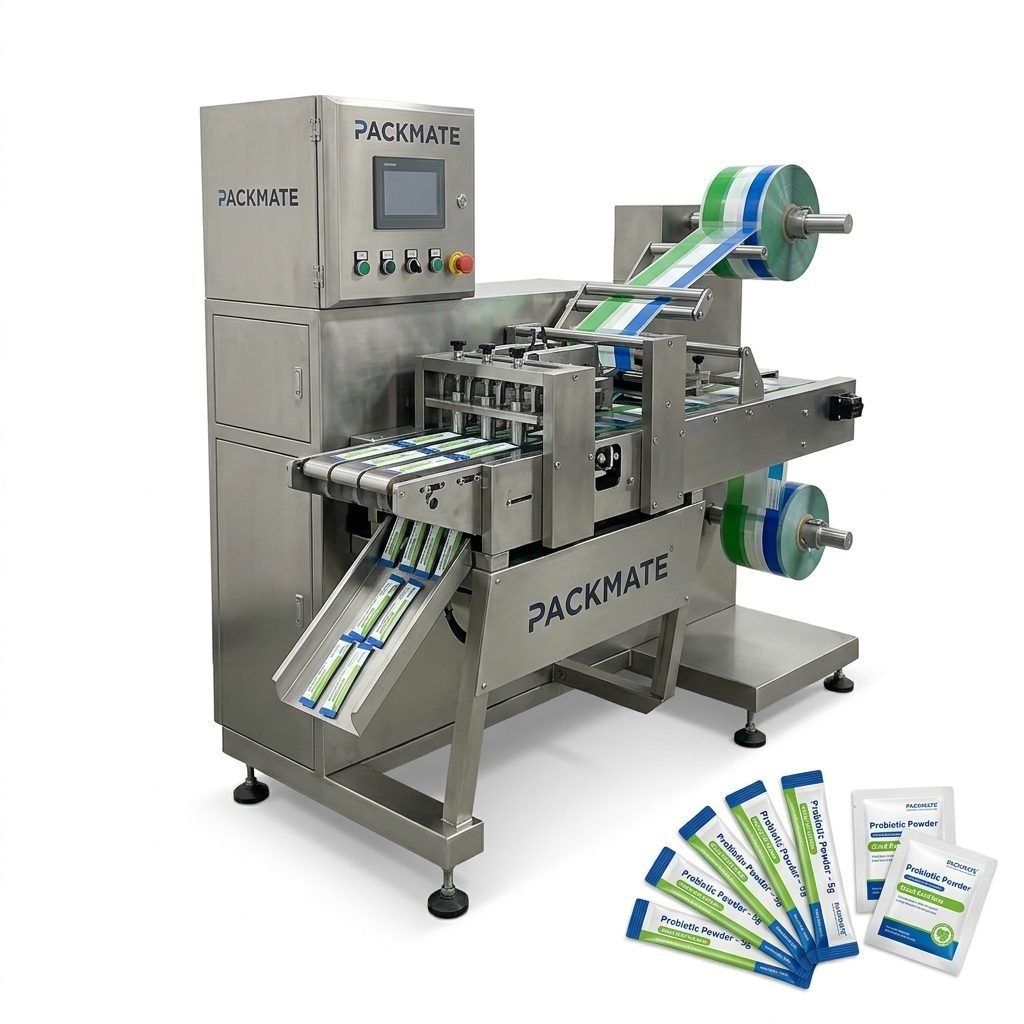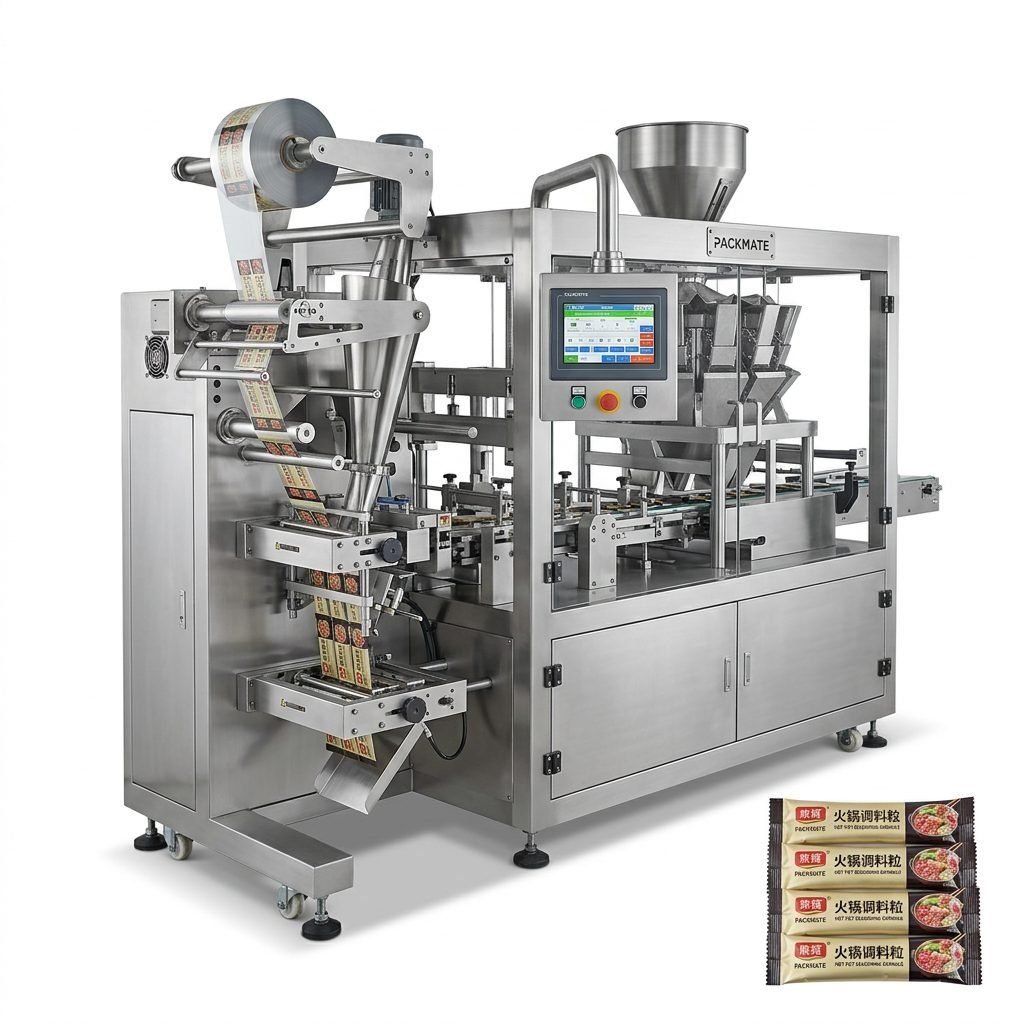
In today’s fast-paced consumer market, efficiency and presentation are paramount. Sachet packaging machines have emerged as vital tools for businesses across various industries, enabling the precise, hygienic, and cost-effective packaging of small quantities of product. From single-serve condiments and pharmaceutical samples to premium tea leaves and cosmetic serums, these machines offer unparalleled versatility. This guide delves into the different types of sachet packaging machines, their extensive applications, and the significant benefits they bring to modern production lines.
Understanding Sachet Packaging Machines
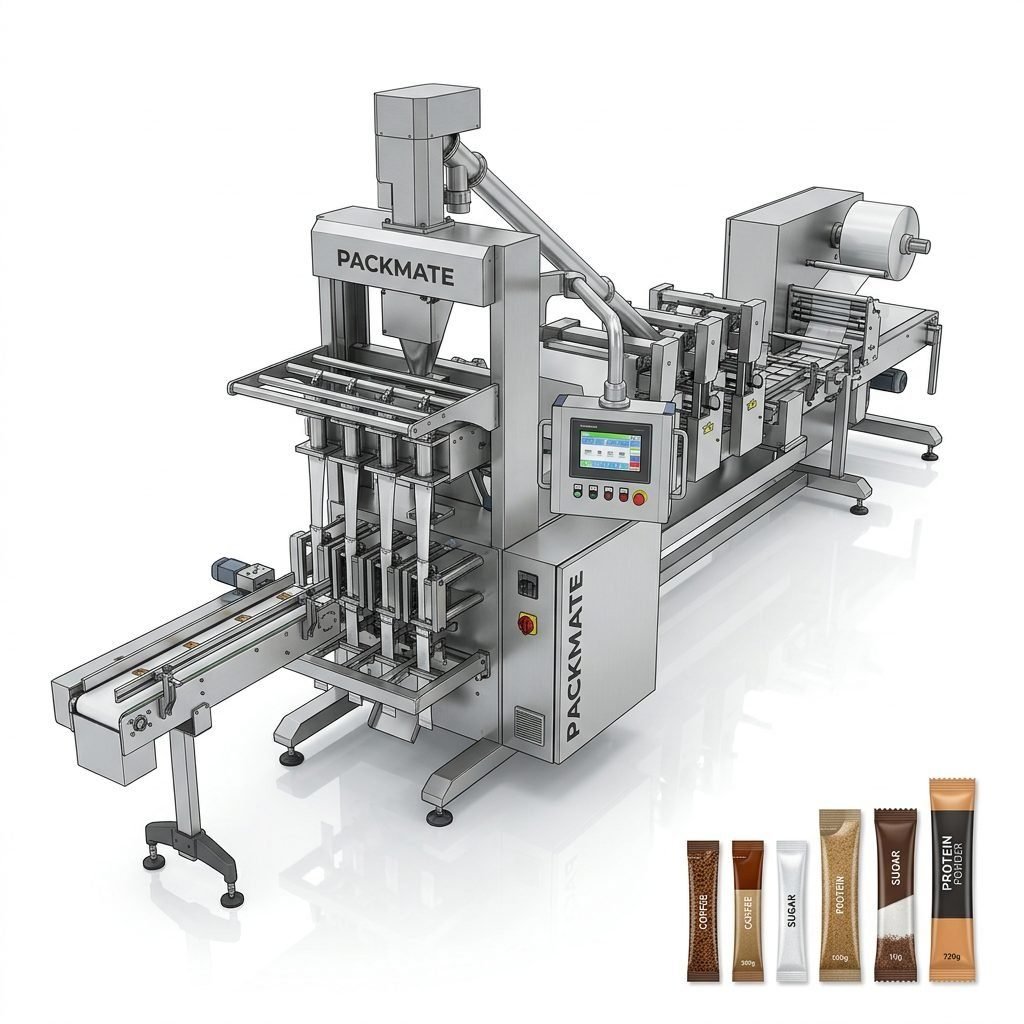
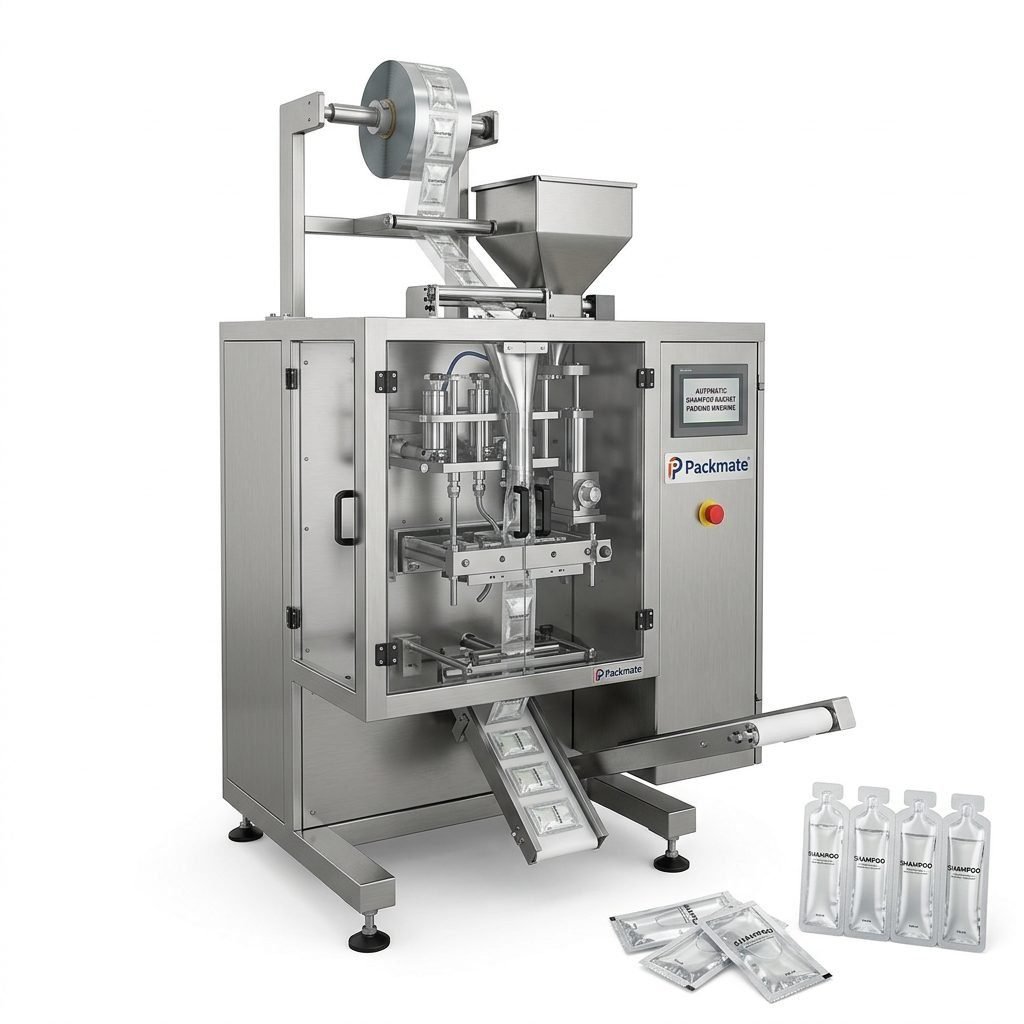
A sachet packaging machine is an automated system designed to form, fill, and seal individual pouches from a roll of packaging film. The process is continuous and highly accurate, ensuring each sachet contains the exact predetermined amount of product. These machines are engineered to handle a wide range of materials, including granules, powders, liquids, and pastes, making them indispensable in food, pharmaceutical, chemical, and personal care industries. The core principle involves pulling the film through a forming collar to create a pouch, precisely dispensing the product, and then sealing the sachet using heat or pressure before cutting it into individual units.
Key Operational Stages:
Film Feeding & Forming: The packaging material, typically a laminated film, is fed from a roll and shaped into a tube or pouch.
Precise Filling: A dosing system, such as a volumetric cup, auger filler, or liquid pump, accurately measures and inserts the product.
Heat Sealing: The open ends of the pouch are sealed using heated jaws to ensure a hermetic and tamper-evident closure.
Cutting & Discharge: The continuous sealed tube is cut into discrete sachets, which are then discharged for collection or further packaging.
Primary Types of Sachet Packaging Machines
The market offers several configurations of sachet packers, each suited to specific production volumes, pouch styles, and product characteristics. Choosing the right type is crucial for optimizing output and efficiency.
Vertical Form-Fill-Seal (VFFS) Machines
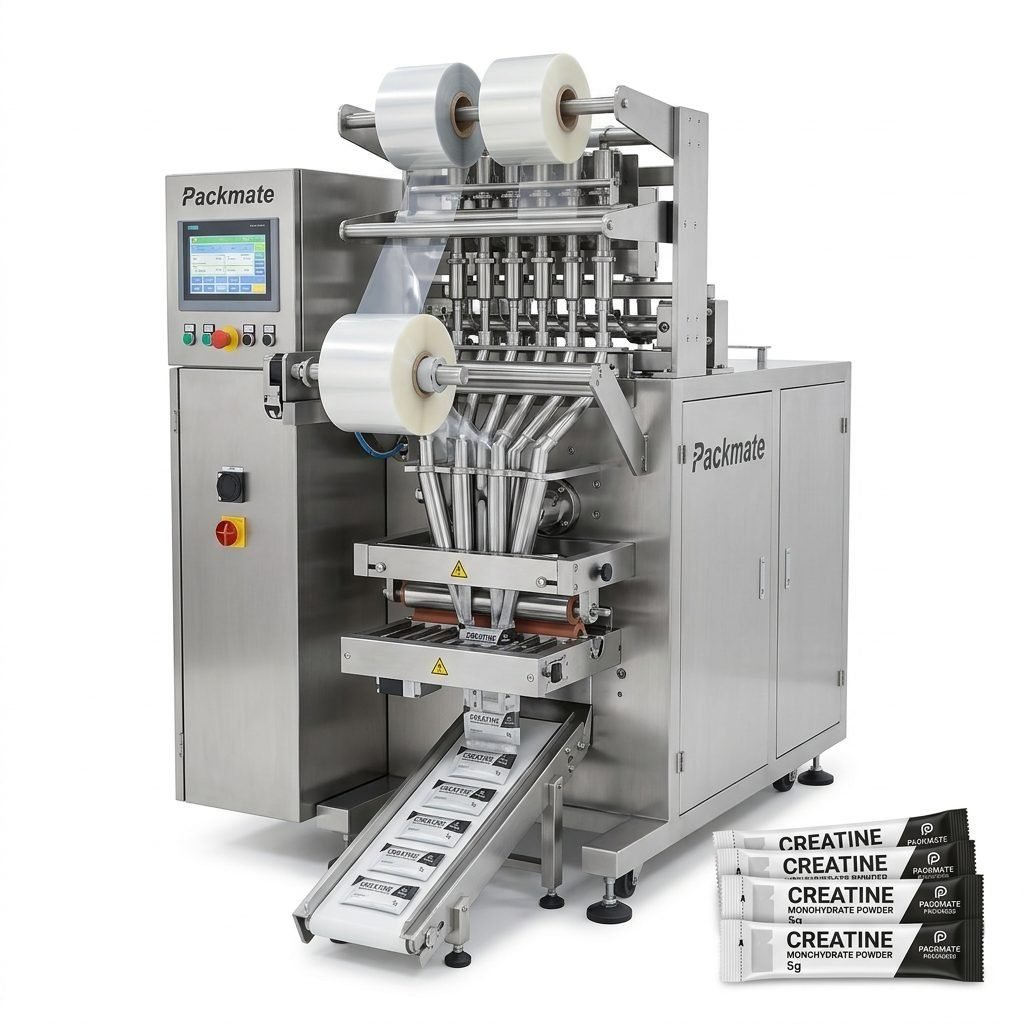
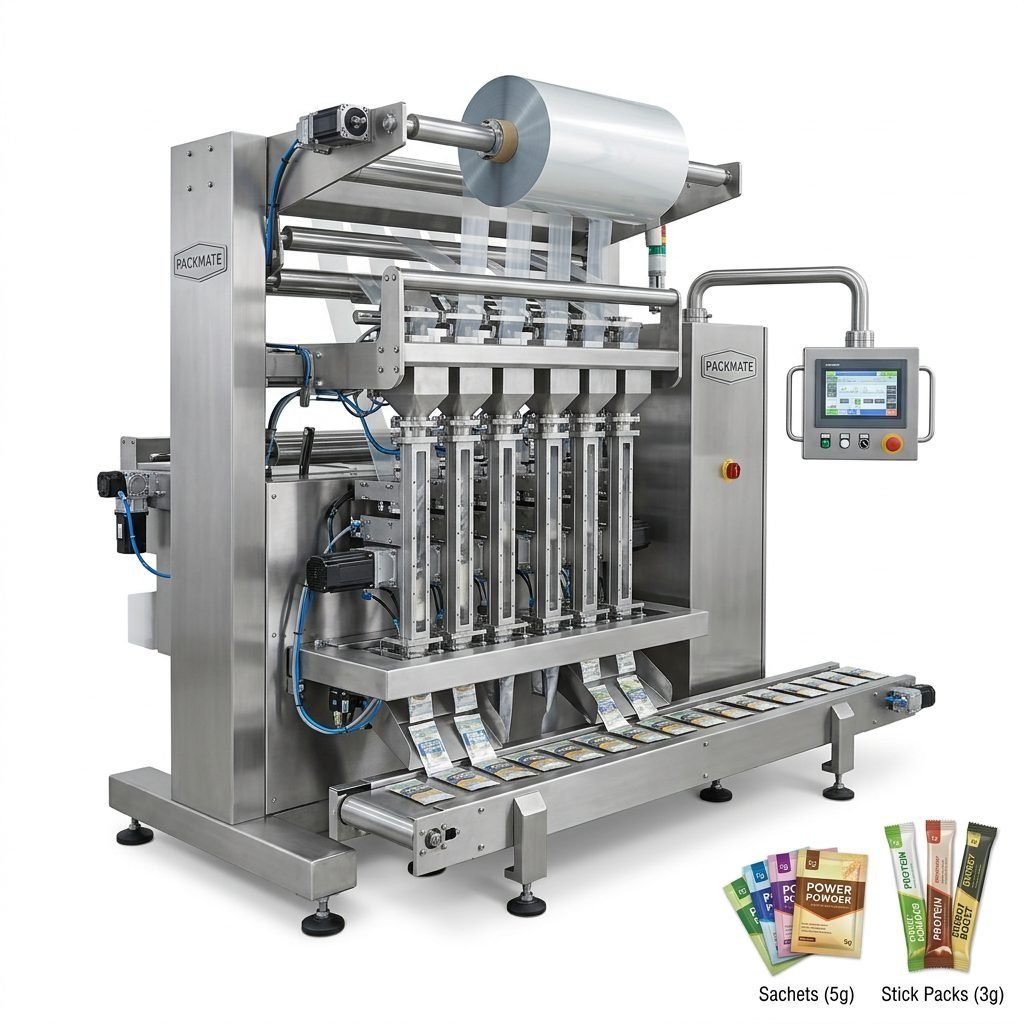
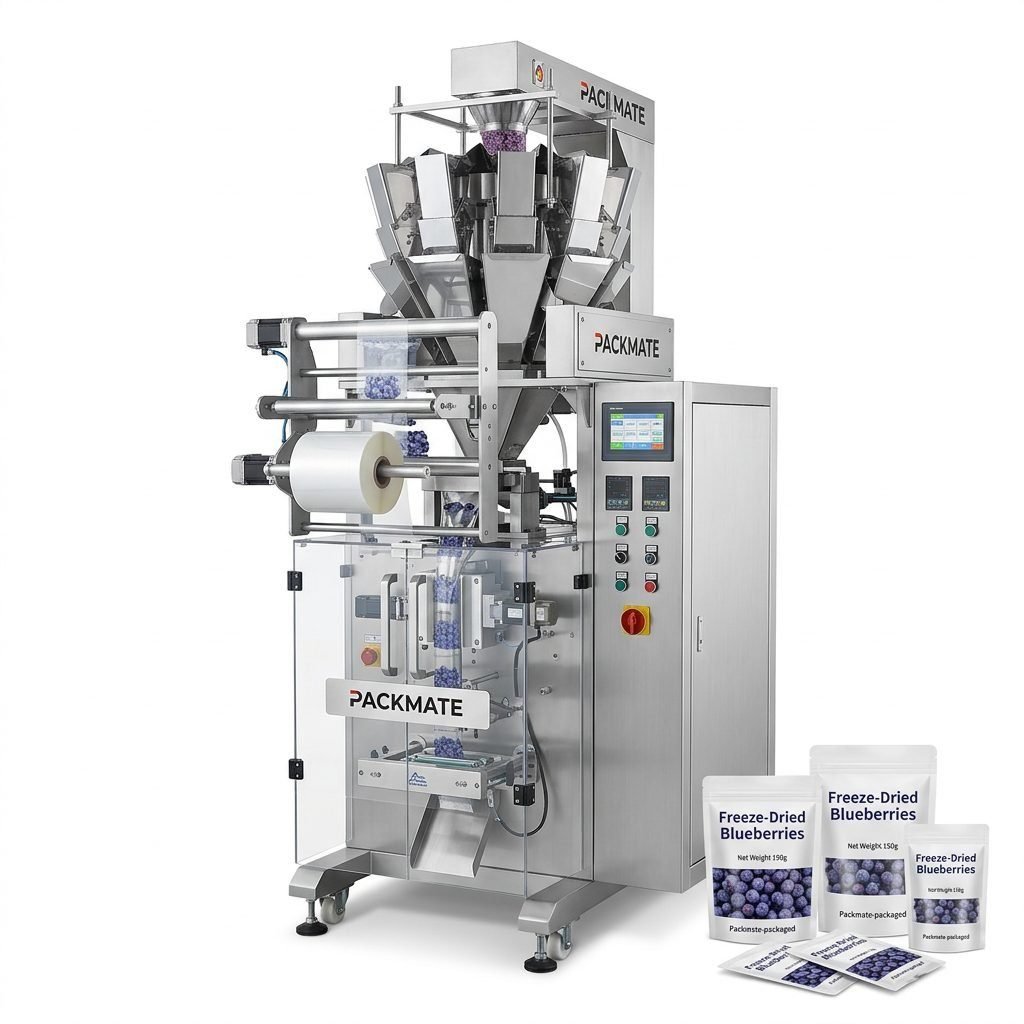
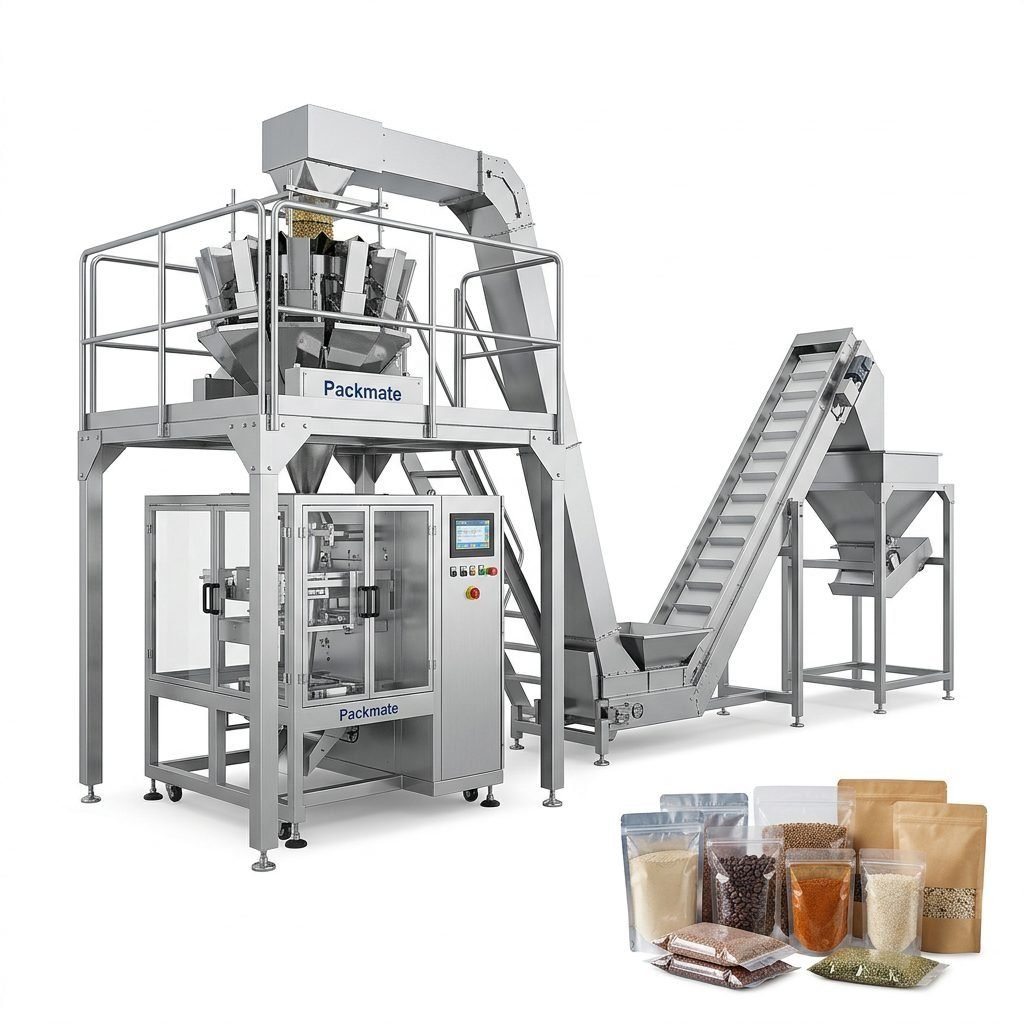
These are the most common and versatile type. The film moves vertically downward, forming a tube around a filling pipe. Product is dropped into the tube, and horizontal seals are made above and below the product to create individual sachets. VFFS machines are excellent for medium to high-speed production and can create various sachet styles like pillow packs, gusseted packs, or stick packs. They are ideal for free-flowing granules, powders, and small solid items.
Horizontal Form-Fill-Seal (HFFS) Machines
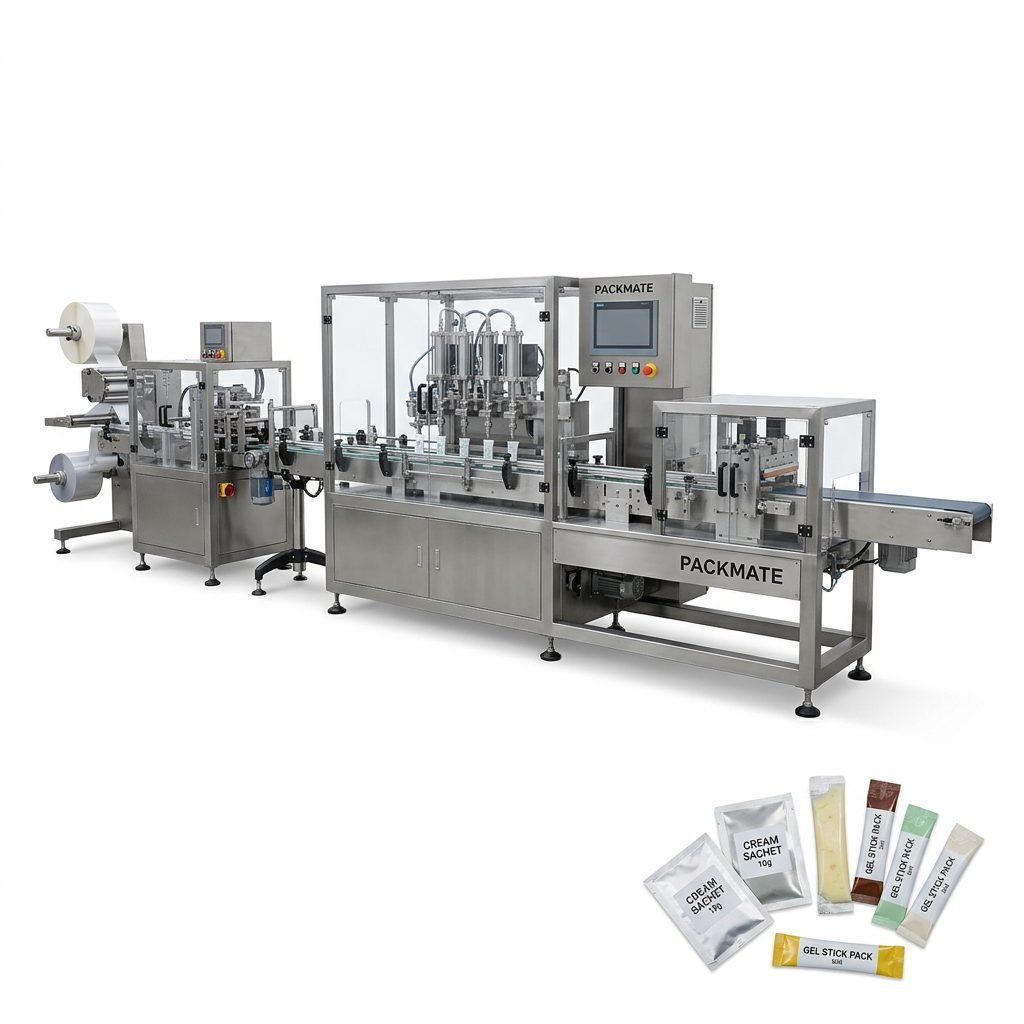
In HFFS machines, the film travels horizontally. The film is formed into pockets or cavities, which are then filled and sealed with a top lidding film. This type is particularly well-suited for packaging liquids, creams, gels, and products that require a more rigid or structured pouch. They often provide superior presentation for retail products and are commonly used for single-serve sauces, jams, and cosmetic samples.
Premade Pouch Fillers
This system uses pre-manufactured, empty pouches that are automatically fed, opened, filled, and then sealed. While generally slower than form-fill-seal machines, they offer advantages for delicate products, complex pouch shapes (like stand-up pouches with zippers), or applications where the packaging material cannot be run from a roll. They offer great flexibility for short runs and premium products.
Multi-Lane Sachet Machines
For ultra-high-volume production, multi-lane machines operate several packaging lanes simultaneously from a single film roll. This configuration dramatically increases output without significantly increasing the machine’s footprint. Companies like Packmate Machinery specialize in such high-efficiency solutions, providing multi-lane stick pack and sachet lines that are crucial for meeting large-scale demand in industries like instant beverage mixes and pharmaceutical powders.
Diverse Applications Across Industries
The adaptability of sachet packaging machines makes them a cornerstone in numerous sectors. Their ability to provide precise, sanitary, and convenient single-dose packaging is highly valued by both manufacturers and end-users.
Food & Beverage Industry
This is the largest application area. Machines package ketchup, soy sauce, sugar, coffee, tea, spices, instant soup mixes, and salad dressings. Single-serve sachets reduce waste, ensure consistency, and are essential for food service and hospitality.
Pharmaceutical & Healthcare
Critical for packaging exact doses of powders (like oral rehydration salts), granules, or liquids. Sachets provide excellent barrier properties against moisture and light, ensuring drug stability and patient safety. They are also used for medical sample kits and disinfectant wipes.
Personal Care & Cosmetics
Used for shampoo, conditioner, lotion, serum, and face mask samples. Sachets offer a cost-effective way for brands to distribute samples and for hotels to provide amenities. The packaging can be designed to be luxurious and eye-catching.
Chemical & Agricultural
Packaging detergents, dishwasher powder, pesticides, herbicides, and fertilizers in pre-measured sachets enhances user safety, ensures correct dosage, and simplifies handling and storage.
Tangible Benefits for Your Business
Investing in a modern sachet packaging machine delivers a strong return on investment through multiple operational and strategic advantages.
Enhanced Efficiency and Speed: Automation drastically increases packaging speed compared to manual methods, allowing businesses to scale production and meet market demands efficiently. High-speed multi-lane systems can produce thousands of sachets per hour.
Superior Product Protection and Shelf Life: These machines create hermetic seals that protect contents from moisture, oxygen, contaminants, and light. This is vital for preserving product freshness, potency, and quality, directly reducing spoilage and waste.
Remarkable Cost Savings: Automation reduces labor costs and minimizes human error in measuring and filling. Precise dosing ensures minimal product giveaway, saving on raw material costs. The use of roll film is often more economical than pre-made bags.
Unmatched Consistency and Accuracy: Every sachet is identical in weight and appearance, reinforcing brand quality and trust. This level of precision is unattainable with manual filling and is crucial for regulated industries like pharmaceuticals.
Operational Flexibility: Modern machines, especially from experienced manufacturers with over 30 years of expertise like Packmate, allow for quick changeovers between different products and sachet sizes. This enables manufacturers to run smaller, customized batches without significant downtime.
Improved Hygiene and Safety: The closed, automated process minimizes direct human contact with the product, which is essential for food, pharmaceutical, and sterile products. It also enhances worker safety when handling potentially hazardous materials.
Choosing the Right Partner for Your Packaging Line
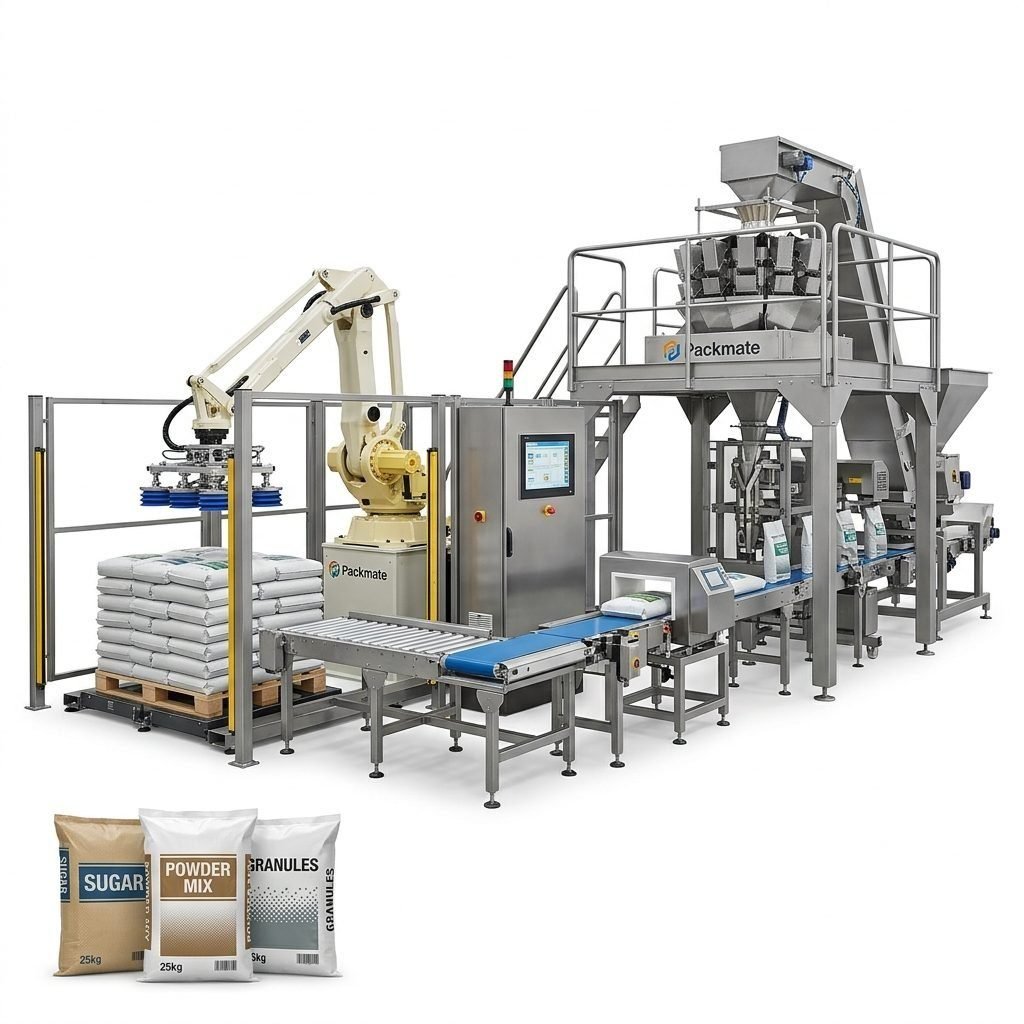
Selecting a sachet machine is a significant decision. Beyond the machine type, partnering with a reliable manufacturer is key. Look for a provider with a proven track record, robust R&D capabilities, and comprehensive after-sales support. A partner like Packmate (GuangDong) Co., Ltd., which operates a 20,000㎡ modern facility and offers more than 50 machine models, can provide not just equipment but complete turnkey packaging solutions. Their journey from a small workshop in 1993 to a leading manufacturer today underscores a commitment to innovation, quality, and solving real-world packaging challenges for clients globally.
Frequently Asked Questions (FAQs)
What is the typical production speed of a sachet packaging machine?
Speeds vary widely based on the machine type, number of lanes, and product. Single-lane machines may produce 40-120 sachets per minute, while advanced multi-lane systems from manufacturers like Packmate can achieve outputs of several hundred to over a thousand sachets per minute.
Can one machine handle different types of products (e.g., powder and liquid)?
Many machines are designed with modular components. While a machine is often optimized for a specific product type (free-flowing powder vs. viscous liquid), key parts like the filling system can often be changed. It’s essential to discuss your product range with the supplier to ensure the machine configuration allows for the flexibility you need.
How do I ensure the sachet seal is strong and leak-proof?
A strong seal depends on the correct combination of packaging film material, sealant layer, temperature, pressure, and dwell time of the sealing jaws. Reputable manufacturers perform extensive testing with your specific film and product to determine the optimal sealing parameters before the machine is commissioned.
What kind of maintenance do these machines require?
Regular preventive maintenance is crucial for longevity and consistent performance. This typically includes daily cleaning, lubrication of moving parts as specified, inspection of seals and wear parts, and calibration of weighing/filling systems. A good supplier will provide detailed maintenance schedules and training.
Are these machines suitable for small businesses or startups?
Yes. The market offers a range of machines from semi-automatic tabletop models suitable for low-volume production or sampling to fully automated high-speed lines. It’s about finding a machine that matches your current output needs with room for growth. Discussing your budget and plans with a supplier can help identify the most cost-effective entry point.