In the fast-paced world of product manufacturing, achieving a perfect, secure, and consistent seal is not just a final step—it’s a critical component of brand integrity, product safety, and operational efficiency. The right capper packaging machine can be the cornerstone of your production line, transforming sealing from a potential bottleneck into a streamlined, reliable process. This guide delves into the top solutions and key considerations for selecting capper machinery that delivers exceptional sealing performance.
Understanding Capper Machine Technology
Modern capper machines are sophisticated pieces of automation designed to apply caps, lids, or closures to containers with precision and speed. They handle a vast array of container shapes, sizes, and materials—from glass jars and plastic bottles to metal tins. The core function is to apply the correct torque, ensuring the closure is tight enough to prevent leakage and contamination but not so tight as to damage the container or closure threads.
Key Takeaway: The efficiency of your sealing process directly impacts product shelf life, customer satisfaction, and overall production throughput. Investing in the right technology is an investment in your brand’s reputation.
Types of Capping Mechanisms
Different products demand different sealing methods. The primary capping technologies include:
Spindle Cappers: These are the most common type, using rotating spindles or chucks to screw on caps. They are highly versatile and can be configured for single-head or multi-head operation to match your speed requirements.
Chuck Cappers: Ideal for applying snap-on, press-on, or crown caps. They use a simple vertical pressure application and are often used for sports drink bottles, pill bottles, and similar containers.
Roll-On Cappers: Specifically for aluminum roll-on pilfer-proof (ROPP) closures, commonly used in the liquor and pharmaceutical industries. The machine forms the threads of the closure onto the bottle’s neck.
Snap Cappers: Designed for child-resistant closures or simple snap-fit lids, applying controlled downward force to secure the cap.
Top Features for Efficient Sealing Performance
When evaluating capper packaging machine solutions, look for these features that contribute directly to efficient and reliable sealing:
1. Precision Torque Control
Consistent application torque is non-negotiable. Advanced machines offer electronic torque control systems that can be finely adjusted and monitored, ensuring every container is sealed to the exact specification, eliminating both under-tightening and over-tightening.
2. High-Speed Adaptability
Your capper must integrate seamlessly with the rest of your filling and packaging line. Look for models capable of high-speed operation (e.g., hundreds of containers per minute) with minimal changeover time between different container or cap sizes.
3. Robust Construction and Low Maintenance
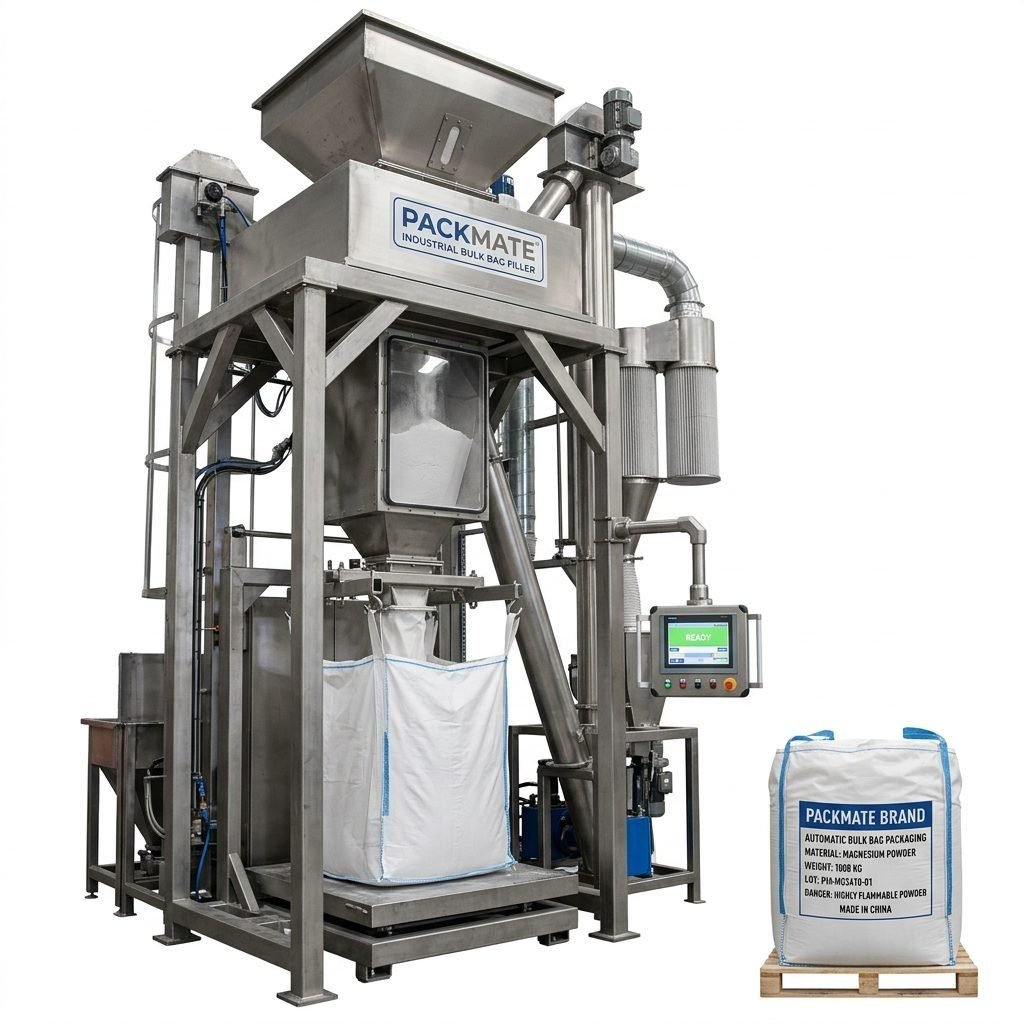
Efficiency is undermined by frequent downtime. Machines built with high-grade stainless steel and durable components, like those from experienced manufacturers such as Packmate Machinery, ensure longevity and reduce maintenance intervals, maximizing your return on investment.
Integration with Complete Packaging Lines
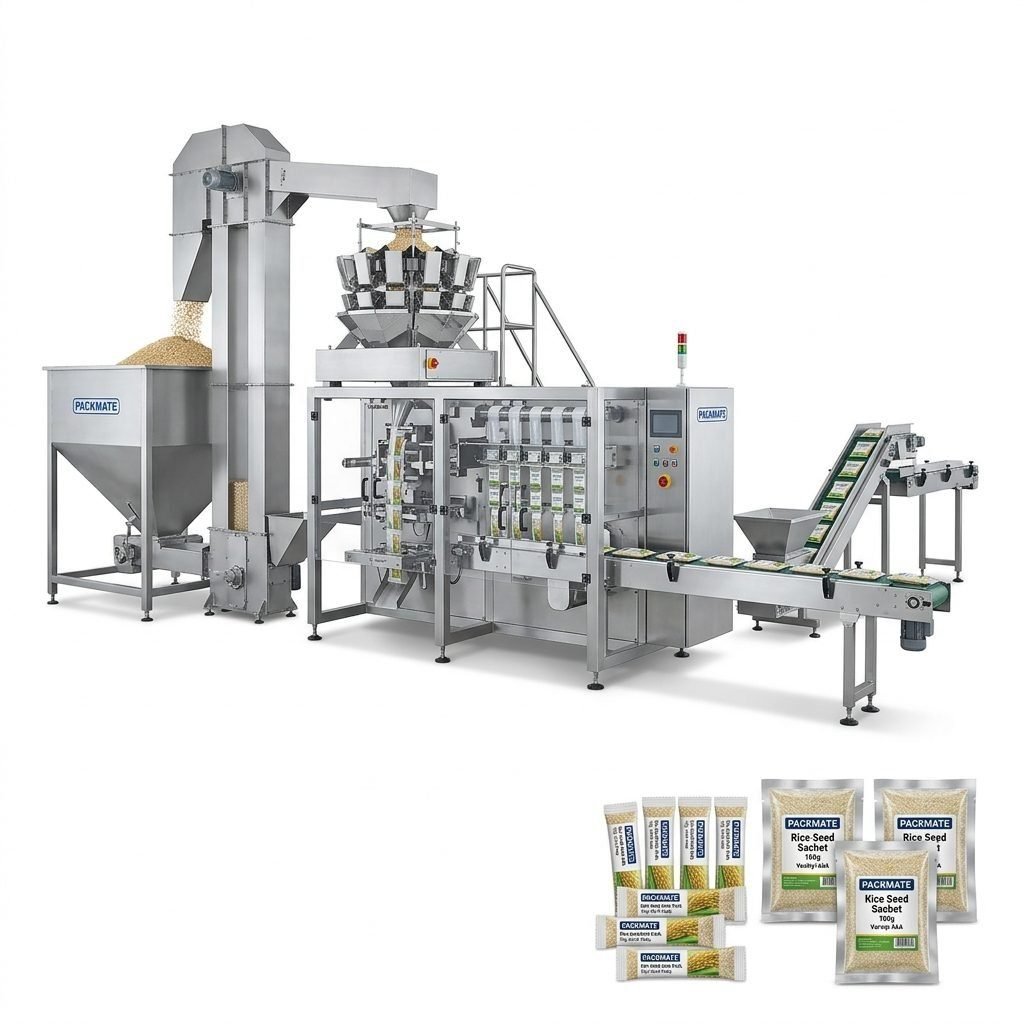
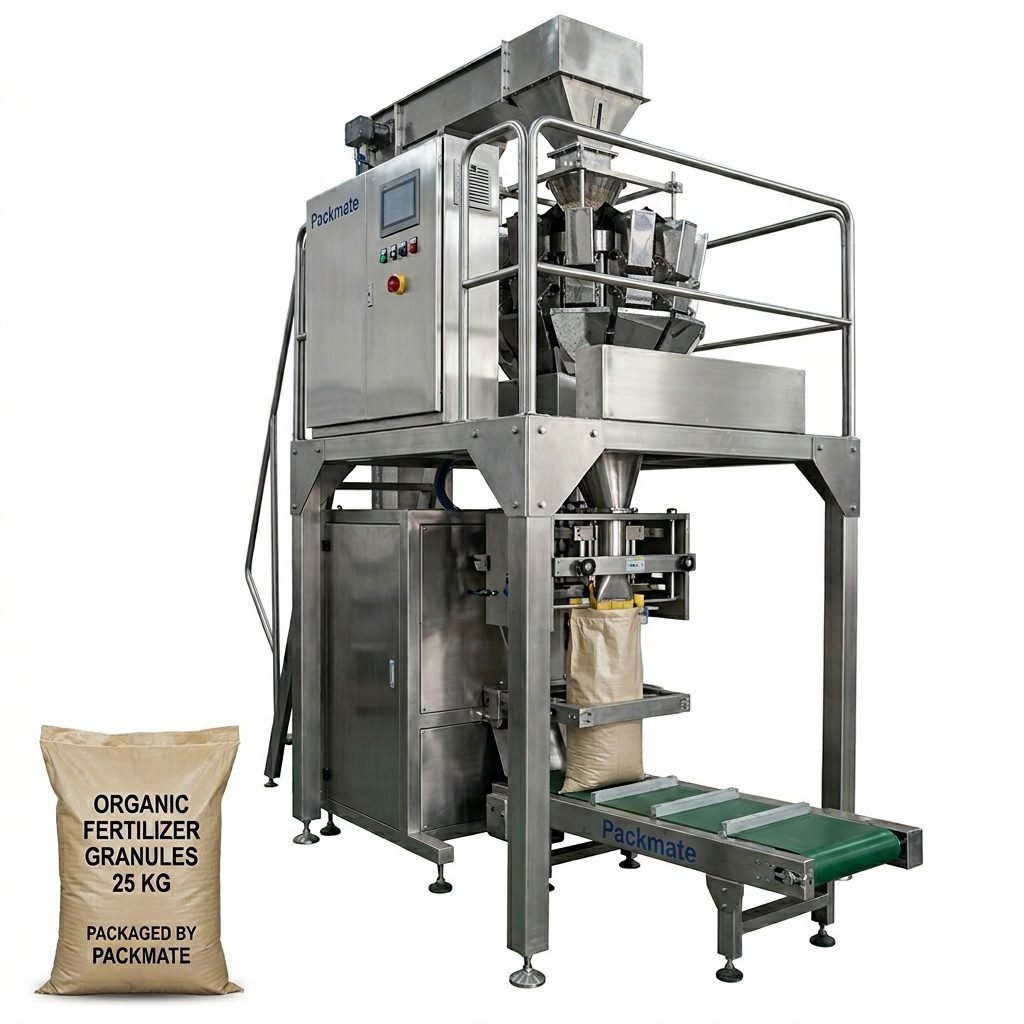
A capper is rarely a standalone unit. Its true potential is unlocked when integrated into a synchronized system. This includes upstream equipment like bottle unscramblers, fillers, and labelers, and downstream equipment like case packers. A well-integrated line, such as a comprehensive weighing and packaging system, minimizes handling, reduces product loss, and creates a smooth, continuous flow from empty container to sealed, finished product ready for distribution.
Selecting the Right Solution for Your Product
The “best” capper depends entirely on your specific application. Consider these factors:
Container Type: Glass, PET plastic, HDPE, or metal? Each material behaves differently under torque.
Closure Type: Screw cap, ROPP closure, spray pump, dropper assembly, or snap lid?
Production Volume: Are you running a low-volume, artisanal operation or a high-speed, 24/7 production facility?
Product Characteristics: Is the product liquid, viscous, granular, or powdered? This can affect filling and may require specific sealing considerations for freshness.
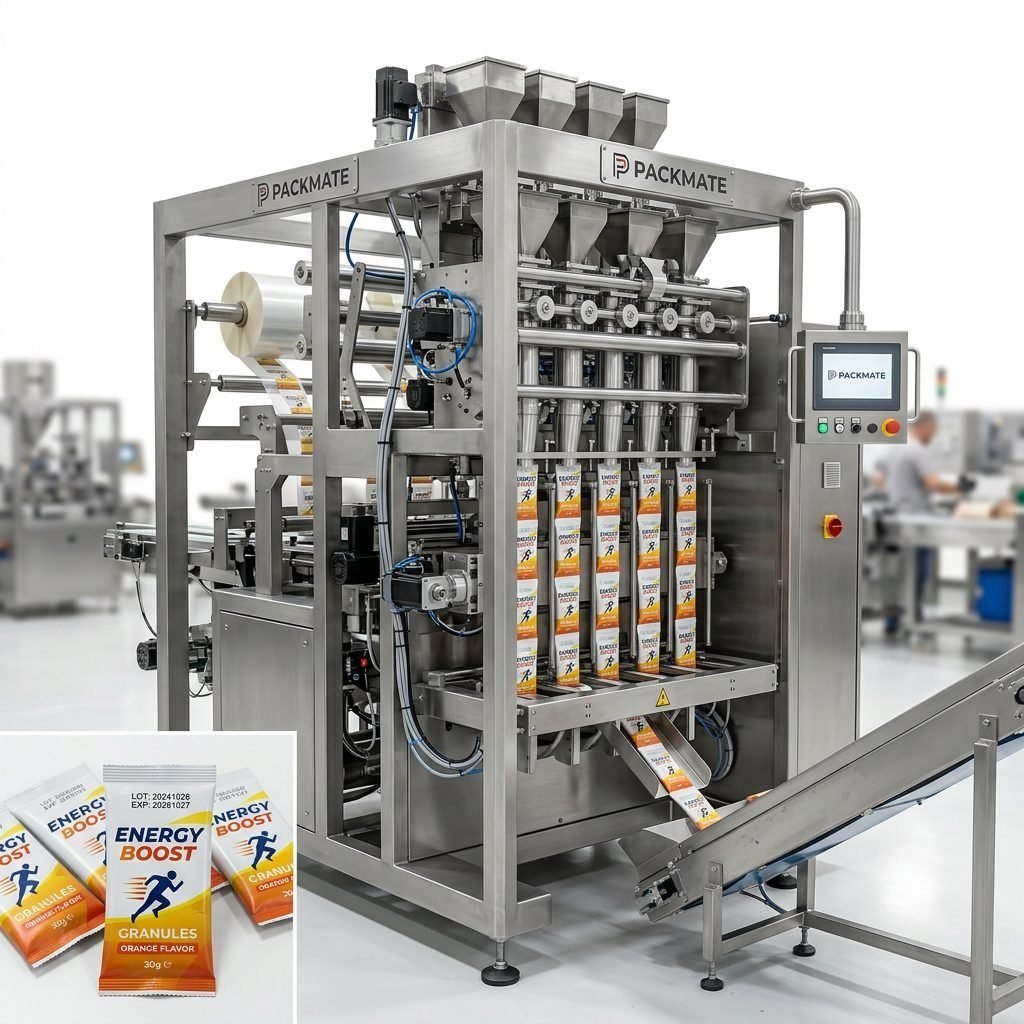
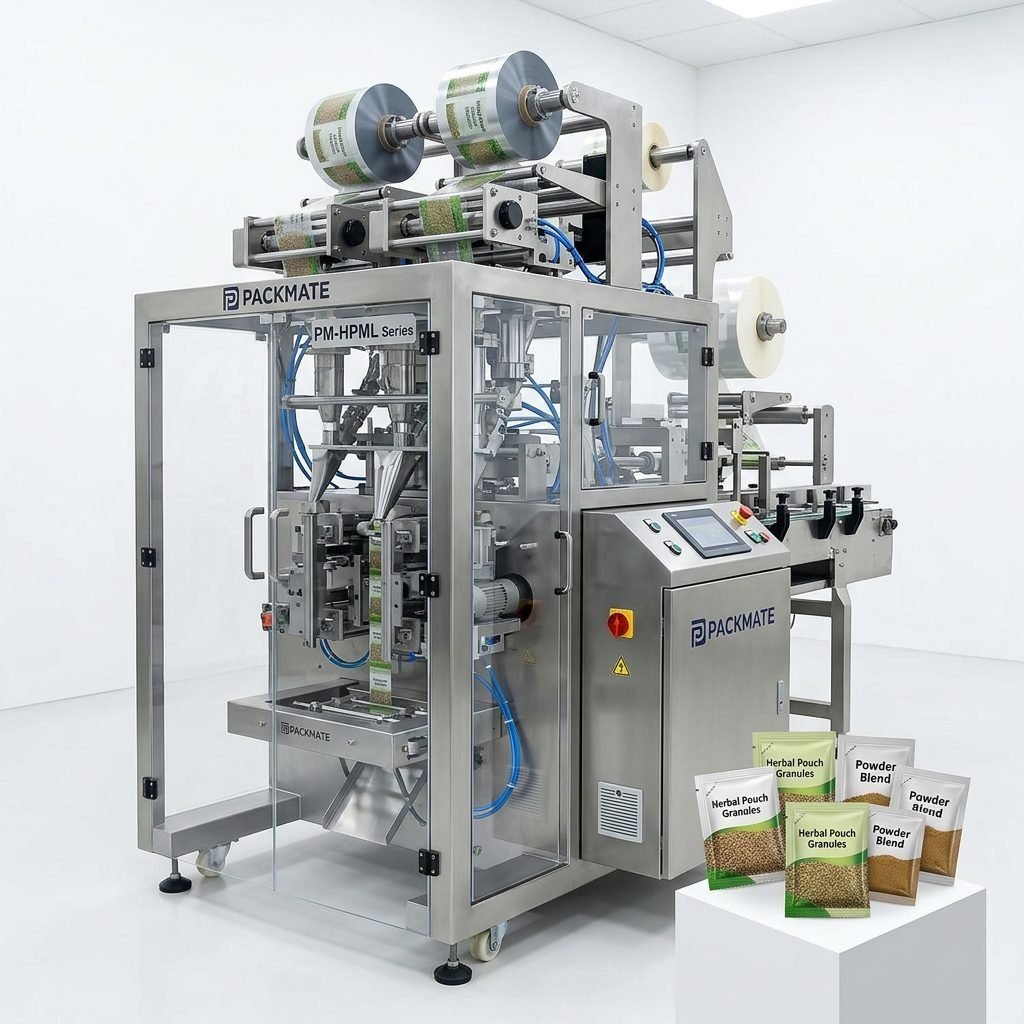
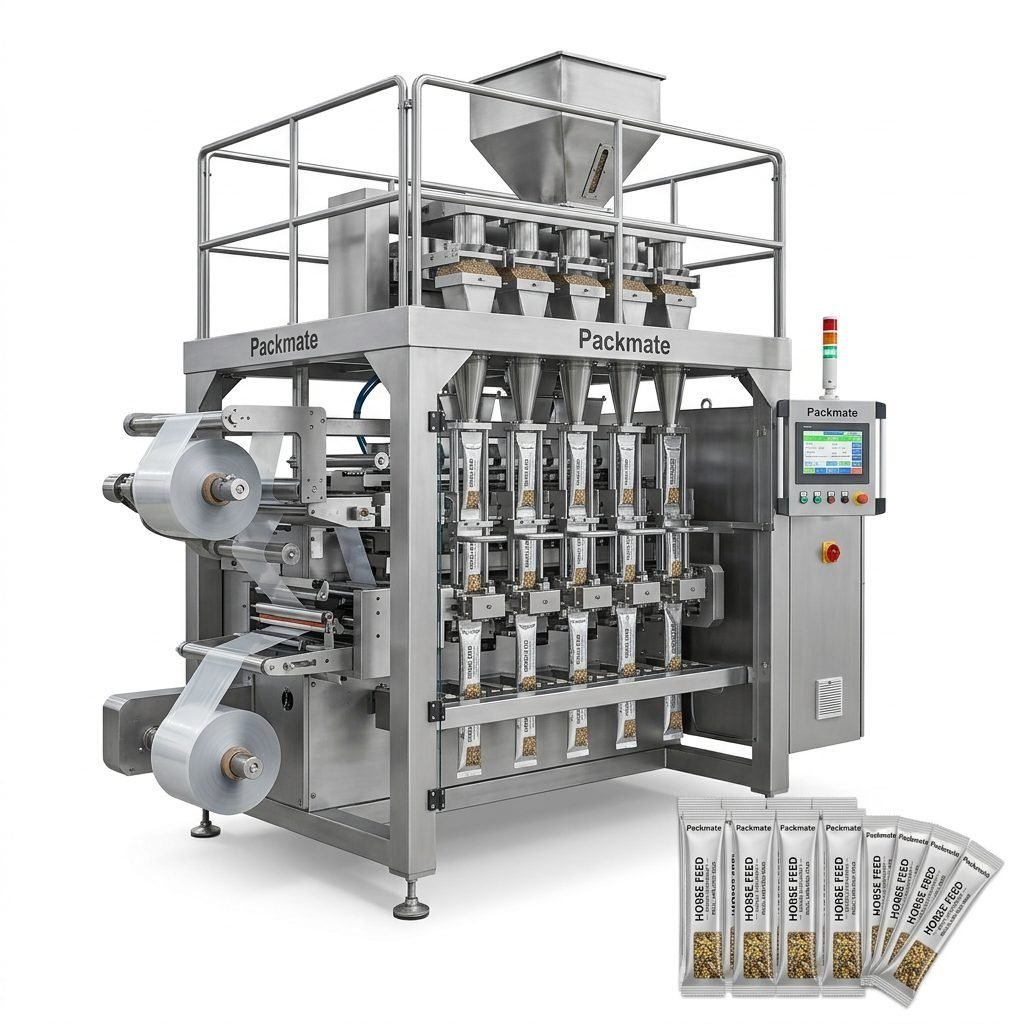
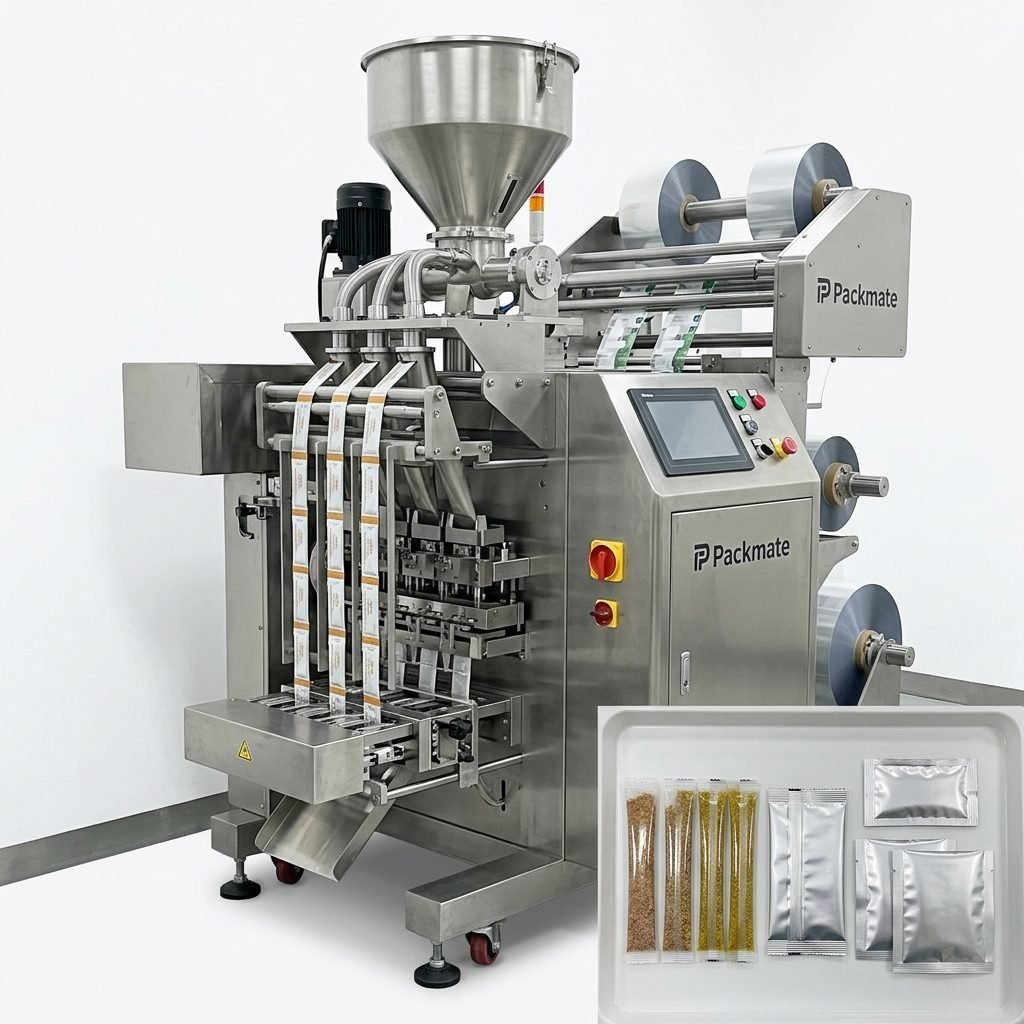
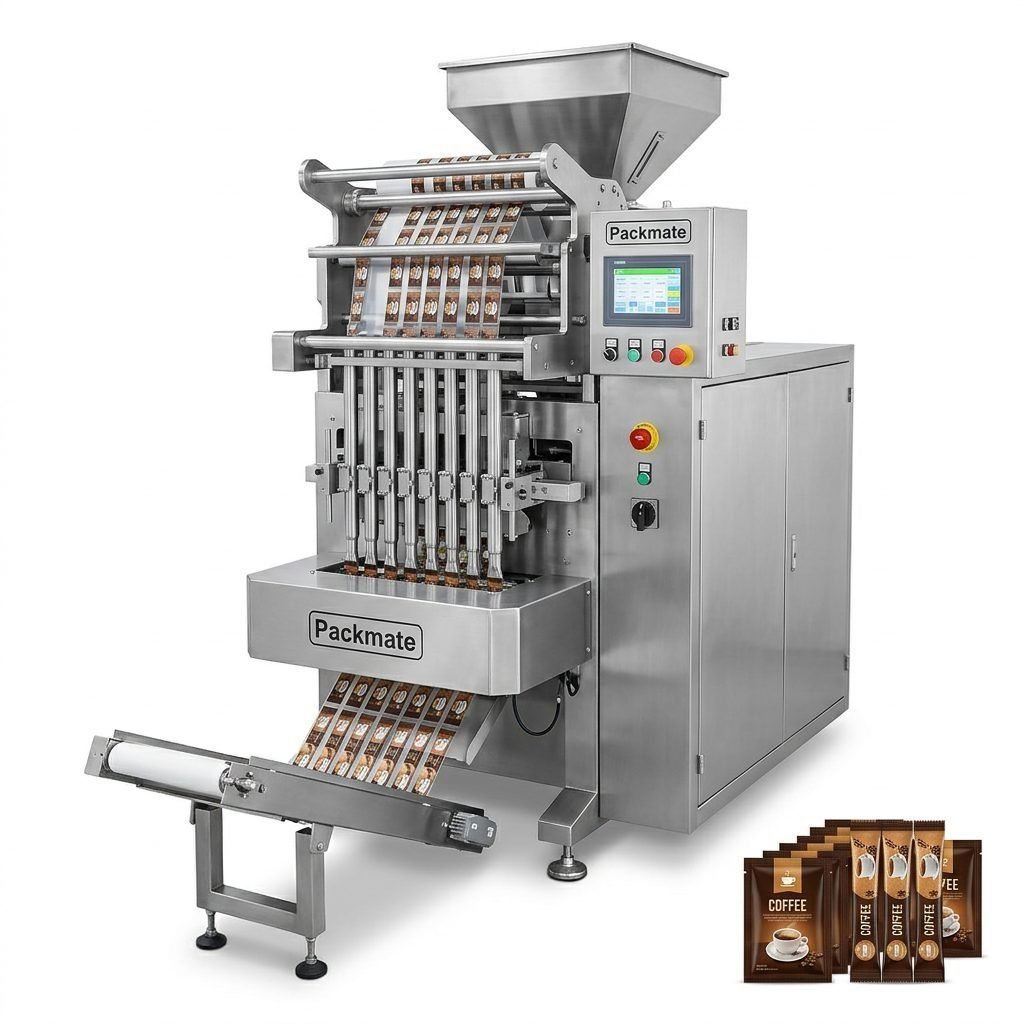
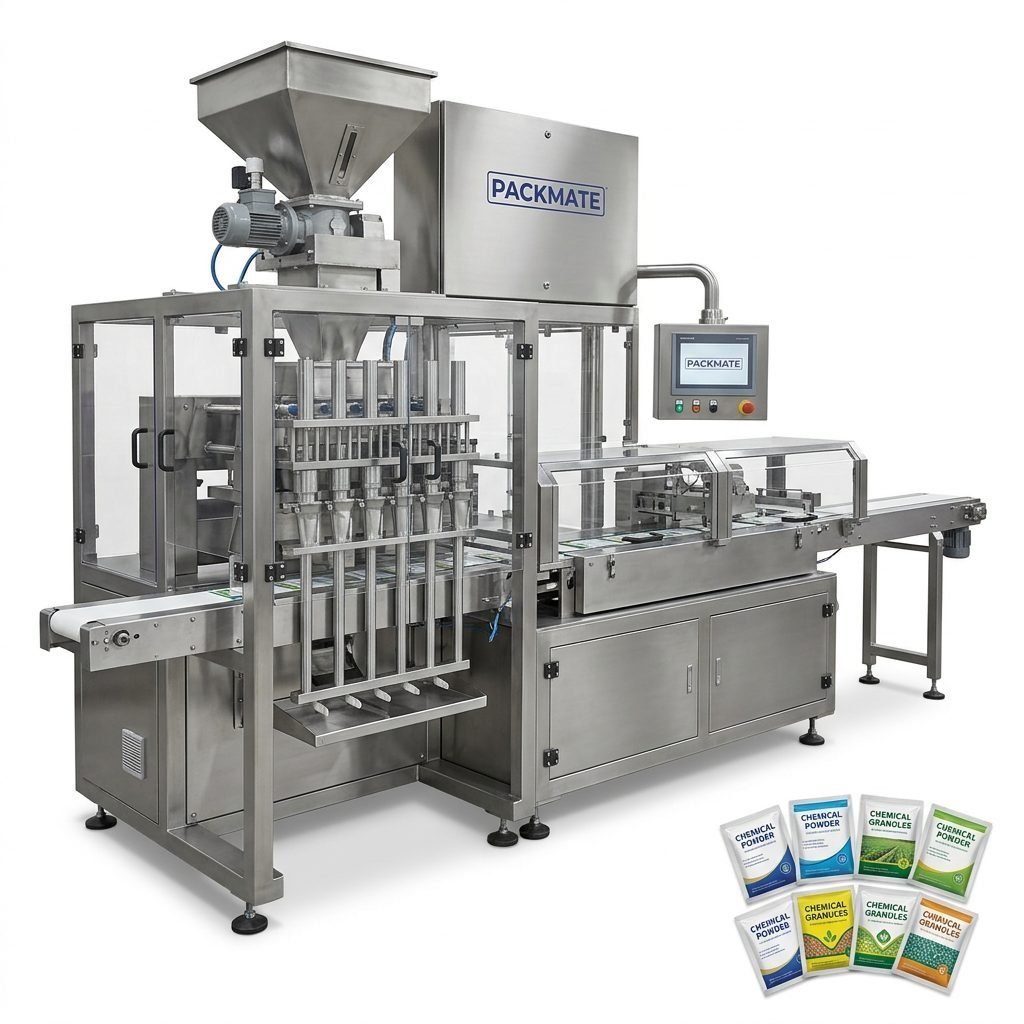
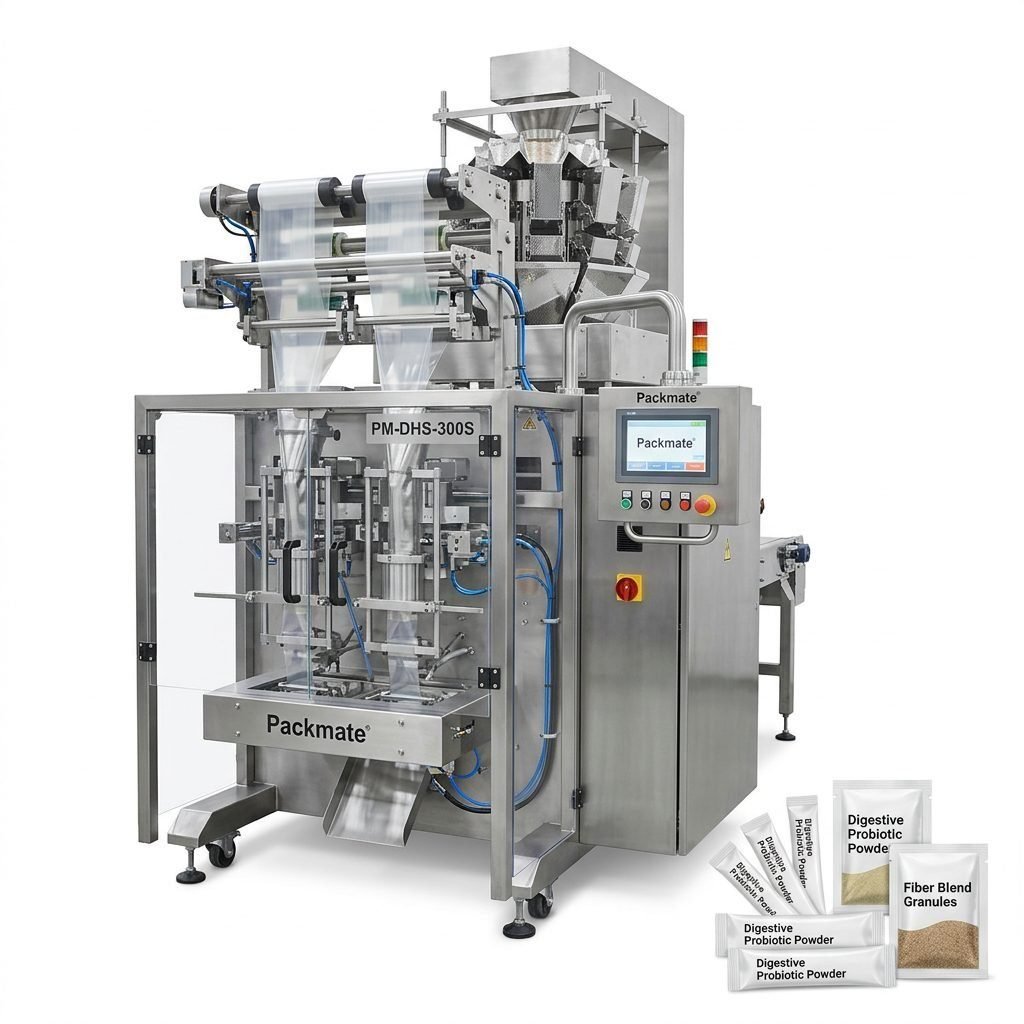
For businesses packaging powders, granules, or liquids in smaller formats like sachets or stick packs, the sealing challenge shifts from capping to heat sealing. Exploring specialized sachet and stick pack machines is crucial. These machines use precise temperature and pressure control to create strong, hermetic seals that protect product integrity.
Partnering with a manufacturer that offers a wide range of packing machines and provides expert consultation is invaluable. They can help you navigate these choices and design a solution tailored to your unique needs, ensuring optimal efficiency from day one.
The Impact on Operational Efficiency and ROI
An efficient capper machine delivers tangible returns beyond just sealing containers. It reduces labor costs by automating a manual, repetitive task. It minimizes product waste caused by improper seals leading to leakage or spoilage. It increases overall line output by matching the speed of other equipment. Furthermore, it ensures consistent quality, protecting your brand from customer complaints and recalls. The initial investment is quickly offset by these gains in productivity, reliability, and quality control.
Future-Proofing Your Packaging Operation
As markets evolve, so do packaging trends. Choosing a capper from a forward-thinking supplier means access to machines that can adapt. Consider scalability—can the machine handle increased speeds? Look for modular designs that allow for easy upgrades. Suppliers committed to innovation will continually refine their equipment, offering you a solution that remains competitive for years to come.
Frequently Asked Questions (FAQs)
1. What is the main difference between a spindle capper and a chuck capper?
Spindle cappers rotate to screw on threaded caps, while chuck cappers apply vertical pressure to press on snap-on or crown-style caps. The choice depends entirely on the type of closure your product uses.
2. How do I determine the correct torque setting for my caps?
The correct torque is specific to your container and closure combination. It is typically provided by your closure supplier. Your machinery supplier should help you set up and calibrate the machine to apply this torque consistently, often through trial runs with your actual materials.
3. Can one capper machine handle different sizes of bottles and caps?
Yes, most modern cappers are designed for quick changeover. This involves changing parts like the cap chucks, container guides, and height settings. The speed and complexity of changeover vary by machine model, so discuss your flexibility needs with your supplier.
4. How important is maintenance for a capper machine?
Regular preventative maintenance is critical for sustained efficiency. This includes cleaning, lubrication, checking for wear on parts like gripper belts or spindles, and verifying torque calibration. A good supplier will provide a clear maintenance schedule and support.
5. What should I do if my sealed containers are leaking?
Leakage usually points to an incorrect setup. Common causes include: incorrect torque setting (too loose), misaligned capping head causing cross-threading, worn capping chucks that don’t grip the cap properly, or defective caps or containers. Systematic troubleshooting starting with the simplest checks (torque setting, cap quality) is recommended.