In the dynamic world of food production, efficiency and presentation are paramount. For yogurt manufacturers, selecting the right packaging machine is a critical decision that impacts product quality, shelf life, operational speed, and brand appeal. A yoghurt packaging machine is more than just a piece of equipment; it’s the final, crucial step in delivering a fresh, safe, and attractive product to consumers worldwide.
Understanding the Core Functions of a Yoghurt Packaging Machine
Modern yoghurt packaging machines are sophisticated systems designed to automate the entire process from filling to sealing. Their primary functions ensure consistency and hygiene, which are non-negotiable in the food industry.
The core process typically involves: forming the container (from pre-made cups or roll-fed film), precise filling of the yoghurt, sealing with a lid or foil, and finally, coding, date-stamping, and discharging the finished product. Advanced machines integrate quality checks, gas flushing for extended shelf life (modified atmosphere packaging), and multi-lane operations for high-volume output.
Key Operational Benefits
Investing in a dedicated packaging line brings transformative benefits. It drastically increases production speed and output while minimizing human error and contamination risks. Precision filling technology ensures consistent portion control, reducing product giveaway and saving costs. Furthermore, automated sealing guarantees hermetic integrity, which is essential for preserving the yoghurt’s freshness, texture, and probiotic content during distribution and storage.
Exploring the Different Types of Yoghurt Packaging Machines
Not all yoghurt packaging needs are the same. The choice of machine depends heavily on the packaging format, production scale, and product type (e.g., set yoghurt, drinking yoghurt, with fruit chunks).
1. Cup Filling and Sealing Machines
This is the most common type for retail yoghurt pots. Machines can handle pre-formed plastic or paper cups. They automatically feed cups, fill them with yoghurt (and fruit puree if required), apply a foil or plastic lid, and heat-seal it. Variations include machines for single-serve cups, family-size tubs, and those capable of handling multi-compartment cups for yoghurt with separate toppings. For a diverse range of such solutions, explore our Filling & Packaging Lines.
2. Form-Fill-Seal (FFS) Machines
FFS machines are highly efficient as they create the package from a roll of plastic film. The film is formed into cups or pouches, filled, and then sealed—all in one continuous operation. This method is often more cost-effective on materials and is excellent for high-speed production of standard-sized portions. It’s commonly used for smaller snack-sized yoghurt pouches or drinking yoghurt.
3. Sachet and Stick Pack Machines
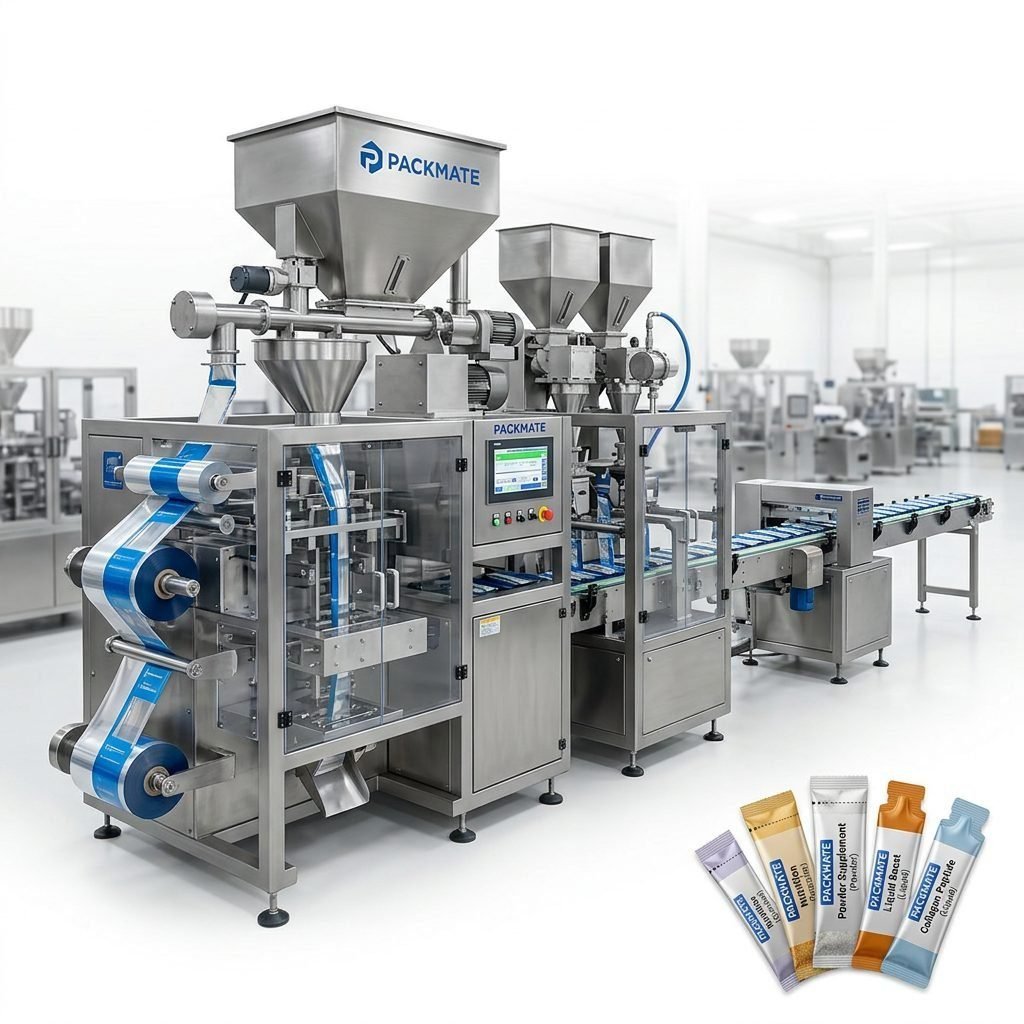
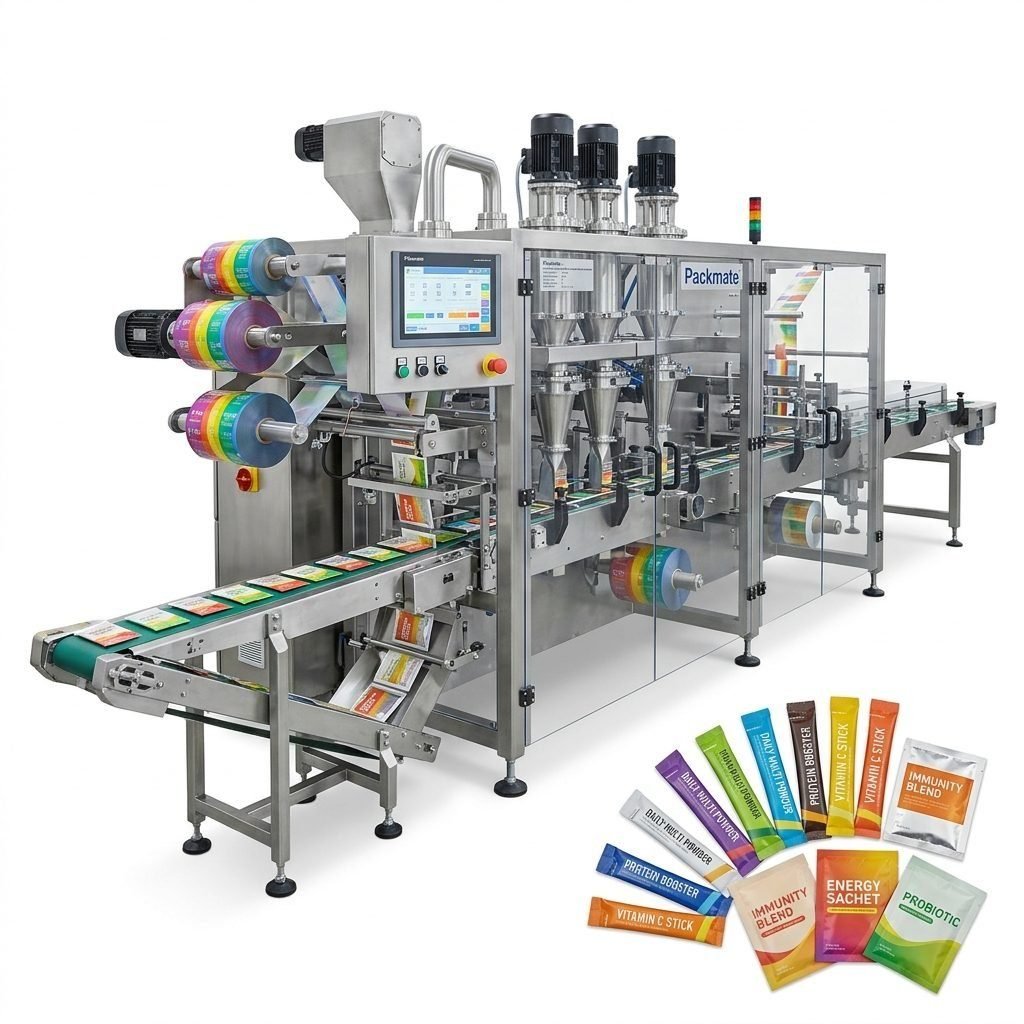
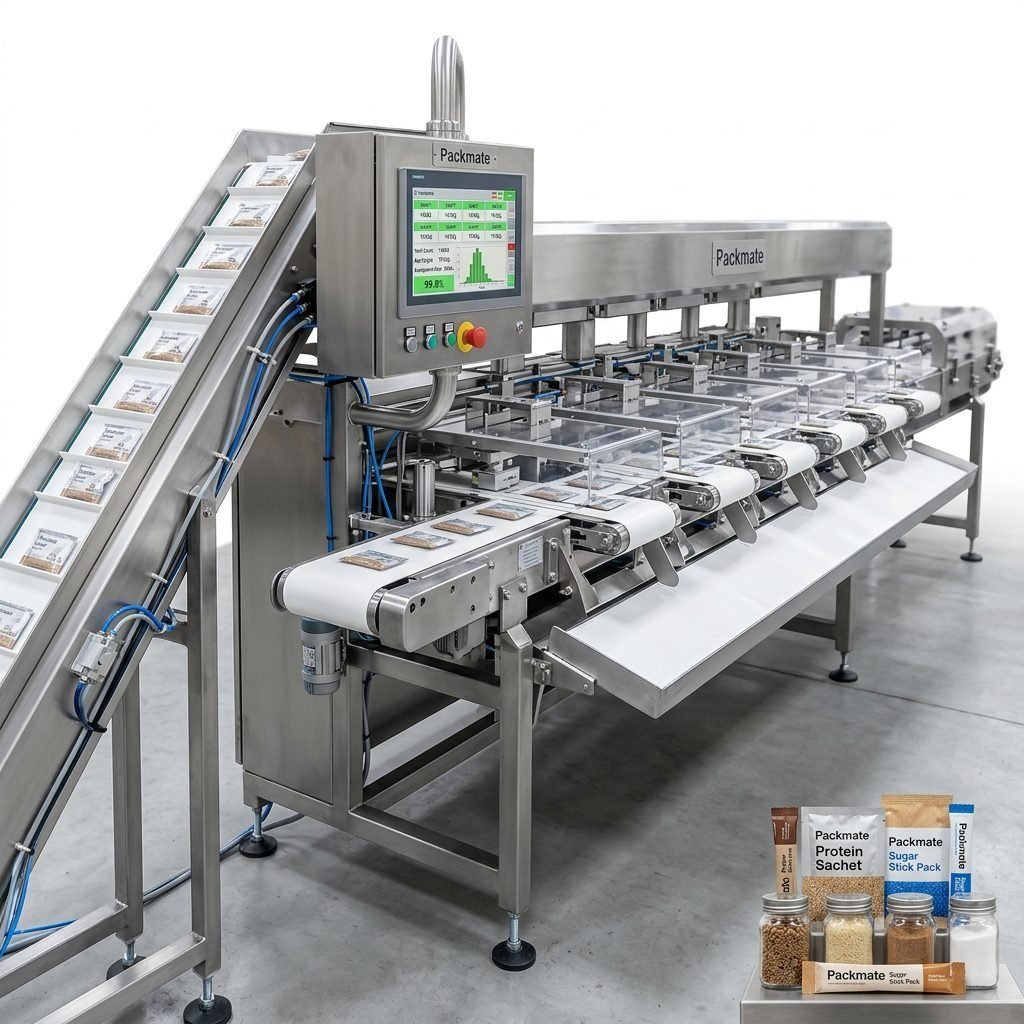
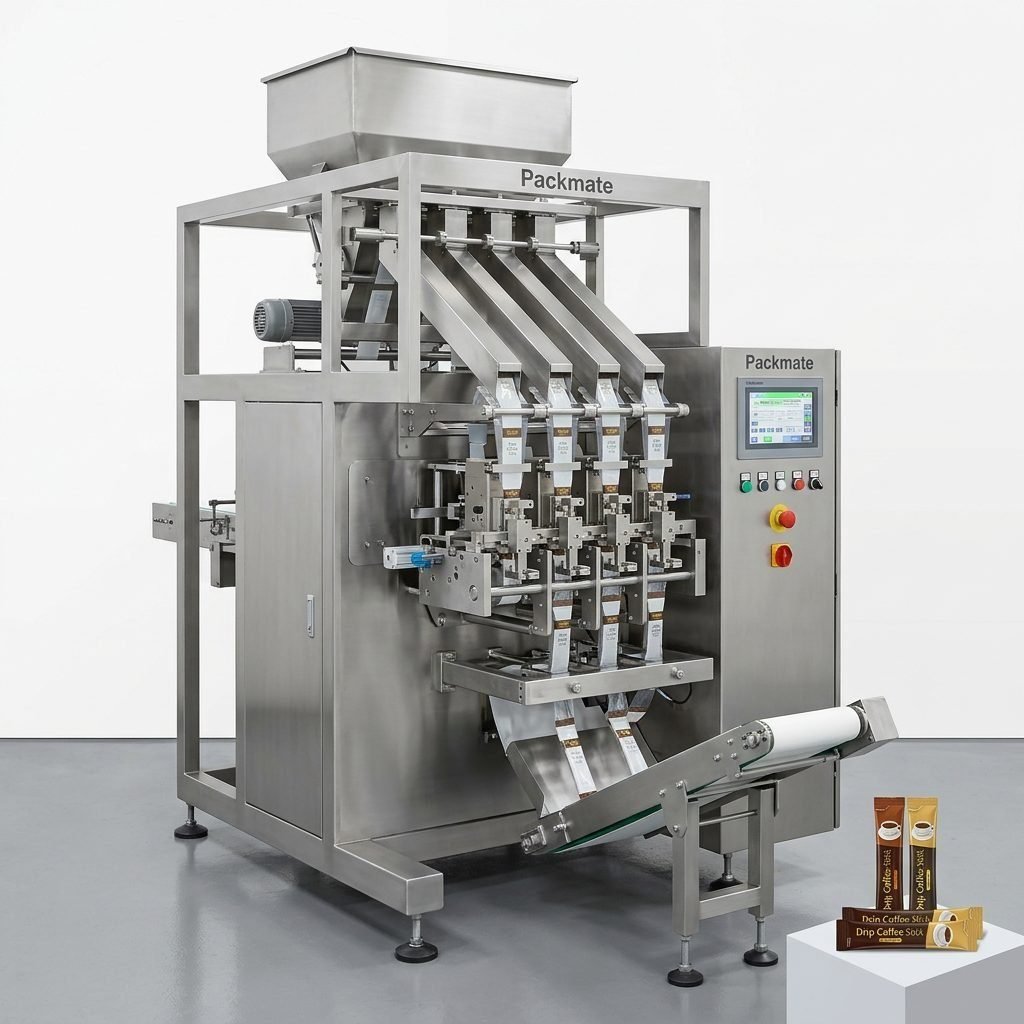
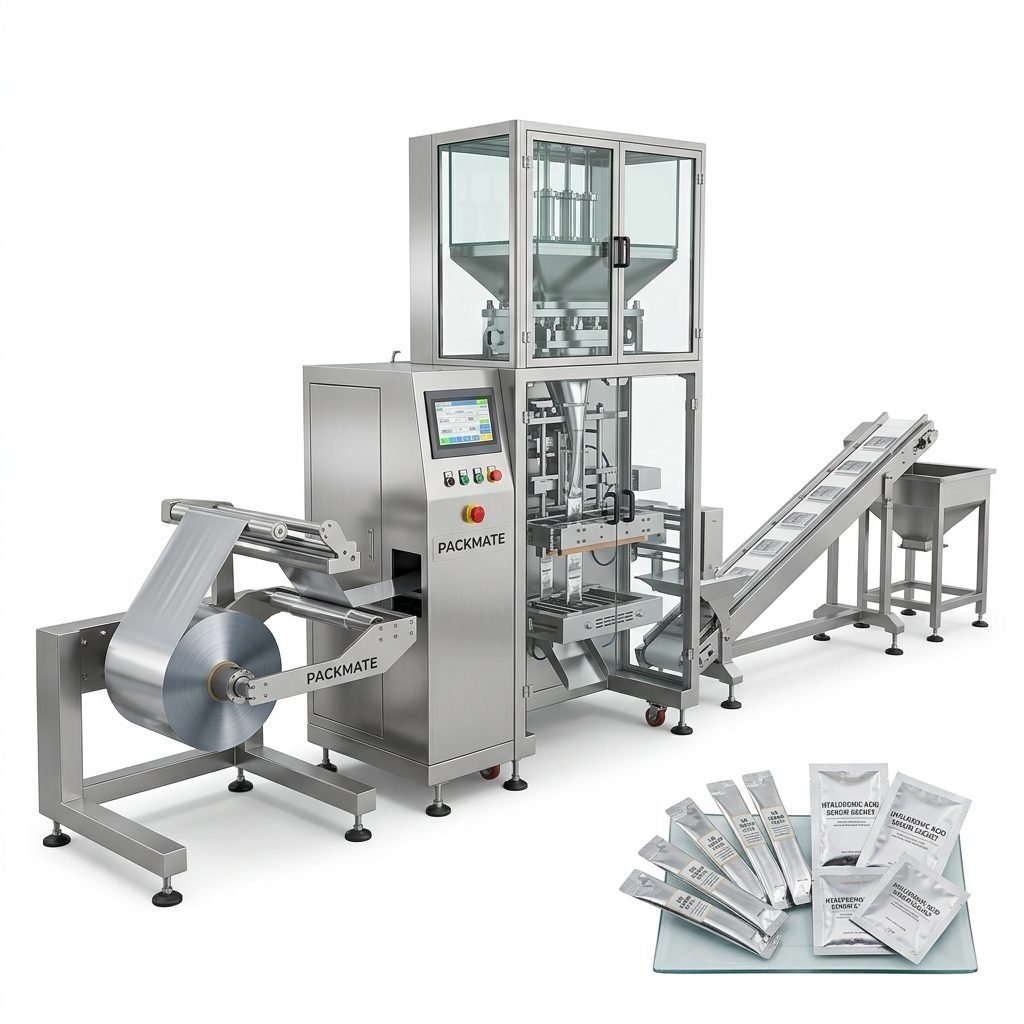
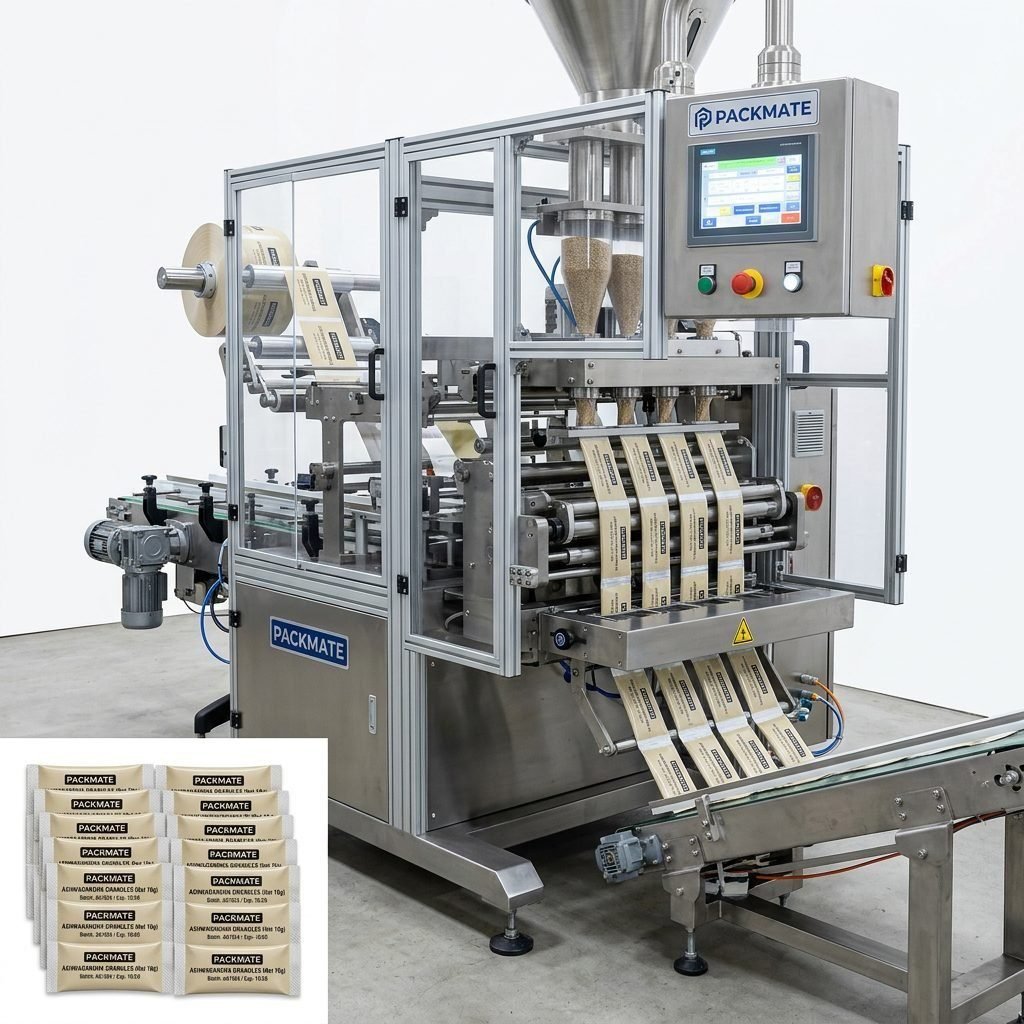
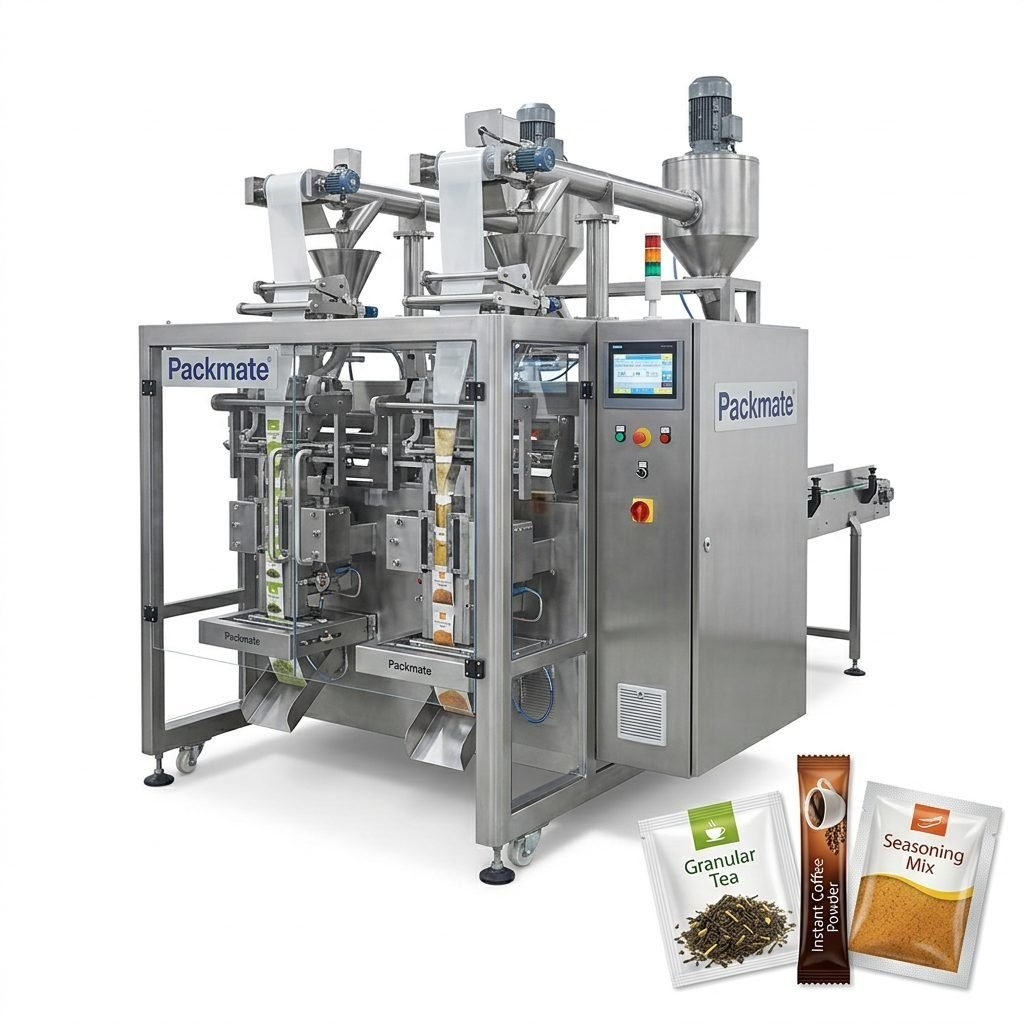
For powdered yoghurt mixes, freeze-dried yoghurt, or single-serving liquid yoghurt shots, sachet and stick pack machines are ideal. These machines produce small, sealed packets that are lightweight and convenient for consumers. They are perfect for on-the-go products, hotel mini-bars, or food service portions. Discover specialized equipment for this format in our Sachet & Stick Pack Machines category.
4. Bulk Packaging Systems
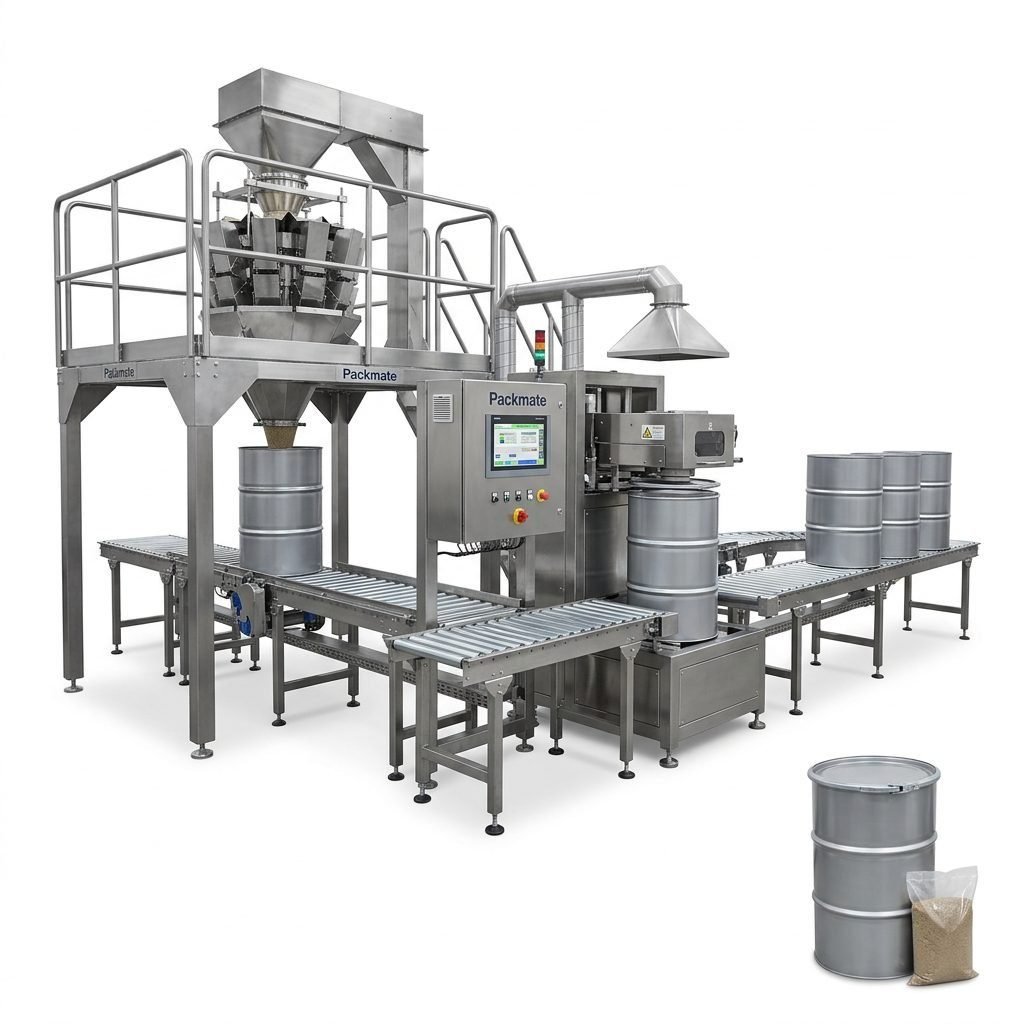
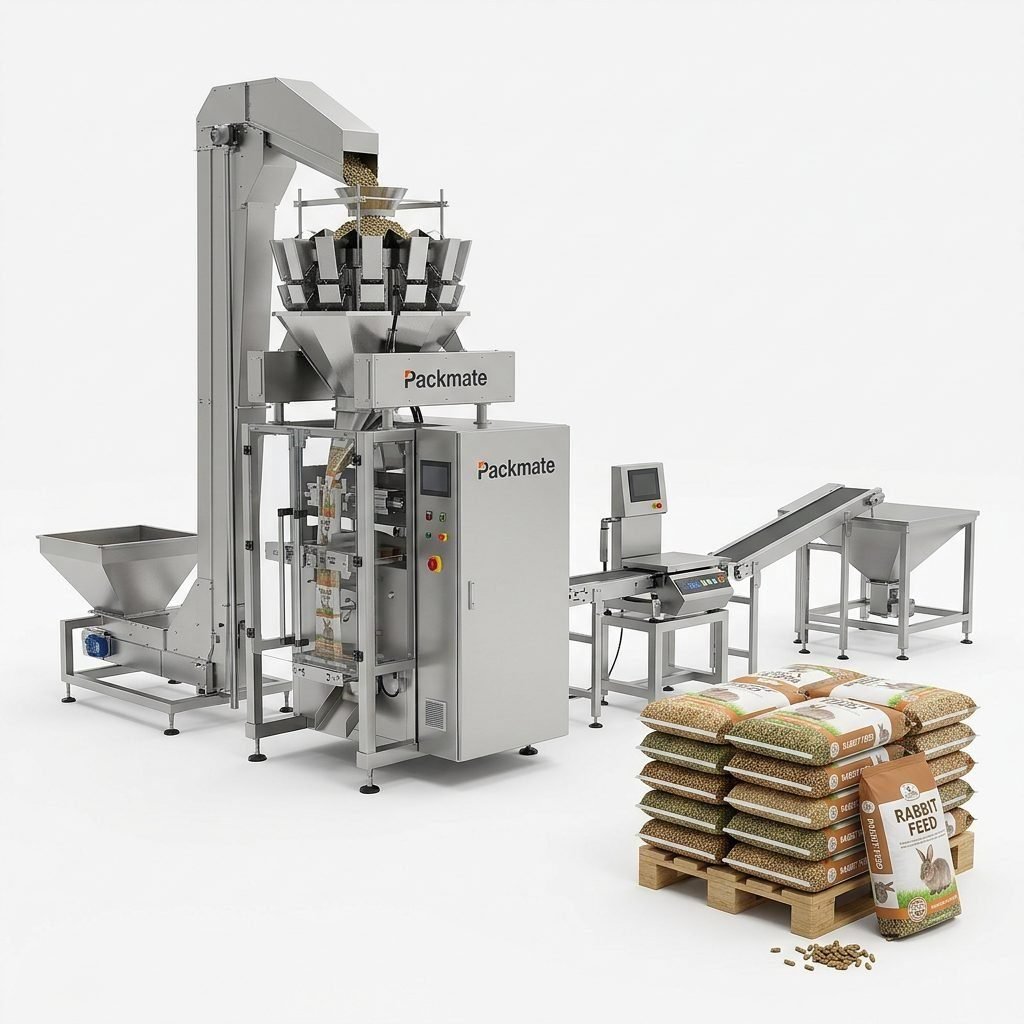
For food service or industrial supply, yoghurt may be packaged in large bags-in-box or large tubs. Machines for this purpose focus on high-volume, high-weight filling and often incorporate robust weighing systems to ensure accuracy for large containers.
Essential Buying Guide: How to Choose the Right Machine
Selecting a yoghurt packaging machine requires careful consideration of your specific business needs. Rushing this decision can lead to bottlenecks, wasted investment, and product quality issues.
1. Assess Your Production Requirements
Start by defining your current and projected output (packs per minute/hour). Consider the package type and size(s) you will use. Determine the product viscosity—whether it’s a smooth liquid, a thick set yoghurt, or contains fruit pieces—as this dictates the type of filling pump needed (piston, rotary, etc.).
2. Prioritize Hygiene and Material Compatibility
The machine must be constructed with food-grade materials (like 304 or 316 stainless steel) on all product-contact surfaces. It should be designed for easy cleaning, disassembly, and maintenance (CIP/SIP capabilities are a major plus). Ensure the machine is compatible with your chosen packaging materials (cup type, lid film) to avoid sealing issues.
3. Evaluate Automation and Integration Level
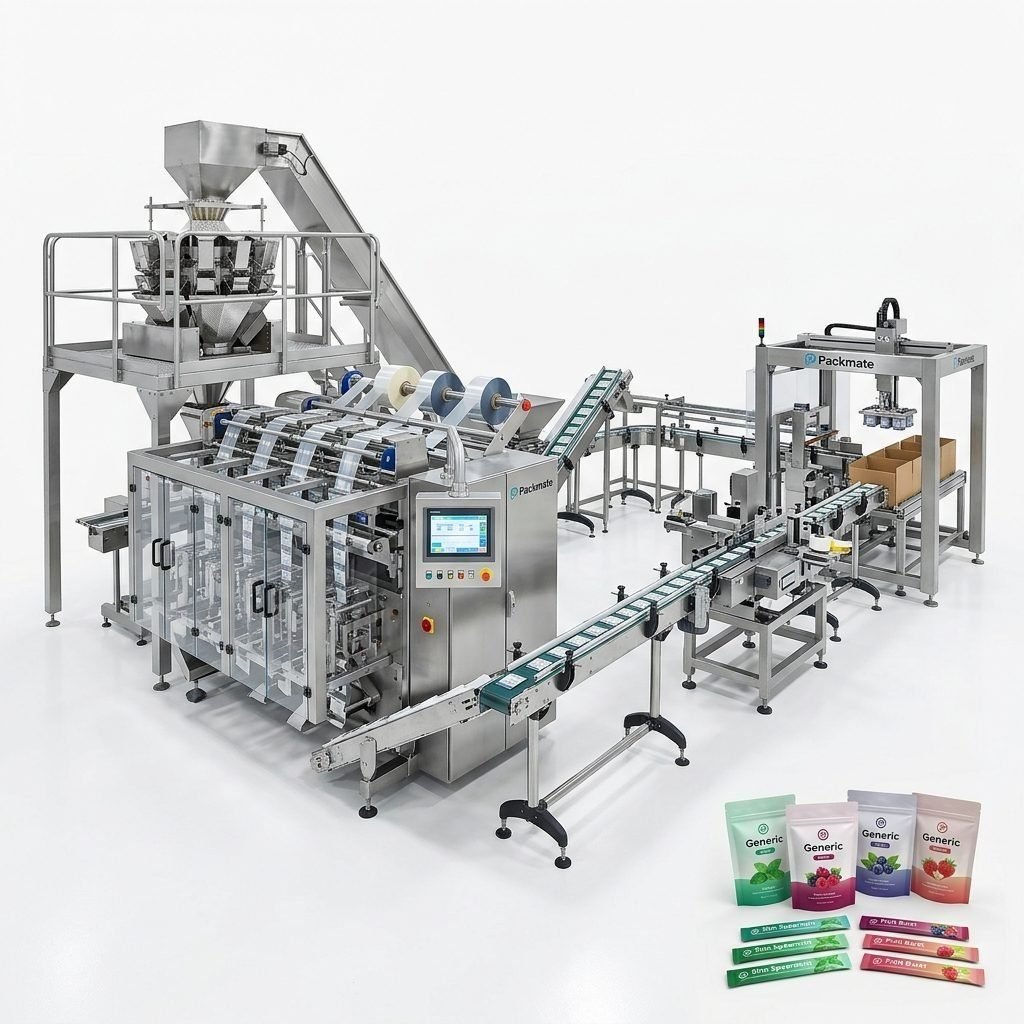
Do you need a semi-automatic machine for a startup or a fully automatic, integrated production line with conveyors, coders, and checkweighers? Consider the machine’s footprint and utility requirements (power, air, water). Also, assess the control system—user-friendly PLC interfaces with recipe memory can significantly reduce changeover time between different yoghurt products or package sizes.
4. Consider Supplier Reliability and Support
This is perhaps the most critical factor. Partner with a manufacturer known for quality, innovation, and robust after-sales service. A supplier with extensive experience, like Packmate Machinery, brings invaluable expertise. Review their company history, client portfolio, and availability of spare parts, training, and technical support. A reliable partner ensures your machine remains a productive asset for years.
Maximizing Your Investment
Once you’ve selected a machine, proper operation is key. Regular preventive maintenance as per the manufacturer’s schedule is essential to avoid unplanned downtime. Train your operators thoroughly. Furthermore, stay informed about packaging material innovations (like more sustainable options) that could be compatible with your machine to keep your brand competitive and responsive to market trends.
Choosing the ideal yoghurt packaging machine is a strategic investment that safeguards product quality, boosts efficiency, and supports brand growth. By understanding the different machine types, clearly defining your needs, and partnering with a credible supplier, you can secure a solution that delivers long-term value and helps your products stand out on the shelf. For more insights into complete packaging solutions, visit our homepage.
Frequently Asked Questions (FAQs)
What is the typical production speed of an automatic yoghurt cup filler?
Speeds vary widely based on the machine model and cup size. Entry-level automatic machines may run at 2,000-4,000 cups per hour, while high-speed multi-lane systems from experienced manufacturers can achieve outputs of over 20,000 cups per hour.
Can one machine handle different cup sizes and shapes?
Yes, many modern machines are designed with quick-changeover features. By changing the cup holder, filling head, and sometimes the sealing die, a single machine can often accommodate a range of sizes within a defined spectrum. The changeover time can range from 30 minutes to a couple of hours.
How important is Modified Atmosphere Packaging (MAP) for yoghurt?
While not always used for standard fresh yoghurt, MAP (flushing the cup with an inert gas like nitrogen before sealing) is crucial for extending the shelf life of products containing delicate ingredients like fresh fruits or muesli. It prevents oxidation and maintains sensory quality.
What are the key maintenance routines for a yoghurt packaging machine?
Daily cleaning and lubrication of guide rails, weekly checks of sealing jaw temperatures and pressure, and monthly inspection of critical components like pumps, sensors, and drives are essential. Always follow the specific maintenance manual provided by your machine supplier.
Where can I find a reliable supplier for yoghurt packaging machinery?
Look for established manufacturers with a strong track record in the food packaging industry. Companies with extensive experience, in-house R&D, and global service networks, such as Packmate Machinery, offer greater reliability and support. Review their case studies and certifications to gauge their expertise.