The frozen food industry is experiencing unprecedented growth globally, driven by changing consumer lifestyles and an increasing demand for convenience. At the heart of this expansion lies the critical need for efficient, reliable, and hygienic packaging. Selecting the right frozen food packaging machine supplier is not just a procurement decision; it’s a strategic investment in product quality, shelf life, and brand reputation. This article explores the key considerations for choosing top-tier suppliers and manufacturers, highlighting the innovation and expertise required to thrive in this competitive sector.
The Critical Role of Packaging in Frozen Food Quality
Packaging is the first line of defense for frozen products. It must perform multiple functions simultaneously: providing an effective barrier against moisture and air to prevent freezer burn, maintaining structural integrity at low temperatures, and ensuring food safety throughout the supply chain. Advanced packaging machinery achieves this through precise sealing technologies, high-speed operation, and the use of suitable packaging materials. A failure in any of these areas can lead to product degradation, waste, and consumer dissatisfaction, underscoring why partnering with a capable manufacturer is paramount.
Key Machine Capabilities for Frozen Foods
Top suppliers offer machinery specifically engineered for the harsh conditions of frozen food processing. This includes:
Cold-Temperature Resilience: Components, lubricants, and electrical systems must operate flawlessly in chilled environments.
High-Speed Precision Weighing & Filling: Accurate portion control is vital for cost management and regulatory compliance, especially for items like vegetables, seafood, and ready meals.
Robust Sealing Systems: Machines must create strong, airtight seals even with frost or condensation present on packaging film.
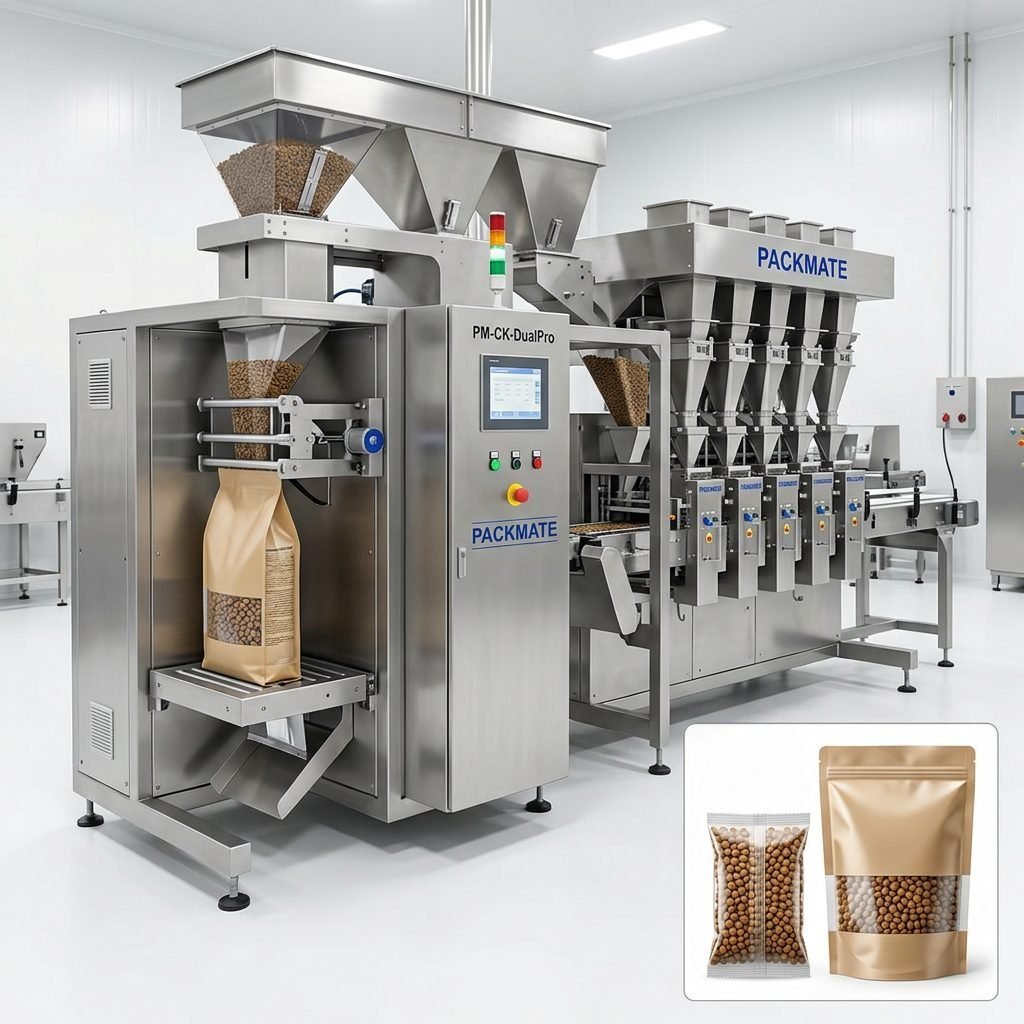
Versatility in Bag Styles: From pillow bags and gusseted bags to stand-up pouches, the ability to run various formats on a single line adds valuable flexibility for producers.
Evaluating Top Suppliers: Beyond the Machine Specs
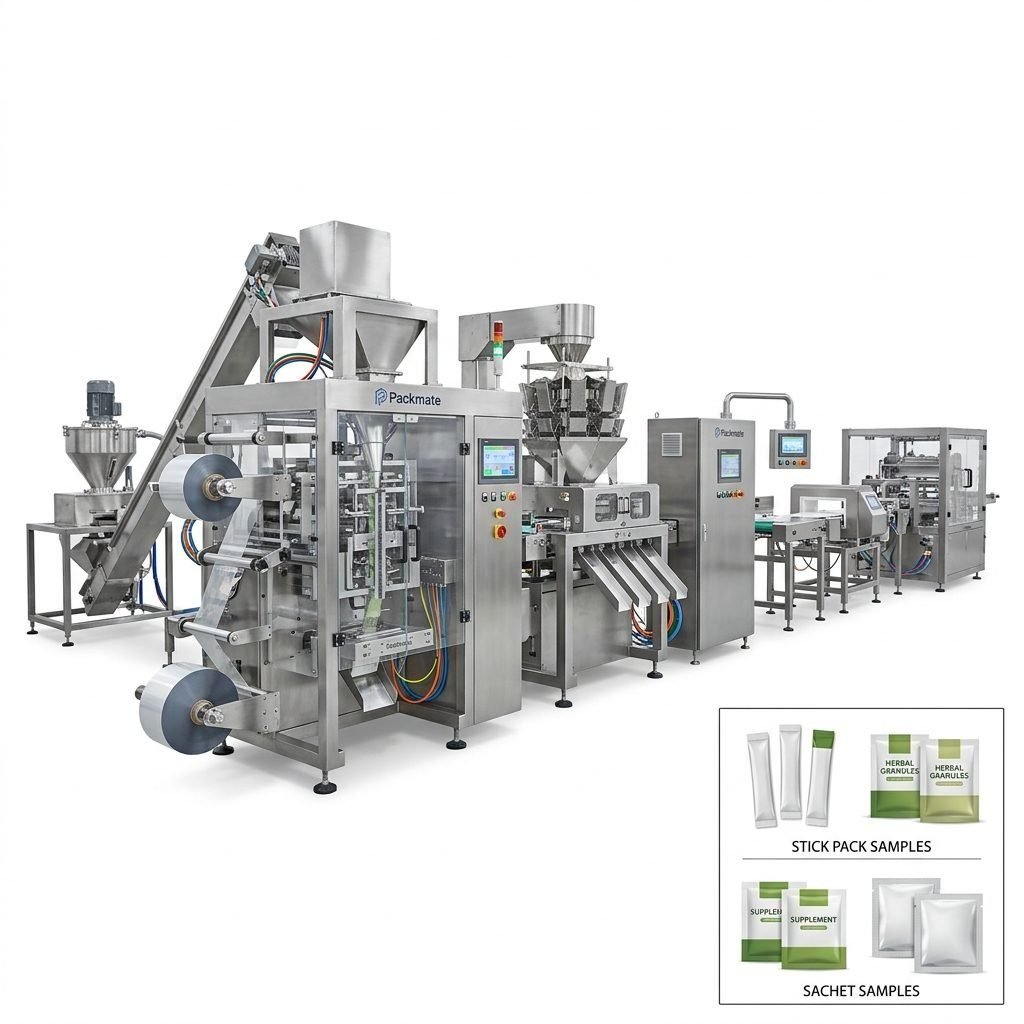
Choosing a supplier involves a holistic assessment. While technical specifications are crucial, the manufacturer’s overall ecosystem determines long-term success. Industry leaders distinguish themselves through deep application knowledge, robust R&D, and comprehensive after-sales support. They understand that a packaging line is a integrated system, and they offer complete filling and packaging lines tailored to specific product characteristics, from delicate berries to dense meat patties.
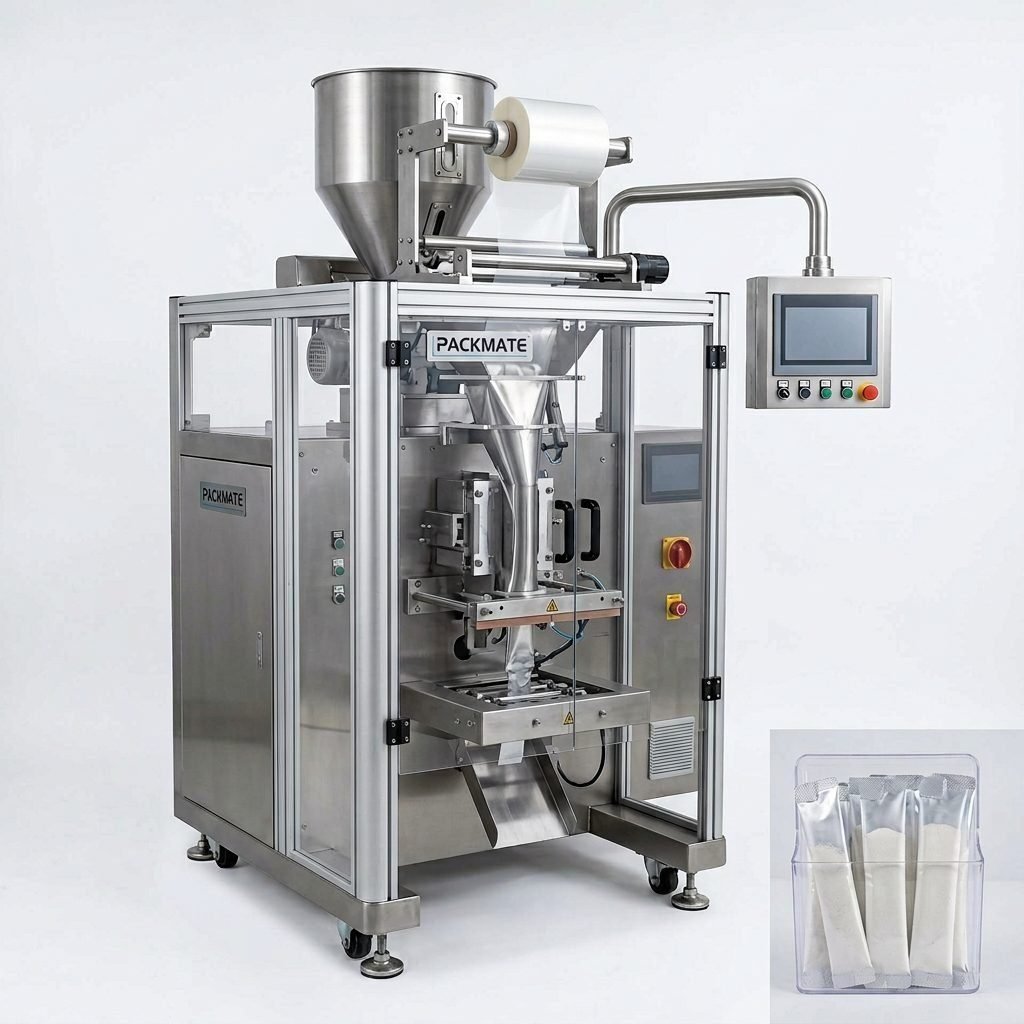
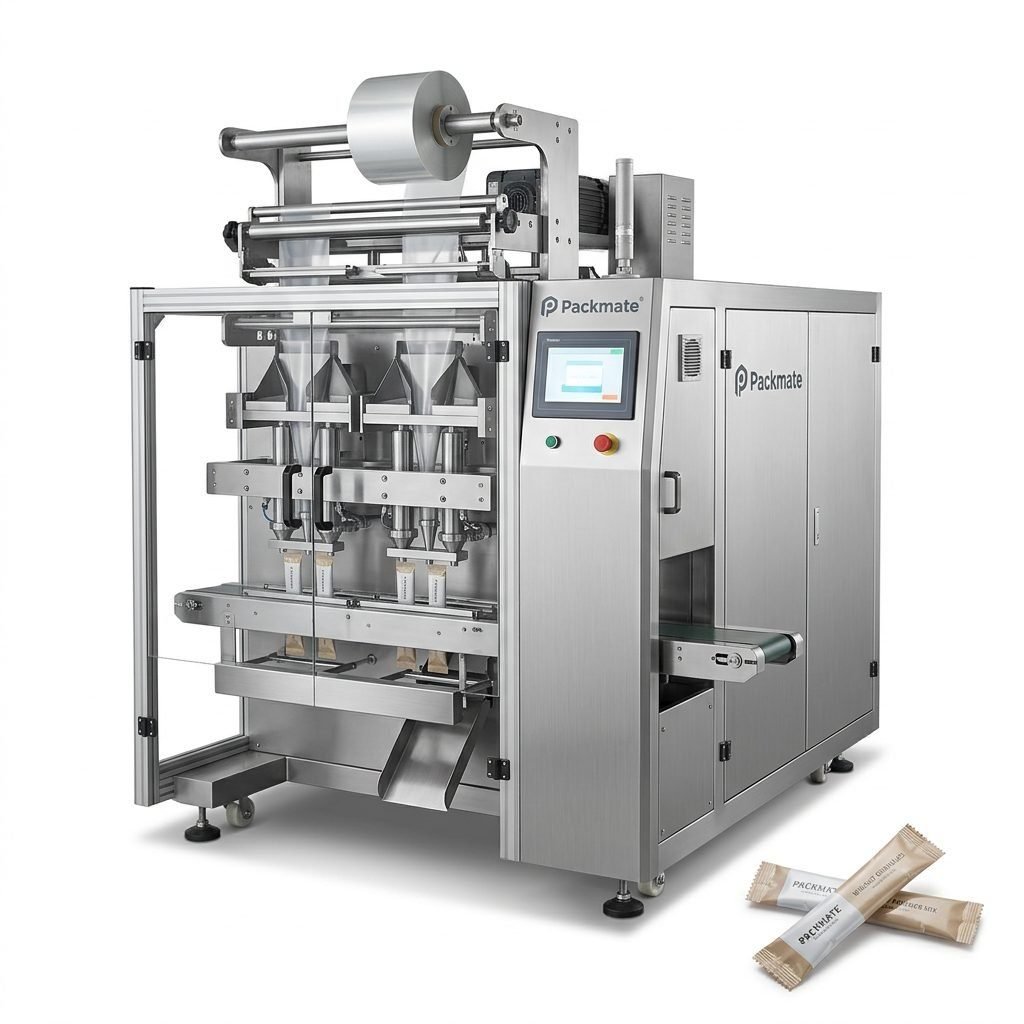
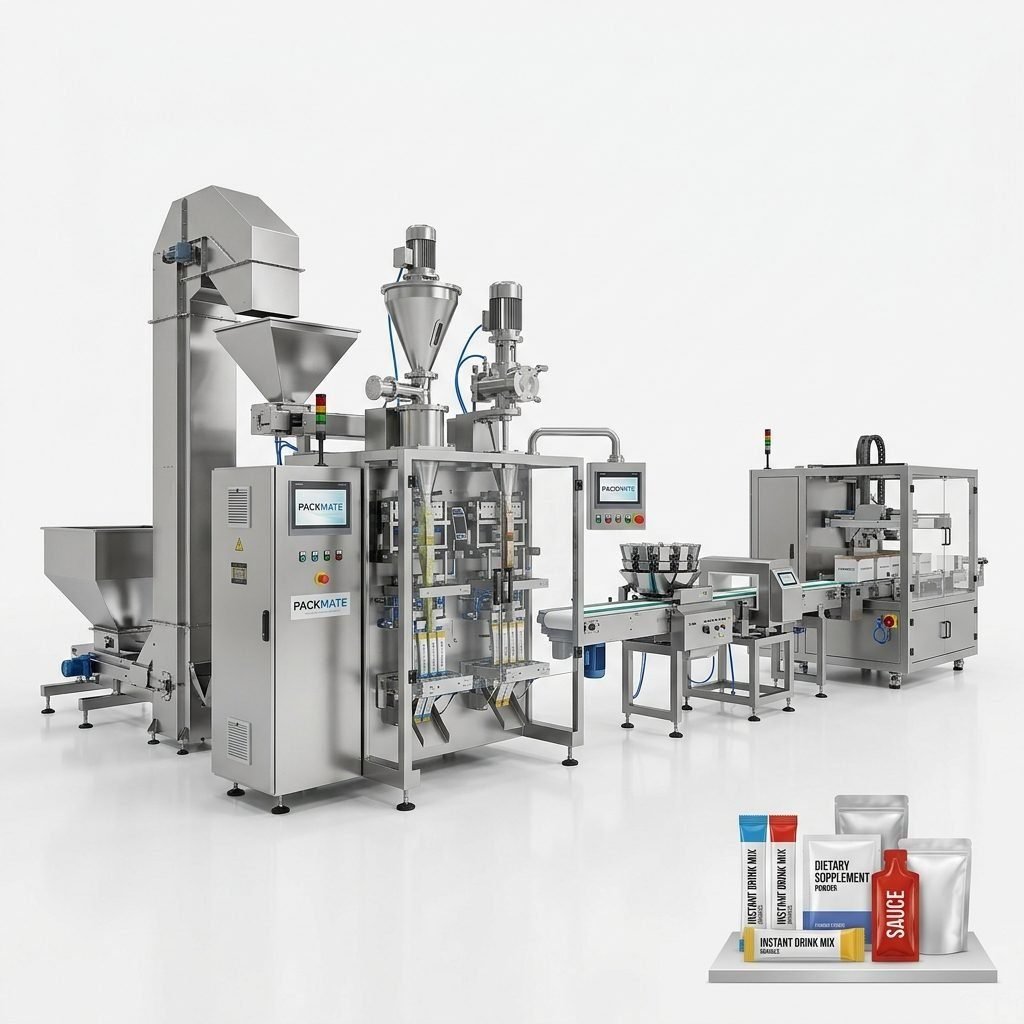
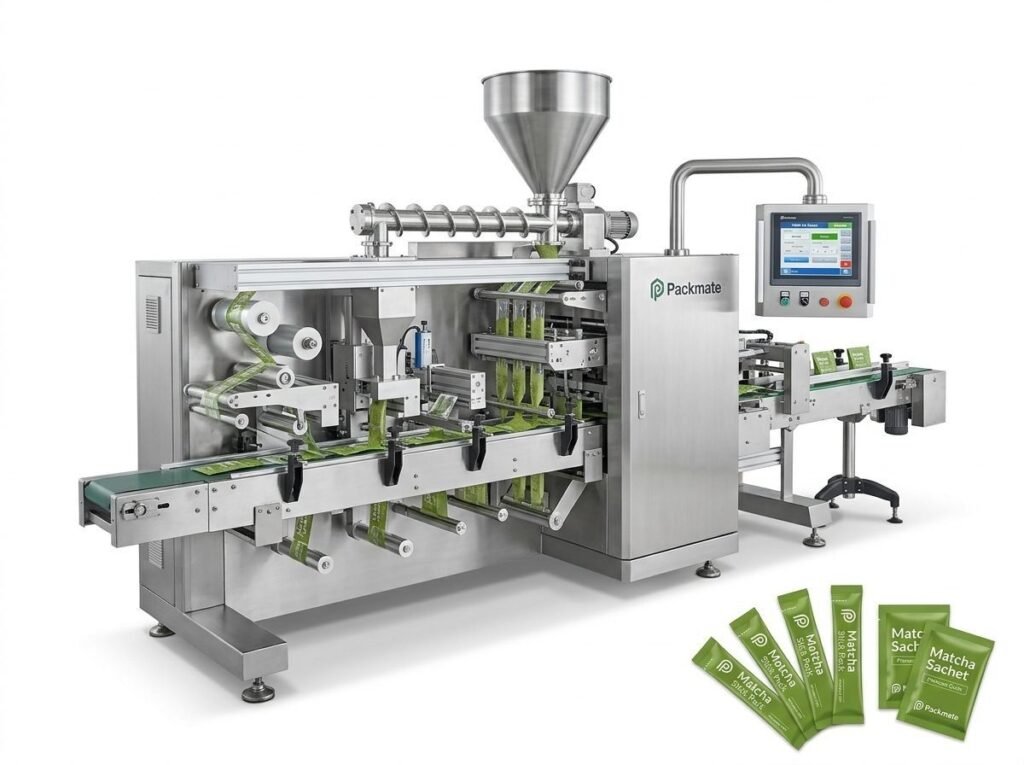
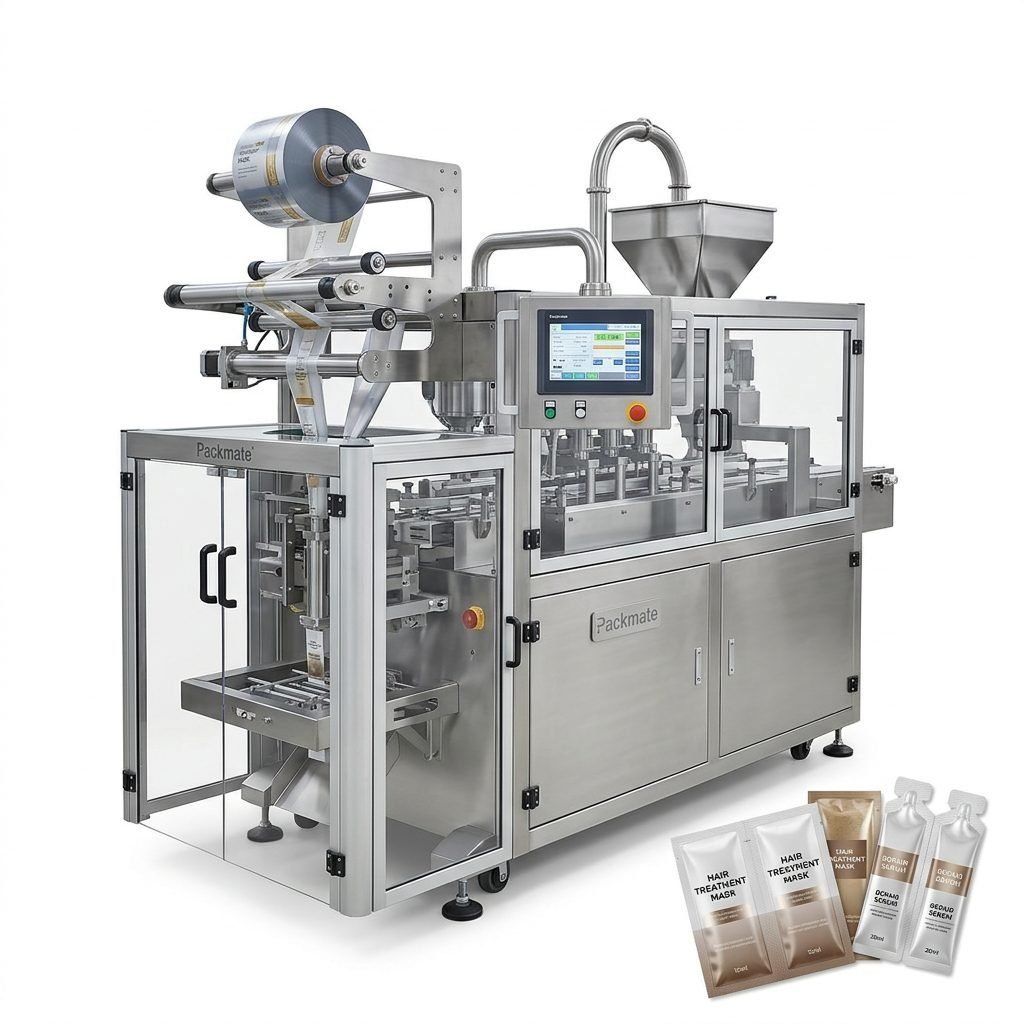
A supplier’s commitment to innovation is often reflected in their product range. For instance, the demand for single-serve and portion-controlled frozen items has surged. Manufacturers responding to this trend provide advanced sachet and stick pack machines capable of packaging sauces, condiments, or powdered drink mixes that accompany frozen meals. This versatility allows frozen food brands to expand their offerings and enhance convenience.
The Importance of Scalability and Integration
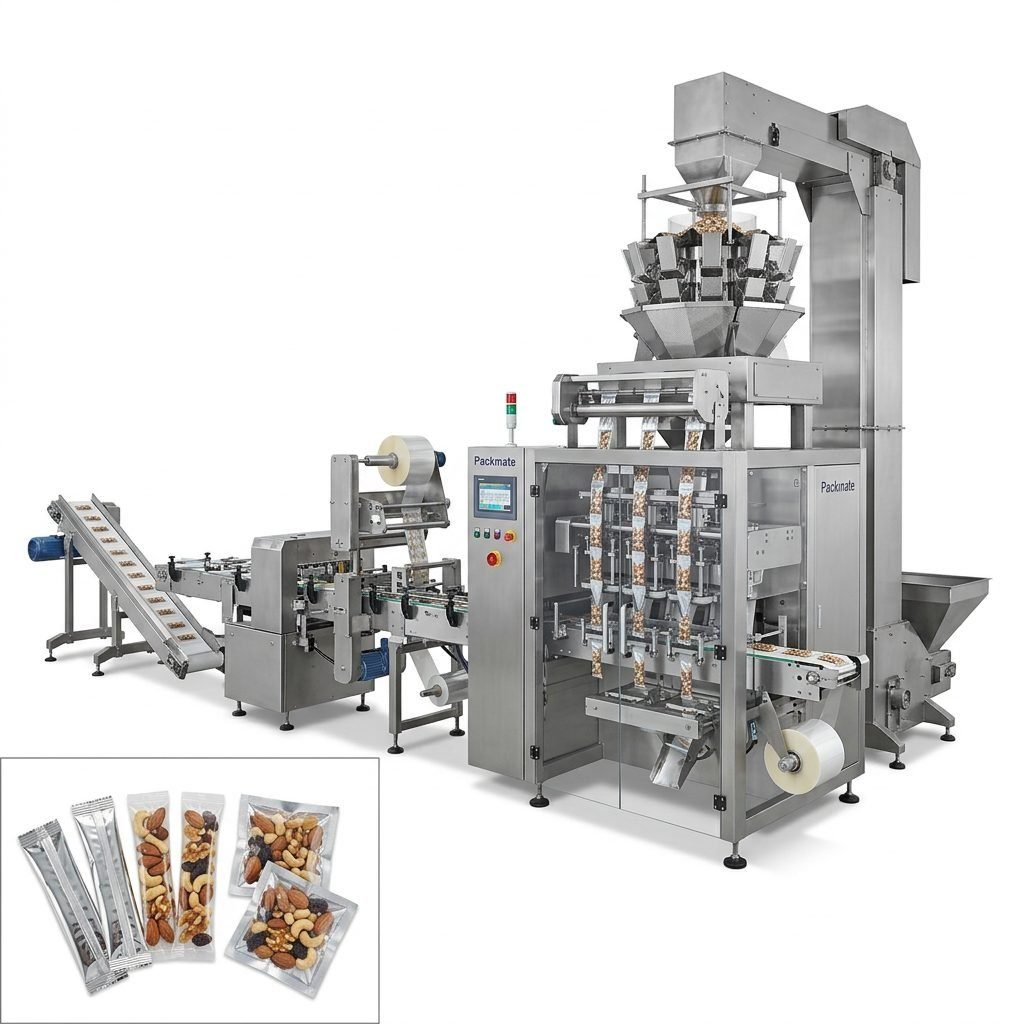
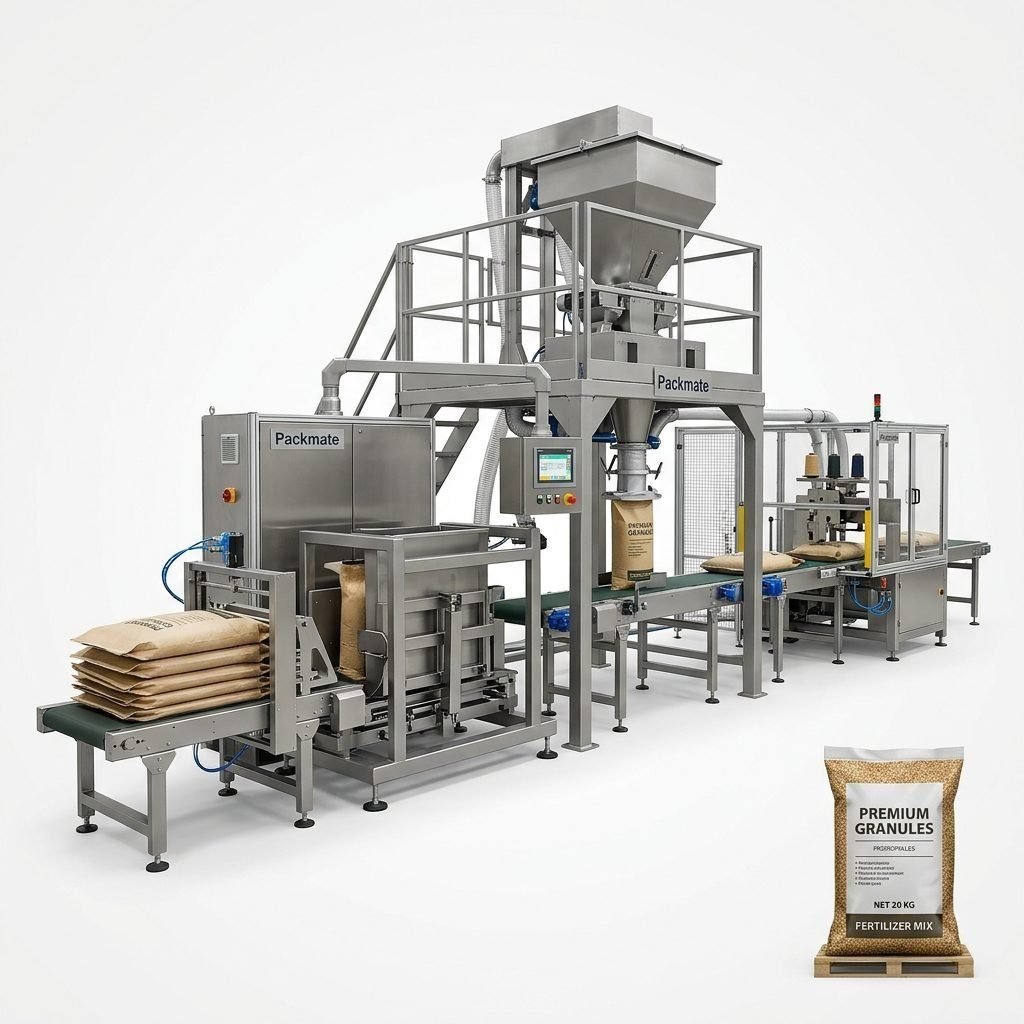
As businesses grow, their packaging needs evolve. Leading manufacturers design equipment with scalability in mind. A modular approach allows producers to start with a core machine, such as a vertical form-fill-seal (VFFS) bagging machine, and later integrate multi-head weighers, checkweighers, and case packers to form a fully automated line. This foresight protects the initial investment and minimizes future disruption.
Spotlight on Industry Expertise: Packmate Machinery
With over three decades of specialization, Packmate Machinery exemplifies the qualities of a top-tier supplier. Operating from a modern 20,000㎡ facility, the company has built its reputation on a foundation of precision engineering and a deep understanding of packaging challenges across the food, pharmaceutical, and health industries. Their journey, beginning in a small workshop in 1993 and formalizing into Packmate (GuangDong) Co., Ltd. in 2003, is a testament to a focus on innovation and quality.
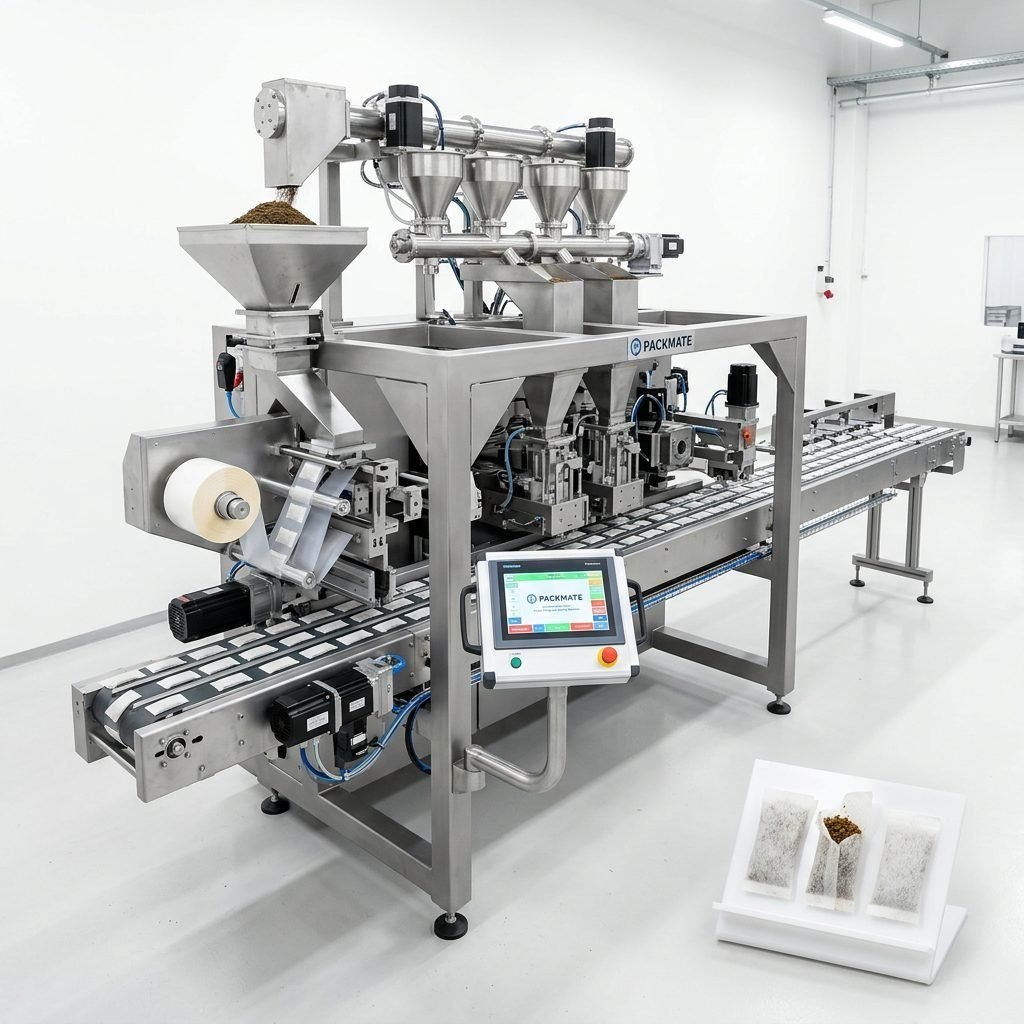
Packmate’s portfolio of more than 50 machine models is designed to handle granules, powders, and liquids—all common forms in frozen food production. Their expertise in creating intelligent, reliable solutions ensures that clients receive not just a machine, but a complete turnkey packaging solution designed for efficiency and longevity. This client-centric approach, backed by a professional team and advanced production equipment, positions them as a strong partner for businesses looking to optimize their frozen food packaging operations.
Future Trends Shaping Frozen Food Packaging Machinery
The future of frozen food packaging is intelligent and sustainable. Suppliers at the forefront are integrating Industry 4.0 principles into their equipment. This includes IoT-enabled machines that provide real-time data on production speed, downtime, and maintenance needs, allowing for predictive analytics and smarter factory management. Furthermore, there is a significant push towards sustainability. Machinery that can handle recyclable or compostable mono-material films, reduce material waste through more precise cutting and sealing, and lower overall energy consumption is becoming a key differentiator for environmentally conscious brands.
Automation will continue to deepen, driven by labor challenges and the need for consistent hygiene. Robotics for loading raw materials, handling packaged products, and palletizing will become more commonplace. The most successful suppliers will be those who can seamlessly blend high-speed mechanical engineering with smart software controls and sustainable design principles.
Making the Final Decision
Selecting a frozen food packaging machine supplier requires due diligence. Prospective buyers should:
1. Request Product Demonstrations: Ask to see the machine running with a product similar to yours.
2. Review Case Studies and Client References: Evidence of successful installations in the frozen sector is crucial.
3. Evaluate Service and Support Networks: Ensure the supplier offers timely technical support, spare parts availability, and operator training.
4. Consider Total Cost of Ownership (TCO): Look beyond the purchase price to factors like energy efficiency, maintenance costs, and potential for future upgrades.
By partnering with a manufacturer that offers robust technology, proven expertise, and a commitment to partnership, frozen food producers can secure a critical advantage in a dynamic and growing market.
Frequently Asked Questions (FAQs)
What types of frozen foods can be packaged with these machines?
Modern frozen food packaging machines are highly versatile. They can handle a wide range of products including vegetables (whole, cut, or mixed), fruits, seafood, meat and poultry products, ready-to-eat meals, pizza, ice cream, and even dairy products. The key is matching the machine’s technology (like weighing system, film type, and sealing method) to the product’s specific characteristics (size, shape, moisture content, temperature).
How important is the packaging material for frozen food applications?
Extremely important. The packaging material must have excellent barrier properties against moisture vapor and oxygen to prevent freezer burn and oxidation. It must also remain flexible and durable at low temperatures to avoid cracking. Common materials include multi-layer laminates of polyethylene (PE), polypropylene (PP), and polyester (PET). Your machinery supplier should provide guidance on compatible films that work best with their sealing systems for your specific product.
Can one packaging line handle multiple different product types or bag sizes?
Yes, many advanced machines are designed for quick changeover. Features like tool-less adjustments, digital recall of settings for different products, and interchangeable forming tubes allow producers to switch between different product types and bag sizes with minimal downtime. This flexibility is essential for manufacturers producing a varied product line.
What kind of maintenance do frozen food packaging machines require?
Regular preventative maintenance is critical due to the demanding operating environment. This typically includes daily cleaning to remove food particles and moisture, regular inspection and lubrication of moving parts with cold-temperature-approved greases, and checking the integrity of heating elements for seals. A reputable supplier will offer a clear maintenance schedule and training for your operational staff.
What should I look for in a supplier’s after-sales service?
Prioritize suppliers who offer comprehensive after-sales support. This includes detailed installation and commissioning, thorough operator and maintenance technician training, readily available spare parts inventory, and responsive technical support (remote and on-site). A strong service network ensures maximum machine uptime and helps you resolve any issues quickly, protecting your production schedule.