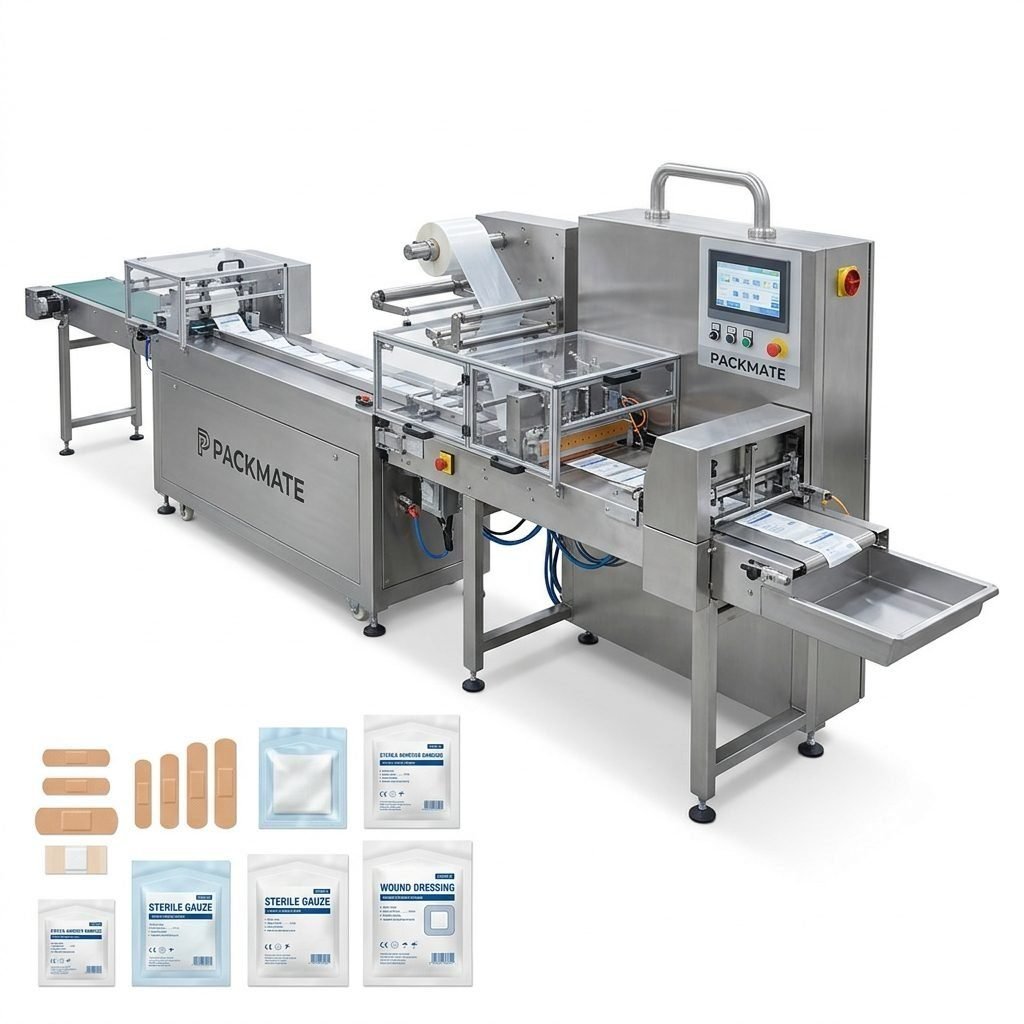
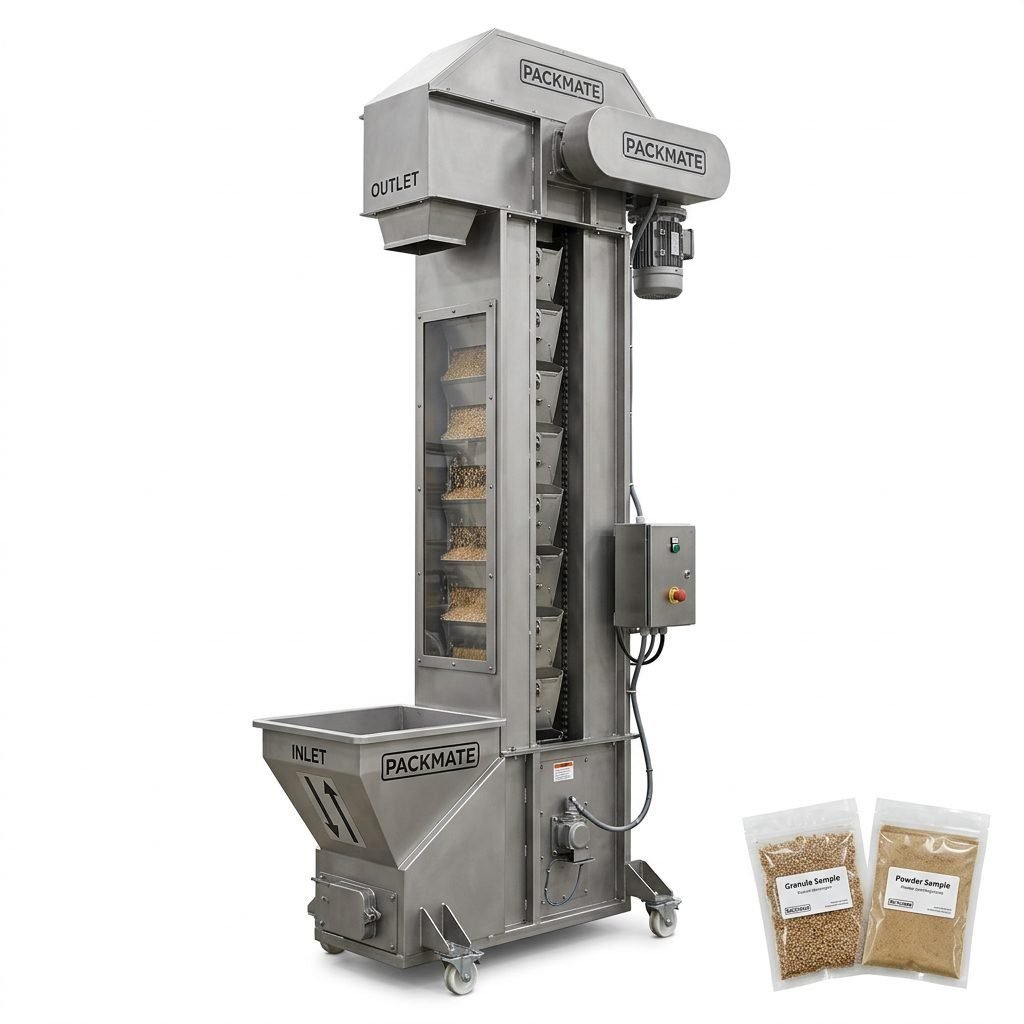
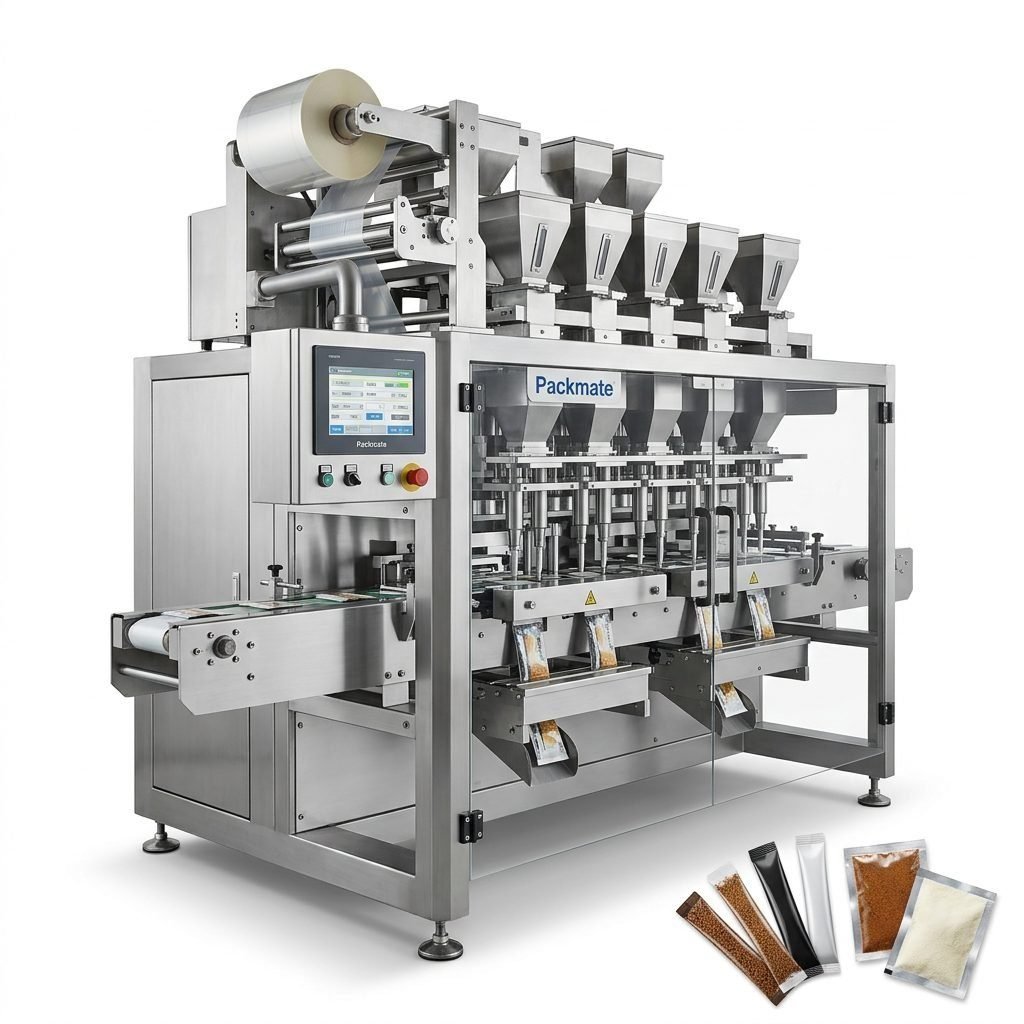
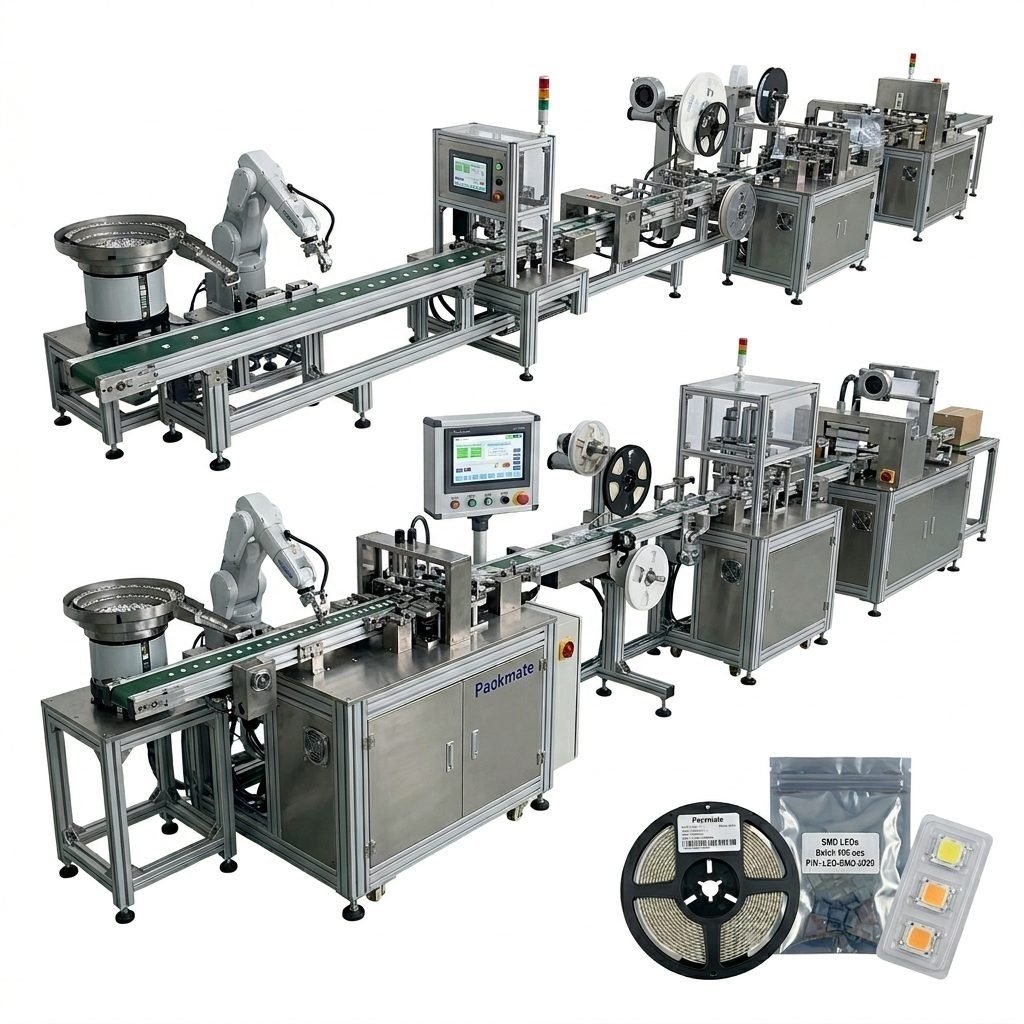
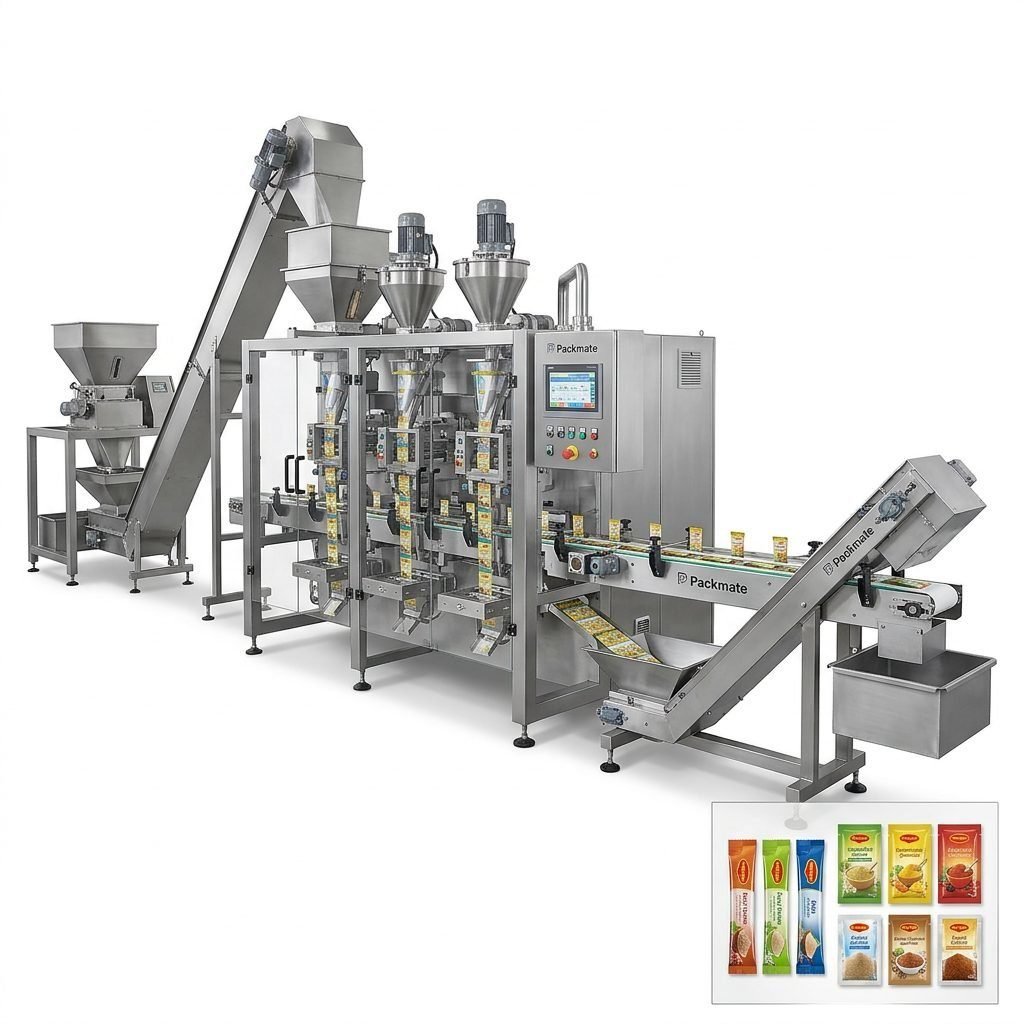
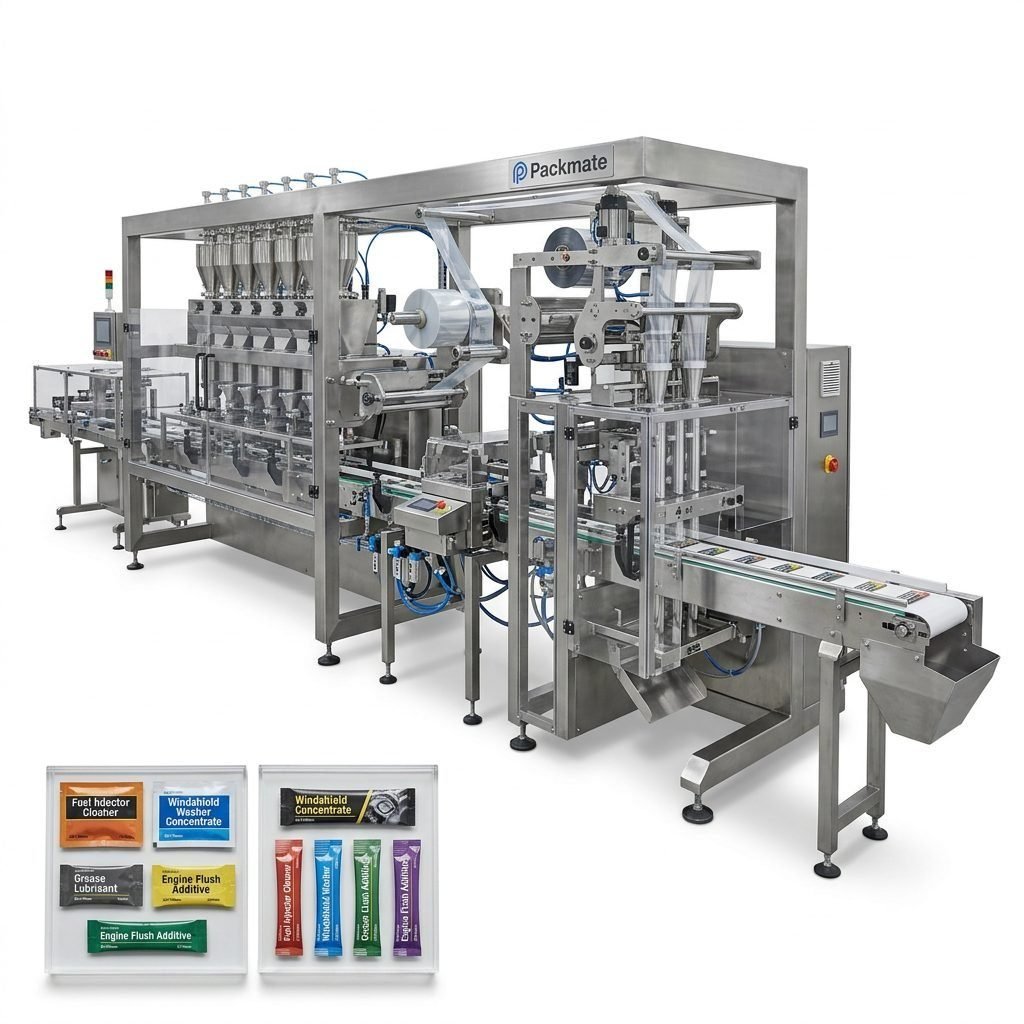
For small businesses, especially in the competitive food, beverage, and health supplement sectors, efficiency and cost-effectiveness are paramount. Investing in the right packaging equipment can be a game-changer, directly impacting product presentation, shelf life, and operational speed. Single serve packaging machines offer a perfect solution, allowing for precise, hygienic, and attractive packaging of individual portions. This guide explores the top solutions and key considerations for small businesses looking to leverage this technology.
Why Single Serve Packaging is a Strategic Move for Small Businesses
Single serve packaging caters perfectly to modern consumer trends favoring convenience, portion control, and on-the-go consumption. For a small business, this format can significantly enhance product value and market appeal. Machines that produce sachets or stick packs are particularly popular, as they are cost-effective on materials and ideal for powders, granules, liquids, and creams. Adopting such automation reduces manual labor, ensures consistent package quality, and minimizes product waste through accurate filling.
Key Benefits of Automation for Small-Scale Operations
Moving from manual filling to an automated single serve system brings immediate advantages:
Consistency & Brand Image: Every packet is identical, projecting a professional and reliable brand image that builds customer trust.
Increased Output: Even compact machines can dramatically increase daily production capacity compared to hand-packing.
Hygiene & Safety: Automated, enclosed processes reduce human contact with the product, which is critical for food and pharmaceutical items.
Scalability: Starting with a basic model allows you to grow; many systems can be upgraded with additional lanes or integrated into larger filling & packaging lines as demand increases.
Top Machine Types for Small Business Needs
Choosing the right machine depends on your product type, volume, and budget. Here are the most effective solutions:
Vertical Form Fill Seal (VFFS) Machines
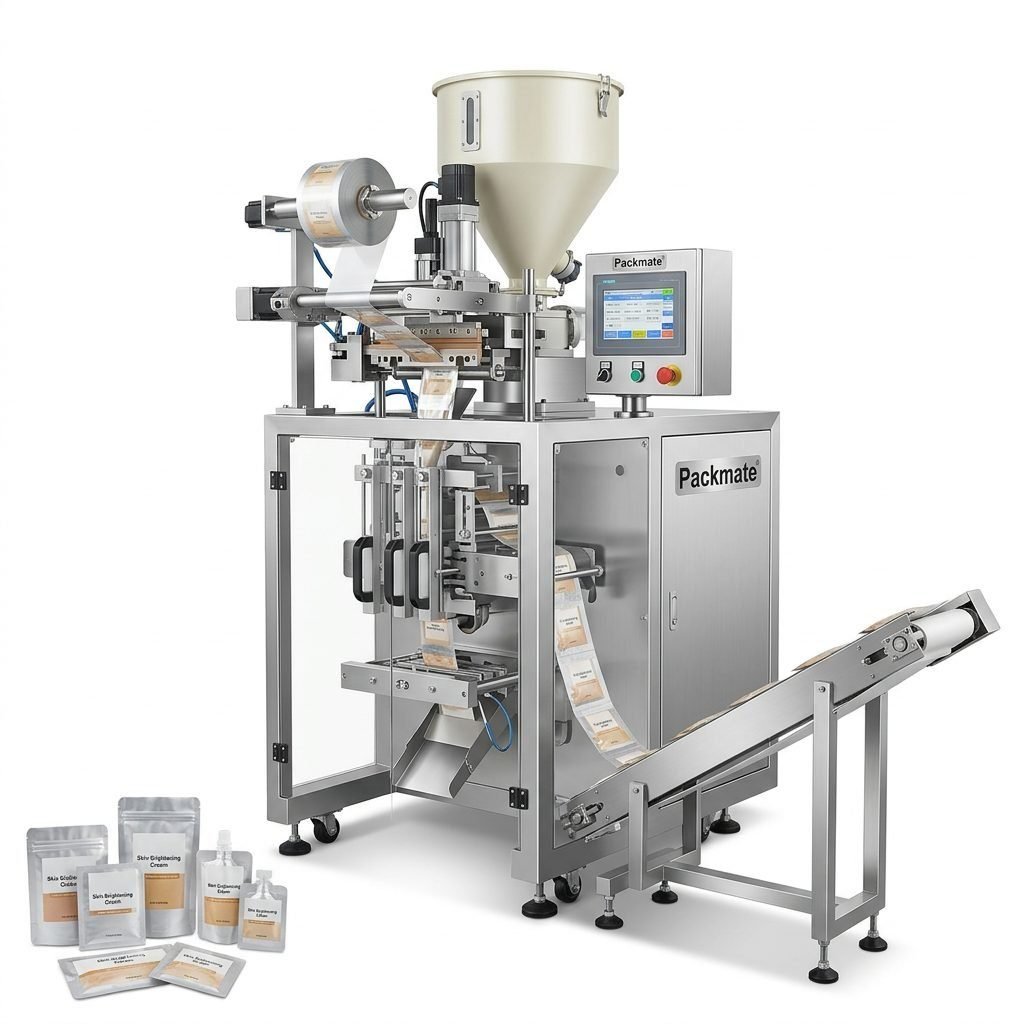
These are versatile workhorses. They form bags from a roll of film, fill them with product, and then seal them. Ideal for snacks, coffee, and granular products. For small businesses, compact tabletop VFFS models offer an excellent entry point into automated packaging.
Sachet & Stick Pack Machines
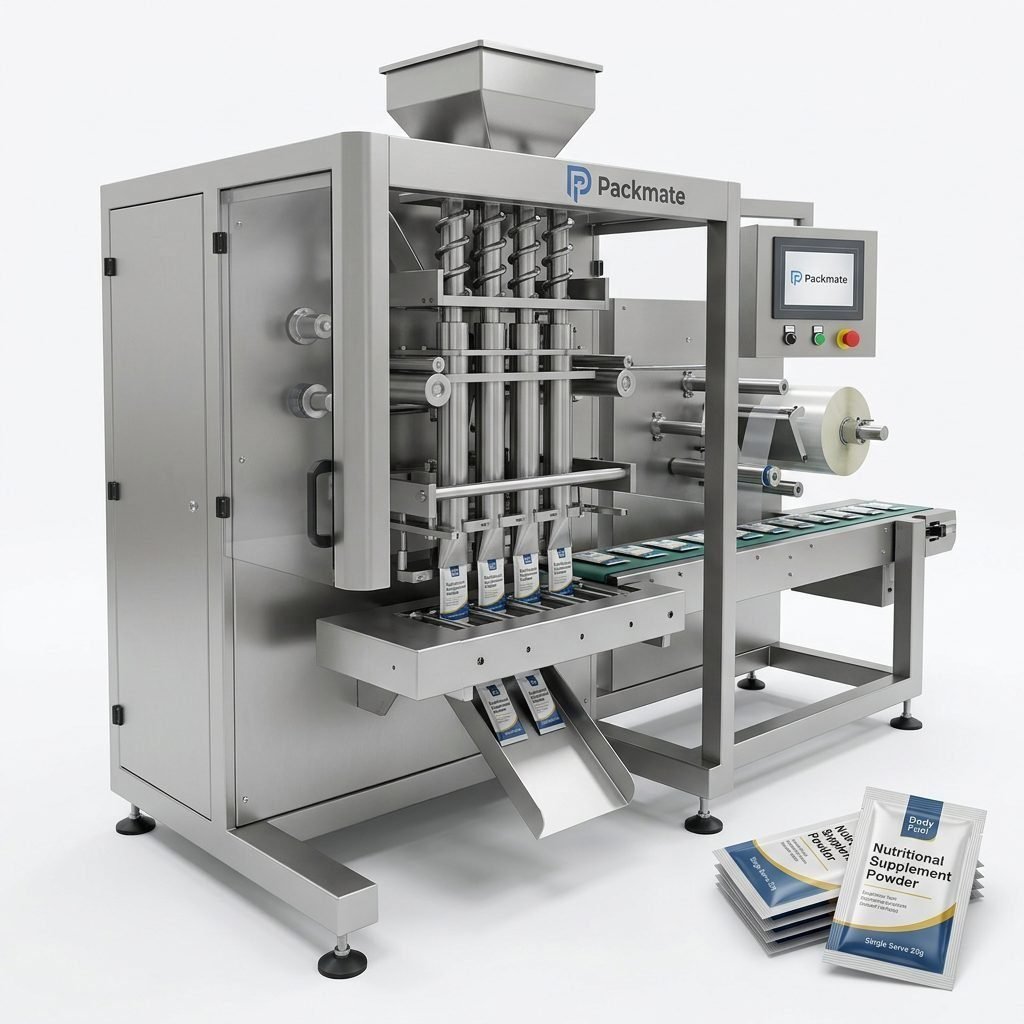
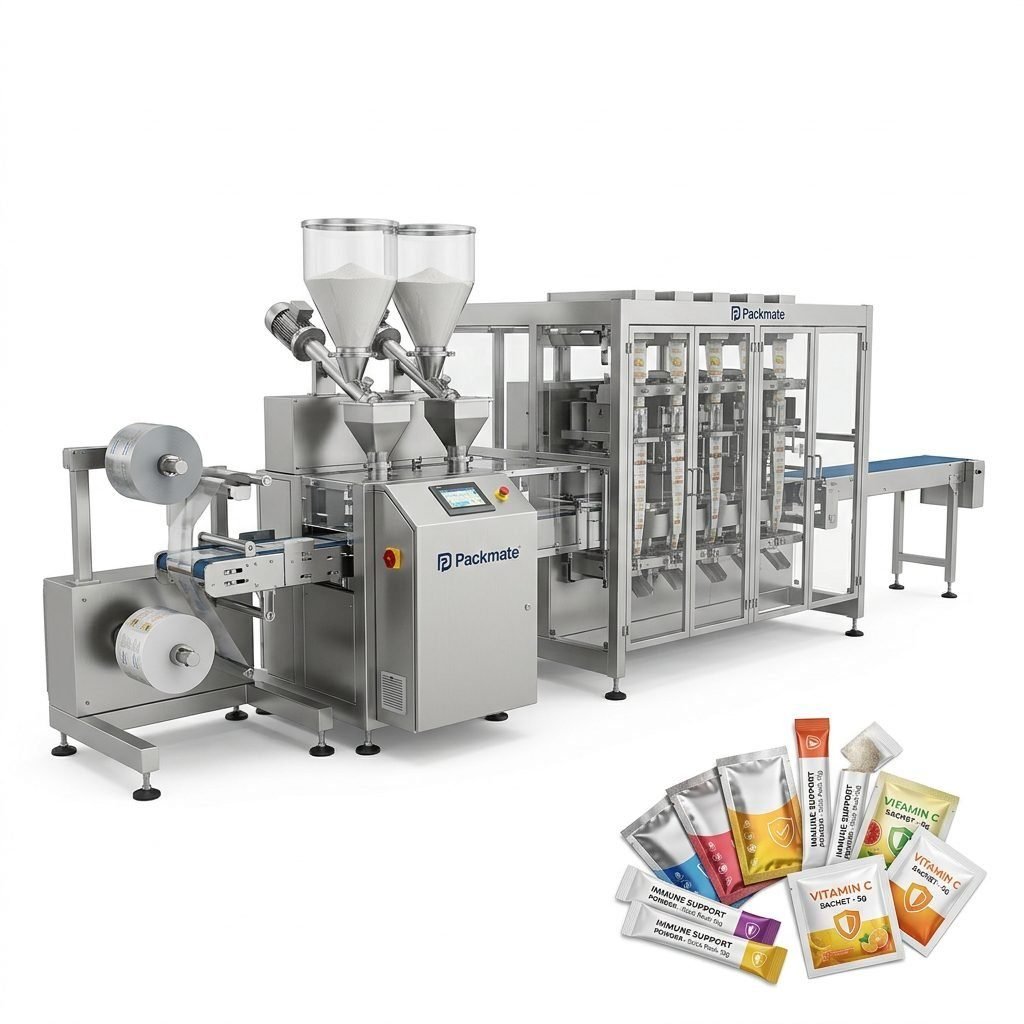
This is often the go-to category for single-serve portions of powders (like instant drinks, spices), liquids (sauces, oils), or creams. Machines can range from single-lane to multi-lane configurations. A multi-lane stick pack machine can produce several packets simultaneously, offering a great balance of footprint and output for a growing small business.
Liquid & Pouch Fillers
For businesses specializing in sauces, condiments, or single-serve beverages, dedicated liquid fillers are key. These machines provide precise volumetric or piston-driven filling to prevent drips and ensure accurate volume in every pouch, which is crucial for cost control and customer satisfaction.
Essential Features to Look For
When evaluating machines, prioritize these features:
Ease of Use & Changeover: Look for user-friendly PLC touchscreens and quick-change parts. Minimizing downtime when switching products is vital for small, flexible operations.
Material Compatibility: Ensure the machine can handle the specific film or laminate you plan to use for your product’s barrier requirements (e.g., moisture, oxygen).
Accuracy: High-precision weighing or filling systems are non-negotiable to maintain consistent portion sizes and comply with net content regulations.
Durability & Support: Invest in a machine built to last. Choosing a manufacturer with a strong track record, like Packmate Machinery, with over 22 years of development, ensures access to reliable service and spare parts.
Implementing Your Packaging Solution: A Step-by-Step Approach
Successfully integrating a new machine involves careful planning:
1. Define Your Requirements: Clearly outline your product specs, desired package type, daily output goals, and available factory space.
2. Research & Select a Partner: Don’t just buy a machine; choose a supplier. Review their case studies and company history to gauge their expertise and reliability in supporting small businesses.
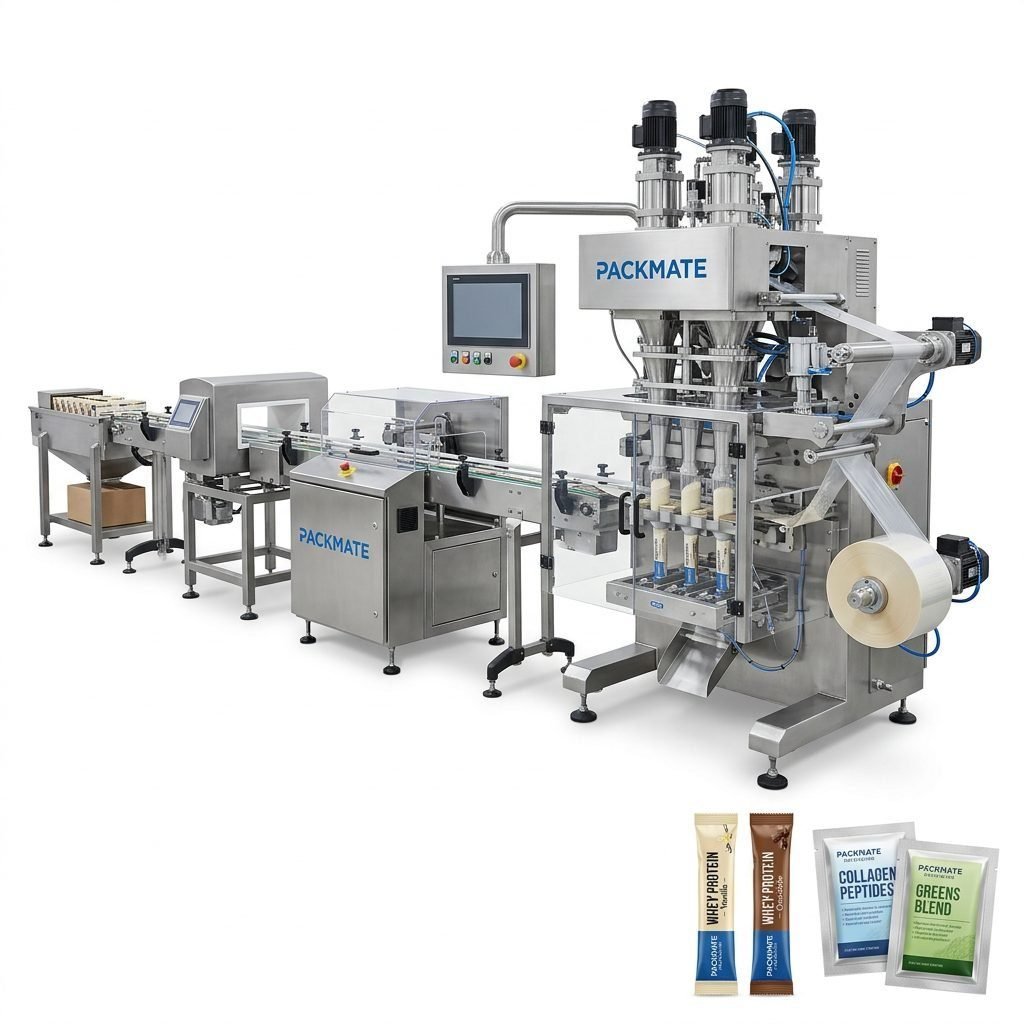
3. Plan for Integration: Consider how the machine fits into your workflow. You may need upstream equipment like feeders or downstream systems like cartoning. Many suppliers offer complete turnkey solutions to simplify this process.
4. Training & Optimization: Ensure thorough operator training is provided. Start with a pilot run to fine-tune machine settings for your specific product and packaging material before full-scale production.
Conclusion: Packaging as a Growth Engine
For the ambitious small business, a single serve packaging machine is not merely an expense but a strategic investment in growth, quality, and brand development. By automating this critical process, you free up resources, ensure product integrity, and create a packaging format that resonates with today’s consumers. The key is to select a robust, appropriate machine from a trusted manufacturer who can provide the necessary support throughout the machine’s lifecycle.
Frequently Asked Questions (FAQs)
What is the typical cost range for a small business single serve packaging machine?
Costs vary widely based on automation level, speed, and features. Entry-level tabletop machines may start in the thousands of dollars, while more advanced, integrated systems can be significantly higher. It’s best to request quotes based on your specific needs.
How difficult is it to operate and maintain these machines?
Modern machines are designed with user-friendly PLC controls. Basic operation and routine cleaning are straightforward with proper training. Regular preventative maintenance is crucial, which is why choosing a supplier with strong technical support is highly recommended.
Can one machine handle different products and package sizes?
Yes, most machines are designed for changeover. The ease and speed of this process depend on the machine’s design. Look for models with quick-change parts and programmable recipes to minimize downtime between production runs.
What packaging materials work best with single serve machines?
This depends on your product. Common materials include laminates of PET/PE, AL/PE, or CPP/OPP, which provide barriers against moisture, light, and oxygen. Your machine supplier can advise on the best material for your product’s shelf-life requirements.
Where can I see examples of these machines in action?
Reputable manufacturers often provide video case studies or have demonstration facilities. Attending industry exhibitions or visiting the manufacturer’s website and exhibition page are good ways to see the equipment operating.