The dispensing pharmacy packaging machines market is undergoing a significant transformation, driven by technological innovation, stringent regulatory requirements, and the global push for efficiency and patient safety. As pharmacies, from large-scale hospital dispensaries to community drugstores, seek to modernize their operations, automated packaging solutions have moved from a luxury to a necessity. This article delves into the key trends, insights, and future directions shaping this dynamic sector.
Key Market Drivers and Growth Catalysts
A primary driver for the adoption of advanced packaging machines in pharmacies is the relentless pursuit of accuracy and error reduction. Manual counting and filling are prone to human error, which can have serious consequences in pharmaceutical dispensing. Automated systems ensure precise dosage counts, correct medication identification, and consistent packaging, thereby enhancing patient safety and reducing liability for pharmacies.
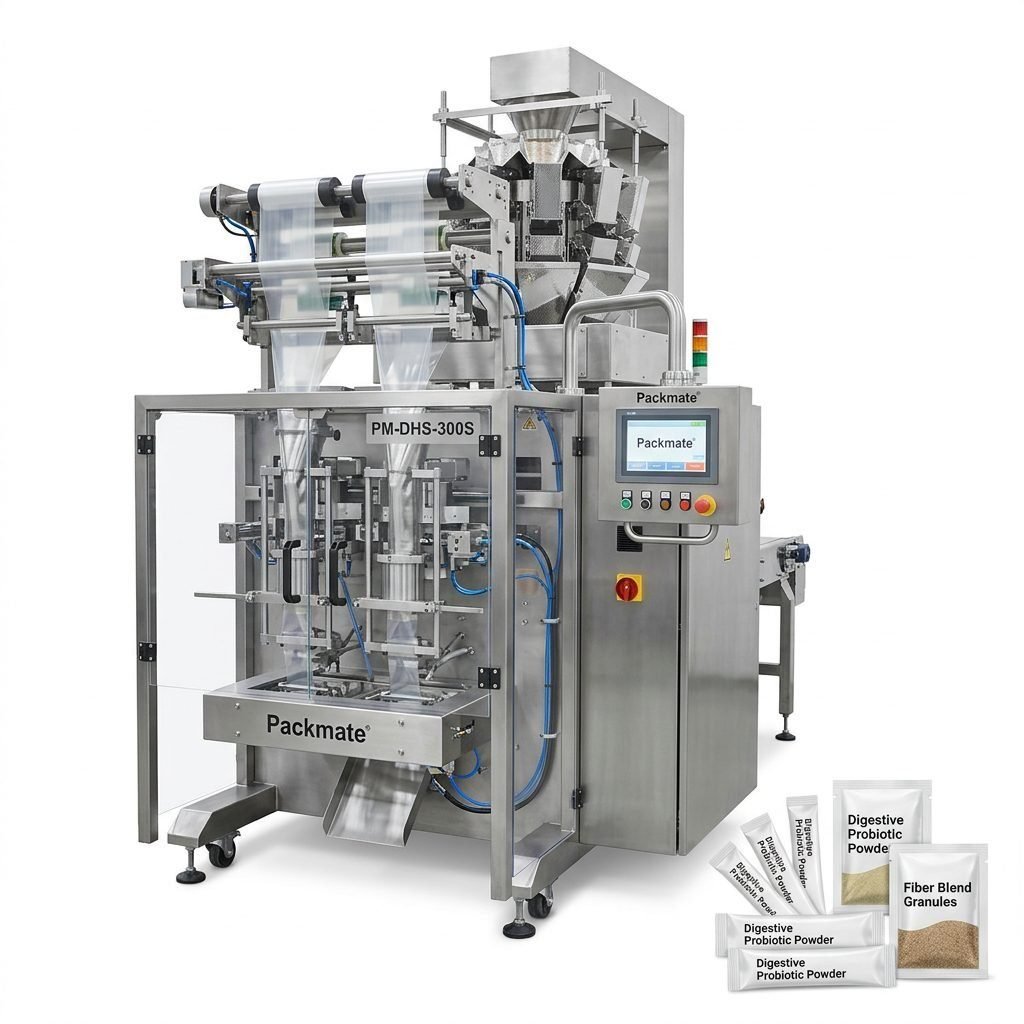
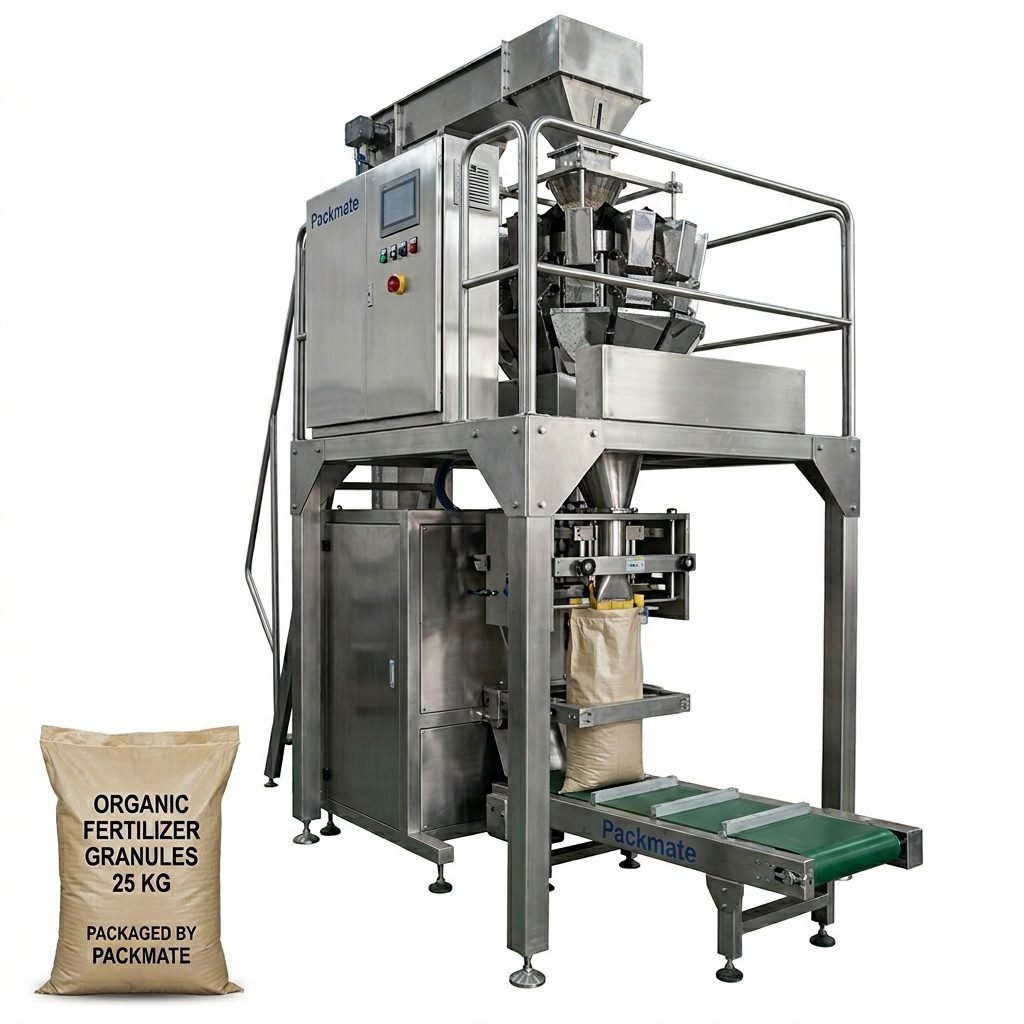
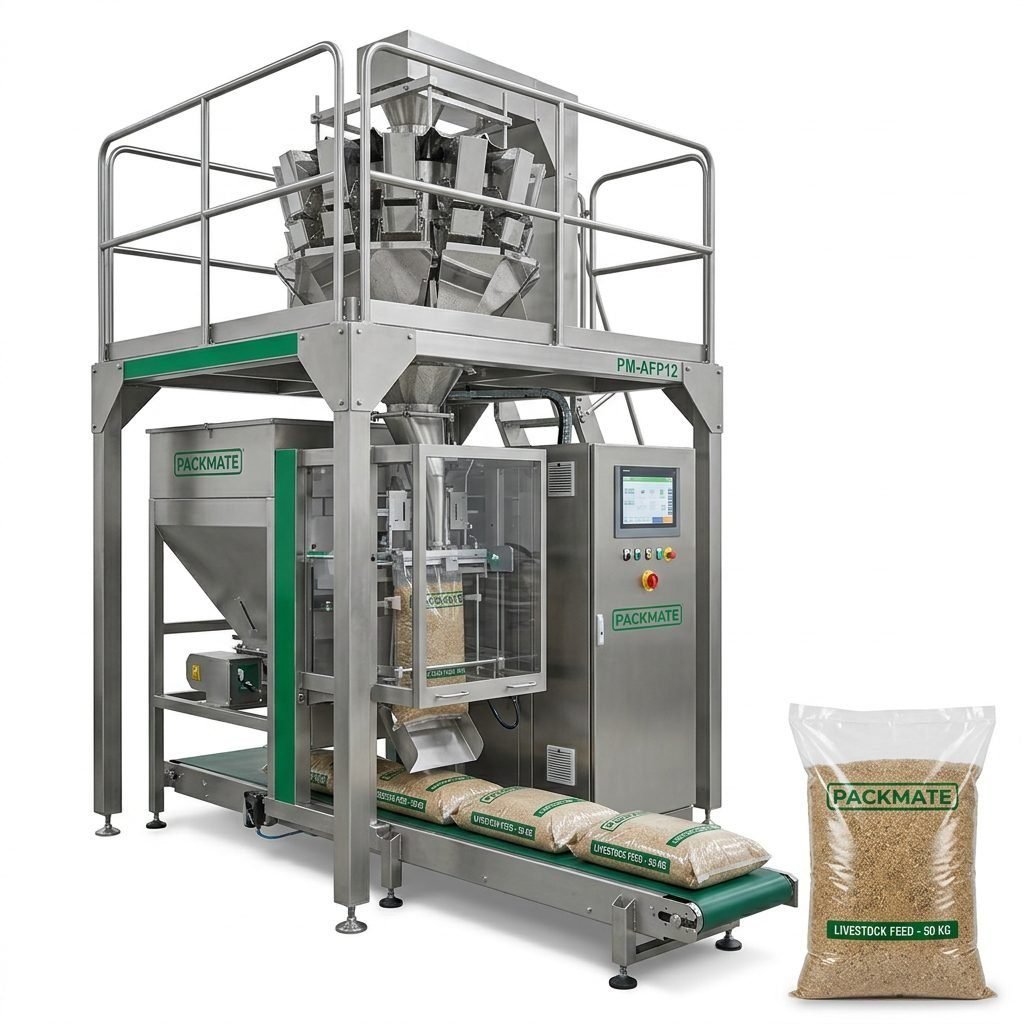
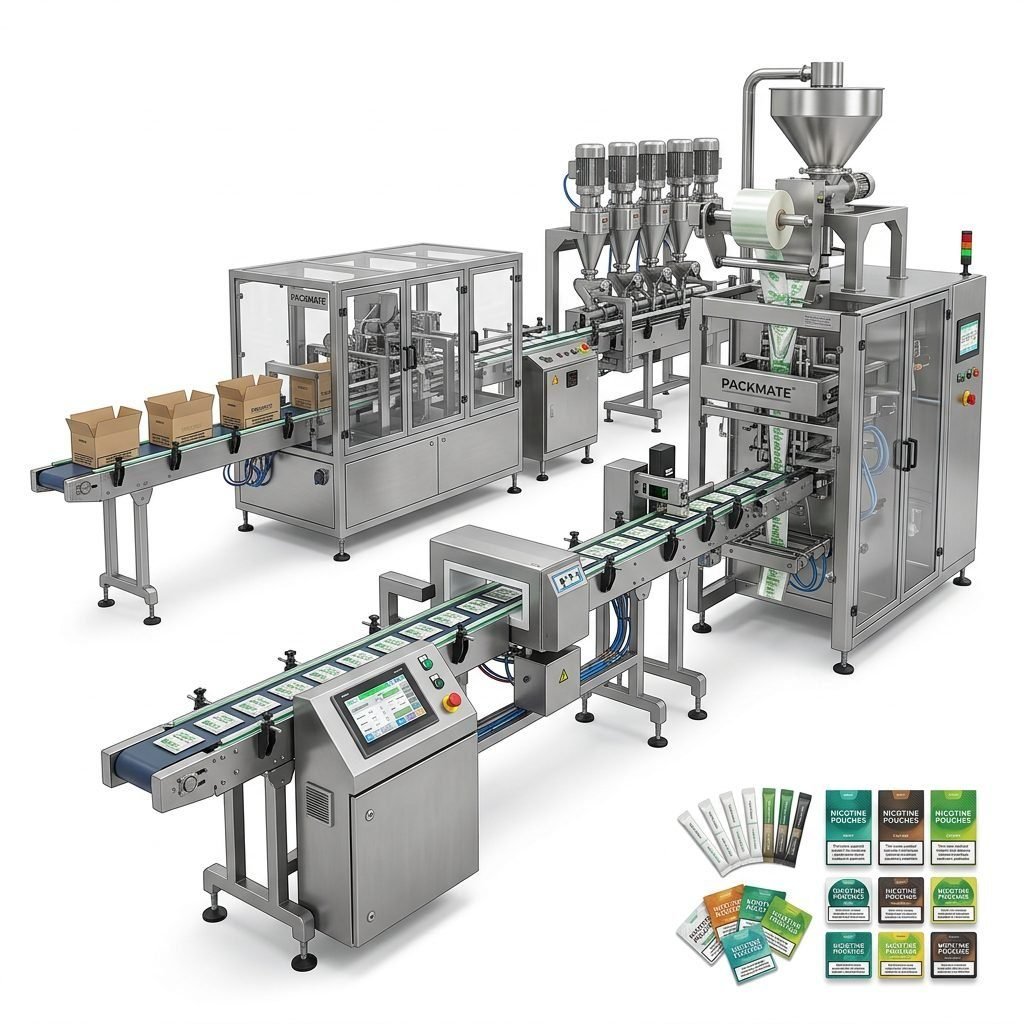
Furthermore, the rising volume of prescriptions, especially for chronic conditions, and the growing demand for unit-dose or blister packaging for improved medication adherence are pushing pharmacies to invest in higher-capacity, faster machines. Labor shortages and the need to optimize pharmacist time for patient consultation rather than manual tasks also contribute significantly to market growth. For comprehensive packaging solutions, companies like Packmate Machinery offer a range of equipment that can be adapted for various pharmaceutical packaging formats.
Technological Innovations Defining the Landscape
The integration of Industry 4.0 technologies is a dominant trend. Modern dispensing pharmacy packaging machines are increasingly equipped with IoT sensors, connectivity features, and data analytics capabilities. This allows for real-time monitoring of machine performance, predictive maintenance to prevent downtime, and seamless integration with Pharmacy Management Systems (PMS) for end-to-end workflow automation.
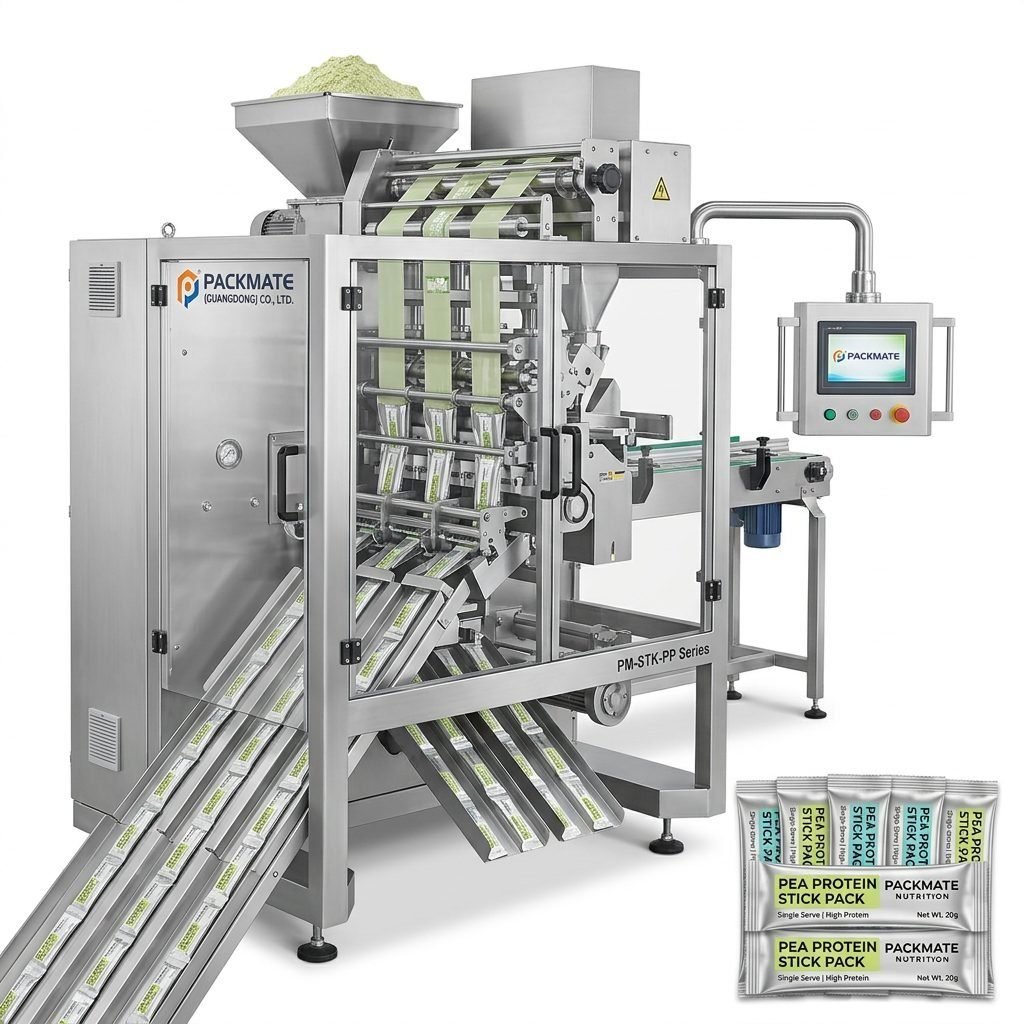
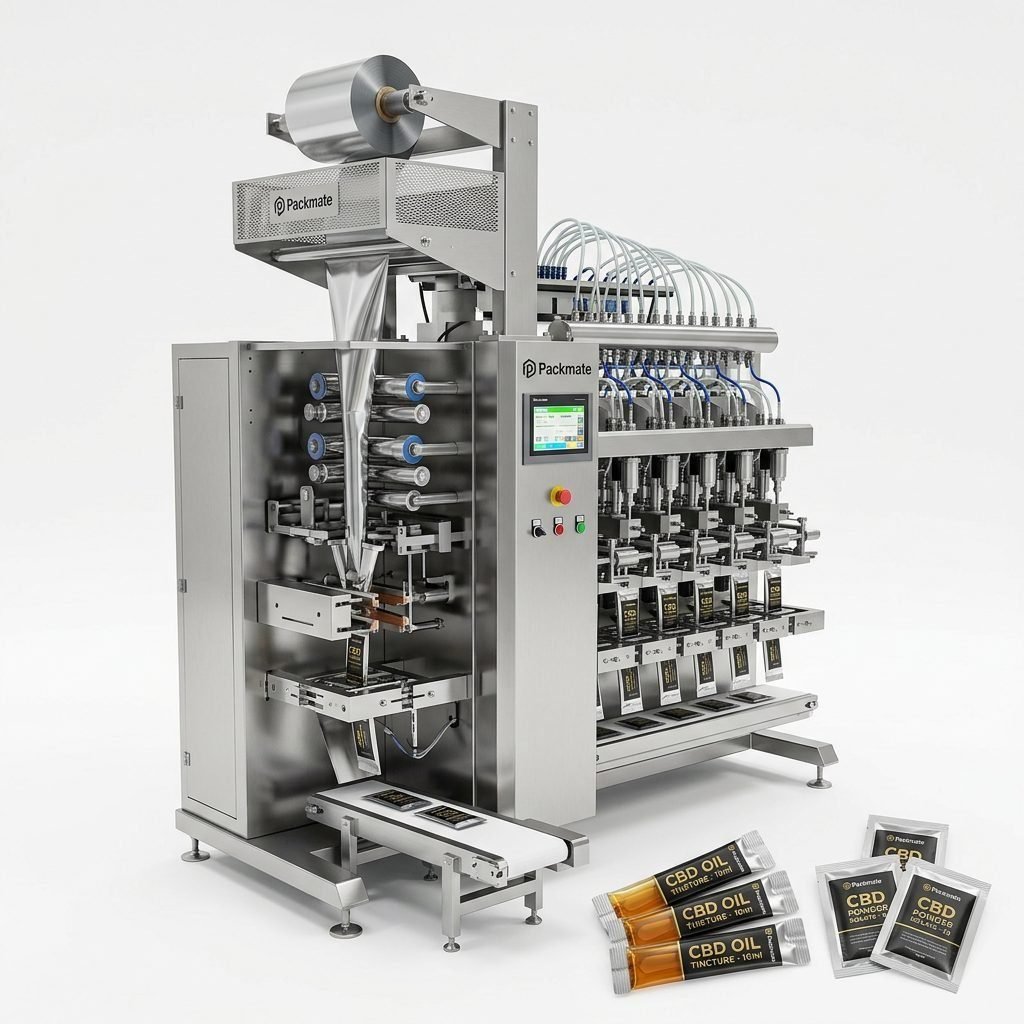
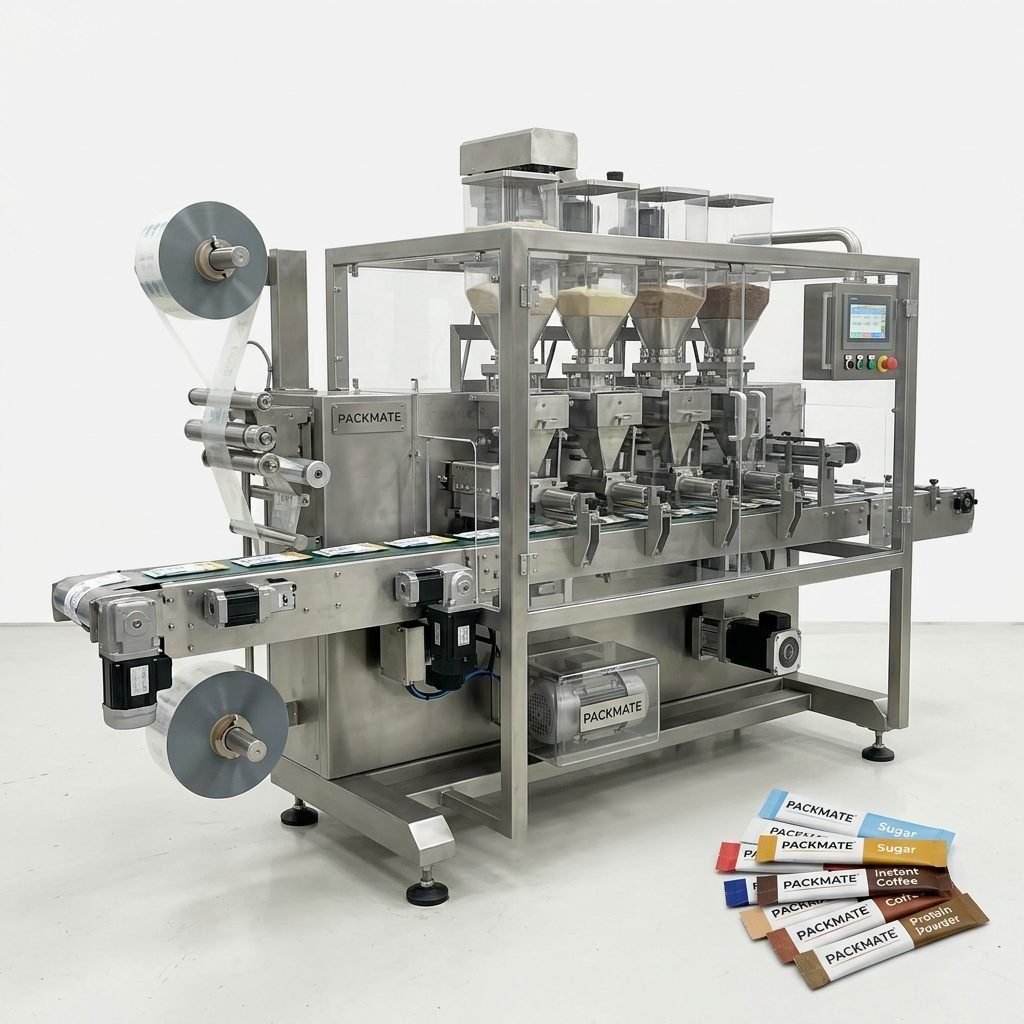
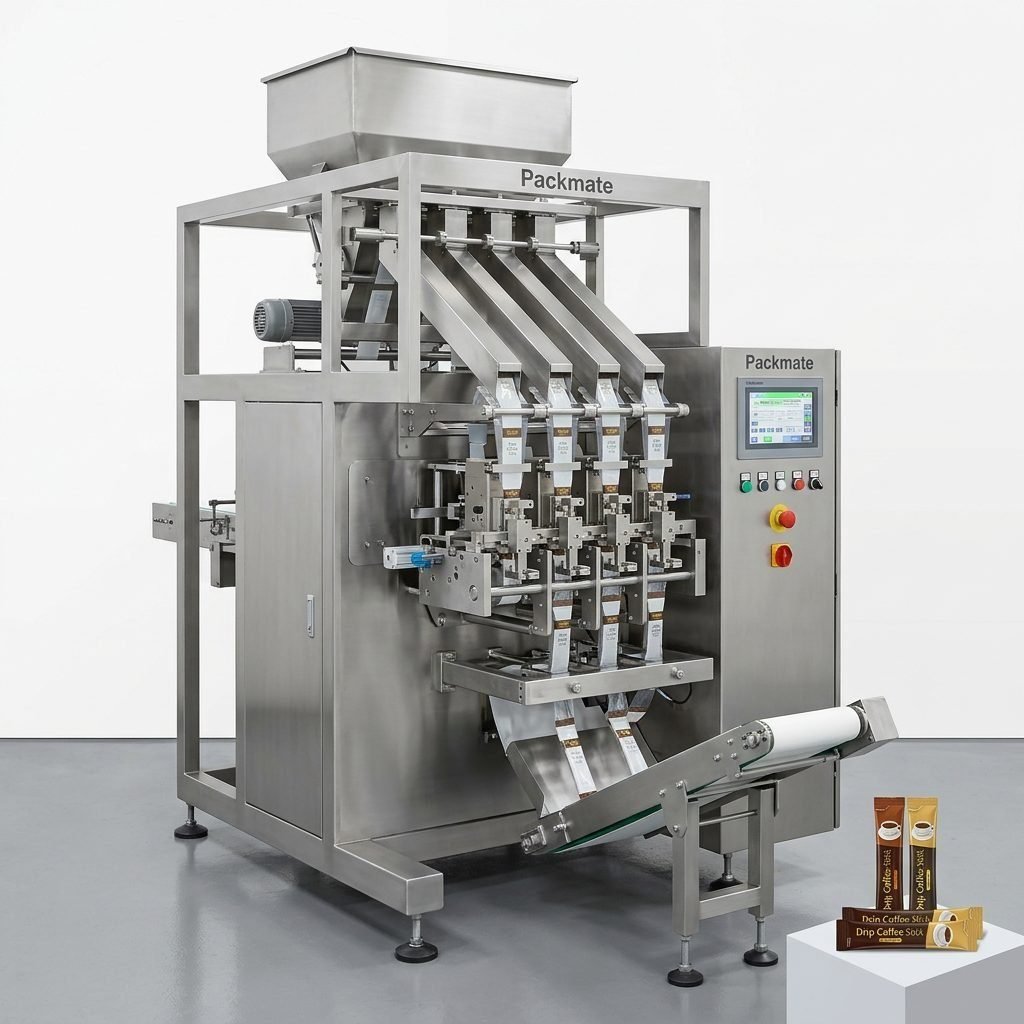
Another critical innovation is the advancement in vision inspection systems. High-resolution cameras and sophisticated software can now verify every single pill or capsule for type, color, and integrity before it is packaged, adding an unparalleled layer of quality control. Flexibility is also key; machines that can quickly switch between different pill sizes, bottle types, or packaging materials (like sachets or stick packs) are in high demand to handle diverse product portfolios. Explore specialized machines for formats like sachets and stick packs which are gaining traction for unit-dose pharmaceuticals and supplements.
Regulatory Compliance and Serialization
Global regulatory pressures, particularly track-and-trace mandates like the U.S. Drug Supply Chain Security Act (DSCSA) and the EU Falsified Medicines Directive (FMD), have made serialization a non-negotiable feature. Modern pharmacy packaging machines must be capable of printing and verifying unique serial numbers, barcodes (like DataMatrix), and anti-tampering features on every package. This ensures supply chain integrity and helps combat counterfeit drugs, a major concern worldwide.
Compliance extends to materials as well. Machines must handle pharmaceutical-grade packaging films and materials that ensure product stability and shelf life. The need for machines that can support compliance without sacrificing speed or efficiency is a constant challenge for manufacturers and a critical consideration for pharmacy purchasers.
The Shift Towards Patient-Centric Packaging
Beyond mere containment, packaging is evolving to improve the patient experience. There is a growing trend towards smart packaging that incorporates features like NFC tags or QR codes. Patients can scan these codes with their smartphones to access dosage instructions, video tutorials, refill reminders, or link to patient support programs, thereby improving adherence and health outcomes.
Elderly-friendly and accessibility-focused designs are also gaining importance. Packaging that is easy to open, has clear, large-print labeling, and includes audible instructions for the visually impaired represents a significant area of development. This patient-centric approach not only fulfills a social need but also differentiates pharmacy services in a competitive market.
Market Segmentation and Regional Insights
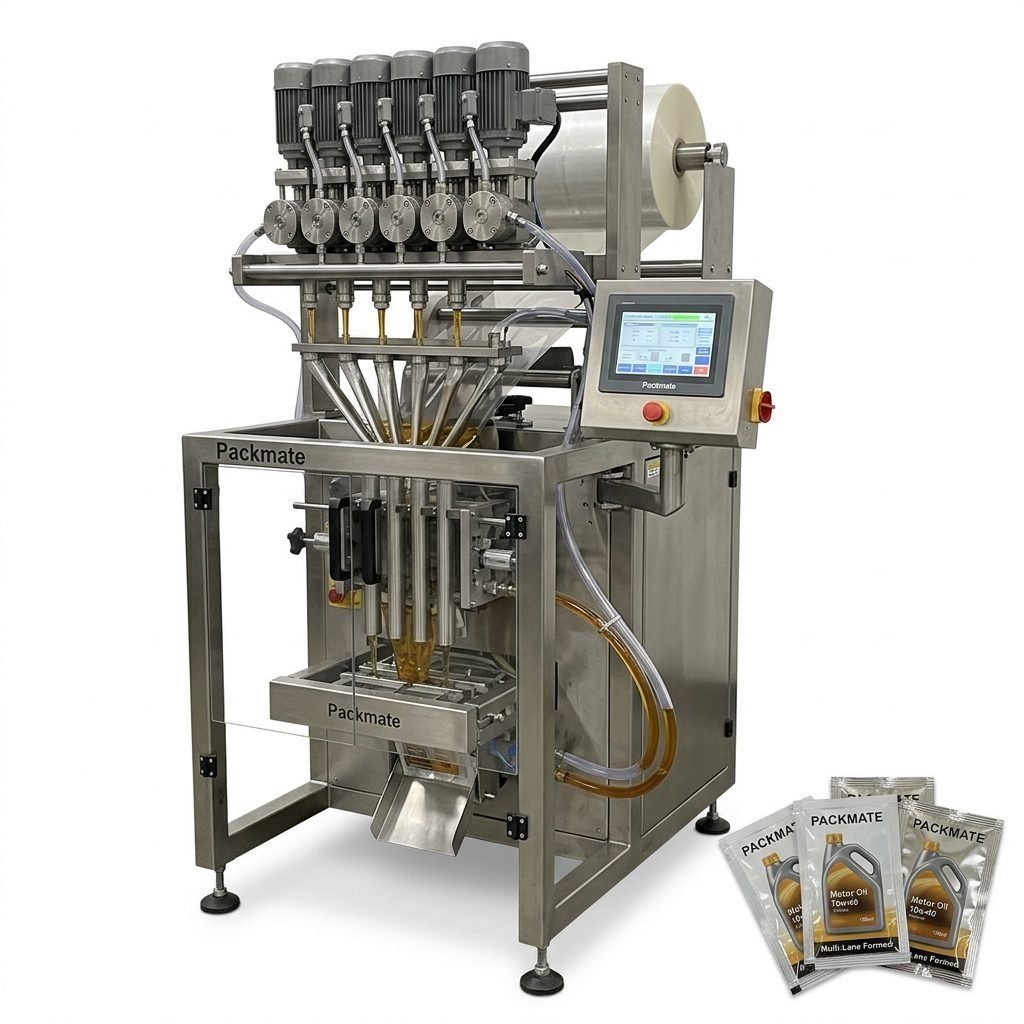
The market can be segmented by product type (tablet counters, liquid fillers, blister packaging machines, pouch machines), by end-user (hospital pharmacies, retail pharmacies, online pharmacies), and by automation level (semi-automatic, fully automatic). Fully automatic, high-speed lines are increasingly adopted by central fill pharmacies that service multiple retail locations or manage mail-order prescriptions.
Regionally, North America and Europe are established leaders due to strict regulations and high healthcare spending. However, the Asia-Pacific region is witnessing the fastest growth, fueled by expanding healthcare infrastructure, rising medical tourism, and government initiatives to modernize pharmaceutical distribution. In manufacturing hubs like China, companies with deep expertise, such as those detailed in the Packmate company profile, are pivotal in supplying both domestic and international markets with reliable equipment.
Challenges and Future Outlook
Despite the positive outlook, the market faces hurdles. The high initial capital investment for advanced machinery can be a barrier for small independent pharmacies. Additionally, the complexity of integrating new machines with legacy IT systems and training staff on new technologies requires careful planning and resources.
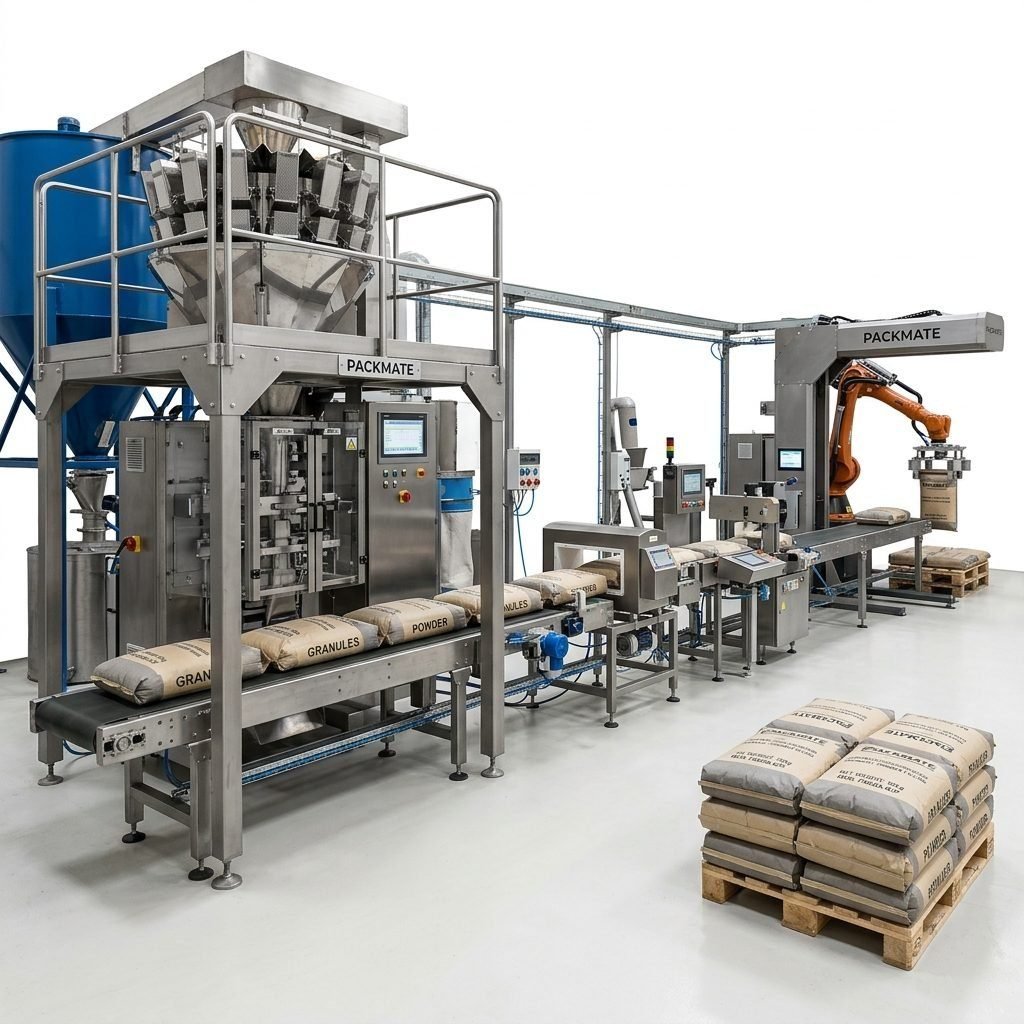
Looking ahead, the future of dispensing pharmacy packaging is inextricably linked to personalized medicine and on-demand compounding. We can expect to see machines that are more modular and adaptable, capable of packaging custom medication combinations or specific dosages tailored to individual genetic profiles. Sustainability will also play a larger role, with a push towards machines that can efficiently use recyclable or biodegradable packaging materials without compromising sterility or product protection. For pharmacies looking to build complete, efficient lines, exploring integrated filling and packaging lines is a strategic move.
Frequently Asked Questions (FAQs)
1. What are the main benefits of automating pharmacy packaging?
Automation primarily enhances accuracy, speed, and compliance. It drastically reduces medication errors, increases dispensing throughput to handle higher prescription volumes, and ensures packaging meets strict regulatory standards for serialization and tracking. It also frees up pharmacist time for more valuable patient-care activities.
2. How do modern packaging machines help with regulatory compliance?
They are built with integrated software and hardware for serialization. This includes high-resolution printers for unique codes, vision systems to verify those codes, and software that logs all data for aggregation and reporting, ensuring full traceability as required by laws like the DSCSA and FMD.
3. Can automated packaging machines handle different types of medications and packages?
Yes, flexibility is a key design focus. Many advanced machines feature quick-change parts and programmable settings to switch between different solid oral doses (tablets, capsules), package them into various containers (bottles, blister cards, sachets), and adapt to different package sizes with minimal downtime.
4. Is the investment in an automated packaging system justified for a small community pharmacy?
While the initial cost is a factor, the return on investment (ROI) can be compelling. Benefits include reduced labor costs per prescription, minimized costly dispensing errors, the ability to offer new services like compliance packaging, and improved operational efficiency that can allow the pharmacy to serve more patients effectively.
5. What should a pharmacy look for when choosing a packaging machine supplier?
Key criteria include: machine reliability and uptime, compliance capabilities, after-sales service and technical support, scalability of the solution, and the supplier’s industry reputation. It’s crucial to choose a partner with proven experience in pharmaceutical packaging, such as established manufacturers with a global service network.