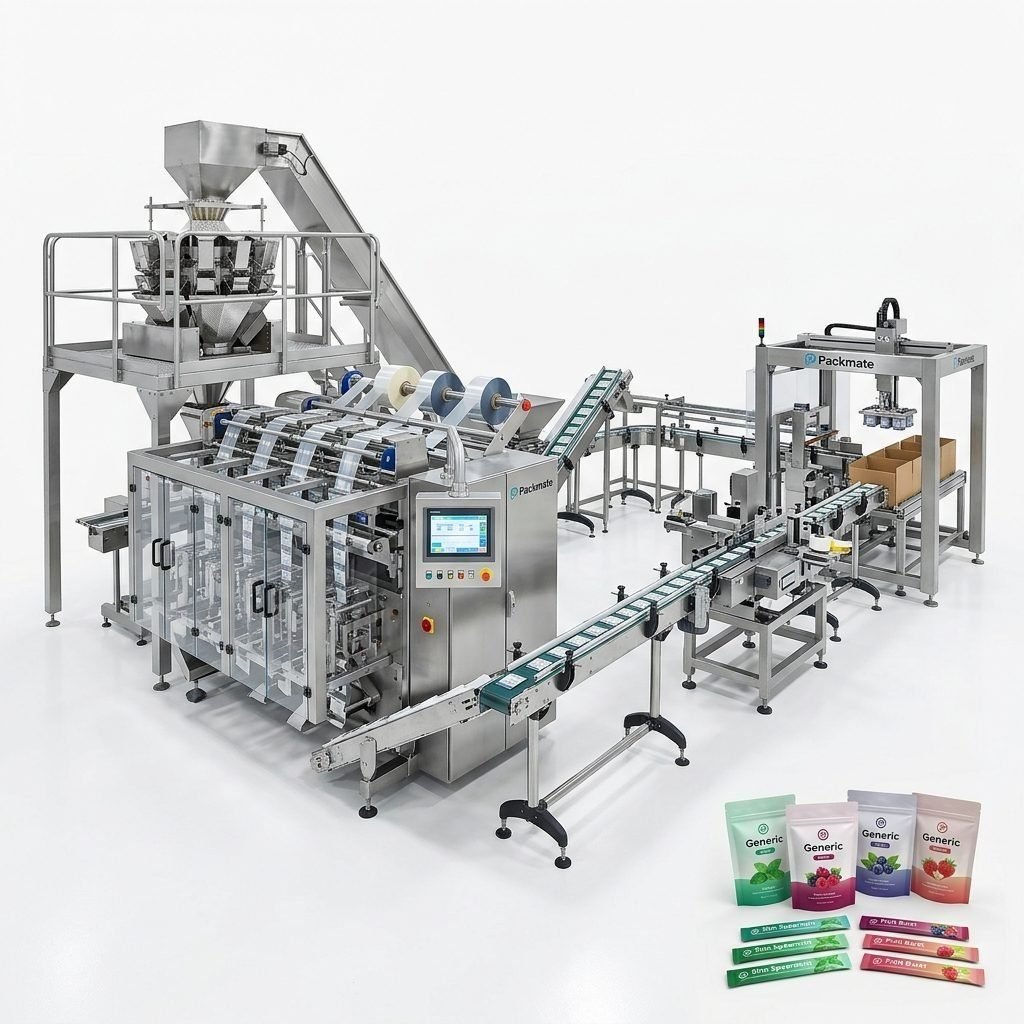
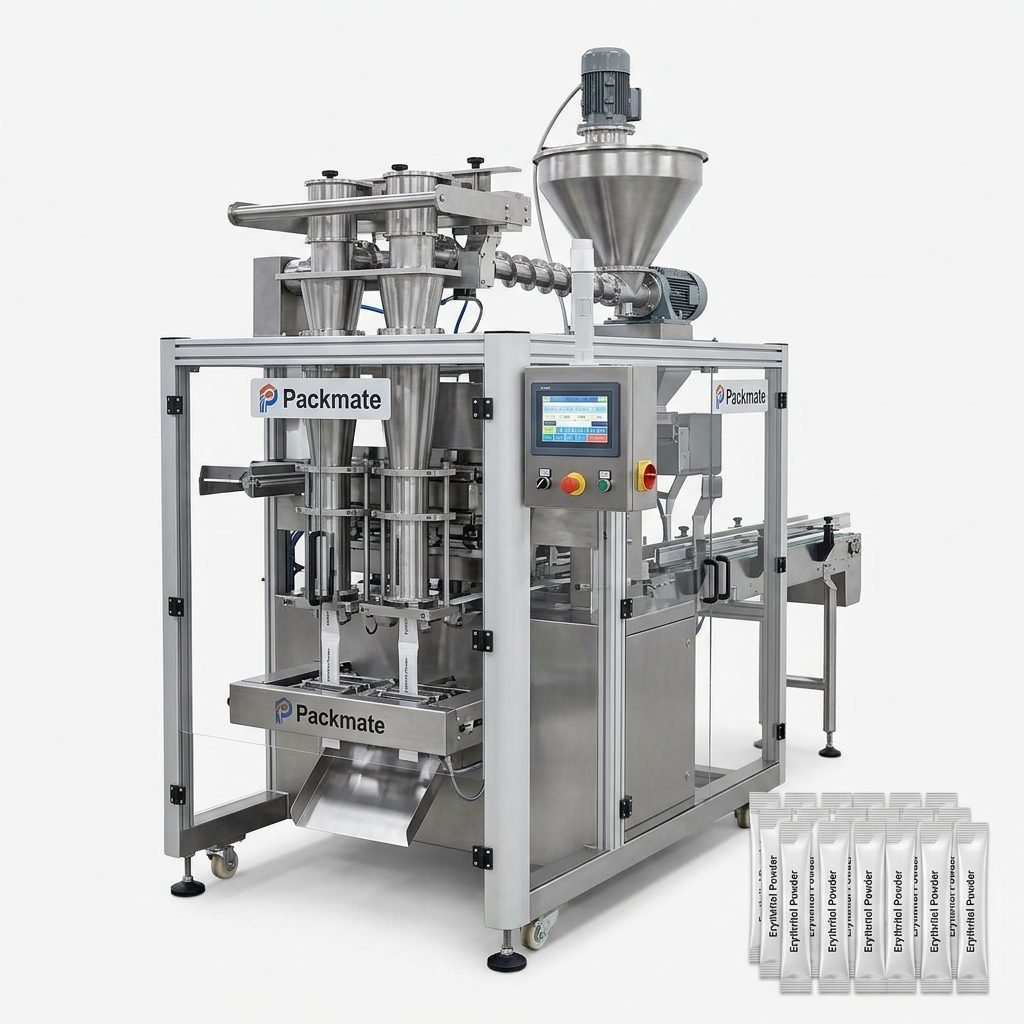
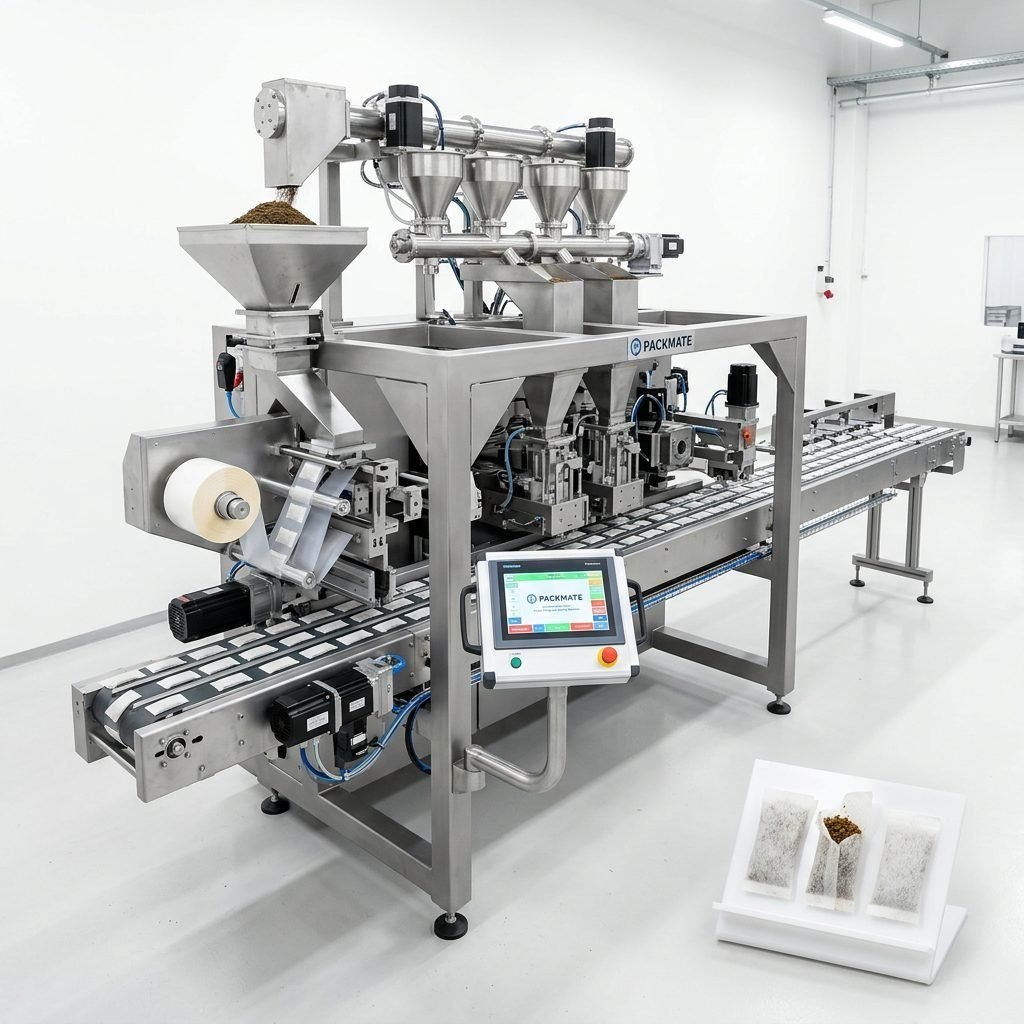
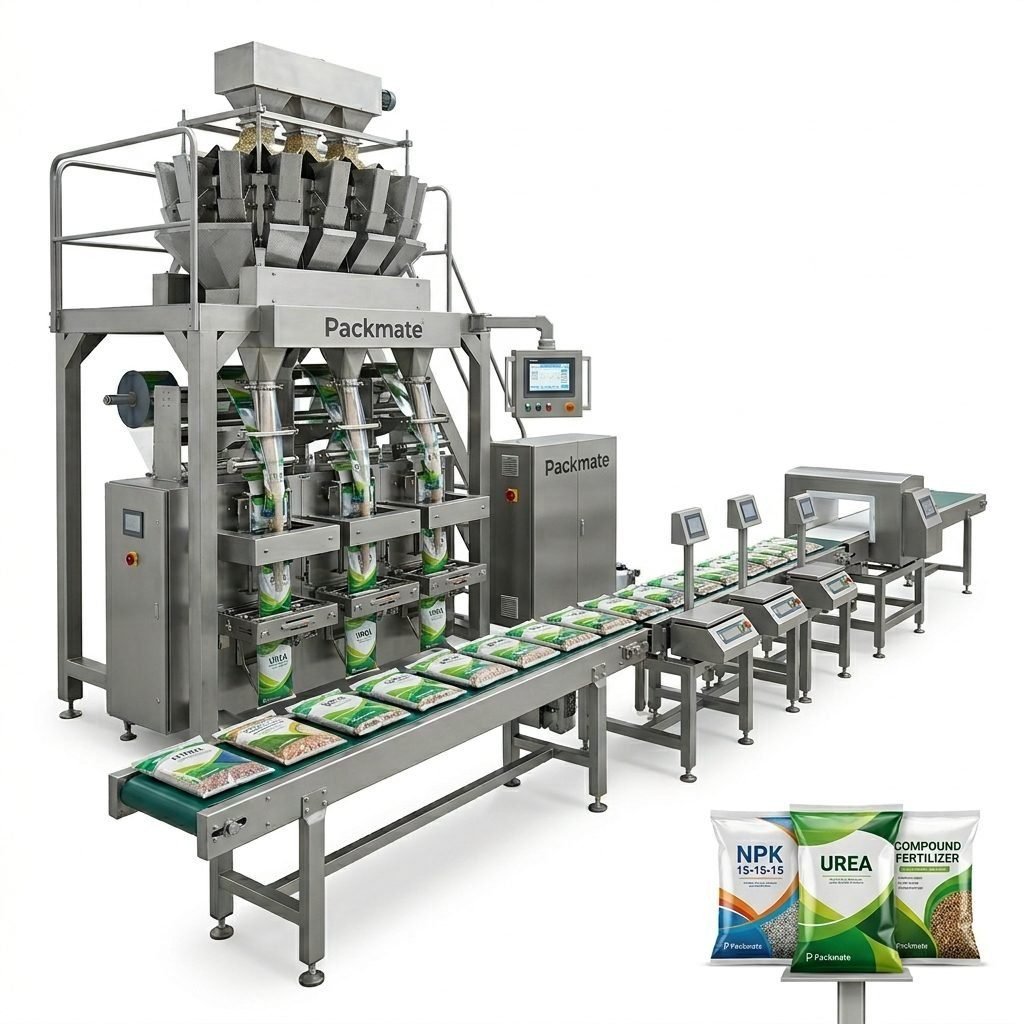
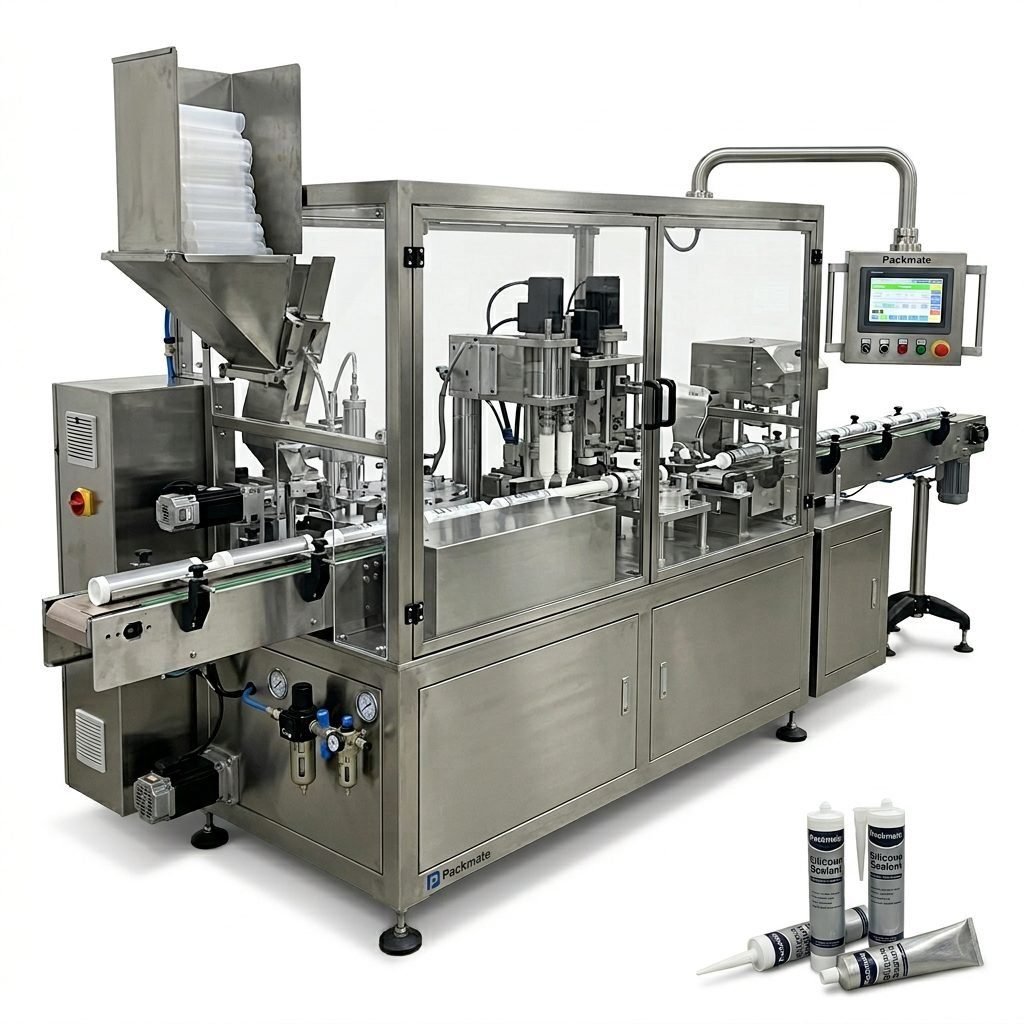
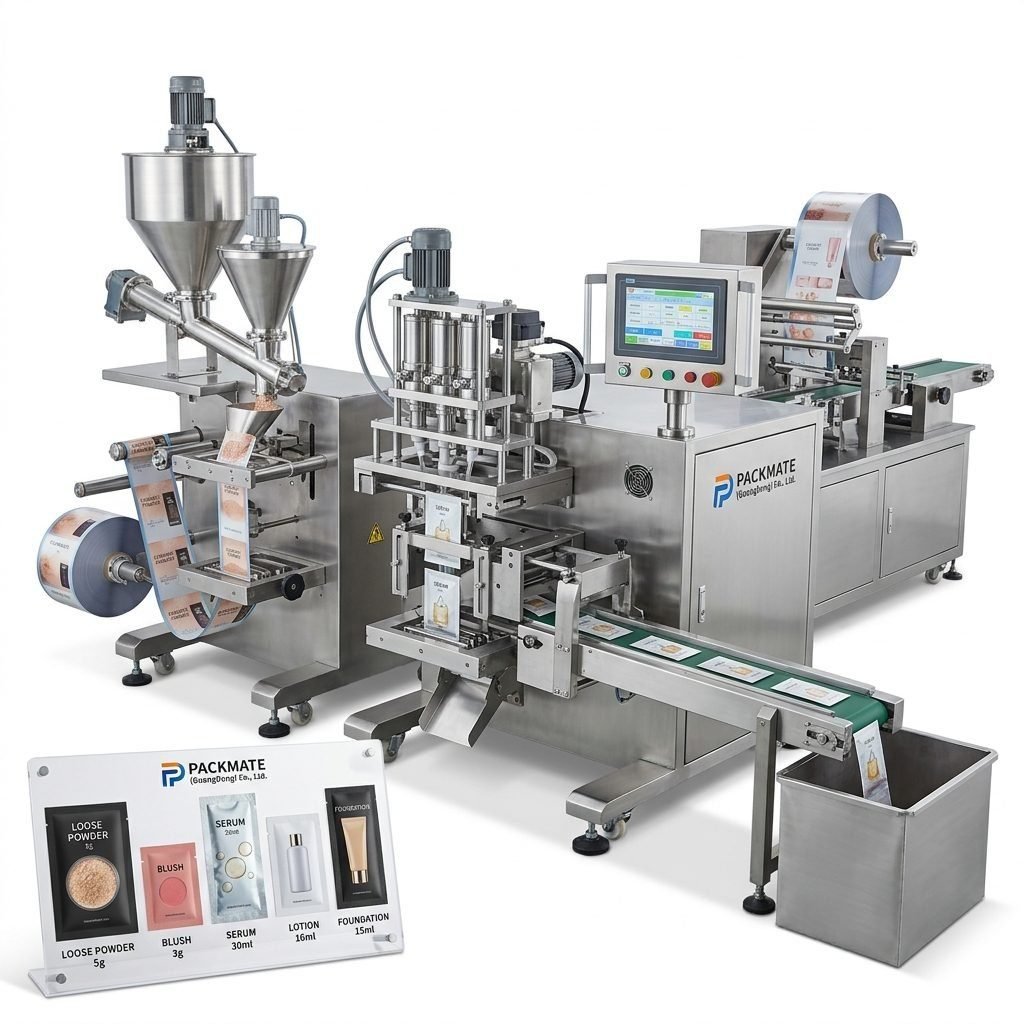
In the fast-paced world of manufacturing, efficiency and reliability are paramount. For businesses packaging products like powders, granules, liquids, or small solids, the monoblock packaging machine stands as a cornerstone of modern production lines. This integrated system combines multiple packaging functions—such as forming, filling, and sealing—into a single, cohesive unit. This guide will delve into the different types of monoblock machines, their significant benefits, and provide a clear framework for selecting the right equipment for your specific needs, ensuring your operation stays competitive and efficient.
What is a Monoblock Packaging Machine?
A monoblock packaging machine is an all-in-one automated system designed to perform the complete packaging process from start to finish on a single chassis. Unlike modular lines where separate machines are linked together, a monoblock integrates functions like bag forming, precise product dosing, gas flushing (for modified atmosphere packaging), and sealing into a streamlined workflow. This design is particularly prevalent in industries requiring high hygiene standards and rapid production speeds, such as food, pharmaceuticals, and consumer goods. The core advantage lies in its compact footprint and synchronized operation, which minimizes product transfer points, reduces the risk of contamination, and simplifies operation and maintenance.
Core Components and Workflow
The typical workflow of a monoblock machine is a marvel of coordinated engineering. It begins with a roll of packaging film, which is drawn into the machine and formed into bags or pouches. The product is then accurately measured and filled into these pre-formed packages. Subsequent steps can include nitrogen or other gas flushing to extend shelf life, followed by immediate sealing. Finally, the finished packages are cut and discharged, ready for secondary packaging or distribution. This seamless, continuous process is controlled by a centralized programmable logic controller (PLC), ensuring precision and repeatability for every single unit produced.
Primary Types of Monoblock Packaging Machines
Monoblock machines are not one-size-fits-all; they are engineered to handle different product forms and packaging styles. Understanding the main categories is the first step in making an informed choice.
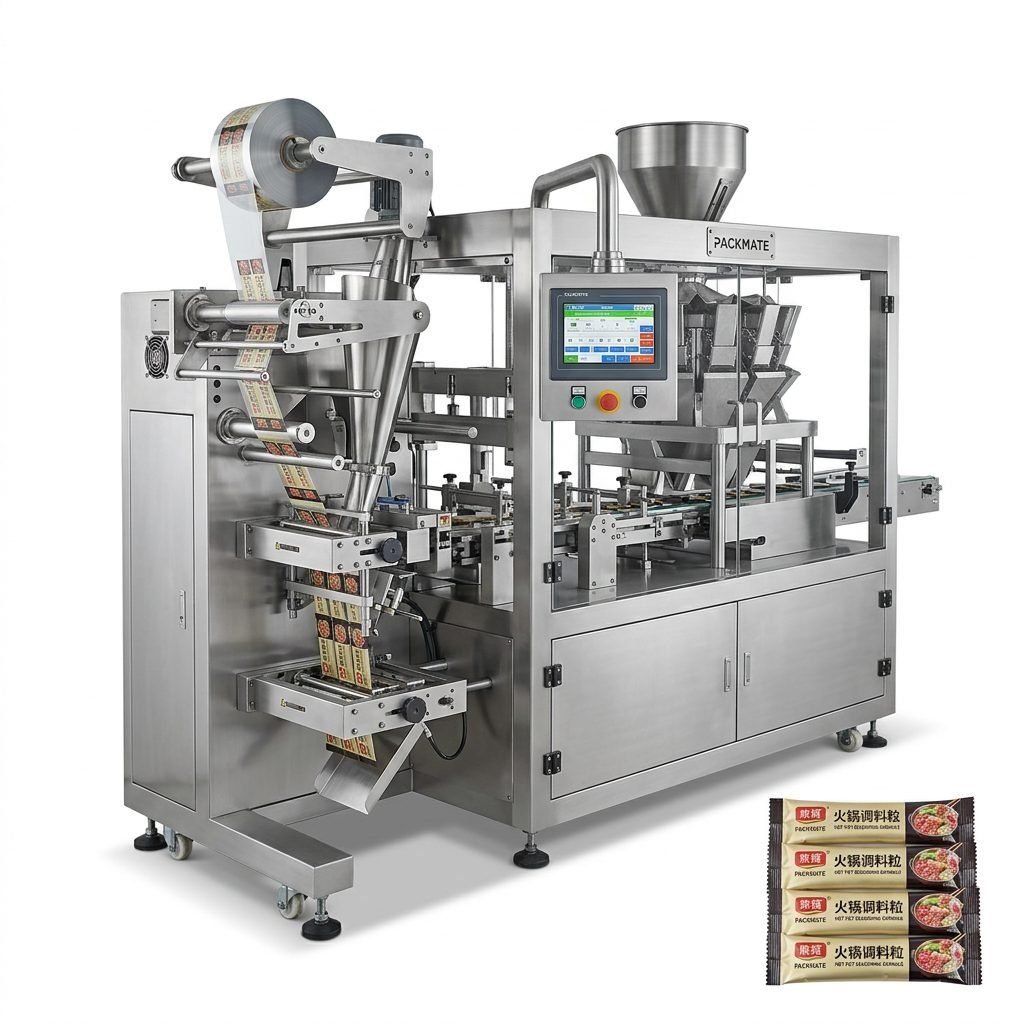
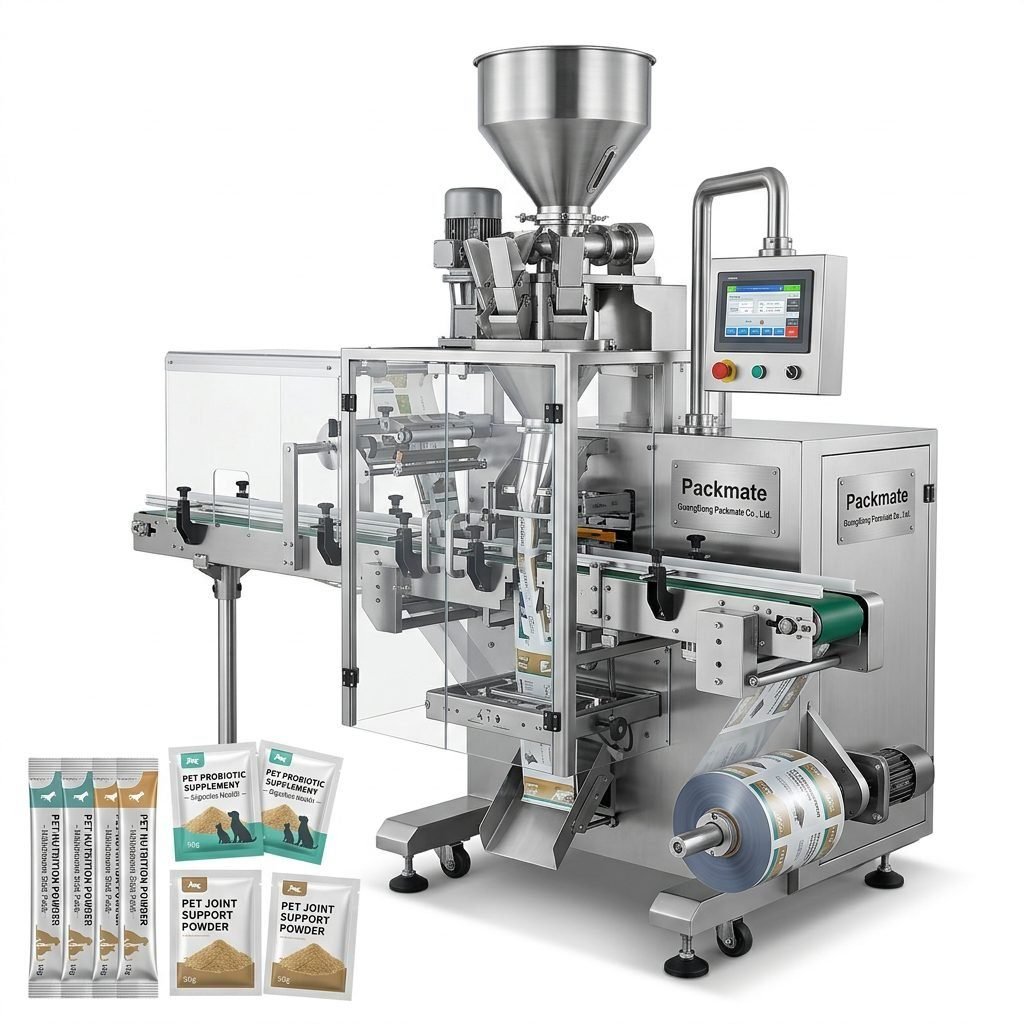
Vertical Form-Fill-Seal (VFFS) Monoblocks
This is the most common type, ideal for free-flowing products like snacks, coffee, powdered milk, and hardware items. The film moves vertically, forming a tube that is sealed at the bottom, filled with product, and then sealed at the top before being cut. VFFS monoblocks are renowned for their high speed, flexibility in bag size, and relatively lower cost per package. They are the workhorses of the food packaging industry.
Horizontal Form-Fill-Seal (HFFS) Monoblocks
Where presentation is key, HFFS monoblocks excel. They are typically used for biscuits, chocolate bars, medical devices, and portion-control items. The film travels horizontally, and the product is placed onto the lower web before the top web is sealed over it. This method allows for more complex, tray-like packaging and superior graphic presentation on both sides of the package. For businesses looking for robust bag and pouch packaging solutions, both VFFS and HFFS technologies offer distinct advantages.
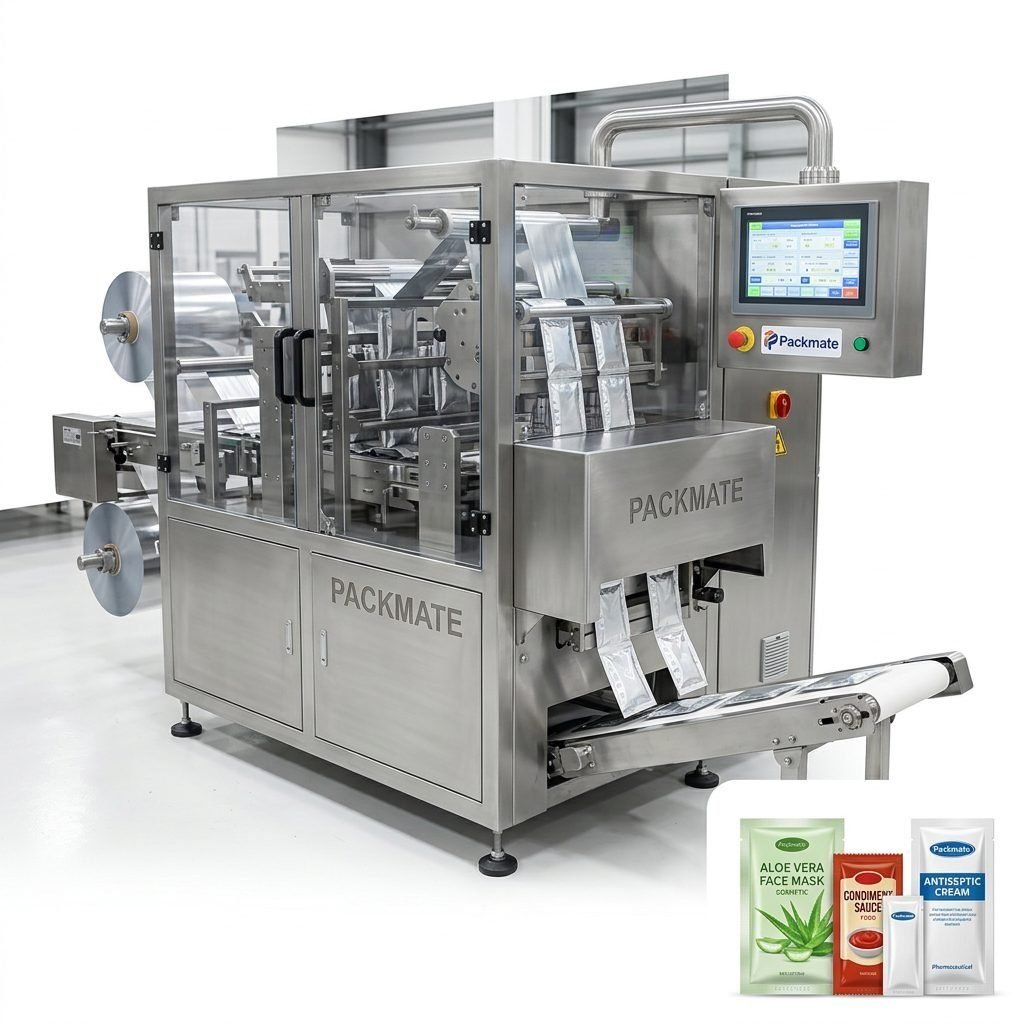
Liquid & Pouch Filling Monoblocks
Specifically designed for liquids, creams, gels, and pastes (such as sauces, shampoos, or condiments), these machines incorporate specialized filling systems like piston pumps or auger fillers to handle viscous products without drips or spills. They often include features for handling spouts or zippers, creating stand-up pouches that are popular in retail. The integration of filling and sealing in one unit is crucial for maintaining product integrity and hygiene.
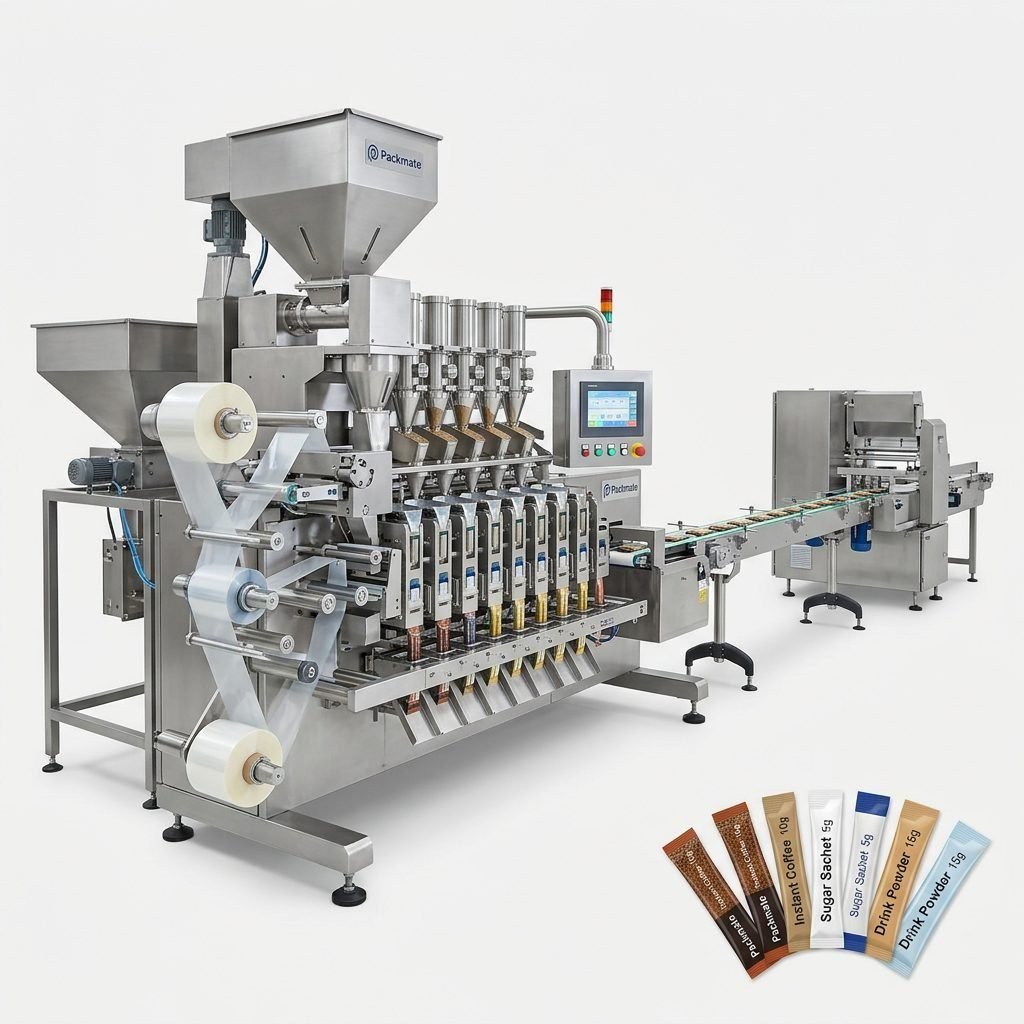
Stick Pack and Sachet Monoblocks
For single-serve portions of powders (coffee, sugar, supplements), liquids (shots, syrup), or granules, stick pack and sachet machines are indispensable. These compact, high-speed monoblocks produce slender stick packs or small rectangular sachets. They are perfect for industries like food service, pharmaceuticals, and cosmetics, offering portion control and convenience. Manufacturers like Packmate Machinery have developed extensive expertise in multi-lane versions of these machines, dramatically boosting output for high-volume needs.
Key Benefits of Investing in a Monoblock System
The decision to implement a monoblock packaging line brings a multitude of operational and financial advantages that can transform a production facility.
1. Maximized Space Efficiency & Footprint
By consolidating multiple machines into one, a monoblock occupies significantly less factory floor space than an equivalent modular line. This frees up valuable real estate for other operations, storage, or future expansion, making it an ideal solution for facilities with space constraints.
2. Enhanced Hygiene and Reduced Contamination Risk
The integrated design minimizes the number of open transfer points where product is exposed to the environment. This closed-system approach is critical for industries with strict hygiene protocols, such as food and pharmaceuticals, as it lowers the risk of microbial or particulate contamination.
3. Higher Operational Efficiency and Simplicity
With one machine to set up, run, and maintain instead of three or four, operational complexity plummets. Changeovers between products or package sizes are faster, training for operators is simpler, and overall equipment effectiveness (OEE) tends to be higher due to fewer synchronization issues between separate units.
4. Improved Production Speed and Output
Monoblocks are engineered for synchronization. The direct transfer of product between stages within the same machine allows for optimized cycle times and higher production speeds. This leads to greater output from a smaller footprint, directly boosting your bottom line.
5. Lower Long-Term Maintenance Costs
While the initial investment might be comparable to a modular line, a monoblock typically has fewer motors, conveyors, and sensors to maintain. Having a single point for technical service and spare parts from one supplier, like Packmate’s dedicated service team, can simplify support and reduce long-term maintenance expenses.
How to Choose the Right Monoblock Machine: A Step-by-Step Guide
Selecting the perfect monoblock requires a careful analysis of your product, production goals, and operational environment. Rushing this decision can lead to underperformance or costly mismatches.
Step 1: Define Your Product Characteristics
This is the most critical factor. Analyze your product’s physical state (powder, granule, liquid, solid), its flowability, abrasiveness, and any special handling requirements (hygroscopic, fragile). The product dictates the type of filling system (auger, volumetric cup, piston pump, scale) and the film material compatibility needed. For example, oily snacks may require different sealing parameters than dry cereal.
Step 2: Determine Your Production Requirements
Be realistic about your needs. Calculate your required output speed in packages per minute (PPM) and consider future growth. Assess the range of bag sizes and types (pillow bag, gusseted, stand-up pouch) you need to produce. Also, factor in the frequency of product changeovers; if you run many short batches, a machine with quick-change features is essential. Exploring a manufacturer’s full range of packing machine options can reveal models tailored to specific throughputs.
Step 3: Evaluate Machine Features and Build Quality
Look beyond the brochure. Inspect the quality of materials (stainless steel grades), the robustness of the frame, and the reputation of key components (servo motors, PLCs, seals). A machine built with durability in mind, like those from established manufacturers with decades of experience, will have less downtime and a longer lifespan. Consider essential features: is automatic film splicing needed? What level of operator interface (HMI) is provided?
Step 4: Consider Hygiene and Safety Compliance
Your industry standards are non-negotiable. Ensure the machine design facilitates easy cleaning, with rounded corners, minimal ledges, and CIP (Clean-in-Place) capabilities if required. Verify that the machine meets relevant safety standards (e.g., CE, UL) and has adequate guarding and safety interlocks to protect operators.
Step 5: Assess Supplier Support and Service
The machine is only as good as the company behind it. Choose a supplier with a proven track record, strong technical support, and readily available spare parts. Ask about installation, training, warranty, and the availability of service contracts. A reliable partner ensures your investment is protected and your production runs smoothly for years to come.
Frequently Asked Questions (FAQs)
Q1: What is the main difference between a monoblock and a modular packaging line?
A: A monoblock integrates forming, filling, and sealing functions into a single machine on one frame. A modular line uses separate, distinct machines (a form-fill-seal machine, a scale, a cartoner) linked by conveyors. Monoblocks offer a smaller footprint and simpler operation, while modular lines provide extreme flexibility to swap or upgrade individual components.
Q2: Can a monoblock machine handle different package sizes?
A: Yes, most modern monoblocks are designed with changeover capabilities. However, the ease and speed of changeover vary. Look for machines with tool-less changeover features or quick-change parts if you frequently switch between bag sizes or products, as this minimizes downtime.
Q3: Are monoblock machines suitable for small businesses or startups?
A: Absolutely. While they are associated with high-volume production, there are smaller, more affordable monoblock models perfect for small-batch production, pilot plants, or businesses experiencing growth. The efficiency and professional finish they provide can be a significant competitive advantage even at lower scales.
Q4: How important is after-sales service when purchasing a monoblock?
A: It is critically important. Packaging machines are complex and require periodic maintenance and occasional repairs. A supplier with a responsive, knowledgeable service team and a good inventory of spare parts is invaluable. It ensures minimal disruption to your production and protects the long-term value of your capital investment.
Q5: What type of packaging film can be used with a monoblock?
A: Monoblocks are compatible with a wide range of roll-stock films, including laminates of polyethylene (PE), polypropylene (PP), polyester (PET), aluminum foil, and paper. The specific choice depends on your product’s barrier requirements (oxygen, moisture), desired shelf life, and the machine’s sealing capabilities. Your machine supplier can recommend suitable materials.