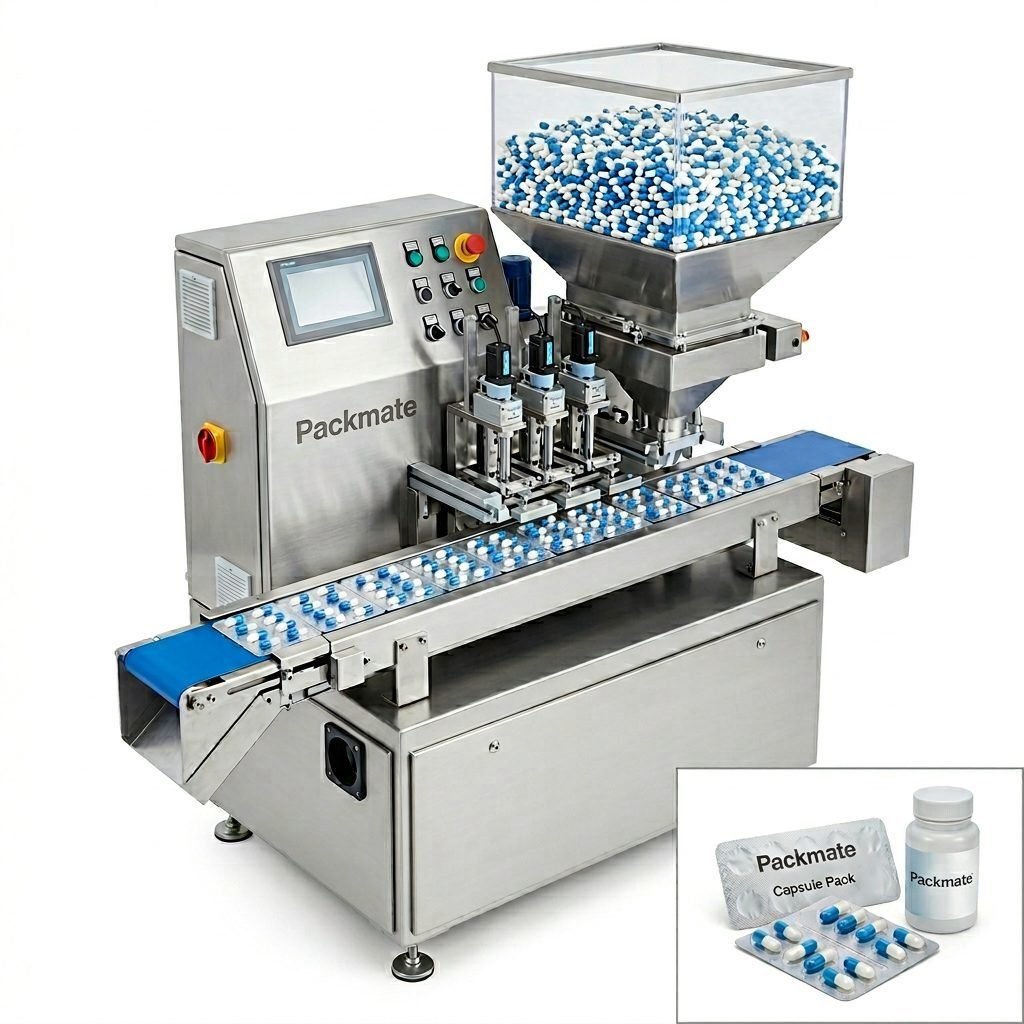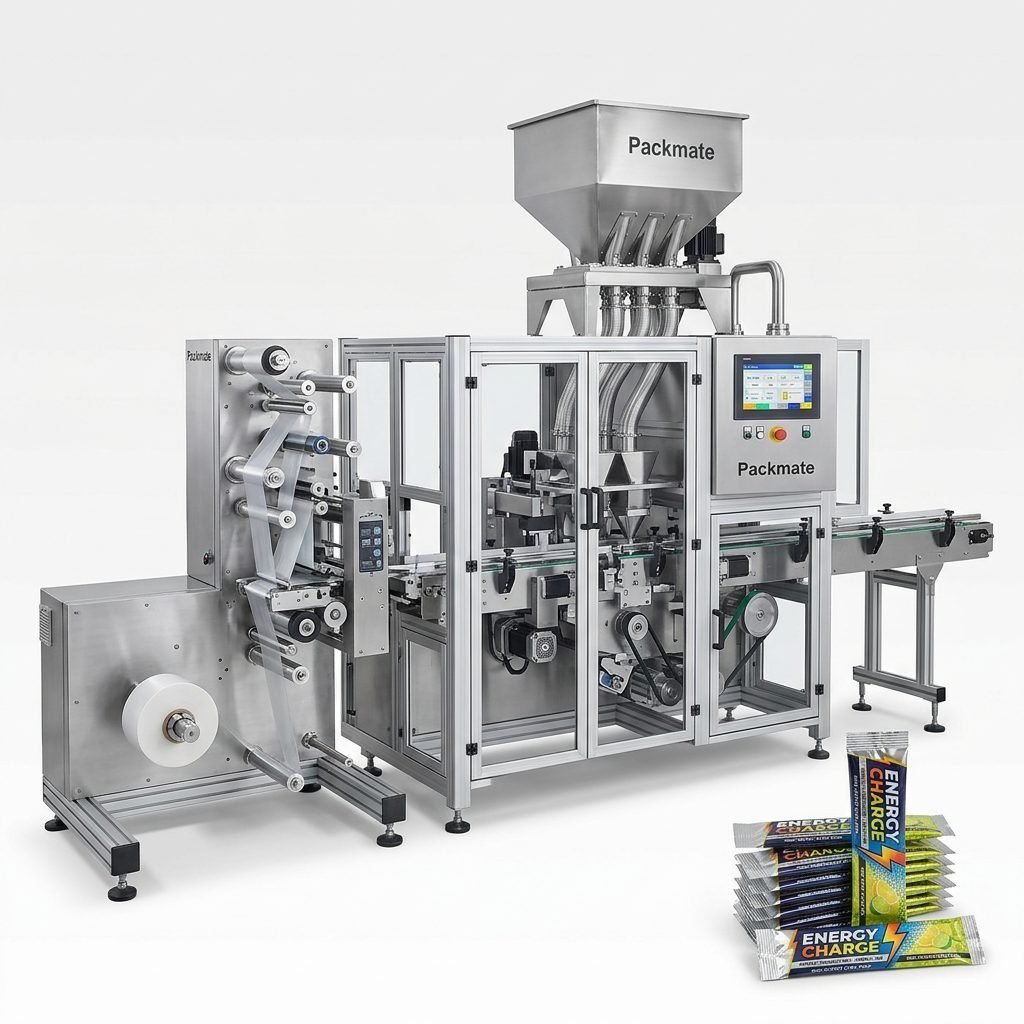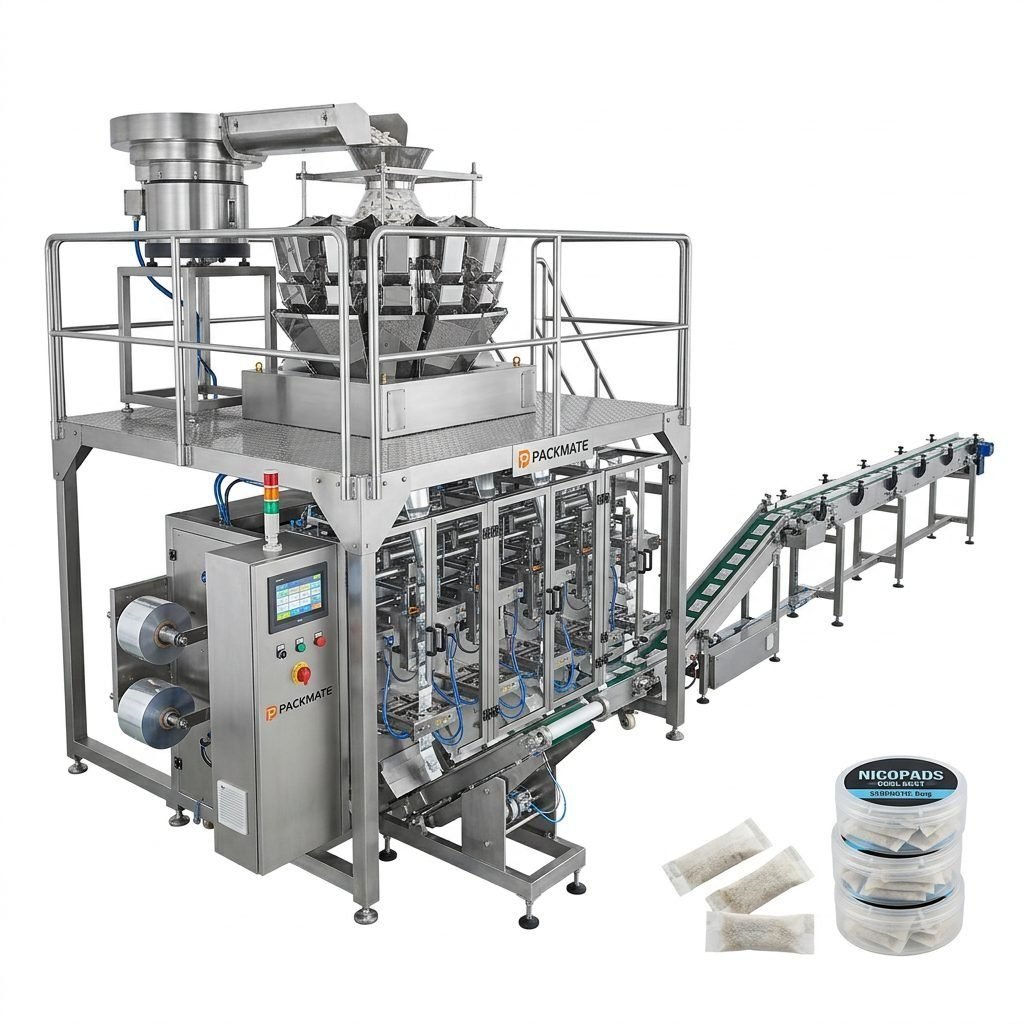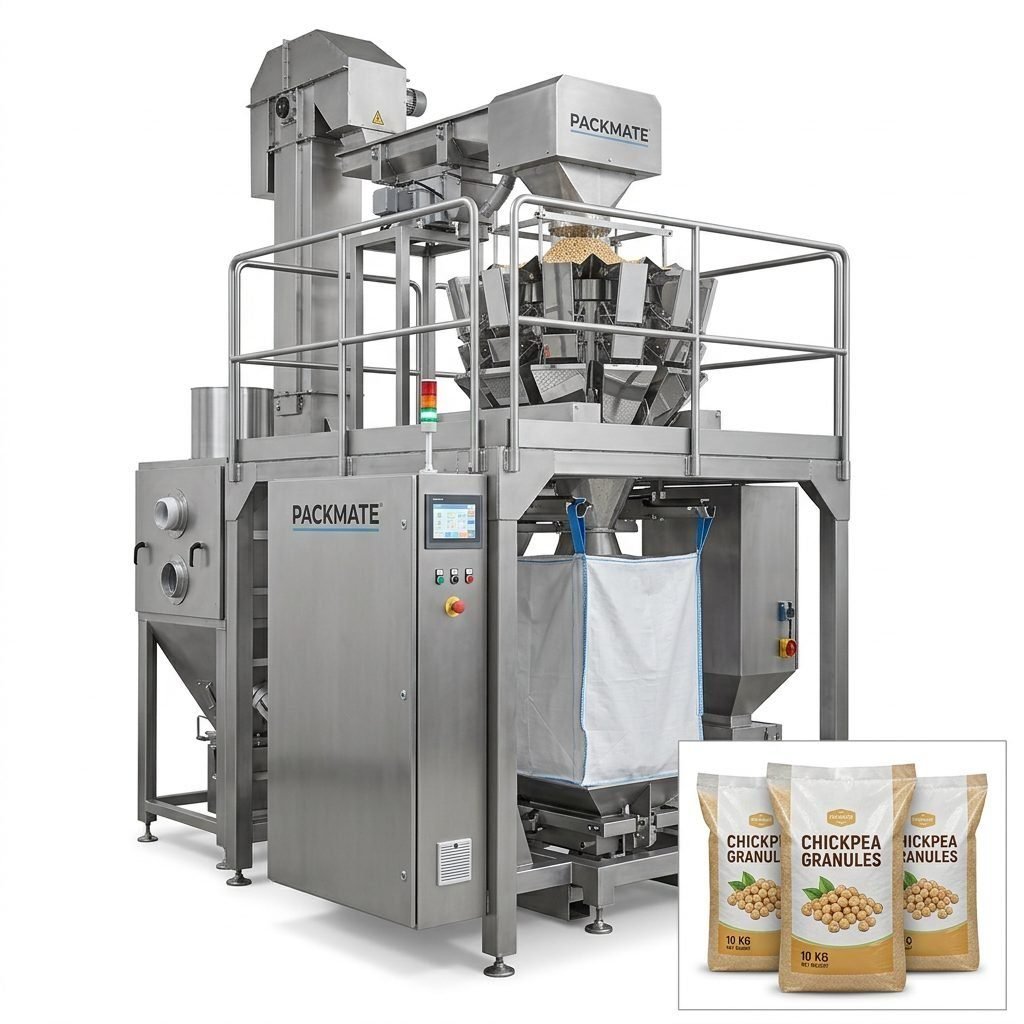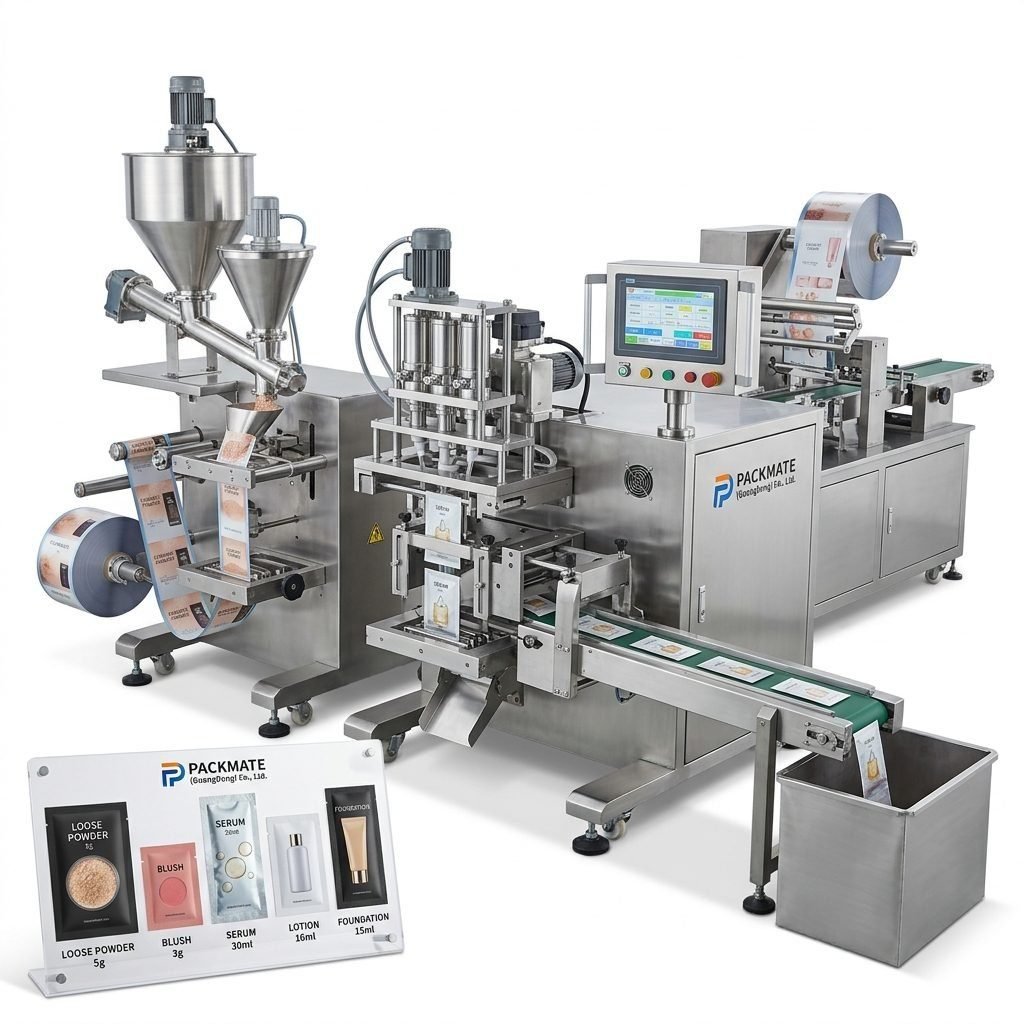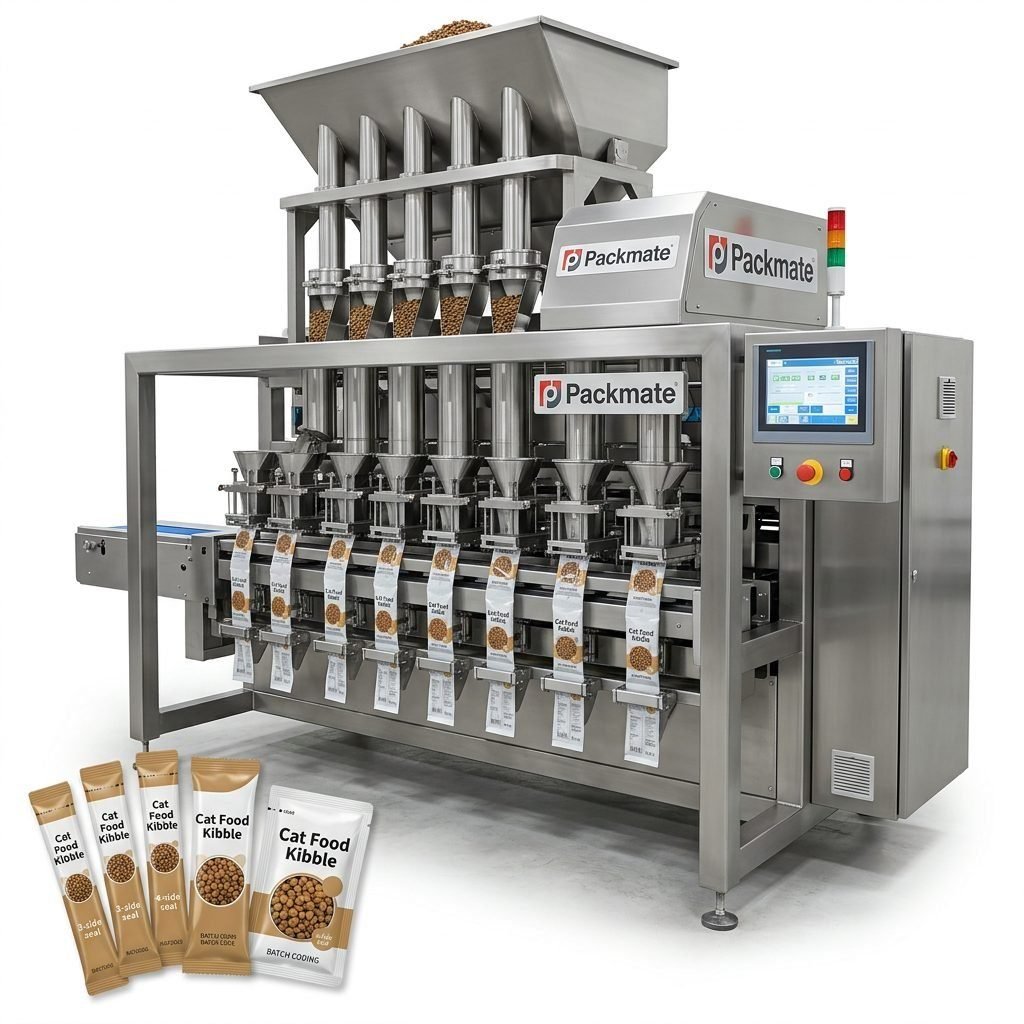
In the world of industrial packaging, efficiency, accuracy, and product integrity are paramount. For businesses handling fine, granular, or cohesive dry materials—from food ingredients and pharmaceuticals to chemicals and nutritional supplements—the right packaging equipment is not just a tool but a critical component of operational success. A dry powder packaging machine automates the process of measuring, filling, and sealing powders into various formats, ensuring consistent doses, minimizing waste, and protecting products from contamination and moisture.
Understanding the Core Technology
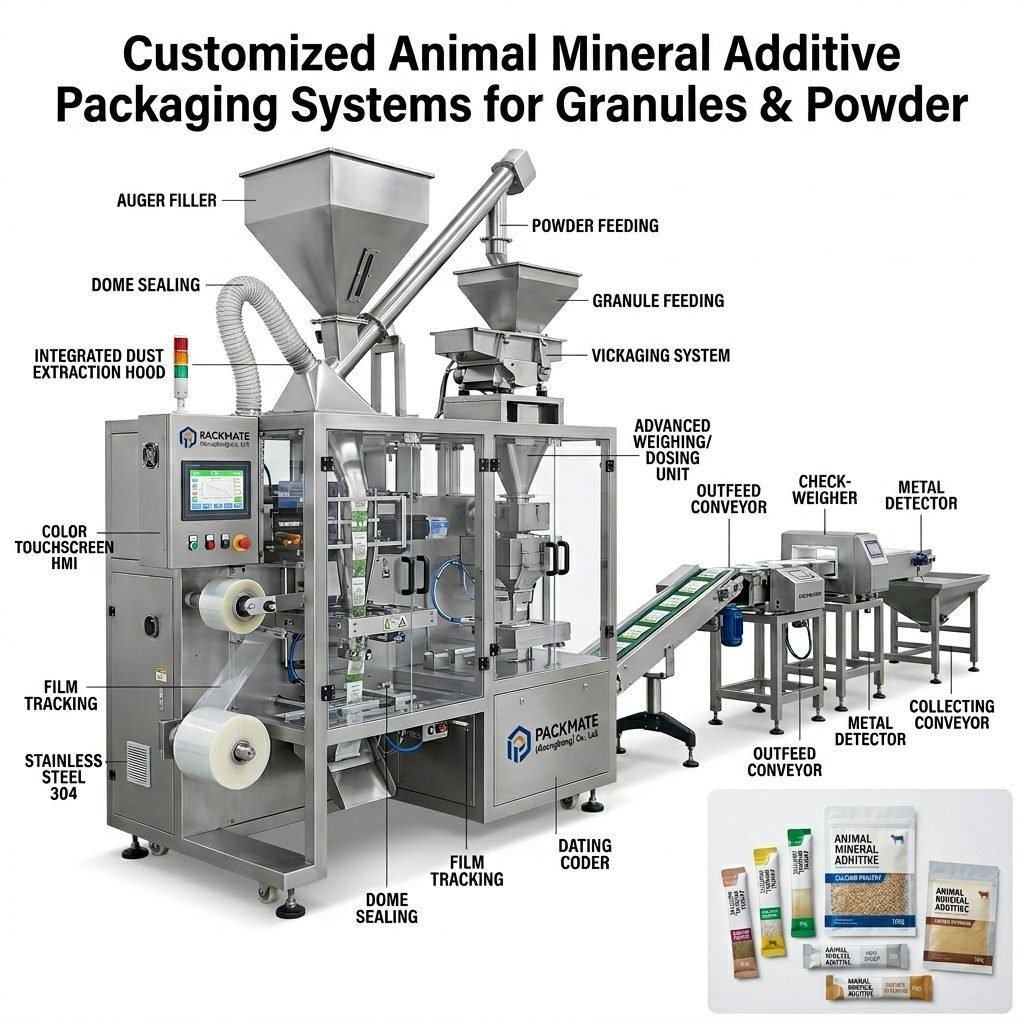
At its heart, a dry powder packaging machine is designed to handle materials that flow freely or can be made to flow. The primary challenge is achieving precise weight or volume measurement, as powders can be prone to dusting, clumping, or bridging (forming arches that prevent flow). Modern machines address these issues with advanced auger fillers, weigh cell technology, and vacuum-assisted filling systems. The goal is to deliver high-speed, hygienic, and repeatable packaging that meets strict industry standards.
Key Operational Advantages:
Precision Dosing: Ensures every package contains the exact amount of product, crucial for pharmaceuticals and premium food items where consistency is legally and commercially mandated.
Hygiene and Containment: Closed systems prevent powder escape, protecting the production environment, reducing product loss, and safeguarding operator health when handling sensitive materials.
High-Speed Output: Automated lines can package hundreds, even thousands, of units per minute, dramatically increasing throughput compared to manual methods.
Flexibility: Many machines can be quickly adjusted to handle different package sizes, from small sachets and stick packs to larger pouches and canisters.
Main Types of Dry Powder Packaging Machines
The market offers a variety of machines tailored to different production scales, package types, and powder characteristics. Choosing the right type is the first step toward an optimized packaging line.
1. Auger Filling Machines
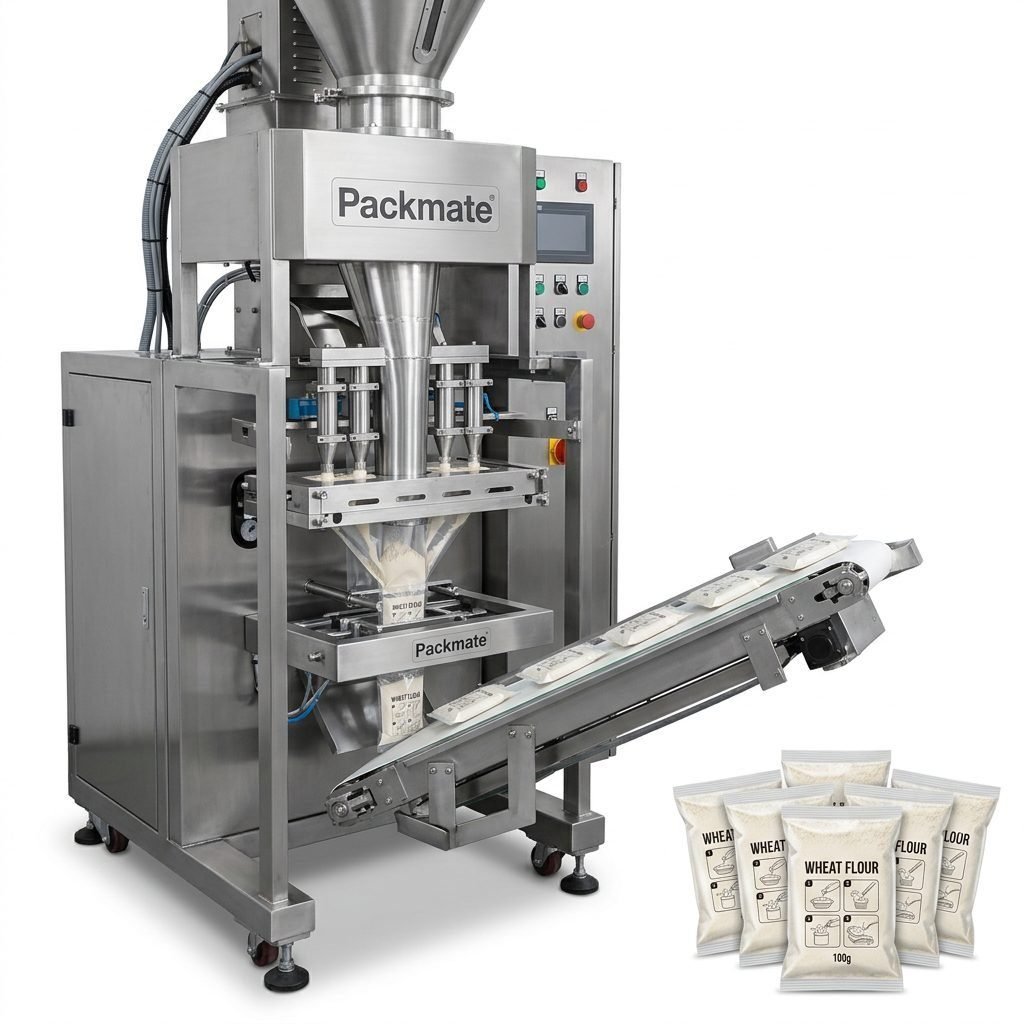
These are the most common type for fine, non-abrasive powders like flour, milk powder, spices, and protein supplements. A rotating auger (screw) inside a hopper moves a precise volume of powder into the waiting package. They are valued for their simplicity, reliability, and ease of cleaning. For more demanding applications, companies like Packmate Machinery offer auger systems with servo motors for exceptional accuracy and touch-screen controls for recipe management.
2. Net Weight Filling Machines (Gravimetric Fillers)
Ideal for high-value products or where weight accuracy is critical, such as in pharmaceutical or coffee packaging. These machines use a precision scale to weigh each dose in real-time before discharging it into the bag. They are slightly slower than volumetric fillers but offer superior accuracy, often complying with regulatory standards like those in the food and drug industries.
3. Vacuum Filling Machines
This technology is excellent for fluffy, aerated, or non-free-flowing powders that are difficult to handle with augers. The machine creates a vacuum in the container, which draws in the powder, ensuring a compact fill without air pockets. It’s perfect for products like powdered milk, cocoa, or instant drink mixes where consistent fill density is important.
4. Form-Fill-Seal (FFS) Machines
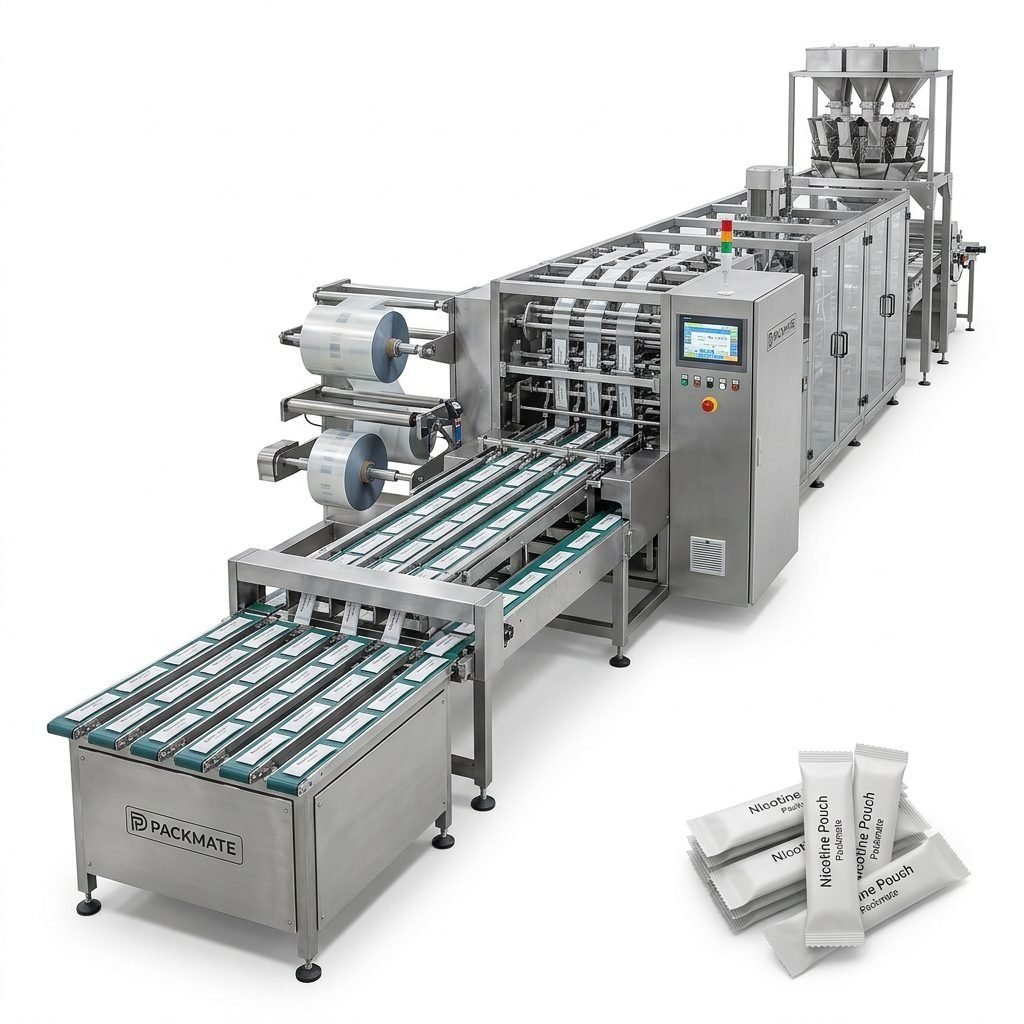
These are integrated systems that create the package from a roll of film, fill it with powder, and then seal it—all in one continuous operation. They are highly efficient for producing sachets and stick packs. Vertical FFS (VFFS) machines are typical for larger pouches, while horizontal FFS (HFFS) machines are often used for creating multi-lane stick packs, a specialty of manufacturers providing complete filling and packaging lines.
5. Pouch Packaging Machines
Designed to fill pre-made pouches or bags, these machines are versatile and can be integrated with other equipment like cartoners. They are suitable for a wide range of powder types and bag sizes, from small single-serve packets to large bulk bags. For businesses looking at this format, exploring bag and pouch packaging machines is essential.
Choosing Based on Your Product:
› For Fine, Free-Flowing Powders: Auger or net weight fillers are typically the best and most cost-effective choice.
› For Cohesive or Fluffy Powders: Vacuum or impulse/vibration-assisted filling systems prevent bridging and ensure consistent fills.
› For High-Speed, Small-Pack Production: Multi-lane stick pack or sachet Form-Fill-Seal machines offer unparalleled efficiency.
› For Large-Volume or Bulk Packaging: Pouch packers with large-capacity hoppers and high-speed weigh scales are necessary.
Primary Uses and Industry Applications
Dry powder packaging machines serve a vast array of sectors. Their adaptability makes them indispensable in modern manufacturing.
Food & Beverage: This is one of the largest application areas. Machines package instant soup mixes, spices, baking powder, coffee creamer, protein powder, drink mixes, and flour. Hygiene, speed, and the ability to handle food-grade materials are critical.
Pharmaceutical & Nutraceutical: Accuracy and contamination control are non-negotiable. Machines here package antibiotics, powdered supplements, medicinal herbs, and electrolytes. They often feature stainless steel construction, CIP (Clean-in-Place) systems, and documentation support for regulatory compliance.
Chemical & Industrial: From detergent powder and cement additives to pigments and dyes, these machines must often be constructed from corrosion-resistant materials and handle potentially hazardous or abrasive powders safely.
Cosmetics: Packaging face powder, bath salts, and powdered makeup requires machines that offer gentle handling to prevent crushing the product and maintain a dust-free environment.
Comprehensive Buying Guide: Key Considerations
Investing in a dry powder packaging machine is a significant decision. Here’s a structured guide to help you make the right choice.
1. Analyze Your Product and Requirements
Start by thoroughly defining your needs. What is the flow characteristic of your powder (free-flowing, cohesive, abrasive, hygroscopic)? What is the required accuracy (e.g., ±0.1 grams for pharmaceuticals vs. ±1 gram for some food products)? What is your target packaging speed (packages per minute)? What package type and size will you use (sachets, sticks, pouches, cans)?
2. Evaluate Machine Specifications and Features
Look beyond the basic type. Examine the construction materials (food-grade stainless steel is preferred for hygiene). Check the control system—modern PLC with touchscreen HMI allows for easy operation, recipe storage, and diagnostics. Consider changeover time; quick-release parts and tool-less adjustments save valuable production time. Safety features like guards and emergency stops are mandatory.
3. Assess the Manufacturer’s Reputation and Support
The machine is only as good as the company behind it. Research the manufacturer’s experience, particularly with powders similar to yours. A provider with deep expertise, like Packmate Machinery with over 30 years in the field, brings invaluable knowledge. Review their after-sales service: Do they offer installation, training, readily available spare parts, and technical support? Can they provide references or case studies?
4. Consider Integration and Future-Proofing
Think about your entire line. Will the machine need to integrate with existing conveyors, checkweighers, or cartoners? Choose a machine that offers standard interfaces. Also, consider future growth—can the machine handle a wider range of products or higher speeds if your business expands? Opting for a modular or scalable system can be a wise long-term investment.
5. Understand the Total Cost of Ownership (TCO)
The purchase price is just one part of the cost. Factor in installation, maintenance, energy consumption, and potential downtime. A slightly more expensive machine from a reputable supplier that offers higher reliability, better accuracy (reducing product giveaway), and excellent support often has a lower TCO than a cheaper, less reliable alternative.
Final Checklist Before Purchase:
☑ Conduct a product test with the supplier using your actual powder.
☑ Request a detailed quotation including all accessories, spare parts, and service fees.
☑ Verify machine certifications (CE, etc.) and compliance with your local industry regulations.
☑ Clarify warranty terms and the scope of after-sales support.
☑ Plan for operator training and ongoing maintenance schedules.
Frequently Asked Questions (FAQs)
What is the typical accuracy range for a dry powder packaging machine?
Accuracy varies by technology. High-precision auger or net weight fillers can achieve accuracies within ±0.1% to ±0.5% of the target weight for many powders. Volumetric auger fillers are generally in the ±1% range. The specific accuracy depends heavily on the powder’s characteristics (flowability, density consistency) and the machine’s calibration.
How do I prevent powder dust and contamination during packaging?
Modern machines combat dust through closed-system designs, dust extraction ports, and vacuum-assisted filling. Choosing a machine with smooth, easy-to-clean surfaces (like polished stainless steel) and minimal crevices also helps. For stringent environments, machines can be housed in clean rooms or equipped with integrated air purification.
Can one machine handle different types of powders and package sizes?
Yes, many machines are designed for flexibility. Key features that enable this include quick-change augers or filling heads, tool-less adjustment mechanisms for package size, and programmable recipes on the control panel. However, significant changes in powder behavior (e.g., from fine flour to cohesive cocoa) may require more than just a recipe change and should be discussed with the manufacturer.
What maintenance does a dry powder packaging machine require?
Regular maintenance is crucial for longevity and accuracy. Daily tasks include cleaning contact parts to prevent cross-contamination and buildup. Weekly or monthly maintenance might involve lubricating moving parts (with food-grade lubricant if applicable), checking seals and gaskets for wear, and verifying the calibration of scales or augers. Always follow the manufacturer’s specific maintenance schedule.
How do I choose between an auger filler and a net weight filler?
The choice hinges on accuracy needs, product value, and speed requirements. Auger fillers are faster and generally more affordable, ideal for high-volume, lower-cost products where slight variance is acceptable. Net weight fillers are slower but more accurate, making them suitable for high-value products (pharmaceuticals, premium coffee) where every gram counts and regulatory compliance is strict. For ultimate accuracy on challenging powders, a combination system (auger for bulk fill, scale for dribble-top-off) is often used.