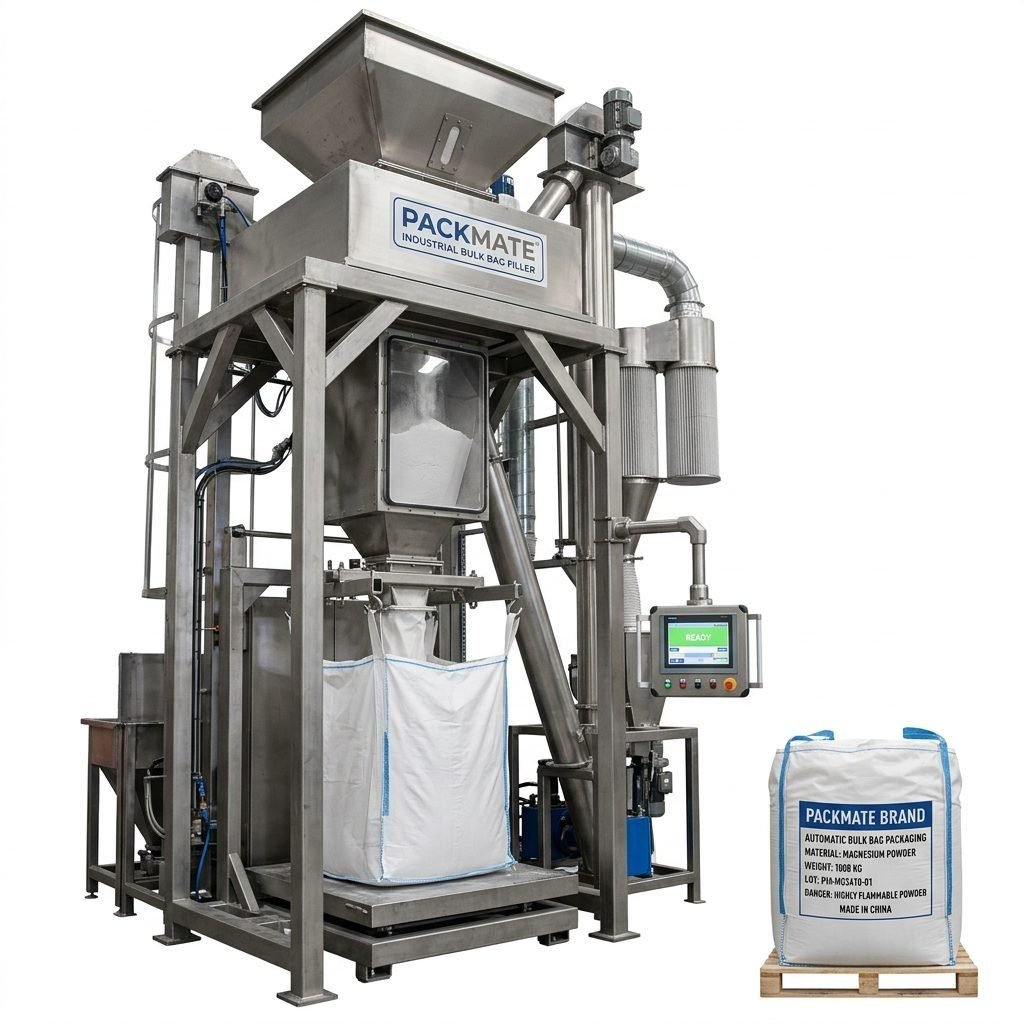
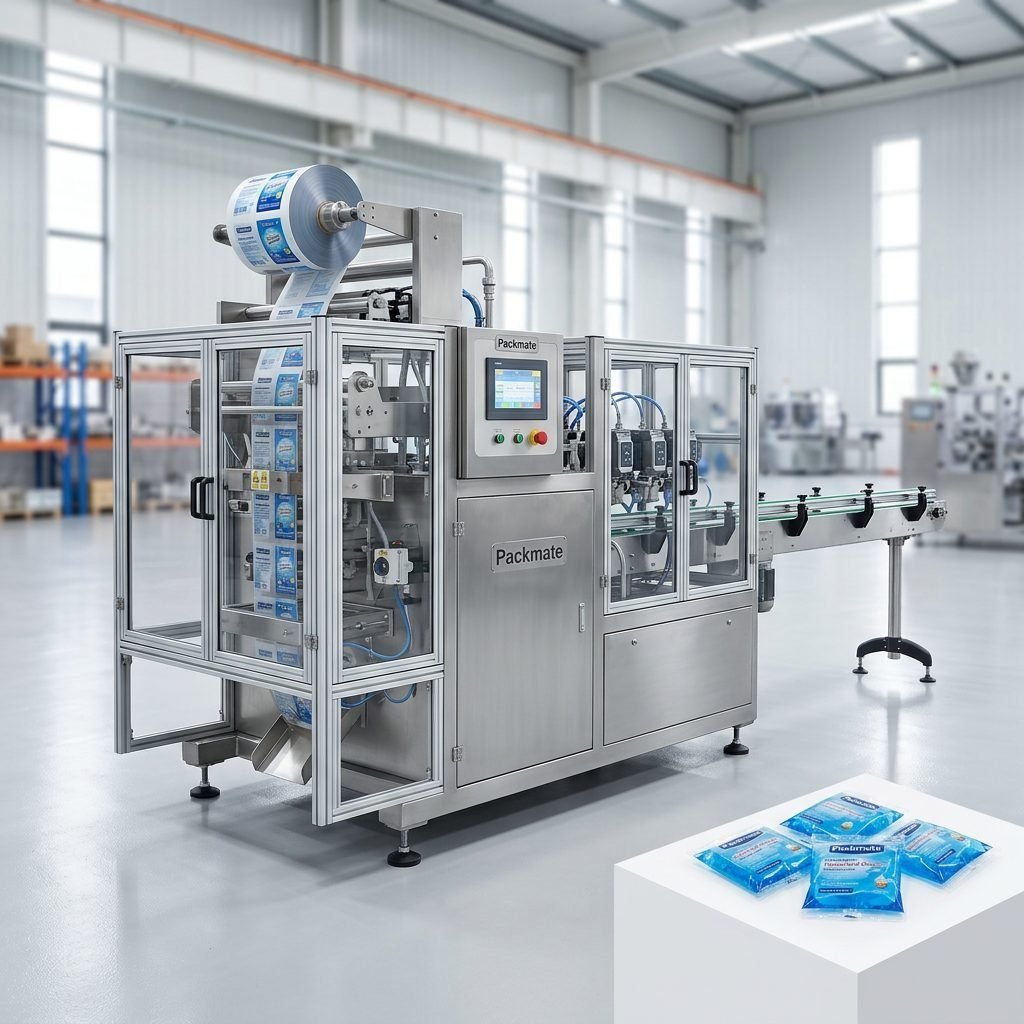
In the fast-paced world of manufacturing, efficiency and reliability are paramount. For businesses handling powders, granules, or liquids, choosing the right flow packaging machine is a critical decision that impacts productivity, product quality, and the bottom line. This guide serves as your comprehensive resource, offering deep insights and practical buyer tips to navigate this essential investment.
Understanding Flow Packaging Technology
Flow packaging, often referred to as form-fill-seal (FFS) packaging, is a highly automated process where the packaging material is formed into a bag around the product, which is then filled and sealed in one continuous operation. This technology is the backbone of modern packaging lines for a vast array of industries, from food and pharmaceuticals to chemicals and personal care.
The core advantage lies in its speed, consistency, and material efficiency. Unlike pre-made bag systems, flow packagers use roll stock film, reducing storage space and allowing for quick changeovers between different package sizes or materials. This flexibility is crucial for producers with diverse product lines or those operating in dynamic markets.
Key Components of a Flow Pack Machine
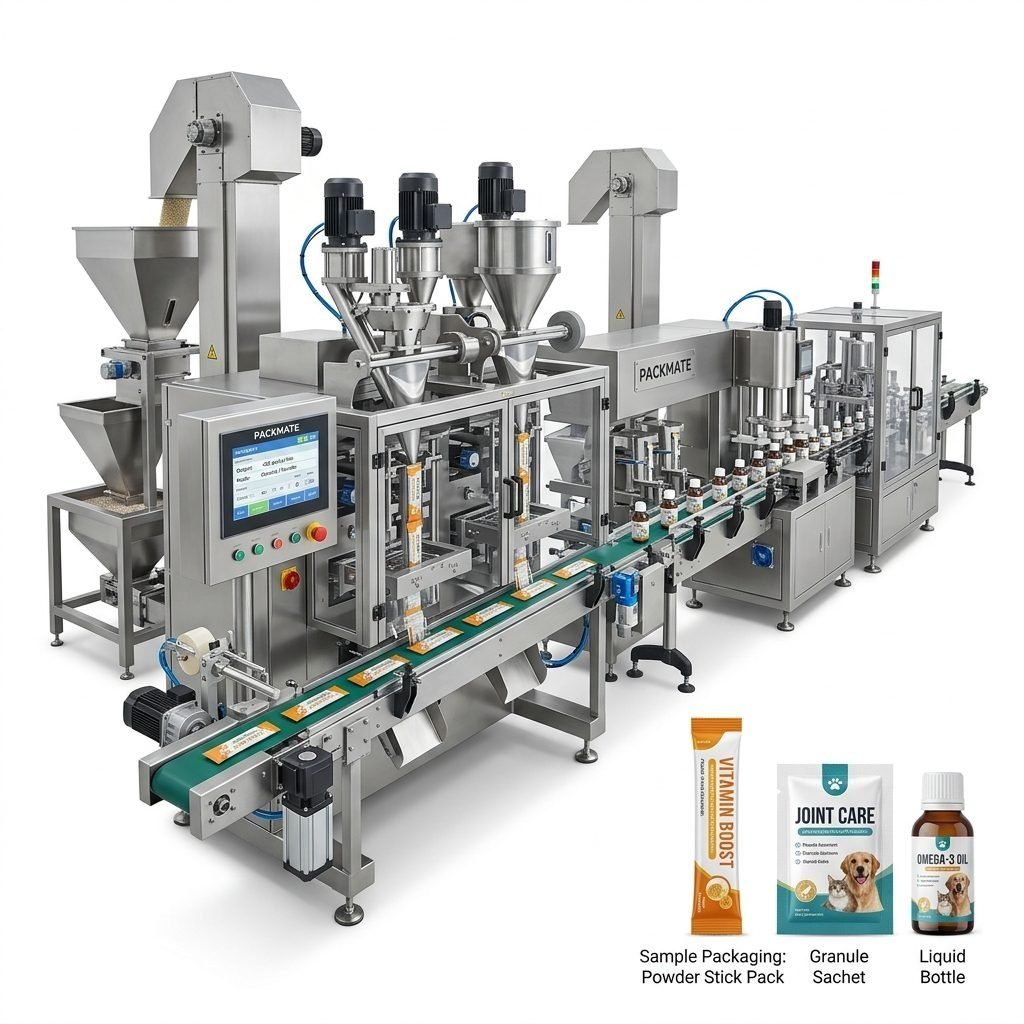
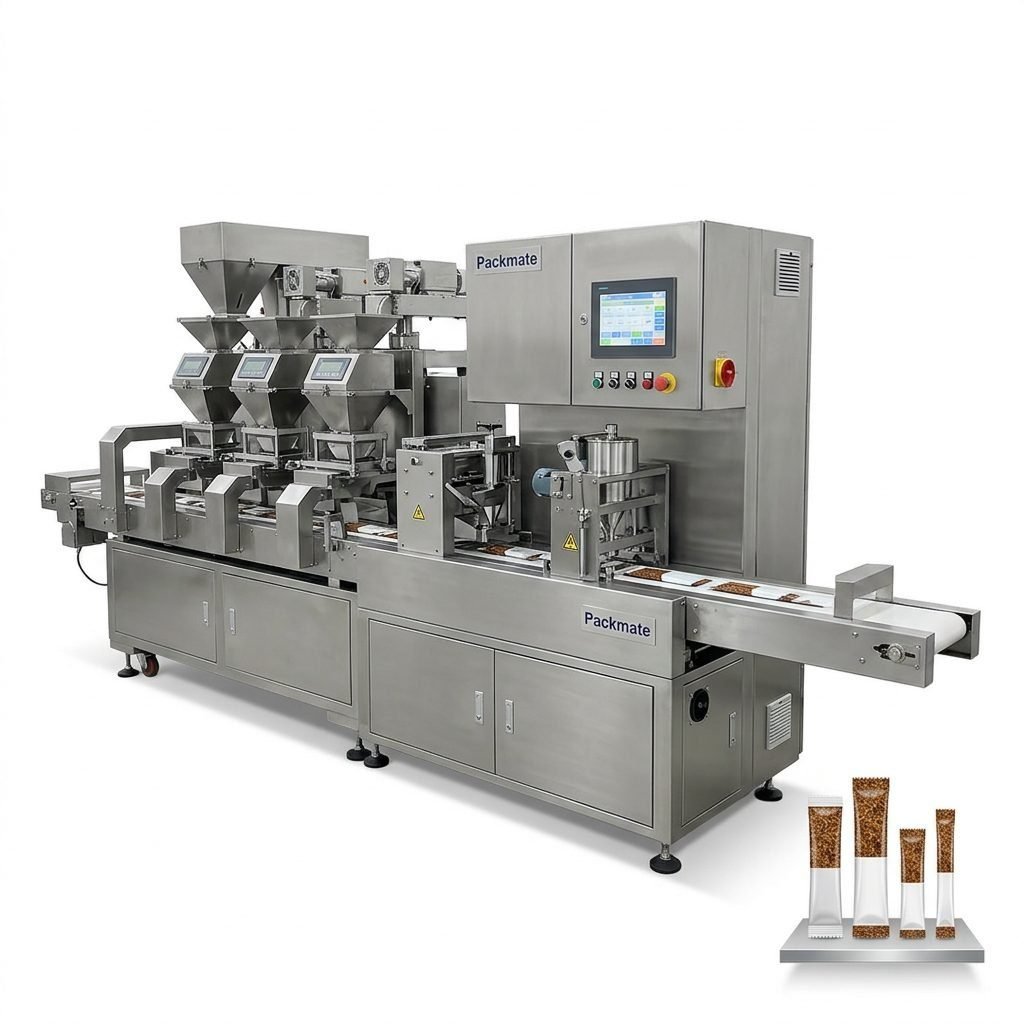
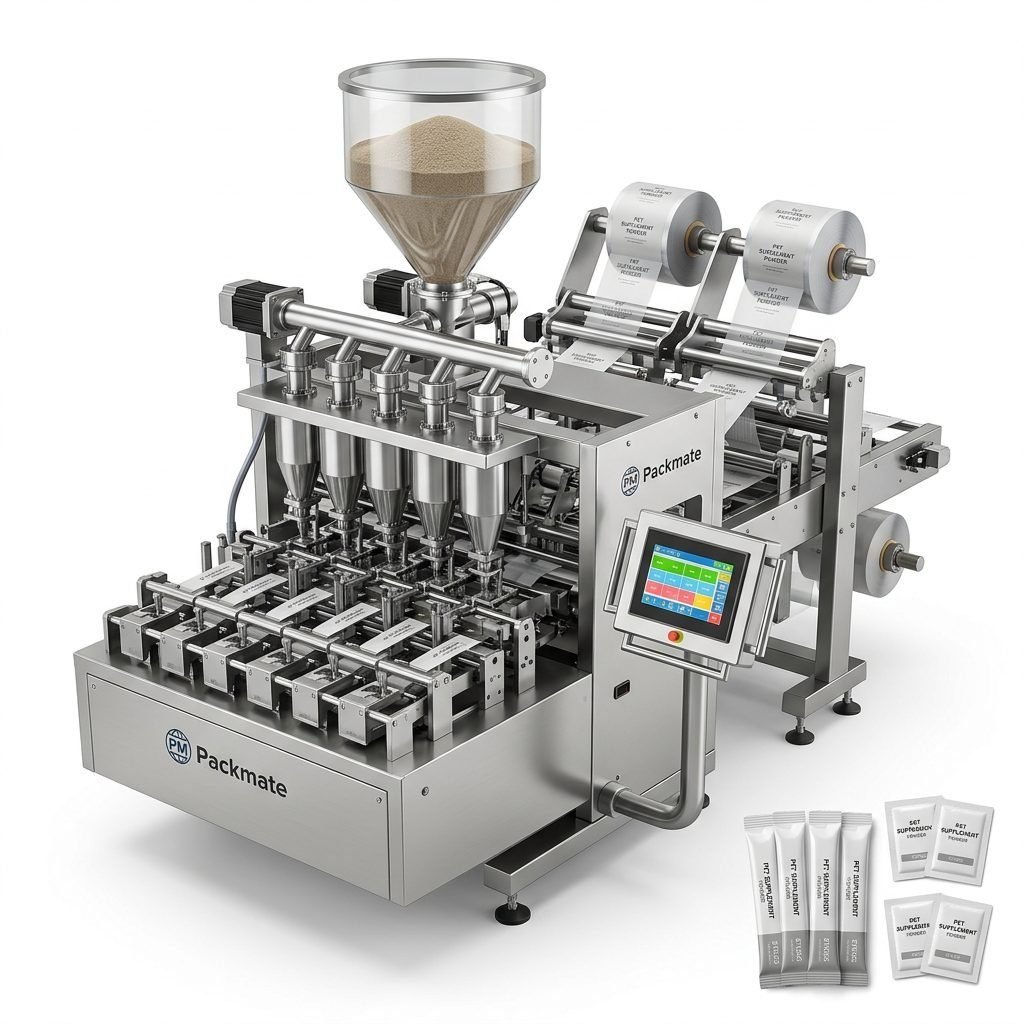
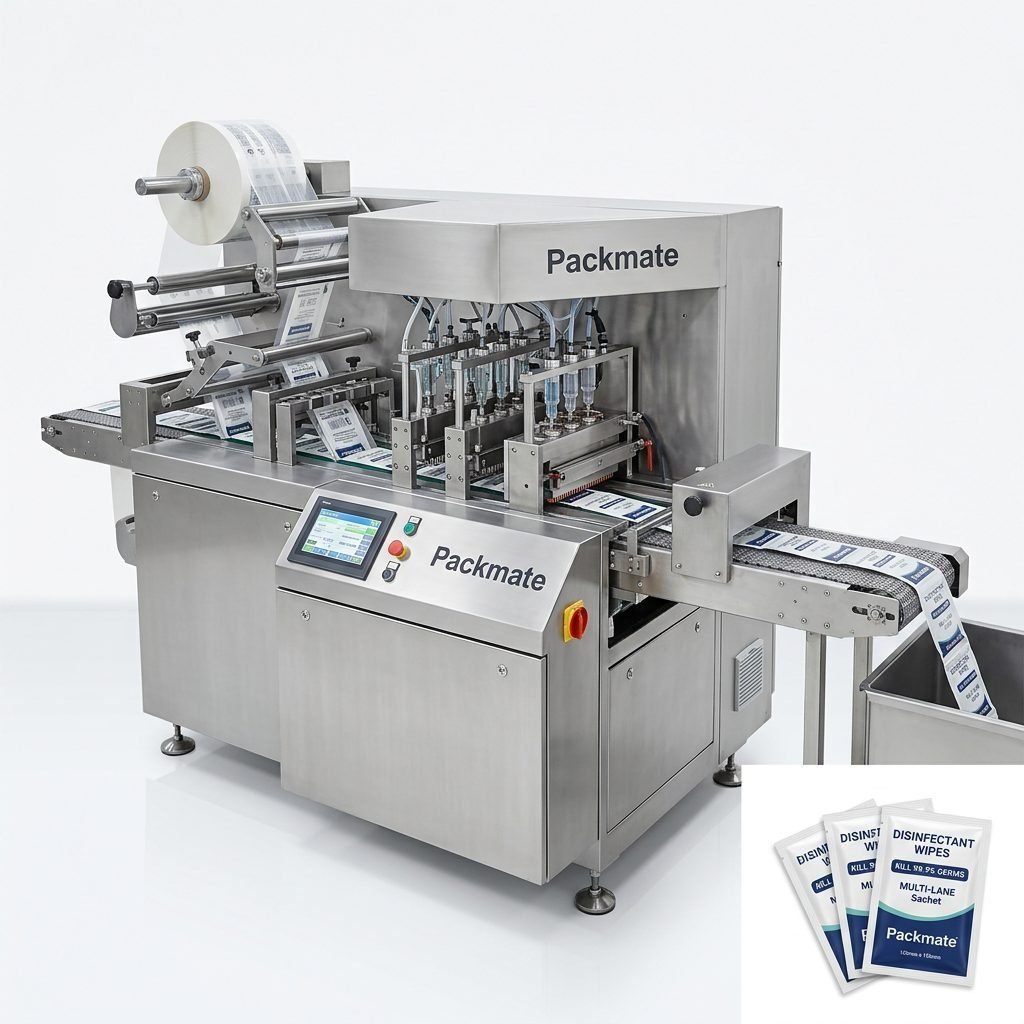
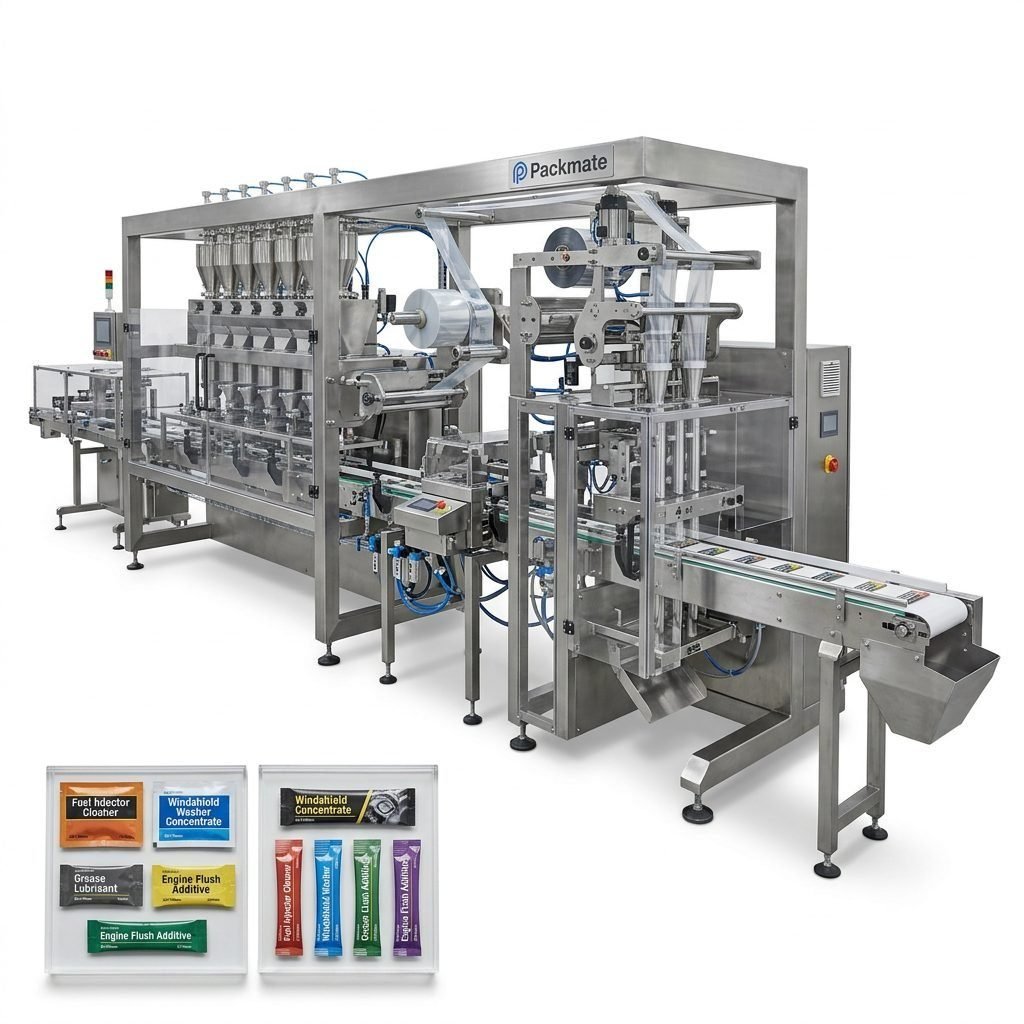
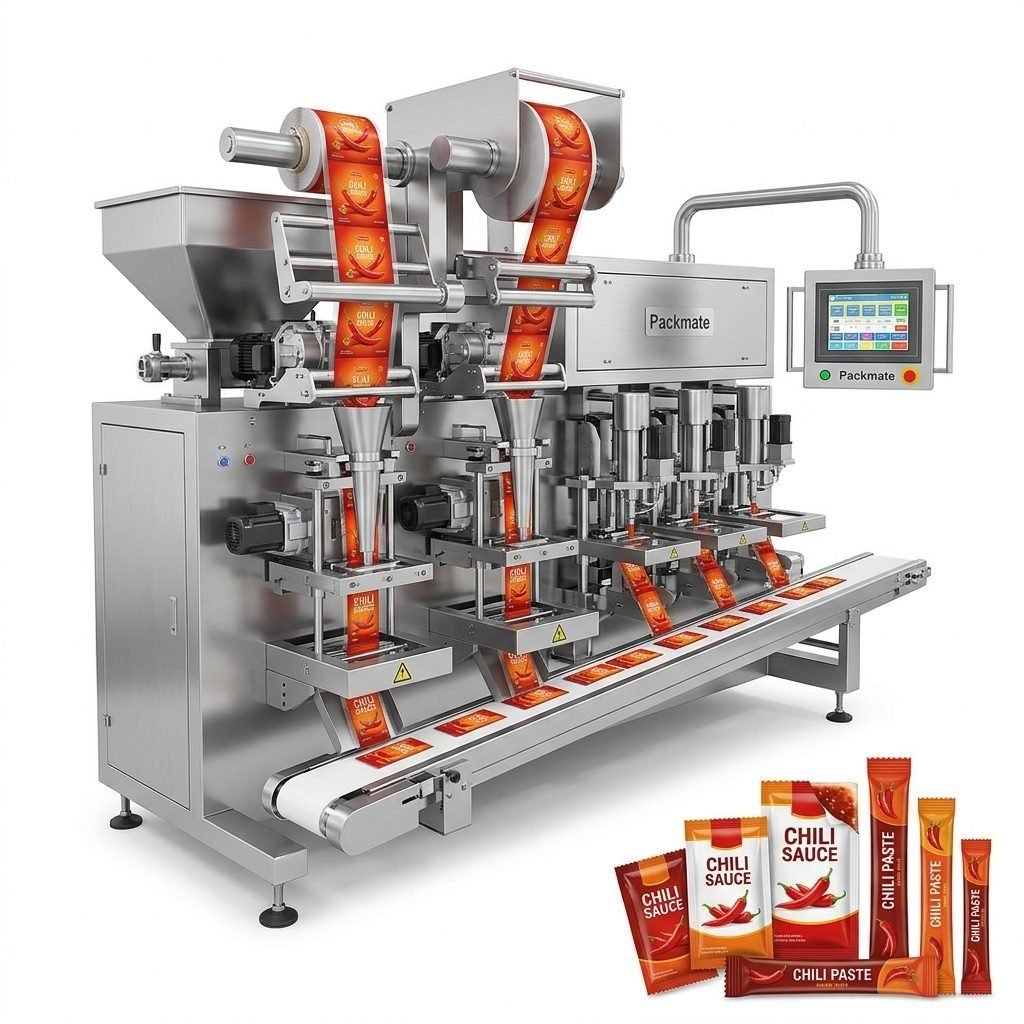
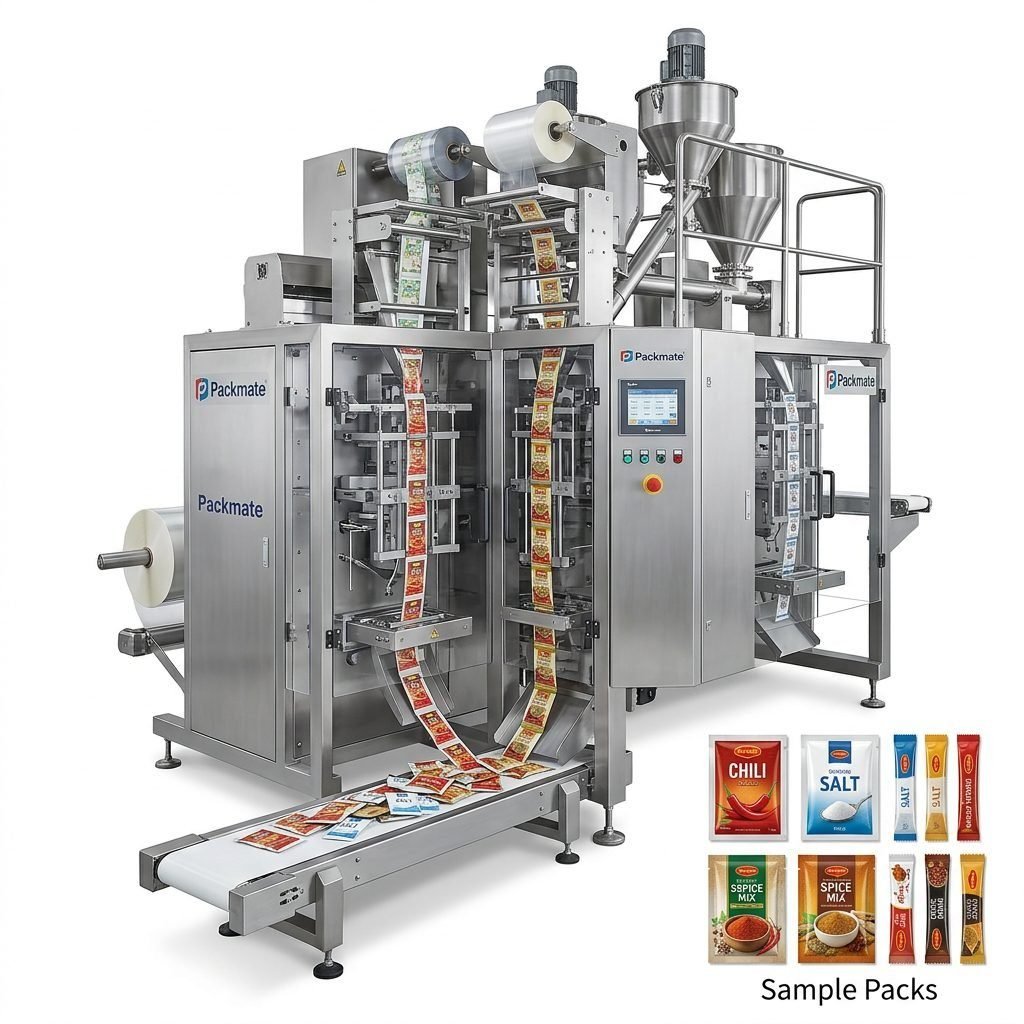
A standard horizontal flow wrapper consists of several synchronized units. The film unwind system feeds the packaging material, which is then formed into a tube around the product by the forming box. The product is metered into this tube via a filling system—which could be a volumetric cup, auger filler, or scale—before the longitudinal seal is made. Finally, the transverse sealing jaws create the individual package and separate it from the web.
Critical Buyer Tips for Your Investment
Selecting a machine is not just about specifications; it’s about finding a solution that aligns with your specific operational goals and constraints.
1. Precisely Define Your Product and Output Needs
This is the foundational step. Be meticulous about your product characteristics: Is it a free-flowing powder, an abrasive granule, or a viscous liquid? Each requires different feeding and sealing technologies. Simultaneously, calculate your required output in packs per minute (PPM) not just for today, but for your projected growth over the next 3-5 years. Choosing a machine that barely meets current needs can lead to bottlenecks later.
2. Prioritize Build Quality and Material Compatibility
The machine’s construction directly correlates with its lifespan and maintenance costs. Look for robust frames and food-grade, corrosion-resistant materials (like 304 or 316 stainless steel) in all product contact parts. Furthermore, ensure the machine is compatible with the films you plan to use, whether it’s laminated structures for barrier properties or recyclable mono-materials driven by sustainability goals. Discuss this thoroughly with potential suppliers like Packmate Machinery to avoid costly compatibility issues.
3. Evaluate the Control System and Ease of Use
The human-machine interface (HMI) is your command center. A modern, intuitive touchscreen PLC (Programmable Logic Controller) system simplifies operation, recipe management, and changeovers. Features like automatic film tracking, self-diagnostic alerts, and production data logging are invaluable for maximizing uptime and efficiency. A complex, outdated control panel can lead to operator error and increased training time.
4. Scrutinize After-Sales Support and Service
The relationship with your supplier begins after the purchase. Investigate the manufacturer’s reputation for technical support, availability of spare parts, and training programs. A reliable partner should offer comprehensive commissioning, operator training, and readily available service engineers. For global operations, verify their international support network. Companies with a long history, such as Packmate, often have established, robust support systems stemming from their decades of experience.
5. Consider Future-Proofing and Flexibility
Can the machine handle potential new product formats or different package sizes? Modular designs that allow for easy upgrades (e.g., adding a gas flushing system for modified atmosphere packaging or a more advanced checkweigher) protect your investment. Thinking about flexibility from the start prevents the need for a completely new machine line down the road when you launch a new product variant.
Why Partner with an Experienced Manufacturer?
Beyond the machine itself, the manufacturer’s expertise is a critical asset. A seasoned provider brings deep application knowledge, helping you avoid common pitfalls and optimize your packaging process. They understand the nuances of different industries—for instance, the stringent hygiene standards in pharmaceutical sachet packaging or the high-speed demands of the food sector.
Manufacturers with extensive in-house R&D and testing facilities, like those operating from a 20,000㎡ modern facility, can often provide custom solutions or adaptations to meet unique challenges. Their journey from a focused workshop to a leading company, as seen in Packmate’s evolution since 2003, typically reflects a commitment to innovation and solving real-world customer problems, which translates into more reliable and effective equipment for you.
Conclusion: Making an Informed Decision
Investing in a top flow packaging machine is a strategic move to enhance operational efficiency, ensure product integrity, and support business growth. By thoroughly assessing your product requirements, prioritizing machine quality and support, and partnering with a credible manufacturer, you can select a system that delivers long-term value. Remember, the best machine is one that seamlessly integrates into your workflow, is reliable day in and day out, and is backed by a supplier who acts as a true partner in your success.
Frequently Asked Questions (FAQs)
Q1: What is the typical lifespan of a well-maintained flow packaging machine?
A: With proper maintenance, adherence to service schedules, and operation within specified parameters, a high-quality flow pack machine from a reputable manufacturer can have a productive lifespan of 15 years or more. Critical factors include build quality, the operating environment (e.g., exposure to moisture or corrosive materials), and the consistency of preventive maintenance.
Q2: How difficult is it to change packaging materials or bag sizes on these machines?
A: Modern machines are designed for relatively quick changeovers. The complexity depends on the machine’s design. Basic adjustments might take 15-30 minutes for a skilled operator, involving changing the forming box, adjusting the film path, and inputting new parameters into the PLC. More advanced machines offer “tool-less” changeover systems or even automated adjustments stored in recipe memory, significantly reducing downtime. For specialized needs, exploring options in bag and pouch packaging machines might provide the required versatility.
Q3: Can one machine handle both powders and granular products effectively?
A: Many machines are versatile, but the key differentiator is the filling system</span. A machine equipped with an auger filler is excellent for fine powders but may damage delicate granules. A combination weigher or volumetric cup filler might be better for granules but less precise for very fine powders. The optimal solution is often a machine platform that allows you to interchange different filling heads based on the product, or selecting a filler designed for a broad range of product characteristics.
Q4: What are the most common maintenance requirements to ensure uptime?
A: Regular daily and weekly cleaning to prevent product buildup is essential. Lubrication of moving parts as per the manufacturer’s manual, inspection and replacement of wear items like sealing jaw Teflon covers or cutting blades, and checking for film alignment and tension are common tasks. A robust preventive maintenance (PM) program, often provided by the supplier, is the best strategy to prevent unplanned downtime.
Q5: Is operator training typically provided by the manufacturer?
A> Yes, comprehensive training is a standard part of a quality equipment purchase from a serious manufacturer. This usually includes on-site training during machine installation and commissioning, covering safe operation, routine maintenance, basic troubleshooting, and changeover procedures. Some manufacturers also offer advanced training courses or detailed instructional videos and manuals.