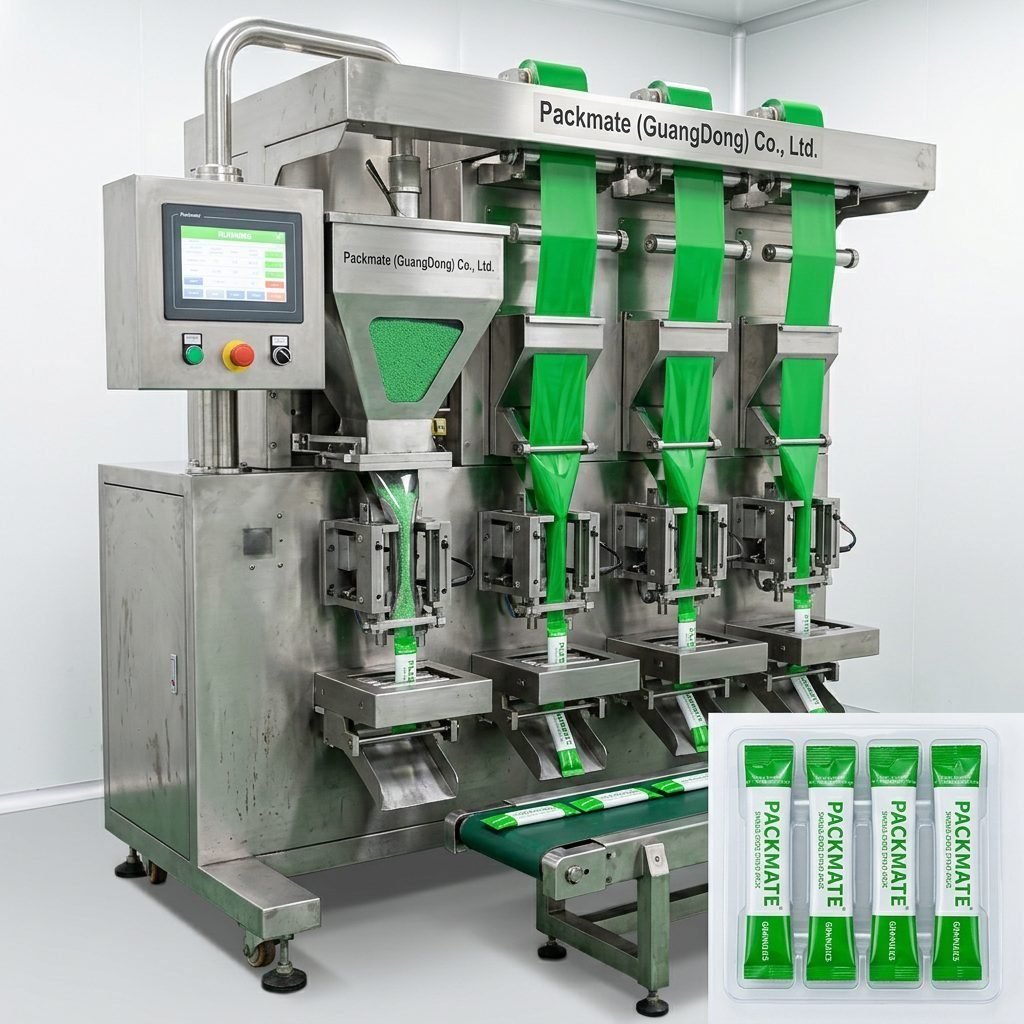
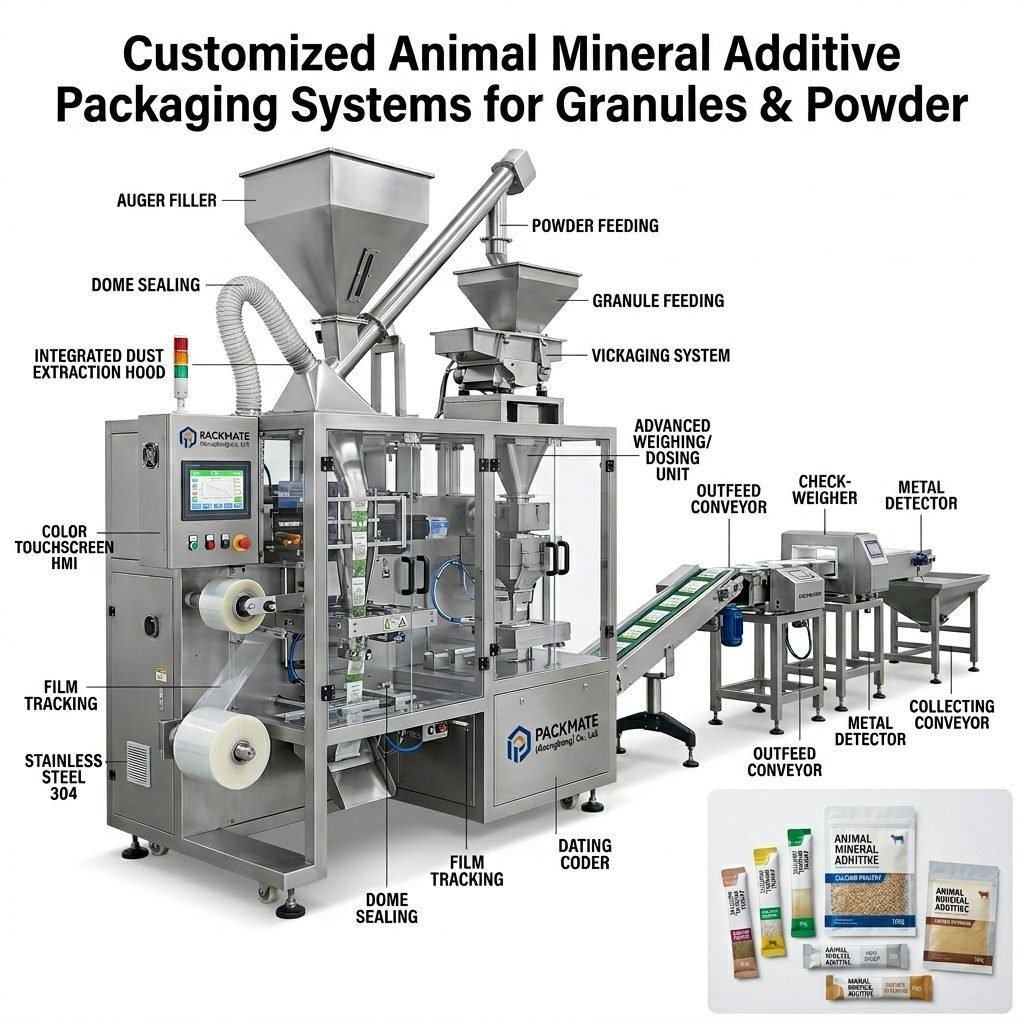
The dog treat market is booming, and efficient, reliable packaging is crucial for success. A dog snack packaging machine is the heart of this operation, ensuring products are sealed safely, attractively, and consistently. Choosing the right equipment can significantly impact your production speed, cost, and final product quality. This guide delves into the types, key features, and essential buying considerations to help you make an informed investment for your business.
Primary Types of Dog Snack Packaging Machines
Understanding the different machine configurations is the first step. The ideal type depends heavily on your product form (dry, semi-moist, jerky) and desired package style.
Vertical Form-Fill-Seal (VFFS) Machines
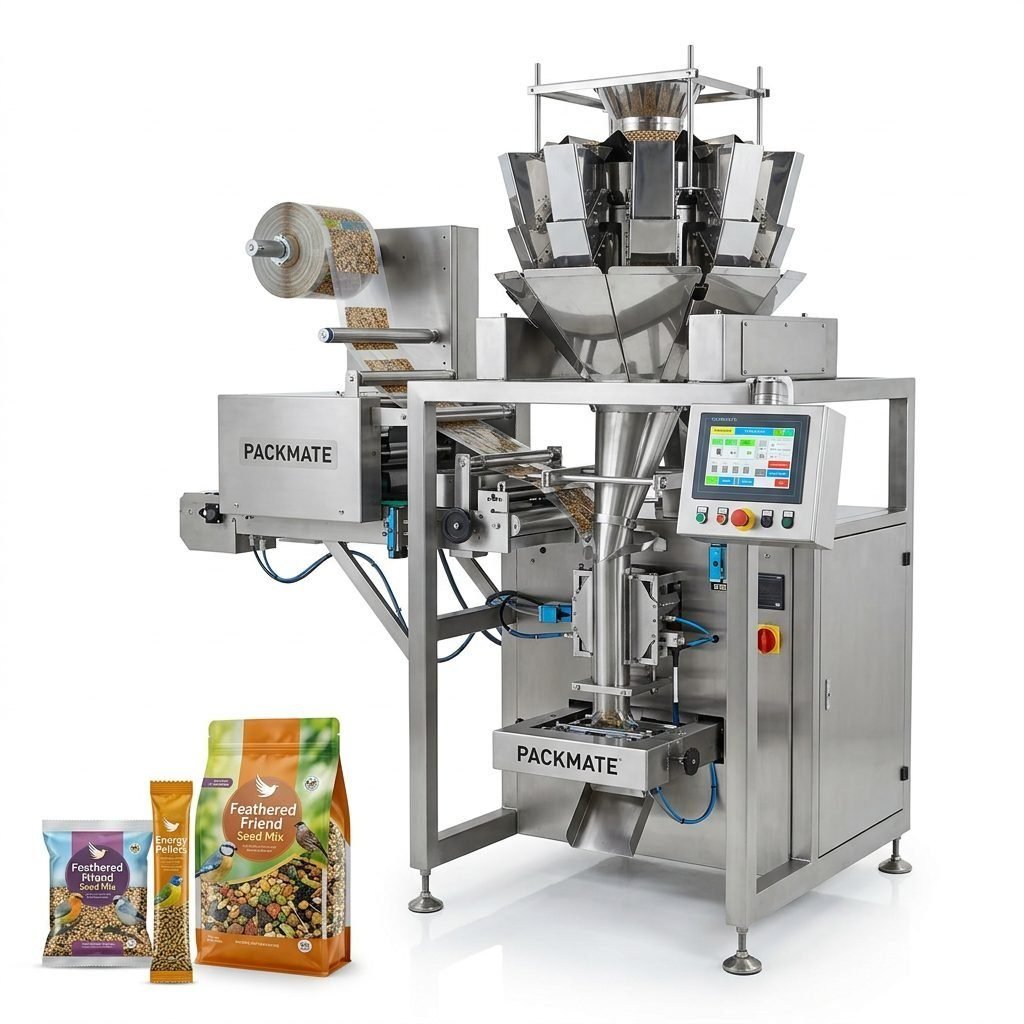
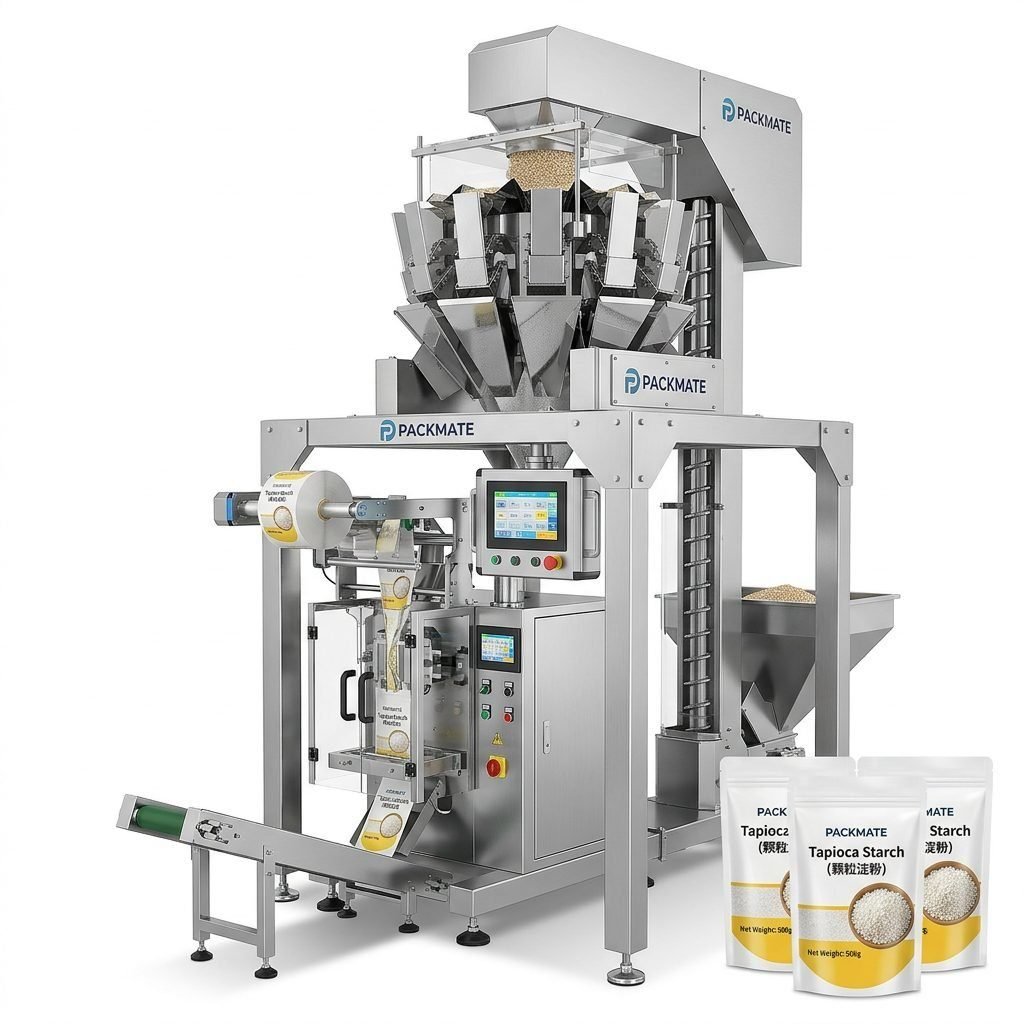
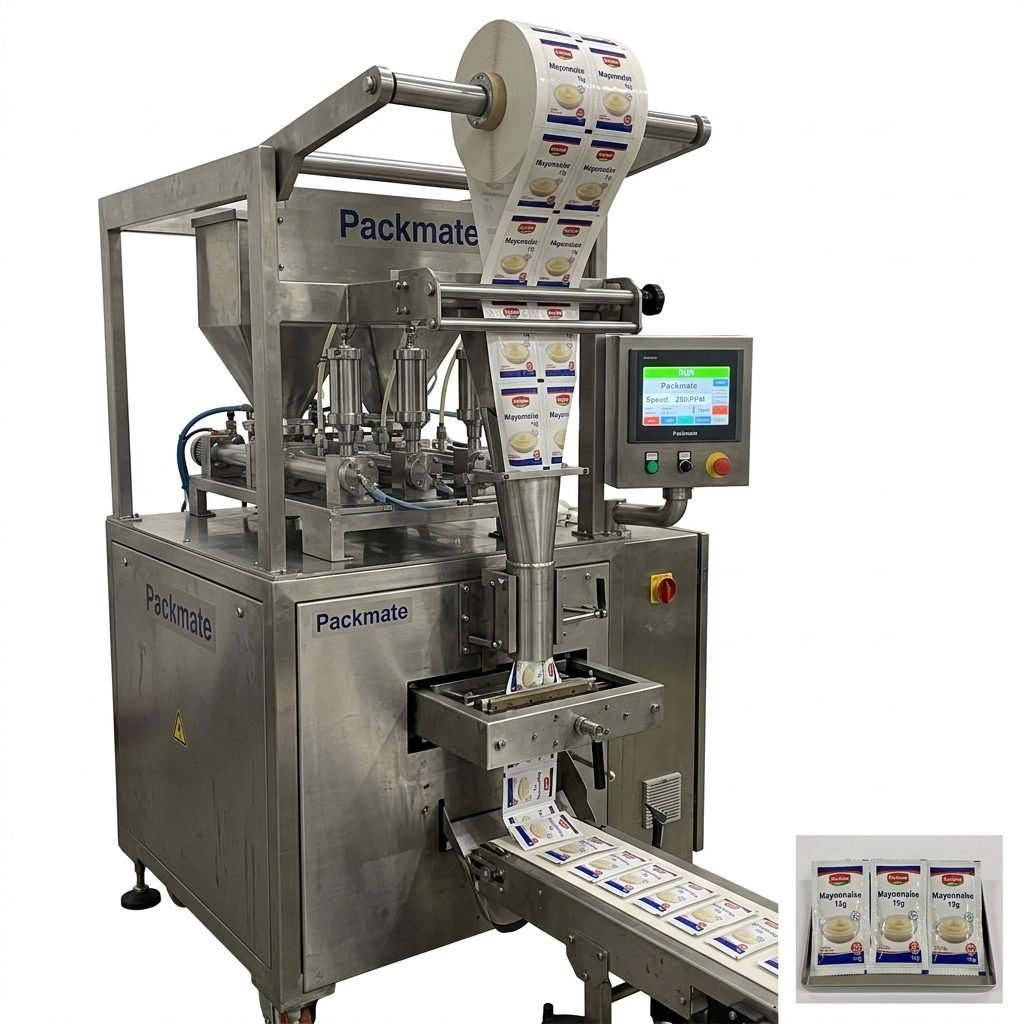
These are the most common and versatile machines for packaging free-flowing and semi-flowing products. They form a bag from a roll of film, fill it with the exact weight of product, and then seal it—all in one continuous vertical process. They are perfect for dry kibble, small biscuits, and powder supplements.
Best For: High-volume production of standard pouches and bags with excellent efficiency and material savings.
Horizontal Form-Fill-Seal (HFFS) Machines
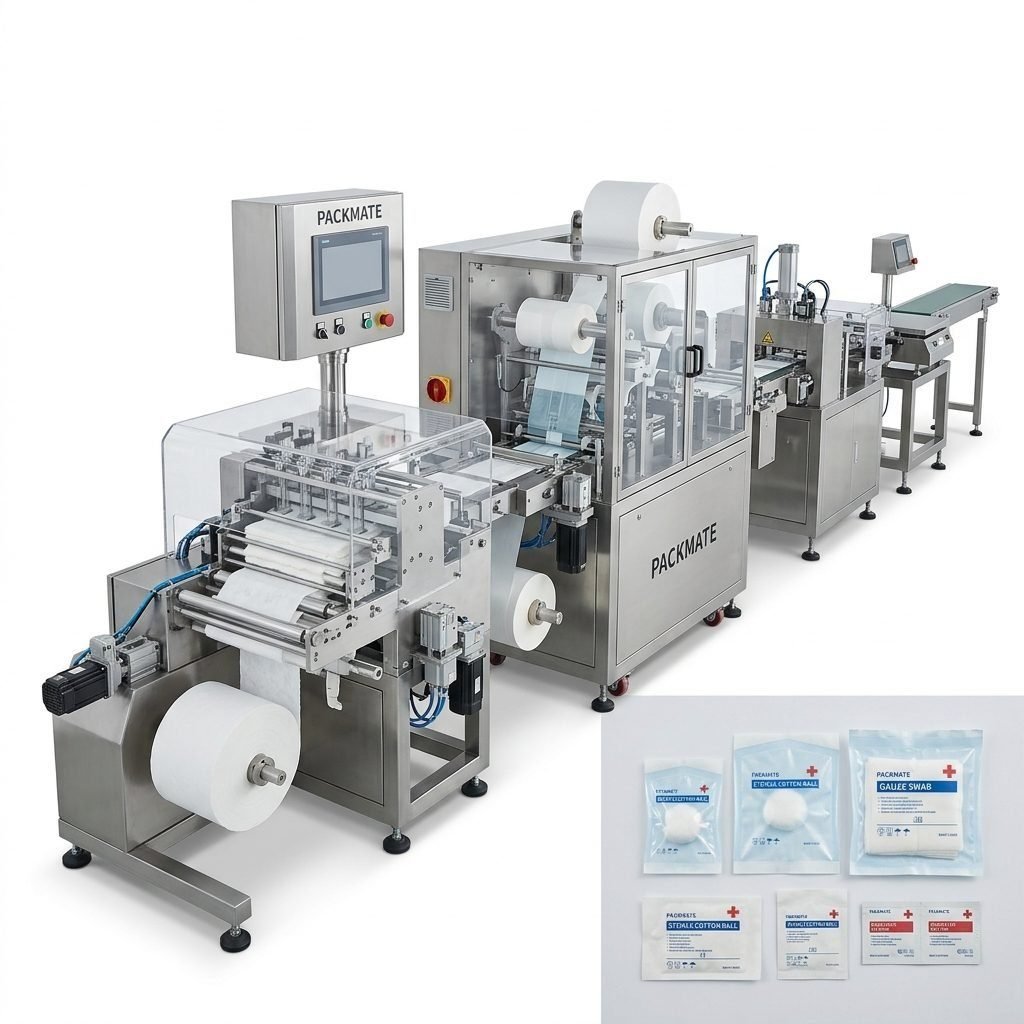
HFFS machines are typically used for more rigid structures or when packaging multiple items together. The film travels horizontally, and products are placed into pre-formed pockets before a top film is sealed on. This is ideal for individually wrapped chews, jerky strips, or creating multi-pack trays.
Key Advantage: Creates a more premium, presentation-oriented package that can enhance shelf appeal for higher-value treats.
Pouch Packaging Machines
This category includes machines specifically designed to create various pouch styles, such as stand-up pouches (doypacks), three-side seal pouches, or zipper pouches. They can be integrated with filling systems. Stand-up pouches are exceptionally popular in the pet food sector for their retail shelf presence and resealable convenience.
Weighing and Multi-head Scales
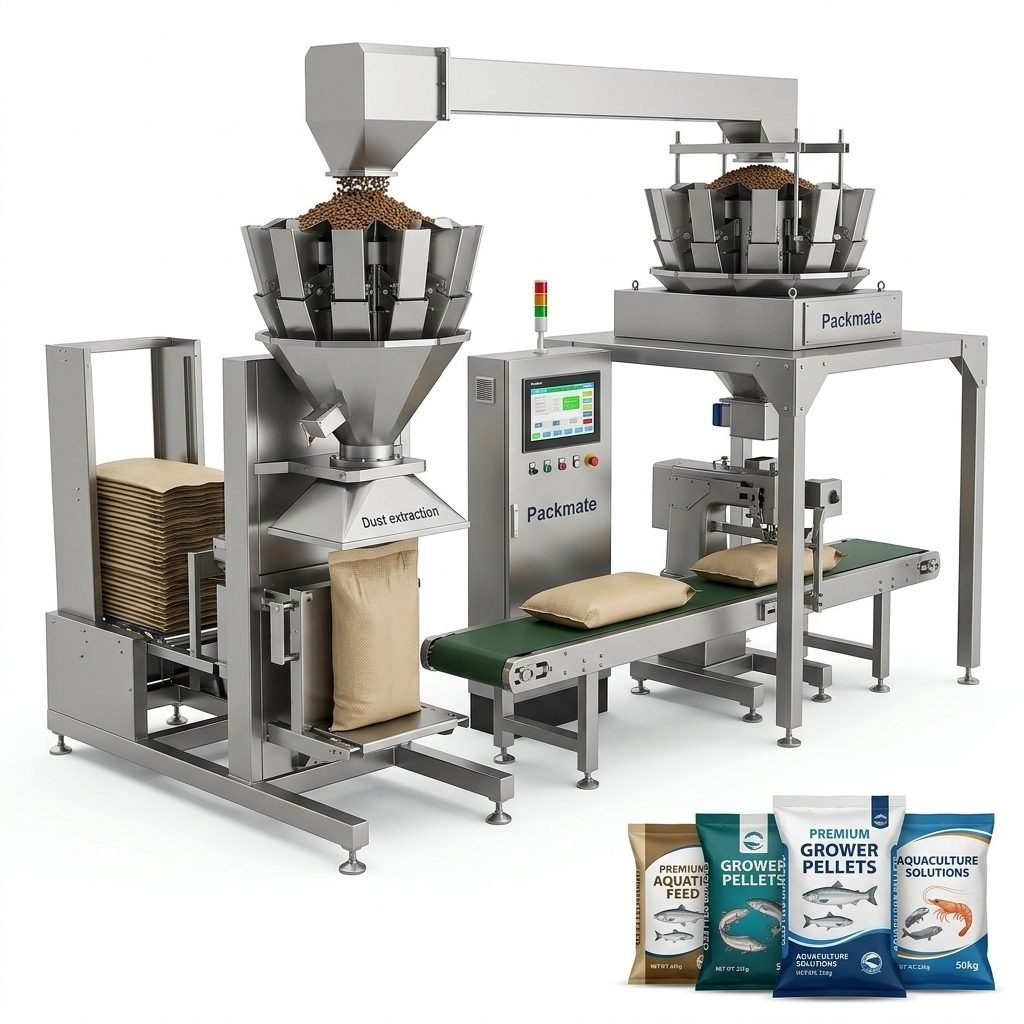
While not strictly “packaging” machines, precision weighing systems are critical upstream components. Multi-head weighers ensure each bag receives the exact, legally compliant weight of product, minimizing giveaway and ensuring consistency. They are often paired with VFFS or pouch machines in a complete line.
Essential Features to Look For
Beyond the basic type, several features differentiate a good machine from a great one that will serve your business for years.
1. Material Compatibility & Seal Integrity
The machine must handle the films and laminates you plan to use, whether it’s simple polyethylene for basic bags or complex high-barrier materials for preserving freshness. Look for robust sealing systems (heat, impulse, or ultrasonic) that can create strong, airtight, and leak-proof seals even if product dust contaminates the seal area.
2. Accuracy and Speed (Output)
Speed is measured in bags or pouches per minute (BPM/PPM). Balance your required output with weighing accuracy. High-speed machines (e.g., 80-120 BPM) are available but require superior product handling and feeding systems. Always verify the machine’s guaranteed weight accuracy for your specific product.
3. Flexibility and Changeover
If you produce multiple treat sizes or pouch styles, quick changeover is vital. Machines with tool-less adjustments, saved recipe settings, and easy-to-switch forming parts minimize downtime between production runs and increase overall operational flexibility.
4. Hygiene and Cleanability
Food-grade construction (stainless steel contact parts) is non-negotiable. Design features like smooth surfaces, easy-access panels, and CIP (Clean-in-Place) capabilities for certain components are major advantages for maintaining strict hygiene standards and meeting audit requirements.
5. Control System and Ease of Use
A modern, intuitive PLC-based touchscreen interface simplifies operation, troubleshooting, and data tracking. Features like production counters, fault diagnostics, and password protection enhance usability and management control.
Pro Tip: Don’t overlook the importance of robust after-sales service and parts availability from your supplier. A machine is a long-term investment; reliable support is crucial for minimizing costly downtime. Companies with a strong track record, like Packmate Machinery, which brings over two decades of engineering expertise, often provide more comprehensive service networks.
Comprehensive Buying Guide
Selecting the right machine involves a structured evaluation of your needs and the market offerings.
Step 1: Define Your Product and Packaging Requirements
- Product Characteristics: Size, shape, density, oiliness, fragility.
- Package Type: Pouch style, size range, required seals (e.g., notch, zipper).
- Material: Type of film/laminate and roll dimensions.
- Output Goals: Desired bags per minute/shift.
Step 2: Evaluate Machine Specifications
Match your requirements from Step 1 against technical specs: bag size range, film width, sealing type, speed, accuracy (± grams), and power requirements. Ensure the machine is certified for your region (e.g., CE, UL).
Step 3: Consider the Total System
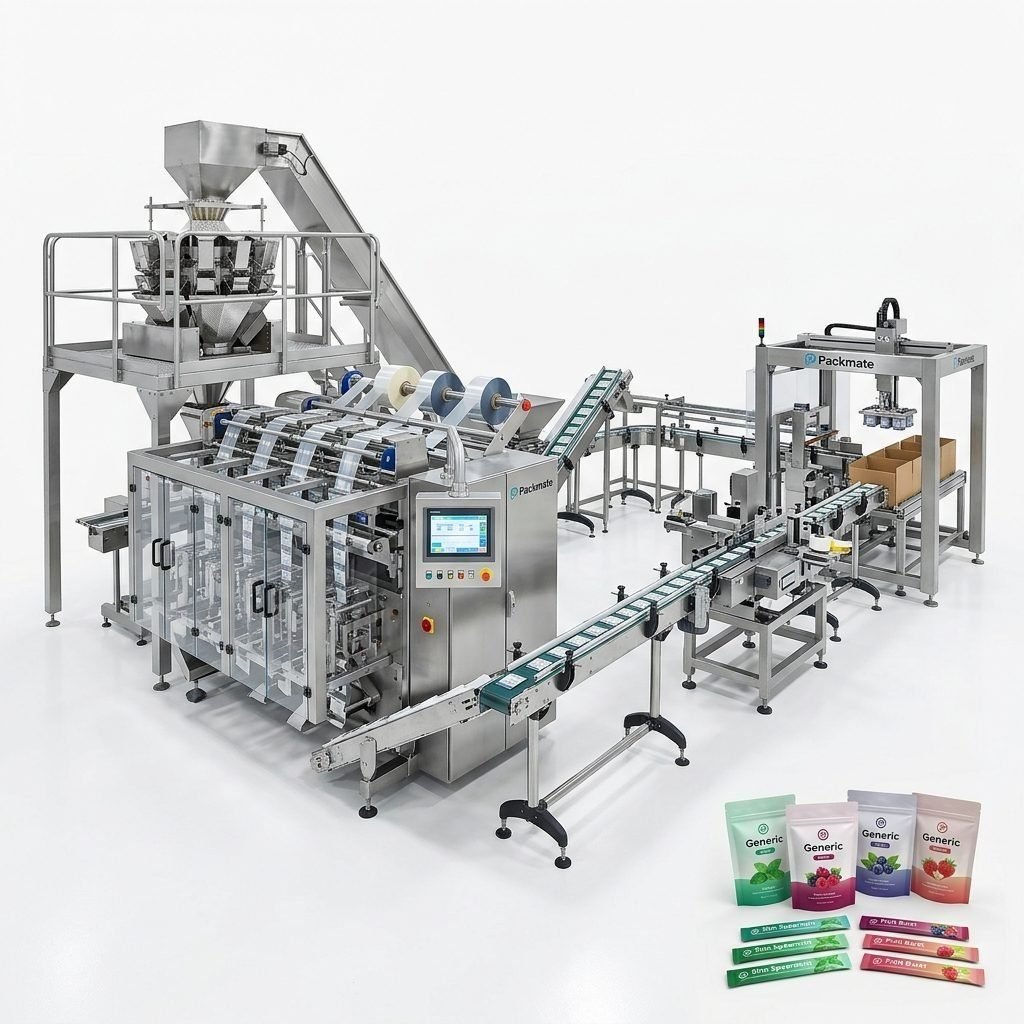
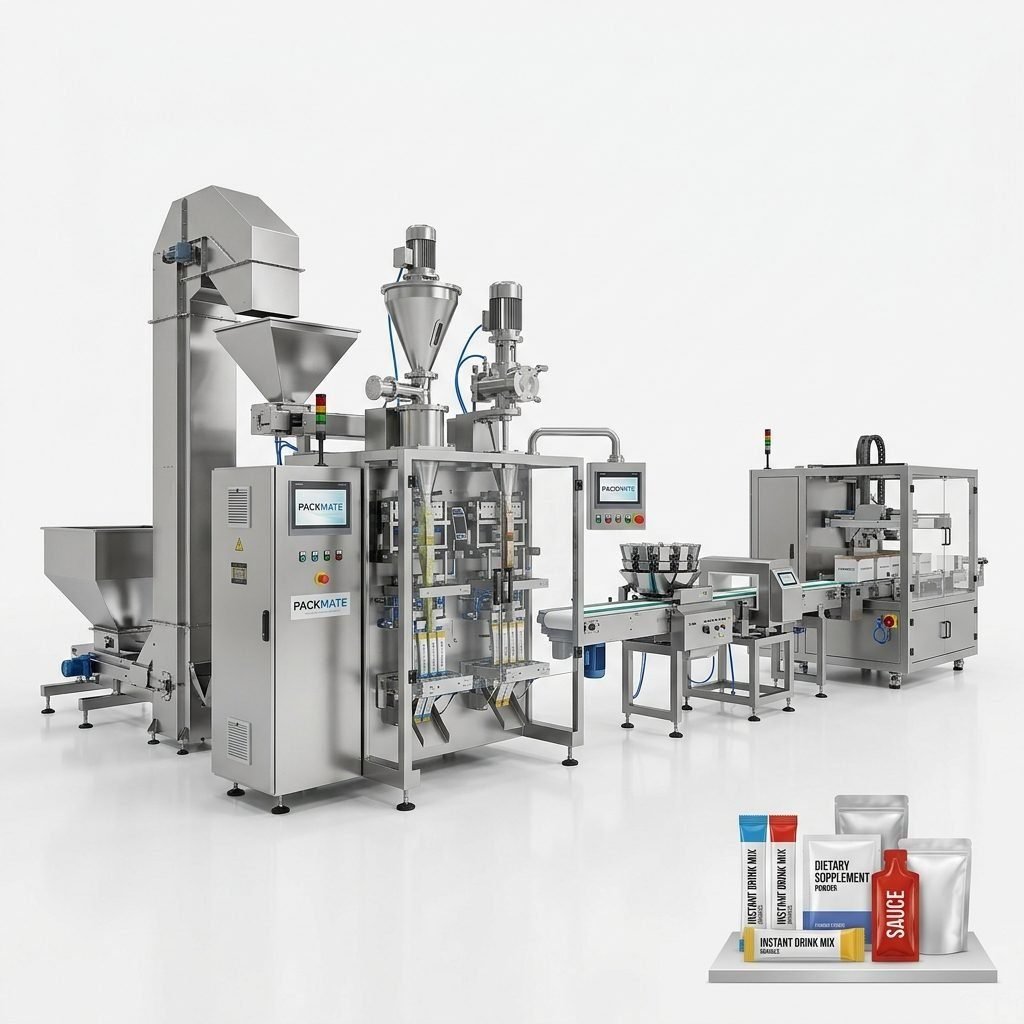
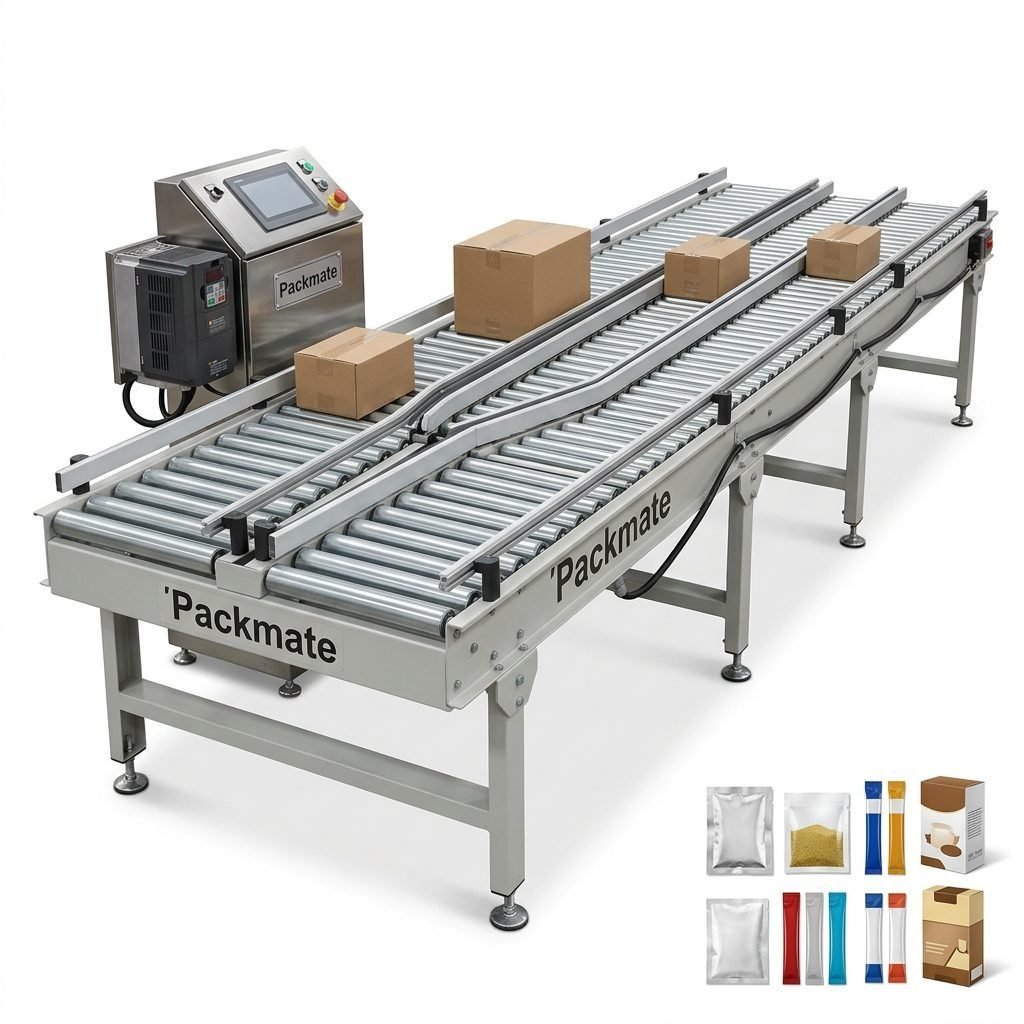
Often, you need more than just a core packaging machine. Consider upstream equipment like conveyors, elevators, and volumetric or auger fillers, and downstream equipment like checkweighers or case packers. A turnkey solution from a single supplier can ensure compatibility and smoother integration.
Step 4: Assess Supplier Credibility
Research the manufacturer’s reputation, experience in the pet food sector, and client portfolio. Review their warranty, technical support, spare parts policy, and availability of local service engineers. A visit to their facility or a client site is highly recommended.
Step 5: Analyze Total Cost of Ownership (TCO)
Look beyond the initial purchase price. Factor in installation, training, maintenance costs, energy consumption, and potential costs associated with downtime. A slightly higher initial investment in a more reliable, efficient machine from a reputable supplier like Packmate often results in lower TCO.
Remember: Request product samples and arrange a live or video production test using your actual treats and packaging materials. This is the most reliable way to verify the machine’s performance before purchase.
Frequently Asked Questions (FAQs)
1. What is the typical price range for a dog snack packaging machine?
Prices vary widely based on type, automation, and speed. Basic semi-automatic machines can start from $10,000, while fully automated, high-speed production lines with integrated weighing can range from $50,000 to over $200,000. It’s essential to get detailed quotes based on your specific needs.
2. Can one machine handle different shapes and sizes of treats?
Yes, many machines offer flexibility. However, changing between vastly different products (e.g., from powder to large jerky strips) usually requires mechanical adjustments and changeover parts. Machines designed for quick changeover minimize this downtime.
3. How important is gas flushing (nitrogen packaging) for dog treats?
For treats prone to oxidation or spoilage, like high-fat jerky or natural treats with no preservatives, gas flushing (MAP) is critical to extend shelf life and maintain freshness. Ensure the machine you choose is capable of this function if needed.
4. What maintenance does a packaging machine require?
Daily cleaning, periodic lubrication of moving parts, and inspection of seals and wear parts (like heating elements) are standard. A good supplier will provide a detailed maintenance schedule. Automated lubrication systems can reduce manual maintenance needs.
5. Should I buy a new or used machine?
New machines come with the latest technology, full warranty, and support. Used machines can offer lower upfront cost but carry risks of hidden wear, outdated controls, and limited support. For core production, a new or professionally refurbished machine from a known supplier is often the safer long-term investment.