For farms and warehouses handling grains, efficiency isn’t just a goal—it’s a necessity for profitability and sustainability. The right grain packaging machine can transform operations, reducing labor costs, minimizing product loss, and ensuring consistent, high-quality packaging that meets market standards. This guide explores the best grain packaging machines suited for efficient farm and warehouse use, helping you make an informed investment that boosts your operational throughput and protects your valuable harvest.
Why Invest in Specialized Grain Packaging Machinery?
Manual packaging of grains is time-consuming, inconsistent, and prone to significant spillage and waste. Specialized grain packaging machines automate the process, offering precise weighing, rapid filling, and secure sealing. This automation is crucial for operations scaling up their production or those dealing with large volumes of commodities like rice, wheat, corn, beans, and seeds. The return on investment is often realized through reduced labor dependency, faster order fulfillment, and superior package integrity that extends shelf life and reduces rejection rates.
Key Benefits for Agricultural & Storage Facilities
The advantages extend beyond simple speed. Modern grain packers offer:
Precision Weighing: Advanced systems ensure each bag meets exact weight specifications, crucial for compliance and fair trade.
Dust Control & Hygiene: Enclosed systems contain grain dust, creating a safer work environment and maintaining product cleanliness.
Flexibility: Many machines can handle various bag types (woven poly, paper, jute) and sizes, adapting to different product lines.
Data Tracking: Integrated counters and, in some cases, connectivity features help monitor production output for better management.
Types of Grain Packaging Machines for Different Scales
Choosing the right machine depends on your volume, bag type, and level of automation desired.
1. Semi-Automatic Weighing & Filling Machines
Ideal for small to medium-sized farms or warehouses with moderate output. An operator places the bag on the spout, and the machine automatically weighs and fills the grain. These units, like certain models from weighing & packaging systems, are cost-effective and perfect for operations not requiring fully hands-off automation. They significantly increase accuracy and speed over manual methods.
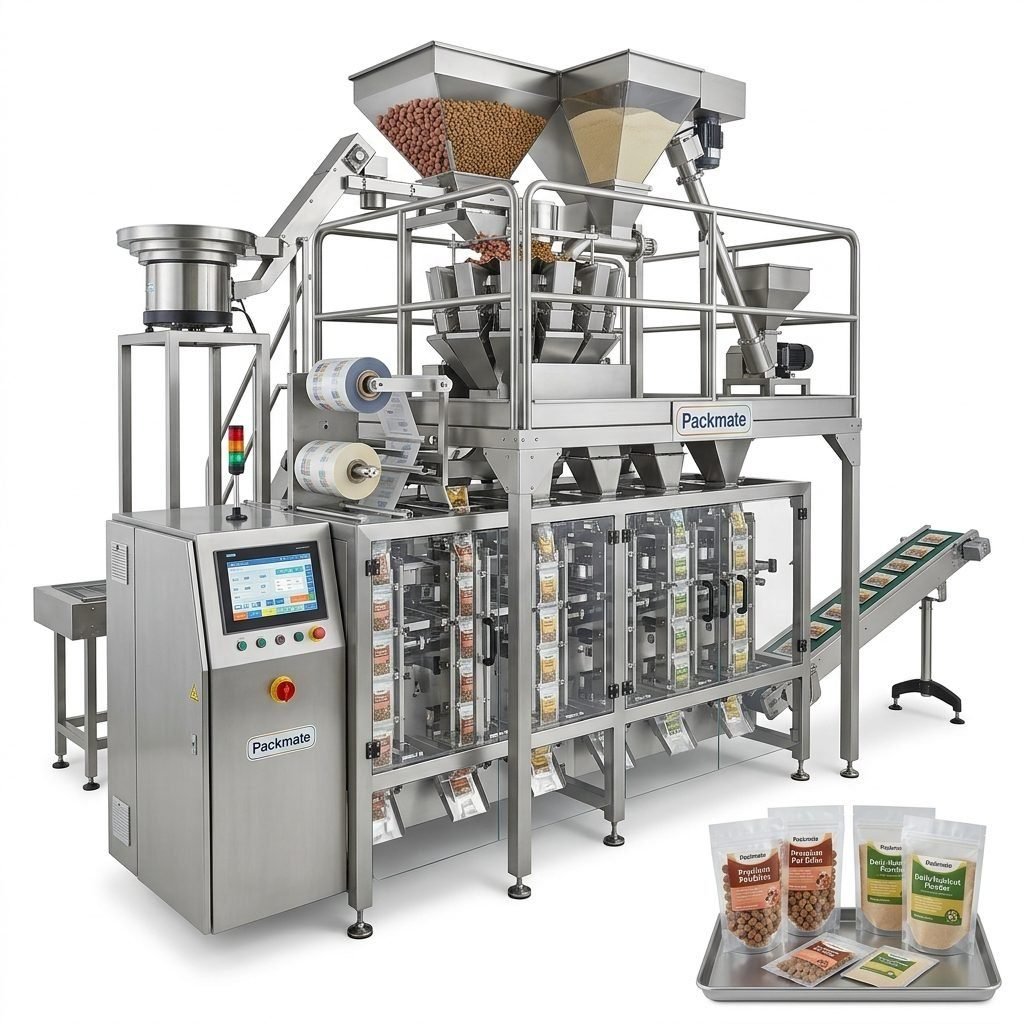
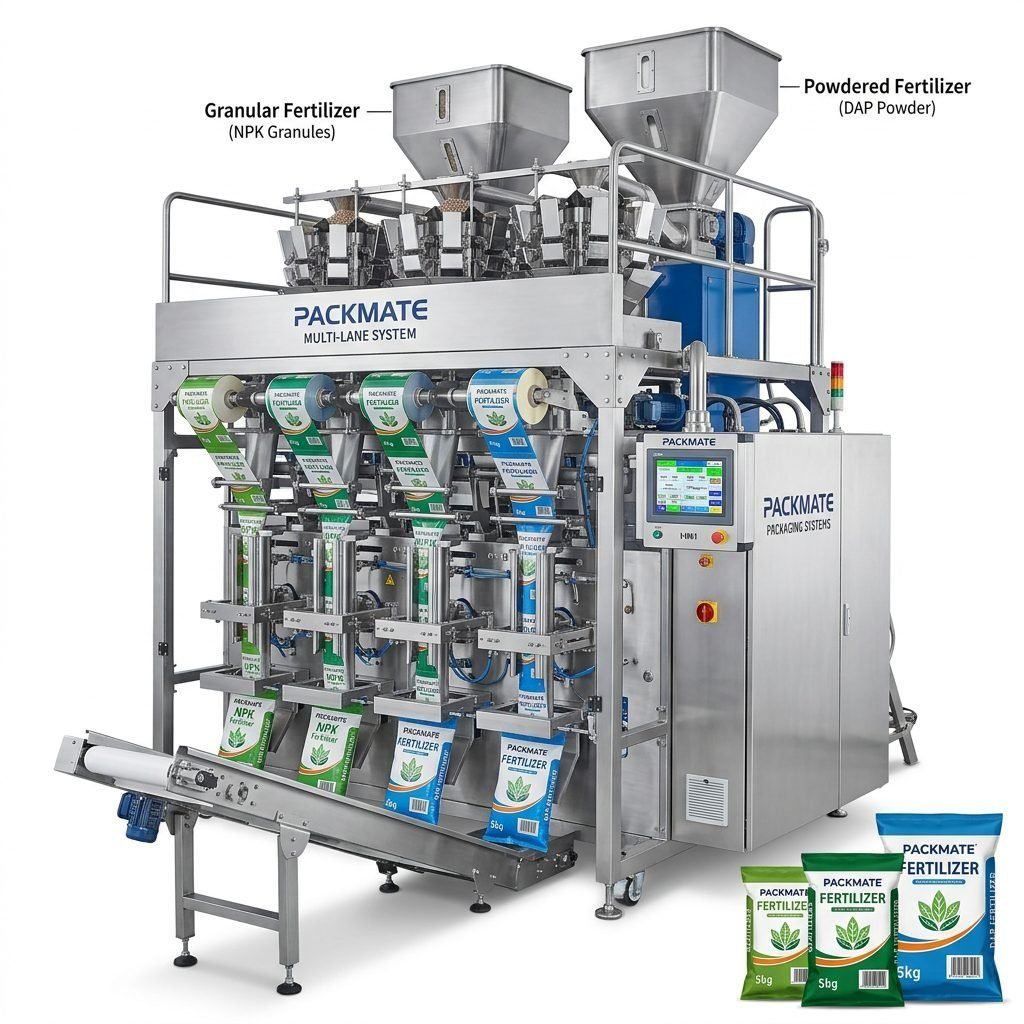
2. Automatic Open-Mouth Bagging Lines
The workhorse for large-scale grain handling. These fully automatic lines handle the entire process: bag feeding, opening, weighing, filling, and closing. They are designed for high-speed packaging into traditional open-mouth sacks. For facilities packaging into various bag and pouch styles, exploring bag & pouch packaging machines can provide tailored solutions that integrate seamlessly with conveyors and palletizers for a complete end-of-line system.
3. Valve Bag Packers
Specialized for filling grains through the valve of a pre-formed bag (like many commercial flour or seed bags). The machine seals the bag through heat or sewing after filling. This method is very fast and dust-tight, excellent for products where contamination must be avoided.
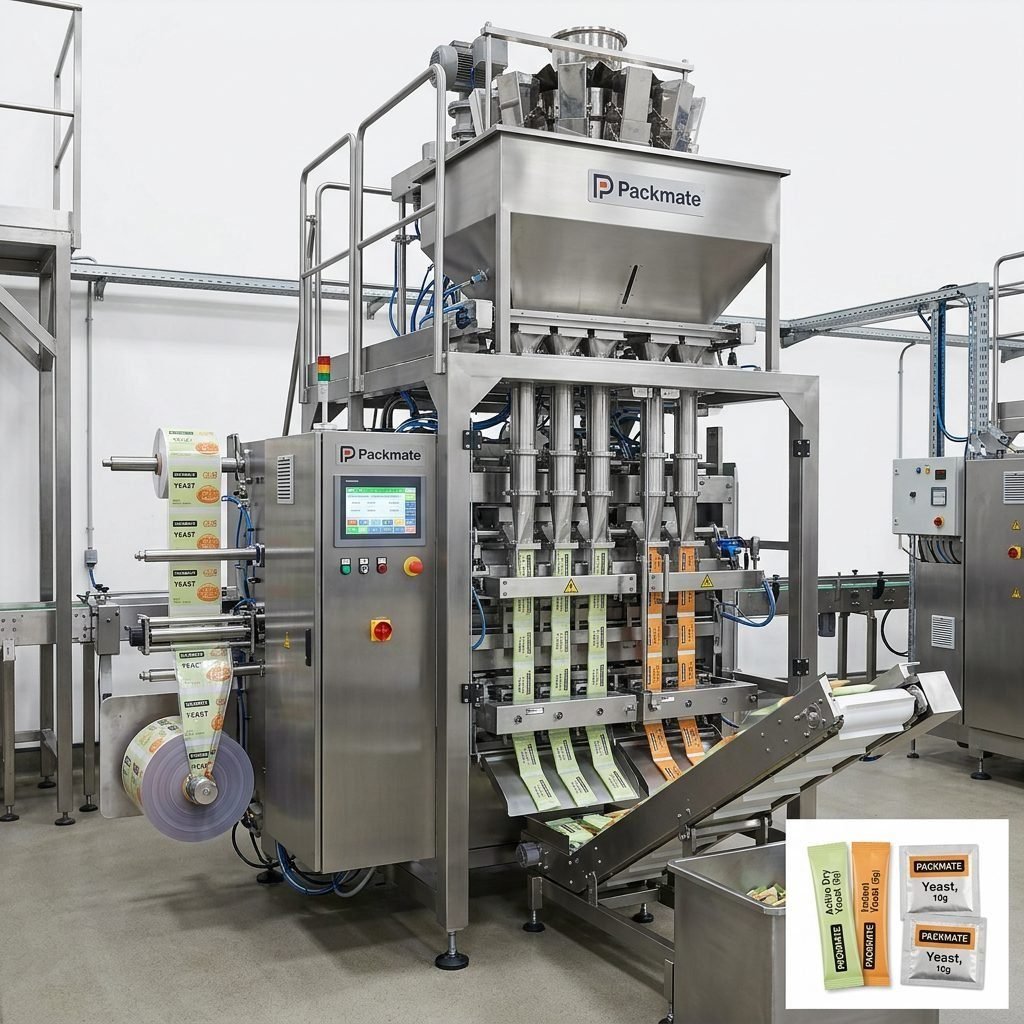
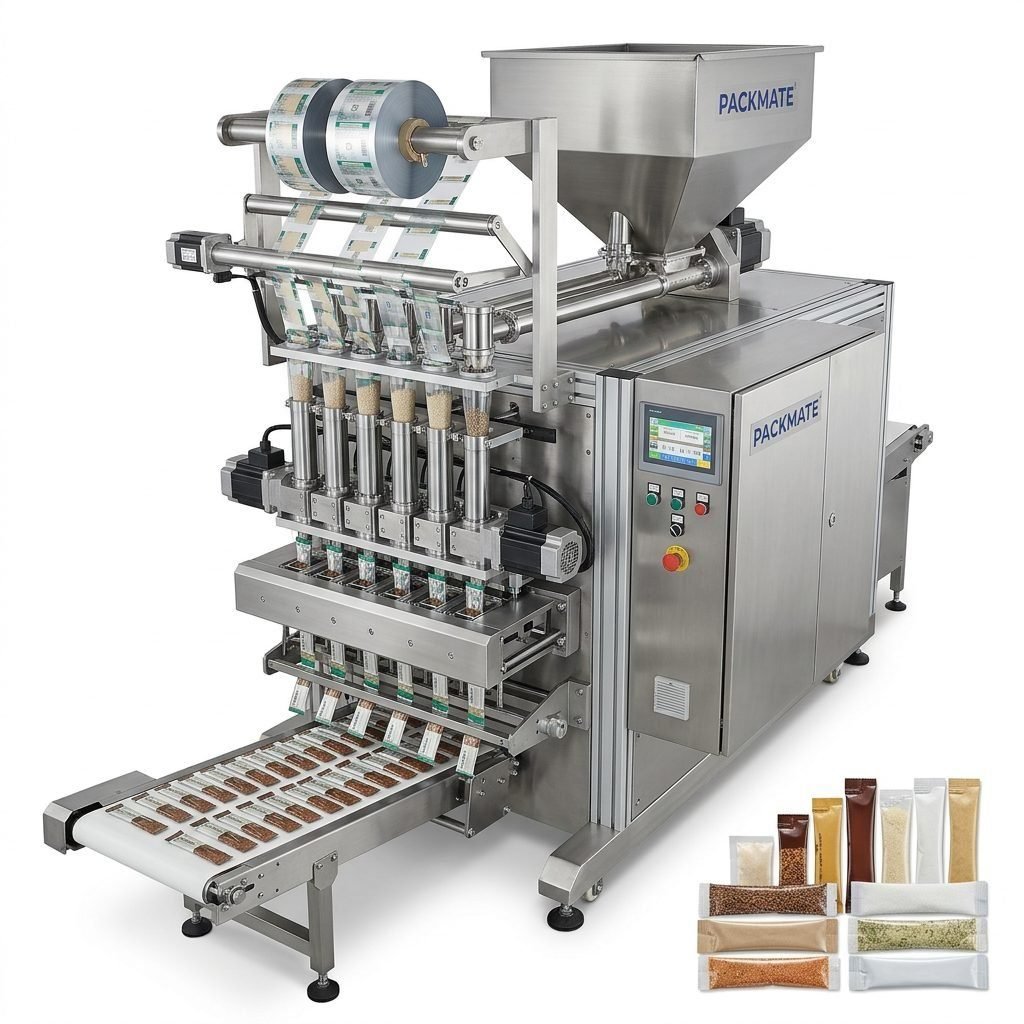
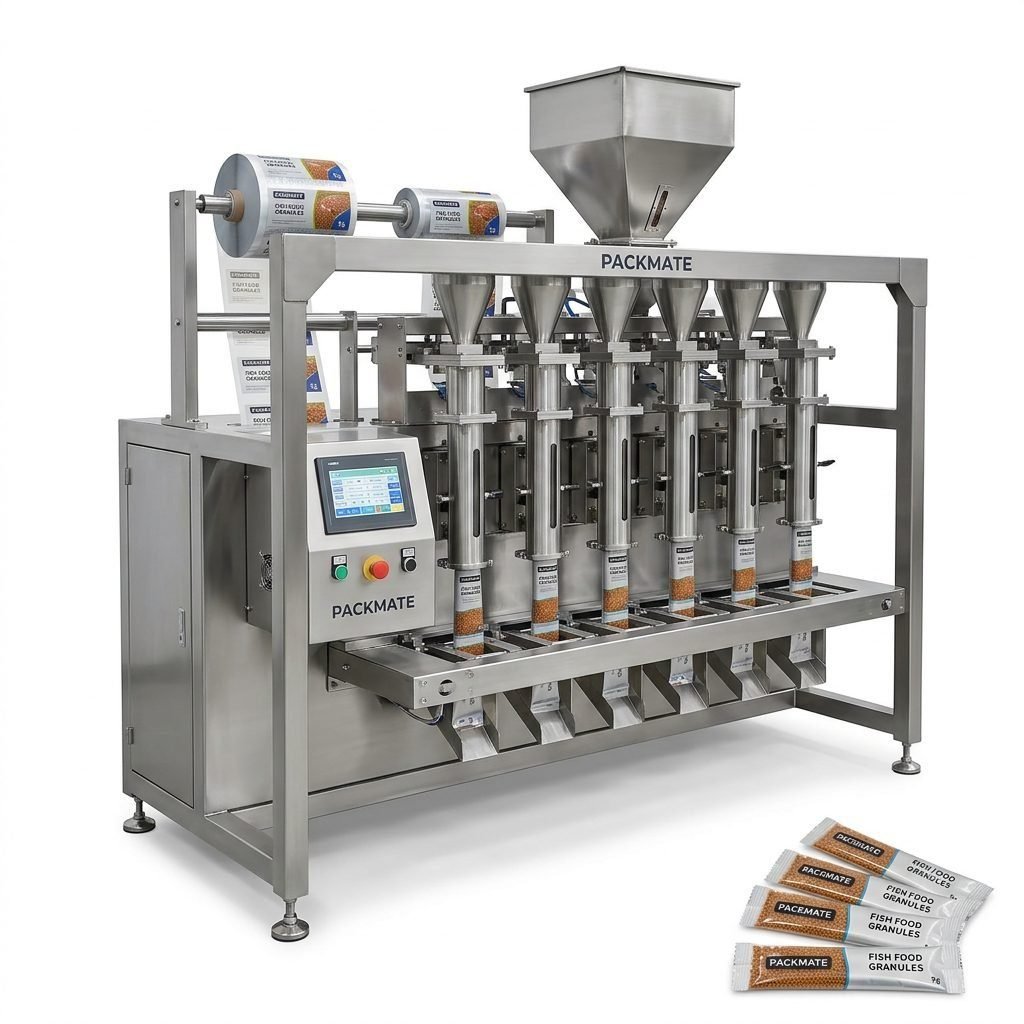
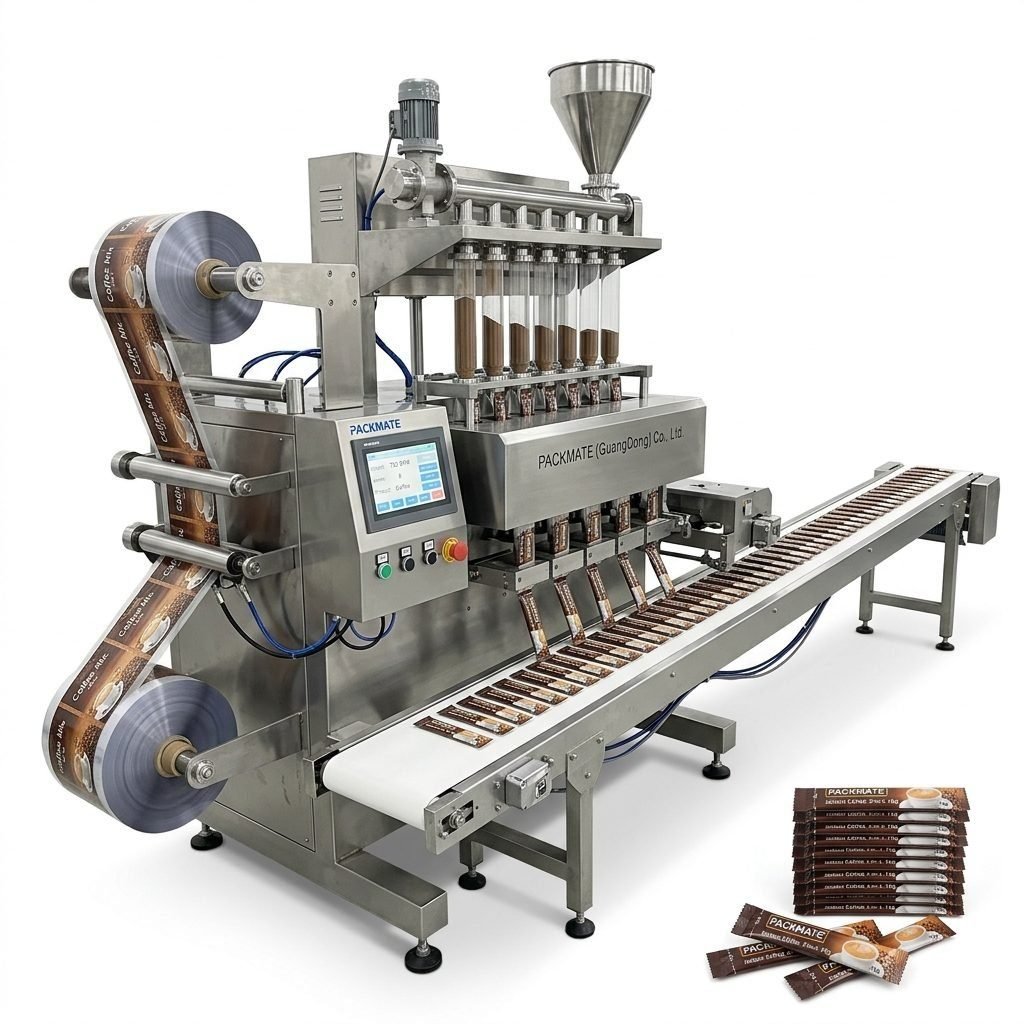
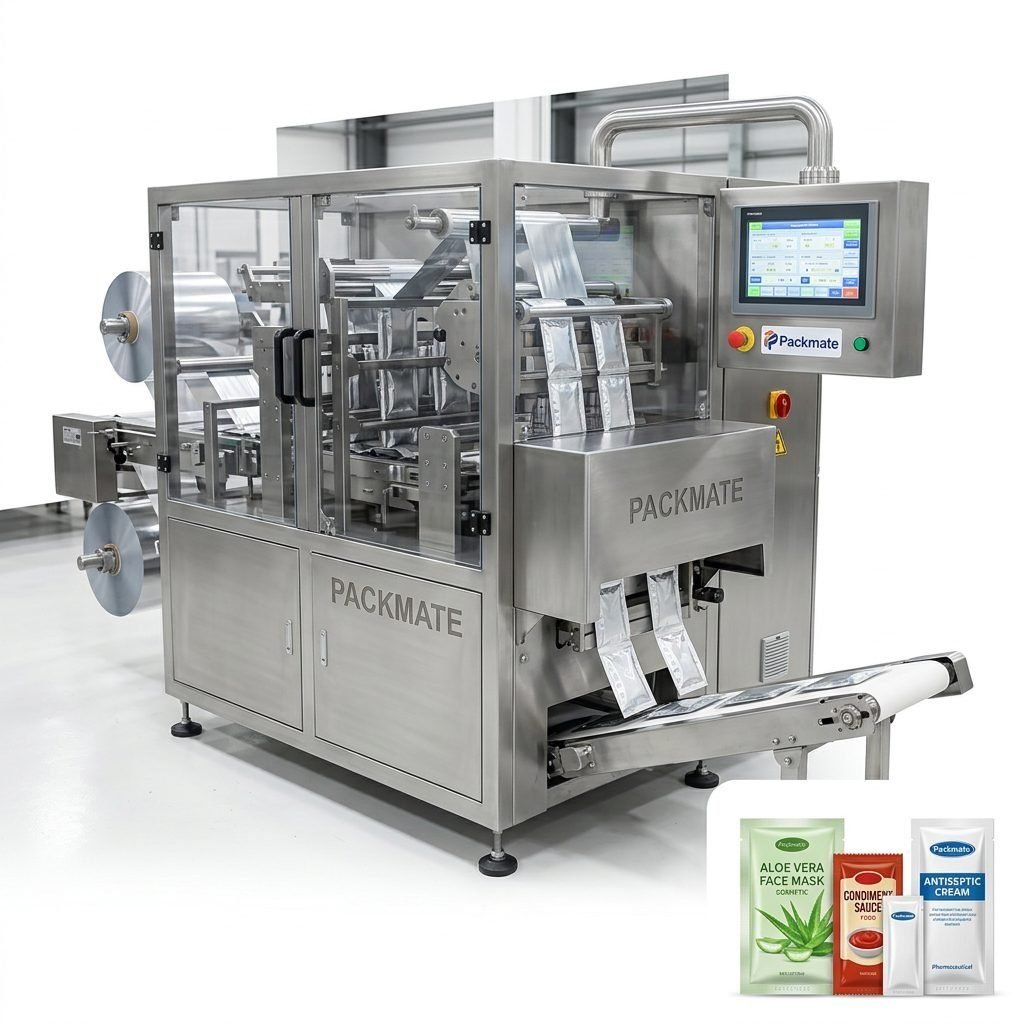
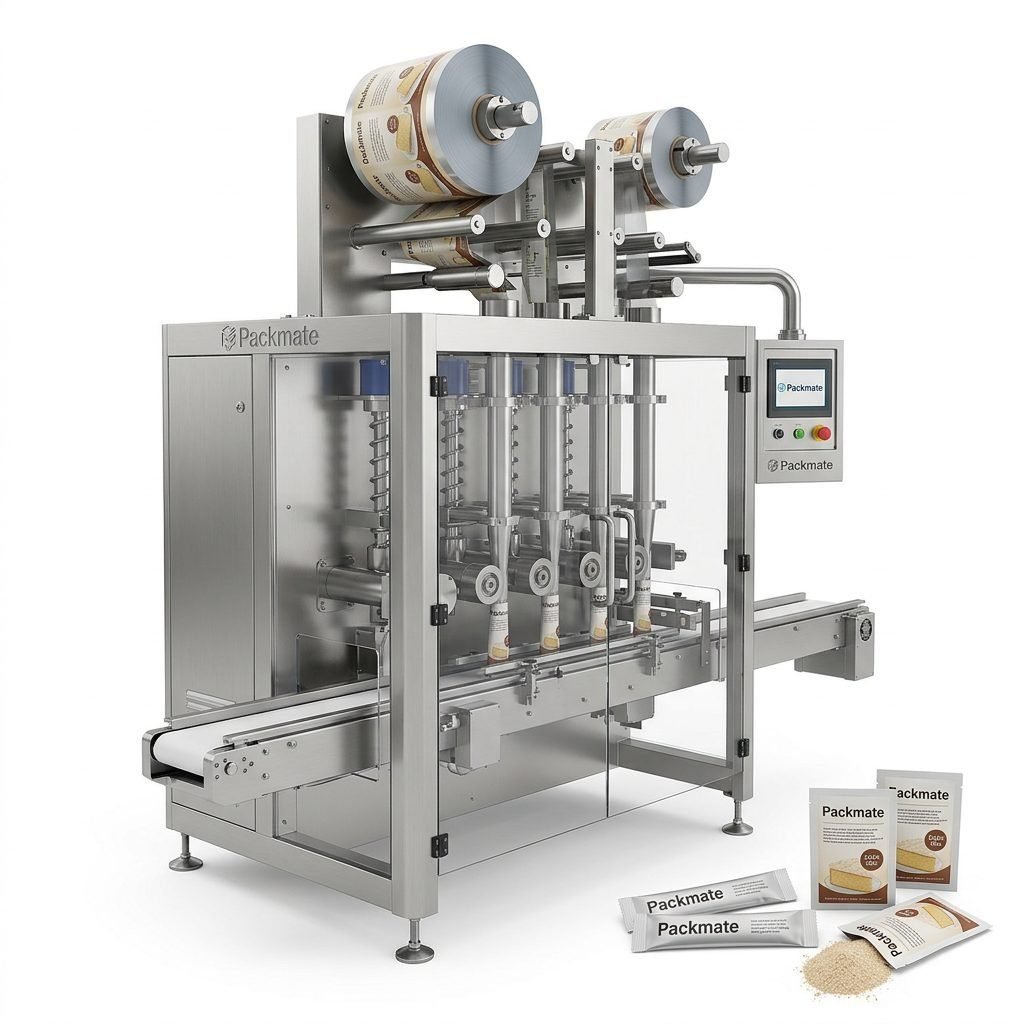
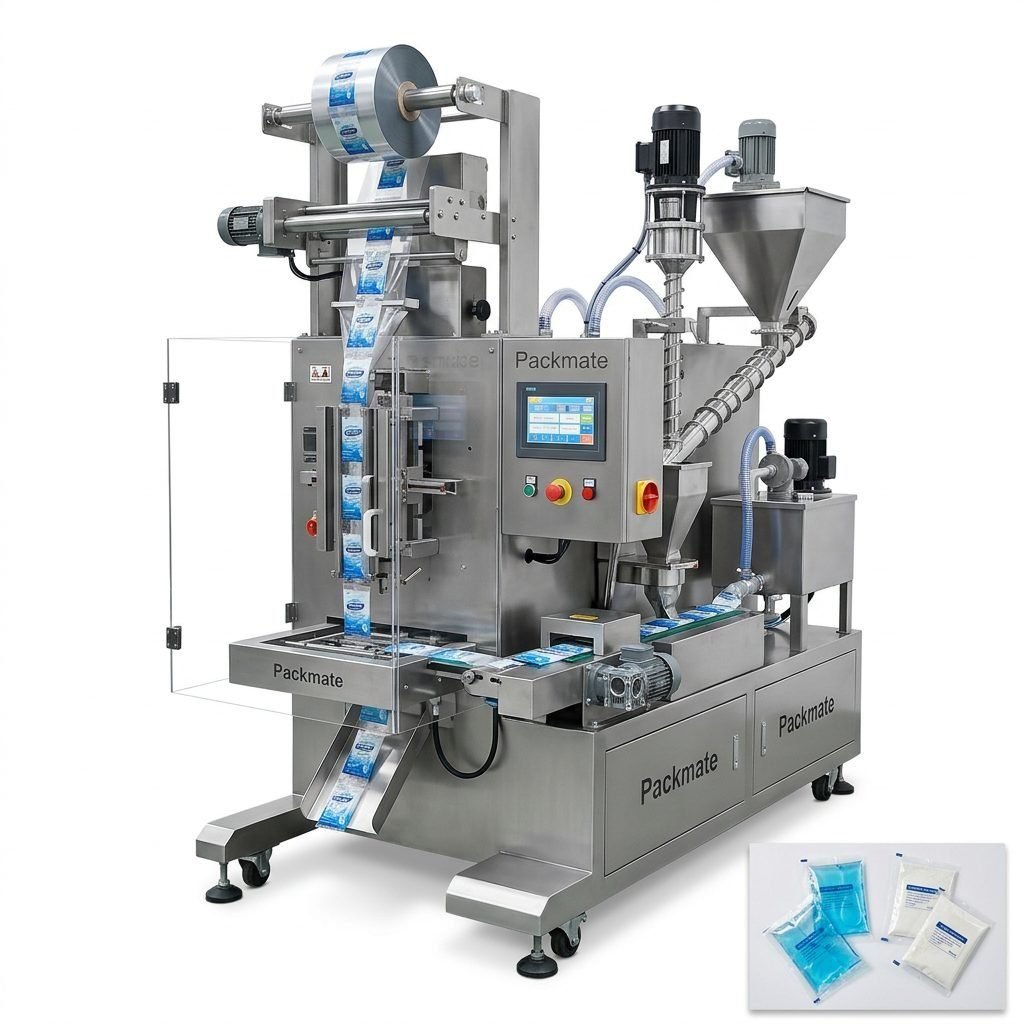
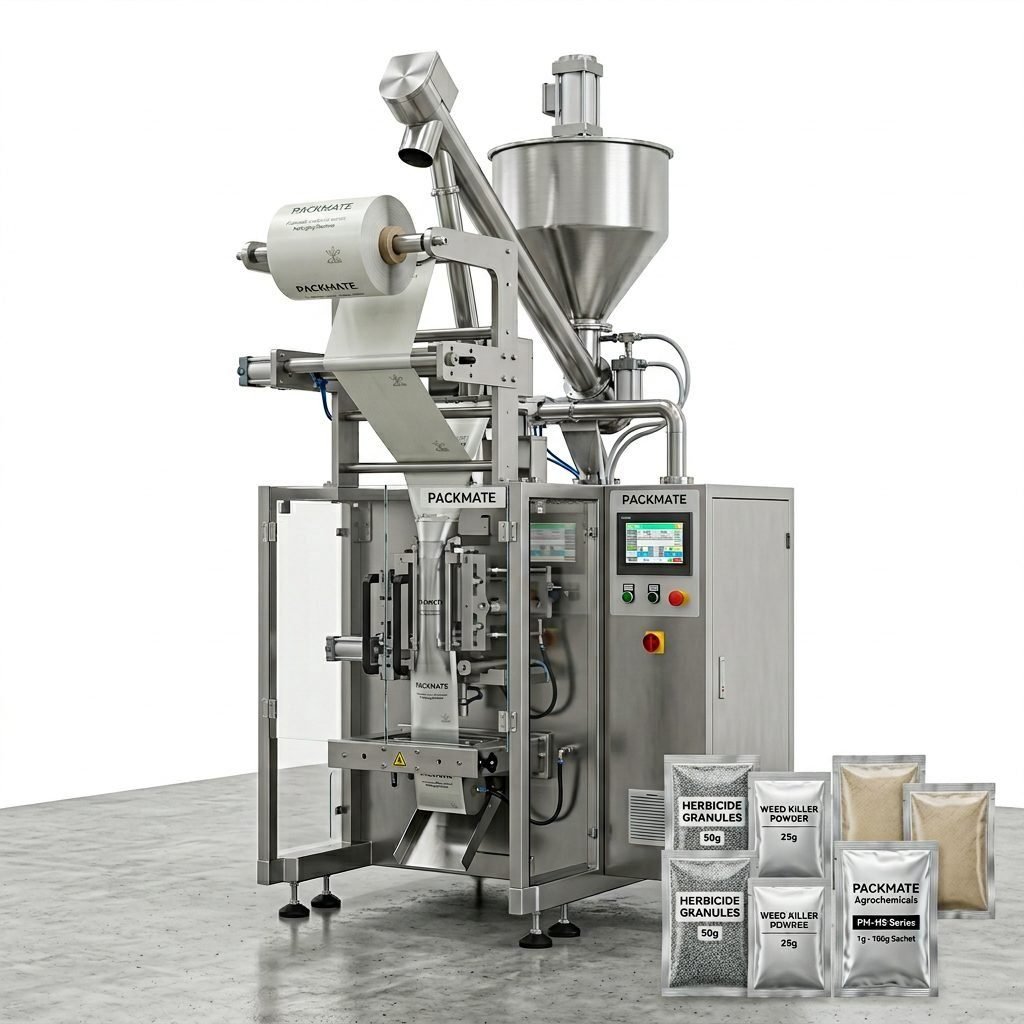
4. Multi-Lane Stick Pack & Sachet Machines
For value-added operations packaging smaller quantities of specialty grains, seeds, or grain-based powders for retail. These machines create sleek, portable packages from roll film. While not for bulk farm grain, they are perfect for agri-businesses diversifying into consumer goods. Companies like Packmate Machinery offer robust sachet & stick pack machines that bring high-speed, precision packaging to this segment.
Critical Features to Evaluate Before Purchase
Not all machines are created equal. Focus on these core features to ensure longevity and performance.
Weighing System Accuracy
The heart of any packaging machine. Look for high-precision load cells and stable weighing platforms. The system should compensate for product flow characteristics to hit target weights consistently, avoiding costly giveaways or underweight packages.
Construction & Durability
Grain can be abrasive. Machines must be built with stainless steel or hardened carbon steel at critical contact points to resist wear. A sturdy frame minimizes vibration, which is essential for weighing accuracy.
Speed & Throughput
Match the machine’s bags-per-hour (BPH) rate to your current and projected needs. Remember, rated speed and sustainable operational speed can differ. Consider a machine with a slightly higher capacity to accommodate growth.
Ease of Cleaning & Maintenance
Hygiene is paramount in food-grade packaging. Machines with smooth surfaces, easy-access panels, and tool-free disassembly of key parts reduce downtime during changeovers and cleaning. Reliable suppliers provide comprehensive training and support, a service emphasized by industry leaders focused on customer service.
Integration Capability
Consider how the machine will fit into your existing line. Does it need to interface with checkweighers, bag flatteners, or robotic palletizers? Ensure the manufacturer can provide or recommend compatible auxiliary packaging equipment.
Optimizing Your Packaging Line for Maximum Efficiency
Buying the machine is just the first step. Proper integration and operation are key.
Workflow Design: Plan the material flow from storage silo to bagging station to palletizing area to minimize handling and bottlenecks.
Operator Training: Well-trained operators can perform quick changeovers, basic troubleshooting, and routine maintenance, maximizing uptime.
Preventive Maintenance: Adhere strictly to the manufacturer’s lubrication and inspection schedule. Keeping a log of machine performance helps anticipate parts wear.
Quality Control Points: Implement regular checks for bag weight, seal integrity, and coding clarity. A small error, multiplied by thousands of bags, becomes a major loss.
Partnering with a Reputable Manufacturer
Your machine is a long-term investment. Partnering with an experienced manufacturer like Packmate Machinery, which has over 30 years of expertise in packaging equipment, provides significant advantages. They offer not just a machine, but a solution—from initial consultation and factory layout advice to installation, training, and ongoing technical support. A manufacturer with a global presence understands diverse market needs and can provide machines that meet international standards. Reviewing a company’s project cases can give insight into their practical experience with similar applications.
Frequently Asked Questions (FAQs)
What is the typical payback period for a grain packaging machine?
The payback period varies based on volume, labor costs saved, and reduction in waste. For medium to high-volume operations, it typically ranges from 12 to 24 months. The efficiency gains in speed and accuracy often justify the investment quickly.
Can one machine handle different types of grains and bag sizes?
Many machines are designed for flexibility. However, switching between vastly different grain sizes (e.g., whole corn vs. millet) or bag types may require adjustments, change parts, and recalibration. Discuss your specific product mix with the manufacturer to ensure the chosen model can handle your required range efficiently.
How important is after-sales service and parts availability?
Extremely important. Packaging machines are precision mechanical devices that will require maintenance and occasional parts replacement. Choose a supplier known for reliable technical support, readily available spare parts, and comprehensive service agreements to minimize potential downtime.
What are the key safety features to look for?
Essential safety features include emergency stop buttons, protective guarding around moving parts, interlocks that prevent operation when guards are open, and dust explosion mitigation systems if applicable. Operator safety should never be compromised.
Are there financing options available for this equipment?
Many equipment manufacturers and their dealers offer financing plans or leasing options to help businesses manage capital expenditure. It’s always worth inquiring about flexible payment solutions that can ease the initial investment burden.