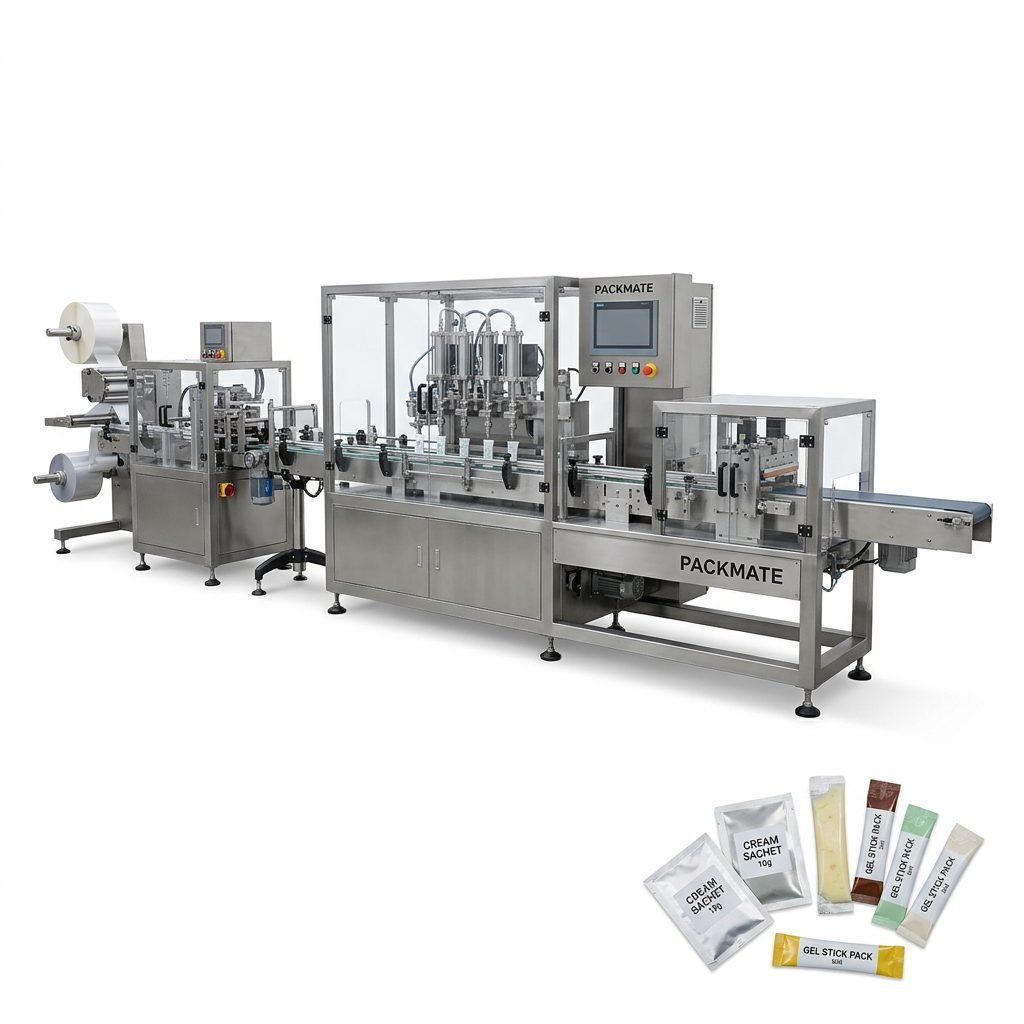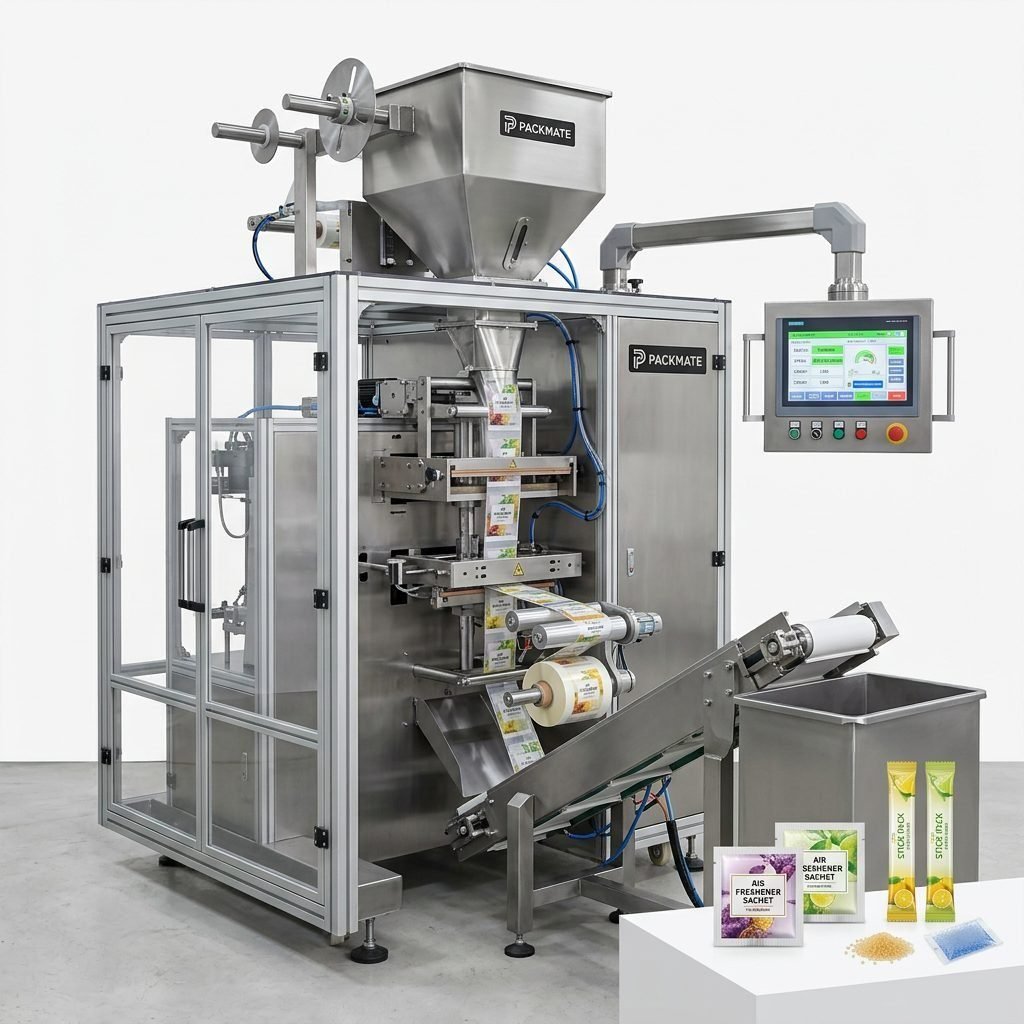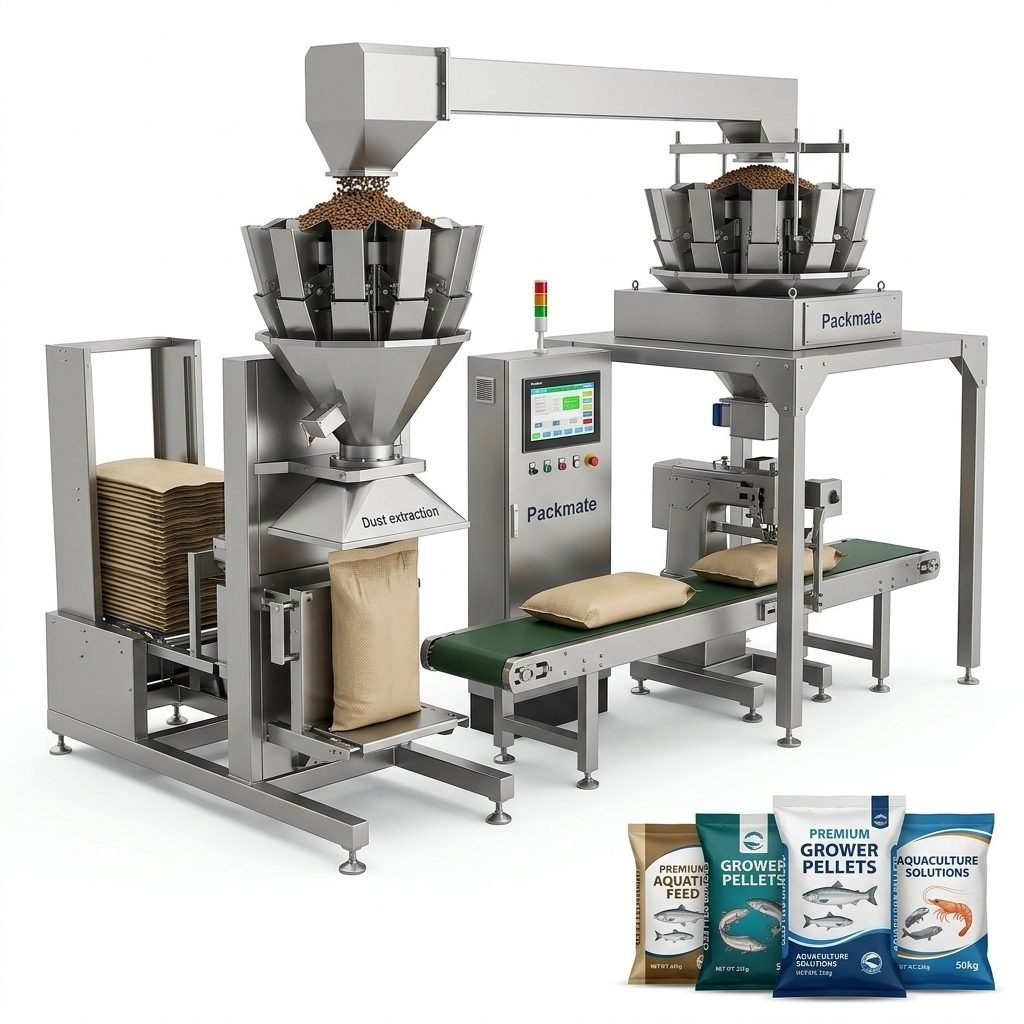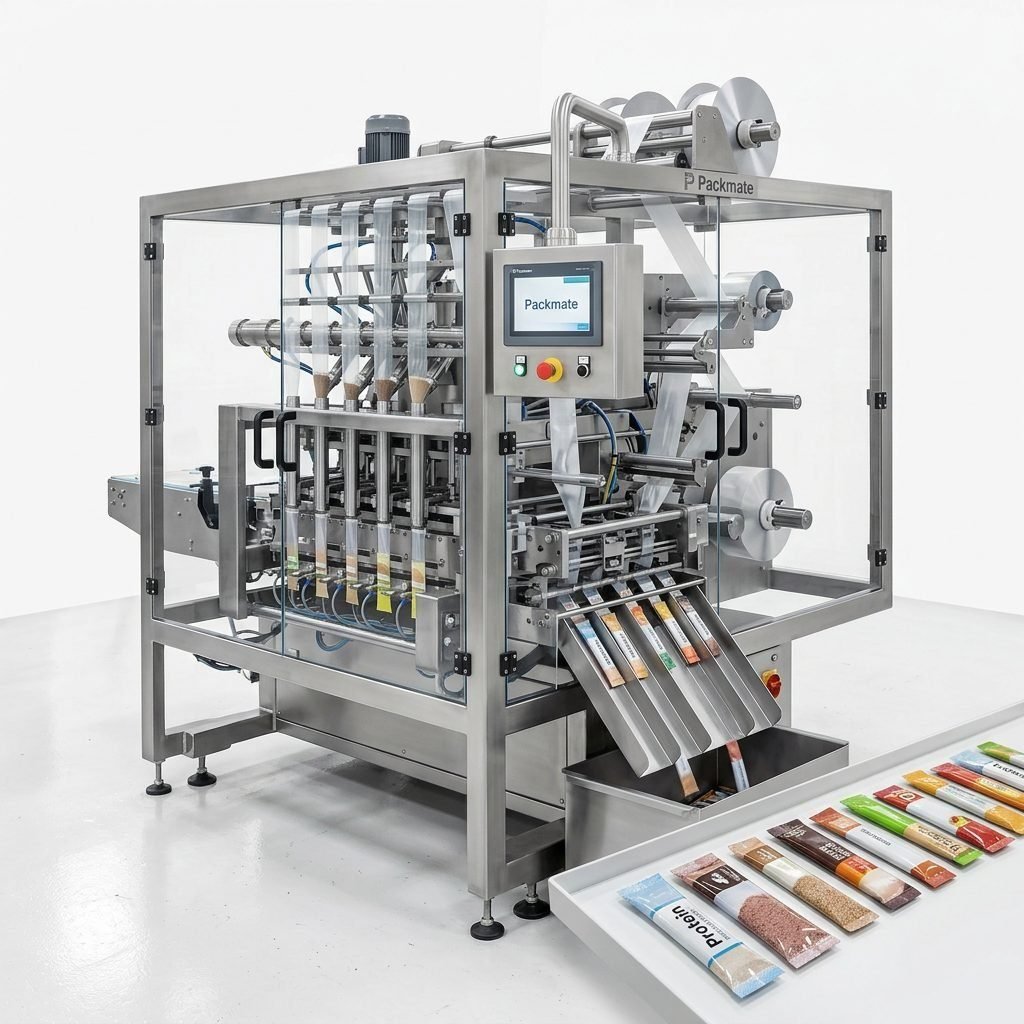
In the dynamic world of beverage production, efficiency, hygiene, and presentation are paramount. The right drink packaging machine is not just a piece of equipment; it’s the backbone of your operation, ensuring product integrity from the filling line to the consumer’s hand. This comprehensive guide delves into the types, core functions, and critical selection tips for drink packaging machinery, empowering you to make an informed investment that boosts productivity and brand value.
Core Functions of a Drink Packaging Machine
Modern drink packaging machines are sophisticated systems designed to automate the entire packaging process. Their primary functions work in a seamless, integrated sequence to ensure speed, accuracy, and sterility.
Filling: This is the heart of the operation. Machines precisely measure and dispense the liquid product into containers—whether bottles, cans, pouches, or cartons. Accuracy here is non-negotiable to maintain consistent fill levels and comply with regulatory standards.
Sealing/Capping: Immediately after filling, the container must be securely sealed. This function varies widely, from applying screw caps, press-on lids, and foil seals for bottles to heat-sealing the tops of flexible pouches or stick packs. A perfect seal is critical for preventing leaks, preserving carbonation, and ensuring product safety.
Labeling & Coding: Branding and information come next. Machines apply labels with branding, ingredients, and barcodes. Simultaneously, they print essential data like batch numbers, manufacturing dates, and expiration dates directly onto the packaging. This traceability is vital for quality control and supply chain management.
Types of Drink Packaging Machines
The choice of machine is heavily influenced by your product type, packaging material, and desired output. Here’s a breakdown of the main categories.
By Packaging Format
Bottling Lines: The most common system for water, juices, sodas, and alcoholic beverages. These are often rotary machines that handle glass or PET bottles through rinsing, filling, capping, and labeling at very high speeds. For businesses looking for robust filling & packaging lines, this format is often the cornerstone.
Canning Machines: Specialized for aluminum or steel cans, commonly used for beers, carbonated soft drinks, and ready-to-drink coffees. They typically involve a pressurized filling environment to maintain carbonation and prevent oxidation.
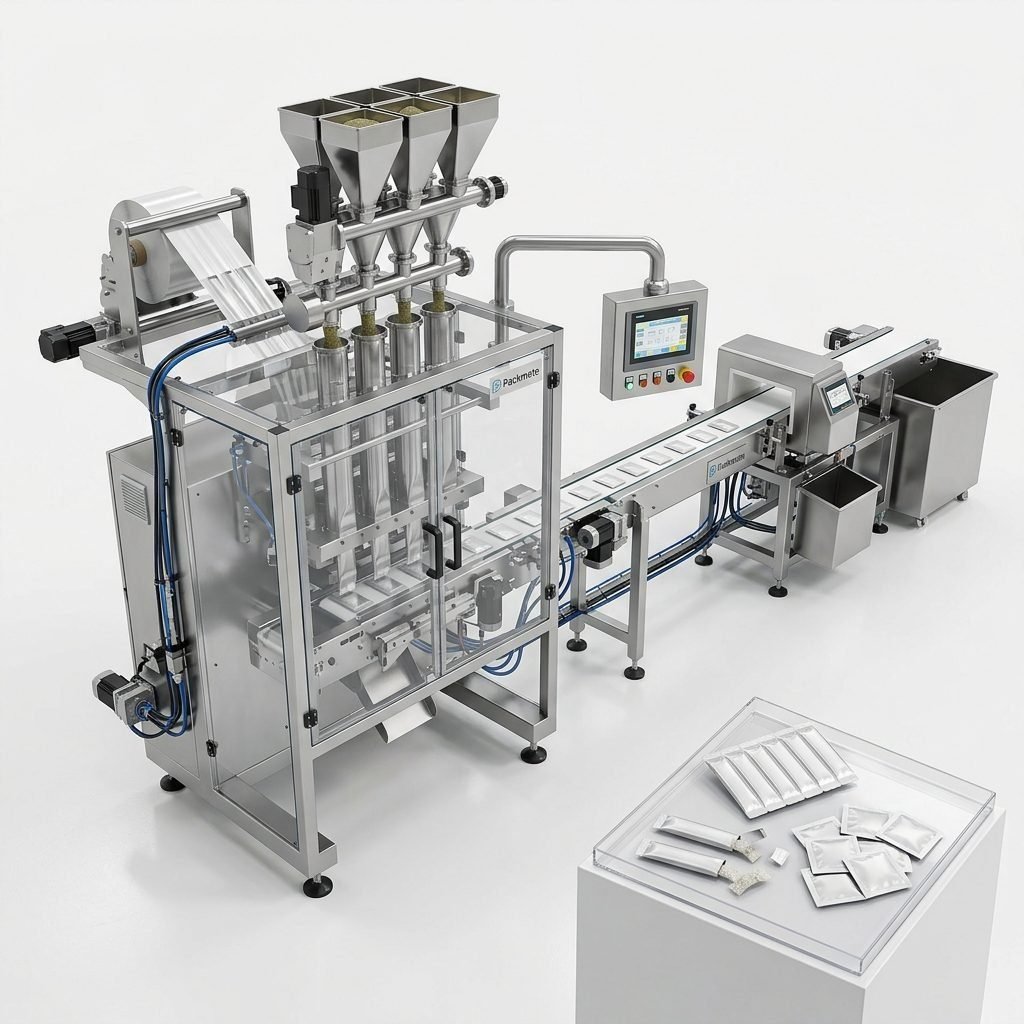
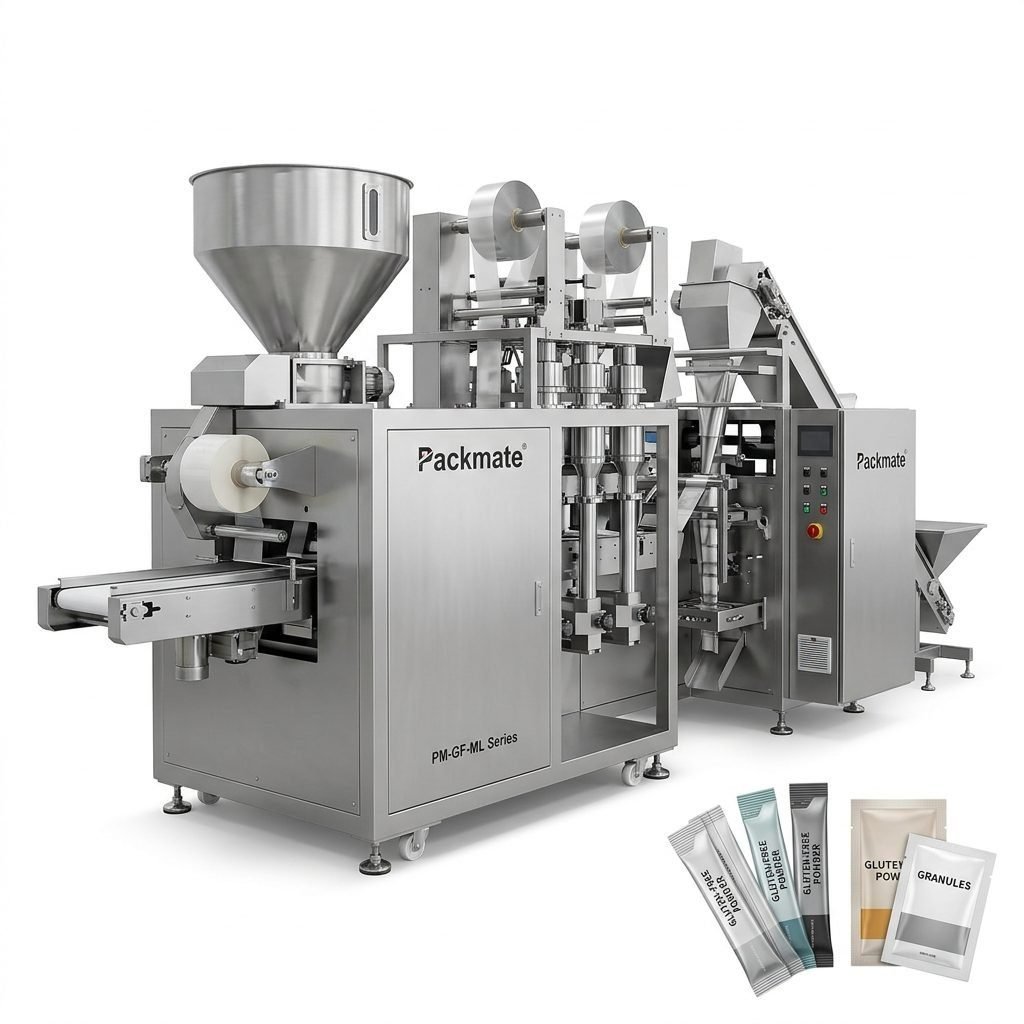
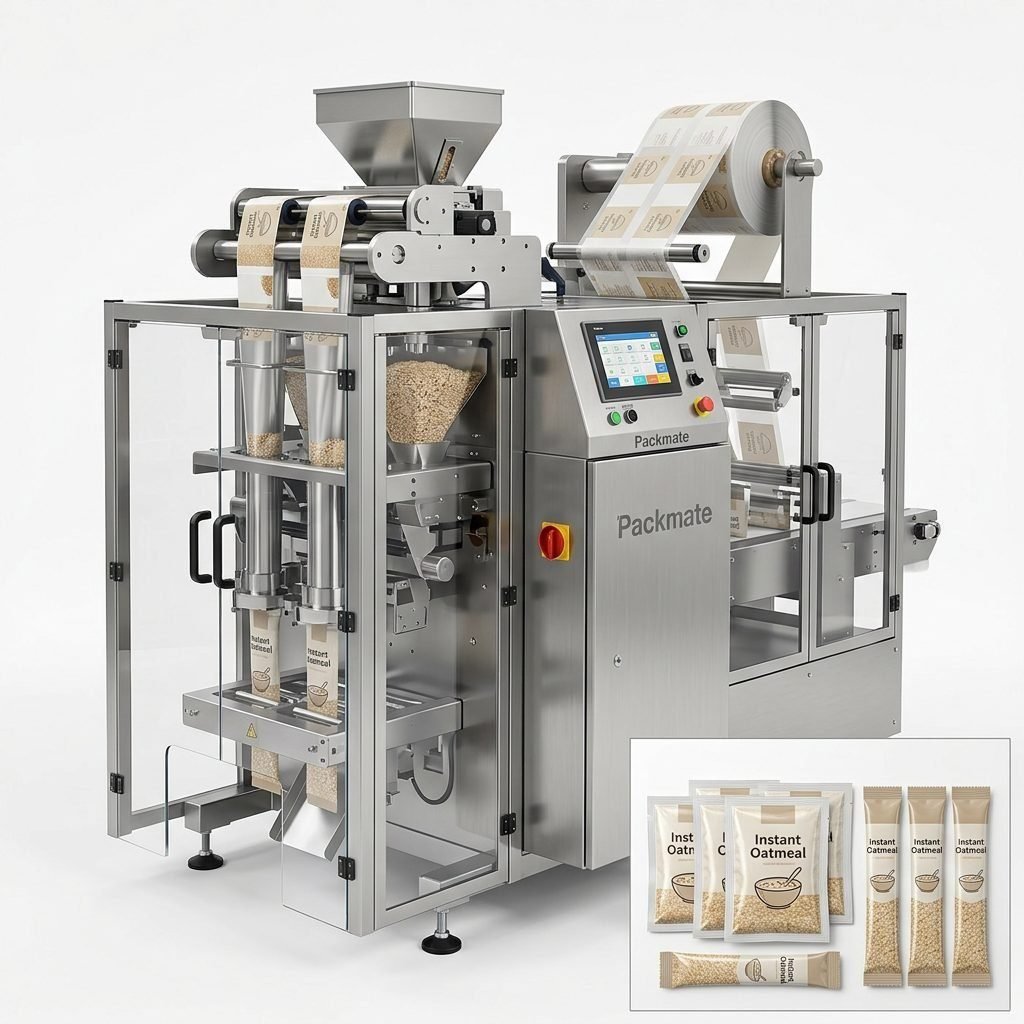
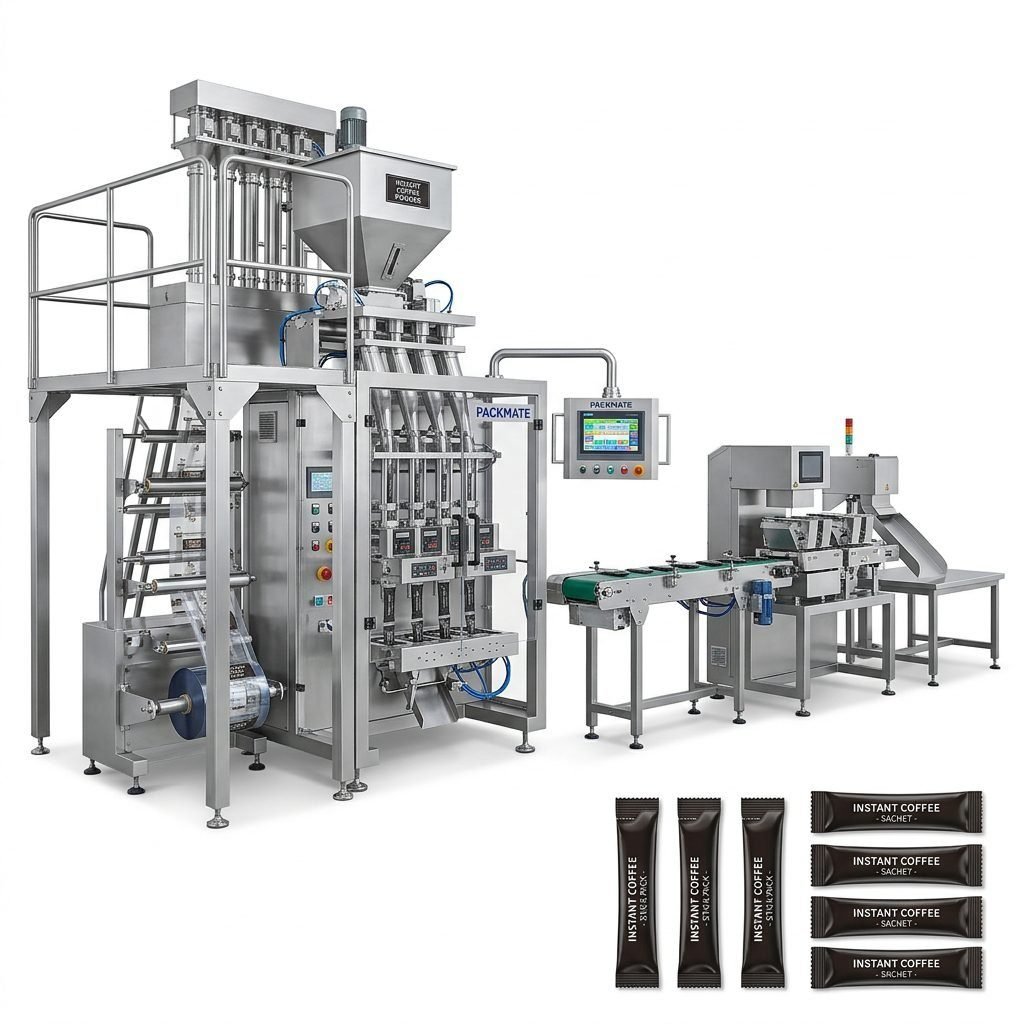
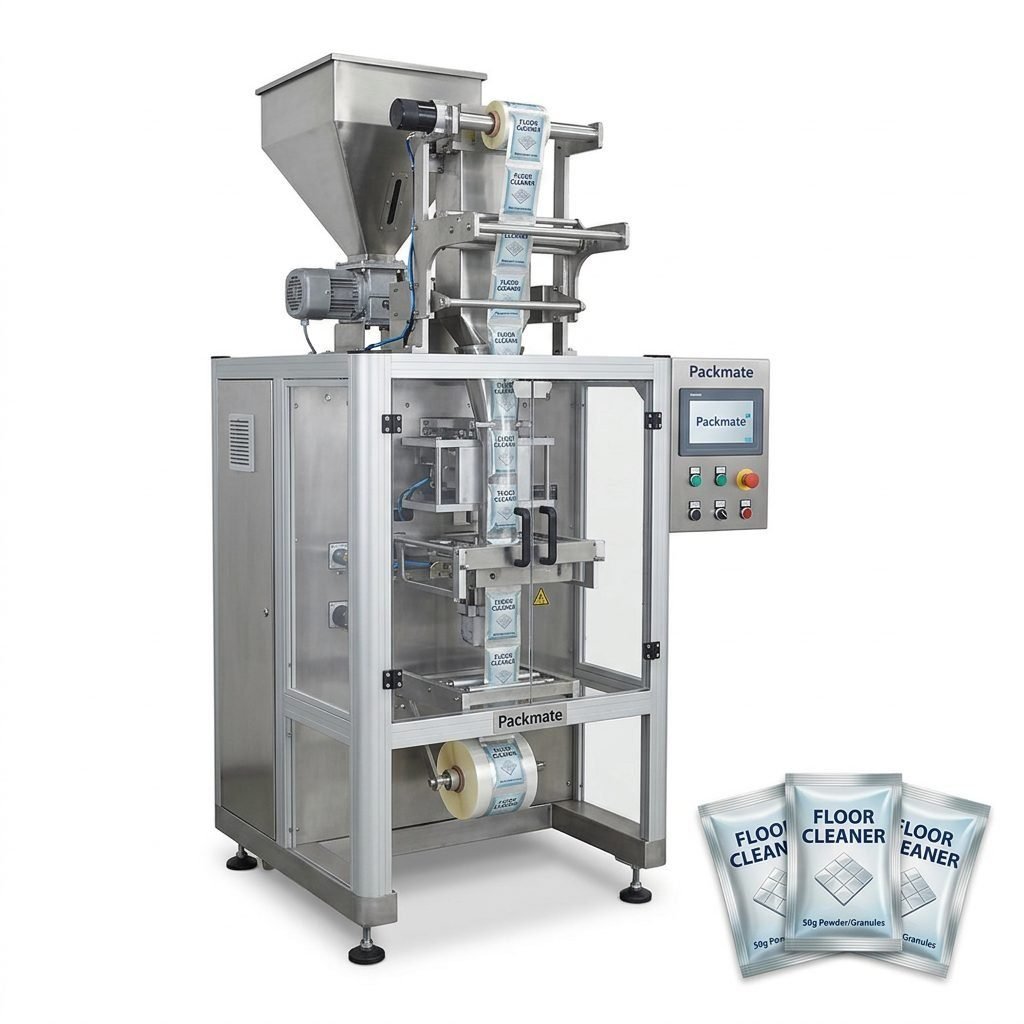
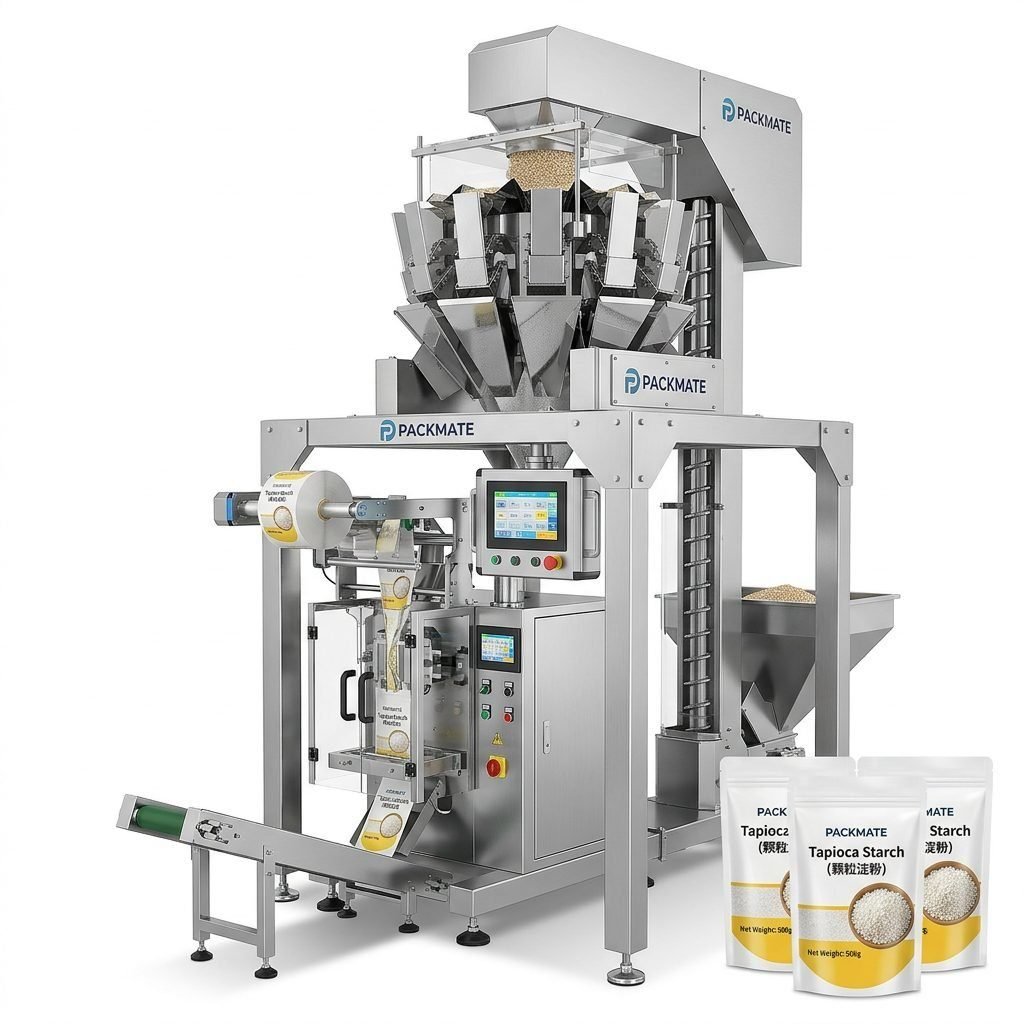
Pouch & Sachet Machines: Ideal for single-serve portions, dairy products, liquid concentrates, and powders. These machines form, fill, and seal (FFS) rolls of flexible film into finished pouches. They are highly versatile and cost-effective for packaging materials. Explore our range of sachet & stick pack machines for efficient small-format solutions.
Aseptic Packaging Machines: These advanced systems sterilize both the product and the packaging material separately before filling in a sterile environment. This allows perishable drinks like milk, juice, and plant-based beverages to be stored without refrigeration for months. The technology is complex but offers immense distribution advantages.
By Operation Mode
Semi-Automatic Machines: Perfect for startups, small batches, or pilot production. They require some manual intervention, such as placing bottles or initiating cycles, but automate the core filling and sealing functions. They offer a lower initial investment and greater flexibility.
Fully Automatic Lines: The gold standard for medium to large-scale production. These integrated lines automatically handle containers from depalletizing to palletizing, encompassing washing, filling, sealing, labeling, and packaging with minimal human oversight. They deliver maximum output, consistency, and operational efficiency.
Essential Selection Tips for Your Business
Choosing the wrong machine can lead to costly downtime and product waste. Consider these factors carefully to find your perfect match.
1. Product Characteristics: Is your product still or carbonated? Viscous like syrup or thin like water? Hot-filled or cold-filled? Each property dictates the type of pump, valve, and sealing technology required. Carbonated drinks need pressurized fillers, while viscous products need piston fillers.
2. Desired Output (Speed & Capacity): Calculate your current and projected future production needs in bottles, cans, or pouches per hour. A machine that is too slow creates bottlenecks, while an oversized machine is a poor capital investment. Balance your growth plans with practical capacity.
3. Packaging Material & Container Changeovers: How often will you switch between different bottle shapes or can sizes? If frequent changeovers are needed, prioritize machines with quick-change parts and easy-to-program settings to minimize downtime.
4. Hygiene and Sanitation Standards: For dairy, juice, or pharmaceutical beverages, hygiene is non-negotiable. Look for machines constructed with food-grade stainless steel (e.g., 304 or 316L), designed with Clean-in-Place (CIP) or Sterilize-in-Place (SIP) capabilities, and with minimal hard-to-clean crevices.
5. Integration and Footprint: Will the new machine integrate smoothly with your existing conveyor systems, labelers, and coders? Measure your factory floor space accurately to ensure the line fits and allows for safe operator access and maintenance.
6. Supplier Reputation and Support: This is perhaps the most critical tip. Partner with a manufacturer known for reliability and robust after-sales service. Consider companies like Packmate Machinery, which brings over 30 years of expertise in building intelligent packaging solutions. Their commitment to quality and innovation, backed by a professional team and a modern 20,000㎡ facility, ensures you get a reliable machine supported by comprehensive technical service and spare parts availability. Reviewing a supplier’s case studies can provide real-world insight into their machine performance.
Conclusion
Investing in a drink packaging machine is a significant decision that directly impacts your product quality, operational cost, and scalability. By thoroughly understanding the different machine types—from high-speed bottling lines to flexible pouch fillers—and meticulously evaluating your product needs, output goals, and supplier credentials, you can select a system that becomes a reliable engine for your business growth. The right machine not only packages your drink but also protects your brand and propels it forward in a competitive market.
Frequently Asked Questions (FAQ)
What is the main difference between a volumetric filler and a gravity filler?
Volumetric fillers (like piston fillers) dispense a precise, pre-set volume of product, ideal for viscous liquids, sauces, or oils. Gravity fillers rely on the product’s own weight to flow into the container by gravity and are typically used for thin, free-flowing liquids like water or juice.
How do I maintain my drink packaging machine for optimal performance?
Follow the manufacturer’s daily, weekly, and monthly maintenance schedule strictly. This includes routine lubrication of moving parts, inspection and replacement of seals and gaskets, cleaning of filling nozzles and valves (especially after product changeovers), and calibration of weighing or volume systems. Proper maintenance prevents breakdowns and ensures filling accuracy.
Can one machine handle different types of drinks and packaging?
Some machines offer flexibility, but with limits. Many fillers can handle different liquids if properly cleaned between runs. However, switching from bottles to cans or from rigid to flexible packaging usually requires a completely different machine or significant module changes on a highly adaptable line.
What are the key safety features to look for in a packaging machine?
Essential safety features include emergency stop buttons at multiple points, protective guarding around moving parts, safety interlocks that prevent operation when guards are open, and fault detection systems that automatically halt the machine if a mis-feed, jam, or seal failure is detected.