In the fast-paced world of food production, efficiency is not just a goal; it’s a necessity. For businesses looking to scale operations, meet consumer demand, and maintain stringent quality standards, the right packaging machinery is a critical investment. Ready meal packaging, in particular, presents unique challenges that require specialized, automated solutions to ensure product integrity, shelf life, and presentation.
The Critical Role of Packaging in Ready Meal Production
Ready meals are a cornerstone of modern convenience food. From fresh salads and pasta dishes to frozen entrees and meal kits, these products must be packaged to protect against contamination, preserve freshness, and often withstand various temperature conditions. Manual packaging processes are simply too slow, inconsistent, and prone to error for high-volume production. This is where automated ready meal packaging machines become indispensable, transforming raw ingredients into securely sealed, market-ready products with remarkable speed and precision.
Key Takeaway: Automated packaging is the engine of efficient ready meal production. It ensures consistency, reduces waste, and significantly boosts output, allowing manufacturers to compete effectively in a demanding market.
Core Components of an Effective Packaging Line
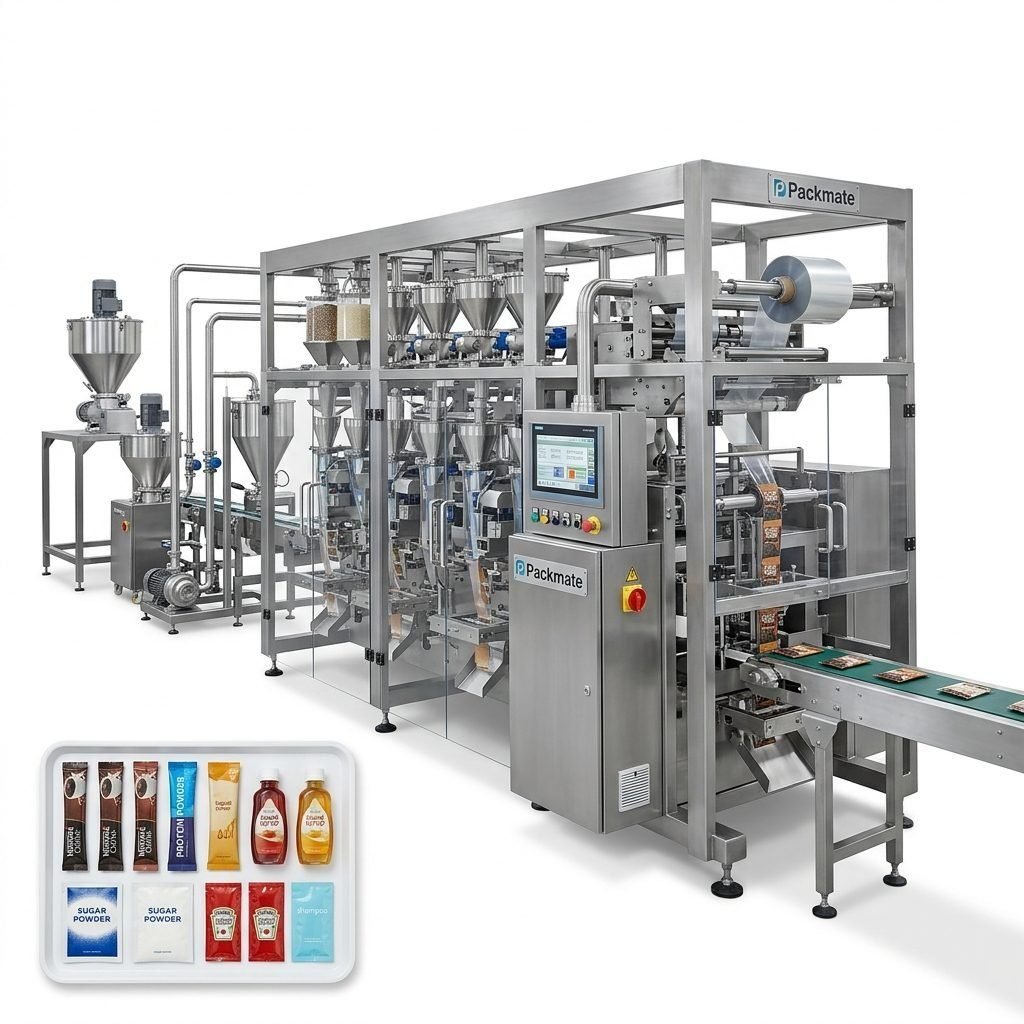
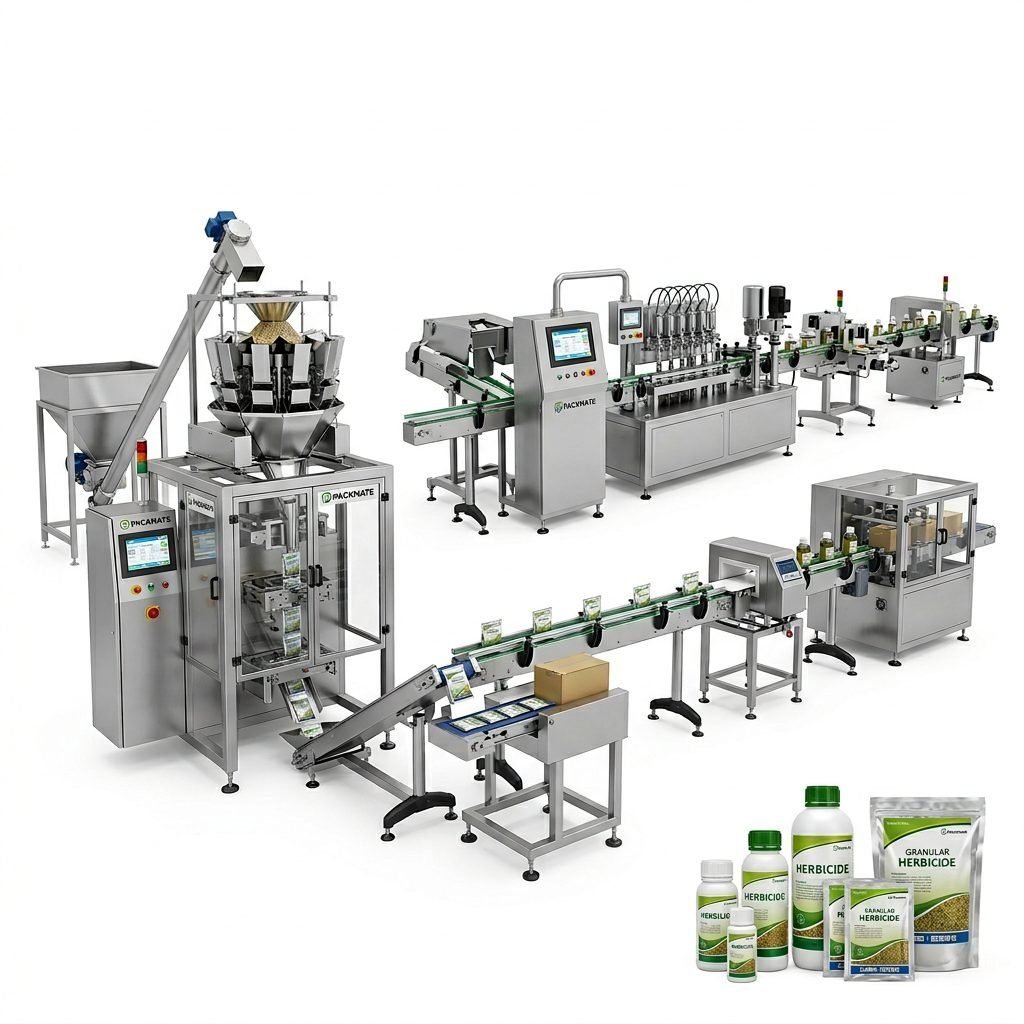
A complete ready meal packaging solution is more than a single machine; it’s an integrated system. A typical high-efficiency line might include:
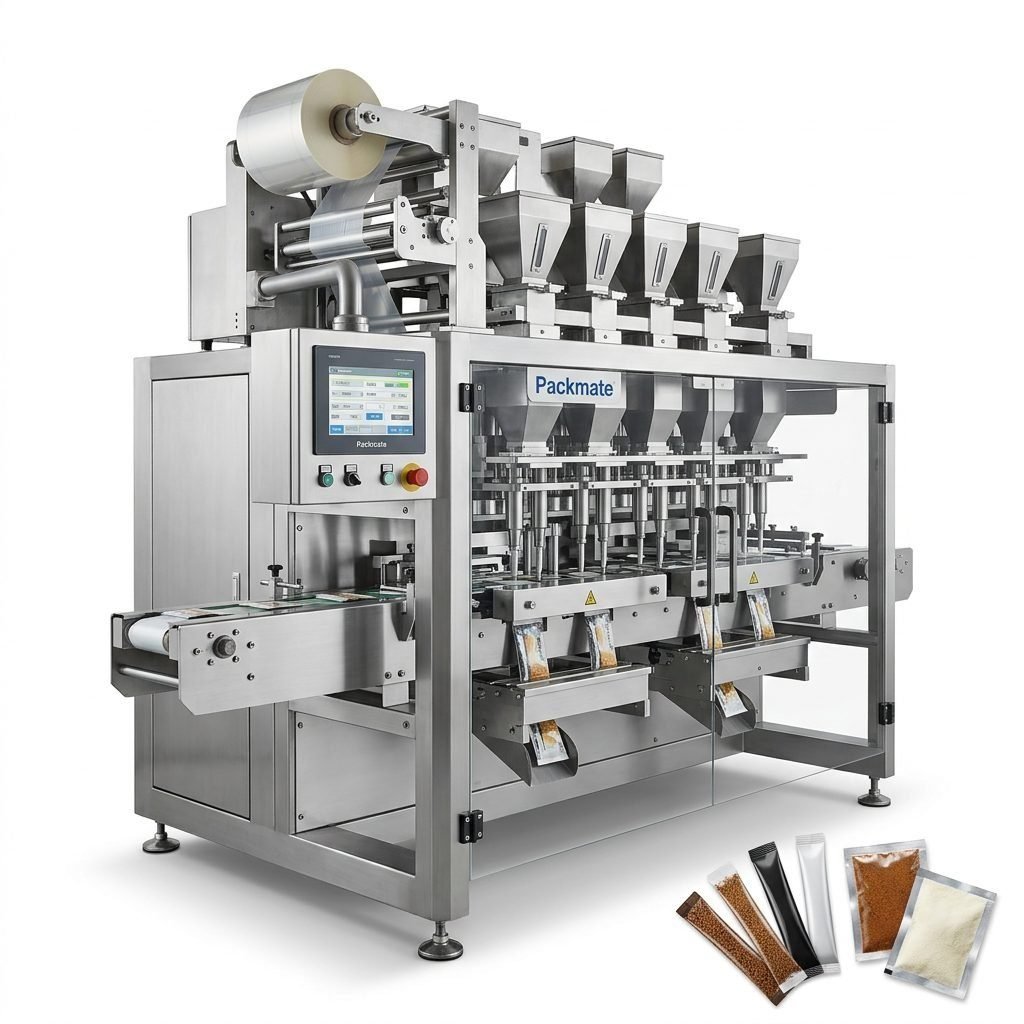
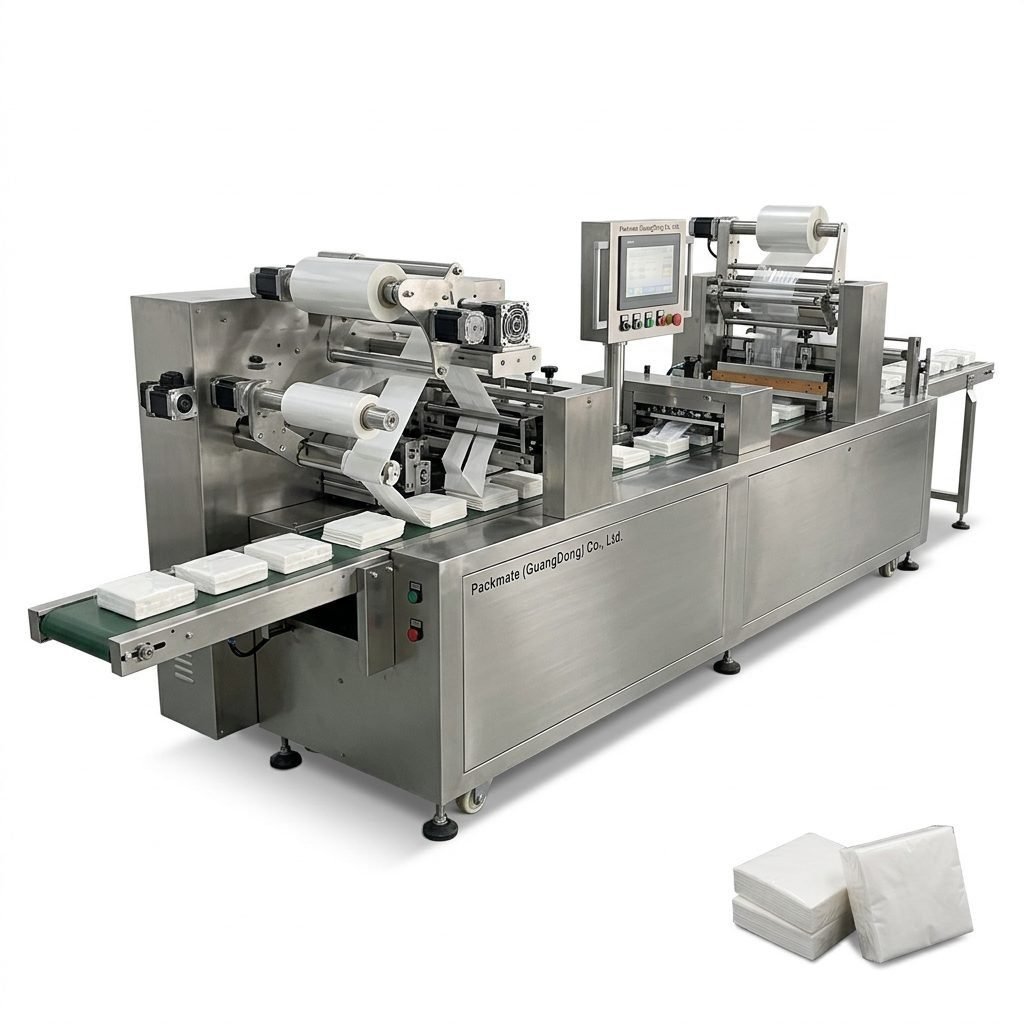
- Form-Fill-Seal (FFS) Machines: The workhorse of the line. These units form packaging from a roll of film, fill it with the precise portion of food, and hermetically seal it—all in one continuous operation. They are ideal for pouches, trays, and bowls.
- Tray Sealers: Essential for pre-formed plastic or compostable trays. They apply a lidding film, often with modified atmosphere packaging (MAP) capabilities to extend shelf life by flushing out oxygen.
- Weighing and Filling Systems: Critical for portion control and cost management. Multi-head weighers and volumetric fillers ensure each package contains the exact weight of solid or liquid components, be it rice, sauce, or vegetables.
- Labeling and Coding Equipment: Applies necessary nutritional information, barcodes, batch numbers, and expiration dates clearly and legibly on each package.
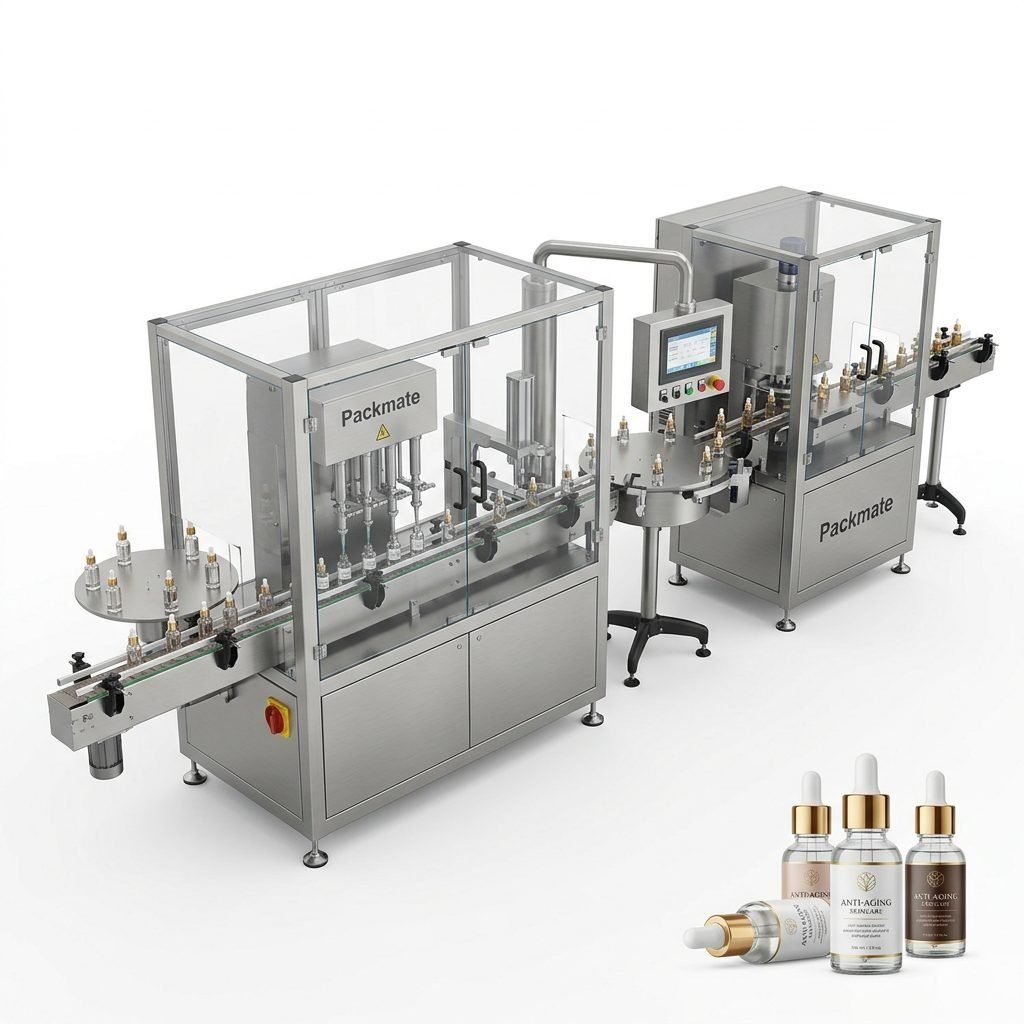
Integrating these components into a seamless filling and packaging line is where expertise matters. Companies like Packmate Machinery specialize in designing such turnkey systems, ensuring each machine communicates flawlessly with the next for uninterrupted production flow.
Benefits Beyond Speed: Why Automation Wins
The advantages of implementing a dedicated ready meal packaging machine solution are multifaceted:
Enhanced Food Safety & Hygiene: Automated systems minimize human contact with the product, reducing the risk of contamination. Sealing processes are consistently accurate, creating a reliable barrier against pathogens and external elements.
Remarkable Consistency and Quality: Every package is identical in seal integrity, appearance, and fill weight. This builds brand trust and reduces customer complaints.
Substantial Reduction in Material Waste: Precise film feeding and cutting mechanisms, combined with accurate filling, ensure minimal overuse of packaging materials and product giveaway, directly improving the bottom line.
Operational Flexibility: Modern machines allow for quick changeovers between different package sizes, shapes, and films. This enables producers to run smaller batches of diverse products efficiently, responding agilely to market trends.
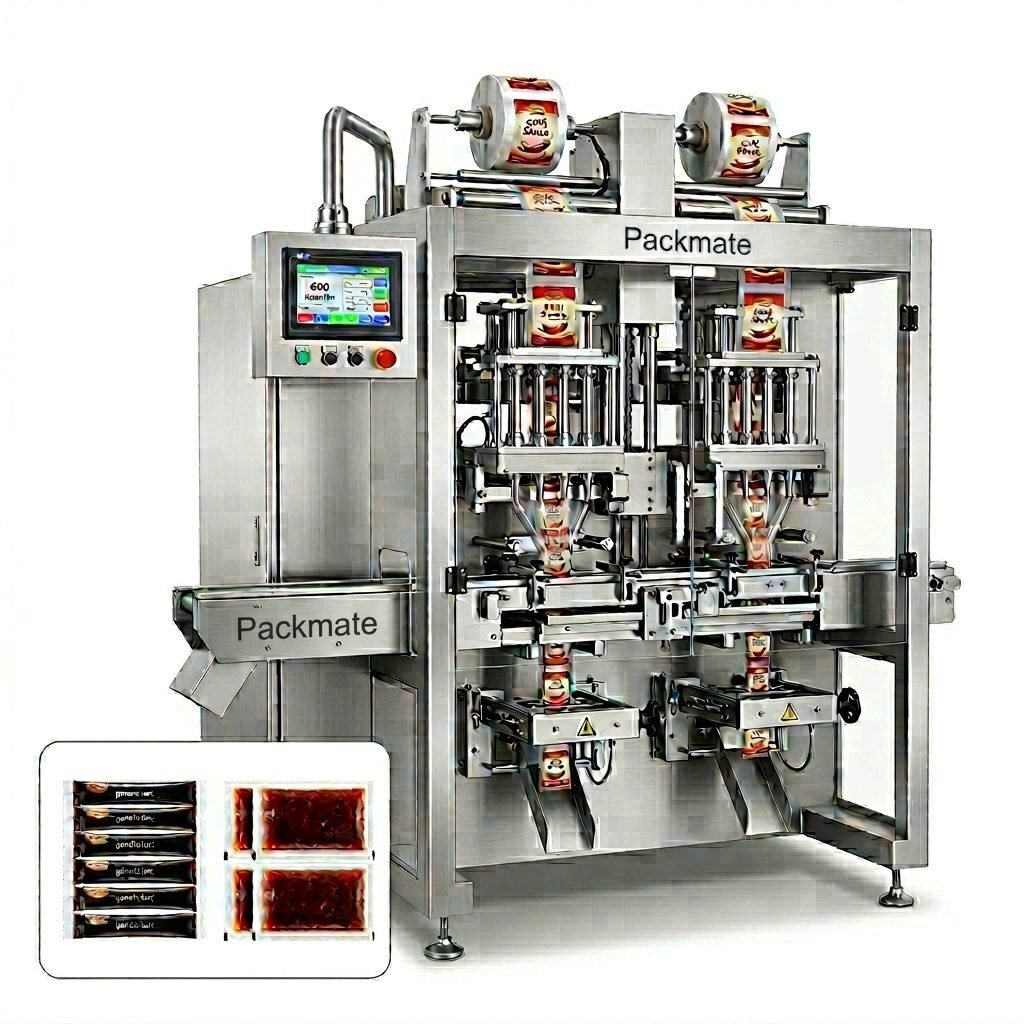
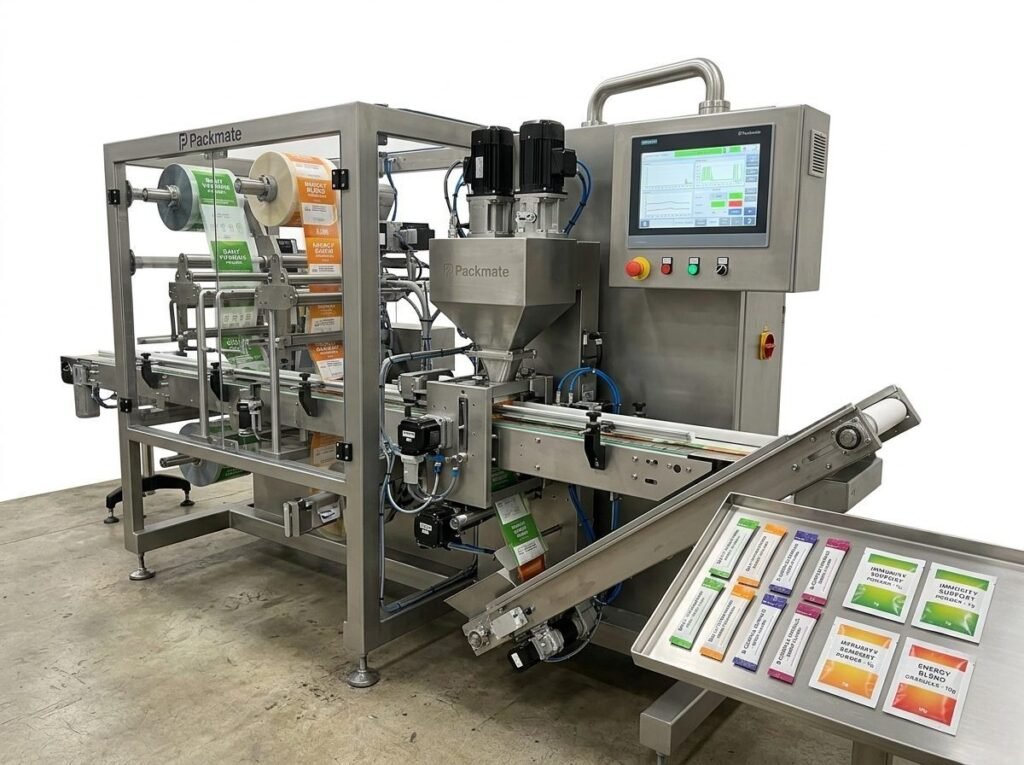
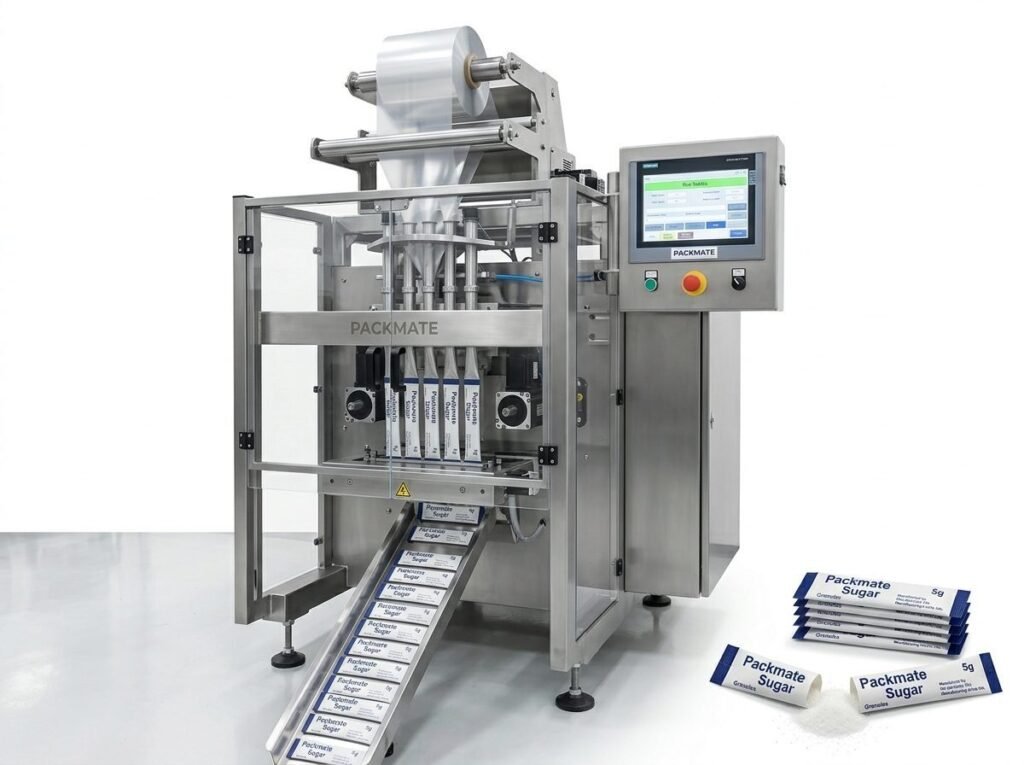
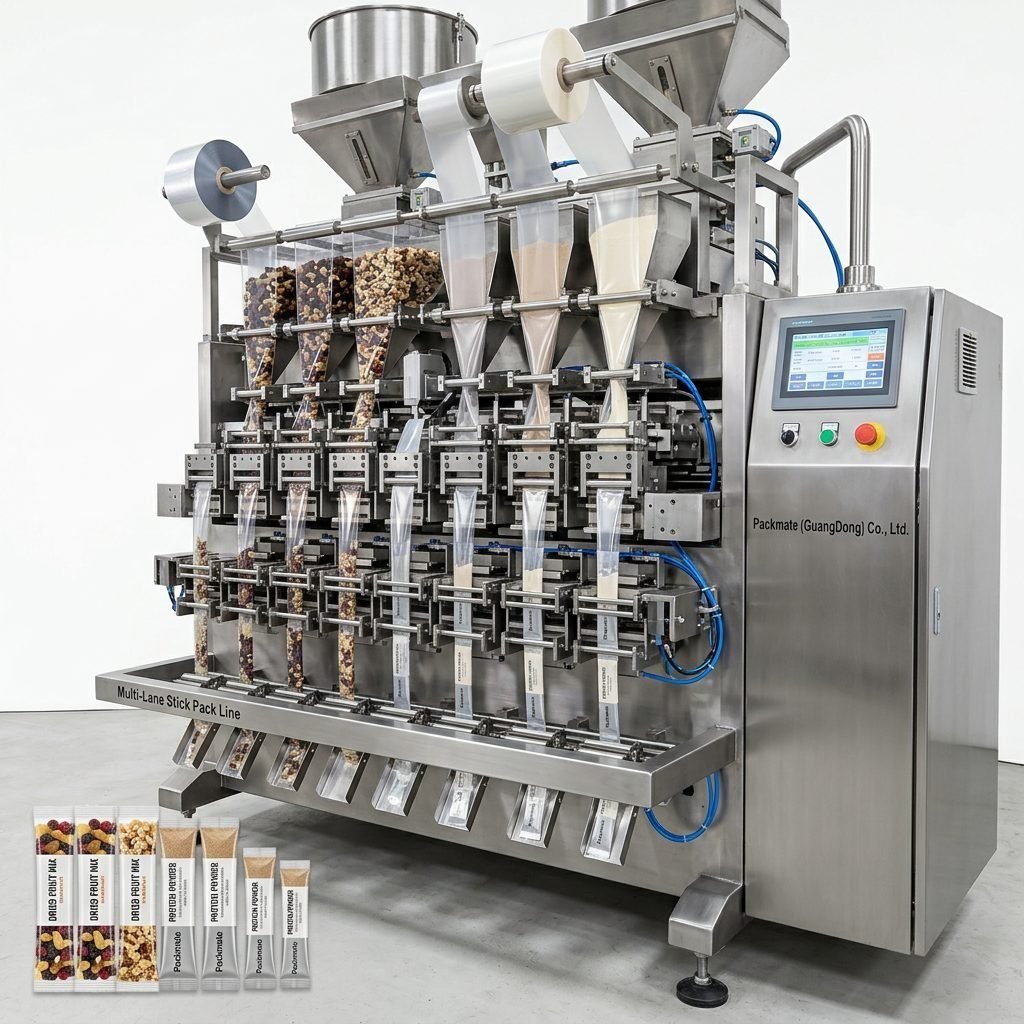
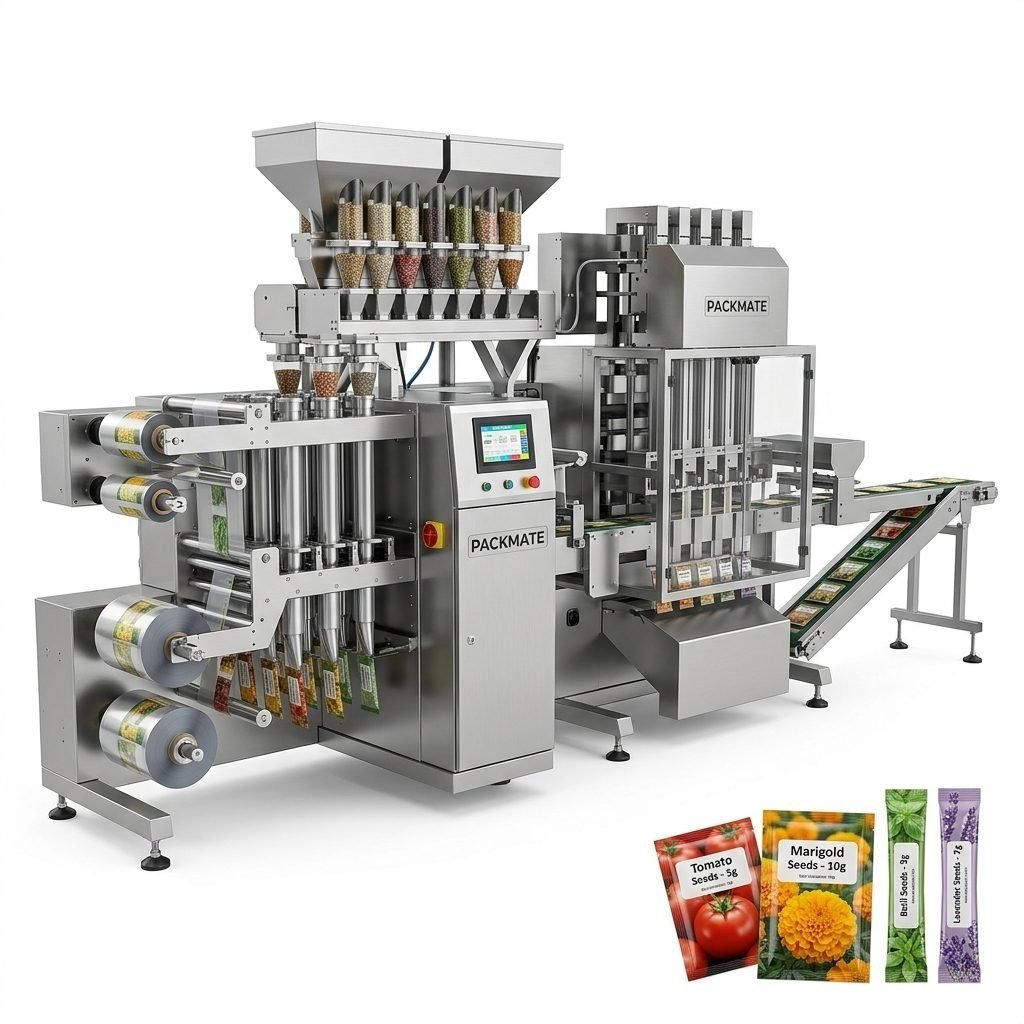
For producers of sauces, dressings, or condiments that accompany ready meals, standalone sachet and stick pack machines offer the perfect solution for creating convenient single-serve portions, adding another layer of value and convenience to the final meal kit.
Choosing the Right Partner for Your Packaging Needs
Selecting machinery is a significant capital decision. It’s crucial to partner with a manufacturer that offers not just equipment, but comprehensive support. Look for a provider with proven industry experience, a robust portfolio, and a commitment to innovation. A partner like Packmate Machinery, with over two decades of development in automation, brings invaluable expertise to the table. Their journey from a specialized workshop to a company with a 20,000㎡ modern facility underscores a deep understanding of the technical challenges in food packaging.
A reliable partner will assess your specific product characteristics (e.g., viscosity, acidity, particulate size), desired output speed, and packaging format to recommend the optimal solution. They should provide thorough testing with your actual product and offer robust after-sales service, training, and access to auxiliary packaging equipment to future-proof your operation.
The Future of Ready Meal Packaging
The trend is moving towards greater sustainability and smart technology. The next generation of packaging machines will increasingly handle biodegradable and recyclable materials with the same efficiency as conventional films. Furthermore, integration with Industry 4.0 principles—where machines provide real-time data on production speed, downtime, and maintenance needs—will become standard, enabling predictive maintenance and even deeper operational insights for maximum efficiency.
Frequently Asked Questions (FAQs)
1. What types of ready meals can be packaged with automated machines?
Automated packaging lines are incredibly versatile. They can handle a wide range, including fresh salads in pouches, frozen meals in trays, pasta and rice bowls, sous-vide products, meal kit components, and soup/sauce sachets. The machine configuration is tailored to the product’s consistency (solid, liquid, mixed) and packaging material.
2. How does Modified Atmosphere Packaging (MAP) work with tray sealers?
MAP is a key feature of advanced tray sealers. Before sealing the lidding film, the machine flushes the air inside the tray and replaces it with a controlled mixture of gases (like nitrogen and carbon dioxide). This significantly slows down oxidation and microbial growth, dramatically extending the shelf life of fresh ready meals without the need for preservatives.
3. What is the typical ROI (Return on Investment) for a ready meal packaging line?
ROI depends on scale, labor costs, and previous packaging methods. Typically, automation reduces labor costs by 50-70%, cuts material waste by 5-15%, and can increase output by 200% or more. Most businesses see a full return on investment within 1 to 3 years through these savings and increased production capacity.
4. How difficult is it to changeover packaging formats on these machines?
Modern machines are designed for faster changeovers. While changeover complexity varies, many systems feature quick-release mechanisms, digital settings memory, and adjustable parts. A well-designed machine from an experienced manufacturer like Packmate can often achieve changeovers in 15-30 minutes, minimizing downtime.
5. What kind of support should I expect after purchasing the equipment?
Comprehensive support is essential. This should include on-site installation and commissioning, detailed operator and maintenance training, a clear warranty, ready availability of spare parts, and access to remote or on-site technical support. A strong service network ensures your production line remains operational and efficient.