In the fast-paced world of beverage manufacturing, efficiency is not just a goal—it’s a necessity. The choice of packaging machinery directly impacts production speed, product quality, and ultimately, the bottom line. Selecting the top beverage packaging machines is crucial for building an efficient production line that can meet market demands while maintaining high standards.
The Core of an Efficient Beverage Packaging Line
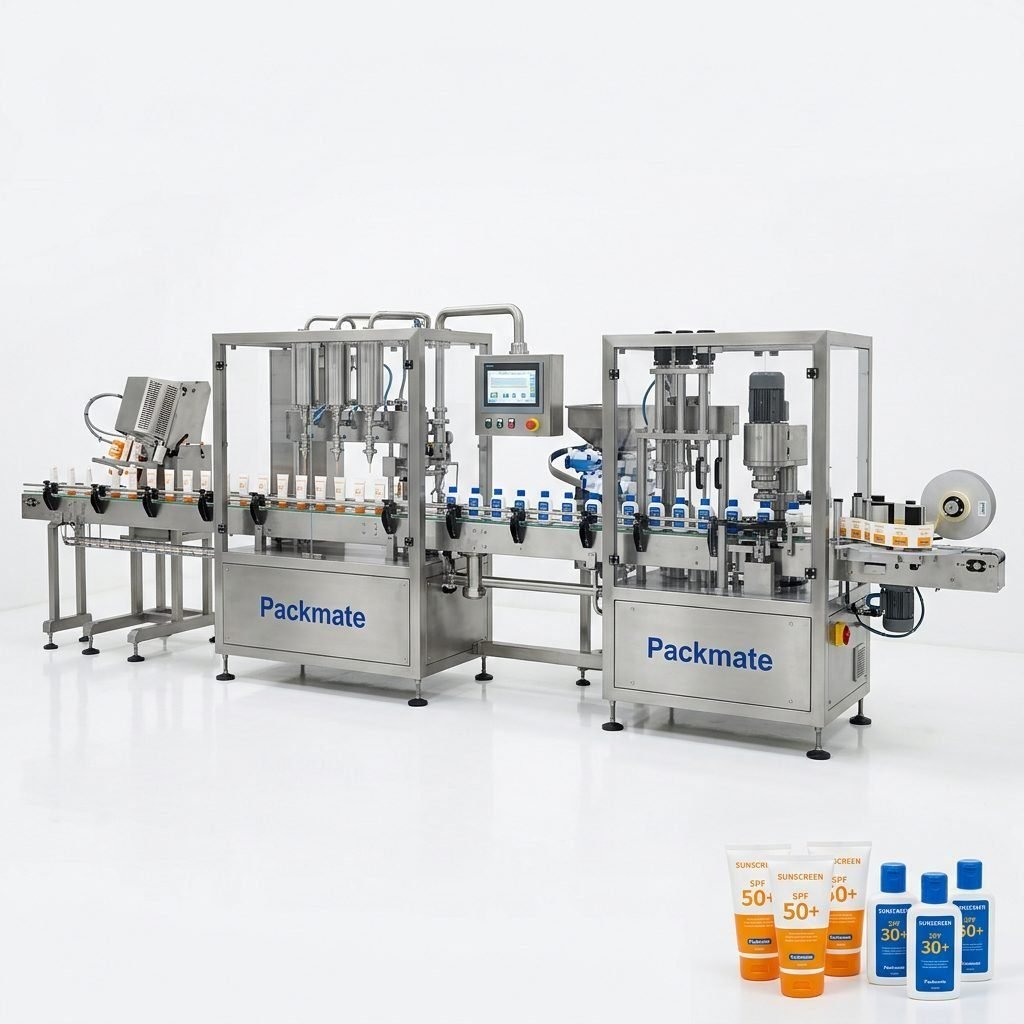
An efficient production line is a symphony of synchronized machines, each performing a critical task. At its heart are the primary packaging machines that handle the direct containment of the liquid product. Modern lines often integrate filling and packaging lines for seamless operation, minimizing downtime and maximizing throughput. The key to efficiency lies in the seamless integration of these components, creating a continuous flow from product formulation to the final packaged unit ready for distribution.
Key Attributes of Top-Tier Machines
What separates top beverage packaging machines from the rest? Several non-negotiable features define them:
High-Speed Operation: The ability to maintain consistent speed without compromising on accuracy is paramount. Machines must handle thousands of units per hour.
Precision Filling: Whether it’s still water, carbonated drinks, or viscous juices, exact volume control eliminates product giveaways and ensures consistency.
Flexibility and Quick Changeover: Market trends shift rapidly. The best machines allow for quick adjustments between different bottle sizes, shapes, or packaging types, reducing downtime during production shifts.
Hygienic Design and Easy Cleaning: Built with food-grade materials and designed for easy access and cleaning, these machines meet stringent sanitary standards, which is critical for beverage safety.
Essential Machine Types for Beverage Production
A complete beverage line relies on several specialized machines. Understanding each one’s role helps in selecting the right combination for your specific needs.
Liquid Filling Machines
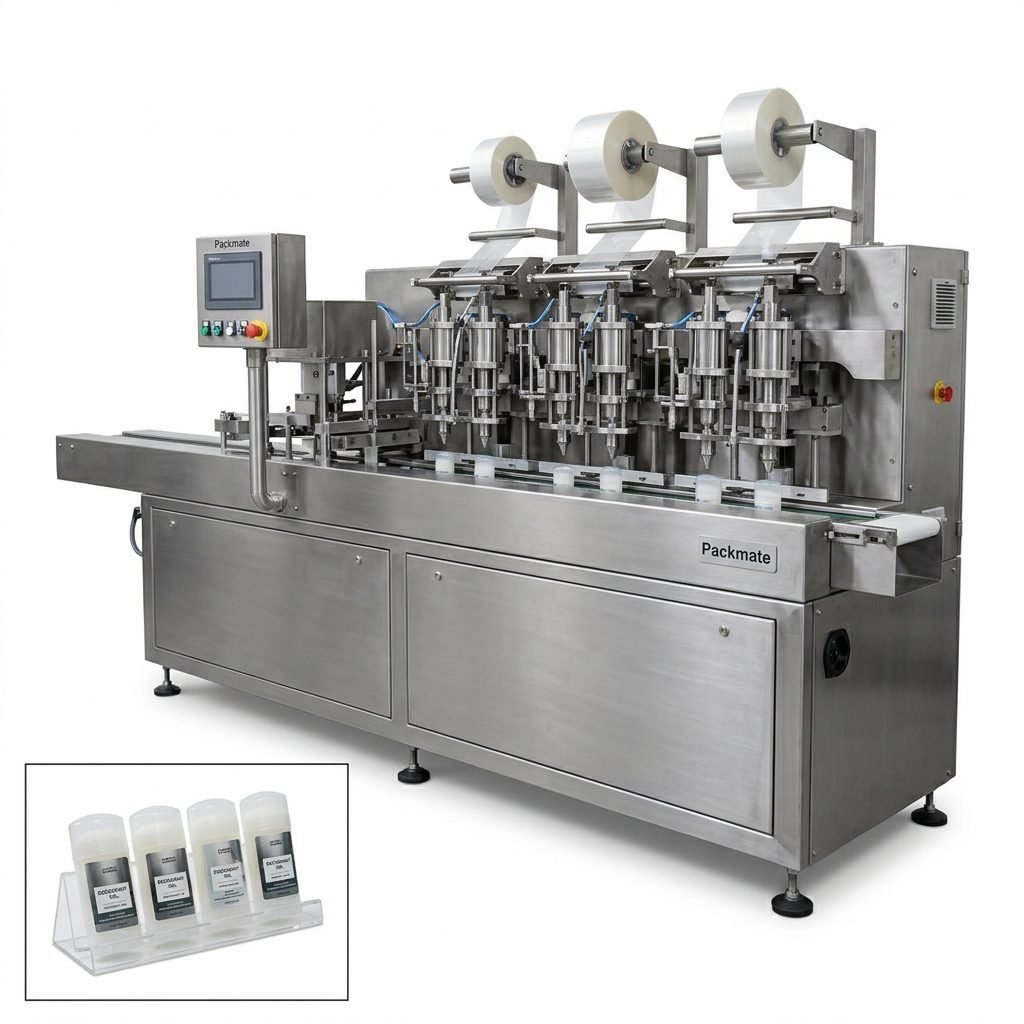
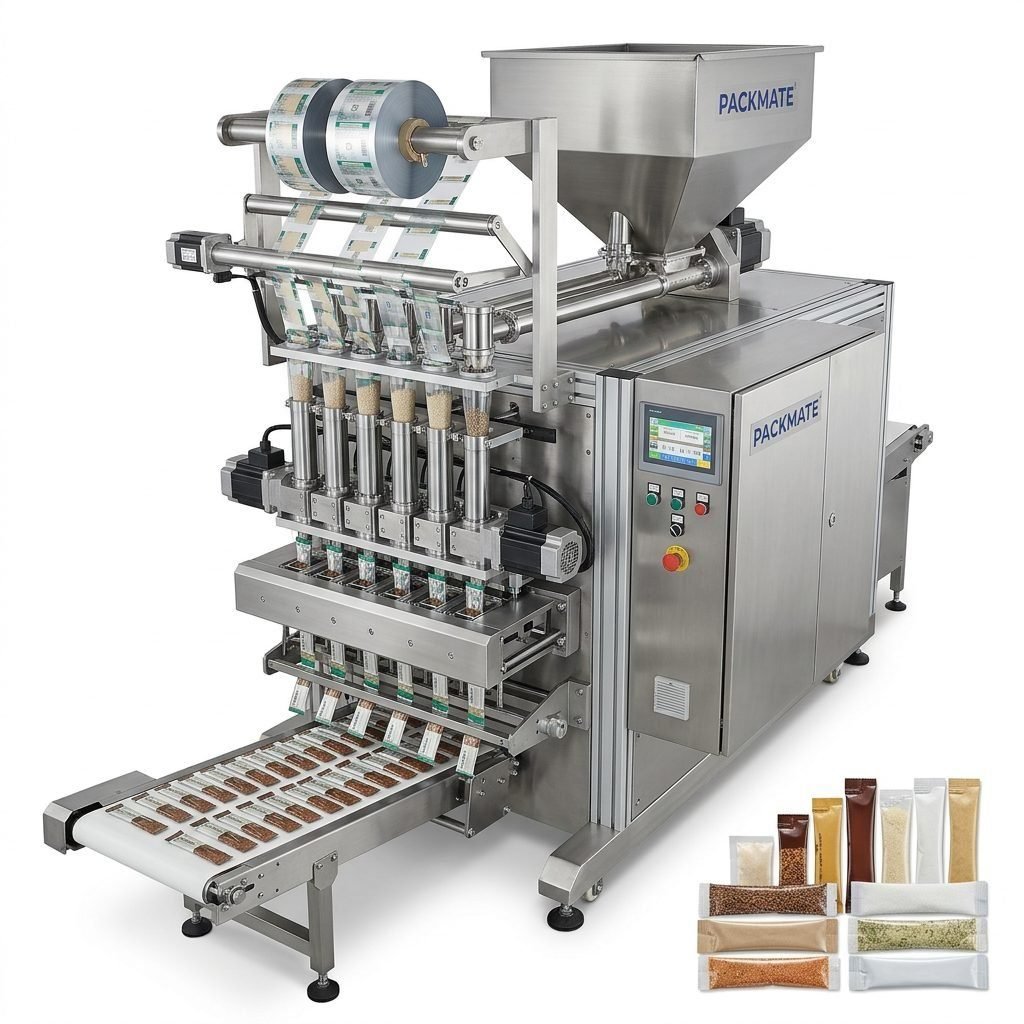
This is often the centerpiece. From gravity fillers for simple liquids to advanced volumetric or piston fillers for products with pulp or particulates, the choice depends on the beverage’s characteristics. For producers looking for integrated solutions, exploring a comprehensive range of packing machines is a strategic starting point.
Capping and Sealing Machines
Immediately following filling, a secure closure is essential. This includes screw cappers for plastic bottles, press-on cappers for glass, or foil sealers for cups. Speed and torque accuracy are critical to prevent leaks and ensure tamper evidence.
Labeling and Sleeving Equipment
Branding and regulatory information are applied here. Modern labelers handle everything from simple front-and-back paper labels to full-body shrink sleeves, operating at high speeds with precise registration.
The Role of Ancillary Systems
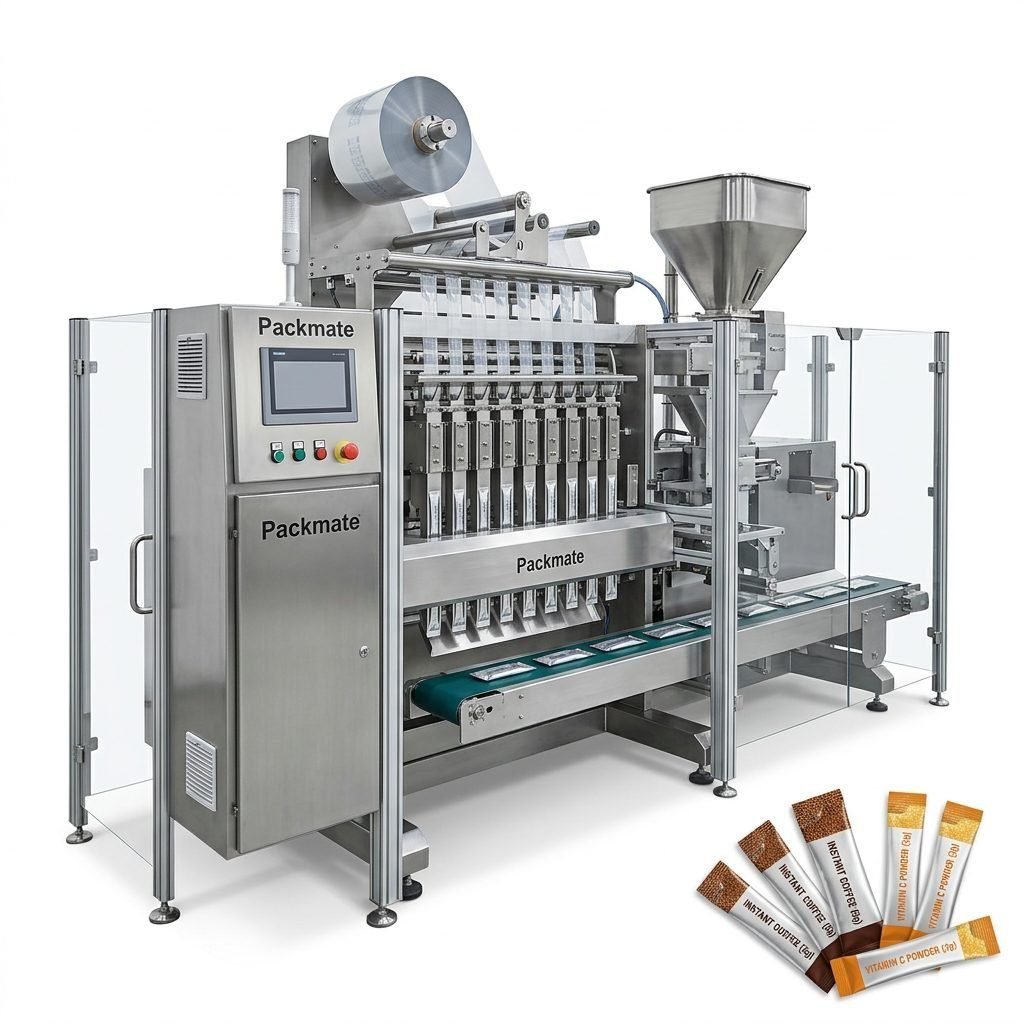
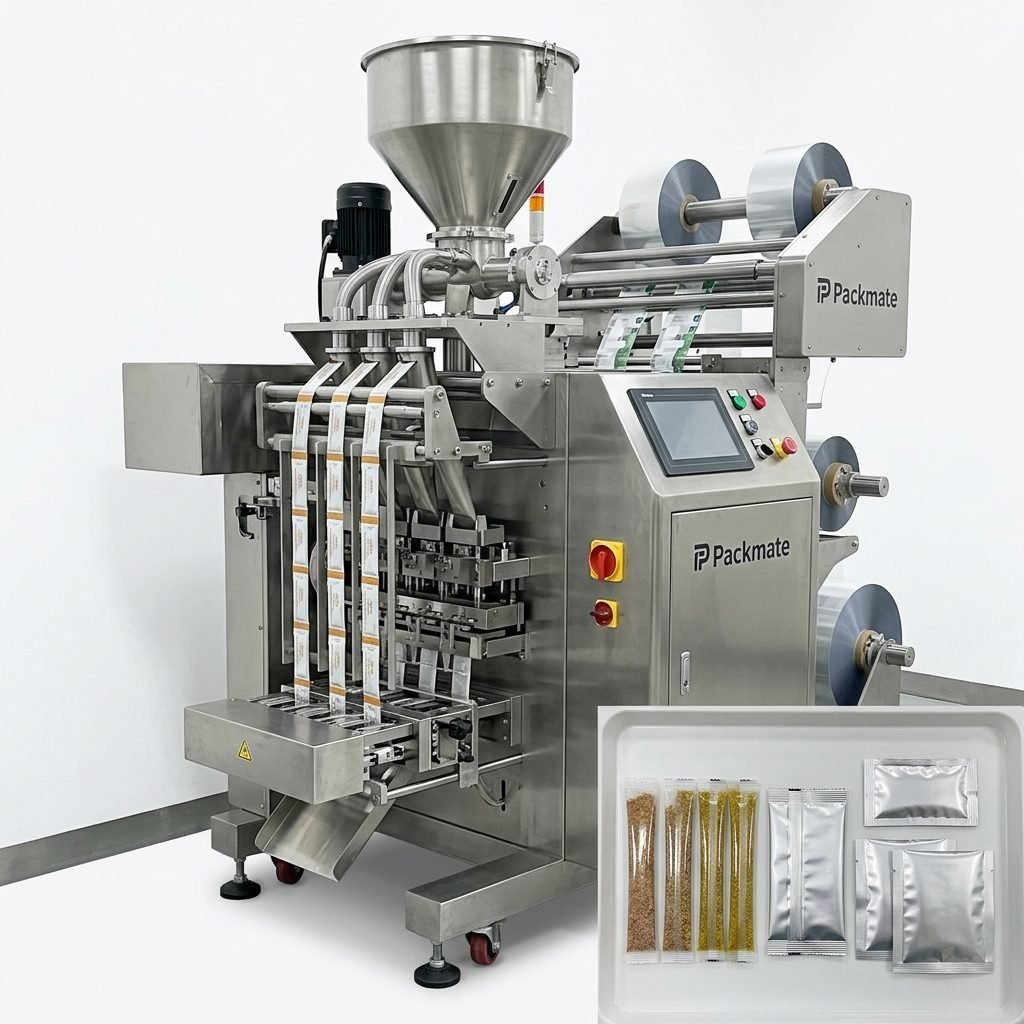
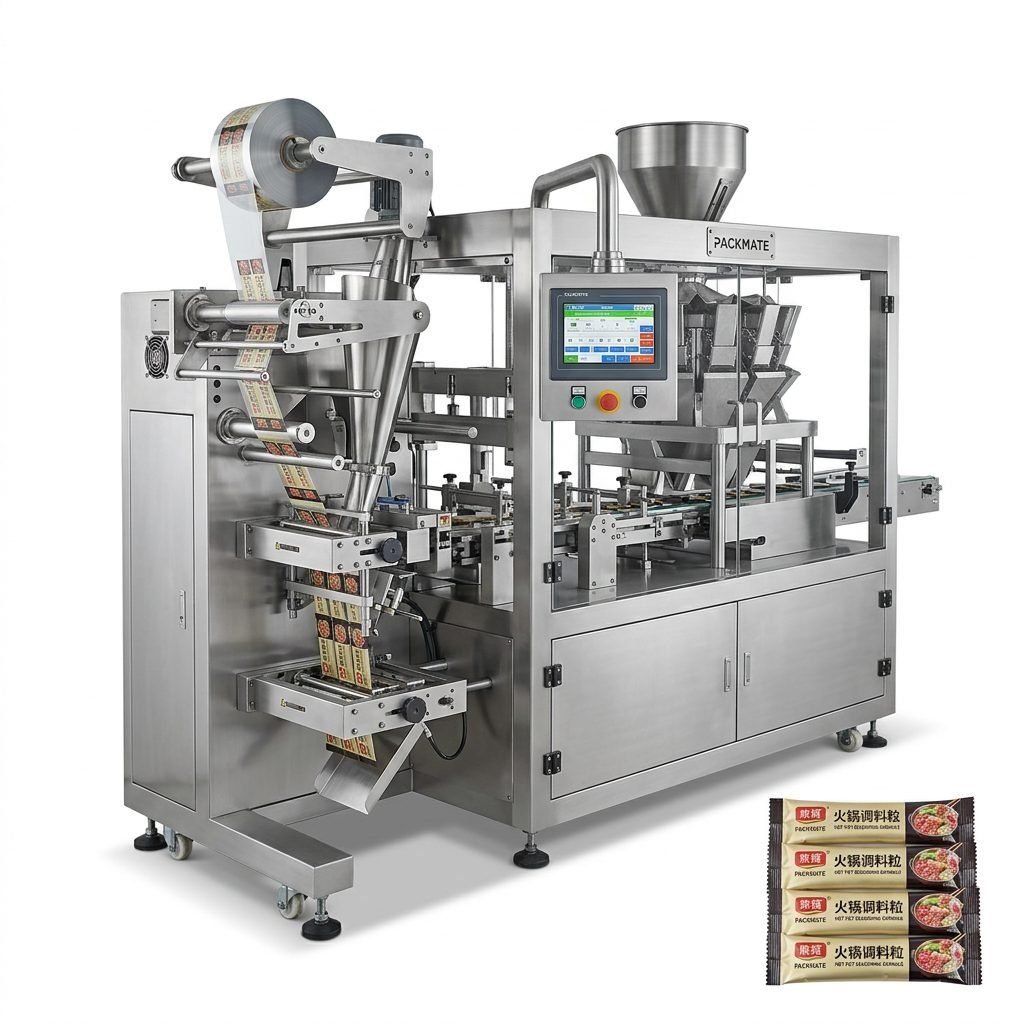
Efficiency is also driven by the supporting cast. Bottle Unscramblers neatly orient empty containers for the filler. Conveyor Systems with gentle handling features link all stations. Inspection Systems (checkweighers, fill-level detectors, vision systems) act as quality control gatekeepers, automatically rejecting non-conforming products. For complex powder or granule additives in some beverages, specialized weighing and packaging systems become integral to the upstream process.
Automation and Smart Technology Integration
The modern definition of a top machine includes its intelligence. Programmable Logic Controllers (PLCs) and Human-Machine Interfaces (HMIs) allow for precise control and monitoring of every parameter. The integration of Industrial Internet of Things (IIoT) technology enables predictive maintenance, real-time production data analytics, and remote troubleshooting. This shift from mechanical operation to smart, connected systems is what defines the next generation of efficient production lines, minimizing unplanned stops and optimizing overall equipment effectiveness (OEE).
Choosing the Right Partner for Your Packaging Needs
Investing in packaging machinery is a long-term decision. Partnering with a manufacturer that offers robust support, training, and readily available spare parts is as important as the machine’s specifications. Companies with a strong track record, like Packmate Machinery, bring invaluable expertise to the table. With decades of experience in designing and building reliable equipment, they understand the nuances of creating a line that is not just fast, but also durable and adaptable to future needs. Their commitment to innovation ensures access to technology that can provide a competitive edge.
Optimizing for Different Beverage Segments
The ideal packaging solution varies significantly across beverage types:
Carbonated Soft Drinks (CSD): Lines must handle pressure and often require specific filler technology to prevent excessive foaming and carbonation loss.
Water (Still and Sparkling): Focus is on ultra-high speeds and cost-efficiency, often utilizing lightweight plastic bottles and simple closure systems.
Juices and Dairy-Based Drinks: Aseptic or clean-fill capabilities may be necessary. Machines must handle products with varying viscosities and potential particulates without damage.
Craft and Premium Beverages: Flexibility for smaller batch sizes, unique bottle shapes, and perhaps more manual intervention points are key considerations.
Sustainability Considerations
Efficiency today also encompasses environmental responsibility. Top packaging machines contribute by enabling the use of lighter-weight containers and recyclable materials. They are designed for energy efficiency, reducing power and compressed air consumption. Furthermore, precision filling and sealing drastically reduce product waste, which is both an economic and environmental win. This alignment with sustainable practices is no longer optional but a core requirement for modern production.
Ultimately, building an efficient beverage production line is a strategic investment. It requires carefully selecting top-tier packaging machines that offer speed, precision, flexibility, and intelligence. By focusing on seamless integration, smart technology, and partnering with experienced manufacturers, beverage companies can achieve a production line that delivers consistent quality, maximizes output, and adapts to the evolving demands of the global market. The right machinery is the engine of growth, turning raw ingredients into profitable, shelf-ready products day after day.
Frequently Asked Questions (FAQs)
What is the most important factor when choosing a beverage filling machine?
The compatibility with your specific product is paramount. Factors like viscosity, presence of particulates, carbonation level, and sensitivity to oxygen or light will determine whether you need a gravity, piston, volumetric, or pressure filler. Always test the machine with your actual product before purchase.
How can I improve the efficiency of my existing packaging line?
Start with a thorough audit to identify bottlenecks, which are often at the labeling, capping, or inspection stages. Consider upgrading to faster or more reliable auxiliary packaging equipment. Implementing predictive maintenance schedules and training operators for quicker changeovers can also yield significant efficiency gains without a full line replacement.
What are the benefits of a fully automated packaging line versus a semi-automatic one?
Full automation offers much higher throughput, consistent quality with less human error, lower long-term labor costs, and better data collection. Semi-automatic lines have a lower initial investment and offer more flexibility for very small batches or frequent product changes. The choice depends on your production volume, budget, and operational complexity.
How do I ensure the packaging machinery meets food safety standards?
Select machines constructed with food-grade stainless steel (e.g., 304 or 316) in product contact areas. Look for designs with smooth, crevice-free surfaces that are easy to clean and sanitize. Certifications from recognized international bodies and the manufacturer’s adherence to standards like EHEDG or 3-A are strong indicators of a hygienic design.
What kind of after-sales support should I expect from the machinery supplier?
Expect comprehensive support including installation supervision, operator and maintenance training, readily available spare parts, and responsive technical service (either remotely or on-site). A reliable supplier will offer a clear warranty and have a network of service engineers. Reviewing the supplier’s service commitments before purchase is crucial for long-term operational success.