In the fast-paced world of product manufacturing, efficient and reliable packaging is not just a final step—it’s a critical component of brand presentation, product protection, and operational success. Among the various packaging technologies available, the flow wrap packaging machine stands out for its versatility and speed. This comprehensive guide delves into the different types of flow wrap machines and provides a detailed framework for selecting the perfect one for your production line.
Understanding Flow Wrap Packaging Technology
Flow wrapping, also known as horizontal form-fill-seal (HFFS), is a process where a product is wrapped in a flexible film. The film is formed around the product, sealed longitudinally and at the ends, creating a tight, secure package. This method is ideal for a vast array of items, from food products like candy bars, biscuits, and frozen foods to non-food items like soap bars, pharmaceuticals, and hardware components. The primary advantages of flow wrap machines include high-speed operation, excellent product presentation, and effective barrier protection against moisture, light, and contaminants.
Core Components of a Flow Wrap Machine
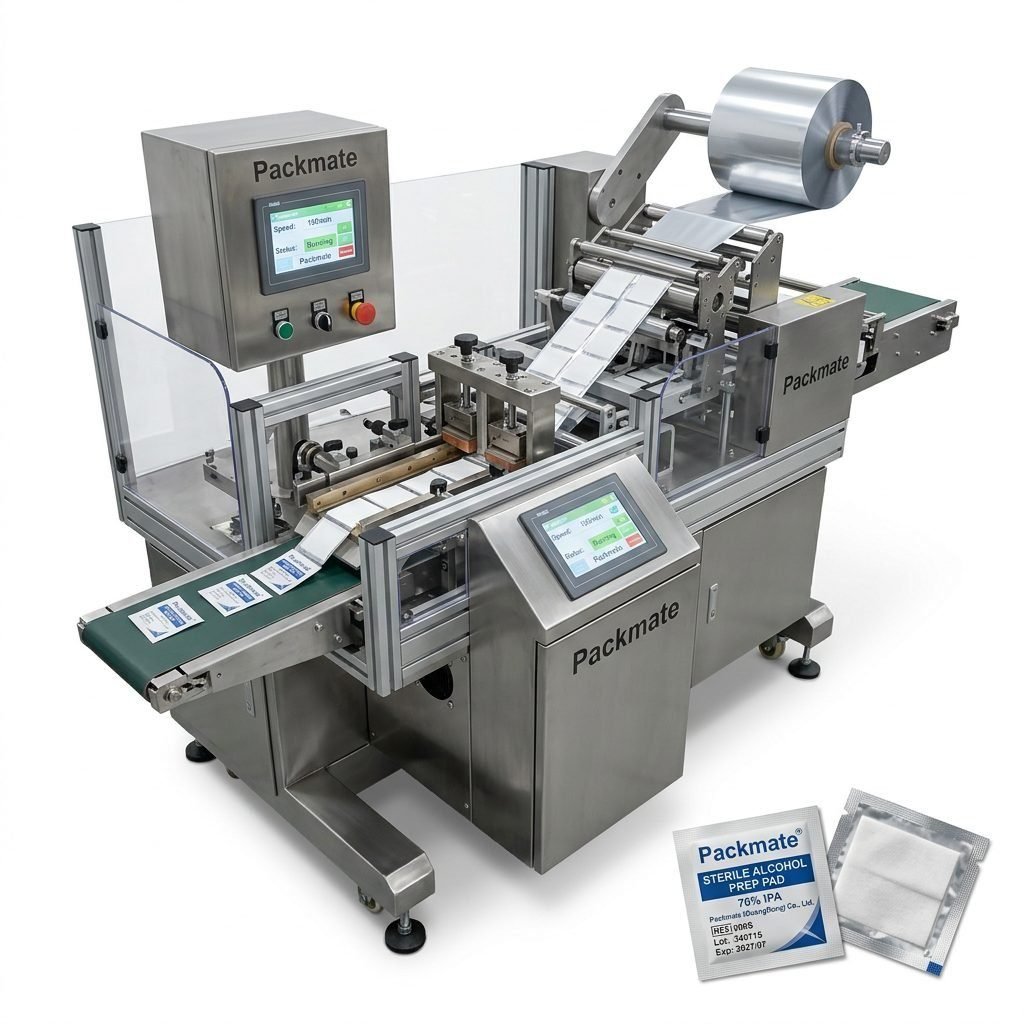
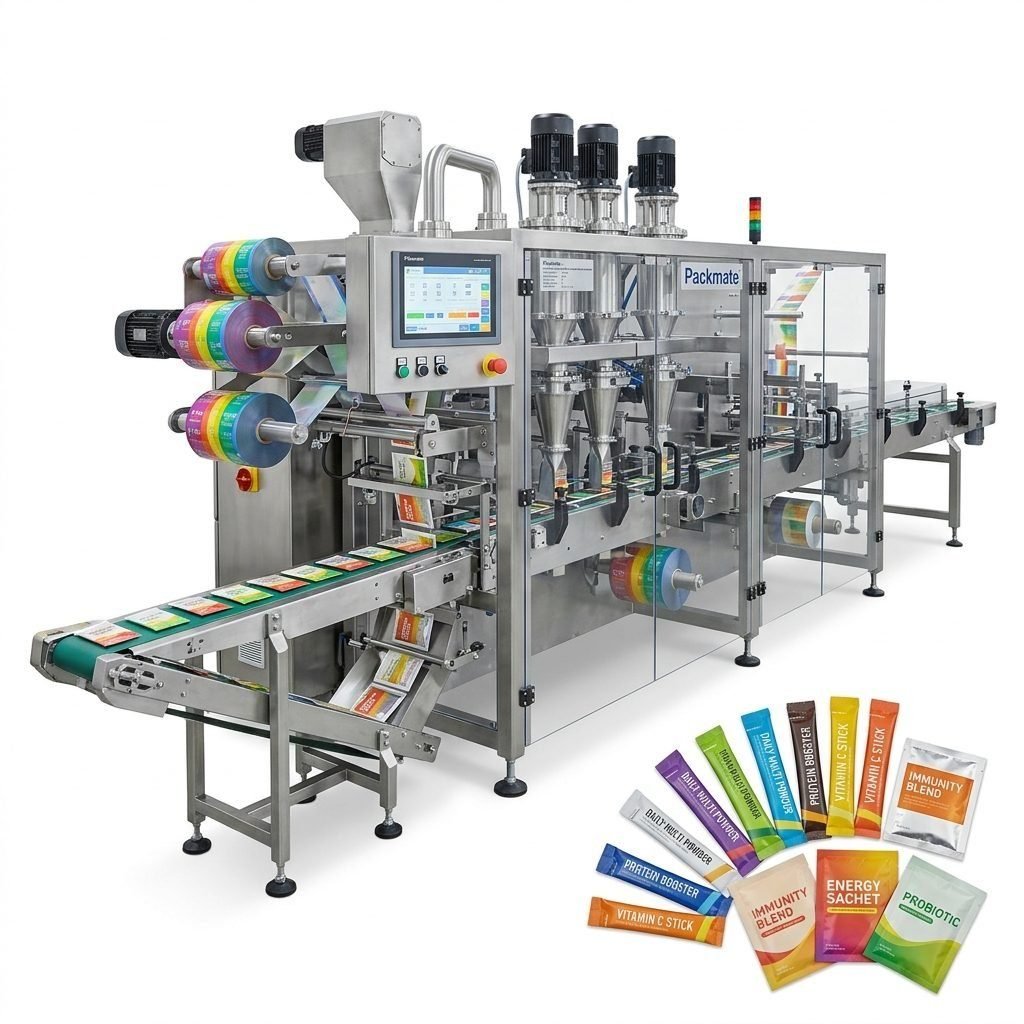
A standard flow wrap machine consists of several key components working in harmony. The film unwind system feeds the packaging material from a roll. The forming shoulder is crucial—it gently shapes the flat film into a tube around the product. The longitudinal sealer creates the back seam, while the end sealers crimp and cut the film at the front and rear of each product, creating individual packages. Advanced systems also integrate weighing, feeding, and checkweighing systems to ensure accuracy and quality control throughout the process.
Exploring the Different Types of Flow Wrap Machines
Not all flow wrap machines are created equal. The right type depends heavily on your product characteristics, production volume, and desired package style. Here’s a breakdown of the main categories.
1. Standard Horizontal Flow Wrappers
These are the workhorses of the industry, designed for medium to high-speed production of uniformly shaped, solid products. They are perfect for wrapping single items like chocolate bars, granola bars, or single-serve condiment packets. Their operation is straightforward and highly efficient for large batch runs of similar products.
2. Pouch Flow Wrappers
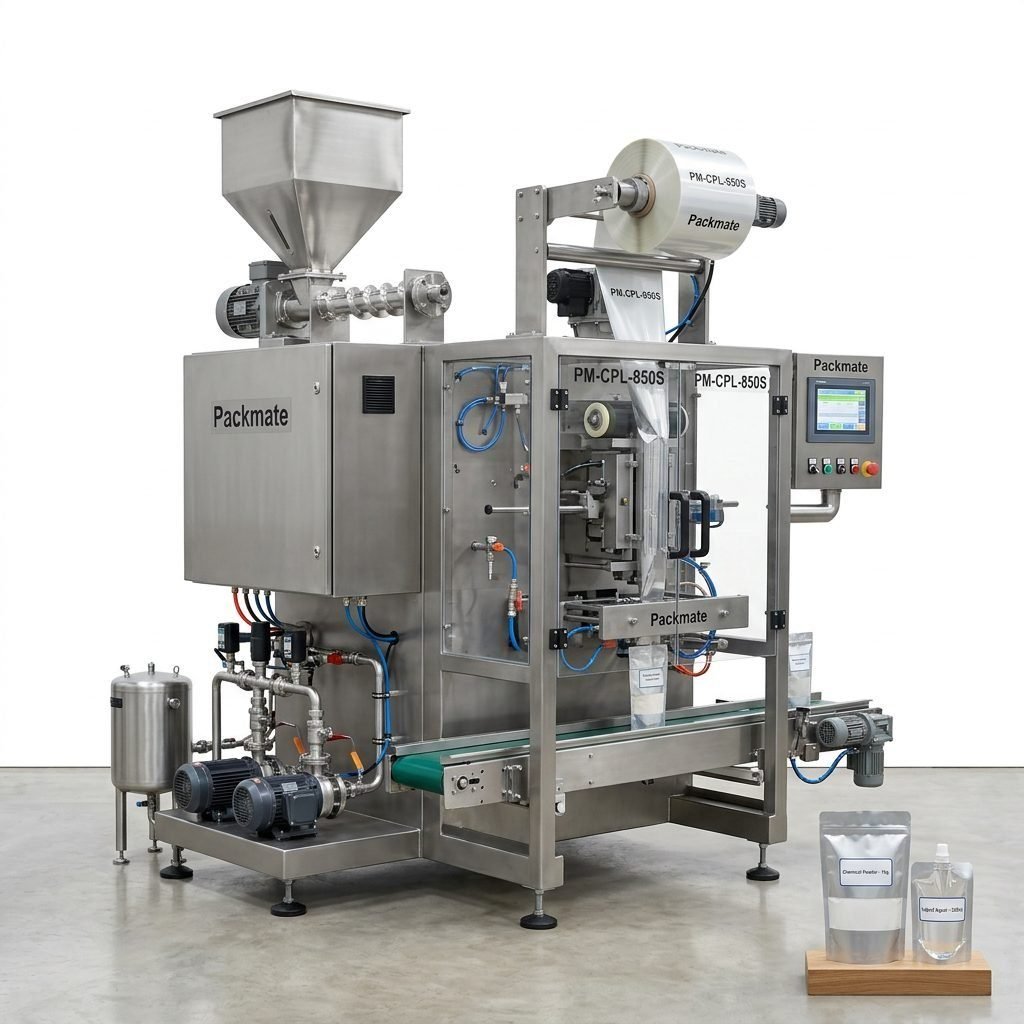
This variant creates pillow-style pouches, which are exceptionally popular for snacks, dried fruits, and hardware items like screws or bolts. The machine forms the film into a pouch, fills it with the product—often from a volumetric or auger filler—and then seals the top. This style is excellent for products that are not rigid or are a collection of smaller pieces. For businesses looking to diversify, exploring a dedicated bag & pouch packaging machine line might be beneficial for more complex pouch formats.
3. High-Speed Flow Wrappers
Engineered for maximum output, high-speed wrappers can exceed 1000 packages per minute. They feature advanced film handling systems, precise servo-driven mechanics, and often include integrated vision inspection systems. These machines are a significant investment but are essential for large-scale manufacturers in sectors like confectionery or baked goods where volume is paramount.
4. Multi-Lane Flow Wrappers
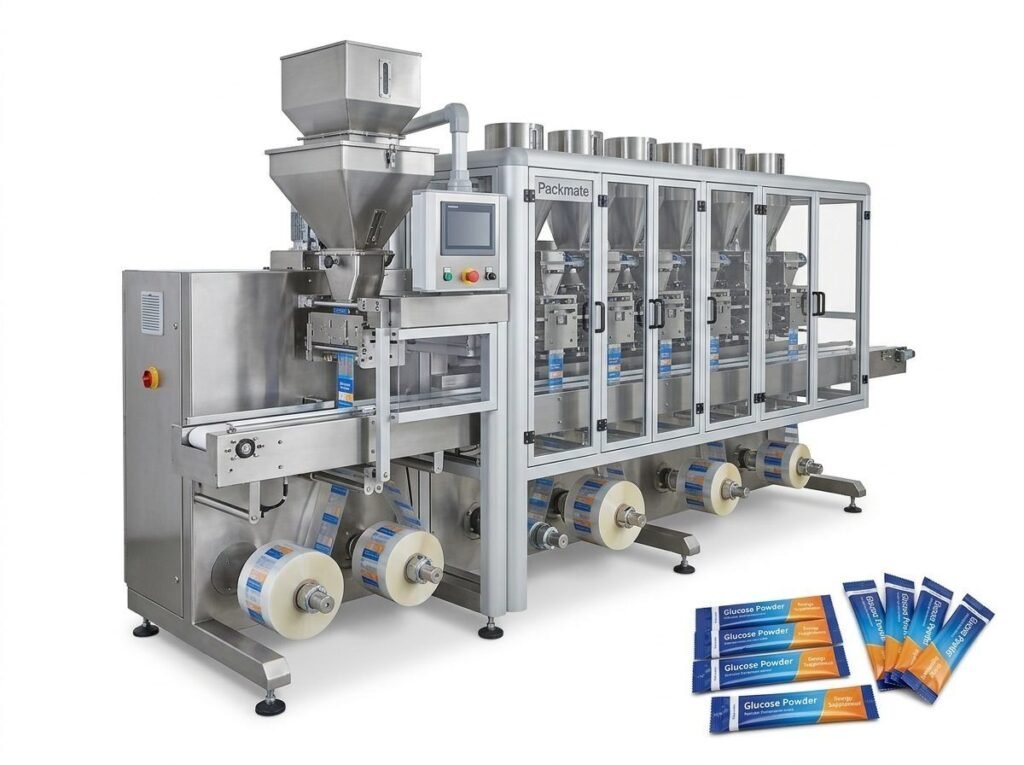
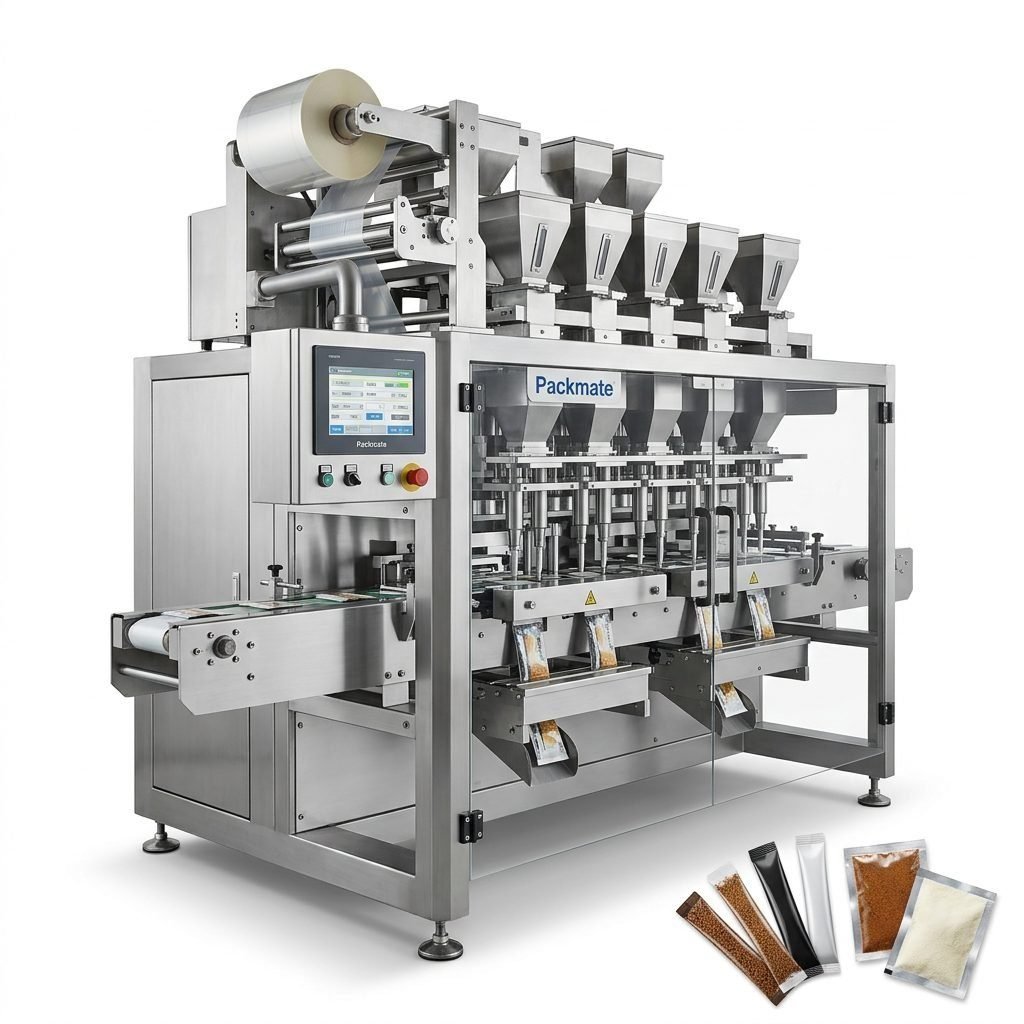
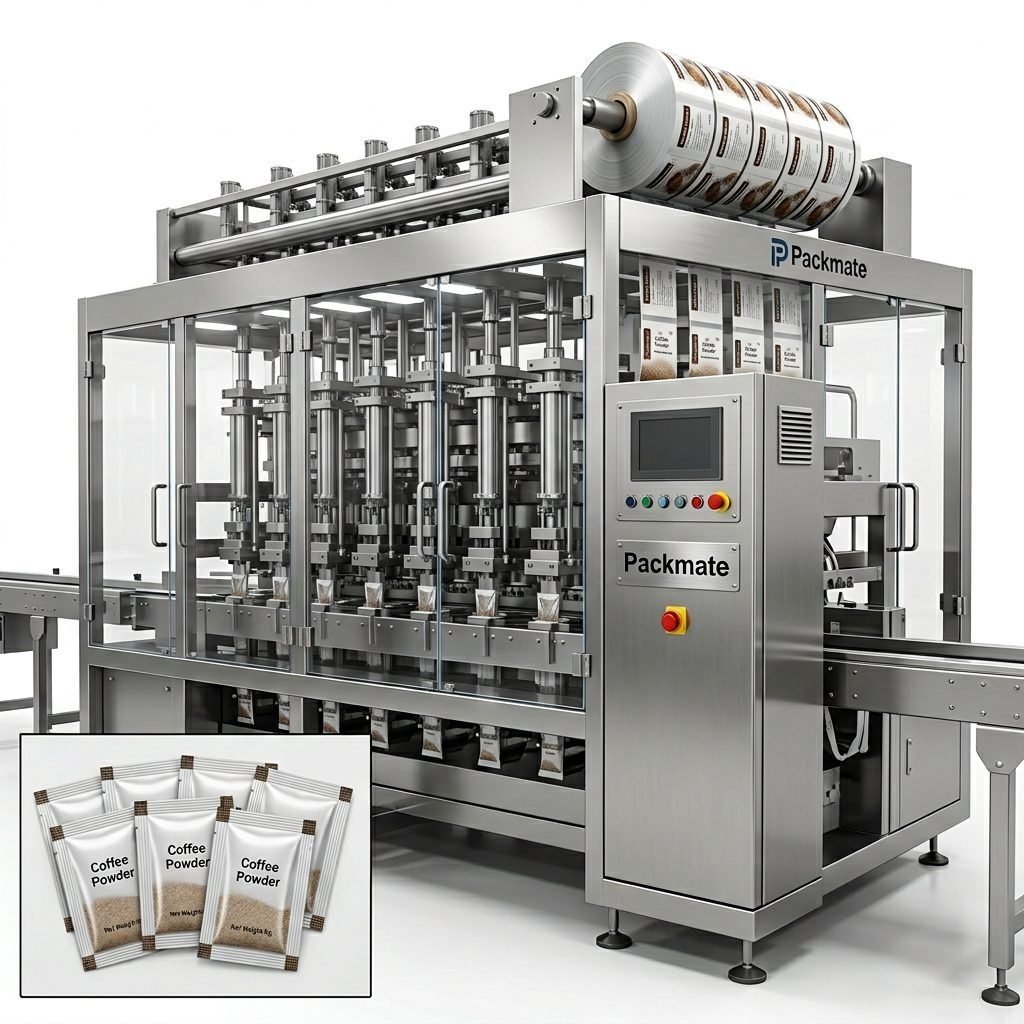
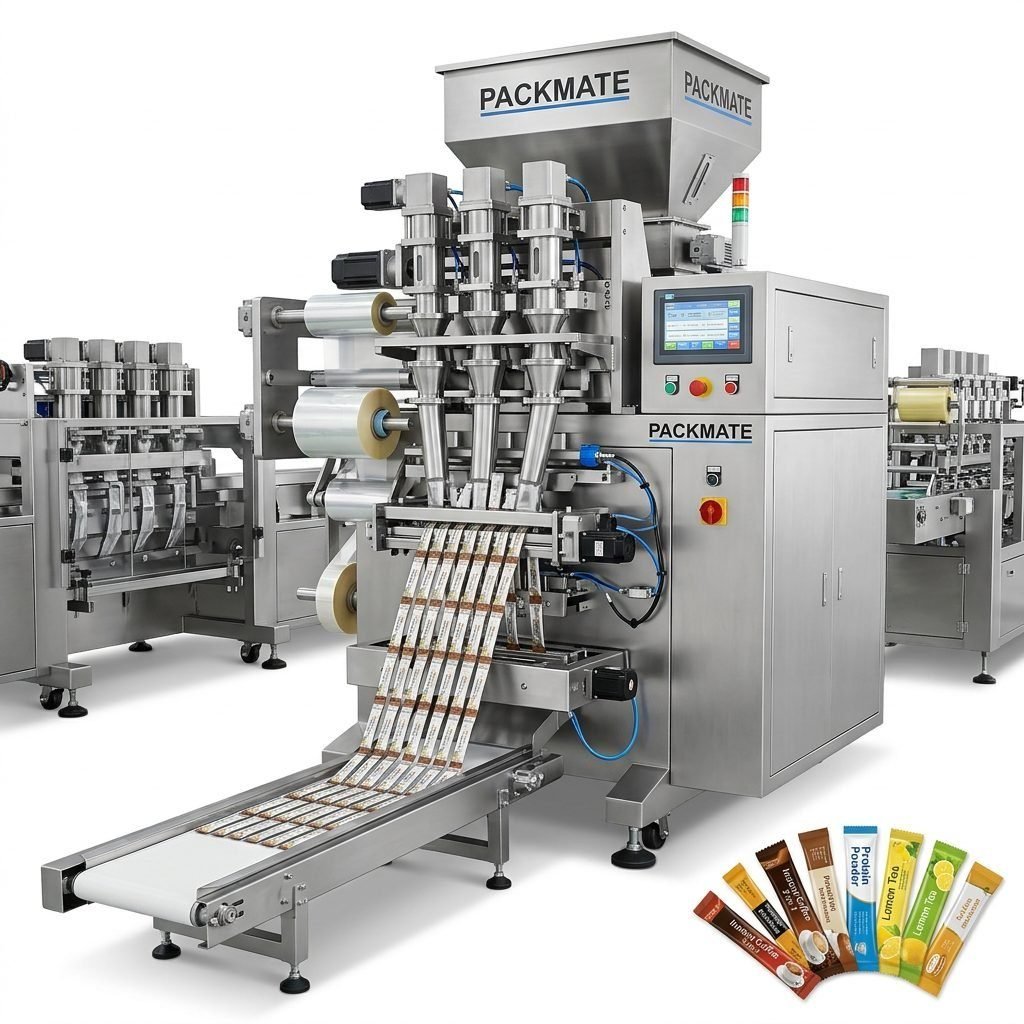
To multiply output without drastically increasing floor space, multi-lane wrappers process several product lanes simultaneously, merging them into a single wrapping stream. This design is incredibly efficient for small, uniform products like chewing gum sticks, candies, or pharmaceutical tablets. The technology behind multi-lane feeding and synchronization is a specialty for manufacturers like Packmate Machinery, which has developed extensive expertise in this area over its 30-year history.
The Ultimate Selection Guide: Key Factors to Consider
Choosing a flow wrap machine is a strategic decision. A misstep can lead to downtime, product waste, and lost revenue. Follow this structured guide to make an informed choice.
Step 1: Analyze Your Product
This is the most critical starting point. You must define:
• Physical Properties: Is it solid, granular, powdery, or liquid? Rigid or fragile?
• Dimensions & Shape: Exact length, width, height, and any irregular contours.
• Packaging Material: What type of film is required (e.g., OPP, METPET, laminate)? Does it need special sealing properties?
A detailed product sample analysis with your potential machine supplier is non-negotiable. It ensures the machine’s forming and sealing systems are perfectly calibrated for your specific item.
Step 2: Define Your Production Requirements
Volume dictates machine class. Determine your required output speed in packs per minute (PPM), both for current needs and future growth. Also, consider operational factors like required changeover time between different products or package sizes, and the desired level of automation—from manual loading to a fully integrated filling & packaging line.
Step 3: Evaluate Machine Features & Build Quality
Look beyond the brochure. Inspect the frame construction—it should be heavy-duty for stability at high speeds. The type of drives (servo vs. mechanical) affects precision, flexibility, and energy use. Modern servo-driven machines offer superior control. Essential features include user-friendly HMI controls, quick-change parts for format adjustments, and robust safety guarding. The longevity of the machine is directly tied to the quality of its components and the manufacturer’s craftsmanship.
Step 4: Assess Manufacturer Support and Reliability
The machine is only as good as the company behind it. Prioritize manufacturers with a proven track record. Packmate (GuangDong) Co., Ltd., for instance, brings over 30 years of expertise and operates from a modern 20,000㎡ facility, ensuring control over quality and innovation. Key questions to ask: What is the warranty period? How comprehensive is their technical support and spare parts service? Do they offer training for your operators? A reliable partner, as highlighted on their company profile page, is committed to your long-term success, not just a one-time sale.
Step 5: Consider Total Cost of Ownership (TCO)
The purchase price is just the initial investment. Calculate the TCO by factoring in:
• Energy consumption
• Expected maintenance costs and part longevity
• Film waste and yield efficiency
• Potential for future upgrades or integration
A slightly more expensive but more efficient and reliable machine often has a lower TCO over a 5-10 year period.
Integration and Future-Proofing Your Investment
A flow wrapper rarely works in isolation. Consider how it will integrate with upstream equipment (like feeders or accumulators) and downstream systems (like cartoners or case packers). Choosing a manufacturer that can provide or interface with a complete turnkey packaging solution minimizes compatibility headaches. Furthermore, select a machine with a degree of flexibility to handle potential new products or package sizes, safeguarding your investment against market changes.
Frequently Asked Questions (FAQs)
1. What is the main difference between a flow wrap machine and a shrink wrapper?
Flow wrapping uses a form-fill-seal process with flexible film, creating a snug package. Shrink wrapping involves loosely enclosing a product or bundle in a film and then applying heat to “shrink” the film tightly around it. Flow wrap is generally faster and better for single items, while shrink wrap is common for multi-packs and bundling.
2. Can one flow wrap machine handle very different product shapes and sizes?
While versatile, most machines have a defined range. Significant changes in product dimensions (e.g., from a candy bar to a large soap box) typically require a format changeover, which involves changing parts like forming shoulders, sealing jaws, and guides. Machines designed for quick changeover (under 30 minutes) offer greater flexibility for producers with diverse SKUs.
3. How important is the packaging film choice for machine performance?
Extremely important. The film’s gauge, slip properties, and sealing layer composition directly affect how it runs over the forming shoulder, seals, and cuts. Using an incorrect or low-quality film can cause jams, poor seals, and increased waste. Always consult your machine supplier for approved film specifications.
4. What are the most common maintenance requirements for a flow wrapper?
Regular maintenance is key to longevity. Daily tasks include cleaning debris from sealing jaws and the forming area. Weekly or monthly schedules should involve lubricating moving parts per the manual, checking seal jaw alignment and pressure, and inspecting belts and drives for wear. A proactive maintenance plan based on the manufacturer’s guidelines, often supported by the supplier’s service team, prevents unexpected downtime.
5. My product is a fine powder. Is flow wrapping suitable?
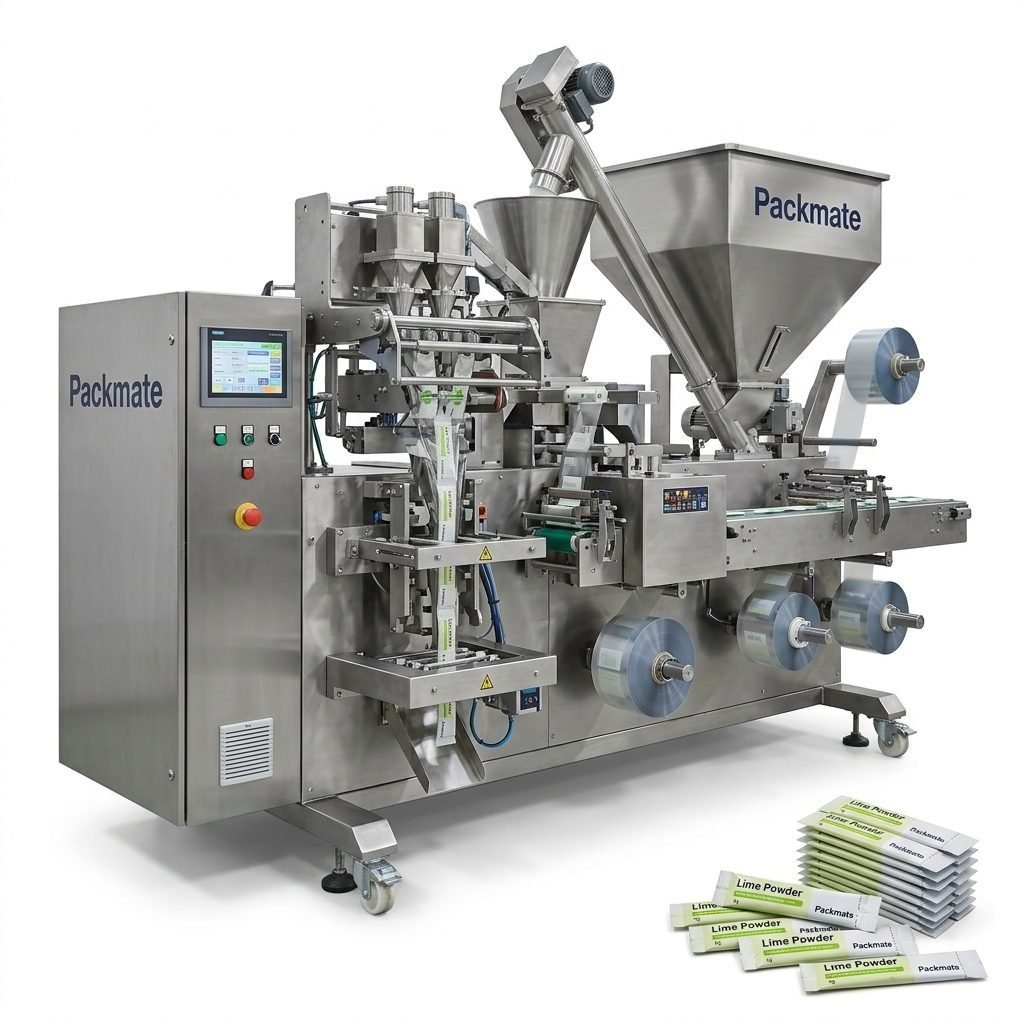
Yes, but it requires specific adaptations. Powder products need an integrated auger filling system for accurate dosing. The machine must be designed to minimize dust ingress into mechanical parts, and the film forming process must be gentle to prevent powder from contaminating the longitudinal seal, which would cause leaks. Specialized solutions for powders and granules are a core competency for many experienced manufacturers.