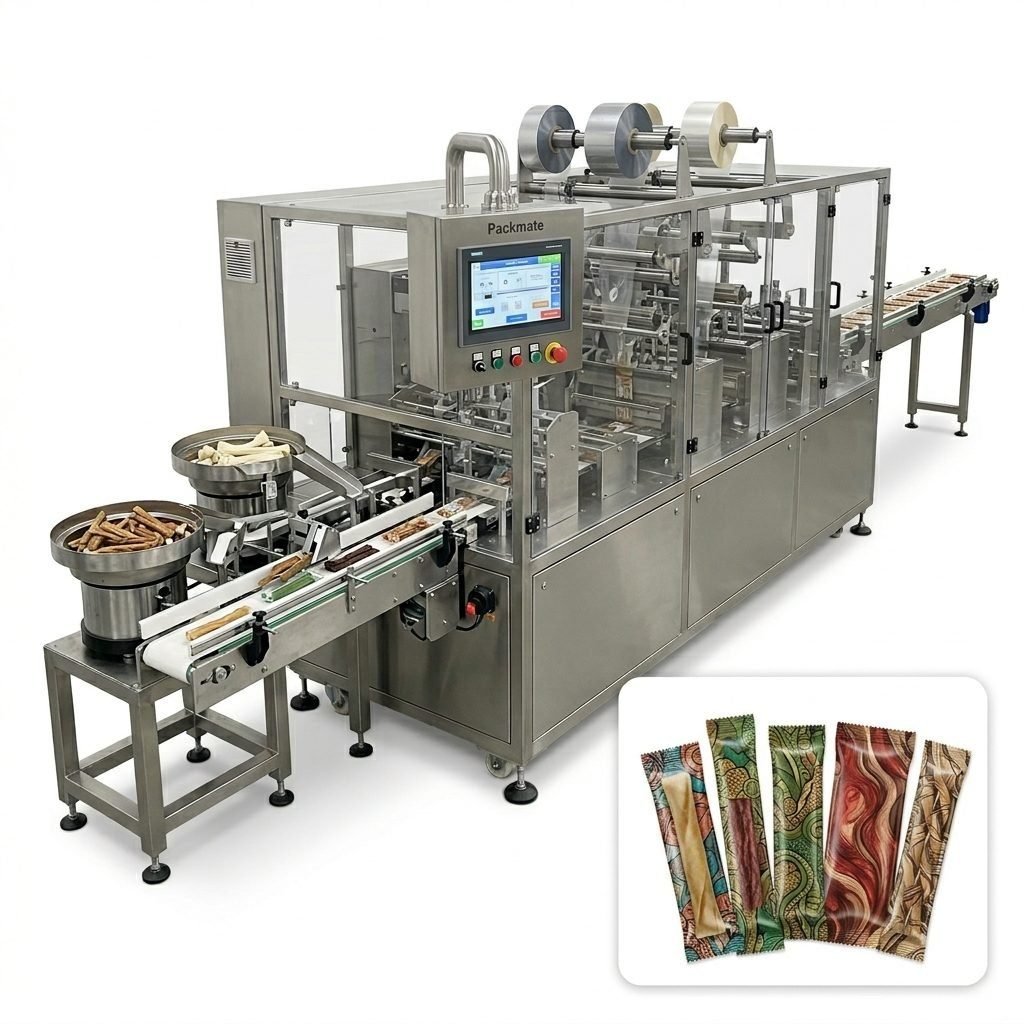
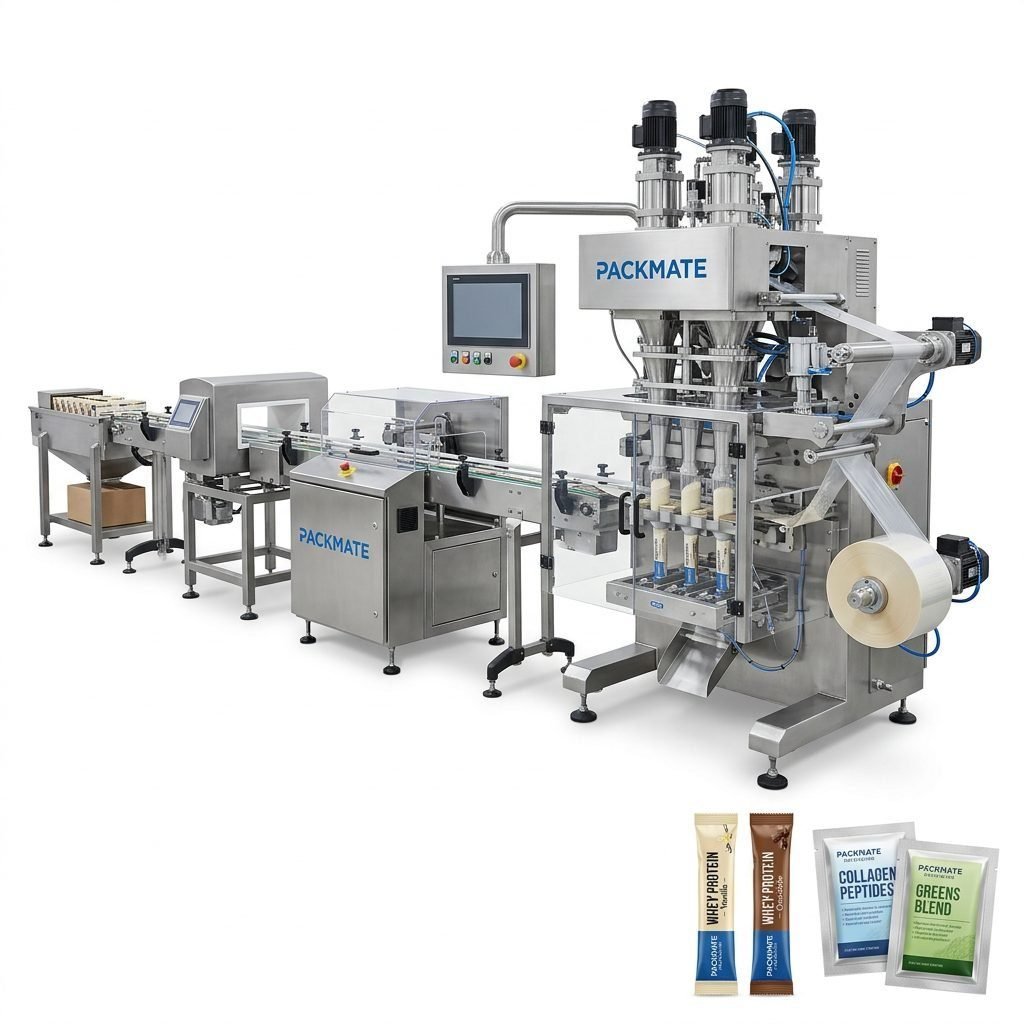
In the competitive world of food production, efficiency and precision are paramount. For businesses specializing in sauces, condiments, dressings, and similar liquid or semi-liquid products, investing in the right packaging machinery is a critical decision. Small sauce packaging machines are engineered to handle these specific viscosities and consistencies, offering a scalable solution for producers looking to enhance their output, reduce waste, and maintain consistent product quality. This guide delves into the world of top-tier small sauce packaging machines, exploring key features, benefits, and considerations for efficient production.
The Core Advantages of Automated Sauce Packaging
Moving from manual or semi-automated filling to a dedicated small sauce packaging machine transforms production lines. The primary advantage is a dramatic increase in speed and throughput. These machines can fill dozens, hundreds, or even thousands of sachets, stick packs, or pouches per minute, far surpassing human capability. This efficiency directly translates to higher production volumes and the ability to meet larger orders or scale the business.
Equally important is the consistency and accuracy</span they deliver. Every package receives the exact predetermined amount of product, minimizing giveaway and maximizing profit margins. This precision ensures uniform product presentation, which is vital for brand integrity and customer satisfaction. Furthermore, automated packaging significantly improves hygiene by minimizing direct human contact with the product, a crucial factor in food safety compliance.
Key Features to Look for in a Sauce Packaging Machine
Not all packaging machines are created equal, especially when dealing with sauces that can range from thin vinegar to thick mayonnaise or chunky salsa. When evaluating options, several features are non-negotiable for efficient sauce production.
Versatile Filling System: The heart of the machine. Look for pumps (such as piston or peristaltic) that can handle a wide viscosity range without damaging product integrity (e.g., leaving seeds or chunks intact). The system should allow for quick and easy adjustment of fill volume.
Material Compatibility: The machine must be capable of forming, filling, and sealing with the films or laminates suitable for sauces. This includes barrier properties to prevent oxidation and maintain shelf life. Compatibility with sustainable or compostable materials is an increasingly valuable feature.
Precision Sealing Technology: A reliable, temperature-controlled sealing mechanism is essential to prevent leaks, which are a common and costly issue in sauce packaging. Consistent seals ensure product safety during transport and storage.
User-Friendly Controls & Quick Changeover: Modern machines feature intuitive touchscreen interfaces for setting parameters. Quick-change tooling and recipe memory functions are vital for producers who run multiple sauce varieties, as they drastically reduce downtime between production runs.
Robust Construction & Hygiene Design: Stainless steel contact parts and easy-clean designs are standard for food-grade machinery, ensuring durability and simplifying sanitation protocols to meet stringent health standards.
Popular Machine Types for Small Sauce Packaging
The optimal machine type depends on your desired package format and production scale.
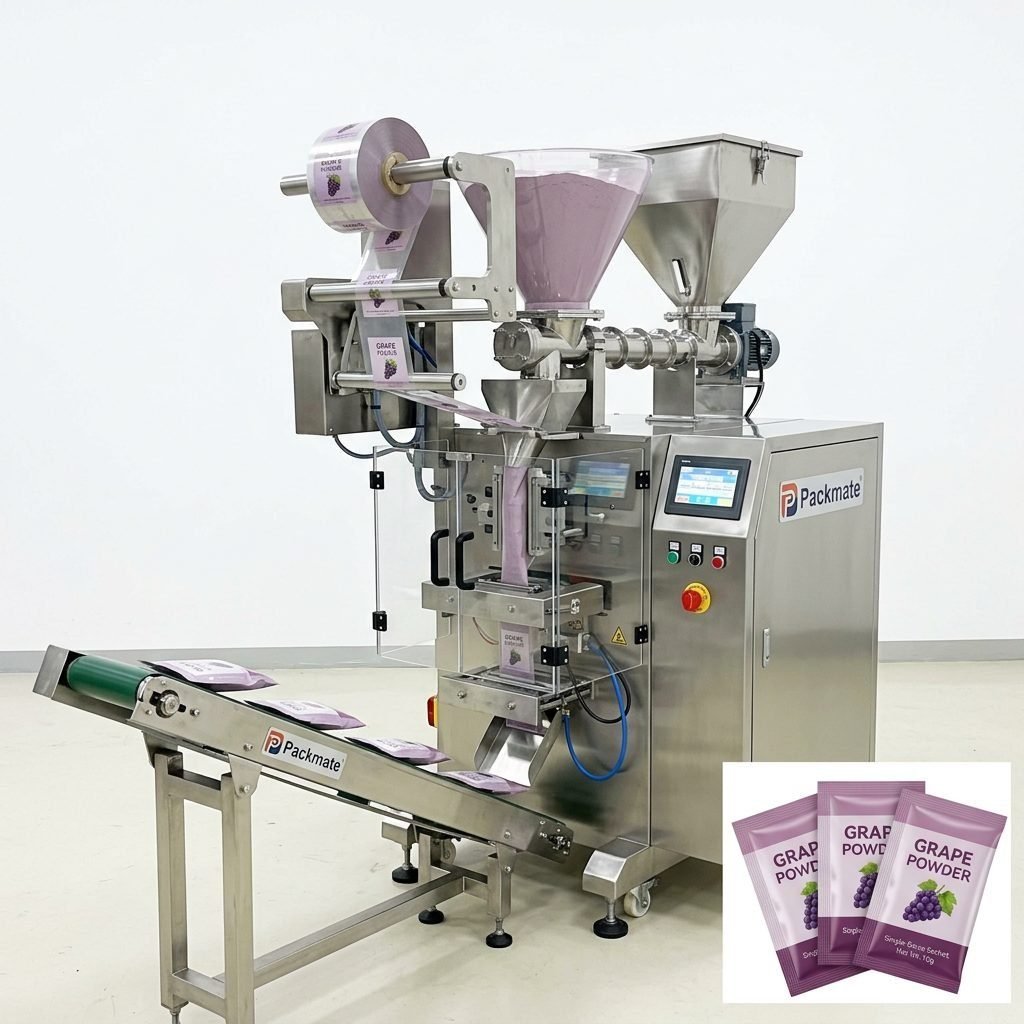
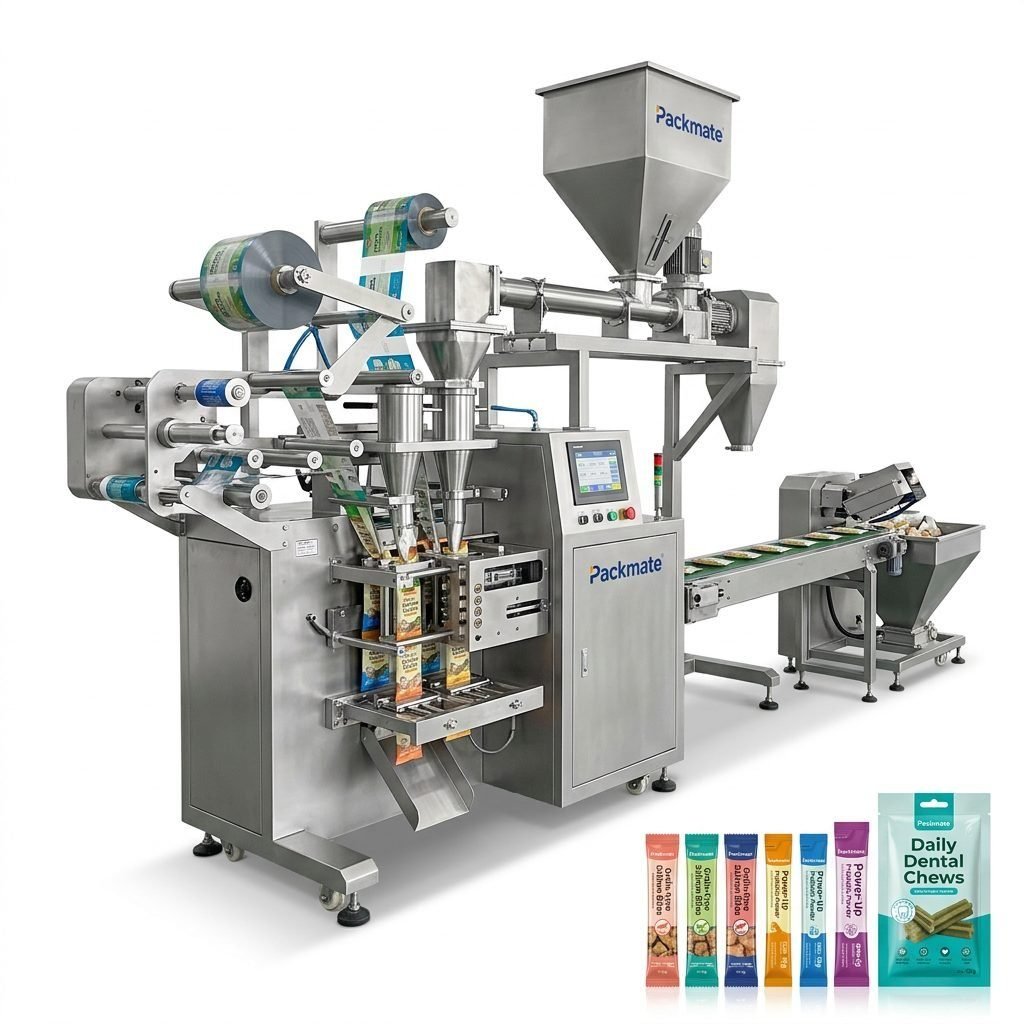
Vertical Form-Fill-Seal (VFFS) Machines: Extremely versatile for creating stand-up pouches, flat pouches, or gusseted bags from a roll of film. Ideal for medium to larger sauce portions (e.g., 50ml to 1kg). They are a cornerstone of modern flexible packaging lines.
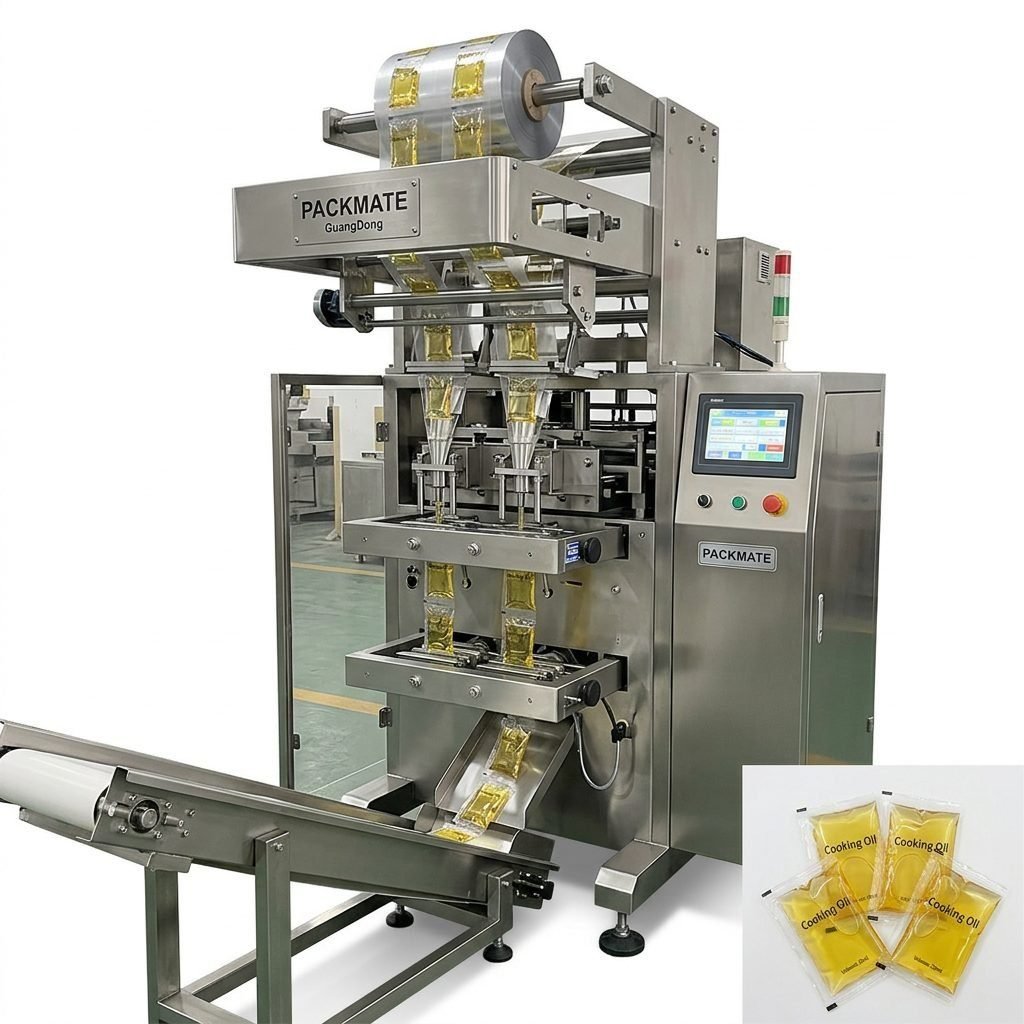
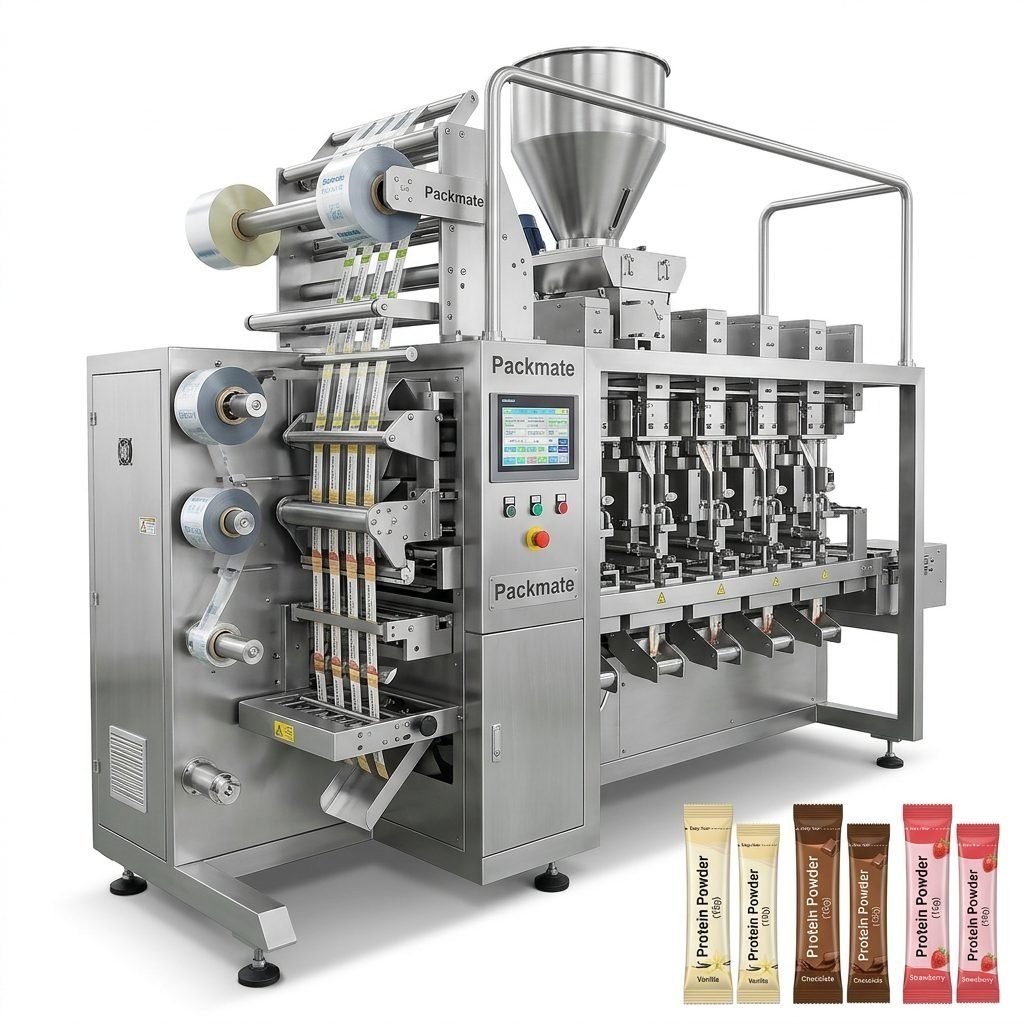
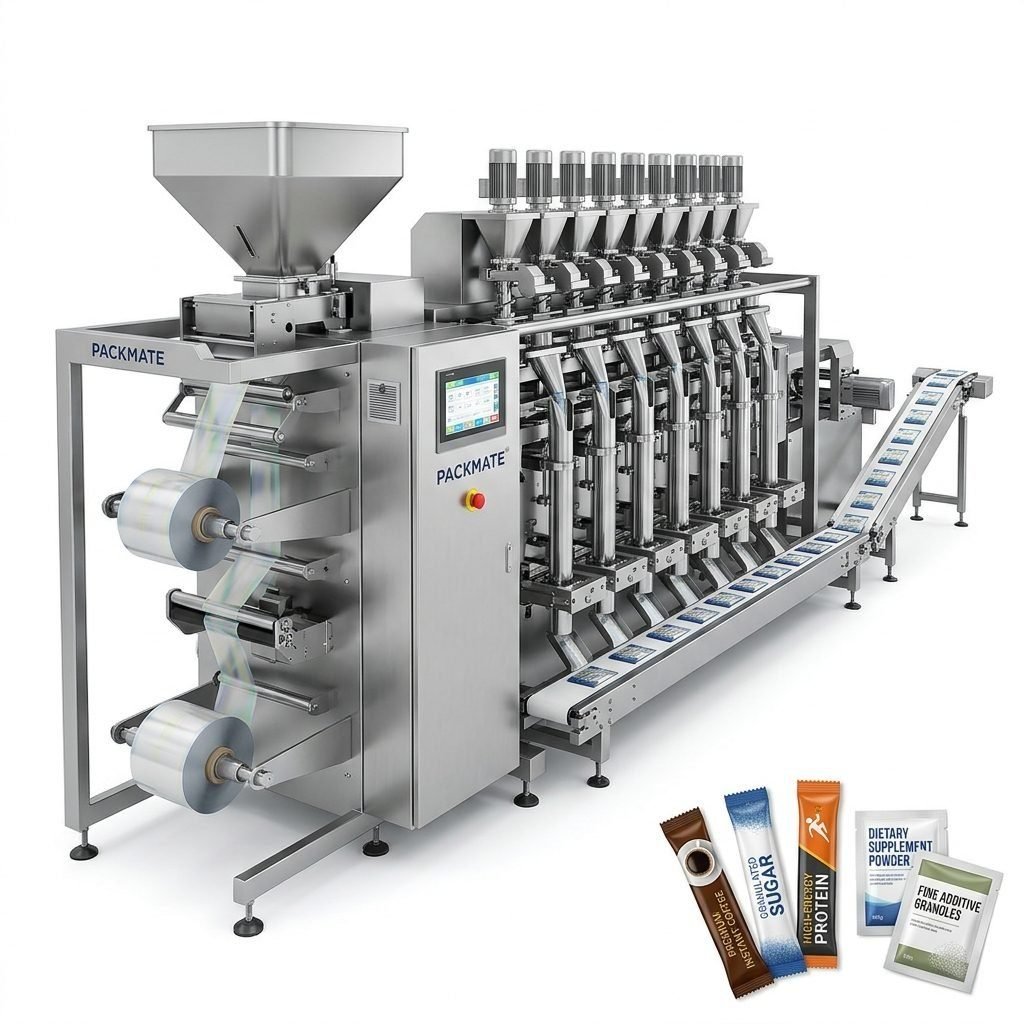
Sachet & Stick Pack Machines: Perfect for single-serve portions like ketchup, soy sauce, dressing, or dipping sauces. These machines, including advanced multi-lane models, achieve exceptionally high speeds, producing thousands of small, sealed packets per minute. They are a staple in the food service and catering industries. You can explore advanced options in our dedicated range of Sachet & Stick Pack Machines.
Piston Filling Machines: Often used in conjunction with pre-made pouches or containers. They offer exceptional accuracy for thick, chunky, or delicate sauces by using a cylinder and piston to draw and dispense a precise volume. These are excellent for smaller batch artisanal production or for filling into jars and bottles.
Maximizing Efficiency in Your Production Line
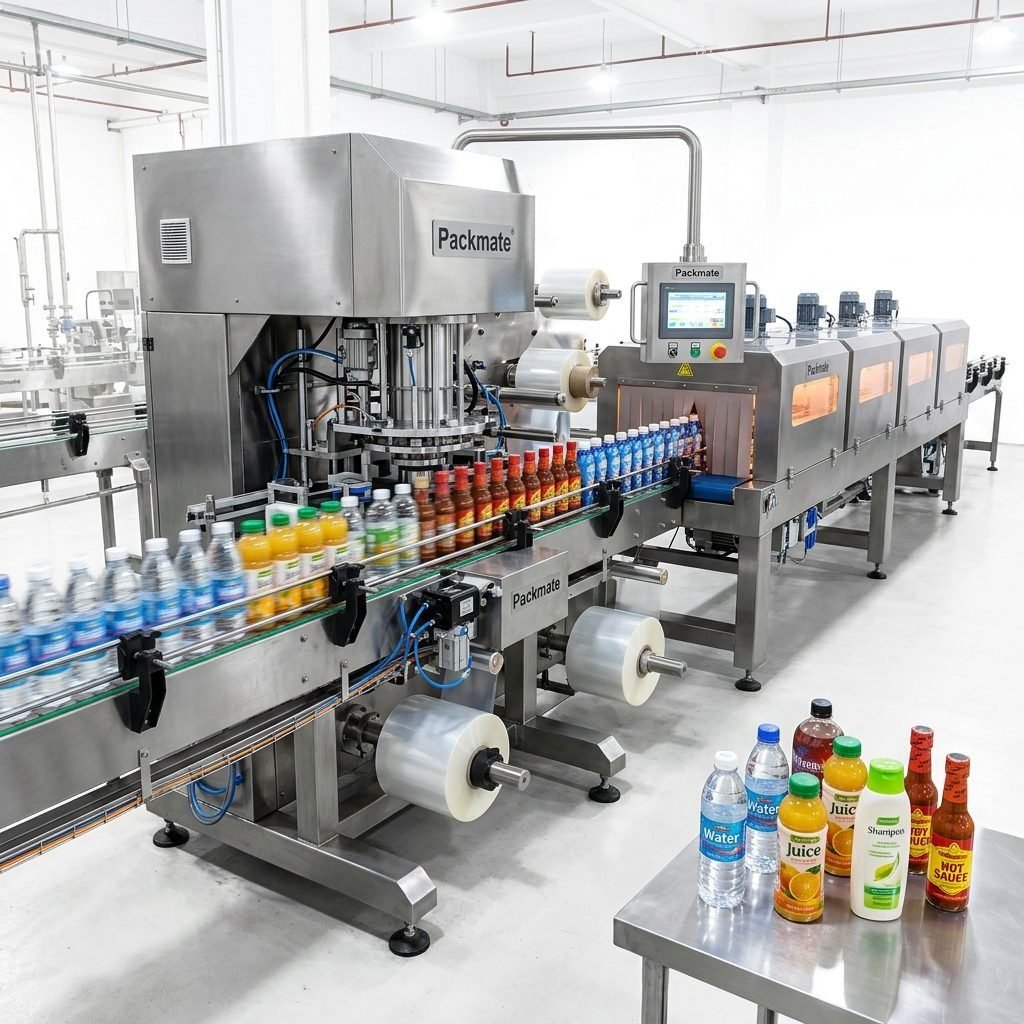
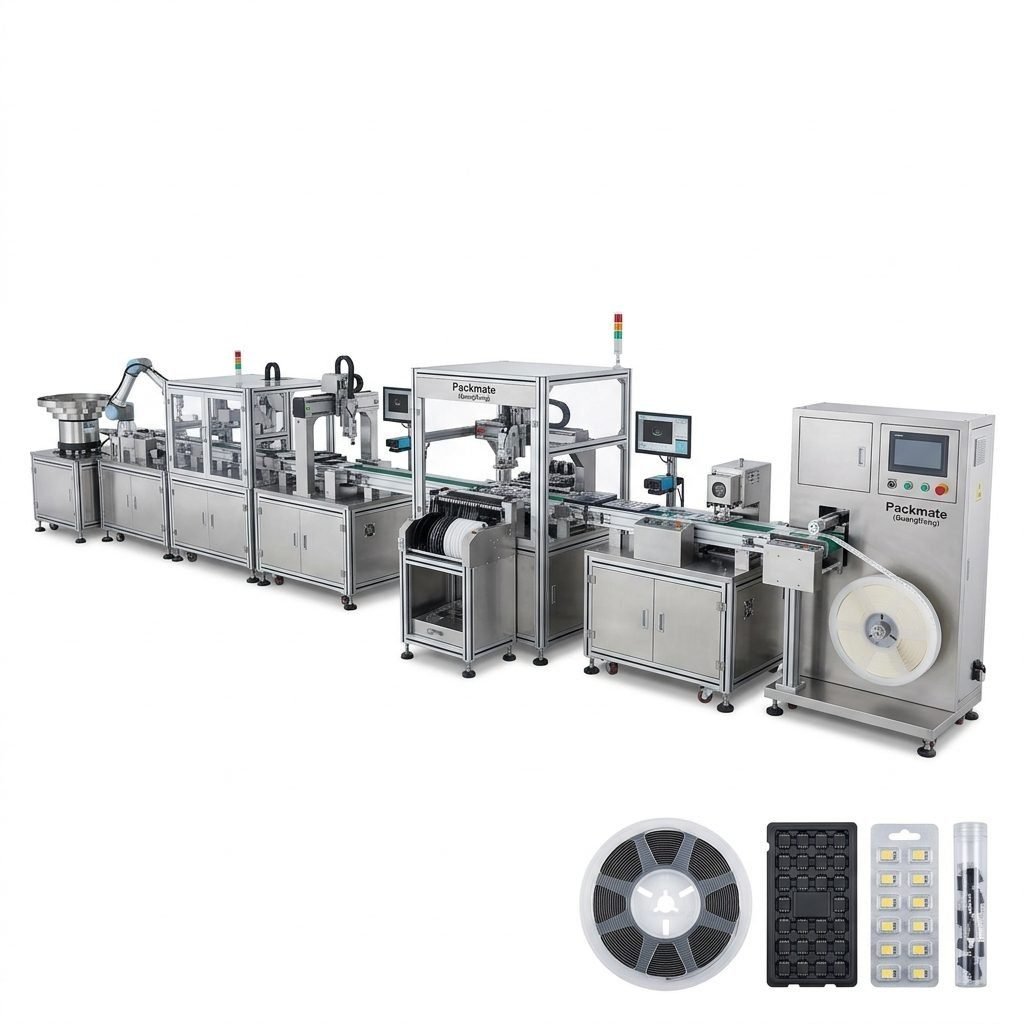
Efficiency extends beyond the filling machine itself. Integrating the primary packager with upstream and downstream equipment creates a seamless, turnkey packaging line that maximizes output.
Upstream, consider automated ingredient handling or mixing systems that feed the filler consistently. Downstream, equipment like checkweighers to verify fill weight, metal detectors for safety, and automated cartoning or case packing systems can complete the automation loop. Investing in a cohesive system from a single provider, like the comprehensive solutions offered by Packmate Machinery, ensures compatibility, simplifies training, and provides a single point of contact for service and support.
Regular preventive maintenance is the unsung hero of long-term efficiency. A well-maintained machine experiences less unplanned downtime, maintains accuracy, and has a longer operational lifespan. Partnering with a manufacturer that offers robust after-sales service and readily available spare parts is a strategic investment.
The Role of Innovation and Reliability
Choosing a machinery partner with a proven track record of innovation and quality is crucial. A company like Packmate Machinery, with over 22 years of development and a 20,000㎡ modern facility, embodies the marriage of technological advancement and reliable engineering. Their journey from a focused workshop to a leading provider of intelligent packaging solutions demonstrates a deep understanding of market needs, including the specific demands of sauce producers. This heritage of solving practical production challenges translates into machines that are not only advanced but also dependable in a demanding factory environment. Learn more about their commitment to innovation on their About Us page.
Conclusion: Investing for Growth
Selecting a top small sauce packaging machine is a strategic decision that directly impacts product quality, operational cost, and business growth potential. By prioritizing features like filling versatility, sealing reliability, and hygienic design, producers can find a machine that meets their current needs and scales for the future. Integrating the machine into a well-planned production line and partnering with an experienced, reliable manufacturer like Packmate Machinery, which offers a wide array of packing machines, are the final steps toward unlocking truly efficient and profitable sauce production.
Frequently Asked Questions (FAQs)
What is the typical production speed for a small sauce sachet machine?
Speeds vary greatly by model and format. Basic single-lane machines may produce 60-120 sachets per minute, while high-speed multi-lane stick pack machines can exceed 1,000 packets per minute. The required speed depends entirely on your production volume targets.
Can one machine handle different sauce viscosities (e.g., thin hot sauce and thick mayonnaise)?
Many machines are designed with this versatility in mind. The key is the filling system. Piston fillers are excellent for a very wide range, from watery to pasty. It’s essential to discuss your specific product portfolio with the machine supplier to ensure the selected pump or filler is compatible.
How do I ensure my sauce packaging is leak-proof?
Leak prevention relies on two factors: the sealing quality of the machine and the suitability of the packaging film. Ensure the machine has precise, adjustable heat sealing jaws. Work with your film supplier to select a laminate with strong sealant layers that bond well at the machine’s operating temperatures.
What is the importance of “quick changeover” for a sauce producer?
If you produce multiple sauce varieties in different package sizes, changeover time is critical downtime. Machines with quick-change parts (like forming tubes, filling nozzles) and digital recipe memory allow you to switch production in minutes rather than hours, dramatically improving overall equipment effectiveness (OEE).
What kind of after-sales support should I expect?
Comprehensive support includes detailed installation guidance (often on-site), thorough operator training, a clear warranty, readily available spare parts, and access to technical assistance for troubleshooting. A reliable manufacturer will view the sale as the beginning of a long-term partnership.