Selecting the right medical packaging equipment is a critical decision that directly impacts product safety, regulatory compliance, and operational efficiency. This guide provides a comprehensive overview of the types of equipment available, their specific uses, and practical tips for making an informed selection that meets the stringent demands of the pharmaceutical and healthcare industries.
Core Types of Medical Packaging Equipment
The medical packaging landscape utilizes specialized machinery designed for accuracy, sterility, and speed. Understanding the core categories is the first step.
Primary Packaging Machinery
This equipment handles the direct contact with the medical product. Key machines include:
Blister Packaging Machines: Ideal for tablets, capsules, and lozenges. They form a cavity (blister) from a thermoformable plastic sheet, place the product inside, and seal it with a lidding material (often foil). This provides excellent barrier protection and unit-dose integrity.
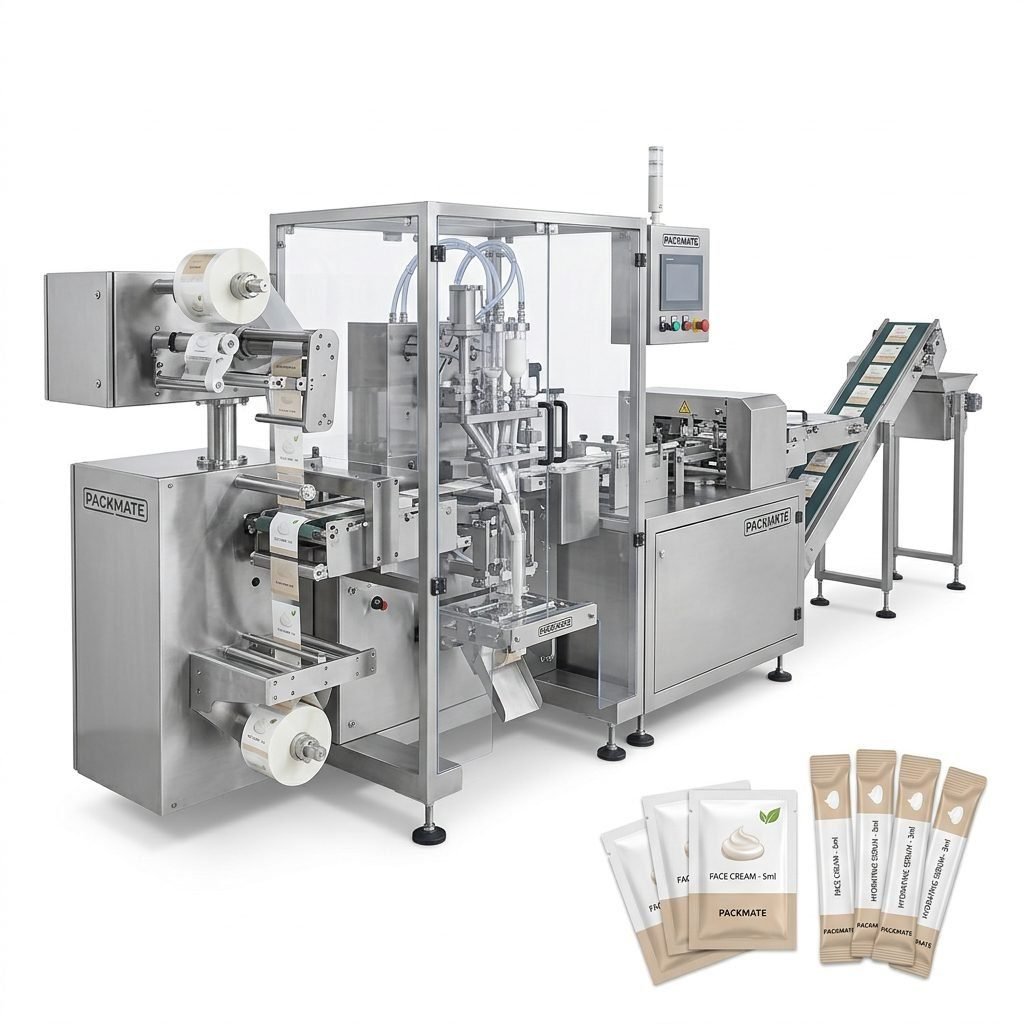
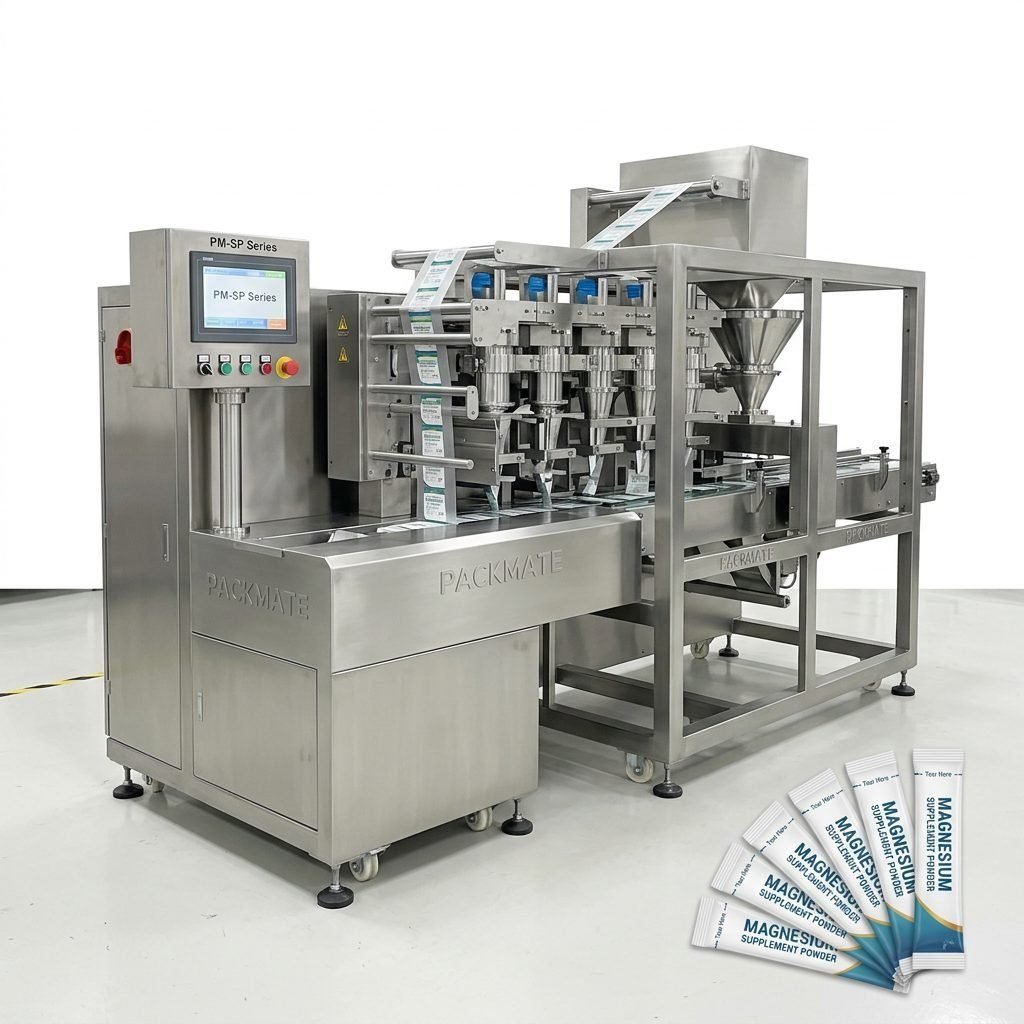
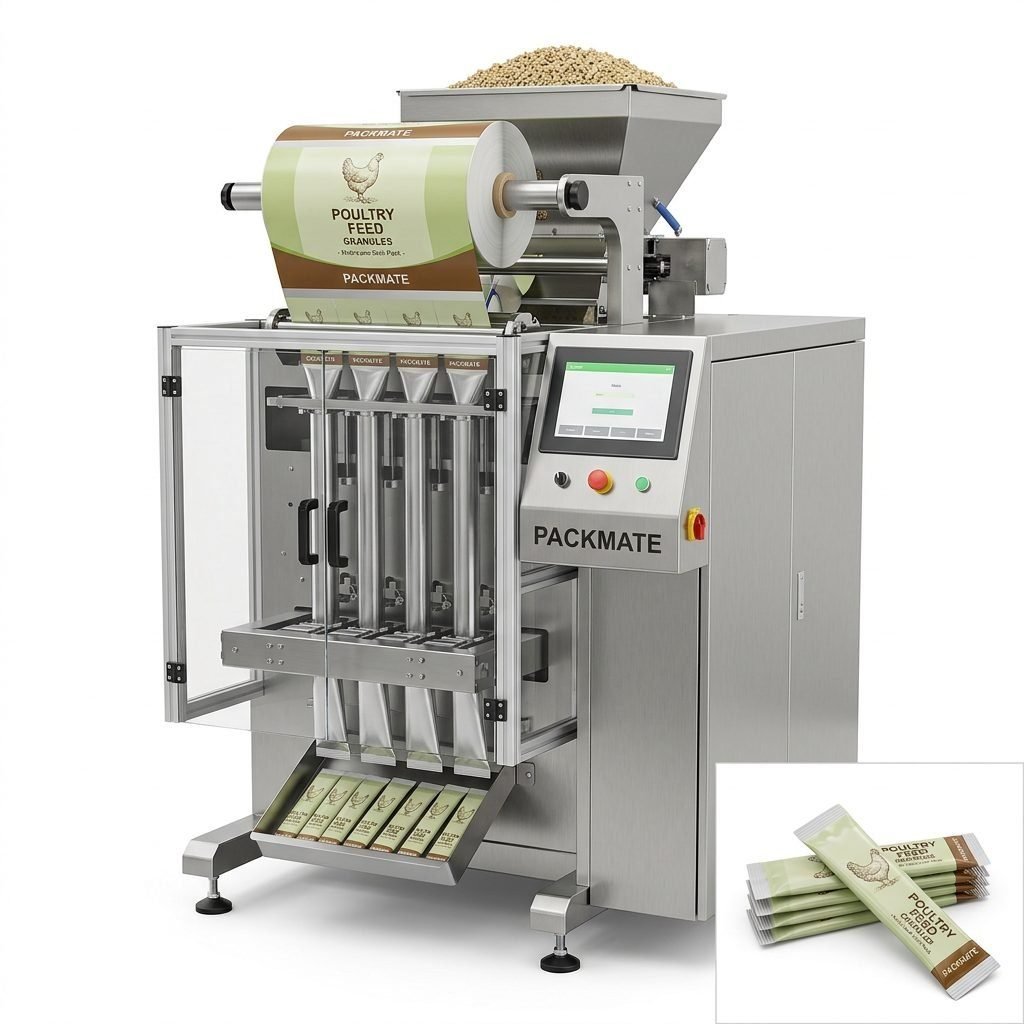
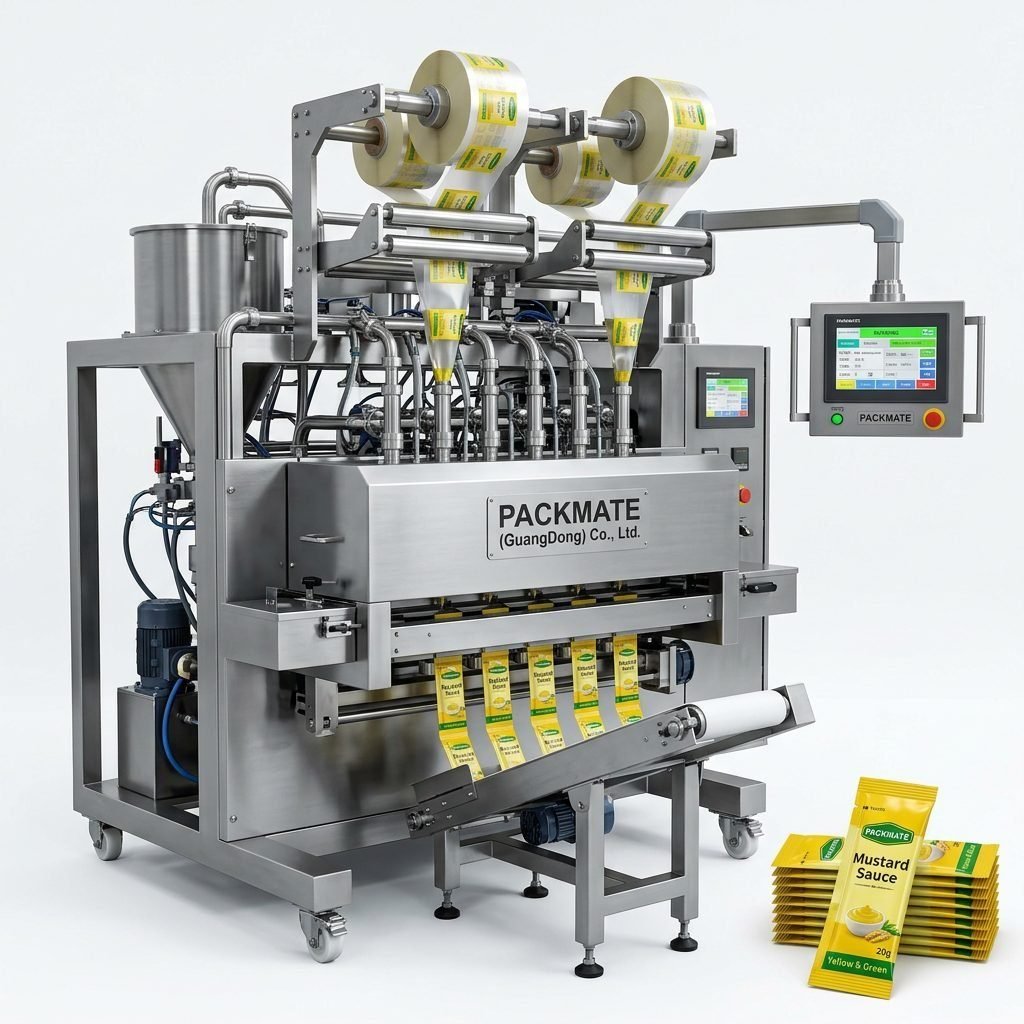
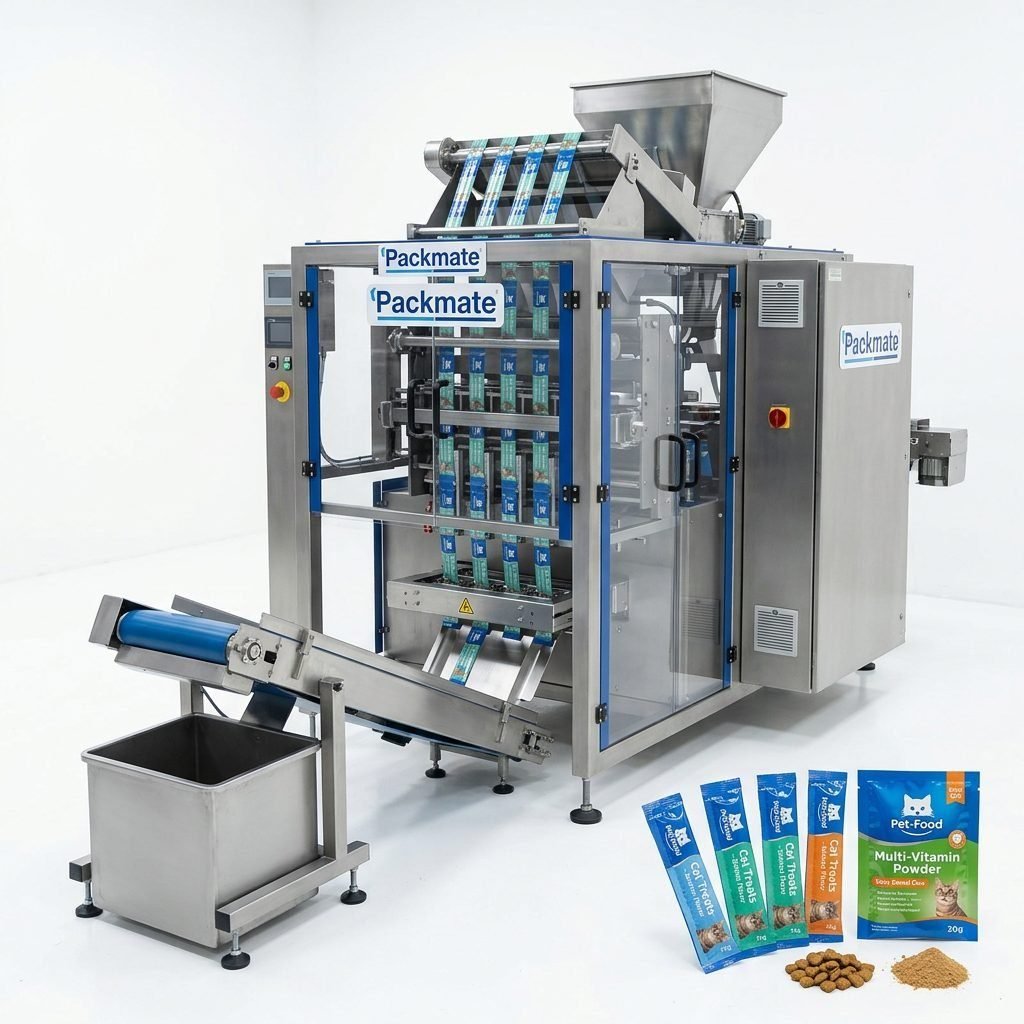
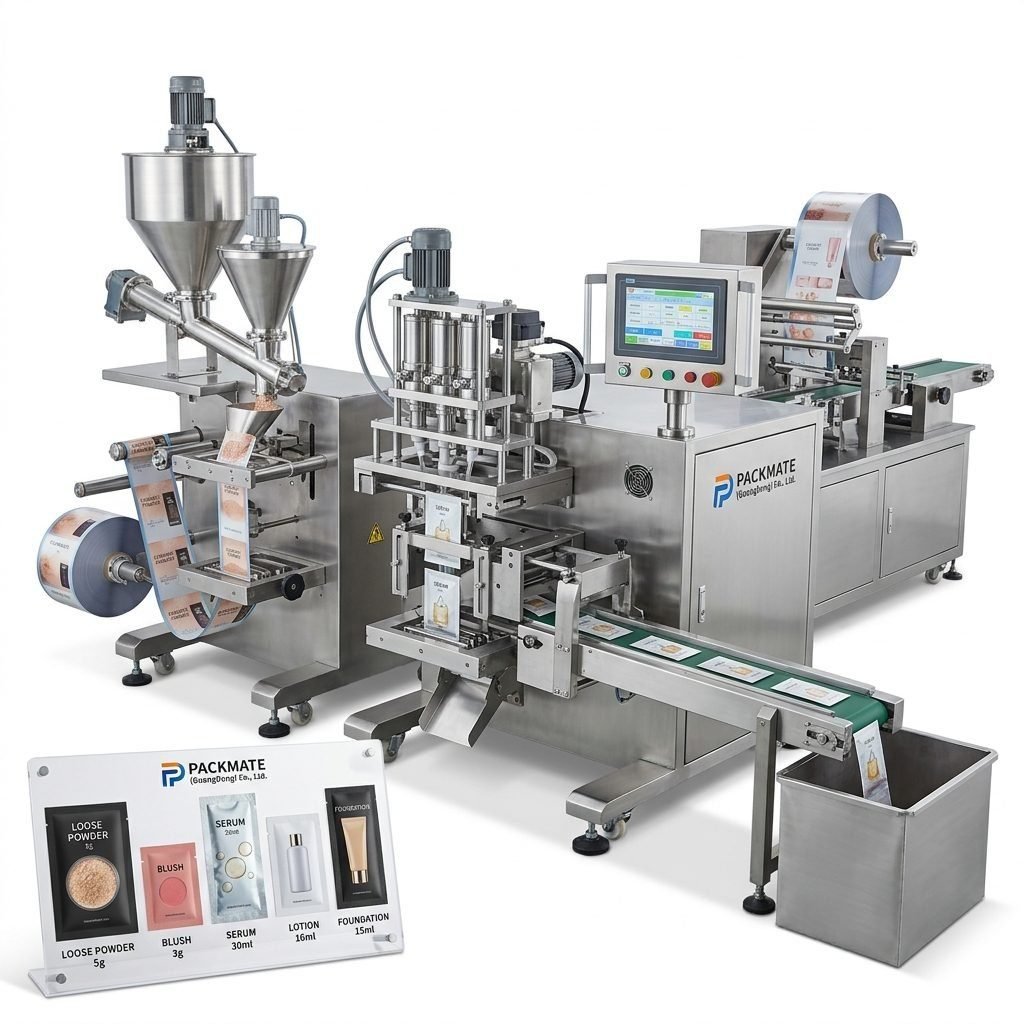
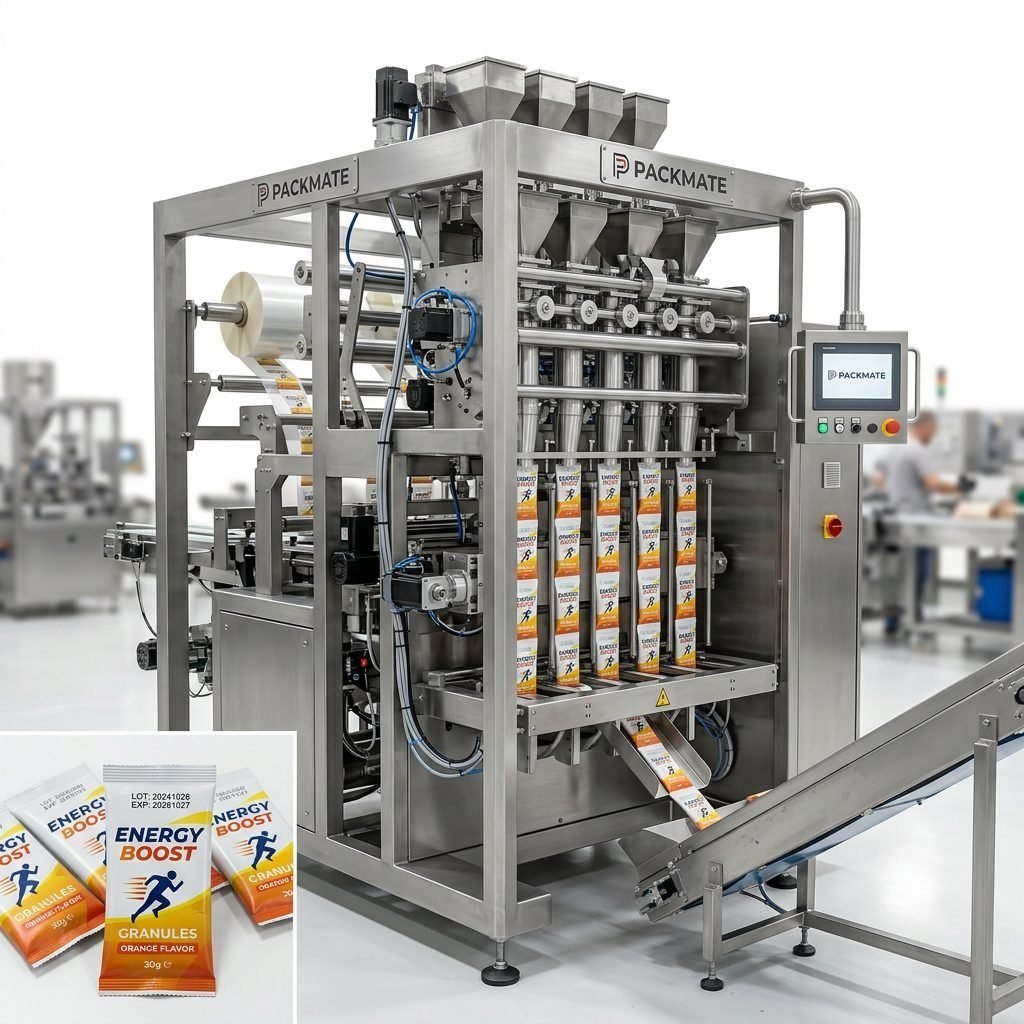
Sachet & Stick Pack Machines: Perfect for powders, granules, and single-use liquids like antiseptics or saline. These machines, such as those offered by Packmate’s sachet and stick pack line, create small, sealed pouches from roll film, ensuring precise dosing and high hygiene standards.
Ampoule, Vial, and Syringe Fillers: Highly specialized, aseptic machines for filling and sealing liquid or lyophilized (freeze-dried) drugs into sterile containers. They operate in controlled environments (ISO 5/Class 100) to prevent contamination.
Secondary & Tertiary Packaging Machinery
This equipment handles the outer layers of packaging.
Cartoning Machines: Automatically erect folding cartons, insert blisters or bottles along with leaflets, and close the carton. They are crucial for final product presentation and compliance with labeling regulations.
Case Packers and Palletizers: These systems group multiple finished cartons into shipping cases (case packing) and then arrange cases onto pallets (palletizing) for distribution, optimizing logistics and handling.
Key Applications and Uses in the Medical Field
Each type of equipment serves distinct purposes across the healthcare spectrum.
Pharmaceutical Manufacturing
Here, precision and validation are paramount. Blister packers and strip packers are used for solid oral doses, while liquid fillers handle injectables and ophthalmics. The equipment must generate audit trails and comply with 21 CFR Part 11 for electronic records in regulated markets like the U.S.
Medical Device Packaging
Devices, from simple gauze to complex implants, require packaging that maintains sterility until point of use. Thermoform-fill-seal (TFFS) machines are common, creating rigid, sterile cavities sealed with Tyvek® or medical-grade film. The seal integrity is critical and is tested via methods like dye penetration or bubble emission.
Clinical Trial Kits & Sample Packaging
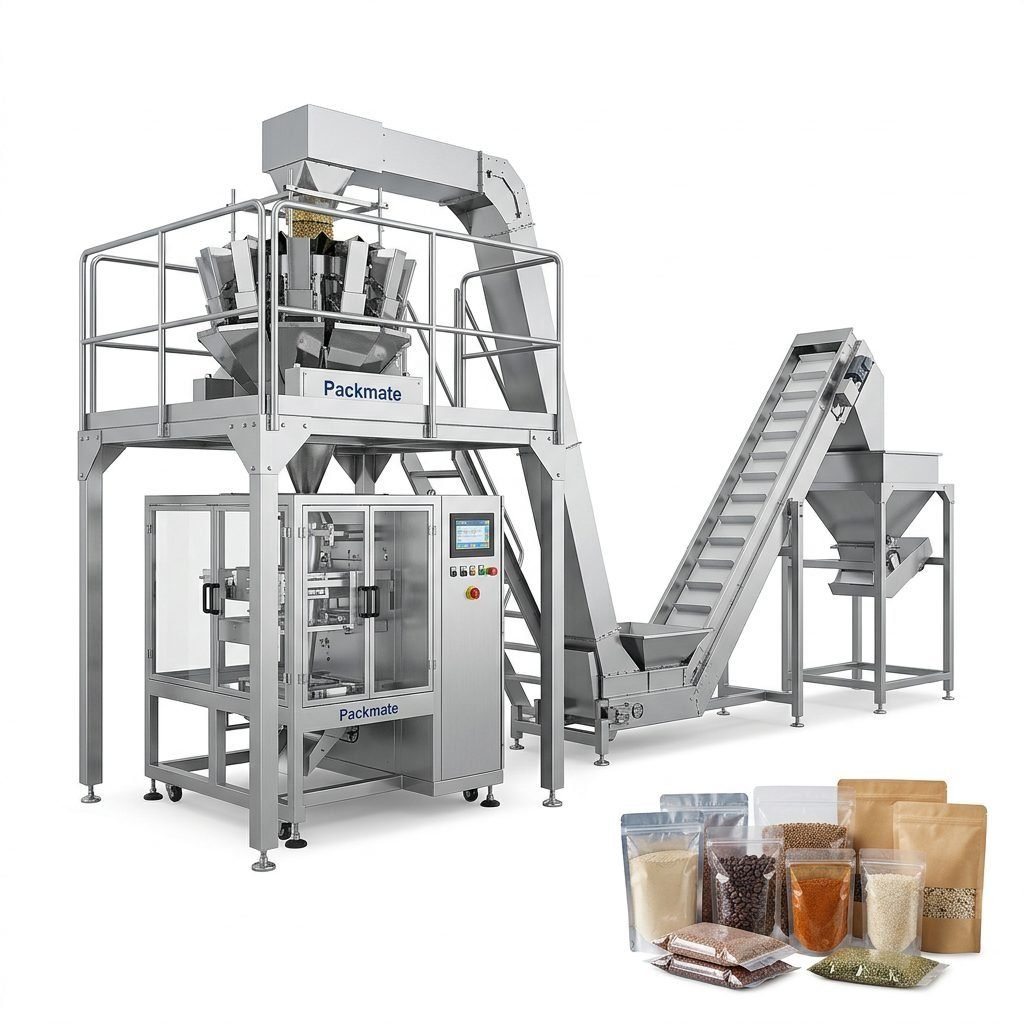
This area demands flexibility and small batch capabilities. Versatile vertical form-fill-seal (VFFS) pouch machines can handle diverse products and often incorporate precise weighing systems to ensure accurate sample amounts for research consistency.
Essential Selection Tips for Your Operation
Choosing equipment is an investment. Consider these factors to ensure a perfect fit.
1. Define Your Product & Output Requirements
Start with the basics: Product Form (solid, powder, liquid), Dose Size, and Packaging Material (film type, grade). Then, calculate your required production speed (units per minute) and annual volume. This will narrow down machine size and automation level.
2. Prioritize Compliance and Validation
Medical packaging is heavily regulated. Ensure the machine supplier understands GMP (Good Manufacturing Practice), ISO 13485 (for devices), and regional pharmacopeia standards. The equipment should be designed for easy cleaning, prevent cross-contamination, and support full installation, operational, and performance qualification (IQ/OQ/PQ) protocols.
3. Evaluate Machine Flexibility and Changeover
If you run multiple products or package sizes, quick changeover is vital. Look for machines with tool-less adjustments, digital settings recall, and interchangeable forming tools. Flexibility reduces downtime and increases overall equipment effectiveness (OEE).
4. Assess Integration and Support
Will the machine integrate with your existing production line? Consider upstream (feeding) and downstream (cartoning) connectivity. Equally important is the supplier’s after-sales support. Companies with deep expertise, like Packmate Machinery with over 30 years in packaging, offer invaluable technical support, spare parts availability, and training—critical for minimizing production stoppages.
5. Consider Total Cost of Ownership (TCO)
Look beyond the initial purchase price. Factor in energy consumption, maintenance costs, required operator skill level, and expected machine lifespan. A slightly higher upfront investment in a robust, efficient machine from a reputable manufacturer often yields a lower TCO and better return on investment.
Frequently Asked Questions (FAQs)
What is the most critical feature in medical packaging equipment?
While speed and accuracy are important, the ability to consistently ensure product sterility and package integrity is paramount. The machine must be designed for hygienic operation, use compatible materials, and produce seals that pass rigorous validation tests.
How do I ensure the equipment meets regulatory standards like FDA or EMA?
Work with manufacturers who have a proven track record in the medical field. Request documentation such as risk assessments (FMEA), material certificates of compliance, and design files (DHF). The machine should be built with compliant materials (e.g., FDA-grade stainless steel, approved lubricants) and its software should be validated for data integrity.
Can one machine handle different medical products?
Yes, with limitations. Multi-purpose machines exist, especially in pouch and sachet packaging. However, significant product changes (e.g., from powder to liquid) typically require extensive changeover, different filling systems, and re-validation. It’s crucial to discuss your specific product range with the supplier during the selection phase.
What is the typical lead time for installing and validating a new line?
Lead times vary widely based on machine complexity and customization. For standard models, expect 3 to 6 months from order to delivery. Installation and validation (IQ/OQ/PQ) can add another 2 to 8 weeks, depending on the site readiness and the complexity of the operational protocols.
Why is supplier experience important in medical packaging?
An experienced supplier brings invaluable knowledge of industry regulations, common pitfalls, and best practices. They can advise on material selection, line layout, and validation strategy, helping you avoid costly mistakes and accelerate your time to market. A partner with a long history, such as Packmate with its decades of development, provides stability and deep technical expertise.