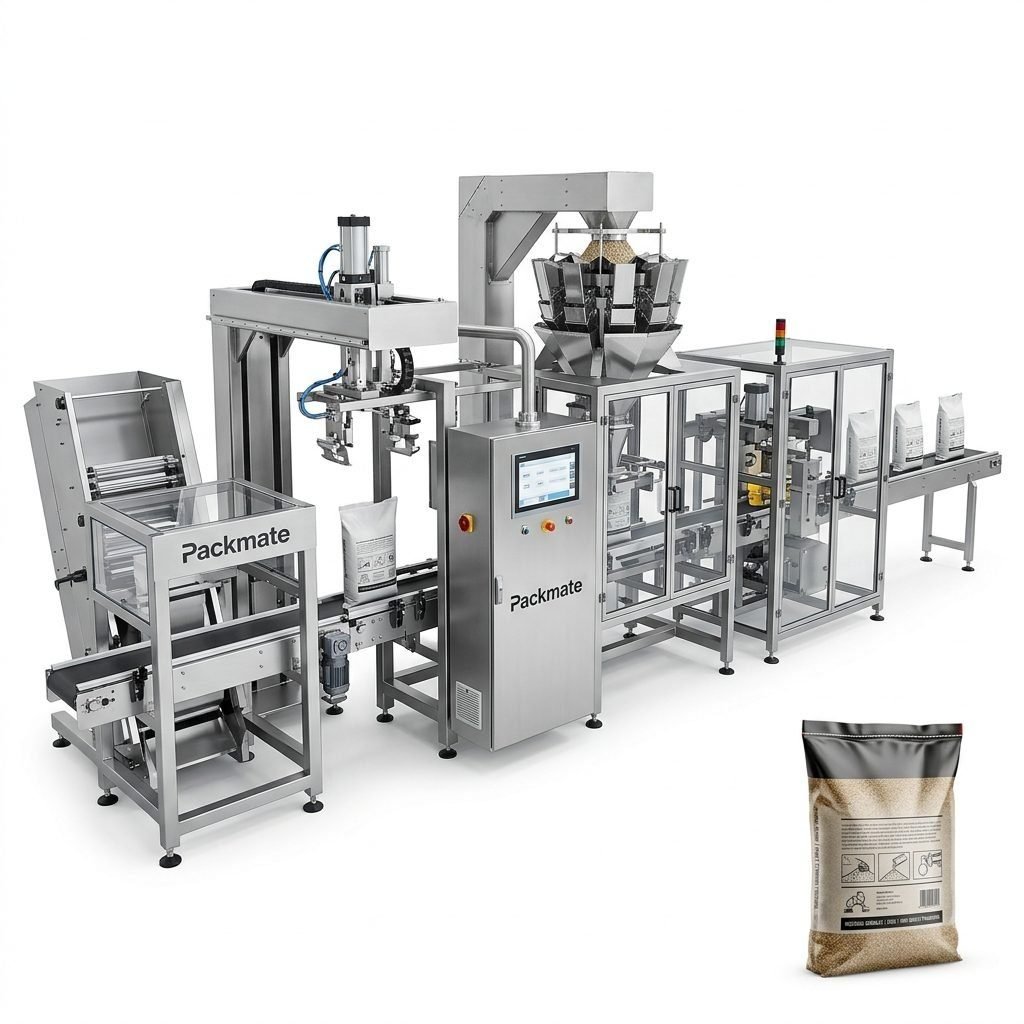
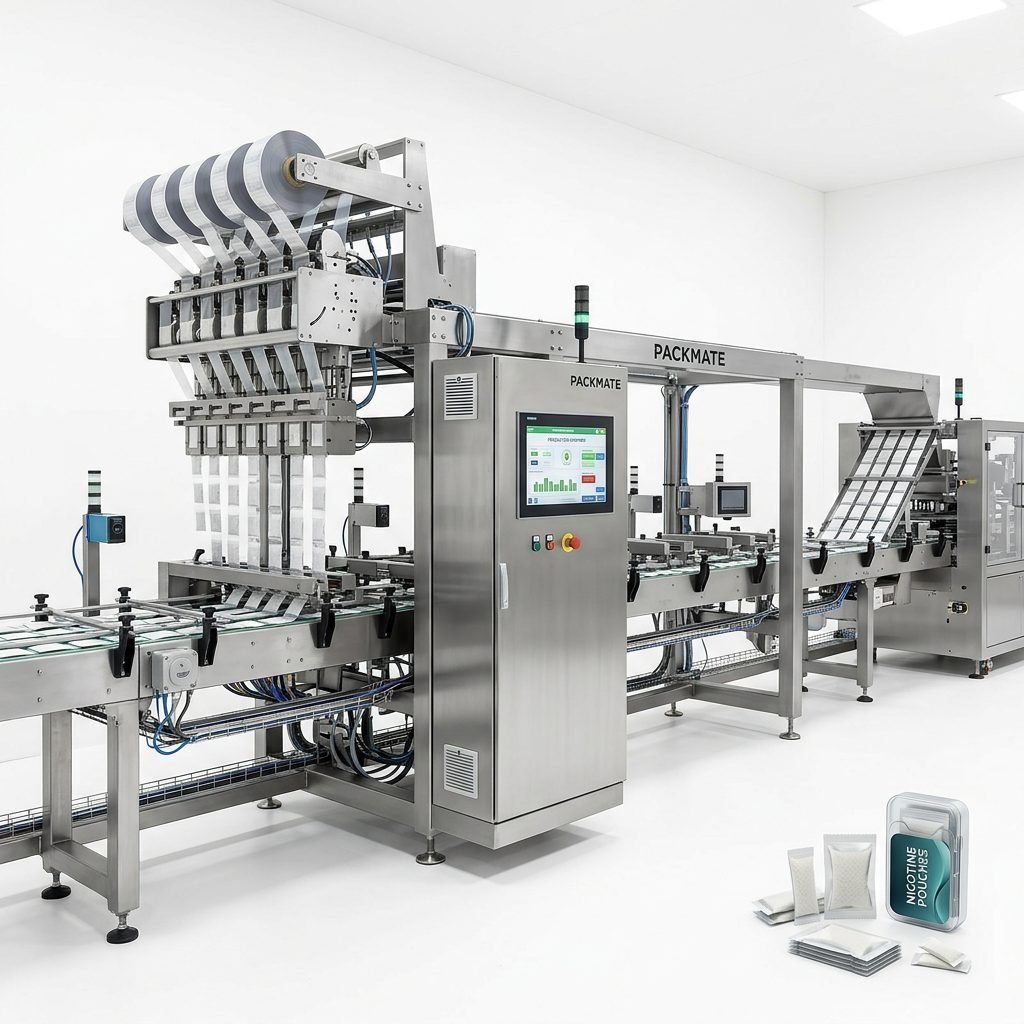
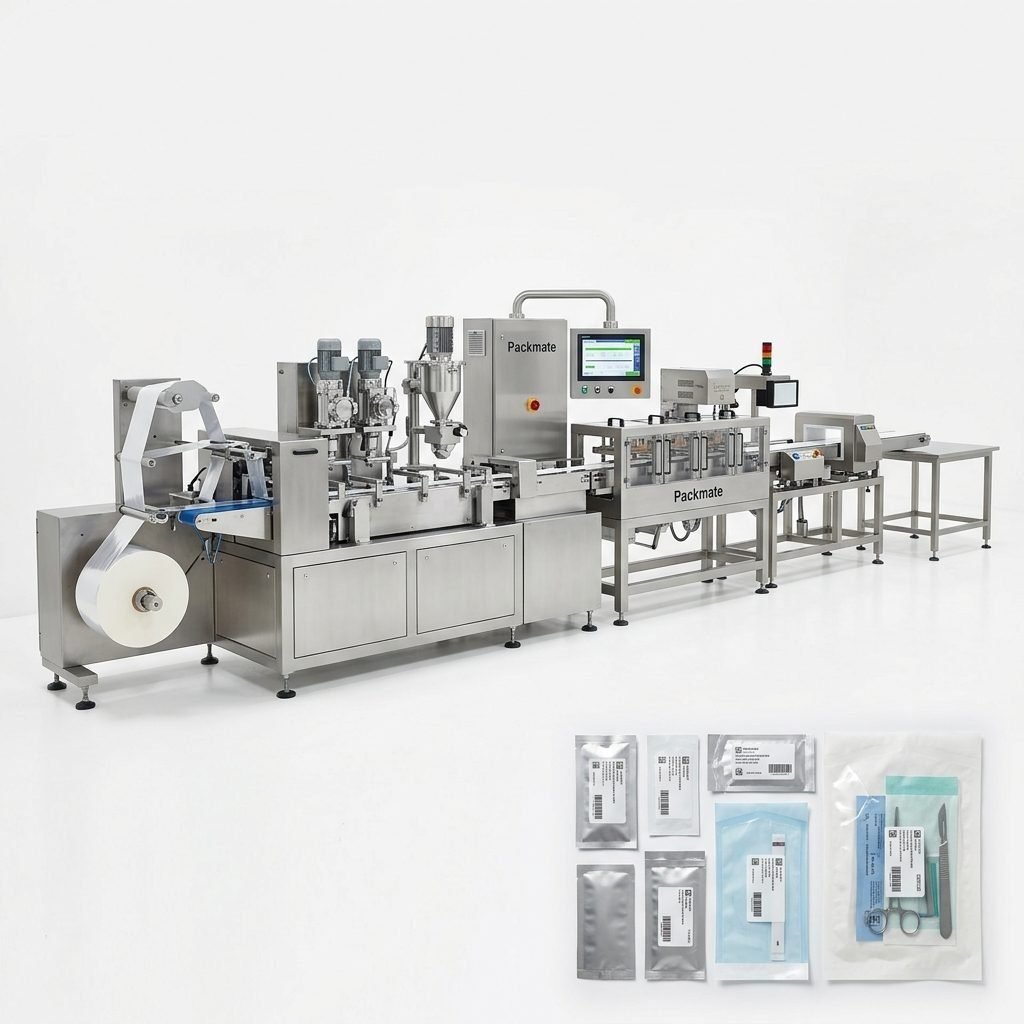
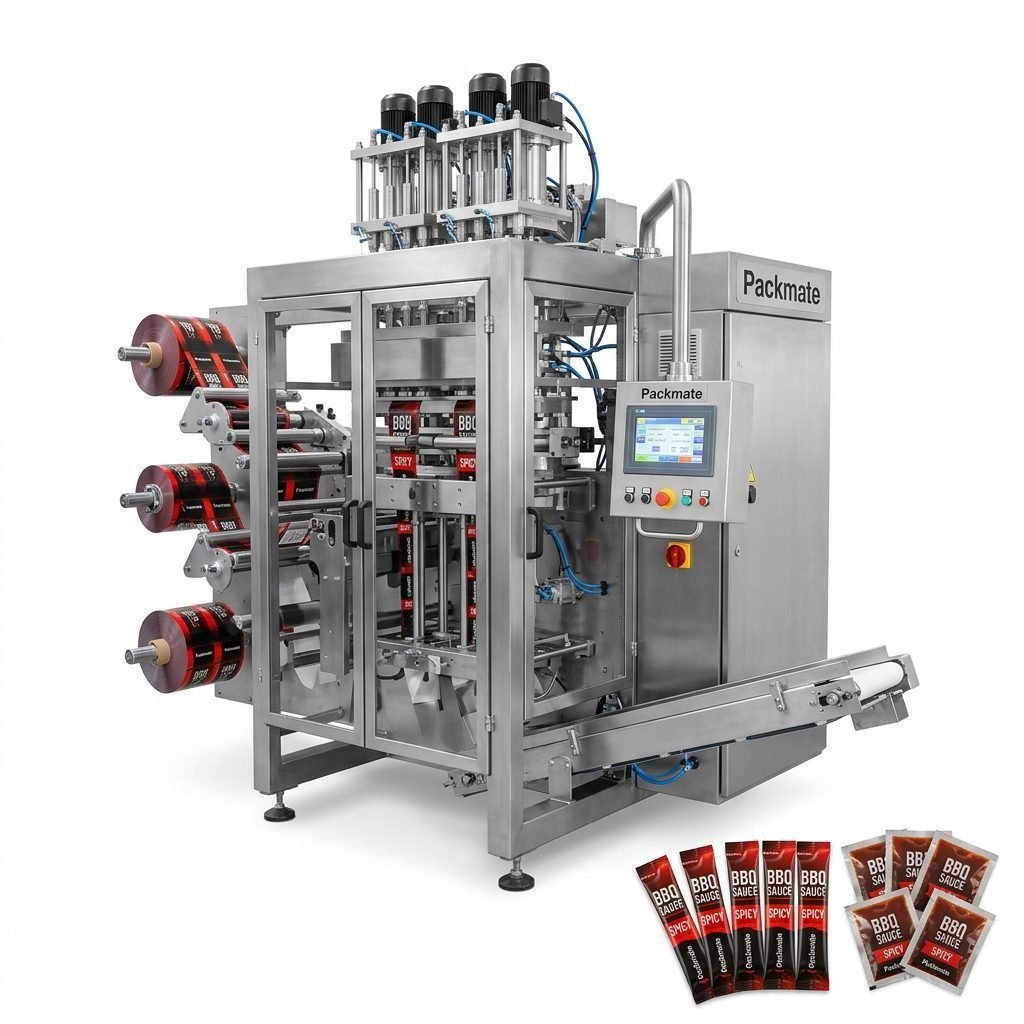
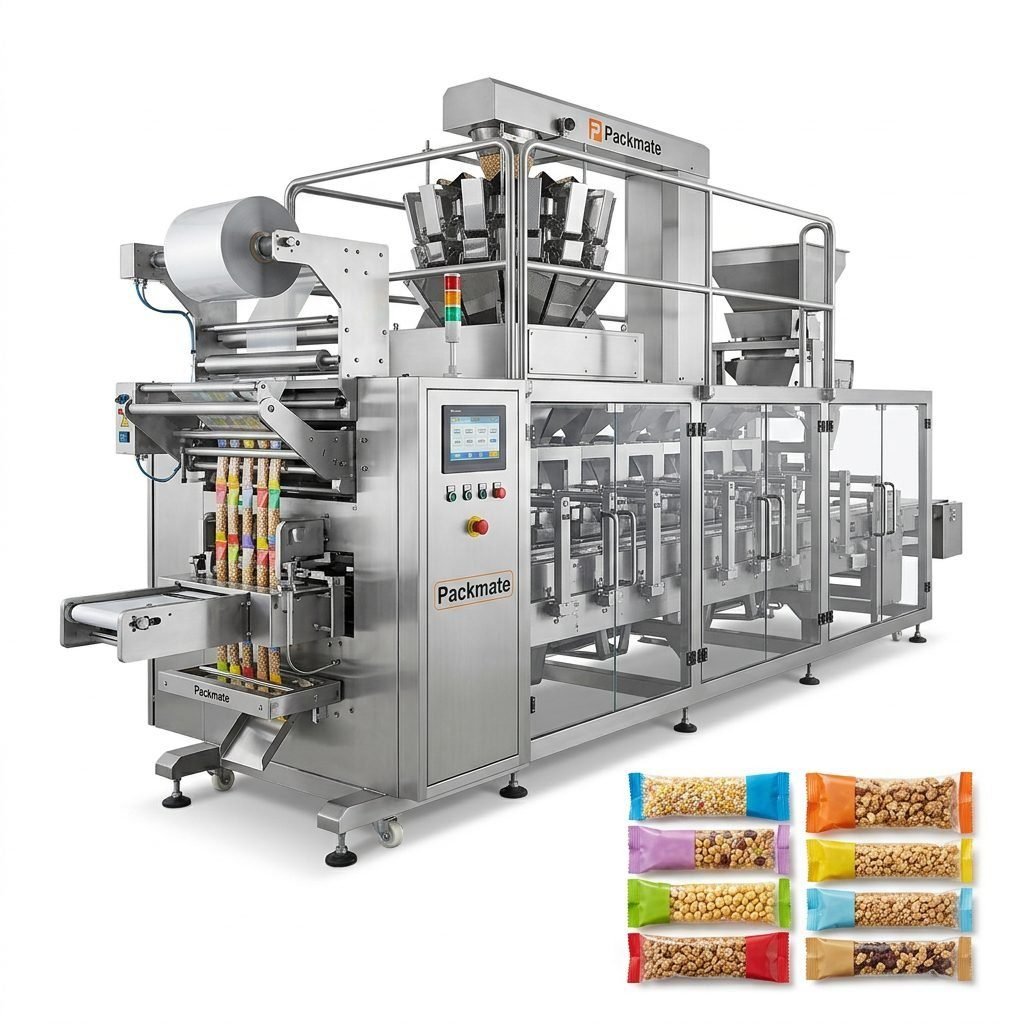
In the fast-paced world of food production, efficiency, hygiene, and product presentation are paramount. At the heart of achieving these goals lies a critical piece of technology: the can food packaging machine. These automated systems are designed to handle the precise and often high-speed packaging of food products into cans, ensuring shelf stability and consumer safety. For businesses looking to scale operations, improve consistency, and meet stringent regulatory standards, investing in the right packaging machinery is not just an option—it’s a necessity.
Primary Types of Can Food Packaging Machines
The landscape of can packaging equipment is diverse, with machines tailored for different stages of the process and types of products. Understanding the core types is the first step in making an informed decision.
1. Can Seaming Machines
These are arguably the most critical machines in the line. A can seamer, or closing machine, hermetically seals the lid onto the filled can body. This process is vital for creating an airtight seal that prevents contamination and spoilage, essential for products like soups, vegetables, and meats. Modern double-seaming technology ensures a secure, durable closure that withstands transportation and storage.
2. Liquid Filling Machines
Designed for products with liquid components—such as broths, sauces, oils, or beverages—these machines provide precise volumetric or gravimetric filling. Accuracy is crucial here to maintain consistent product weight, avoid underfills that disappoint consumers, and prevent overfills that waste product and create mess during seaming. Many advanced fillers also handle foamy liquids or those with particulates.
3. Solid Filling and Dosing Machines
For solid products like tuna, beans, or fruit, solid fillers use mechanisms like pocket fillers, piston fillers, or weigh scales to deposit accurate amounts into each can. These systems often integrate with weighing systems to ensure every can meets the declared net weight, a key factor in regulatory compliance and cost control.
4. Depalletizers and Palletizers
Automation extends to handling empty cans before filling and full cans after sealing. Depalletizers automatically feed empty cans from pallets onto the production conveyor. Conversely, palletizers neatly stack sealed cans onto pallets for efficient warehousing and shipping, drastically reducing manual labor and the risk of damage.
5. Complete Canning Lines
For large-scale operations, a fully integrated filling and packaging line is the ultimate solution. These lines seamlessly combine washing, filling, seaming, coding, and sometimes cooking (retorting) and labeling into one continuous, automated process. They offer the highest levels of throughput and efficiency.
Key Benefits of Automating Can Packaging
Transitioning from manual or semi-automatic processes to automated can packaging machinery delivers a compelling return on investment through multiple channels.
Enhanced Production Speed and Scalability: Automated machines operate at significantly higher speeds than human workers, often filling and sealing hundreds or thousands of cans per minute. This allows businesses to easily scale production up to meet market demand without a proportional increase in labor.
Unmatched Consistency and Quality Control: Machines eliminate human error in filling volumes and seal integrity. Every can is processed identically, leading to uniform product quality, accurate labeling compliance, and a drastic reduction in giveaway (overfilling).
Improved Hygiene and Food Safety: Automated systems minimize direct human contact with the product, reducing the risk of contamination. They are also constructed from food-grade stainless steel, designed for easy cleaning and sanitation, which is critical for passing food safety audits like those for HACCP, ISO 22000, or SQF.
Significant Labor and Cost Savings: While the initial investment is substantial, automation reduces long-term reliance on manual labor for repetitive tasks. This lowers operational costs, mitigates risks associated with labor shortages, and allows staff to be redeployed to more skilled roles like machine supervision and quality assurance.
Reduced Product Waste and Material Usage: Precision filling means less product is wasted. Furthermore, consistent seaming ensures optimal seal integrity, reducing the chance of entire batches spoiling due to faulty packaging—a costly event for any food manufacturer.
How to Choose the Right Can Packaging Machine
Selecting the ideal machine requires a careful analysis of your specific needs. Here is a practical guide to the decision-making process.
1. Analyze Your Product Characteristics
The nature of your product dictates the machine type. Is it a liquid, solid, viscous paste, or a mixture? What is its particle size? Does it foam or contain oils? Answering these questions will narrow down whether you need a piston filler, a pump filler, a scale-based system, or a specialized solution. For example, packaging chunky stew requires a different approach than packaging clear broth.
2. Define Your Production Requirements
Be clear about your current and projected output. Key metrics include:
• Cans Per Minute (CPM): The required speed of the machine.
• Can Size and Shape Range: The diameters and heights you need to accommodate. Consider if you need quick-change parts for future flexibility.
• Operating Hours: Will the machine run 8, 16, or 24 hours a day? This affects the required durability and maintenance schedule.
3. Evaluate Machine Construction and Compliance
Look for robust construction from food-grade 304 or 316 stainless steel, especially for parts in contact with the product. The machine should be designed for easy disassembly and cleaning (CIP/SIP capabilities are a plus). Crucially, ensure the equipment complies with relevant food safety and machinery safety standards in your target markets (e.g., FDA, CE, UL).
4. Consider Integration and Automation Level
Will this be a standalone machine or part of a larger line? Consider its compatibility with existing conveyors, auxiliary equipment, and factory control systems (SCADA/MES). The level of automation—from manual loading to fully robotic palletizing—should align with your operational goals and budget.
5. Assess Supplier Reputation and Support
This is a long-term investment. Choose a manufacturer with a proven track record in the food industry. Examine their company history, technical expertise, and portfolio of successful installations. A supplier like Packmate Machinery, with over two decades of experience in building reliable packaging solutions, brings invaluable knowledge to the table. Evaluate their after-sales service, availability of spare parts, training programs, and warranty terms.
Final Considerations: TCO and Future-Proofing
Look beyond the initial purchase price. Calculate the Total Cost of Ownership (TCO), which includes energy consumption, maintenance costs, and potential downtime. Furthermore, consider if the machine can be upgraded or reconfigured to handle new products or can sizes in the future, protecting your investment against changing market demands.
Frequently Asked Questions (FAQs)
What is the typical maintenance required for a can seaming machine?
Regular maintenance is crucial. Daily tasks include cleaning and visual inspection of seaming rolls and chucks. Weekly or monthly schedules involve checking wear parts, lubricating moving components (with food-grade lubricants), and verifying seam specifications with a micrometer. Following the manufacturer’s maintenance schedule is essential for consistent performance and longevity.
Can one machine handle different can sizes?
Many modern machines are designed with changeover capabilities. This typically involves changing specific parts like the filling nozzles, can lifts, and seaming rolls. The speed and complexity of this changeover vary by machine; some offer “tool-less” quick-change features for higher flexibility, while others require more time and tools.
How do I ensure the machine meets food safety regulations?
Work with a reputable supplier who understands global standards. The machine should be constructed with appropriate materials (e.g., stainless steel), have smooth, cleanable surfaces with no dead zones where product can accumulate, and its design should prevent contamination. Request documentation like material certificates and risk assessments (e.g., CE declaration).
What is the lead time for acquiring and installing a new canning line?
Lead times can vary significantly, from several months for a standard machine to over a year for a complex, fully custom turnkey line. Factors include the machine’s complexity, customization level, current manufacturer backlog, and the extent of factory preparation needed at your site (e.g., utility connections, foundation).
Where can I see these machines in operation or get a consultation?
Reputable manufacturers often have demonstration facilities or can arrange visits to reference sites (with client permission). Attending industry trade shows is another excellent way to see various machines. You can also contact suppliers directly for a consultation, where they will analyze your needs and propose solutions. For expert guidance, consider reaching out to Packmate’s technical team for a professional assessment.