In today’s fast-paced manufacturing world, efficiency is paramount. For businesses that package products in sleeves, tubes, or similar elongated formats, investing in the right sleeve packaging machine is a critical decision that directly impacts productivity, cost, and product presentation. This guide explores the top sleeve packaging machines designed for efficient product wrapping, helping you navigate the options to find the perfect solution for your production line.
Understanding Sleeve Packaging and Its Advantages
Sleeve packaging involves wrapping a product or a group of products with a flexible film that forms a snug, sealed sleeve. This method is exceptionally versatile, used for bundling items like bottles, cans, boxes, software boxes, and various consumer goods. The primary advantages are significant: it provides excellent product stability during transit, creates a tamper-evident seal for security, and offers a large, printable surface area for vibrant branding and essential product information. Compared to other methods, sleeve packaging often uses less material, contributing to cost savings and a reduced environmental footprint.
Key Features of High-Efficiency Sleeve Packers
When evaluating top-tier sleeve packaging machines, several core features distinguish efficient models from basic ones. Look for machines with high-speed operation, capable of wrapping hundreds of products per minute to keep up with demanding production schedules. Precision film feeding and cutting systems are crucial to minimize waste and ensure consistent, clean seals. Modern machines often incorporate user-friendly touchscreen interfaces (HMI) for easy setup, recipe storage, and minimal downtime during changeovers. Additionally, robust construction with quality components, like those found in machines from industry leaders, ensures long-term reliability and reduces maintenance needs.
Pro Tip:
An often-overlooked feature is the machine’s flexibility. The best packing machines can handle a wide range of product sizes and shapes with quick adjustments, allowing you to adapt to new product lines without major capital reinvestment.
Top Machine Types for Different Production Needs
Not all sleeve wrappers are created equal. The ideal machine depends on your product type, volume, and budget.
Automatic Sleeve Wrappers
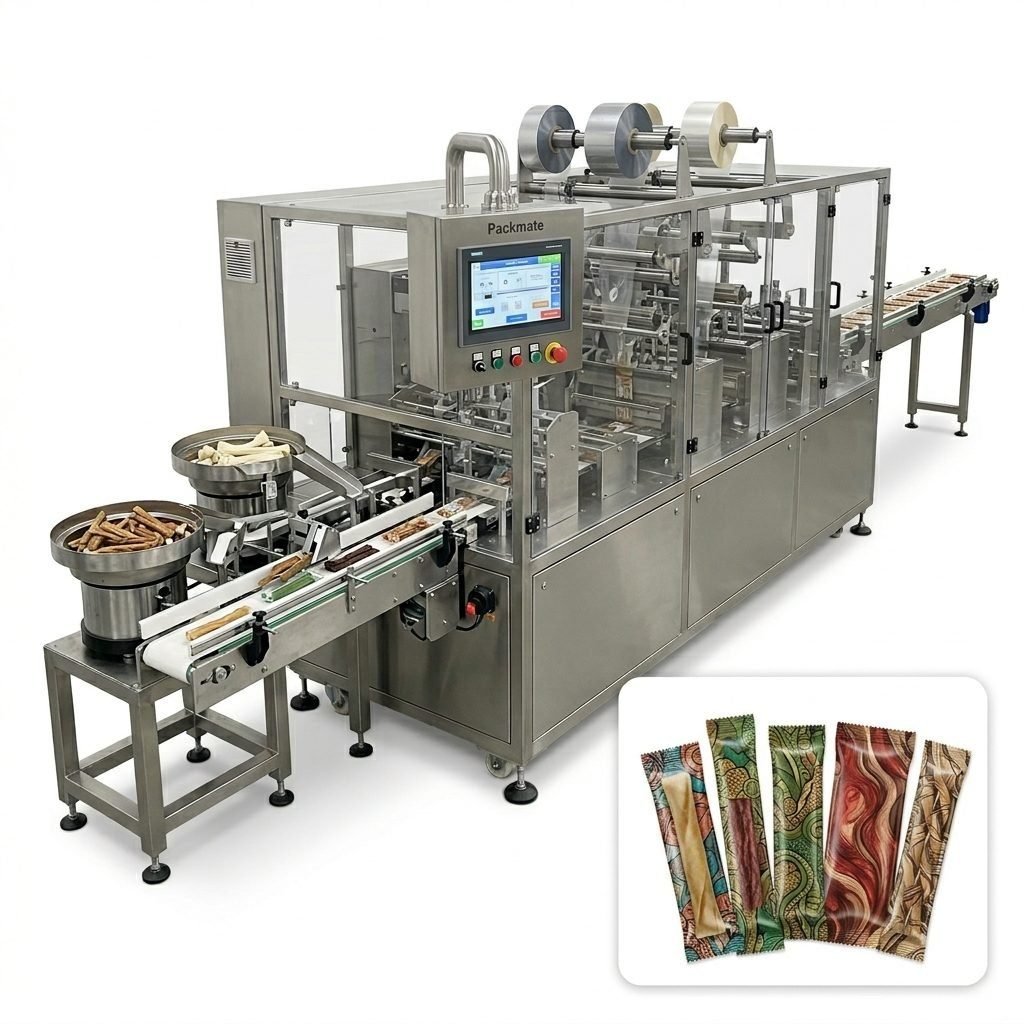
These are the workhorses of high-volume production. Fully automatic systems integrate seamlessly with upstream production lines (like fillers and cappers) and downstream conveyors. They automatically group products, apply the sleeve, and seal it with heat or glue at remarkable speeds. They are the ultimate solution for maximizing output with minimal manual intervention.
Semi-Automatic Sleeve Wrappers
Perfect for small to medium-sized businesses or operations with lower volumes or frequent product changeovers. Operators manually place the product or bundle into the machine, which then automatically applies and seals the sleeve. This type offers a great balance between efficiency, affordability, and flexibility, making it a popular choice for many growing companies.
Shrink Sleeve Applicators
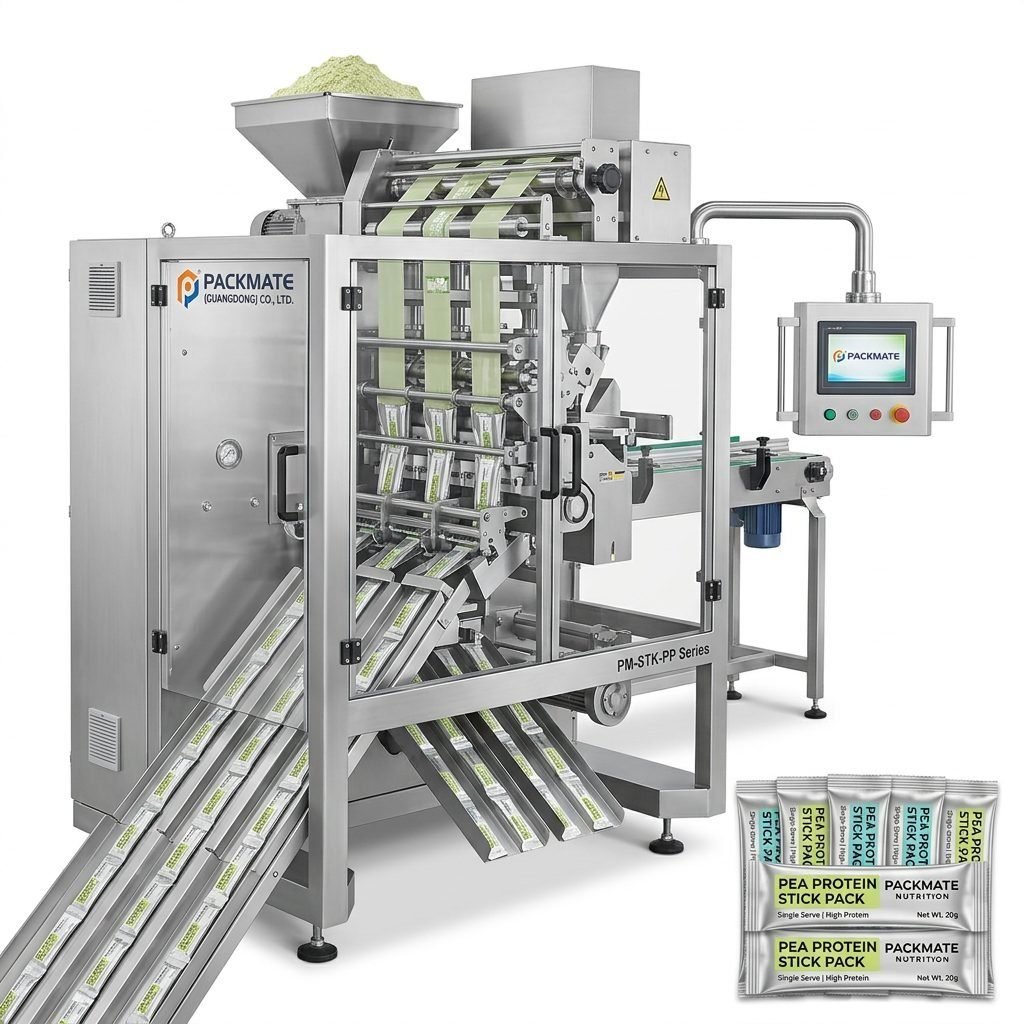
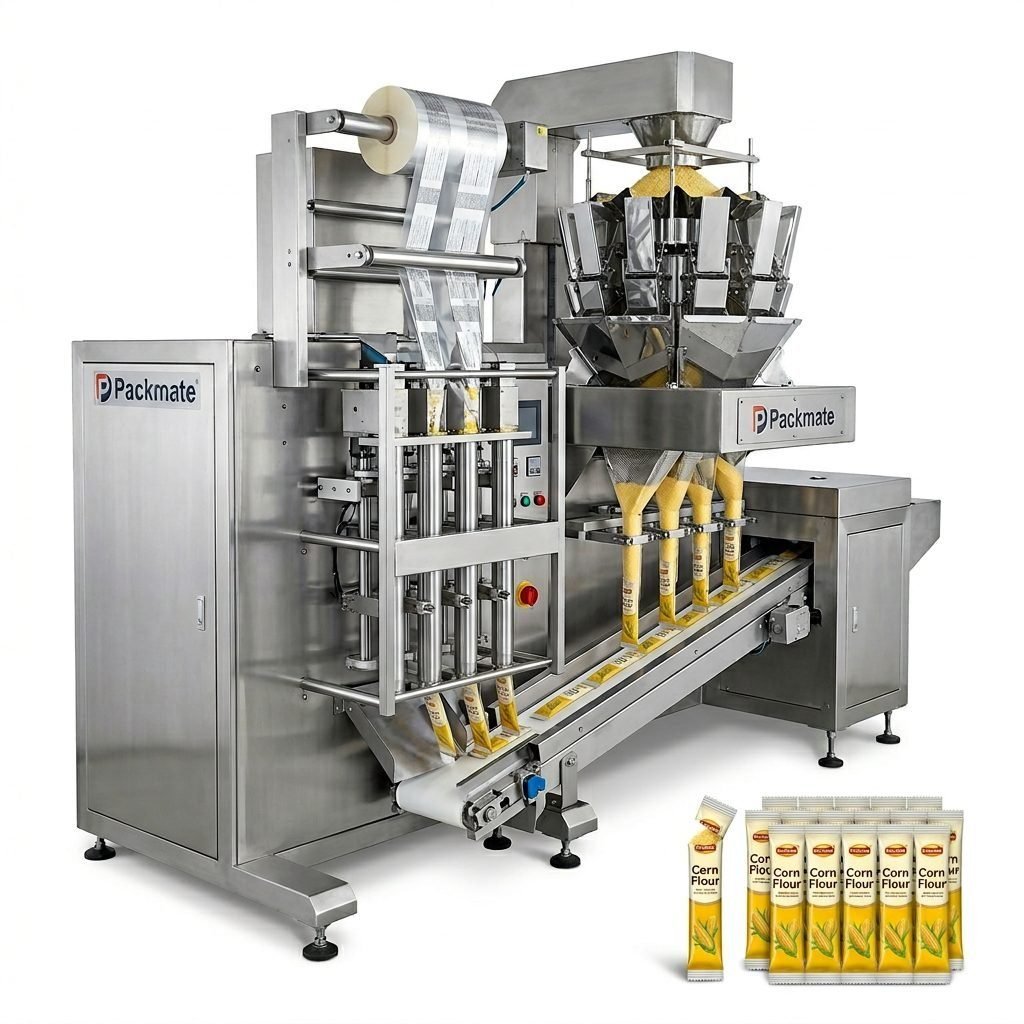
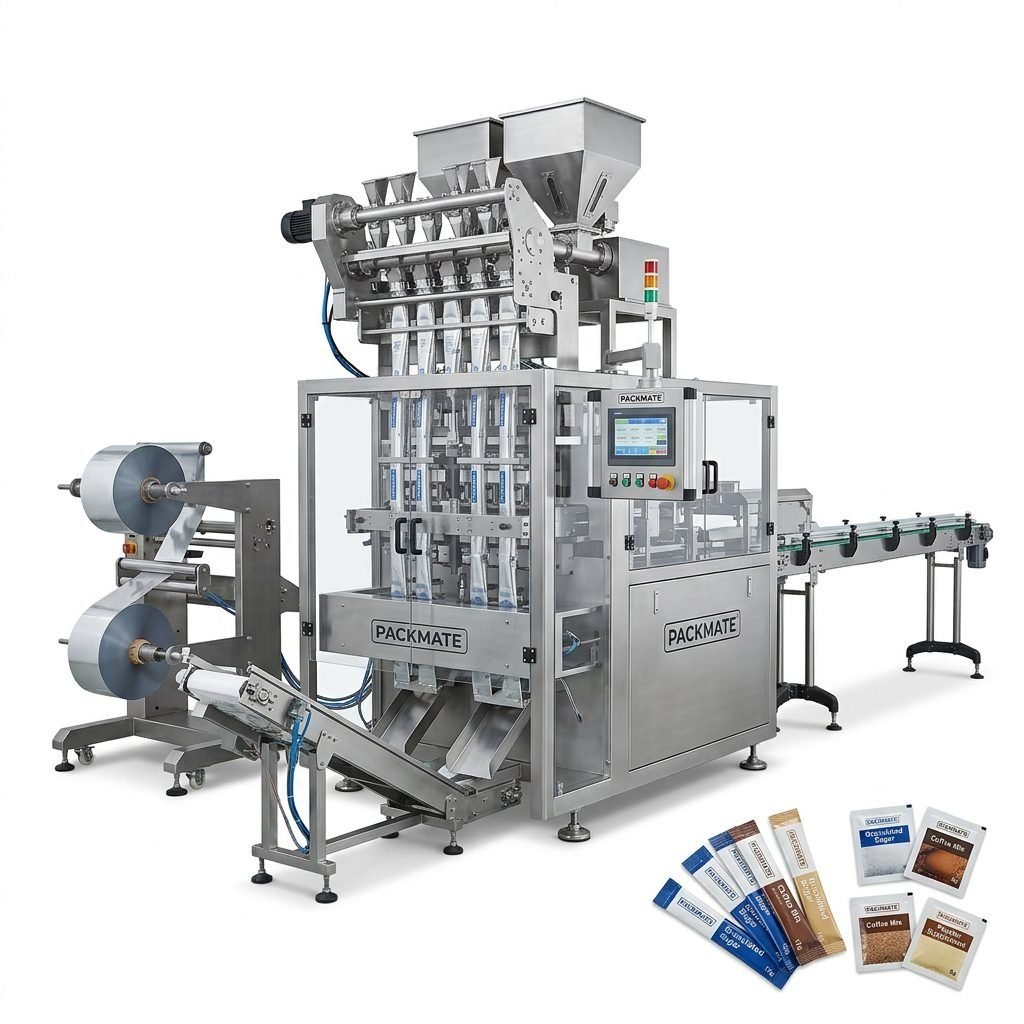
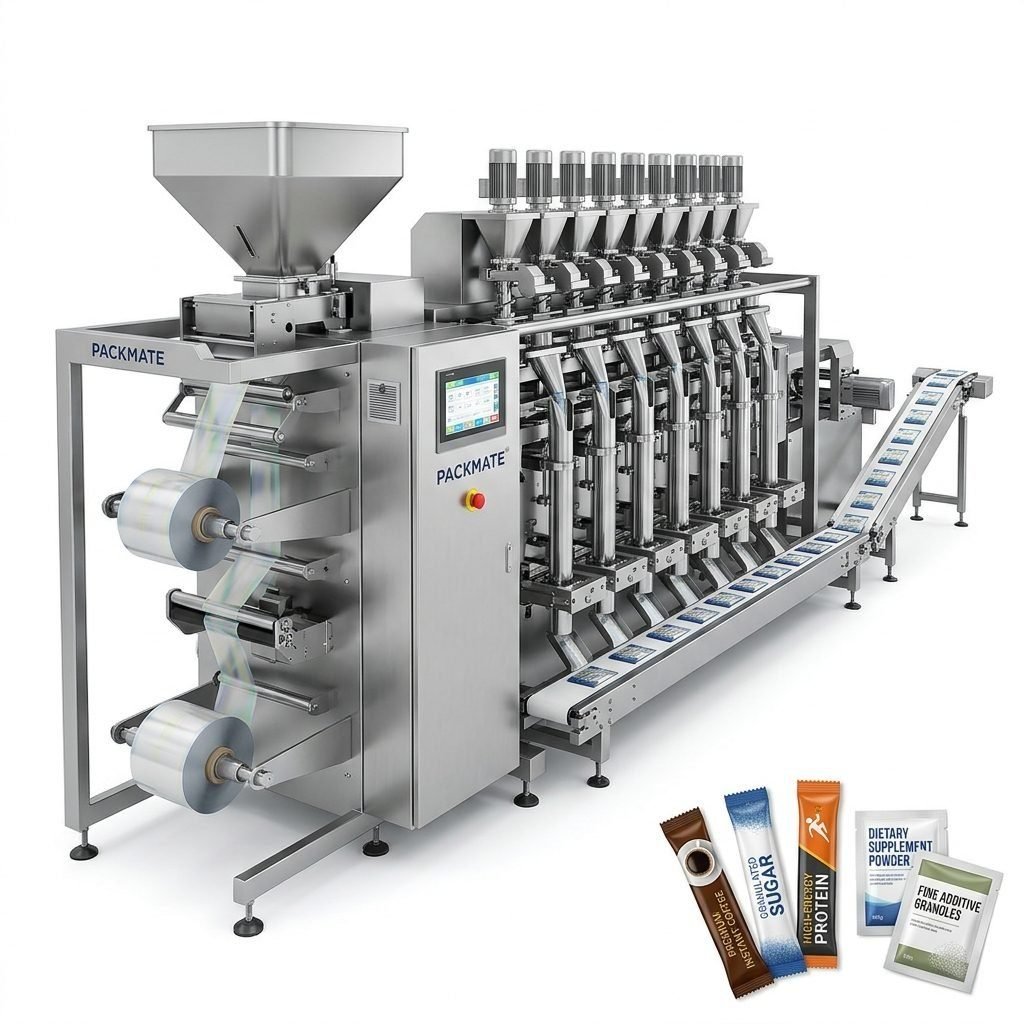
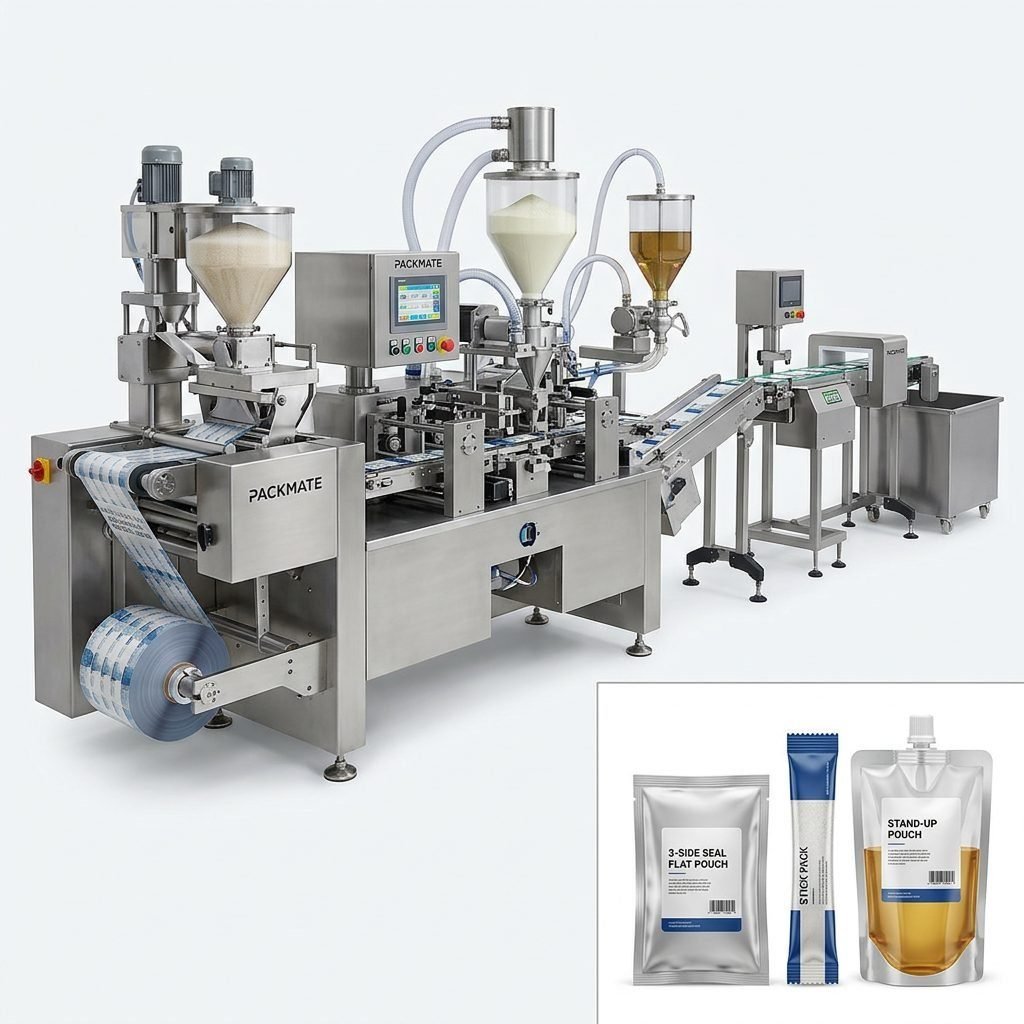
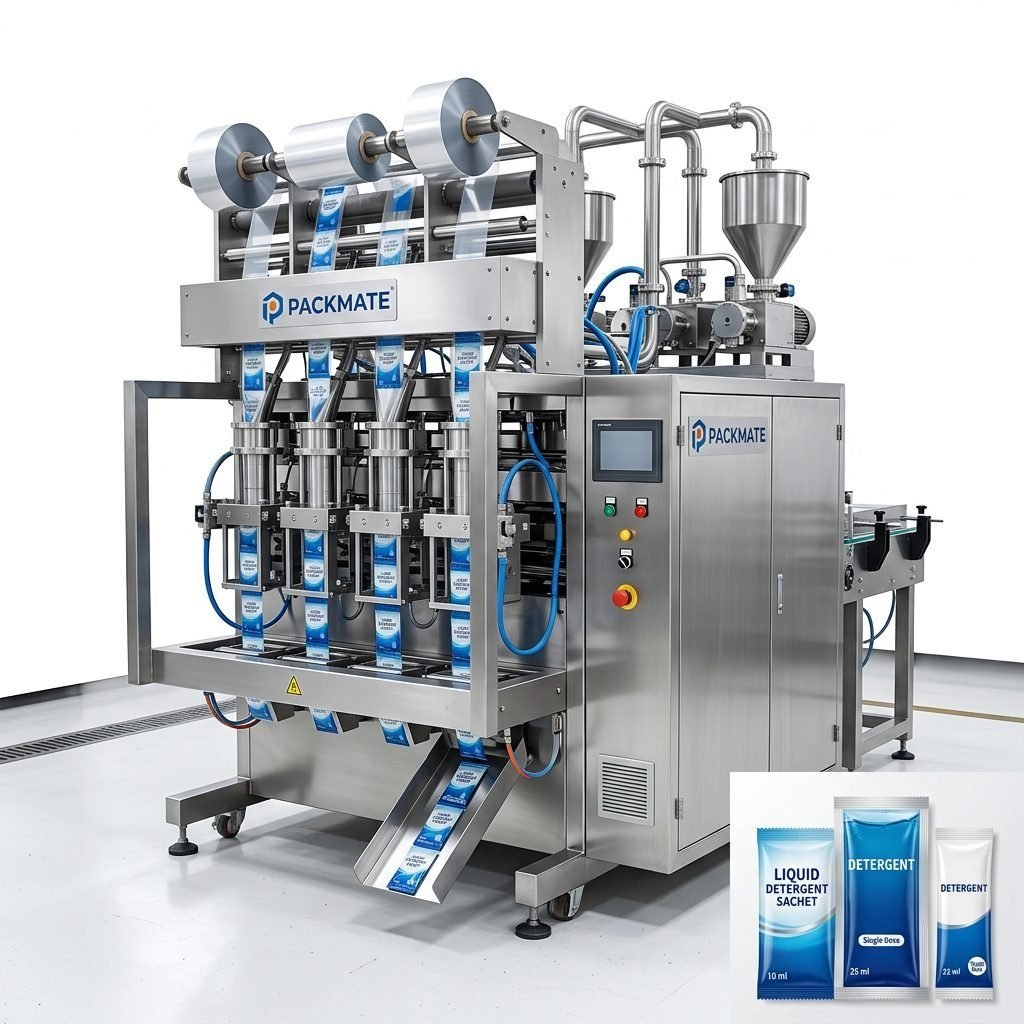
This specialized category focuses on applying shrink film sleeves, typically to individual containers like bottles. The machine places a loose sleeve over the container, which then passes through a heat tunnel (shrink tunnel), causing the film to tightly conform to the product’s contours. This creates a 360-degree label that is durable and visually striking. For related packaging formats, exploring sachet and stick pack machines can provide insights into different high-speed packaging technologies.
Integration with Full Packaging Lines
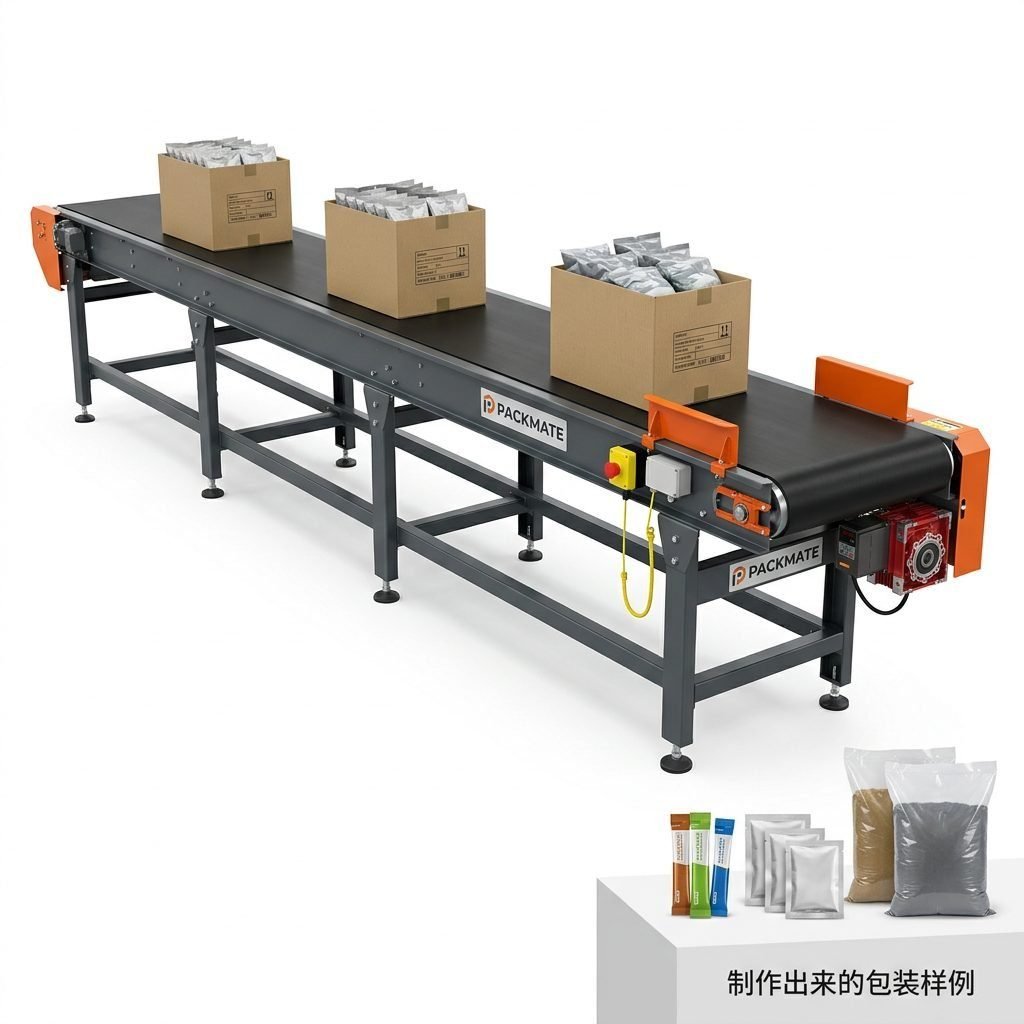
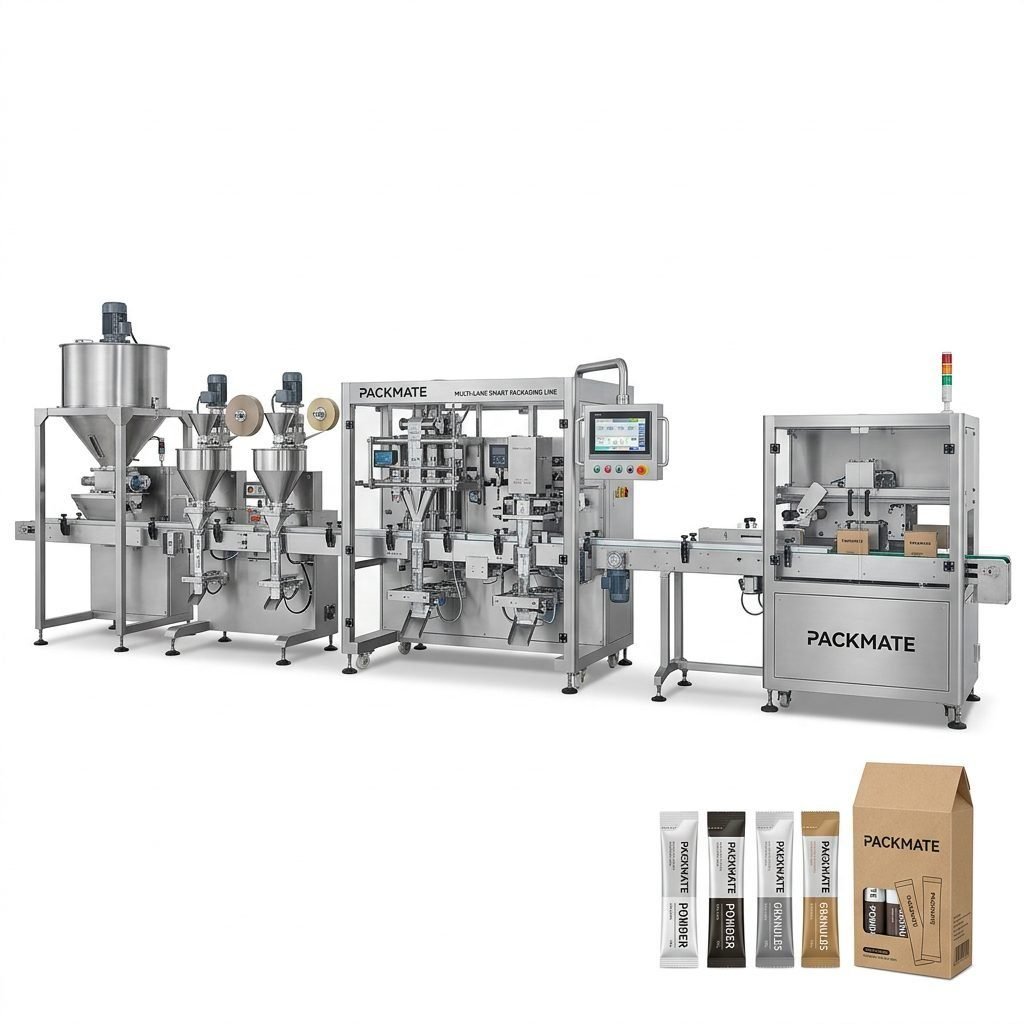
For maximum efficiency, a sleeve packer should not operate in isolation. The top systems are designed for integration into complete filling and packaging lines. This includes synchronization with cartoners, case packers, and palletizers. A well-integrated line, managed by a centralized control system, minimizes bottlenecks, optimizes material flow, and creates a seamless, automated process from raw product to pallet. Companies with extensive expertise, such as Packmate Machinery, which operates a 20,000㎡ modern facility with over 30 years of experience, specialize in delivering these reliable, turnkey solutions.
Selecting the Right Machine: A Buyer’s Checklist
Making an informed purchase requires careful consideration. Use this checklist to guide your evaluation:
- Product Specifications: Dimensions, weight, shape, and material (glass, plastic, metal).
- Required Output Speed: Units per minute/hour needed to meet your production targets.
- Film Material Compatibility: Types of film (PVC, PETG, OPS, PE) and roll size the machine can handle.
- Sealing Method: Heat seal, glue seal, or a combination? Consider product sensitivity.
- Footprint & Utilities: Does it fit your factory floor? What are the power and compressed air requirements?
- Ease of Maintenance & Service Support: Availability of spare parts and technical support from the manufacturer.
The Importance of Quality and Support
Beyond specifications, the manufacturer’s reputation is key. A machine is a long-term investment. Partnering with a manufacturer known for quality engineering, like one with over 50 machine models and a history of innovation since 2003, ensures durability. Robust after-sales service, training, and access to genuine parts are non-negotiable for minimizing downtime and protecting your productivity. Always review the manufacturer’s case studies and client testimonials for real-world validation.
Future-Proofing Your Investment
Technology evolves rapidly. The most efficient sleeve packaging machines today are designed with tomorrow in mind. This includes capabilities for IoT connectivity for remote monitoring and predictive maintenance, energy-efficient components to reduce operating costs, and designs that can accommodate new, sustainable film materials as they become commercially viable. Investing in a forward-thinking platform from a committed manufacturer ensures your packaging operation remains competitive for years to come.
Choosing a top sleeve packaging machine is a strategic decision that enhances your operational efficiency, product safety, and brand image. By understanding the different machine types, key features, and integration possibilities, and by thoroughly vetting manufacturers for quality and support, you can select a system that not only meets your current needs but also scales with your future growth. The right machine transforms packaging from a necessary cost into a value-adding, efficient, and reliable part of your production process.
Frequently Asked Questions (FAQs)
What is the main difference between a sleeve wrapper and a shrink wrapper?
A sleeve wrapper typically applies a sealed sleeve that fits snugly but does not significantly change size. A shrink wrapper applies a loose sleeve that then passes through a heat tunnel to shrink tightly around the product’s contours, ideal for complex shapes.
How do I calculate the return on investment (ROI) for an automatic sleeve packer?
Consider the machine cost against savings from increased output speed, reduced labor costs, lower film waste from precision cutting, and decreased product damage during shipping due to better stabilization.
Can one machine handle vastly different product sizes?
Many modern machines are designed for quick changeover. Look for models with tool-less adjustments or programmable settings for different product dimensions to maximize flexibility without sacrificing speed.
What are the most common maintenance requirements for these machines?
Regular maintenance includes cleaning sealing jaws, lubricating moving parts as per the manual, inspecting and replacing worn film feed components, and ensuring sensors are clean and properly calibrated.
Are there sustainable film options for sleeve packaging?
Yes, the industry is moving towards more eco-friendly materials like recyclable polyethylene (PE) films, bio-based plastics, and thinner gauge films that use less material while maintaining performance.