In the fast-paced world of food production, efficiency and quality are not just goals—they are the very foundation of a successful operation. The right packaging machinery can dramatically enhance both, streamlining processes while ensuring products reach consumers in pristine condition. This article explores the top categories of food packaging machines that are essential for achieving efficient production and uncompromising quality.
The Cornerstone of Modern Packaging: Automated Weighing & Filling Systems
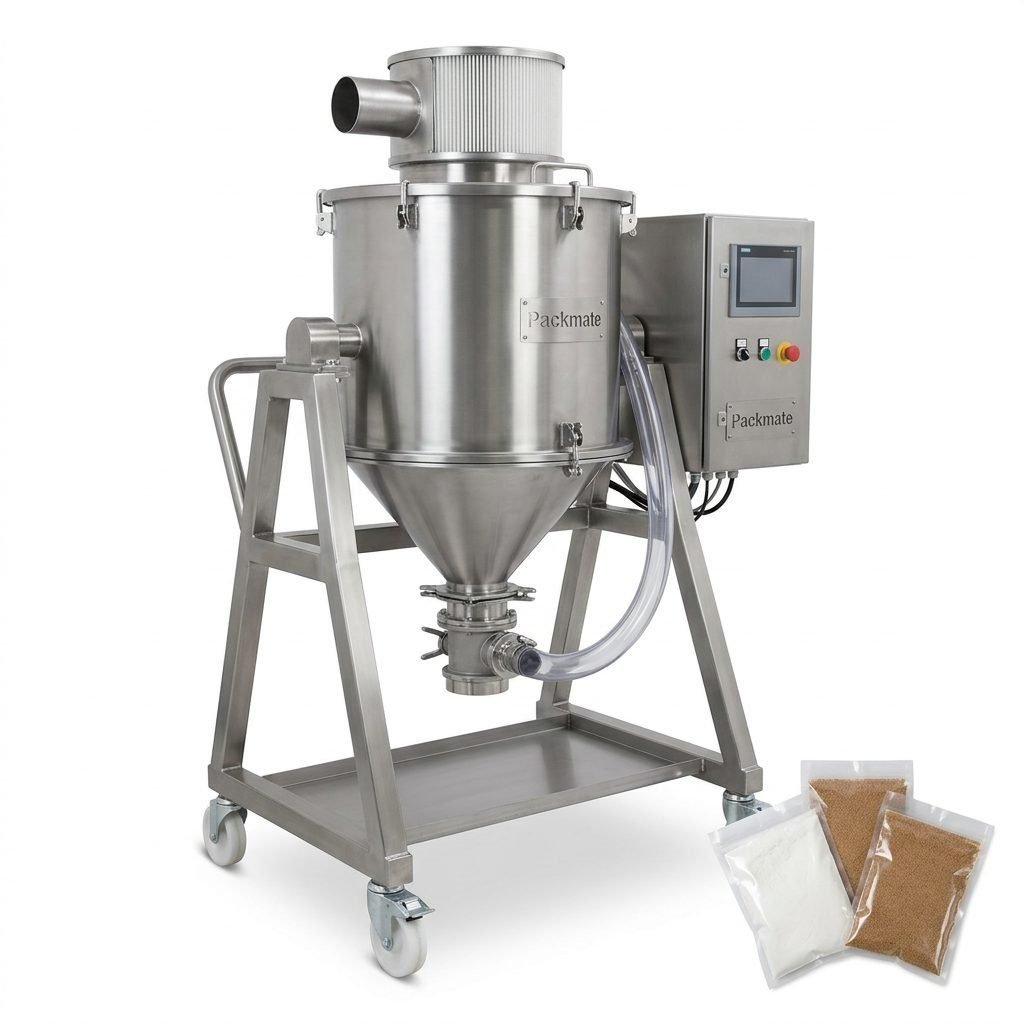
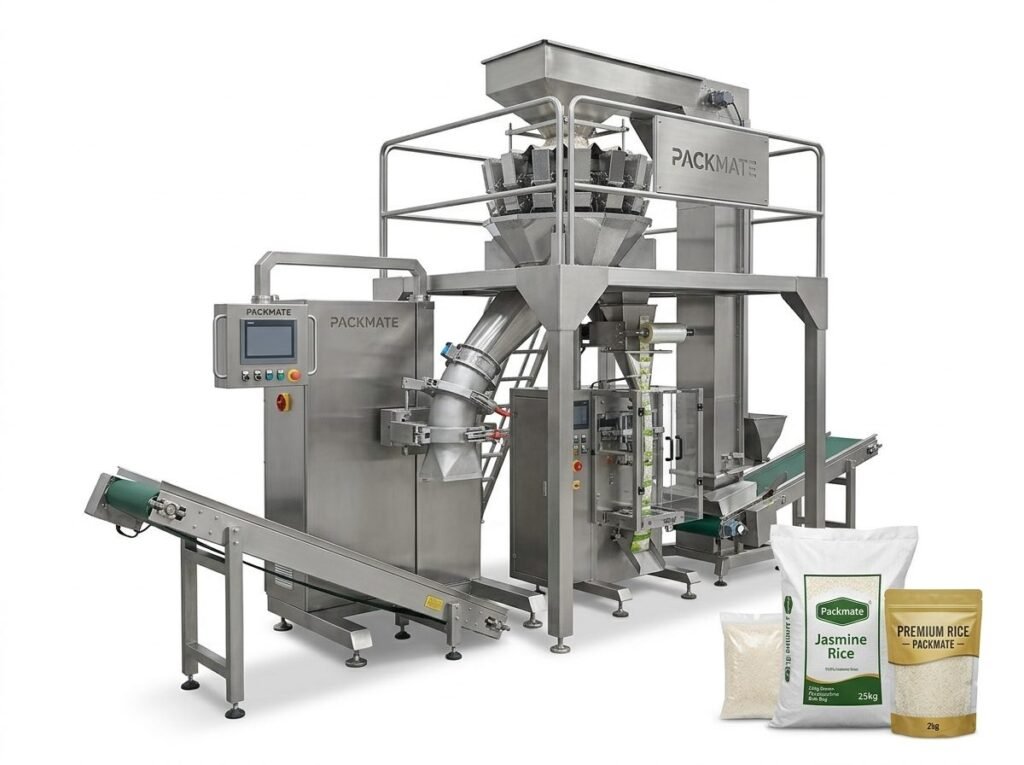
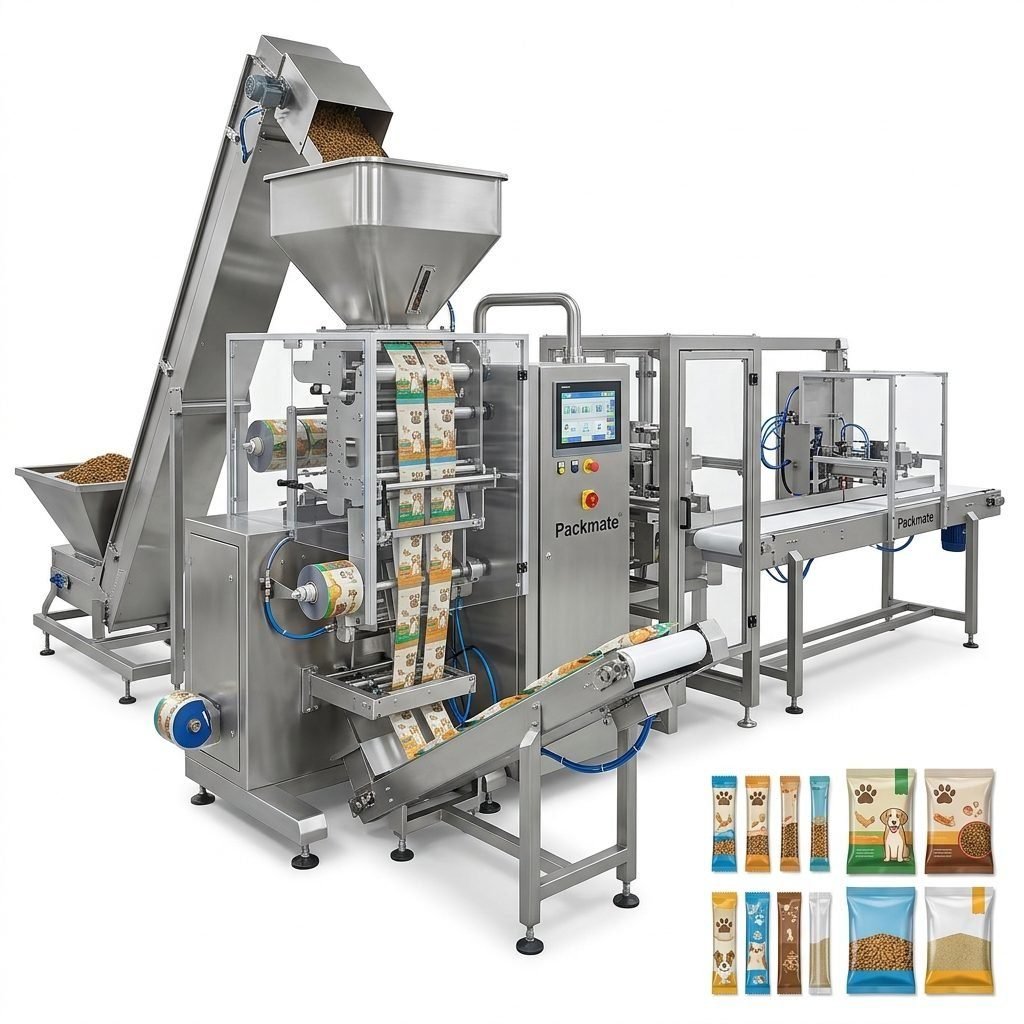
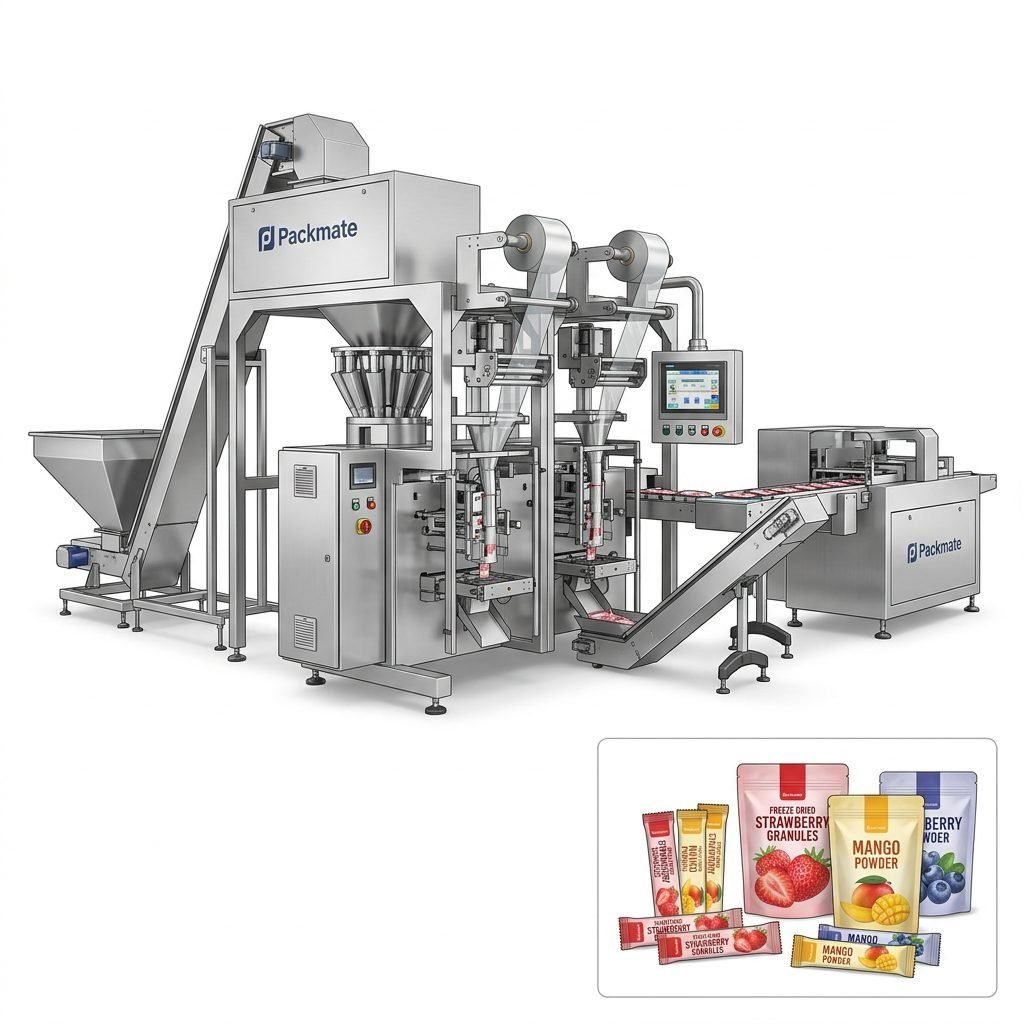
Precision is paramount in food packaging, both for cost control and regulatory compliance. Automated weighing and filling systems eliminate human error, ensuring each package contains the exact specified weight. Modern multi-head weighers, like those integrated into complete weighing & packaging systems, offer incredible speed and accuracy for powders, granules, and snacks. For liquids, viscous products, or pastes, piston fillers and auger fillers provide consistent volume control. Investing in a high-accuracy system reduces product giveaway, ensures compliance with net content regulations, and builds consumer trust through consistent portion sizes.
Why Accuracy Matters:
Beyond cost savings, precise filling is critical for product quality and shelf life. Overfilling can cause seal integrity issues in flexible packages, while underfilling leads to customer complaints. Automated systems maintain a tight tolerance, directly contributing to a reliable final product.
Versatility and Speed: Form-Fill-Seal (FFS) Machines
The Form-Fill-Seal machine is a workhorse in the food industry. It creates the package from a roll of film, fills it with product, and seals it—all in one continuous, automated process. This technology is incredibly versatile, capable of producing various package styles, including pillow bags, stand-up pouches, and gusseted bags. Vertical FFS (VFFS) machines are ideal for free-flowing products like chips, nuts, and frozen vegetables, while horizontal FFS (HFFS) machines are better suited for placing products like cookies or bars into formed trays before sealing. The key advantage is dramatically reduced material handling, lower labor costs, and higher production speeds compared to semi-automatic alternatives.
Meeting Market Trends: Sachet & Stick Pack Machines
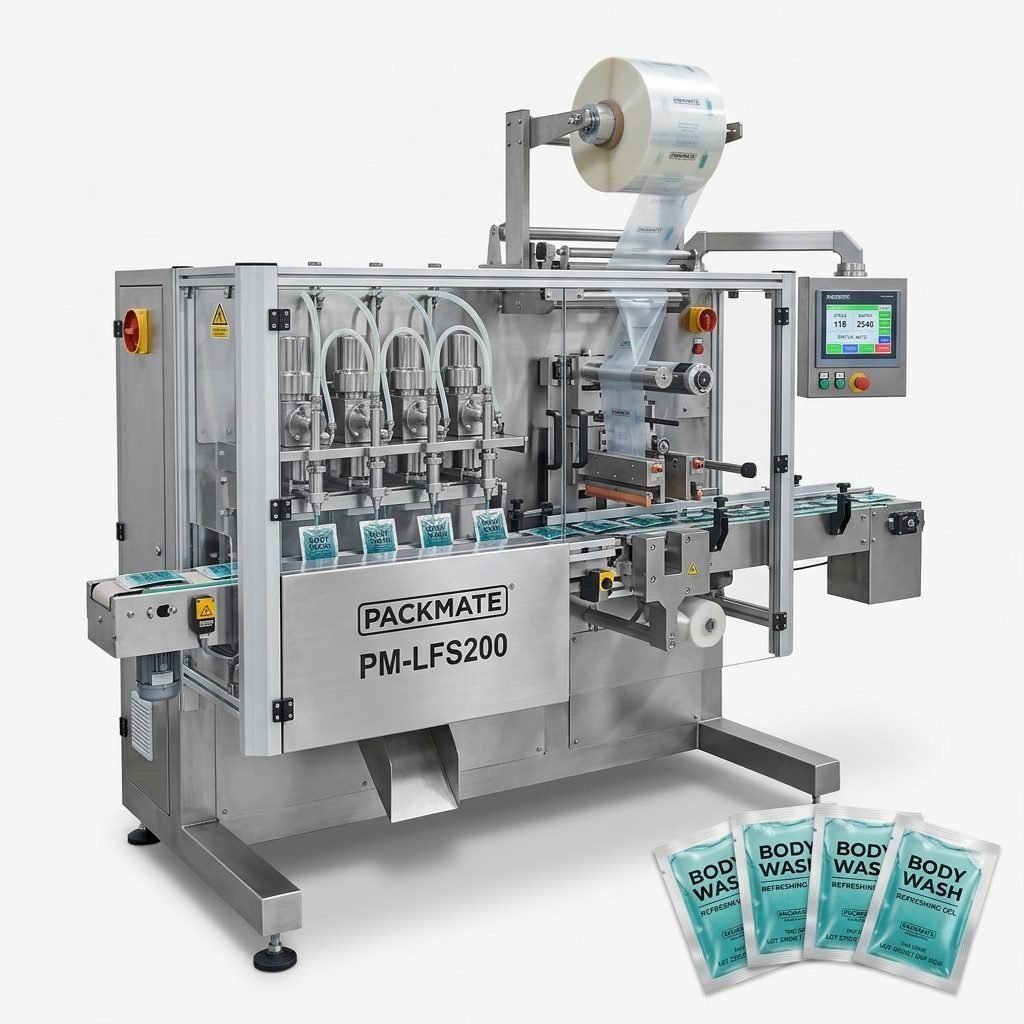
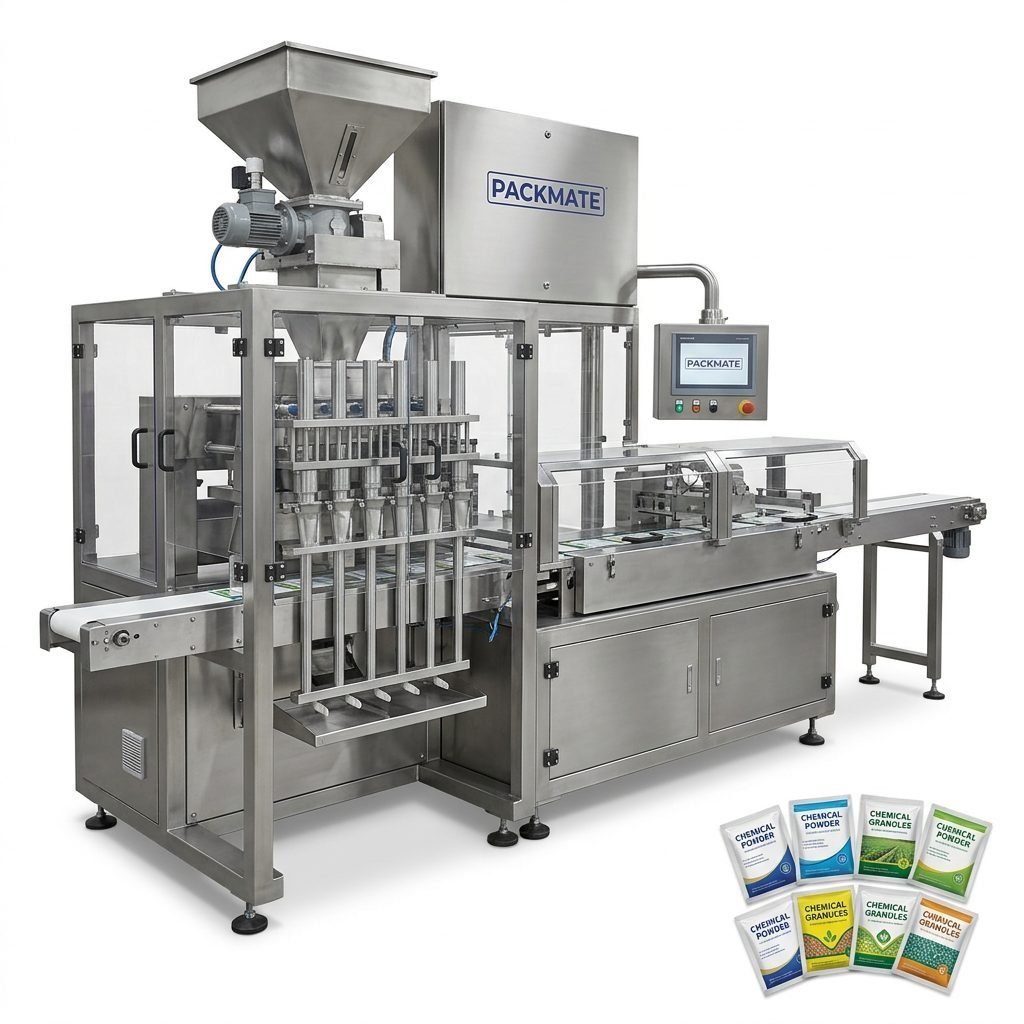
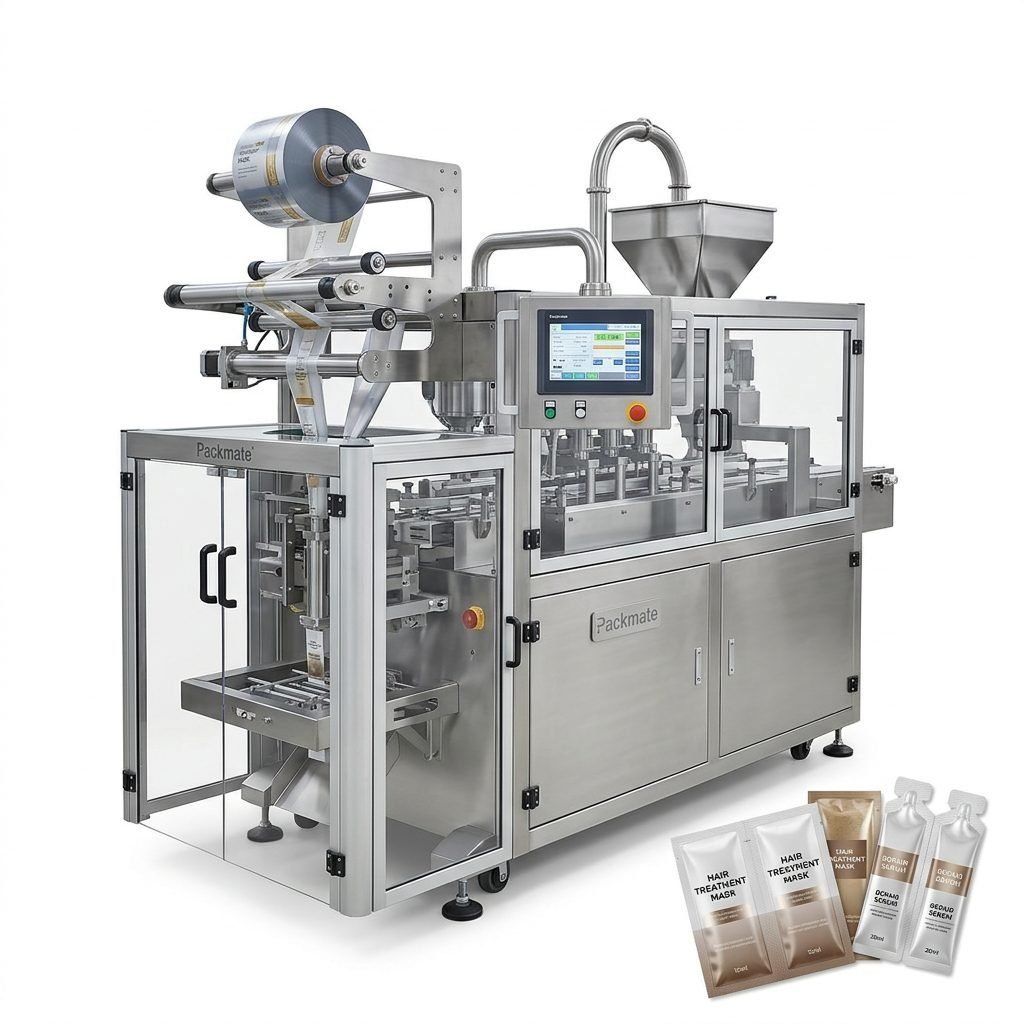
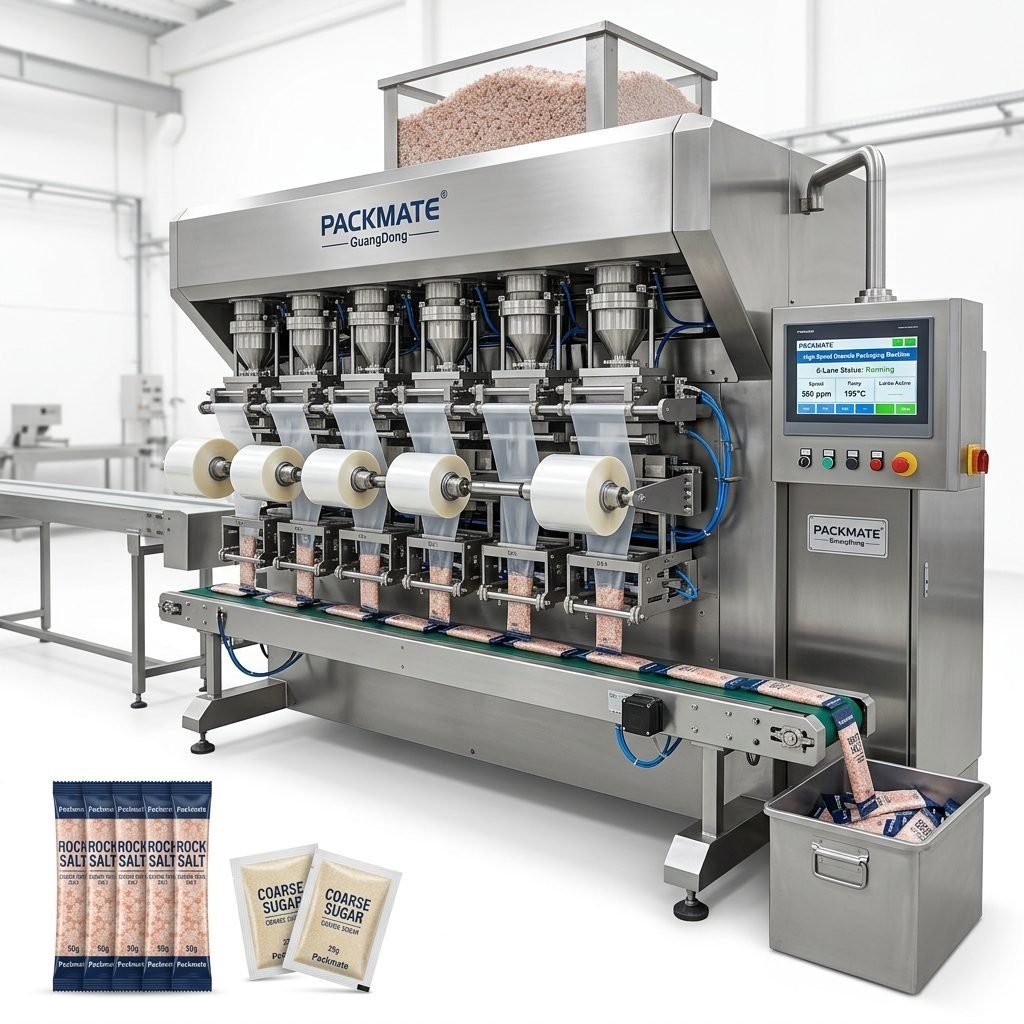
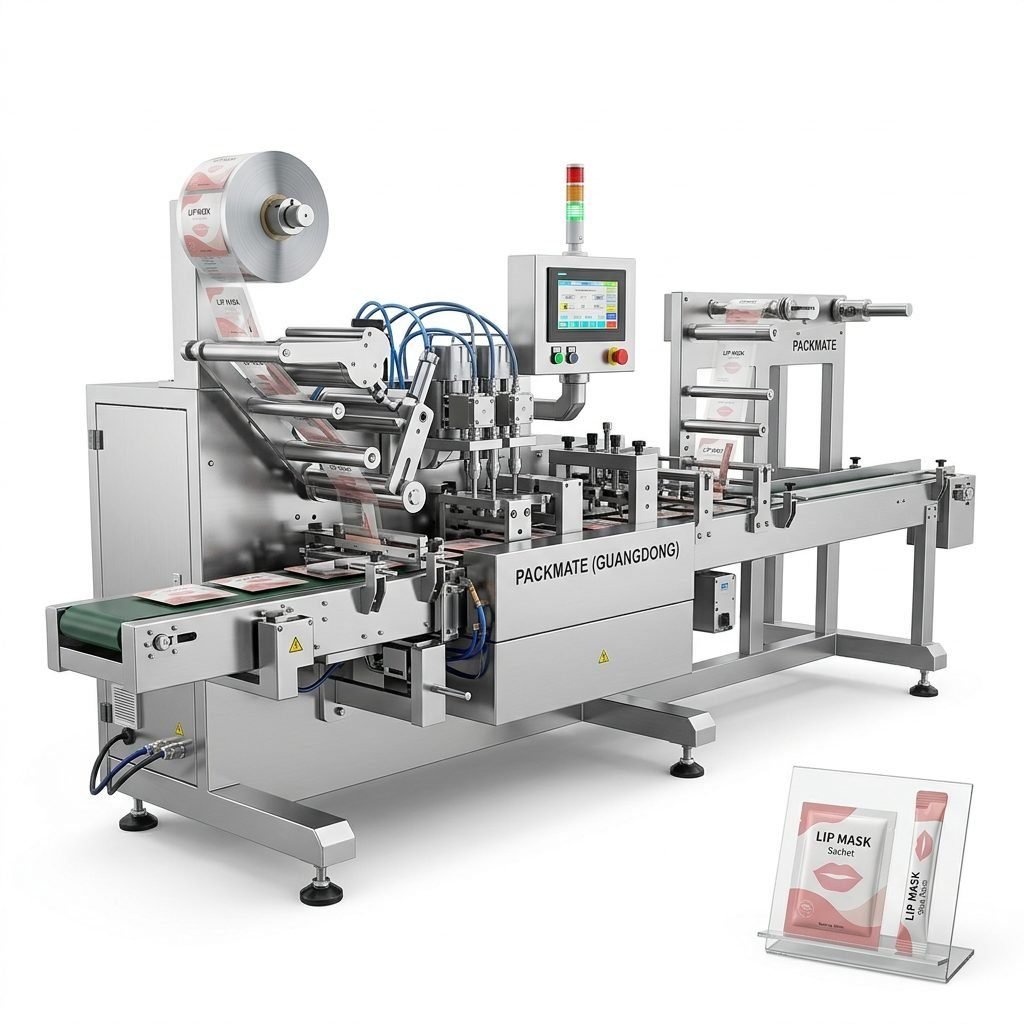
Consumer demand for convenience, portion control, and on-the-go consumption has fueled the popularity of sachets and stick packs. These formats are perfect for sauces, condiments, drink mixes, supplements, and single-serve coffee. Dedicated sachet & stick pack machines are engineered for high-speed, precision packaging of small volumes. Modern multi-lane machines can produce thousands of units per minute with exceptional accuracy. For producers looking to enter or dominate this segment, a reliable stick pack machine is not just an option; it’s a necessity to compete on shelf presence and meet modern consumption habits.
Focus on Hygiene and Safety:
Food-grade materials and machine design are non-negotiable. Look for machines with easy-clean surfaces, stainless steel contact parts, and CIP (Clean-in-Place) capabilities. This minimizes cross-contamination risks, simplifies changeovers between products, and ensures compliance with stringent food safety standards like HACCP and FDA requirements.
End-of-Line Efficiency: Cartoning and Case Packing
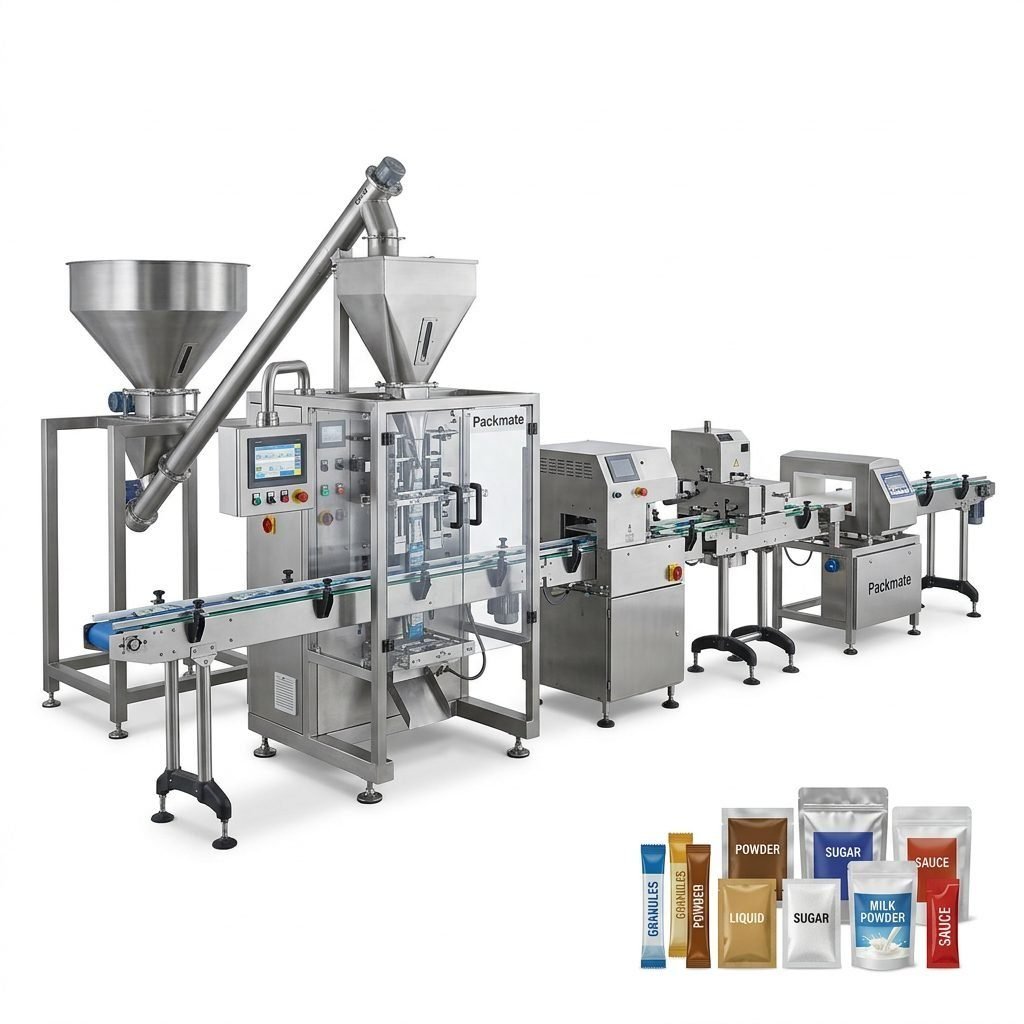
Once primary packaging is complete, efficiency must continue. Automated cartoning machines erect, load, and close cartons, while case packers place multiple primary packages into shipping cases. These systems handle repetitive, physically demanding tasks, reducing labor strain and increasing throughput. Robotic case packers offer exceptional flexibility for handling multiple package formats and patterns on a single line. Integrating these machines creates a seamless filling & packaging line, from product to pallet, minimizing bottlenecks and maximizing overall equipment effectiveness (OEE).
The Backbone of Reliability: Choosing the Right Partner
Selecting the best machine is only half the battle. The manufacturer’s expertise, support, and reliability are equally critical. A partner with deep industry knowledge can help configure the optimal machine for your specific product, throughput needs, and future growth. Companies like Packmate Machinery, with decades of experience, offer more than just equipment; they provide complete turnkey solutions. This includes factory layout planning, installation, commissioning, operator training, and readily available spare parts. This holistic support ensures your investment delivers peak performance and uptime for years to come.
Conclusion
Investing in top-tier food packaging machinery is an investment in your brand’s efficiency, quality, and scalability. From precise weighing and versatile form-fill-seal to the high-speed production of trendy stick packs and robust end-of-line automation, each machine plays a vital role. By prioritizing accuracy, hygiene, speed, and choosing a reputable technology partner, food producers can build a packaging operation that not only meets today’s demands but is also agile enough to adapt to tomorrow’s market trends.
Frequently Asked Questions (FAQs)
What is the most important factor when choosing a food packaging machine?
The most critical factor is product compatibility. The machine must be specifically designed or configurable to handle your product’s characteristics (e.g., viscosity, flowability, abrasiveness, particle size) without compromising speed or package integrity.
How can I improve the efficiency of my existing packaging line?
Conduct a line audit to identify bottlenecks. Often, integrating auxiliary equipment like automated feeders, accumulators, or vision inspection systems can smooth flow and increase overall output without replacing major machines.
Are automated packaging machines suitable for small to medium-sized enterprises (SMEs)?
Absolutely. The market offers a wide range of scalable, semi-automatic, and modular machines designed for lower to medium volumes. The key is to calculate ROI based on labor savings, reduced waste, and increased capacity, which often justifies the investment even for SMEs.
What maintenance is required for high-speed packaging machines?
Regular preventive maintenance is essential. This includes daily cleaning, lubrication of moving parts as per the manual, inspection of seals and wear parts, and calibration of scales and sensors. A good supplier will provide a detailed maintenance schedule and training.
How do I ensure my packaging line is compliant with food safety regulations?
Choose machines constructed with food-grade materials (e.g., 304 or 316 stainless steel for product contact parts) and with designs that prevent contamination (no ledges, easy to disassemble and clean). Ensure your supplier can provide documentation and machine designs that support compliance with relevant standards (FDA, EHEDG, etc.).