In the dynamic world of manufacturing and product distribution, selecting the right packaging machinery is a critical decision that impacts efficiency, product integrity, and brand perception. This guide provides a comprehensive overview of the primary types of ABC packaging machines and their specific applications, empowering you to make an informed choice for your production line.
Fundamental Categories of Packaging Machines
Packaging machines can be broadly classified based on their function within the packaging process. Understanding these categories is the first step in identifying the right equipment for your needs.
Filling and Sealing Machines
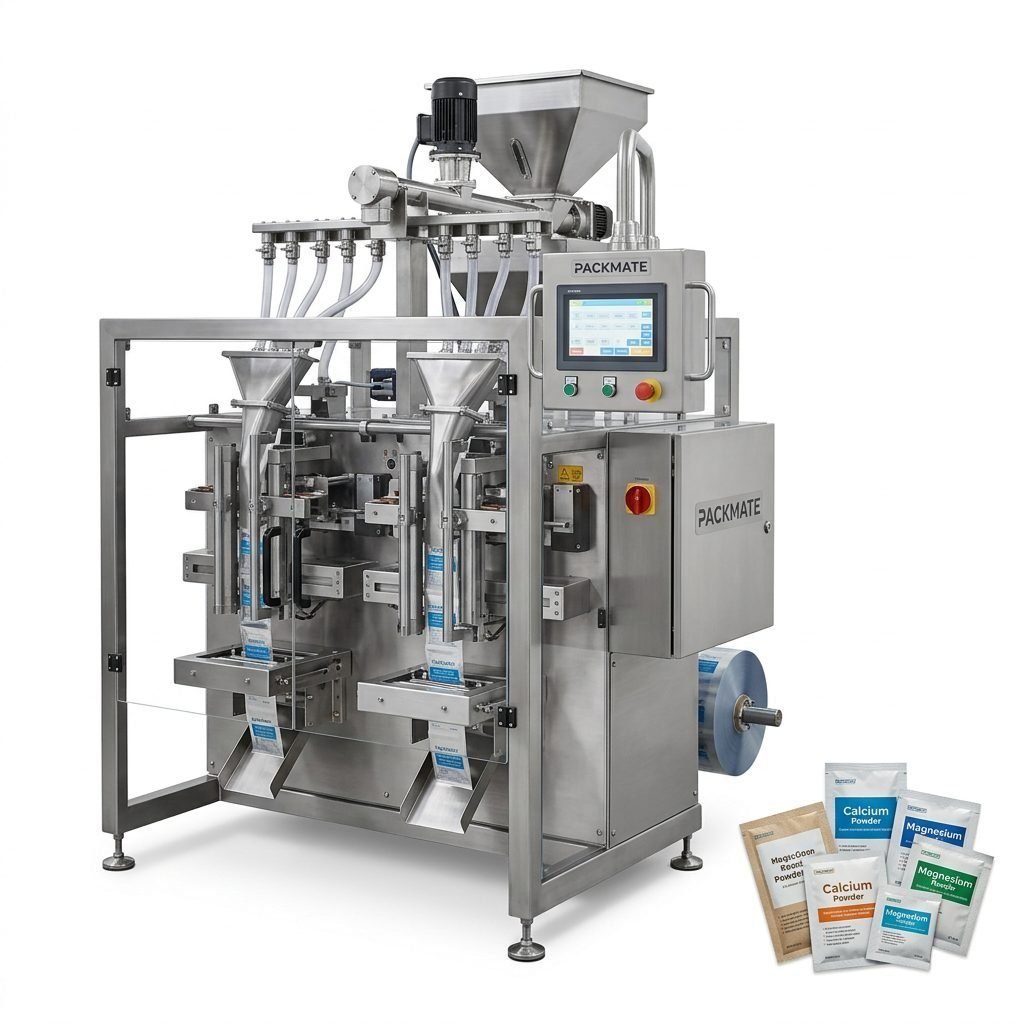
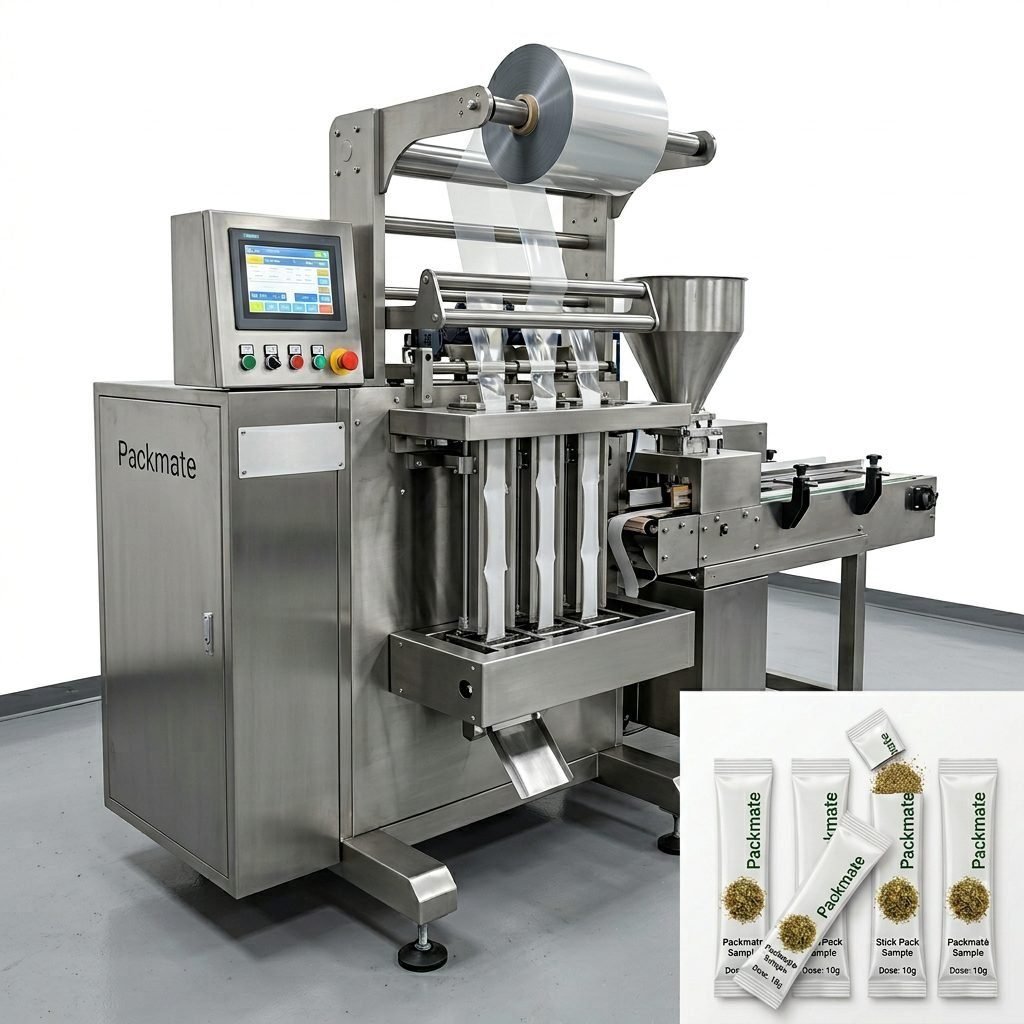
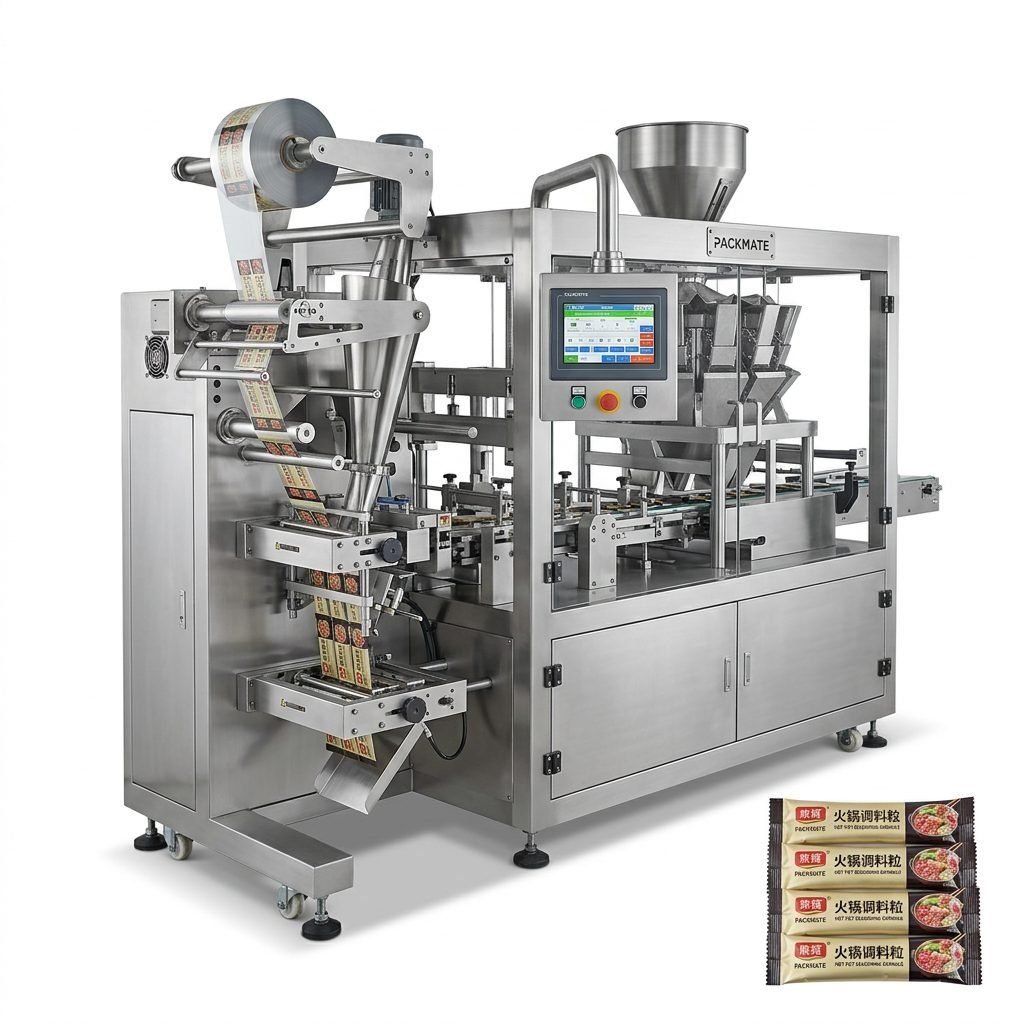
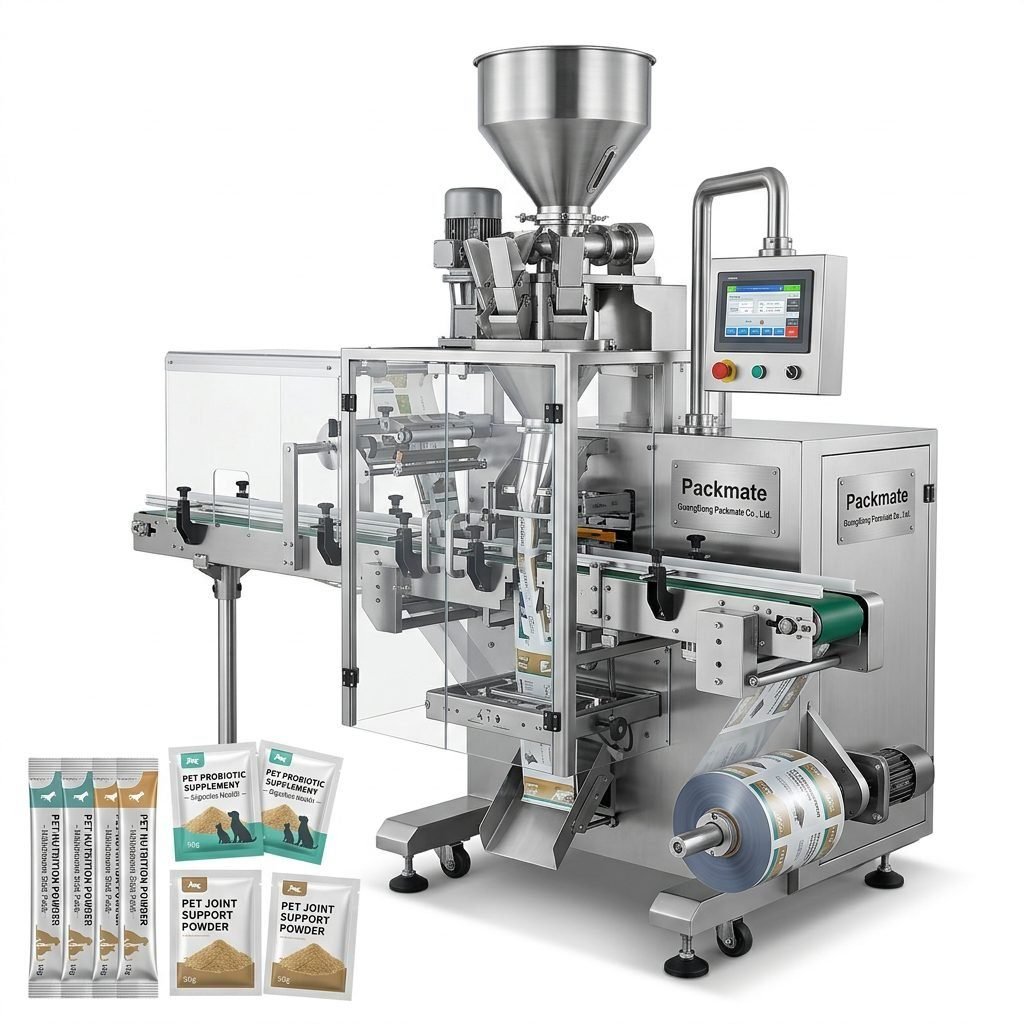
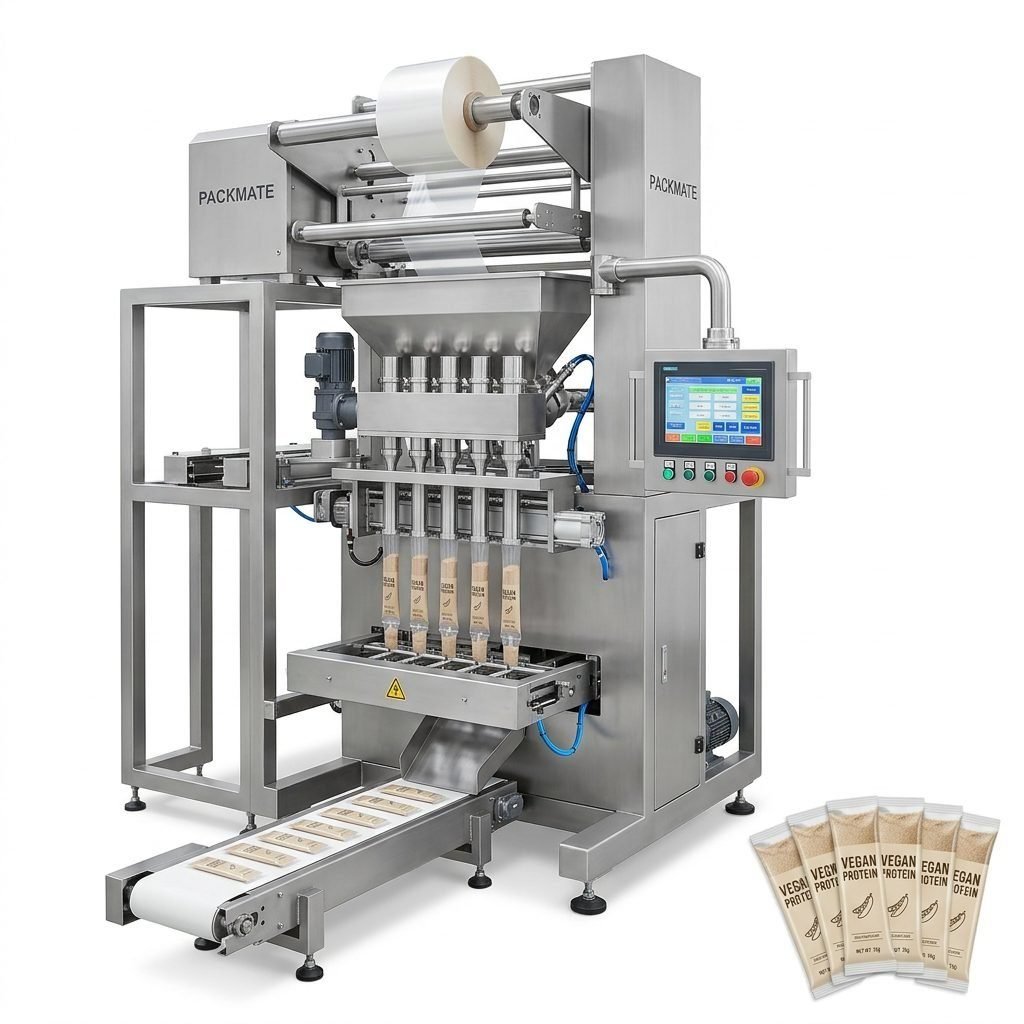
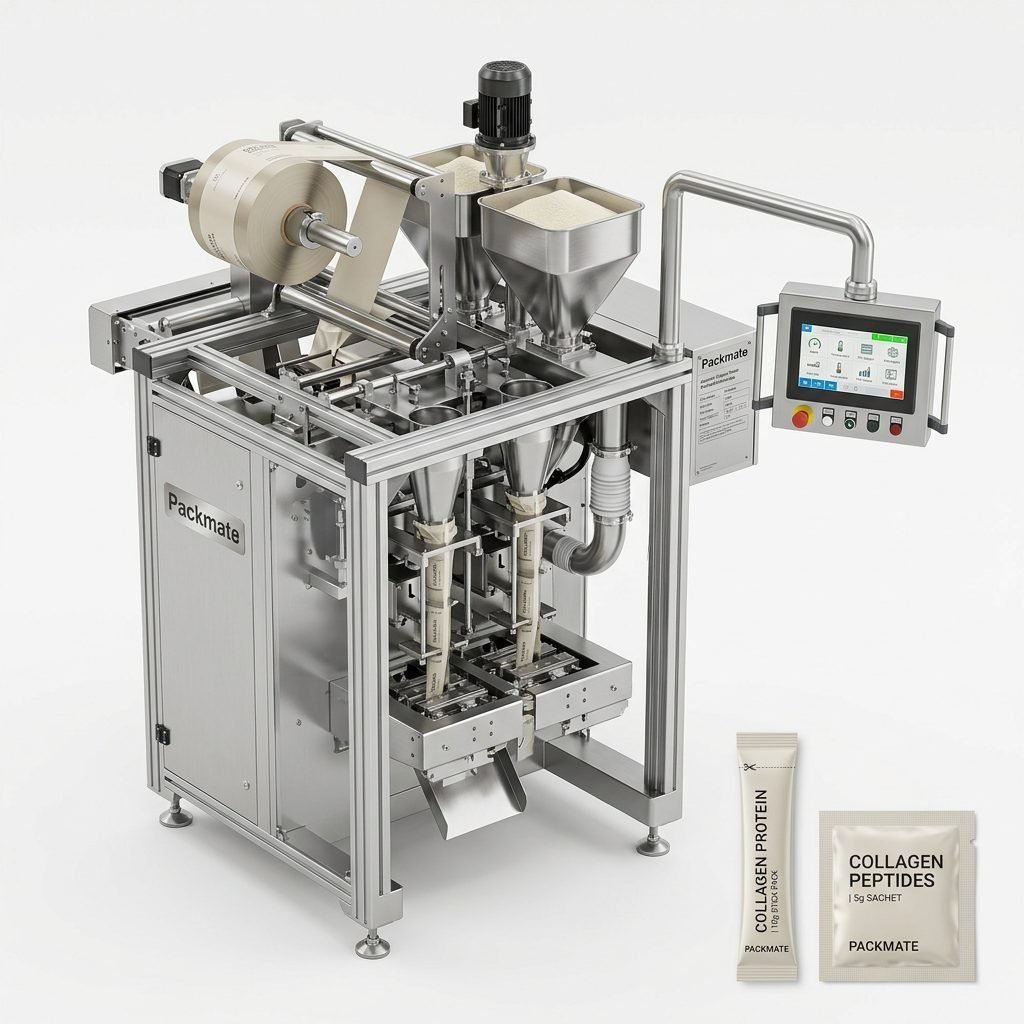
This category forms the core of primary packaging. These machines are designed to accurately measure a product, place it into a pouch, sachet, or stick pack, and then hermetically seal it. They are ideal for granules, powders, liquids, and pastes. Precision is paramount here to ensure consistent fill weights and prevent product waste. For high-volume production of small portions, multi-lane sachet & stick pack machines are often the solution of choice, offering remarkable output speeds.
Form-Fill-Seal (FFS) Machines
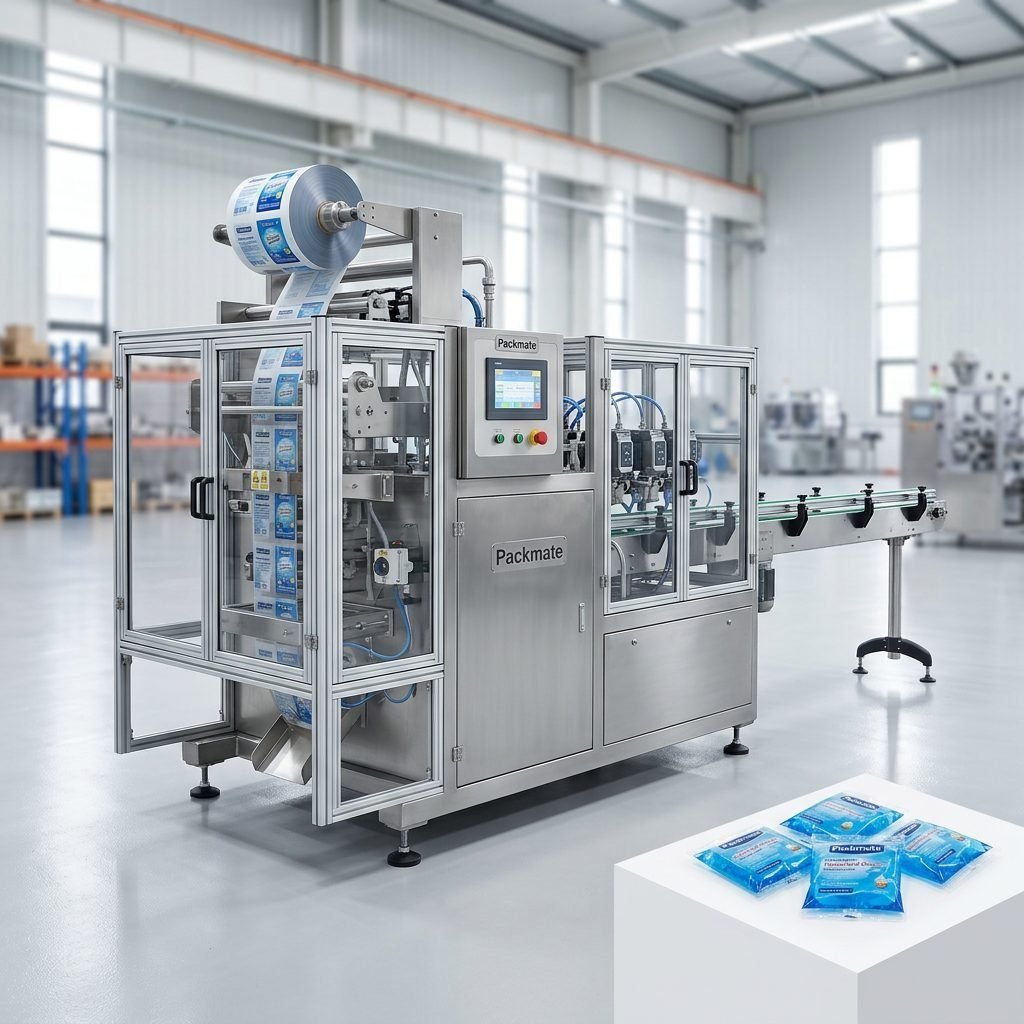
FFS machines represent a highly integrated and efficient packaging solution. They perform three key operations in one continuous cycle: forming a bag from a roll of packaging film, filling it with the product, and sealing it. This technology is versatile and can create various pouch styles, from pillow packs to stand-up pouches. It significantly reduces material handling and is excellent for products requiring a high barrier against moisture, oxygen, or light.
Key Insight: The choice between a pre-made bag machine and an FFS system often depends on packaging material preferences, production speed requirements, and the desired final pouch appearance. FFS systems generally offer greater material flexibility and lower per-unit packaging cost.
Cartoning and Case Packing Machines
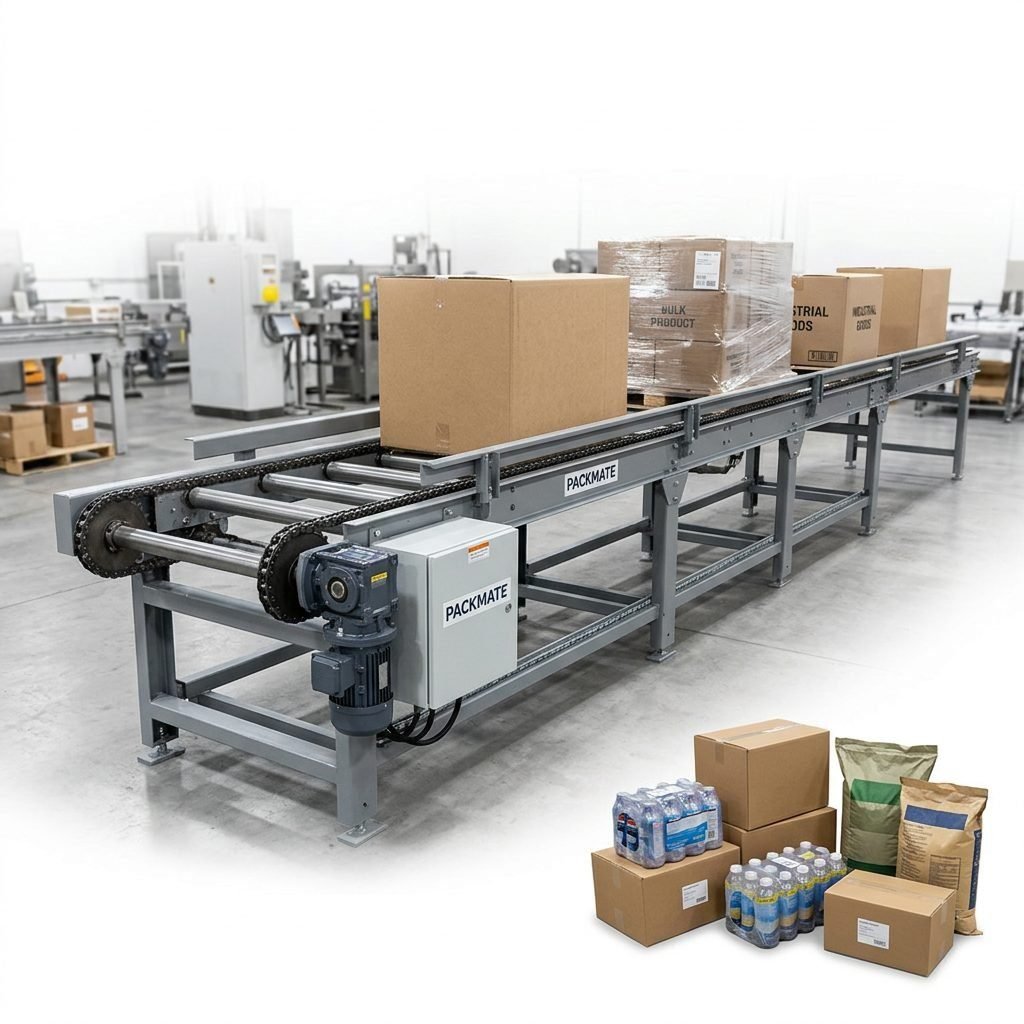
After primary packaging, products often need secondary packaging for grouping, protection, and retail display. Cartoning machines erect cardboard cartons, insert the primary packages (like sachets or bottles), and close them. Case packers then take these cartons or primary packages and efficiently load them into shipping cases or trays. These machines are essential for automating the end-of-line process, ensuring products are securely prepared for palletizing and shipment.
Selecting the Right Machine for Your Product Type
The nature of your product is the most significant factor determining the suitable packaging machinery. Here’s a breakdown by product format.
Machines for Granules and Powders
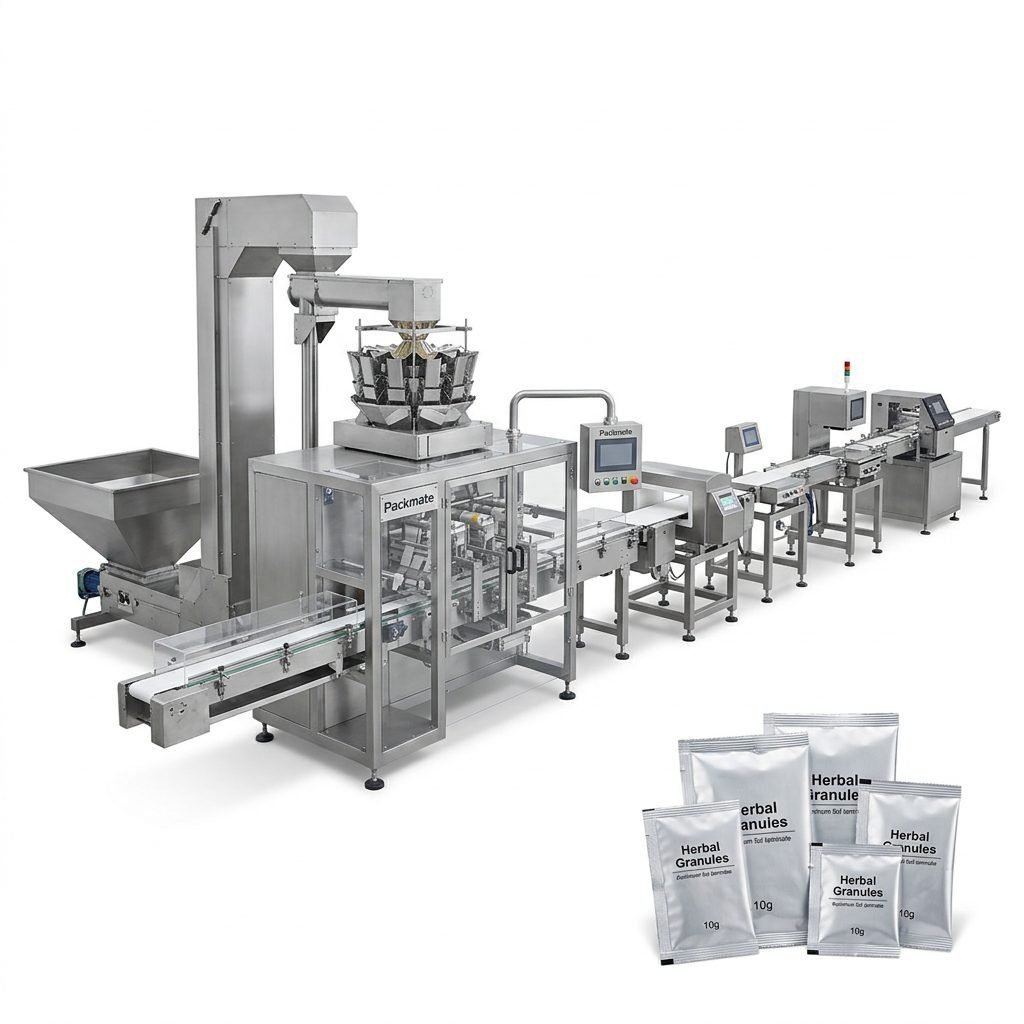
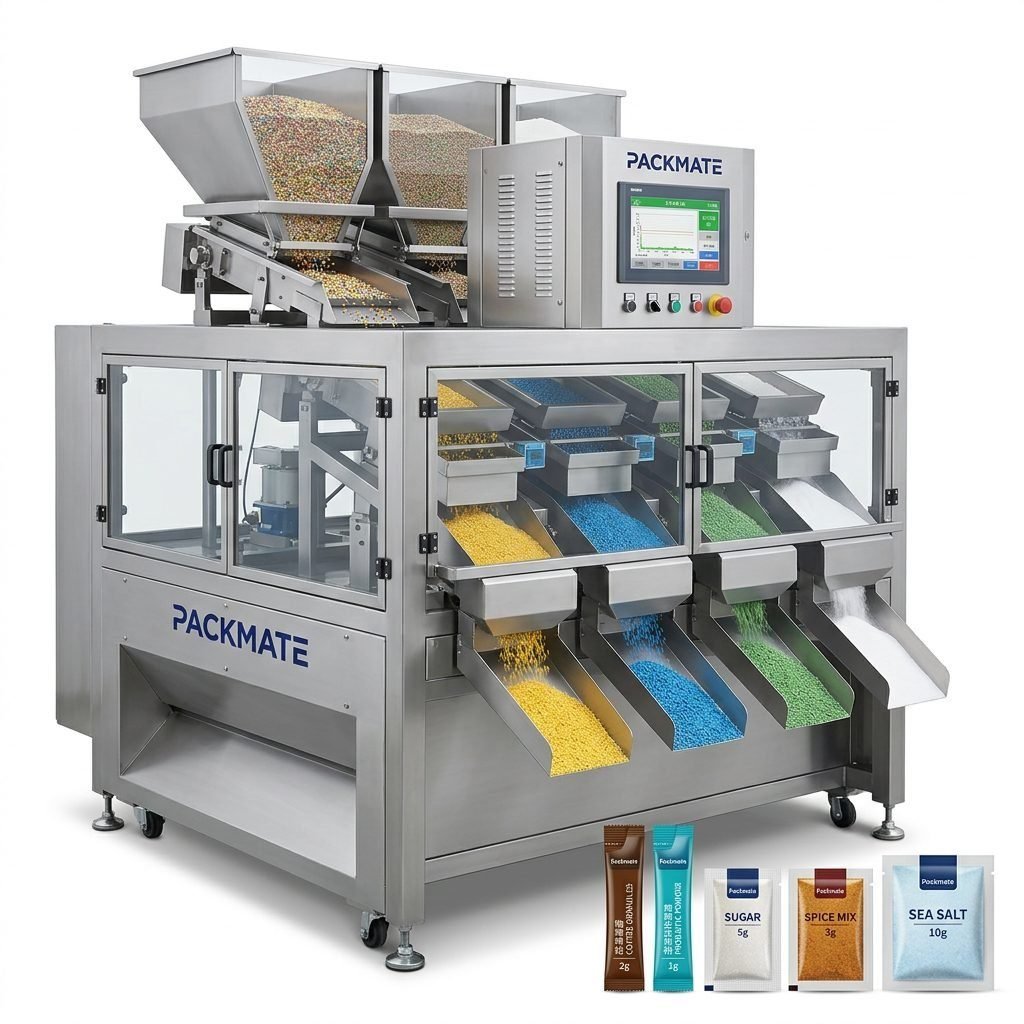
Products like instant coffee, sugar, spices, and protein powders require machines with highly accurate weighing systems, such as auger fillers or cup fillers. These systems must handle products with varying flow characteristics without creating dust or causing segregation. An effective weighing & packaging system is crucial here to maintain portion control and compliance with net content regulations.
Machines for Liquids and Pastes
Liquid products, including sauces, oils, shampoos, and cosmetic creams, typically use liquid piston fillers or volumetric pumps. The key considerations are filling accuracy, prevention of dripping or foaming, and compatibility with the product’s viscosity. For thicker pastes, specialized pumps with large nozzles are necessary. The sealing process must also be robust to prevent leaks during transport and storage.
Why Partner with an Experienced Manufacturer?
Choosing a machine is more than a technical specification check. A partner like Packmate Machinery, with over 30 years in the industry, brings invaluable expertise. They understand how subtle product differences—like the oil content in a powder or the particulate in a sauce—can affect machine performance. Their experience in providing complete turnkey packaging solutions ensures all components, from feeding to sealing, work in perfect harmony for your specific product.
Machines for Solid Items and Snus
Solid items like tea bags, hardware, or single-serve snacks may use counting or weighing systems. A specialized and growing niche is the packaging of smokeless tobacco products like snus. Snus & nicotine packaging machines are designed to handle the specific format of portion pouches, ensuring precise placement, consistent moisture barrier sealing, and often integration into larger canning or boxing lines.
Critical Factors in Machine Selection
Beyond product type, several operational factors must be weighed to ensure a successful investment.
Production Speed and Output: Calculate your required output in packs per minute (PPM) or per hour. Machines range from semi-automatic tabletop models for low-volume production to fully automated, multi-lane lines capable of thousands of packs per hour. It’s essential to balance peak capacity with flexibility for future growth.
Flexibility and Changeover: If you run multiple products or package sizes, quick changeover capability is vital. Look for machines with tool-less adjustments or quick-change parts to minimize downtime between production runs.
Integration and Automation Level: Consider how the machine will fit into your existing or planned line. Does it need to integrate with upstream feeders, downstream cartoners, or robotic palletizers? Modern filling & packaging lines are often designed as modular systems for seamless integration.
Operational Cost Consideration: The purchase price is just one part of the total cost of ownership. Evaluate energy consumption, required operator skill level, maintenance complexity, and the cost and availability of spare parts. A reliable, durable machine from a reputable supplier often proves more economical in the long run despite a potentially higher initial investment.
Hygiene and Construction Standards: For food, pharmaceutical, or cosmetic applications, machine construction must meet stringent hygiene standards. This includes the use of food-grade stainless steel, sanitary design with easy-clean surfaces, and compliance with regulations like FDA, cGMP, or CE. The certifications held by the manufacturer are a strong indicator of their commitment to these standards.
The Future of ABC Packaging Machinery
The industry is continuously evolving, driven by trends in sustainability, digitalization, and consumer demand for convenience.
Smart Packaging and Industry 4.0: Modern machines are increasingly equipped with IoT sensors and connectivity. This allows for real-time monitoring of production data, predictive maintenance alerts, and remote troubleshooting, maximizing uptime and operational efficiency.
Sustainability Focus: There is growing demand for machines that can handle recyclable, compostable, or mono-material films. Engineers are also optimizing machine designs to reduce material waste during the forming and sealing process and to lower energy consumption.
Flexibility for E-commerce: As direct-to-consumer sales grow, packaging lines need adaptability to handle various single-unit packages that are durable enough for the shipping environment, not just traditional retail shelves.
Choosing the right ABC packaging machine is a strategic investment that directly influences your productivity, product quality, and scalability. By thoroughly understanding your product characteristics, production goals, and future needs, and by partnering with a seasoned equipment provider, you can implement a packaging solution that drives your business forward efficiently and reliably.
Frequently Asked Questions (FAQs)
What is the main difference between a sachet machine and a stick pack machine?
The primary difference lies in the shape and typical application of the final package. Sachet machines produce small, flat, rectangular or square pouches, commonly used for sauces, condiments, or shampoo samples. Stick pack machines create long, narrow, tube-like packages, ideal for single-serving powders like coffee, sugar, or drink mixes that are meant to be poured out.
How do I determine the production speed I need for my packaging line?
Calculate your current and projected daily/weekly output volume. Then, factor in your available production hours (accounting for breaks and changeovers). The required speed (packs per minute) is your target volume divided by available production time. It’s advisable to choose a machine with a 15-20% higher capacity than your current calculation to accommodate future growth and peak demand.
Can one machine handle different types of products, like powders and liquids?
While some machines are marketed as “multi-purpose,” significant changes in product format usually require different filling systems. A machine designed for powders uses an auger filler, while one for liquids uses a piston pump. Switching between such fundamentally different products often necessitates a major change of the filling head and possibly other components, which may not be cost-effective. It’s best to consult with the machine manufacturer about your specific product range.
What kind of after-sales support should I expect from the machinery supplier?
A reputable supplier should offer comprehensive support, including detailed installation guidance (on-site or remote), thorough operator and maintenance training, a clear warranty policy, and readily available technical support for troubleshooting. Access to a library of spare parts and the availability of service engineers are also critical factors for minimizing downtime.
Are there packaging machines suitable for small businesses or start-ups?
Absolutely. The market offers a range of semi-automatic and small-scale automatic machines that are perfect for lower-volume production, pilot batches, or businesses with limited space and capital. These machines provide the essential automation benefits of accuracy and hygiene at a more accessible entry point, allowing businesses to scale up their equipment as they grow.