In the competitive world of dairy production, efficiency isn’t just a goal—it’s a necessity for survival and growth. The right milk packaging machine can transform your operation, reducing waste, increasing output, and ensuring product integrity from the processing line to the consumer’s table. This guide explores the top milk packaging machines designed to maximize efficiency in modern dairy production facilities.
The Critical Role of Packaging in Dairy Efficiency
Packaging is the final, crucial step in the dairy production chain. It protects the product, extends shelf life, and serves as the primary marketing interface for consumers. An inefficient packaging line creates bottlenecks that can negate gains made earlier in pasteurization, homogenization, and separation. Therefore, investing in high-performance packaging machinery is an investment in the entire production workflow’s smooth operation and profitability.
Key Insight: Modern dairy packaging must achieve a delicate balance: it must be robust enough for safe transportation, flexible enough for various product formats (like whole, skimmed, or flavored milk), and fast enough to meet high-volume demands without compromising hygiene or accuracy.
Types of Top-Tier Milk Packaging Machines
The “best” machine depends entirely on your product format, scale, and specific operational goals. Here’s a breakdown of the primary systems driving efficiency today.
1. Form-Fill-Seal (FFS) Machines for Pouches and Sachets
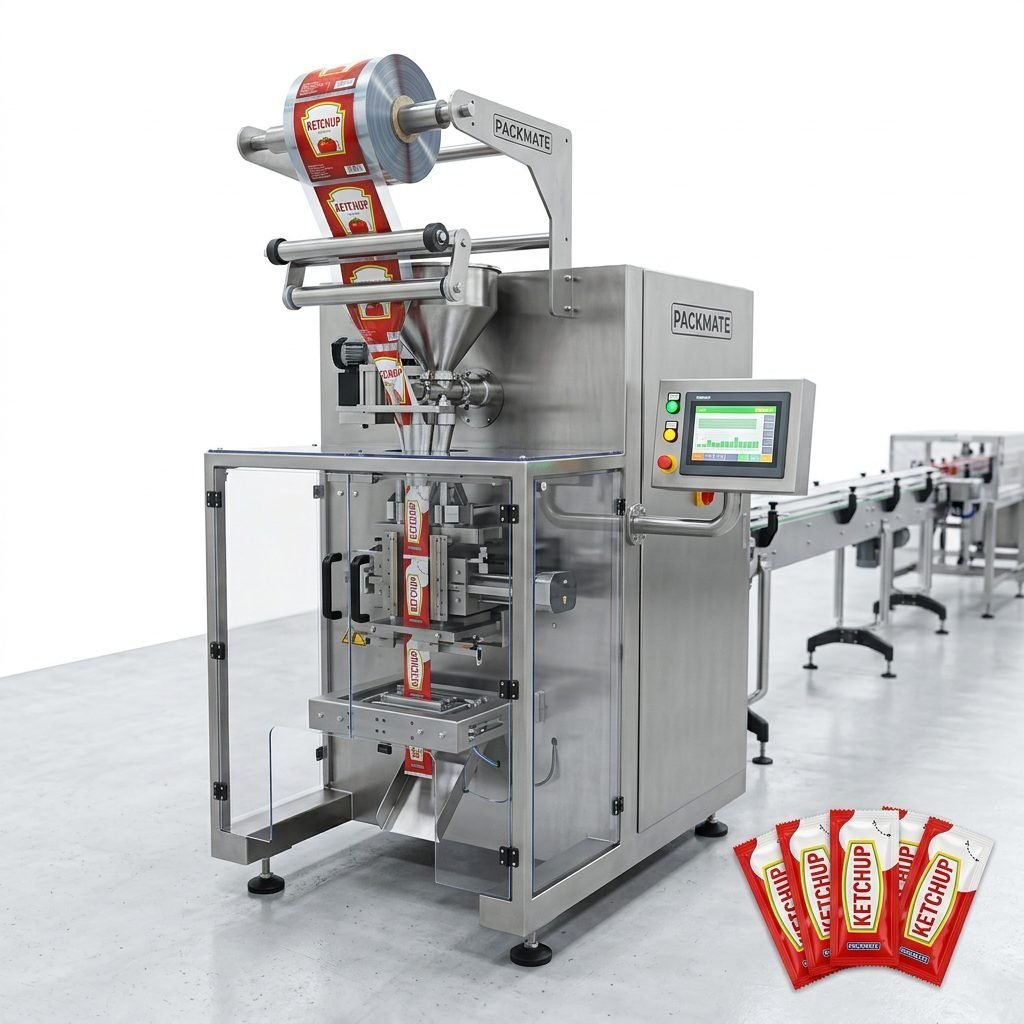
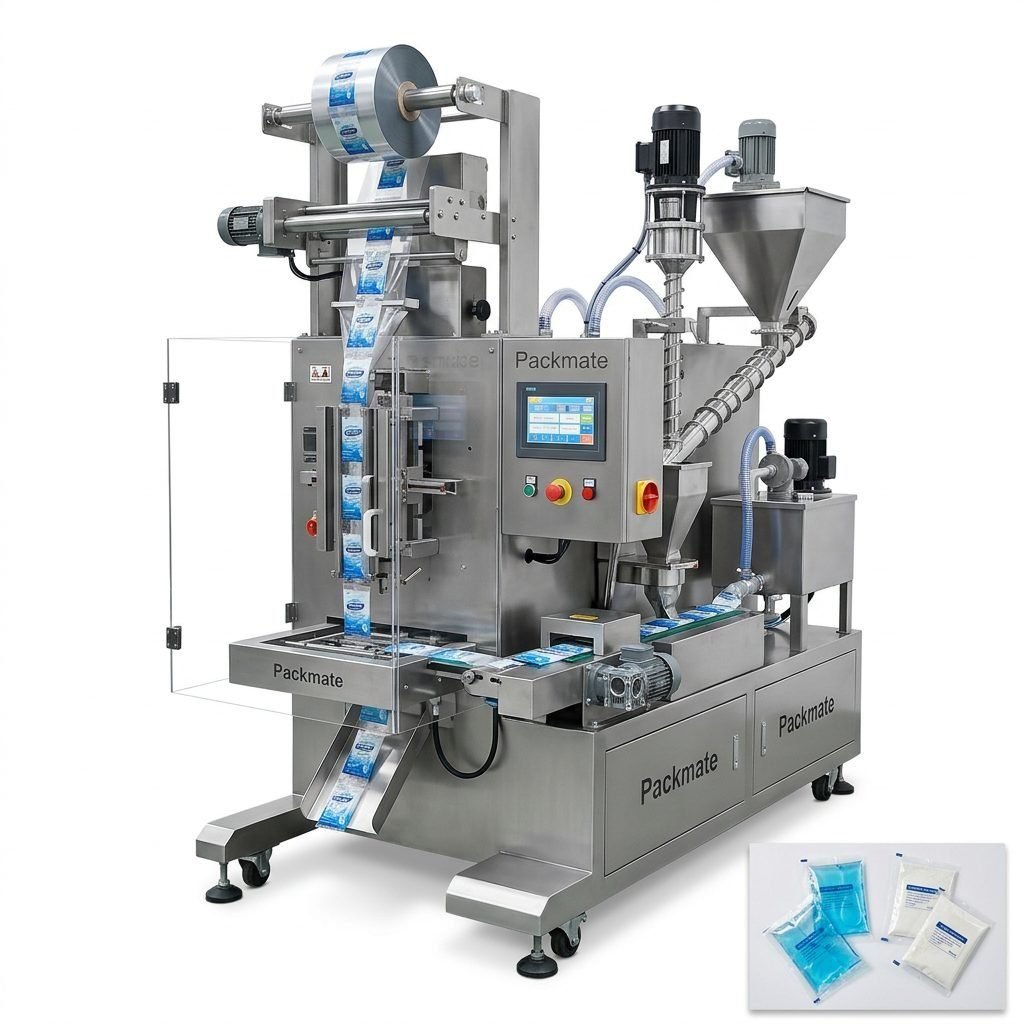
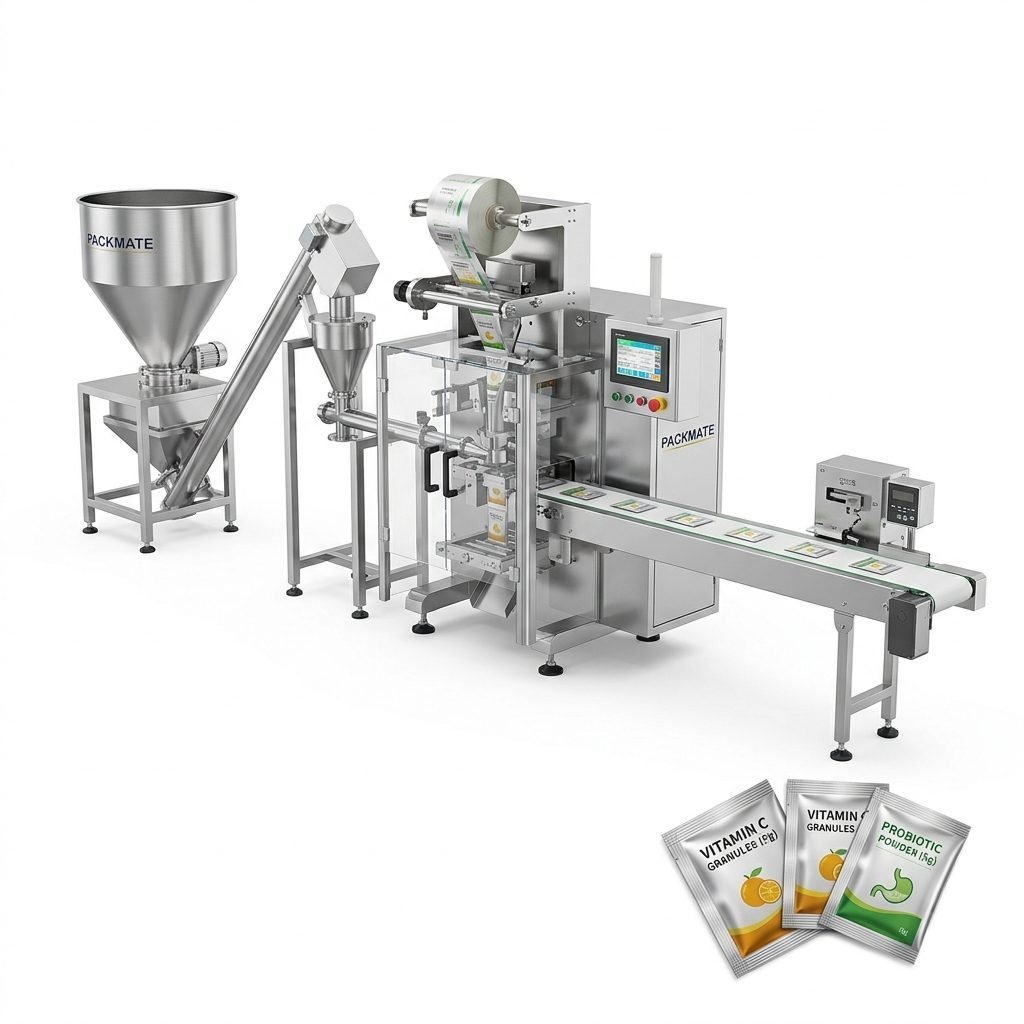
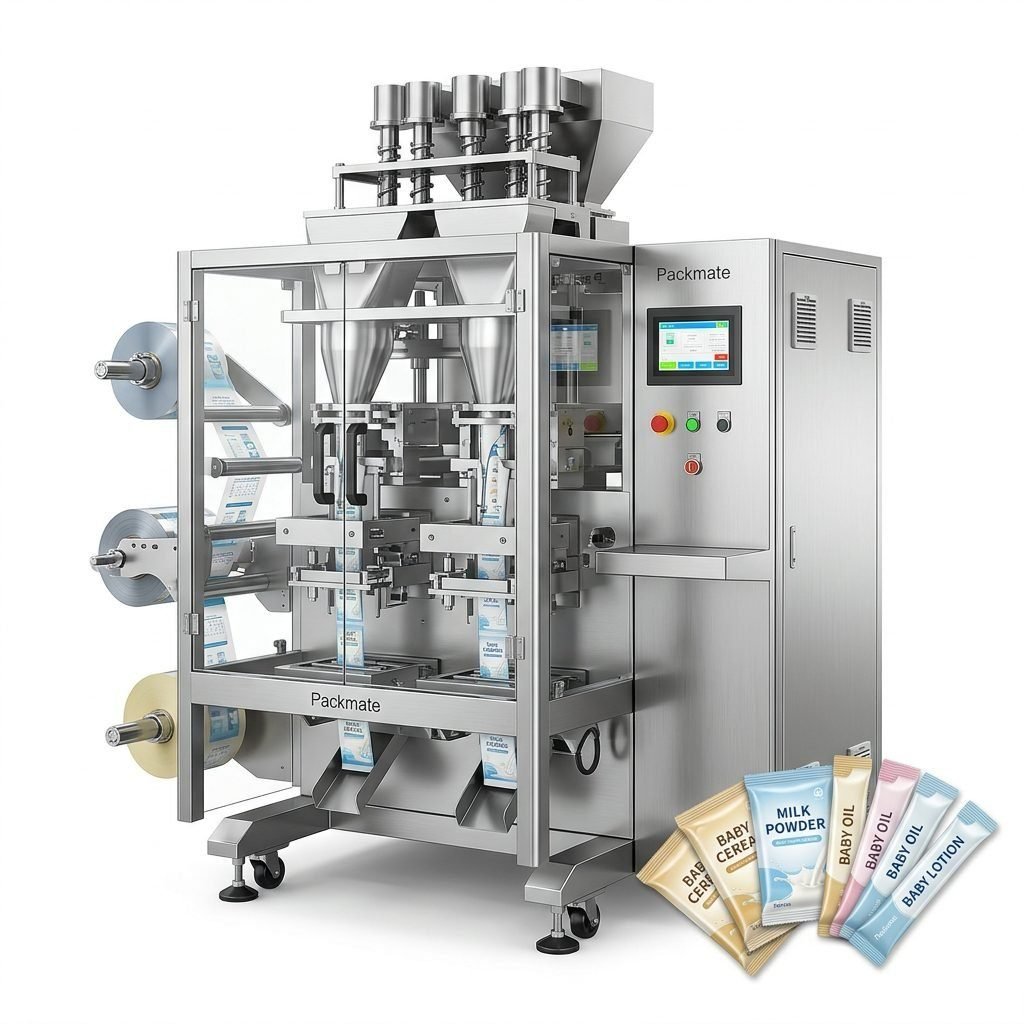
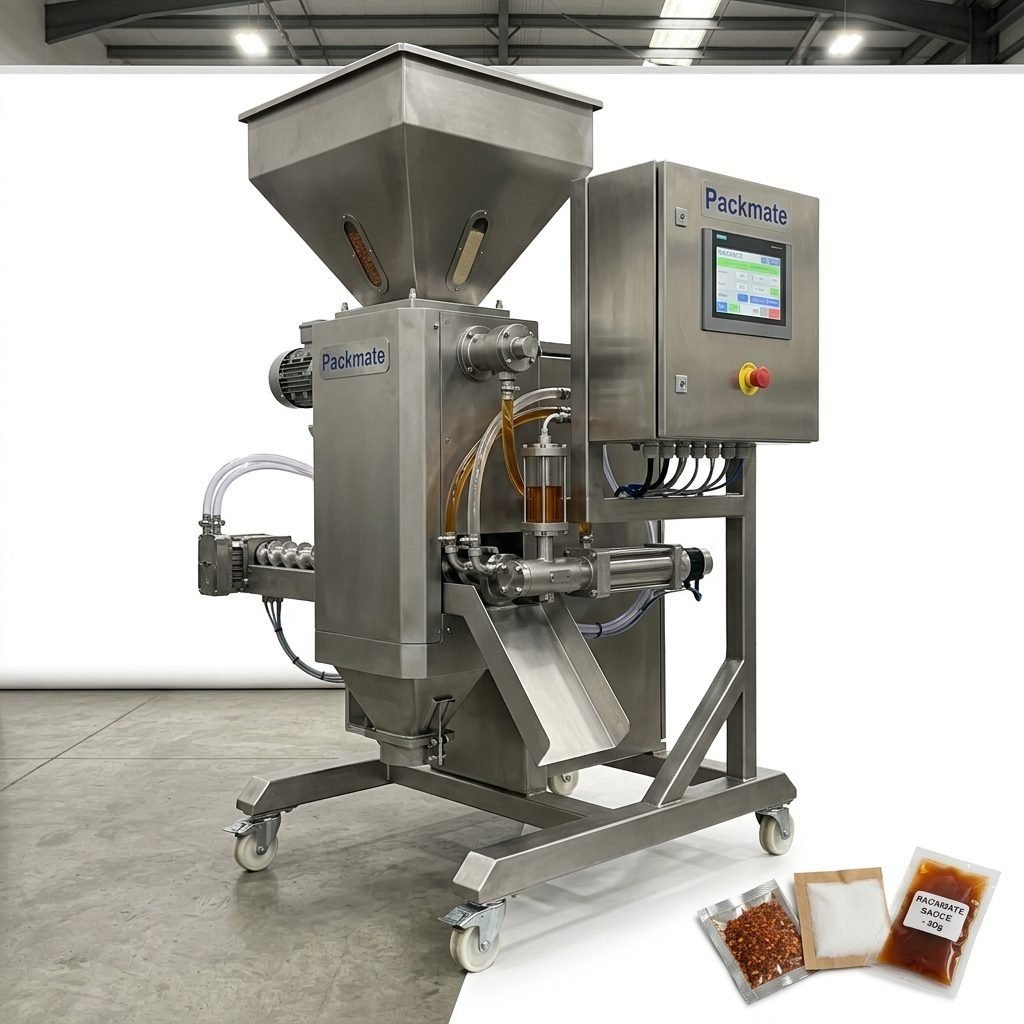
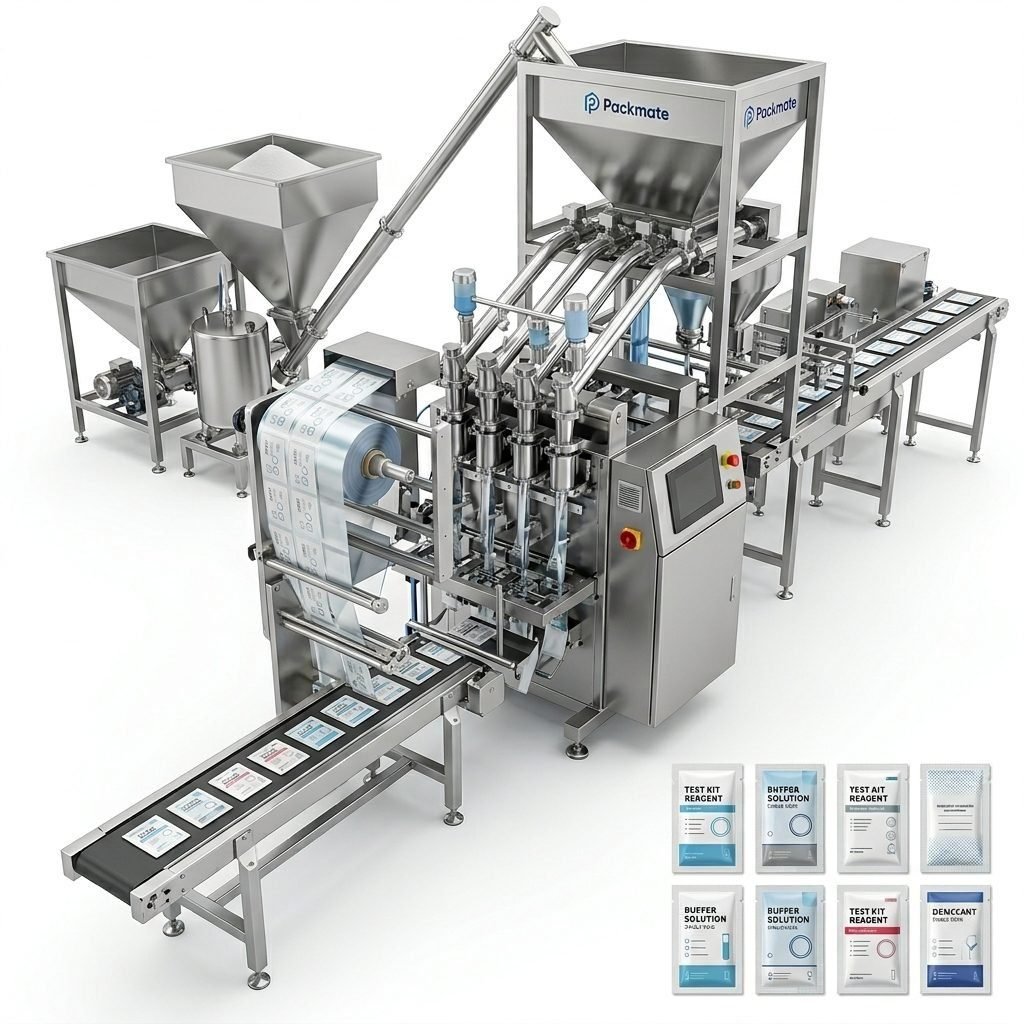
FFS machines are the workhorses of flexible liquid packaging. They create the package from a roll of film, fill it with a precise volume of milk, and seal it—all in one continuous, automated process. This technology is ideal for producing single-serve milk pouches, school milk sachets, or small-volume retail packs. The efficiency gains are profound: reduced film waste, lower space requirements, and incredibly high speeds. For producers looking into sachet and stick pack formats for UHT milk or creamers, advanced FFS lines are indispensable.
2. Bottling Lines with Integrated Filling Systems
For dairy products marketed in rigid plastic (HDPE/PET) bottles or glass, automated bottling lines are essential. Top systems integrate bottle unscrambling, cleaning, filling, capping, labeling, and casing. The heart of this line is the filler, which uses volumetric, gravity, or pressure-based technology to ensure fill accuracy down to the milliliter, critical for cost control and regulatory compliance. Efficiency here is measured by speed (bottles per minute), changeover time between bottle sizes, and yield (minimizing product loss during filling).
3. Gable-Top Carton Fillers
Gable-top cartons remain a popular choice for fresh, refrigerated milk. Modern carton fillers are marvels of precision, forming cartons from pre-printed blanks, sterilizing them with hydrogen peroxide or UV light, filling them in an aseptic or clean environment, and sealing them. The latest machines offer remarkable flexibility, handling different carton sizes from pints to gallons with quick adjustments, making them perfect for dairies with a diverse product portfolio.
Evaluating Machine Efficiency: Beyond Speed
When selecting a top machine, look beyond pure output speed (units per minute). True production efficiency encompasses:
- Changeover Speed: How quickly can the machine switch between different package sizes or types? Faster changeovers mean less downtime.
- Material Yield: Does the machine minimize packaging film waste and product giveaway during filling?
- Energy & Utility Consumption: Efficient machines use less power, compressed air, and water for cleaning.
- Hygienic Design: Machines with smooth surfaces, easy access for cleaning, and CIP (Clean-in-Place) capabilities reduce sanitation time and improve food safety.
The Integration Advantage: Complete Packaging Lines
The highest level of dairy production efficiency is not achieved by a single machine, but by a seamlessly integrated filling and packaging line. This includes upstream equipment like air conveyors or unscramblers, the core filling machine, and downstream systems for capping, labeling, checkweighing, and case packing. A synchronized line from a single provider, like Packmate Machinery, ensures compatibility, simplifies troubleshooting, and provides a single point of service accountability. This turnkey approach is what transforms a collection of machines into a cohesive, high-efficiency production asset.
How Packmate Machinery Delivers Dairy Packaging Solutions
With over 22 years of development in precision engineering, Packmate (GuangDong) Co., Ltd. understands the stringent demands of the food and beverage industry. Our journey from a focused workshop to a company with a 20,000㎡ modern manufacturing facility has been built on solving real-world production challenges. For dairy producers, this expertise translates into reliable, intelligent packaging equipment designed for continuous operation in demanding environments.
Our commitment to innovation means we don’t just sell machines; we provide solutions tailored to your throughput goals, product characteristics, and factory footprint. From standalone fillers to complete, automated systems incorporating weighing and packaging systems, our team of 125+ professionals focuses on maximizing your overall equipment effectiveness (OEE).
Future-Proofing Your Dairy Operation
The dairy industry continues to evolve with trends like plant-based alternatives, functional beverages, and sustainable packaging. The most efficient packaging machines today are those built with adaptability in mind. Look for machines with programmable logic controllers (PLCs) that allow for recipe storage and easy updates, modular designs that can be expanded or reconfigured, and compatibility with new, eco-friendly packaging materials. Investing in such flexible technology from the start protects your capital and allows you to pivot with market demands.
Ultimately, choosing a top milk packaging machine is a strategic decision that impacts your bottom line for years. It requires careful analysis of your current and future needs, a thorough evaluation of machine capabilities beyond the brochure specifications, and selecting a partner with proven expertise and reliable after-sales support. By prioritizing integrated efficiency—encompassing speed, yield, flexibility, and hygiene—you can build a packaging operation that is not just productive, but truly competitive.
Frequently Asked Questions (FAQs)
1. What is the most important factor when choosing a milk packaging machine for a medium-sized dairy?
Balance between flexibility and speed. A medium-sized dairy often runs multiple SKUs (e.g., different fat contents, flavors, package sizes). Therefore, a machine with relatively quick changeover times and good operational versatility is often more critical for overall efficiency than a ultra-high-speed machine designed for a single product.
2. How can packaging machines help reduce product waste?
Advanced machines achieve this through high-precision filling systems that minimize “giveaway,” and through reliable sealing technology that drastically reduces leakers and spoilage. Integrated checkweighers can also immediately detect under/overfills, allowing for real-time correction.
3. Are automated packaging lines difficult to maintain and clean?
Modern lines from reputable manufacturers are designed with maintenance and hygiene as priorities. Features like tool-less access panels, CIP/SIP capabilities, and food-grade stainless steel construction are standard. Proper training from the supplier, like the comprehensive service support offered by Packmate, ensures your team can manage routine maintenance and cleaning protocols effectively.
4. Can one machine handle both liquid milk and thicker dairy products like yogurt or cream?
This depends on the product viscosity and the machine’s design. Some fillers are specifically designed for thin liquids, while others, often piston or pump-based fillers, can handle a wider viscosity range. It’s essential to discuss your full product range with the equipment supplier to ensure the chosen machine can be accurately adjusted for different products.
5. What kind of after-sales support should I expect?
You should expect comprehensive support including: detailed installation supervision, thorough operator and maintenance training, ready availability of spare parts, and access to technical assistance (remote and on-site). A reliable partner will have a clear service structure to minimize your downtime.