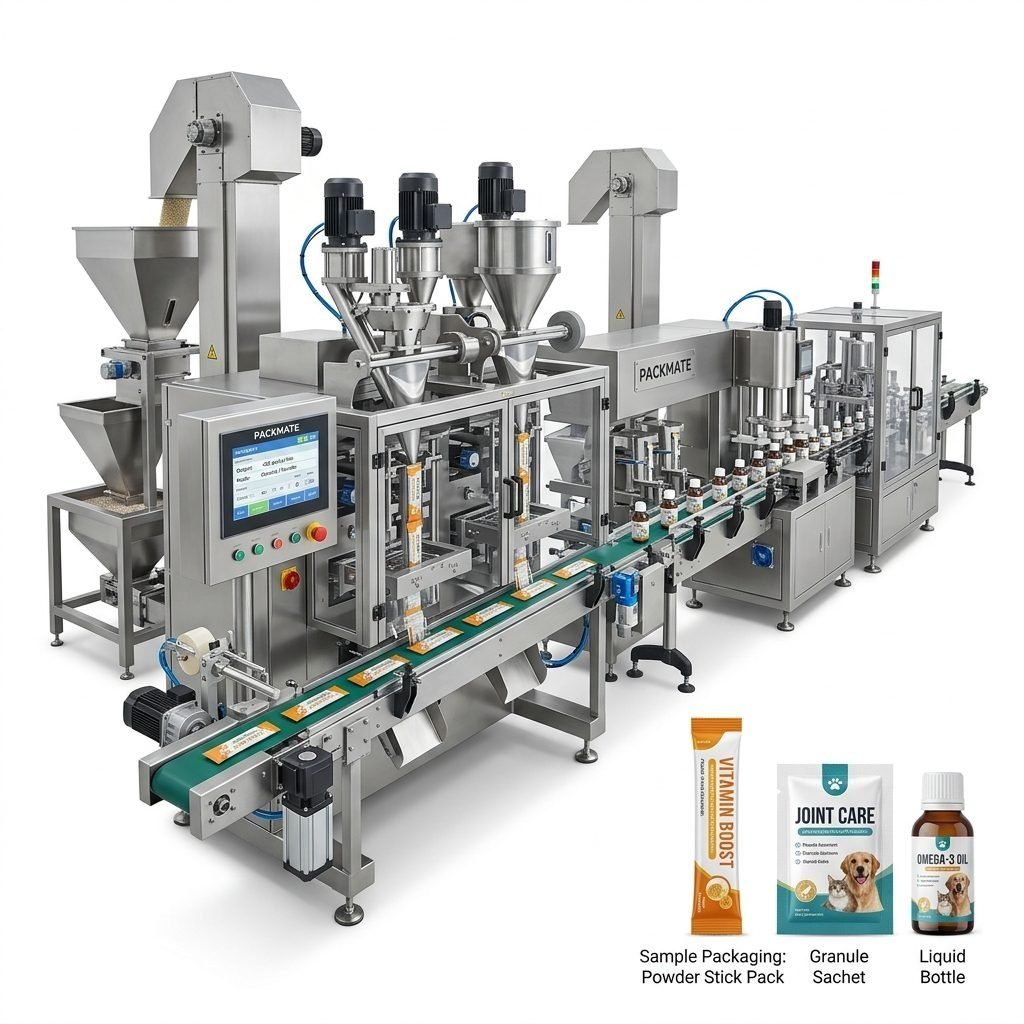
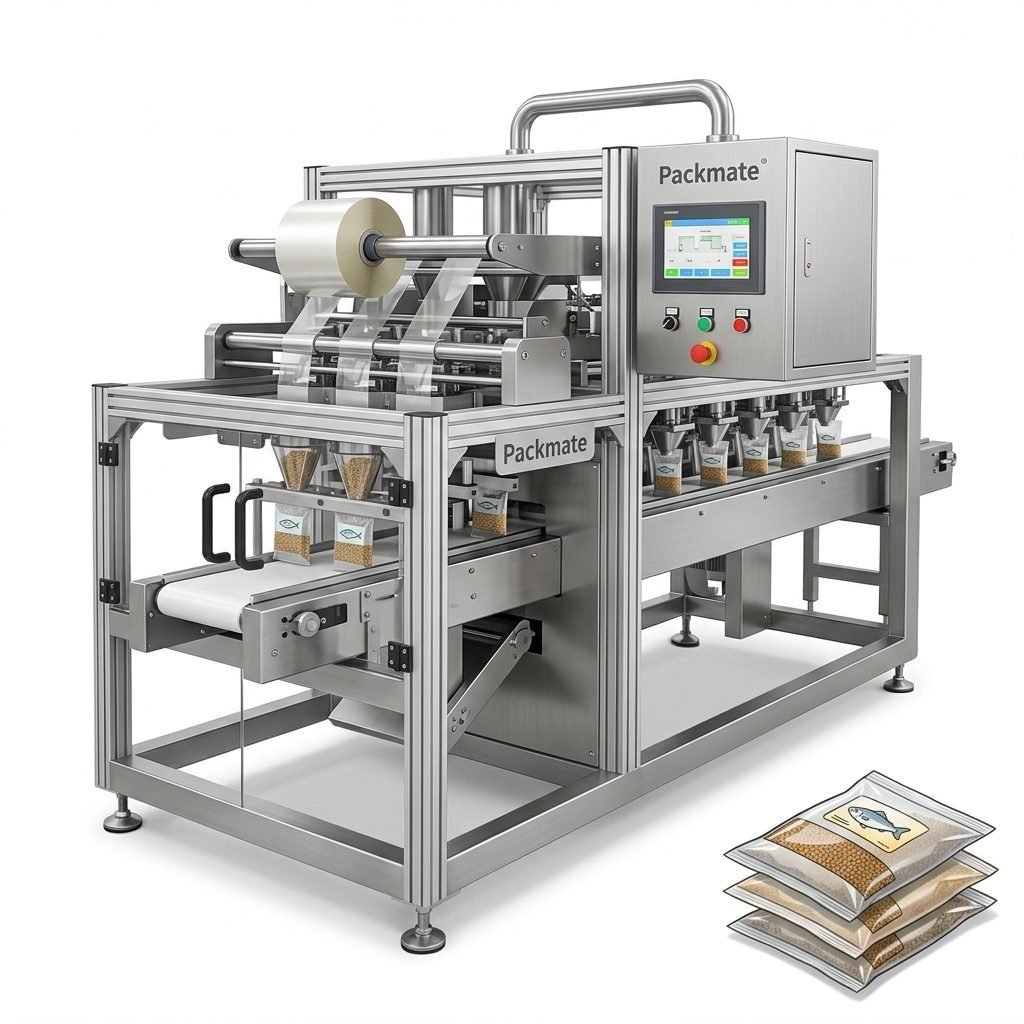
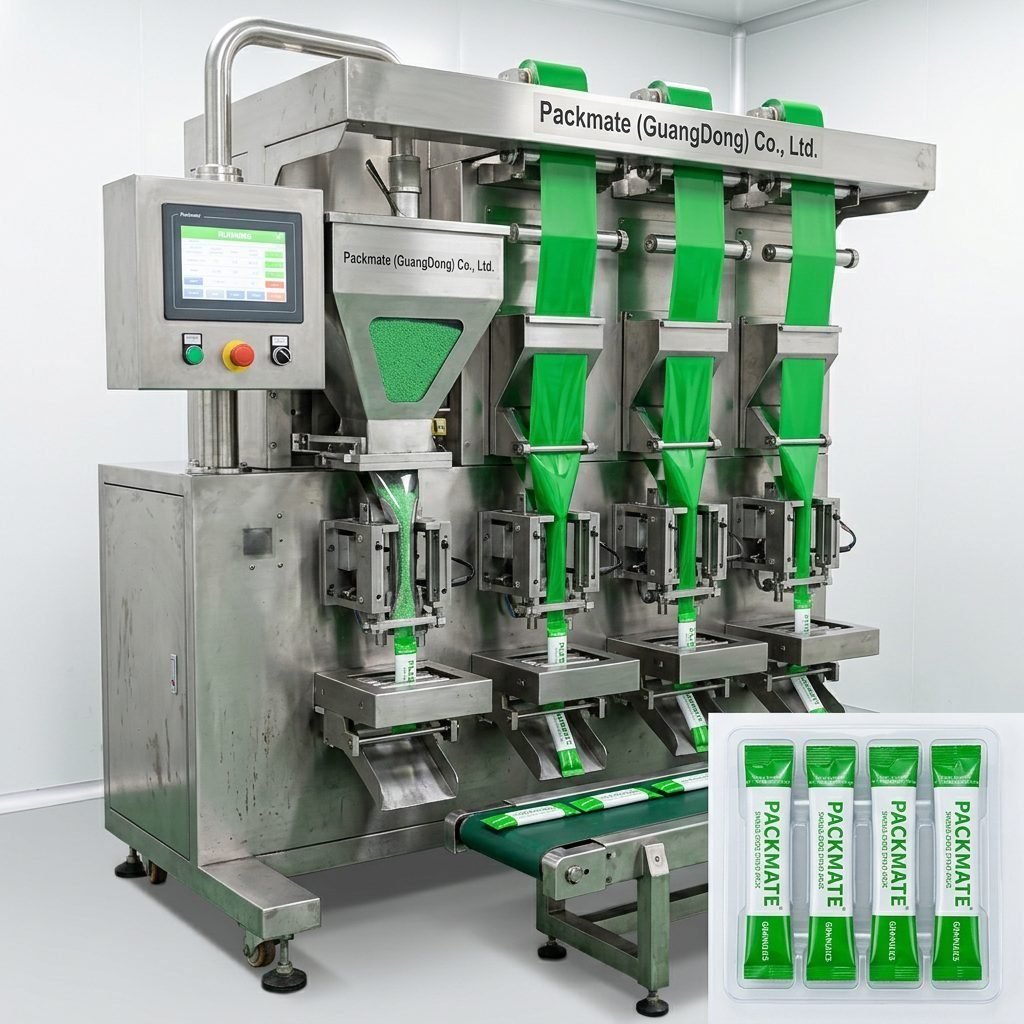
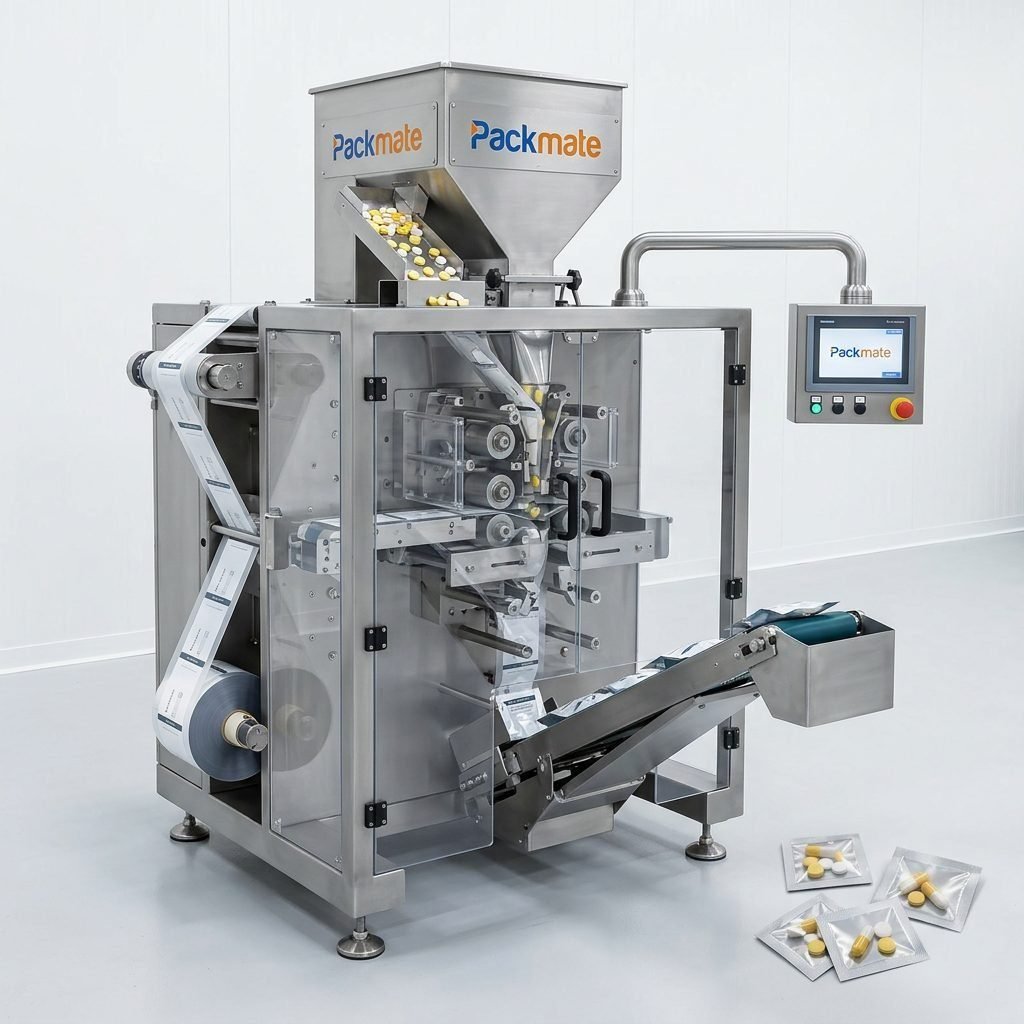
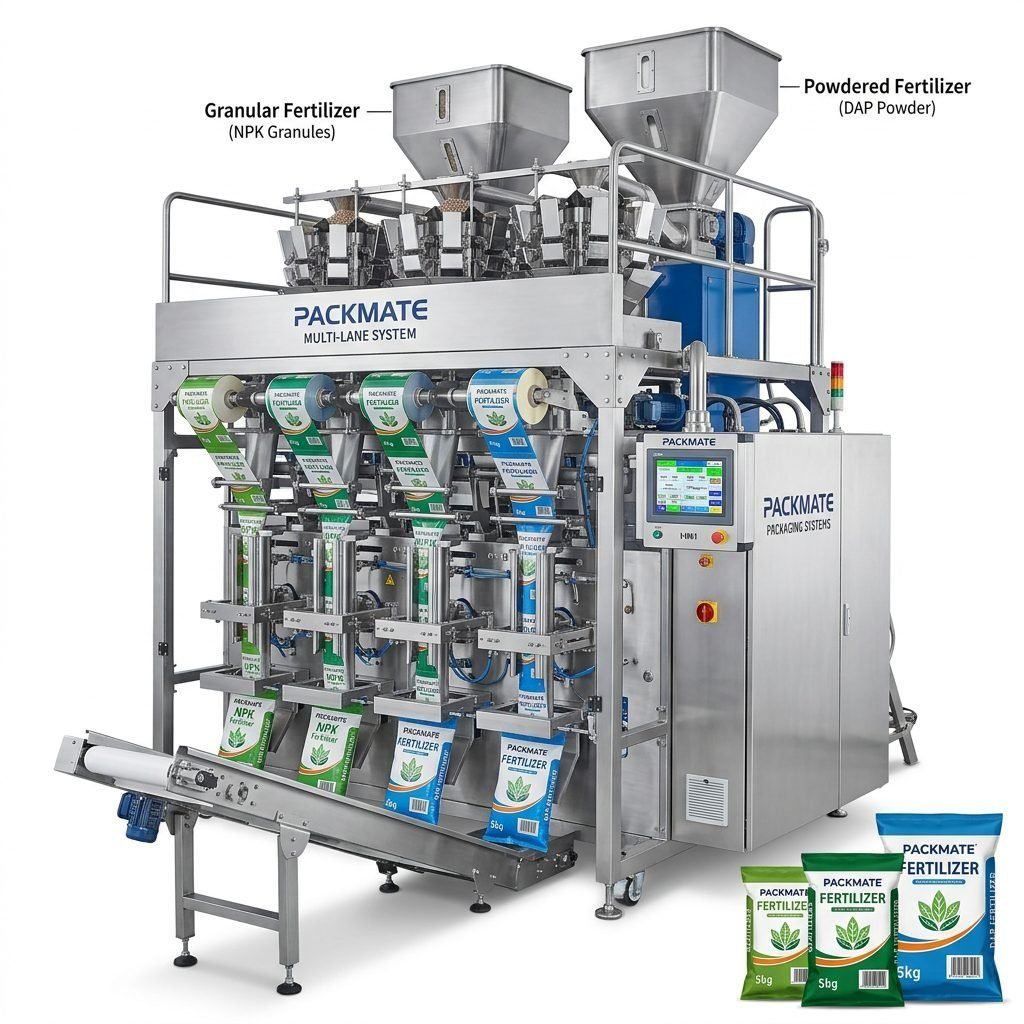
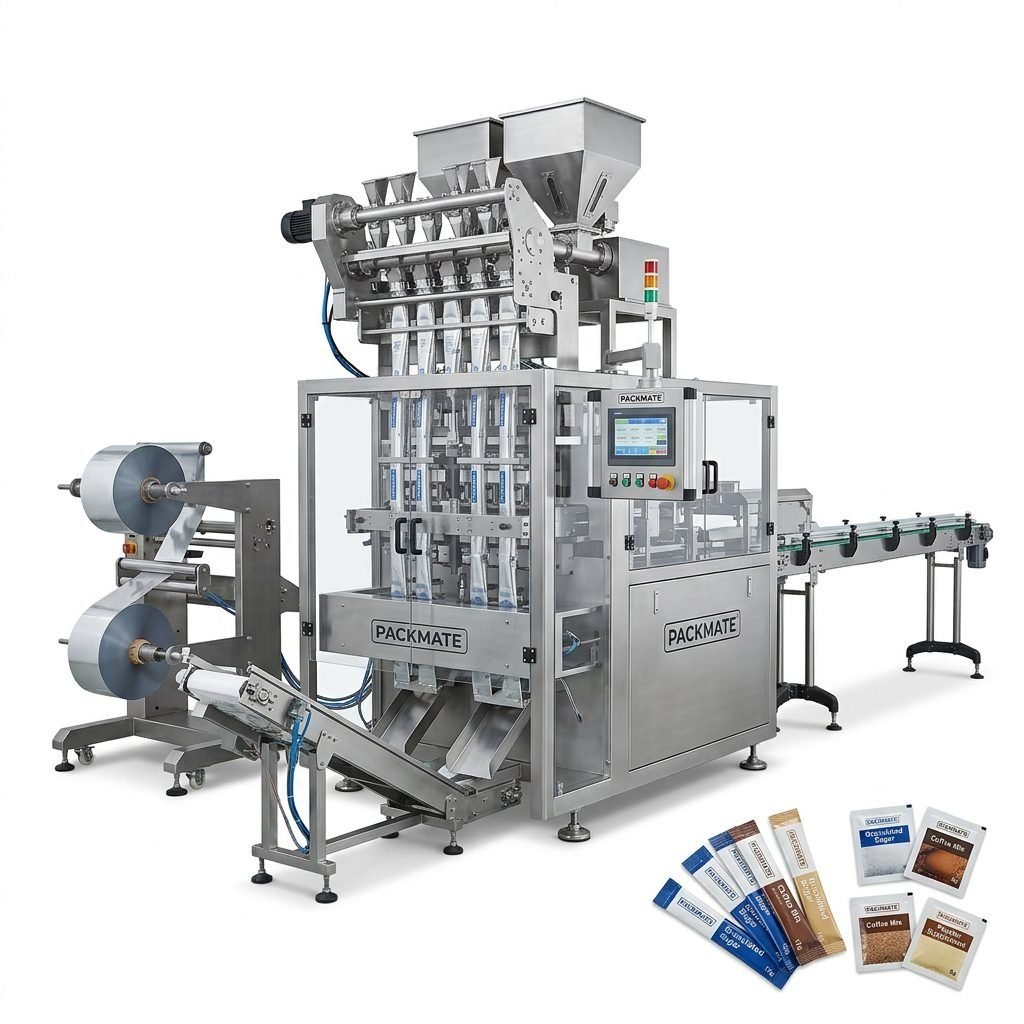
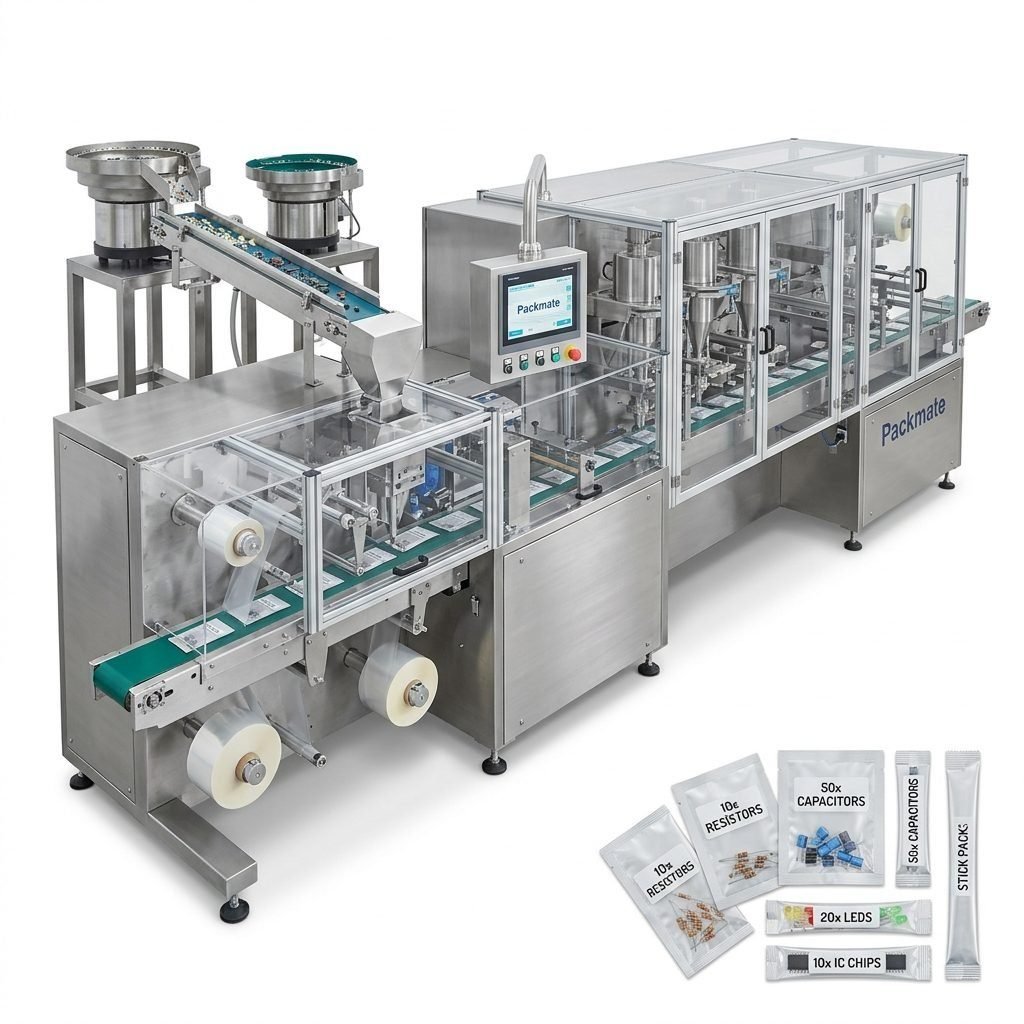
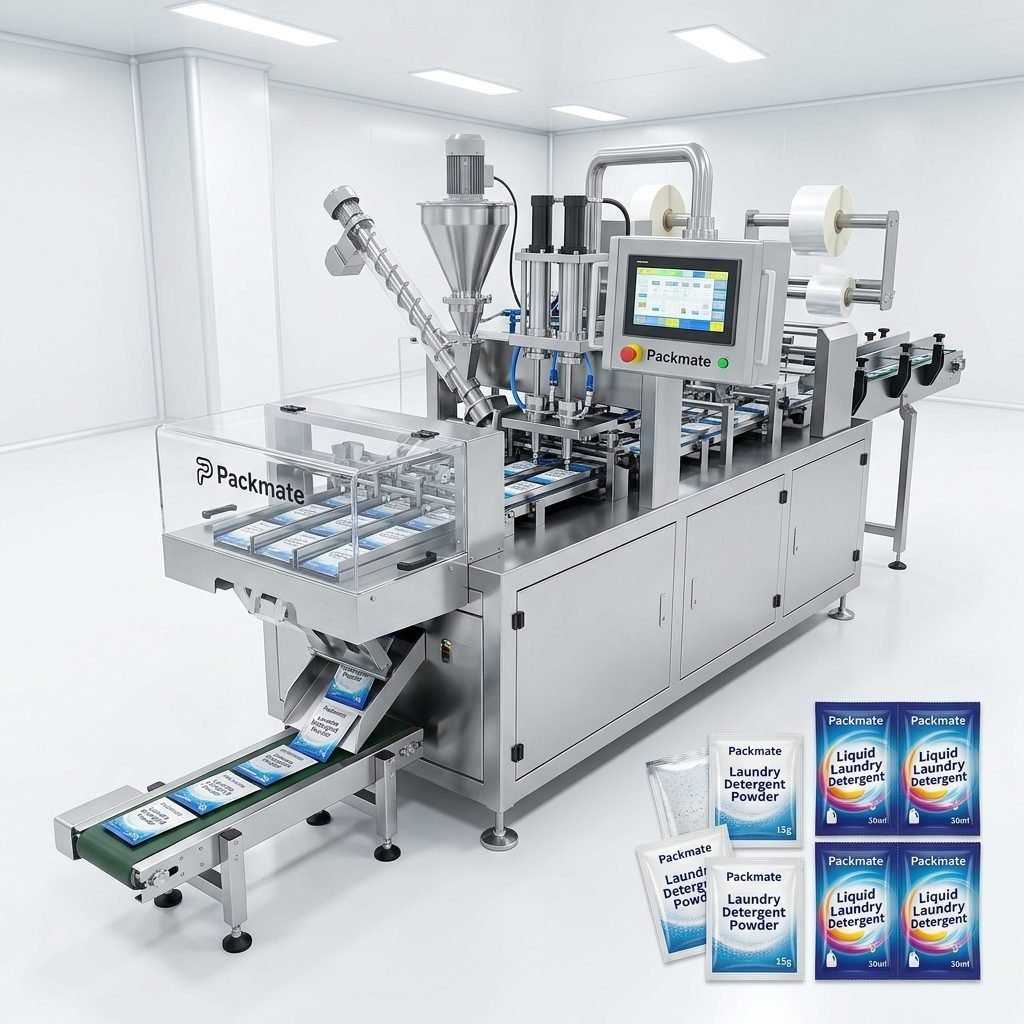
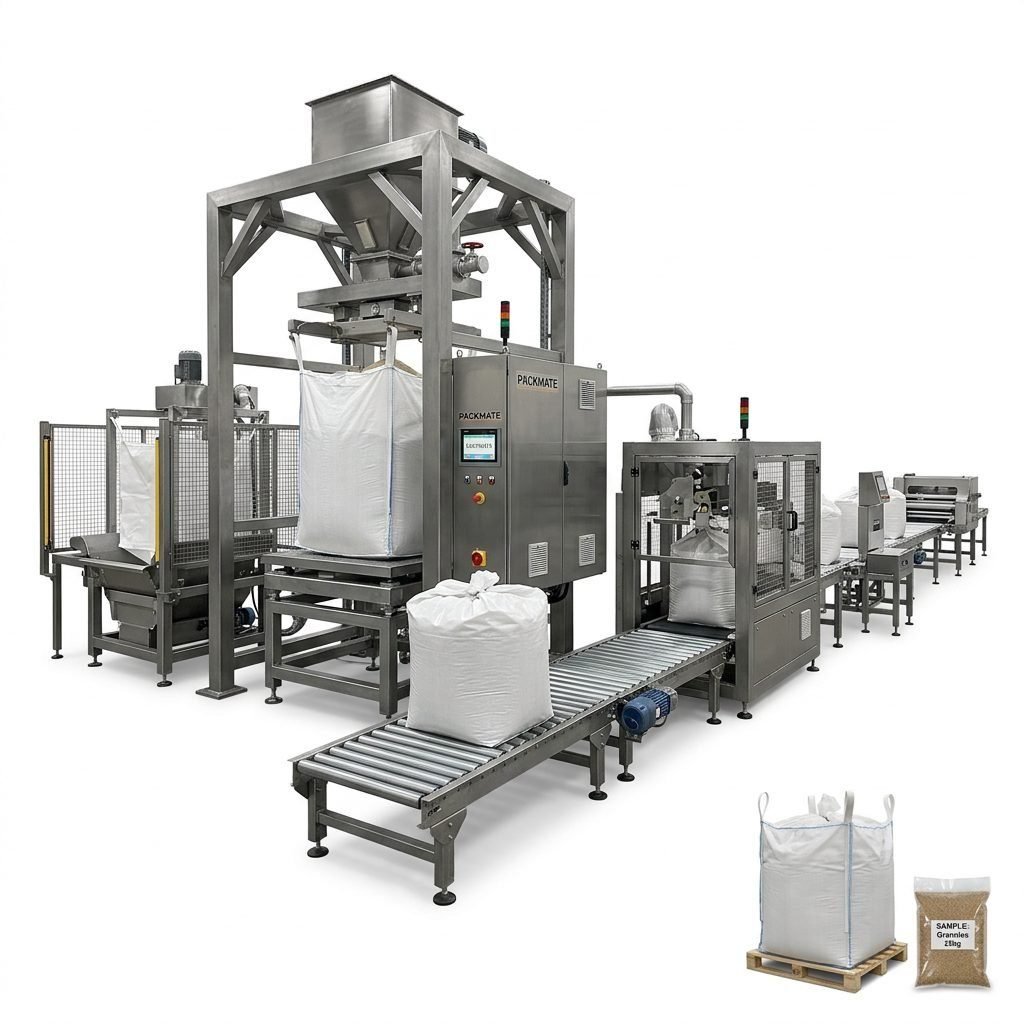
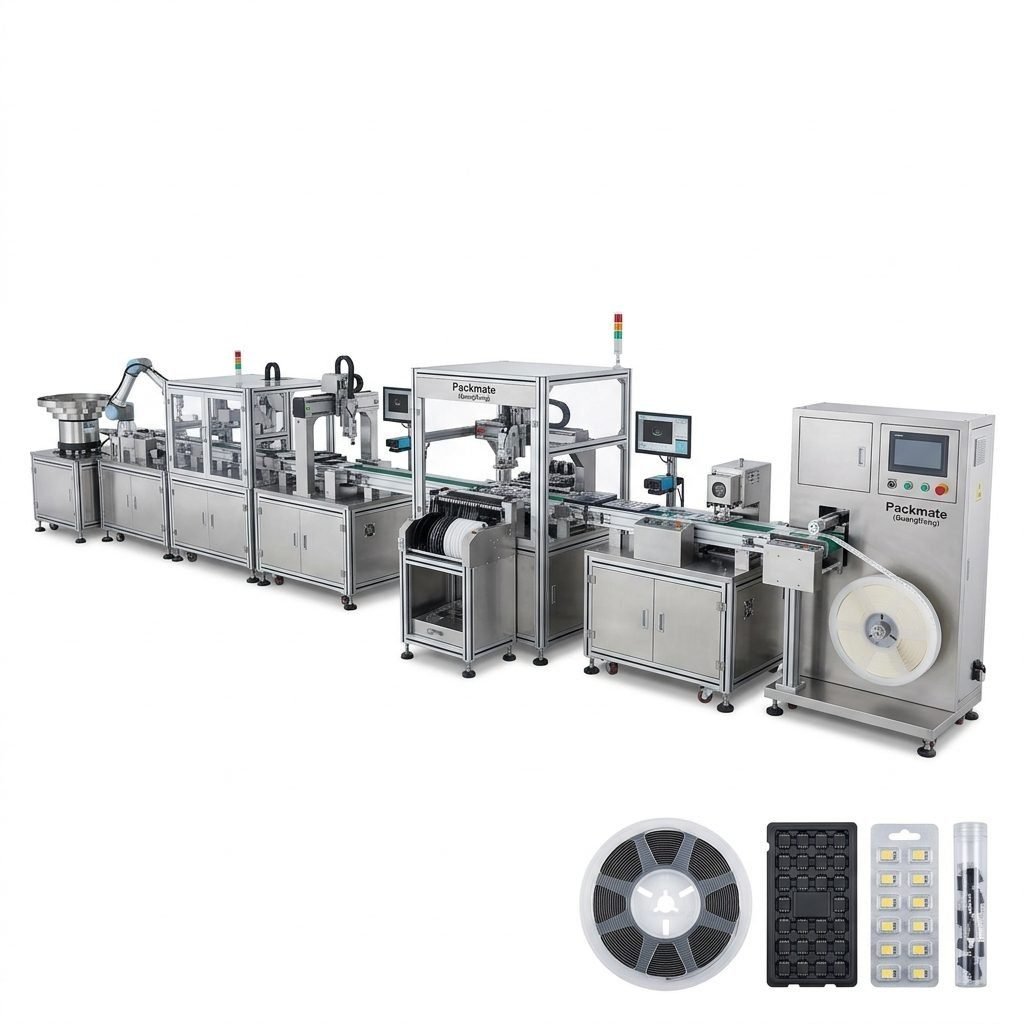
In the fast-paced world of manufacturing, efficiency, consistency, and hygiene are paramount. For businesses packaging products in jars—from food and cosmetics to pharmaceuticals and chemicals—the transition from manual labor to automation is not just an upgrade; it’s a strategic necessity. An automated jar packaging machine represents a significant leap forward, integrating multiple processes into a seamless, high-speed line. This complete guide explores how these machines work, their core components, and the substantial benefits they deliver to modern production facilities.
What is an Automated Jar Packaging Machine?
An automated jar packaging machine is a sophisticated system designed to handle the entire process of filling, capping, labeling, and sealing jars with minimal human intervention. It replaces the traditional, labor-intensive, and error-prone manual methods with a synchronized sequence of robotic or mechanical actions. These systems are highly customizable, capable of handling various jar sizes, shapes, and materials (glass, plastic, metal), and can be integrated with upstream and downstream equipment like conveyors, unscramblers, and cartoning machines to form a complete packaging line.
Key Components of a Jar Packaging Line
A typical automated line consists of several integrated stations:
1. Jar Unscrambler: This unit takes bulk jars and orients them correctly onto the conveyor belt, ensuring they are upright and ready for filling.
2. Cleaning & Sterilization (Optional): For sensitive products like food or pharmaceuticals, a cleaning station may blast jars with air or use UV light to ensure sterility.
3. Filling Station: The heart of the machine. Depending on the product viscosity (liquid, paste, powder, granules), different filling technologies are used, such as piston fillers, gravity fillers, or pump fillers. High-precision weighing systems ensure each jar receives the exact predetermined volume or weight.
4. Capping & Sealing: This station applies lids, caps, or closures (screw caps, snap lids, press-on caps) with consistent torque and pressure. Induction sealing for an inner foil seal can also be integrated here.
5. Labeling & Coding: Labels are accurately applied, and batch codes, expiry dates, or barcodes are printed directly onto the jar or label.
6. Inspection & Rejection: Vision systems or sensors check for fill level accuracy, proper cap placement, label presence, and general defects. Faulty jars are automatically rejected from the line.
7. Outfeed Conveyor: Finished, packaged jars are conveyed to the next stage, which could be manual packing, automatic case packing, or palletizing.
Core Benefits of Automating Jar Packaging
The investment in an automated jar packaging machine yields a powerful return across multiple facets of operations.
1. Dramatic Increase in Production Speed and Output
Manual packaging is inherently slow and limited by human fatigue. Automated machines operate continuously at high speeds, often filling and capping hundreds of jars per minute. This allows businesses to scale production to meet market demand, fulfill large orders efficiently, and reduce lead times. Companies like Packmate Machinery, with decades of experience, design lines specifically for high-output requirements.
2. Unmatched Consistency, Accuracy, and Quality Control
Human operators can vary in their filling precision, cap tightening force, and label placement. Automation eliminates this variability. Every jar is filled to the exact same level, every cap is applied with identical torque, and every label is positioned perfectly. Integrated inspection systems provide 100% quality checks, ensuring that only perfect products leave the line. This consistency protects your brand reputation, reduces customer complaints, and is often a non-negotiable requirement in regulated industries like pharmaceuticals.
3. Significant Reduction in Labor Costs and Operational Expenses
While an initial capital investment is required, automation drastically reduces long-term labor costs. One machine can replace several operators on a manual line. Furthermore, it minimizes product waste from overfilling or spillage and reduces material waste from misapplied labels or damaged jars. The overall cost per packaged unit drops significantly, improving profit margins.
4. Enhanced Workplace Safety and Hygiene
Packaging areas can involve repetitive motions, heavy lifting, and exposure to products or cleaning chemicals. Automating these tasks removes workers from potentially hazardous environments. For food and pharmaceutical applications, reduced human contact minimizes the risk of contamination, ensuring higher hygiene standards and compliance with strict regulations like GMP and HACCP.
5. Superior Flexibility and Scalability
Modern automated machines are designed for quick changeovers. With simple adjustments or pre-set recipes, the same line can often handle different jar sizes and products. This flexibility allows manufacturers to run smaller, customized batches without sacrificing efficiency. As your business grows, the line can often be expanded or upgraded with additional modules, protecting your initial investment.
Choosing the Right Machine for Your Needs
Selecting an automated jar packaging solution requires careful analysis. Key considerations include:
Product Characteristics: Viscosity, abrasiveness, and whether it’s sterile or hazardous will determine the suitable filling technology and machine construction materials.
Production Volume & Speed: Define your required output (jars per minute/hour) to choose a machine with appropriate capacity.
Jar Specifications: Provide exact details on jar material, size, shape, neck finish, and the type of closure used.
Level of Automation: Decide between a semi-automatic machine (requiring some manual loading) or a fully automatic, integrated line. Explore the range of packaging machines available to find the best fit.
Budget and ROI: Consider the total cost of ownership, including purchase price, installation, maintenance, and potential savings. A reliable supplier with a strong track record, such as Packmate Machinery with its 20,000㎡ modern facility and over 30 years of expertise, can provide a solution that offers excellent long-term value and reliability.
Implementation and Integration
Successful integration of an automated jar packager goes beyond just installing the machine. It involves factory floor layout planning, utility connections (power, air, possibly water), and seamless integration with existing production and material handling systems. Working with a manufacturer that offers comprehensive support—from initial consultation and factory acceptance testing (FAT) to installation, operator training, and after-sales service—is crucial. This turnkey approach ensures a smooth transition and maximizes uptime.
Frequently Asked Questions (FAQ)
1. How much can an automated jar packaging machine increase my production speed?
Speed increases are substantial but depend on the machine model and jar size. While manual lines may handle 20-40 jars per minute, automated systems can typically range from 60 to over 300 jars per minute. A detailed analysis of your specific product and requirements is needed for an accurate figure.
2. Can one machine handle different jar sizes and products?
Yes, most modern machines are built with changeover flexibility in mind. They often include quick-adjust mechanisms for filling heads, cap chucks, and conveyor guides. However, the degree of flexibility varies, so it’s essential to discuss your full range of jar types with the machine supplier during the design phase.
3. What is the typical payback period for such an investment?
The payback period varies based on production volume, labor cost savings, reduction in waste, and the machine’s cost. Many businesses see a return on investment within 1 to 3 years through dramatically lower operational costs and increased output capacity.
4. How do I ensure the machine meets hygiene standards for food or pharmaceutical use?
Specify that you need a machine designed for your industry. Key features include construction from stainless steel (often grade 304 or 316), smooth surfaces with minimal crevices, CIP (Clean-in-Place) capabilities, and compatibility with sterilization methods. Reputable manufacturers design machines to comply with international standards like GMP, FDA, and CE.
5. What kind of maintenance do these machines require?
Regular preventative maintenance is vital for longevity and uptime. This includes daily cleaning, weekly checks of seals and sensors, and periodic lubrication and calibration as per the manufacturer’s schedule. Choosing a supplier with readily available spare parts and reliable technical support, like Packmate’s dedicated service team, minimizes downtime.