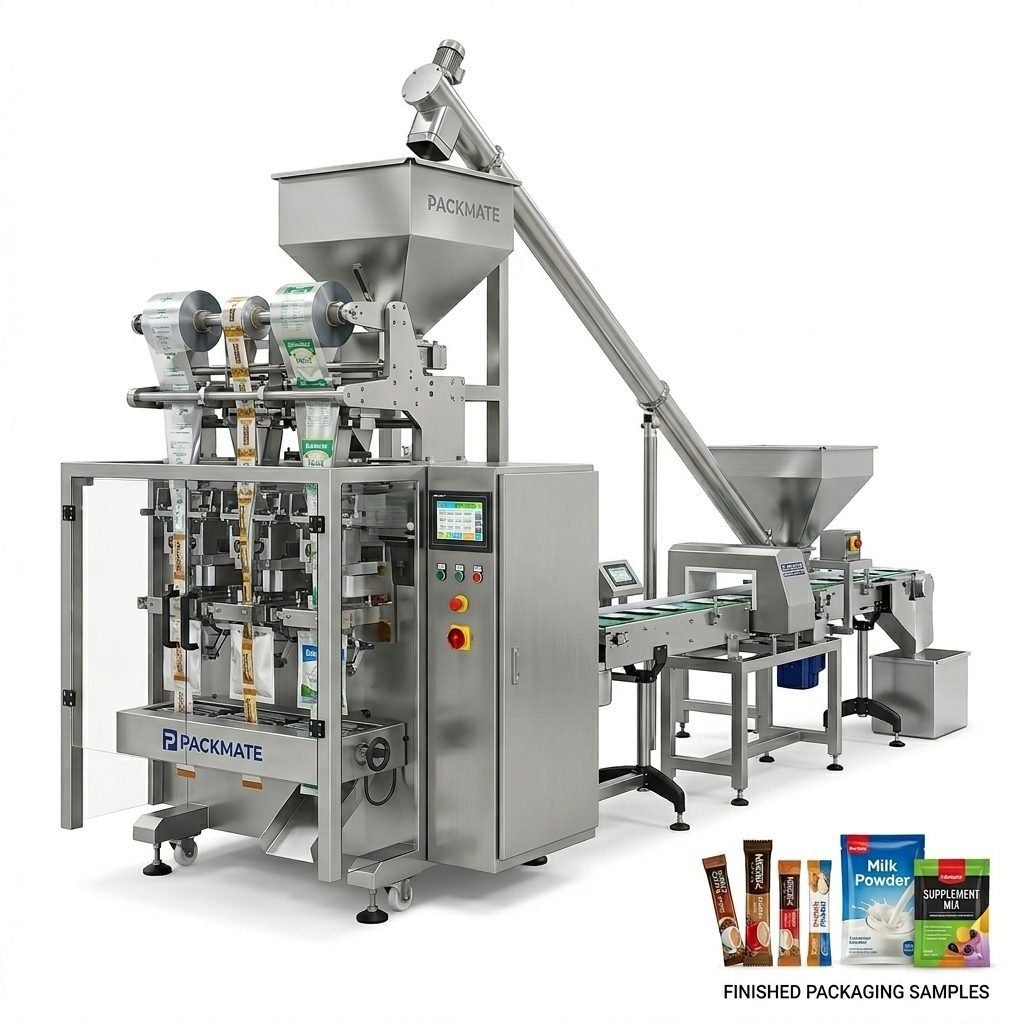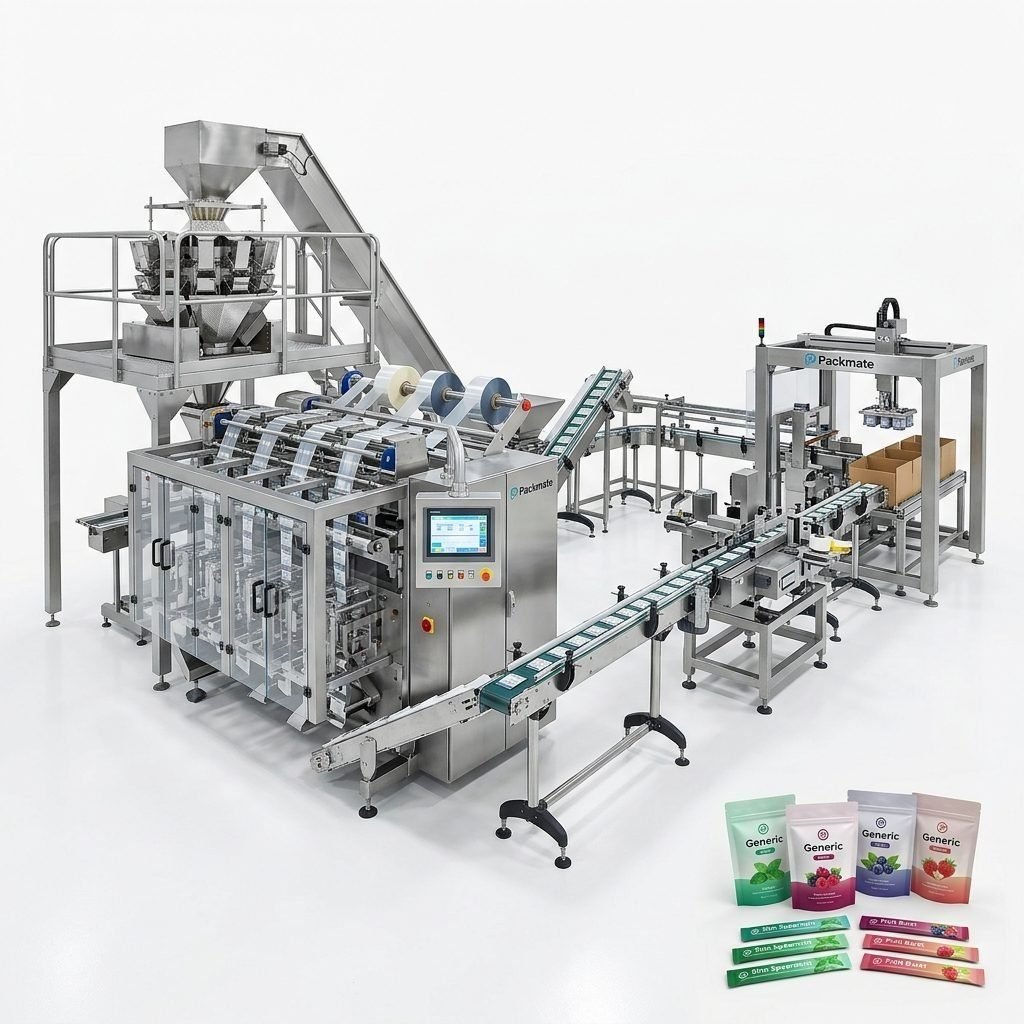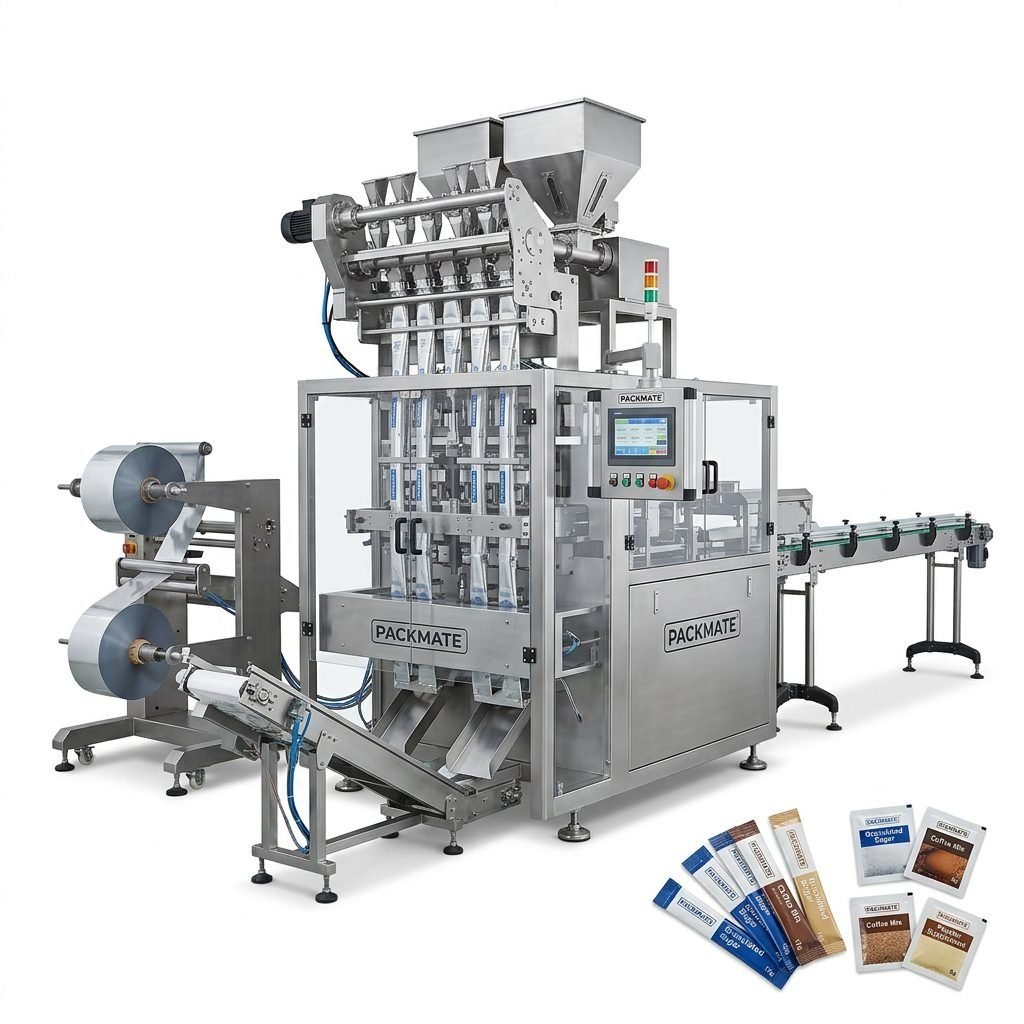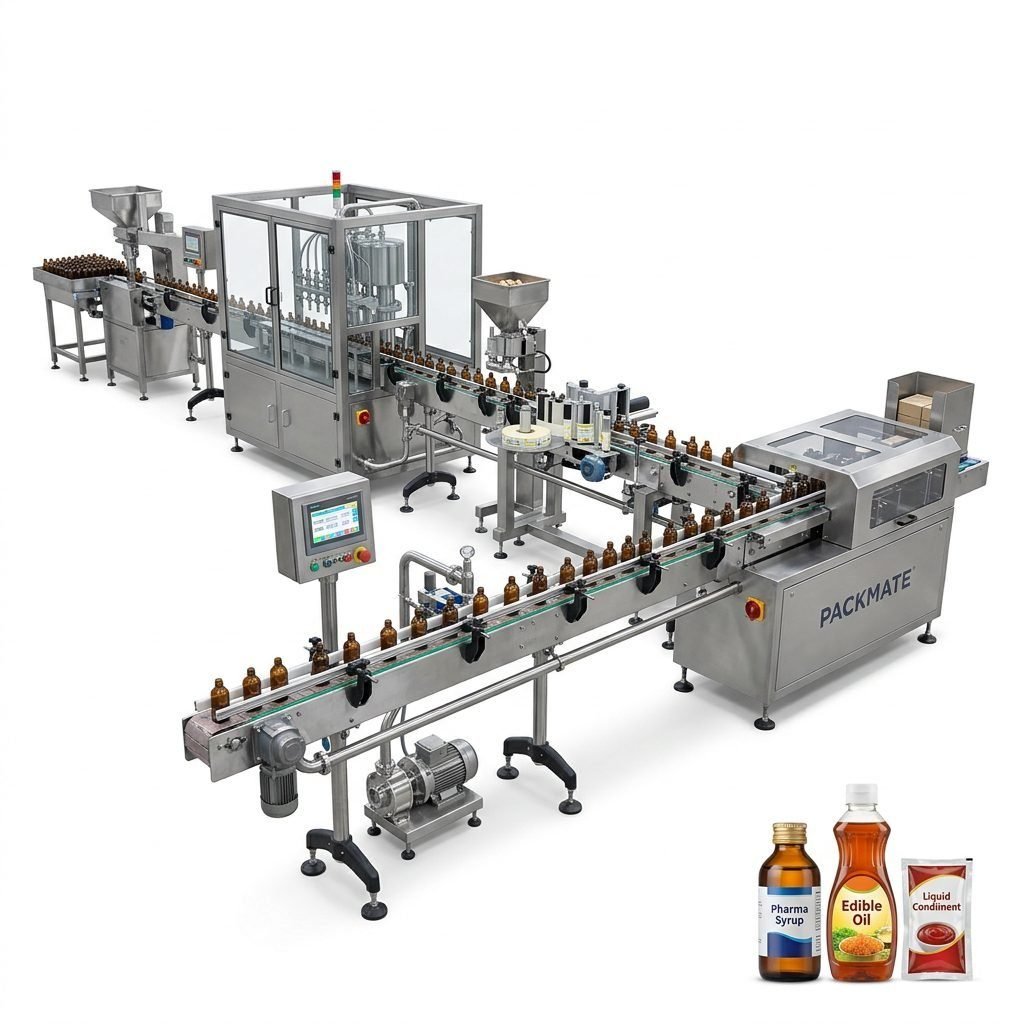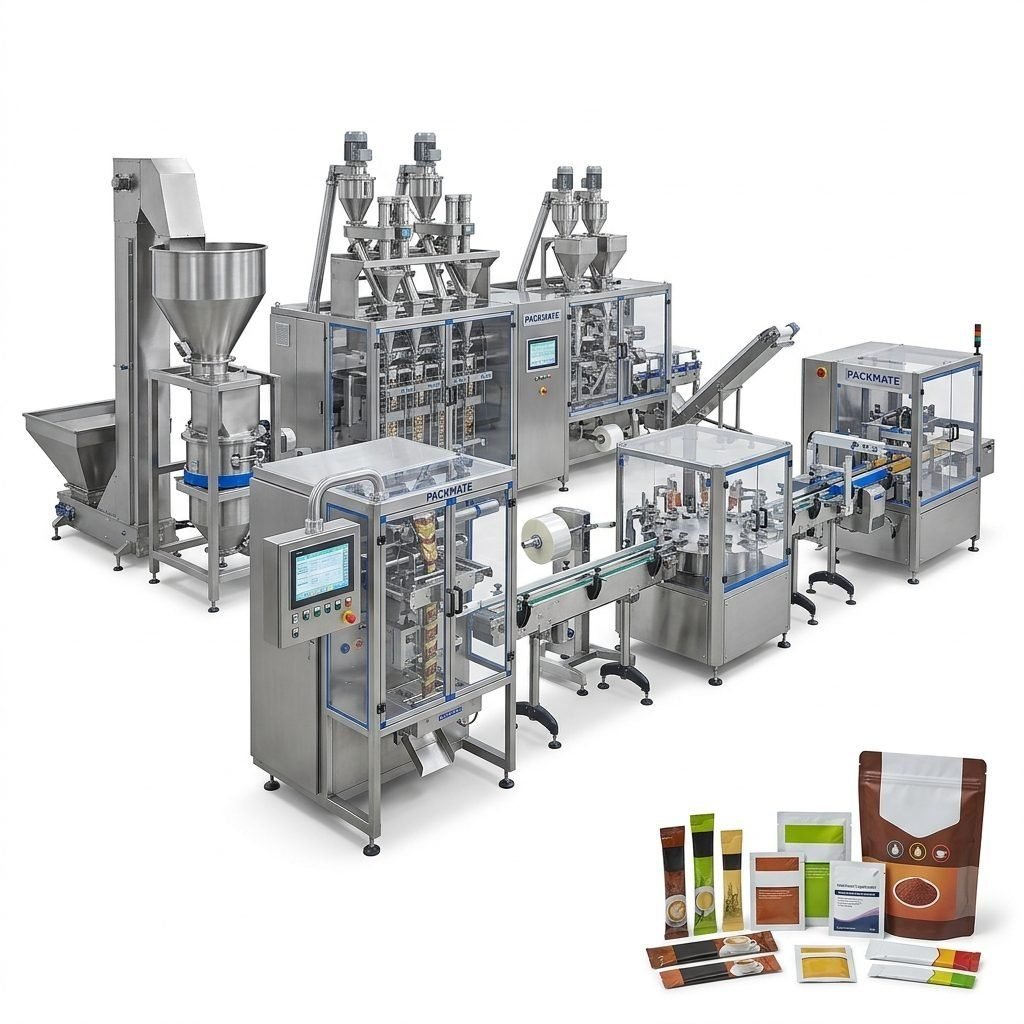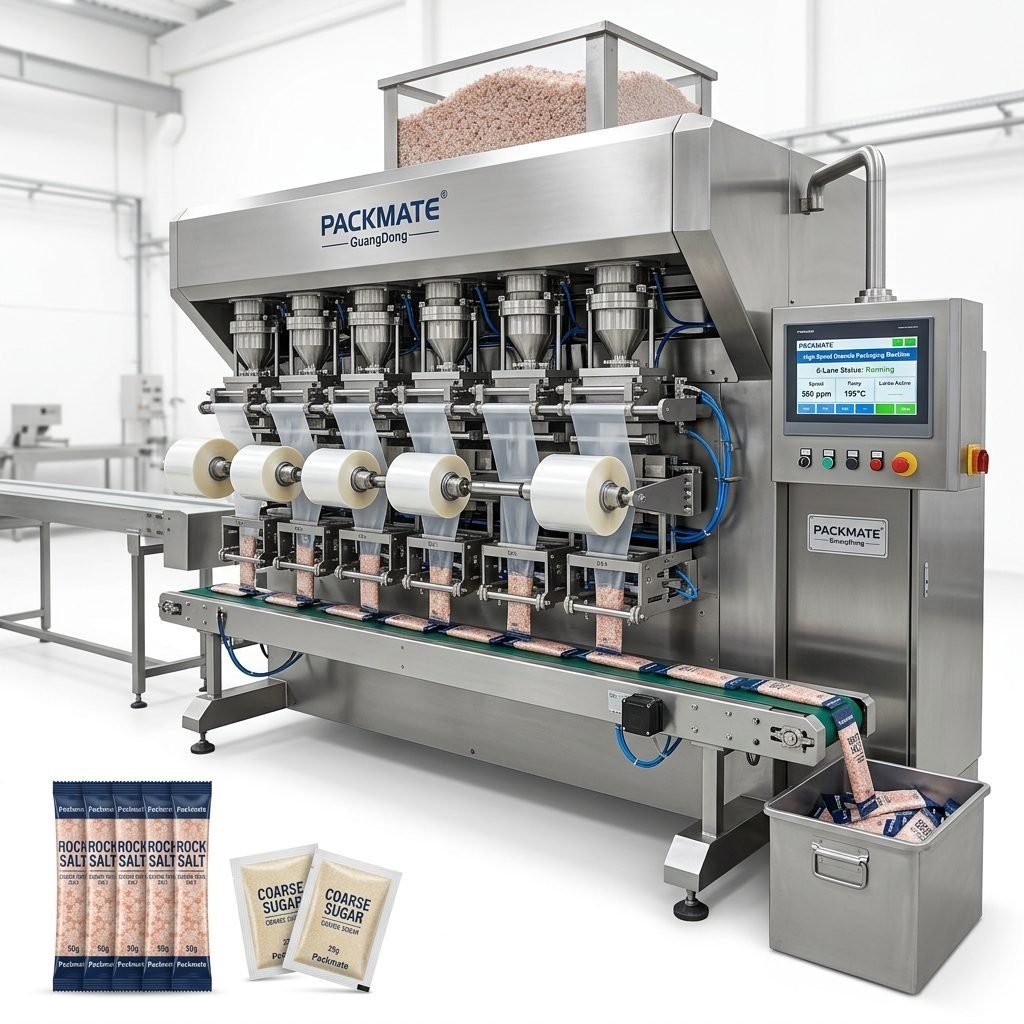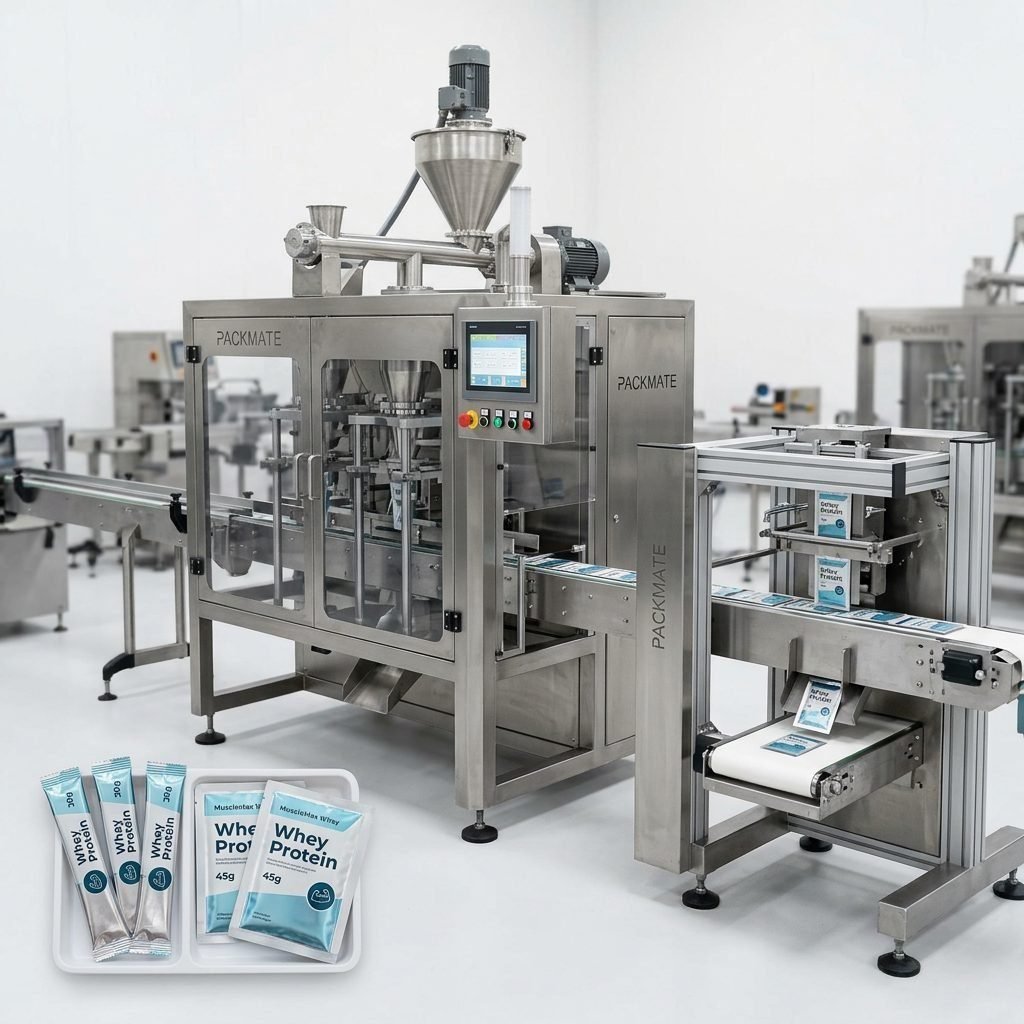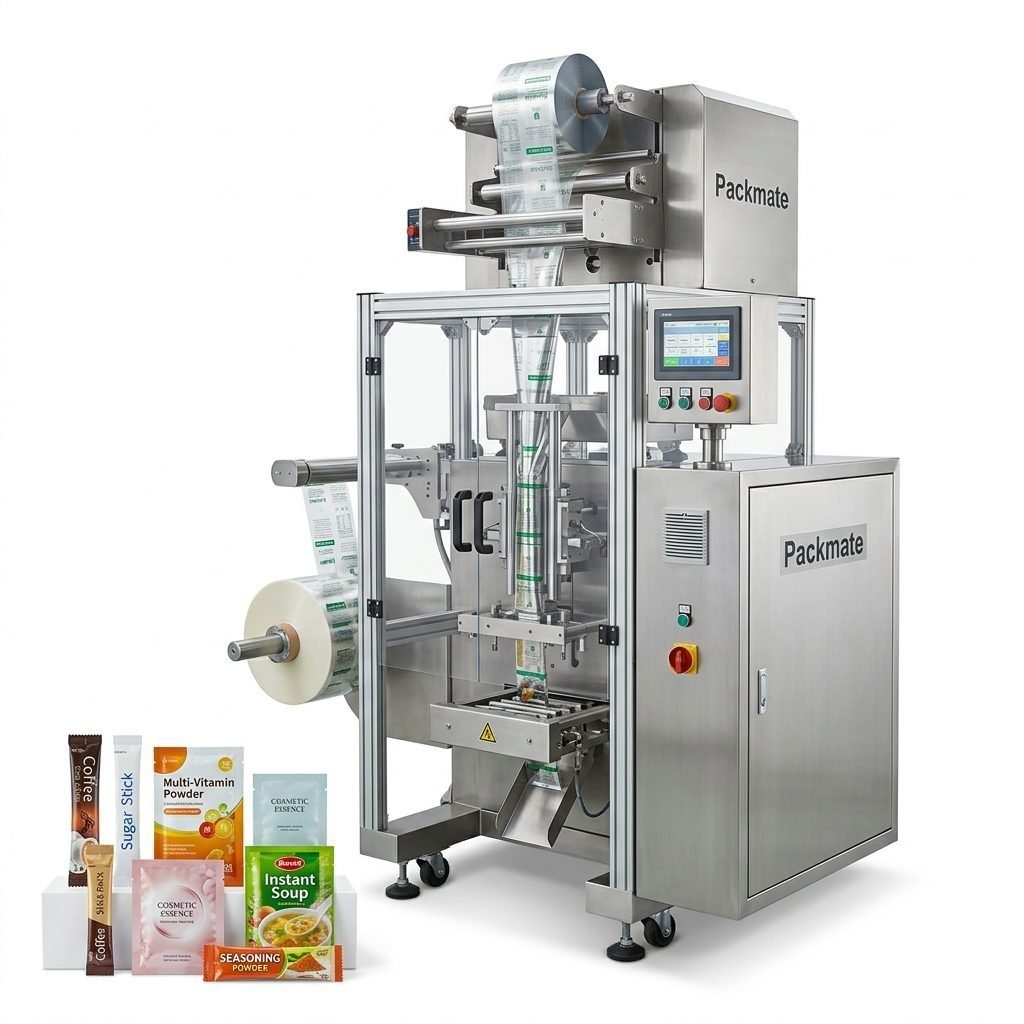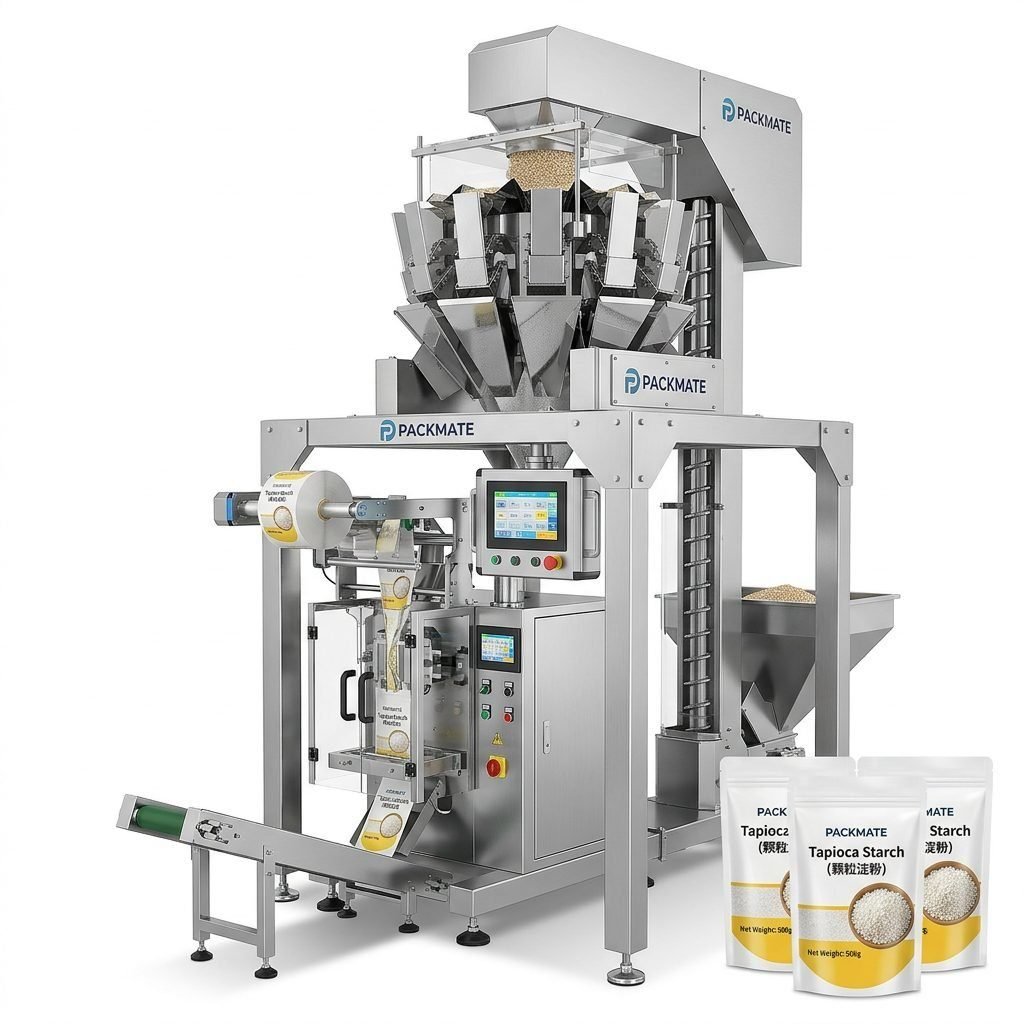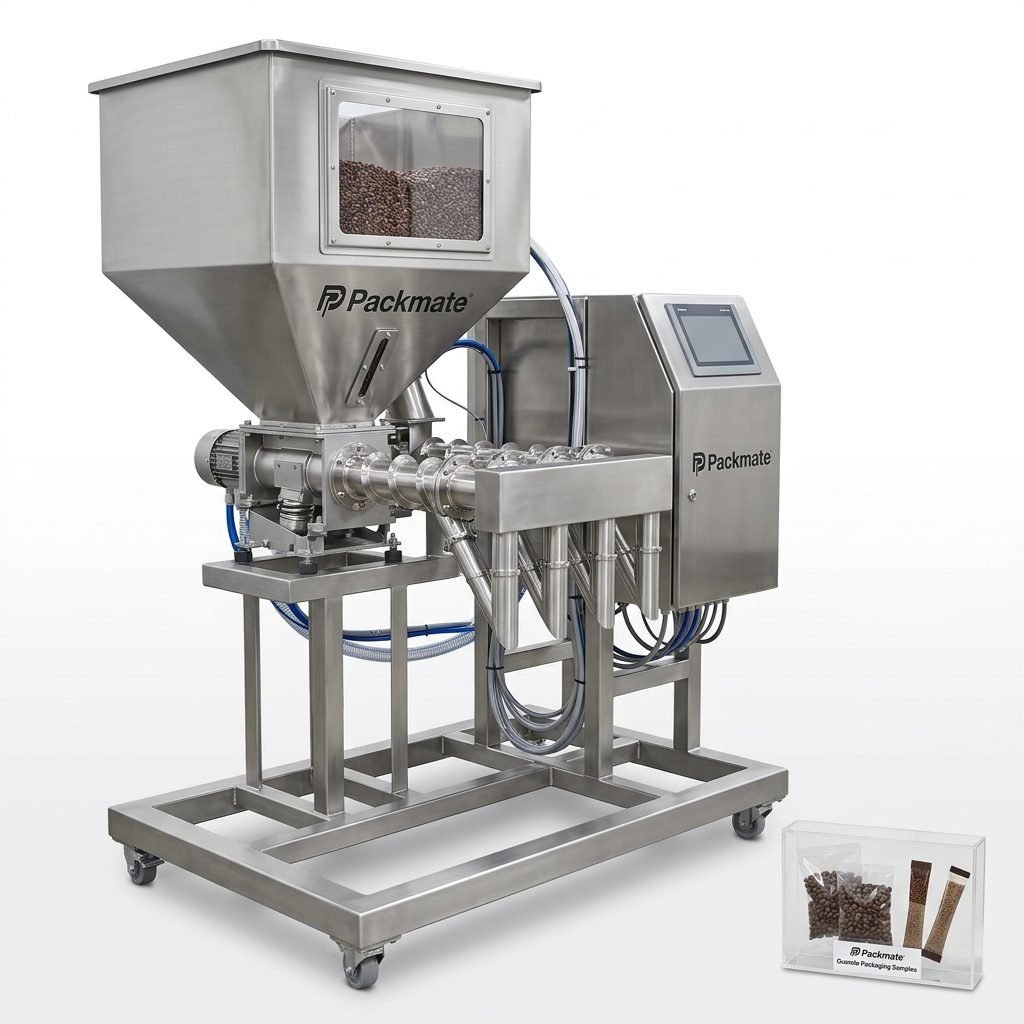
Navigating the world of government packaging equipment requires a keen understanding of both technical solutions and the complex web of regulatory compliance. For industries like food, pharmaceuticals, and health products, the stakes are exceptionally high. Packaging is not merely a final step in production; it is a critical component of product safety, integrity, and consumer trust. This guide delves into the essential considerations for selecting and operating packaging machinery that meets stringent government standards, ensuring your operations are both efficient and fully compliant.
Understanding the Regulatory Landscape
The regulatory environment for packaging, particularly in sensitive sectors, is multifaceted. Agencies such as the FDA (Food and Drug Administration) in the United States, the EMA (European Medicines Agency) in Europe, and similar bodies worldwide set forth rigorous guidelines. These regulations govern everything from the materials that can contact the product (e.g., food-grade, pharmaceutical-grade materials) to machine design principles that prevent contamination and ensure accurate dosing.
Key Point: Non-compliance is not an option. It can lead to severe consequences, including product recalls, hefty fines, legal action, and irreparable damage to your brand’s reputation. Therefore, compliance must be a foundational criterion, not an afterthought, when investing in packaging equipment.
Core Compliance Requirements for Packaging Machinery
When evaluating government packaging equipment, several core compliance areas must be addressed:
- Material Safety: Equipment components that contact the product must be constructed from certified, non-reactive materials like 316L stainless steel or approved plastics. Documentation and material certificates are paramount.
- Hygienic Design: Machinery must be designed for easy cleaning and sanitization, with smooth surfaces, minimal crevices, and protection against lubricant ingress. This is central to preventing microbial growth and cross-contamination.
- Safety Standards: Compliance with international safety standards (e.g., CE, UL) is mandatory. This includes proper guarding, emergency stops, and electrical safety to protect operators.
- Validation and Documentation: For pharmaceutical and high-risk food applications, equipment must support validation protocols (IQ/OQ/PQ). The ability to provide detailed documentation for every process parameter is crucial for audits.
Selecting the Right Government-Compliant Equipment
Choosing the right machinery partner is perhaps the most critical step. Look for a manufacturer with a proven track record in your specific industry. For example, a company like Packmate (GuangDong) Co., Ltd., with over 30 years of expertise in intelligent packaging for food, pharma, and health products, brings inherent value. Their deep understanding of global compliance needs translates into machines built with regulations in mind from the ground up.
Consider the type of packaging operation. Are you filling powders, granules, or liquids? Each has unique compliance challenges. For instance, sachet and stick pack machines used for pharmaceutical powders require exceptional accuracy and dust containment features. Discuss your specific product and regulatory jurisdiction (FDA, EU, etc.) with the equipment supplier to ensure a perfect fit.
The Role of Automation in Compliance
Modern, automated packaging lines are a significant asset for compliance. Automation reduces human intervention, which is a primary vector for contamination. Automated weighing and packaging systems ensure consistent, precise fills every time, directly impacting product safety and meeting strict net content regulations. Furthermore, automated systems provide comprehensive electronic data records, simplifying traceability and audit processes.
Implementation and Ongoing Compliance
Successfully integrating new government packaging equipment involves more than installation. A comprehensive plan should include:
- Staff Training: Operators and maintenance personnel must be thoroughly trained on proper procedures, cleaning protocols, and safety features to maintain the machine’s compliant state.
- Preventive Maintenance: A rigorous preventive maintenance schedule is essential to ensure the equipment continues to operate within its validated parameters. Worn parts can become contamination risks.
- Staying Updated: Regulatory standards evolve. Partner with a supplier that offers ongoing support and can inform you of relevant changes that might affect your packaging line.
Leveraging the after-sales service and expertise of your machinery provider is invaluable for long-term compliance management.
Conclusion: A Strategic Investment
Investing in government-compliant packaging equipment is a strategic decision that safeguards your product, your consumers, and your business. It requires careful planning, a knowledgeable partner, and a commitment to quality at every stage. By prioritizing compliance from the initial selection process through to daily operations, manufacturers can build resilient, trustworthy, and successful production lines capable of meeting today’s and tomorrow’s regulatory demands.
Frequently Asked Questions (FAQs)
1. What is the most important factor when choosing packaging equipment for FDA-regulated products?
The most critical factor is selecting equipment designed and constructed with hygienic design principles and using FDA-compliant materials. The machine must be easily cleanable, prevent contamination, and its supplier should be able to provide all necessary documentation and support for your validation processes.
2. Can I modify a standard packaging machine to make it compliant?
While some retrofitting is possible, it is often complex, costly, and may not be fully accepted by regulatory auditors. It is generally more reliable and cost-effective in the long term to invest in machinery that is designed and built from inception to meet the specific compliance standards of your industry.
3. How does automation help with regulatory compliance?
Automation enhances compliance by minimizing human contact (reducing contamination risk), ensuring unprecedented accuracy and consistency in filling and sealing, and providing detailed, electronic record-keeping for full traceability and simplified auditing.
4. What kind of documentation should I expect from my packaging equipment supplier?
You should receive comprehensive documentation, including: Material Certificates for product-contact parts, Technical Files and manuals, Safety Compliance Certificates (e.g., CE, UL), and support documents for Installation/Operational/Performance Qualification (IQ/OQ/PQ) protocols.