In today’s competitive market, ensuring product integrity from the production line to the consumer’s hands is paramount. Leak-proof packaging is not merely a feature; it’s a critical requirement for maintaining product quality, safety, and brand reputation. This comprehensive guide delves into the essential solutions and equipment necessary for achieving reliable, leak-proof packaging across various industries.
The Critical Importance of Leak-Proof Packaging
A single packaging failure can lead to significant financial losses, product recalls, and damage to consumer trust. For products like food, pharmaceuticals, chemicals, and health supplements, a leak can compromise sterility, potency, and safety. Effective leak-proof packaging acts as a primary barrier against moisture, air, contaminants, and physical damage during handling, storage, and transit.
Key Consideration: The choice of leak-proof solution depends heavily on the product’s physical state—whether it’s a granule, powder, or liquid—as each presents unique challenges for containment and sealing.
Core Components of a Leak-Proof Packaging System
Creating a truly secure package is a multi-faceted process that relies on the synergy between materials, machinery, and process control.
1. Advanced Packaging Materials
The foundation of any leak-proof package is the material. Modern solutions often use multi-layer laminates that combine the strengths of different polymers, foils, and papers. These laminates provide excellent barrier properties against gases and vapors while offering the necessary strength and sealability. The choice of material must align with the machinery’s capabilities to form a perfect, consistent seal.
2. Precision Sealing Technology
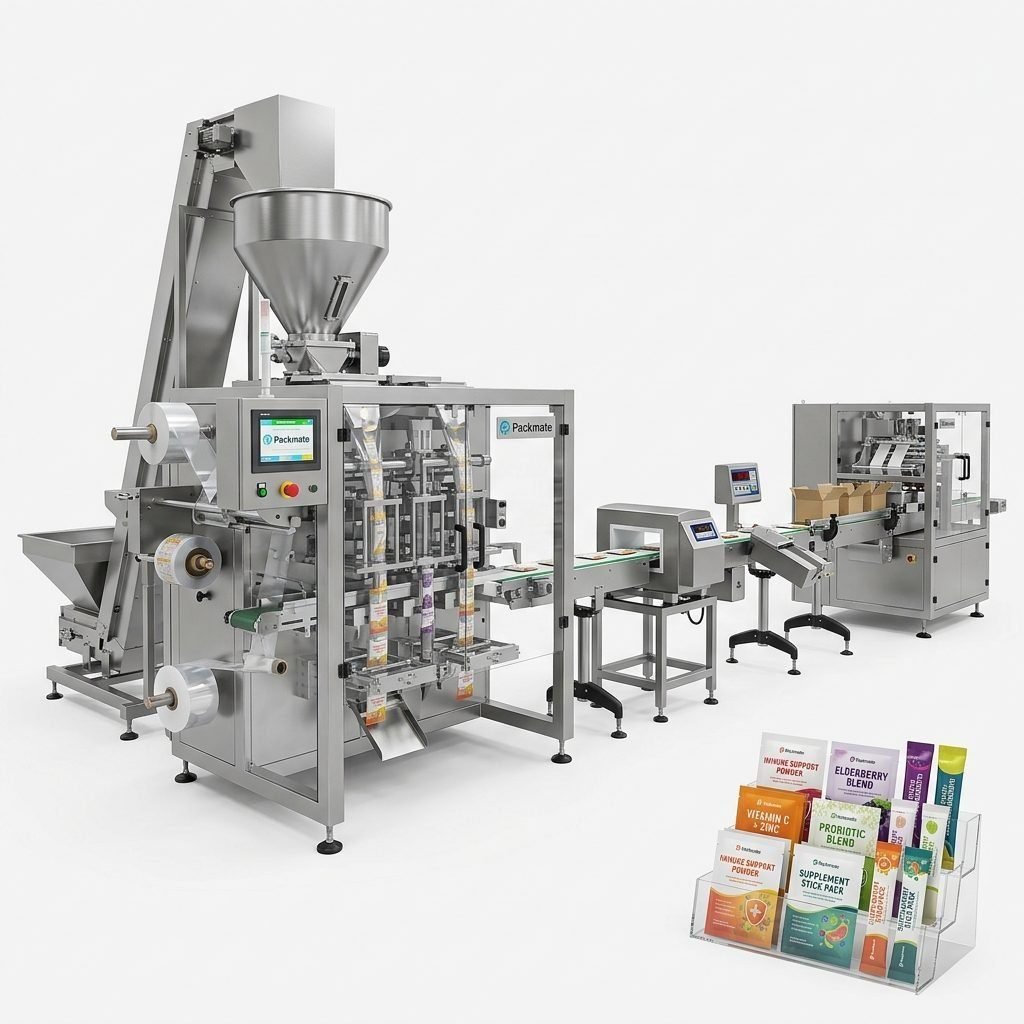
The seal is the most vulnerable point in any flexible package. Consistent, high-integrity seals are achieved through precise control of temperature, pressure, and dwell time during the sealing process. Modern sachet and stick pack machines utilize advanced heat-sealing jaws with even temperature distribution and sophisticated servo-driven mechanisms to ensure every seal is uniform and robust, leaving no weak points for leaks to develop.
3. Integrated Filling and Handling
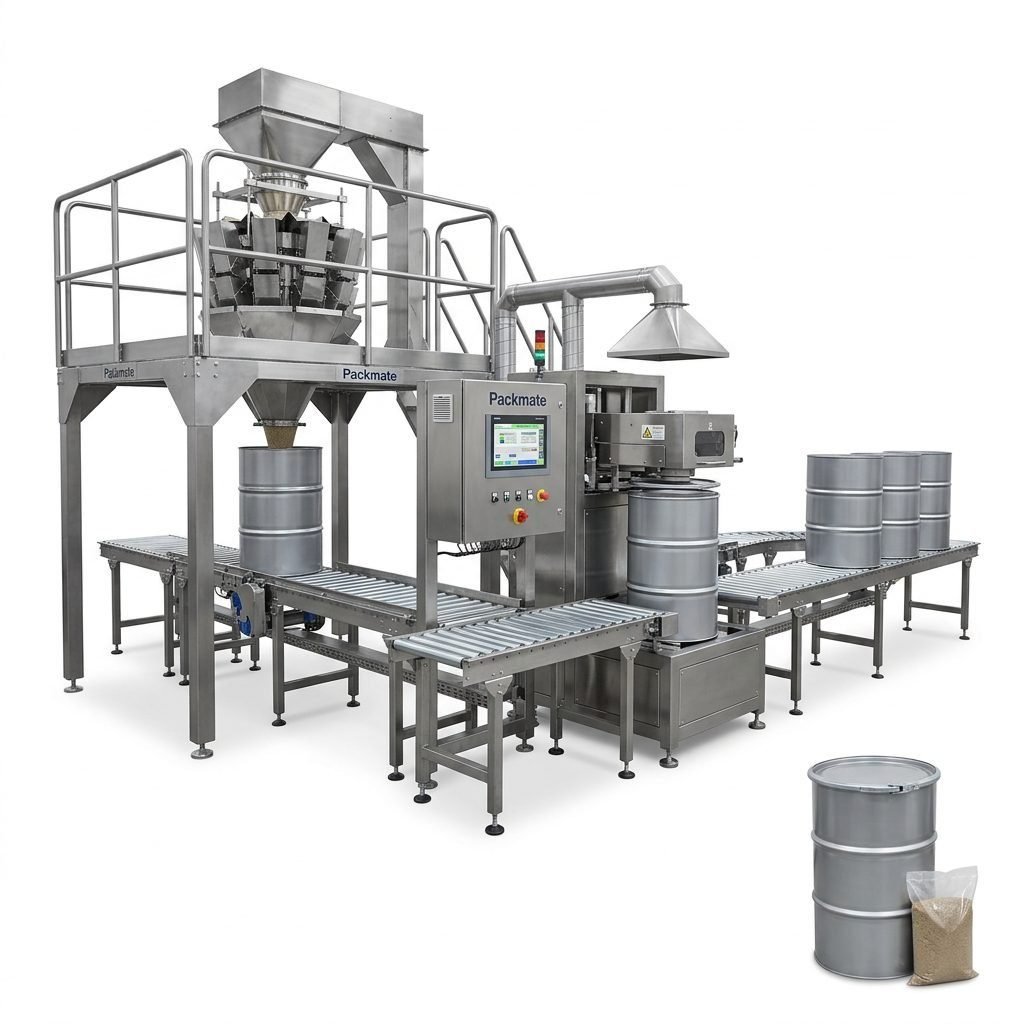
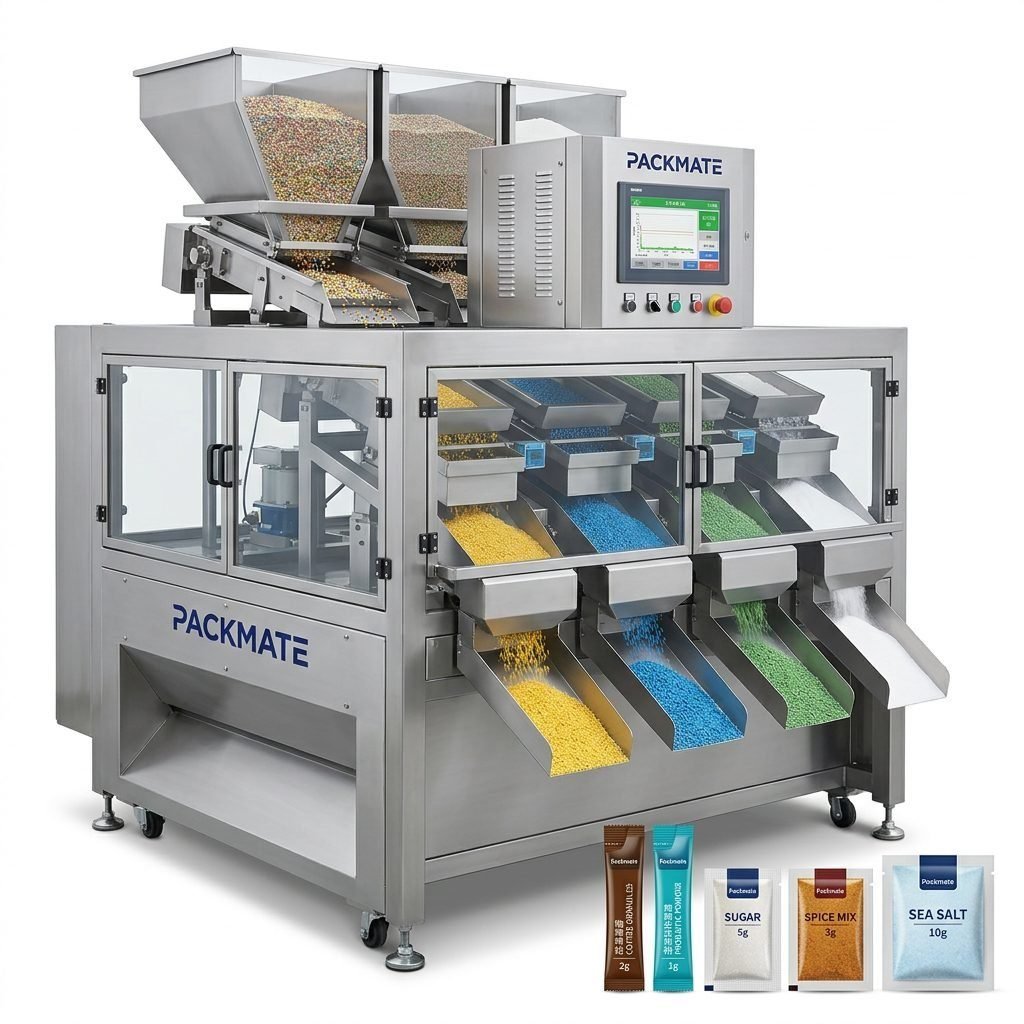
Leaks can originate not just from seals but from improper filling. Powder and granular products can contaminate the sealing area, preventing a clean seal. Liquid filling requires precise volumetric or weight control to avoid overfilling, which stresses the seals. Integrated filling and packaging lines are designed to handle products gently and place them accurately within the packaging material, keeping the sealing zones pristine.
Essential Equipment for Leak-Proof Operations
Investing in the right equipment is the most decisive step toward achieving leak-proof packaging. The machinery must be reliable, precise, and adaptable to your specific product needs.
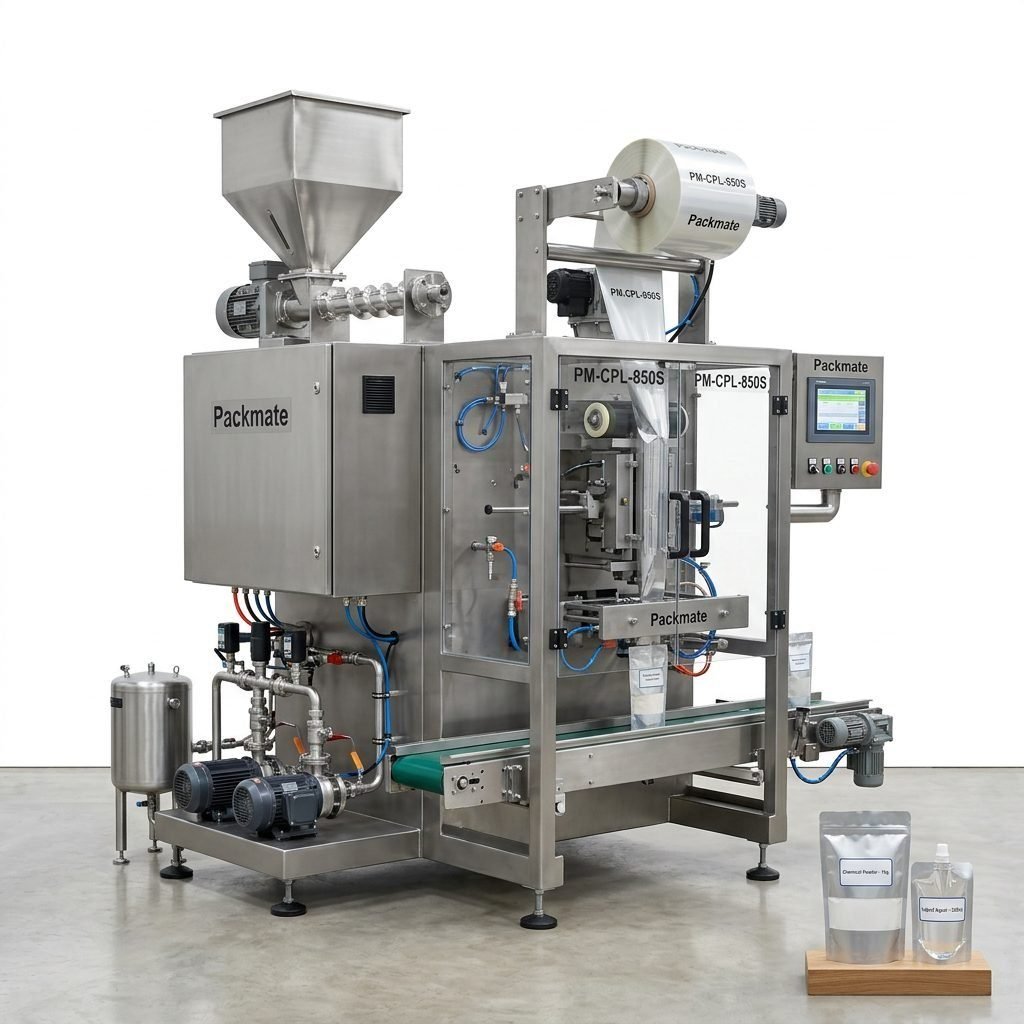
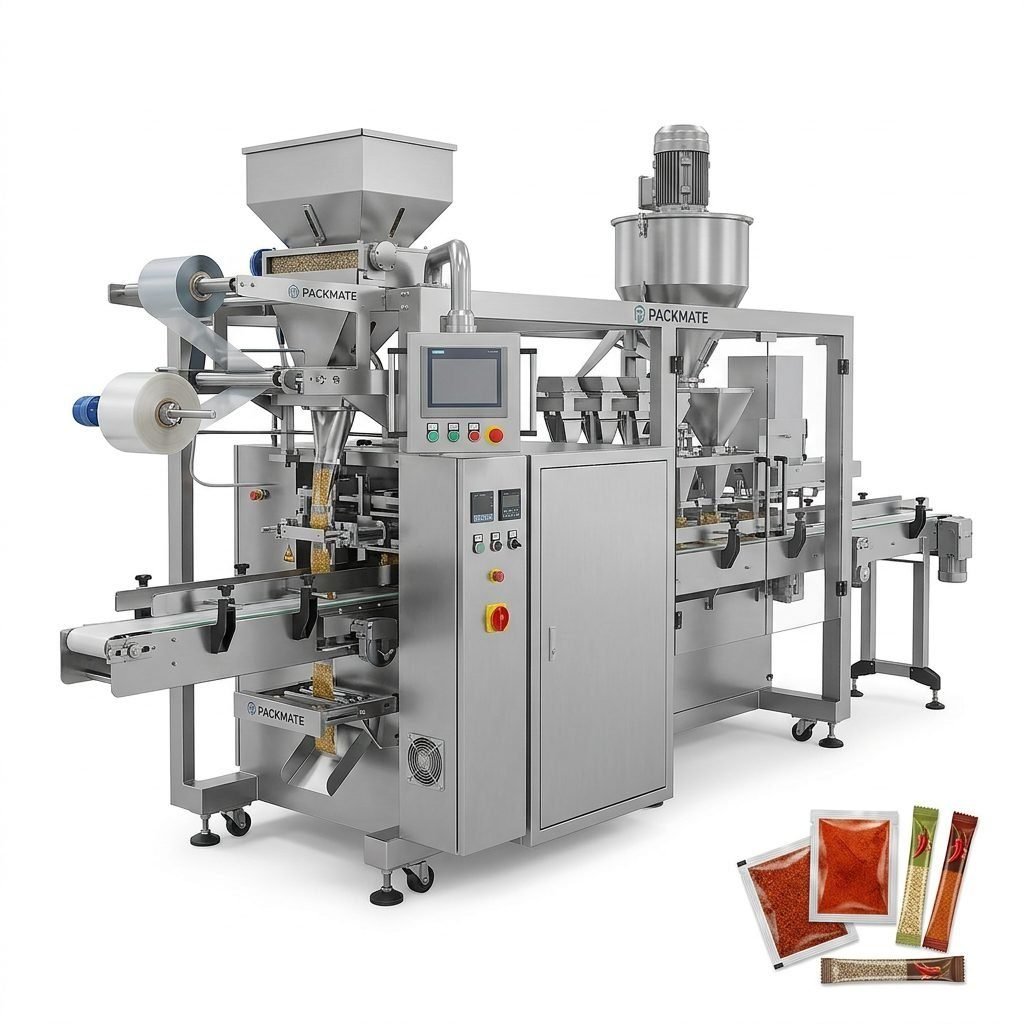
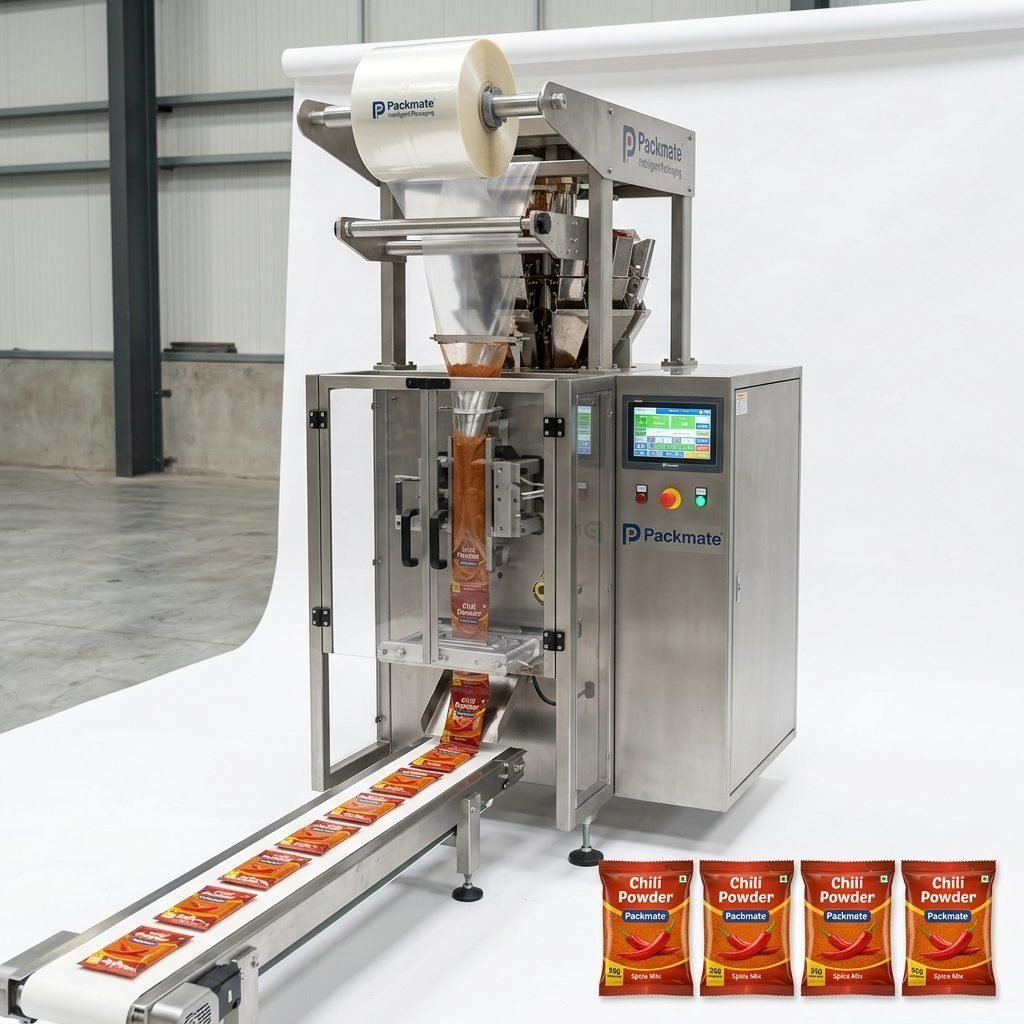
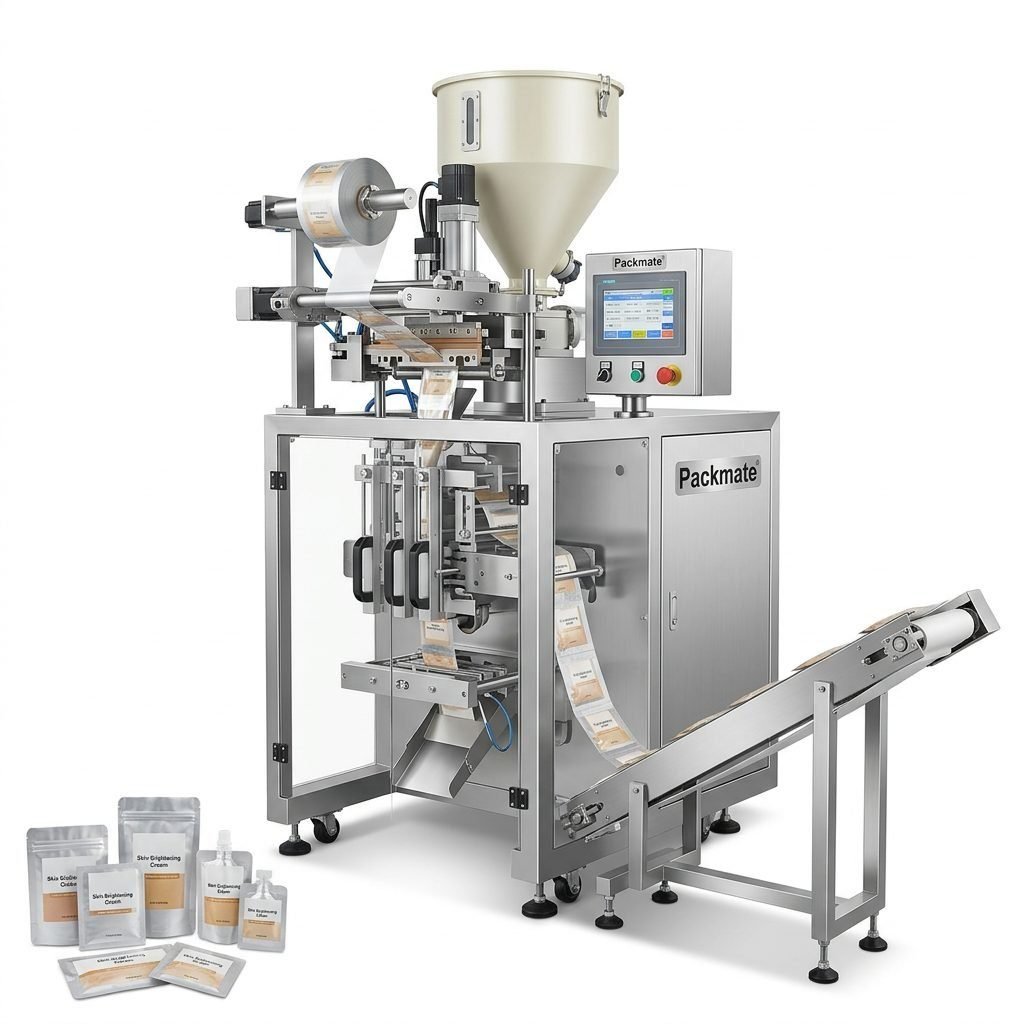
Vertical Form-Fill-Seal (VFFS) Machines
These versatile workhorses form bags from a roll of film, fill them with product, and seal them in a continuous operation. For leak-proof performance, look for models with:
- Dual-lane or multi-lane sealing systems for enhanced seal integrity and speed.
- Precision weighing systems to ensure accurate fill weight without spillage.
- Programmable logic controllers (PLCs) for consistent control over all sealing parameters.
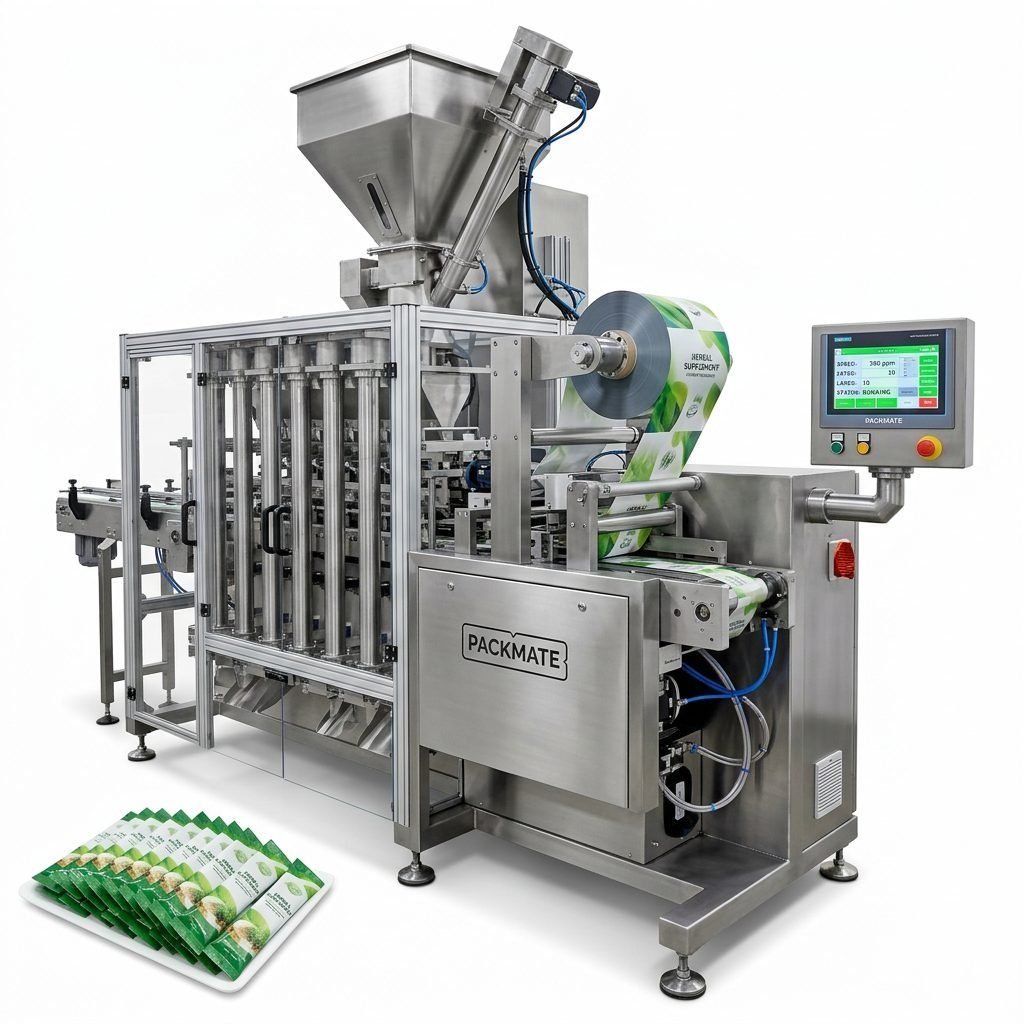
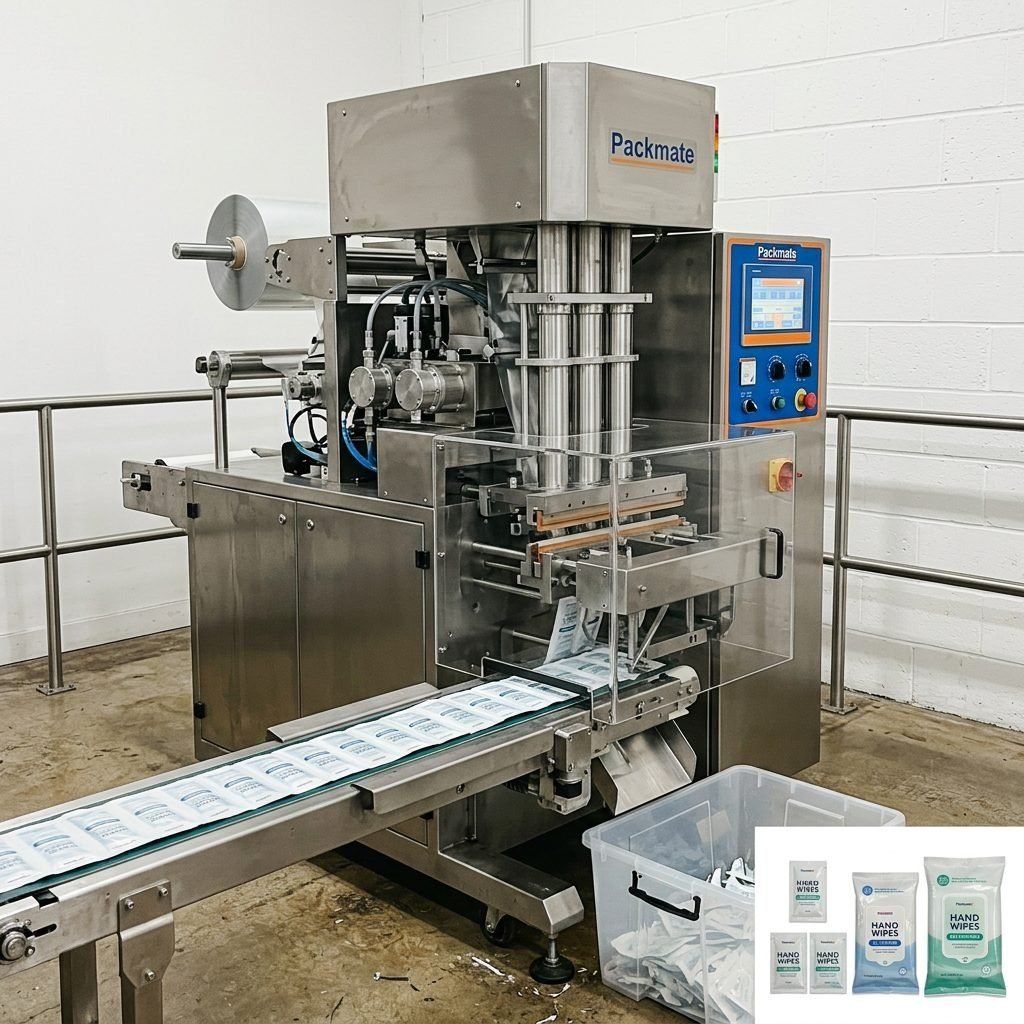
Stick Pack and Sachet Packaging Machines
Ideal for single-serve portions of powders, liquids, and gels, these machines create sleek, durable packs. Leak-proofing is achieved through:
Four-side sealing technology that encloses the product completely within the seal perimeter, offering superior protection compared to three-side seals. High-quality machines provide impeccable seal consistency across thousands of cycles per hour, which is crucial for products like pharmaceuticals or high-value food additives.
Auxiliary and Quality Control Equipment
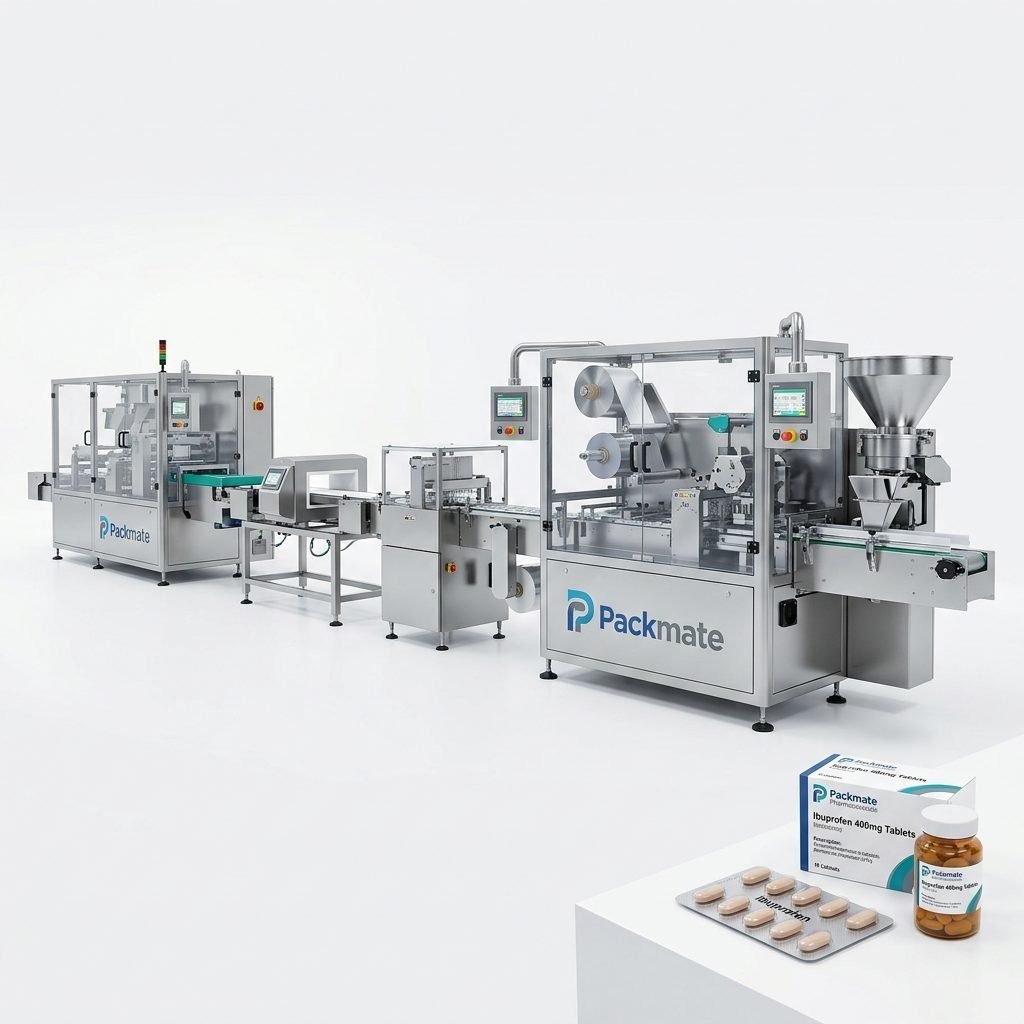
No system is complete without support equipment. Auxiliary packaging equipment like checkweighers and metal detectors ensure no faulty pack leaves the line. Furthermore, implementing inline vision inspection systems can automatically detect seal defects, wrinkles, or contamination in the sealing area, providing a final, critical layer of quality assurance.
Implementing Your Leak-Proof Solution: A Strategic Approach
Success requires more than just buying a machine. It involves a holistic strategy centered on partnership, testing, and continuous improvement.
Partnering with an Experienced Manufacturer: The complexity of leak-proof packaging makes the choice of equipment supplier critical. A partner with deep application knowledge, like Packmate Machinery, brings invaluable expertise. With over 30 years of experience specializing in packaging for granules, powders, and liquids, they understand the nuances of creating a reliable seal for different product types. Their 20,000㎡ modern facility allows for rigorous testing of your specific product on their equipment before purchase, de-risking your investment.
Prototyping and Testing: Always conduct thorough production trials. Test the packaged product under simulated transport and storage conditions (vibration, temperature changes, pressure) to validate the package’s integrity. This step is non-negotiable for mission-critical applications.
Training and Maintenance: Even the best equipment can fail without proper operation and upkeep. Ensure your team is thoroughly trained on machine operation, routine maintenance, and seal quality inspection. A well-maintained machine sustains the precision necessary for leak-proof performance over its entire lifespan.
Conclusion: Securing Your Product’s Journey
Leak-proof packaging is an achievable goal that pays dividends in customer satisfaction, reduced waste, and protected brand equity. It is built on a triad of suitable materials, precision engineering, and strategic implementation. By investing in robust equipment from a proven partner and adopting a meticulous approach to process control, businesses can confidently deliver their products in perfect condition, every time. For a comprehensive look at reliable packaging solutions, explore the full range of packing machines available to meet your specific needs.
Frequently Asked Questions (FAQs)
1. What are the most common causes of packaging leaks?
The primary causes are inconsistent or weak heat seals (due to incorrect temperature/pressure), contamination of the sealing area by product dust or drips, using packaging film that is incompatible with the sealing method, and physical damage to the package after sealing due to sharp edges or rough handling.
2. How can I test if my packaging is truly leak-proof?
Beyond visual inspection, common methods include vacuum decay testing, bubble emission testing (submerging packages in water under pressure), and dye penetration testing. For rigorous validation, especially in pharmaceuticals, methods like helium leak testing are used to detect extremely small leaks.
3. My product is a fine powder. What special considerations are needed?
Fine powders are challenging as dust can easily contaminate the seal area. Solutions include using machines with effective dust extraction systems, designing the bag with a longer seal bar to create a wider, cleaner sealing zone, and potentially using notched sealing jaws to help contain the powder during the sealing process.
4. Can existing packaging machinery be upgraded for better leak-proof performance?
Yes, in many cases. Upgrades can include retrofitting with newer, more precise sealing jaws, adding automatic vision inspection systems for seal quality control, integrating better filling nozzles to reduce product spillage, and updating the control system for more accurate parameter management. It’s best to consult with your machine manufacturer or a specialist like Packmate for an assessment.
5. What is the role of packaging film in preventing leaks?
The film is the first line of defense. It must have high barrier properties (low moisture and oxygen transmission rates) and excellent hot tack strength—the ability of the seal to hold firmly while still hot and under stress. The film’s composition must be perfectly matched to your product and the machine’s sealing technology to achieve optimal results.