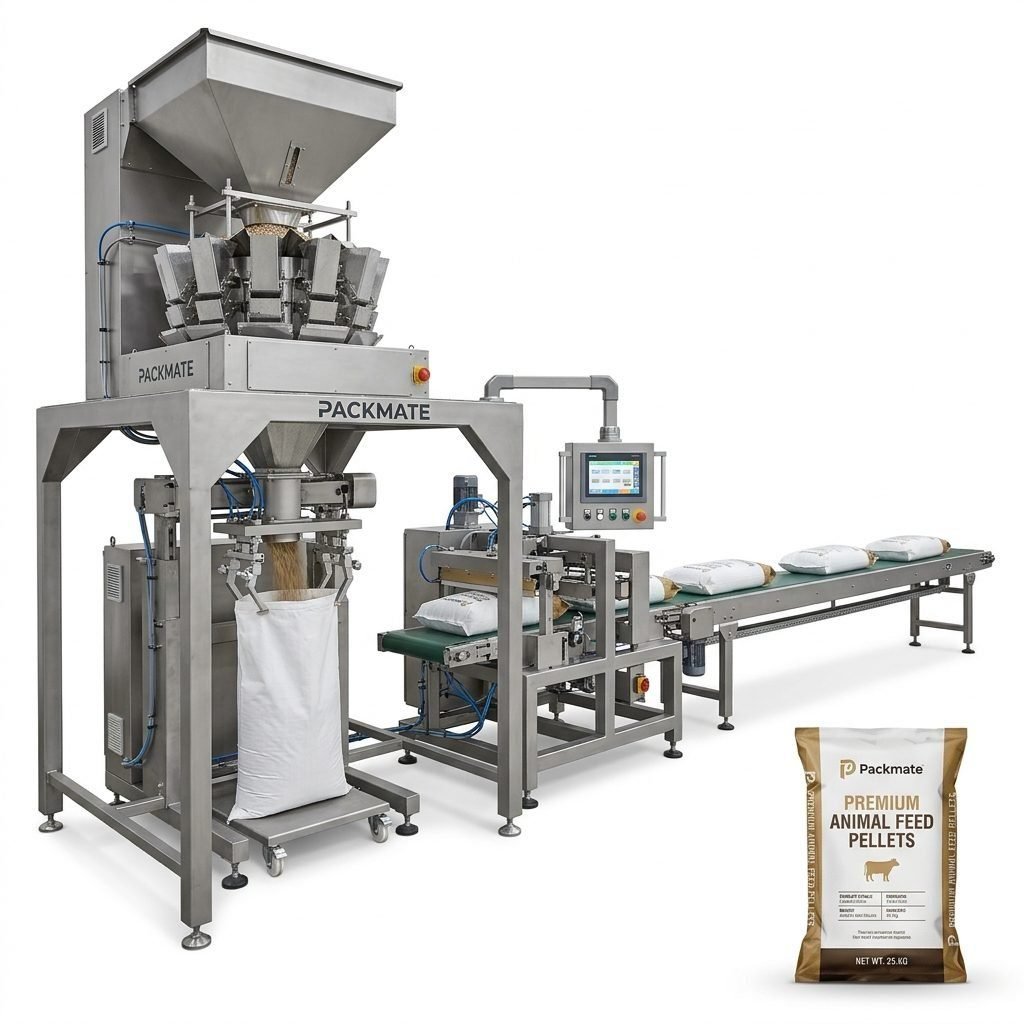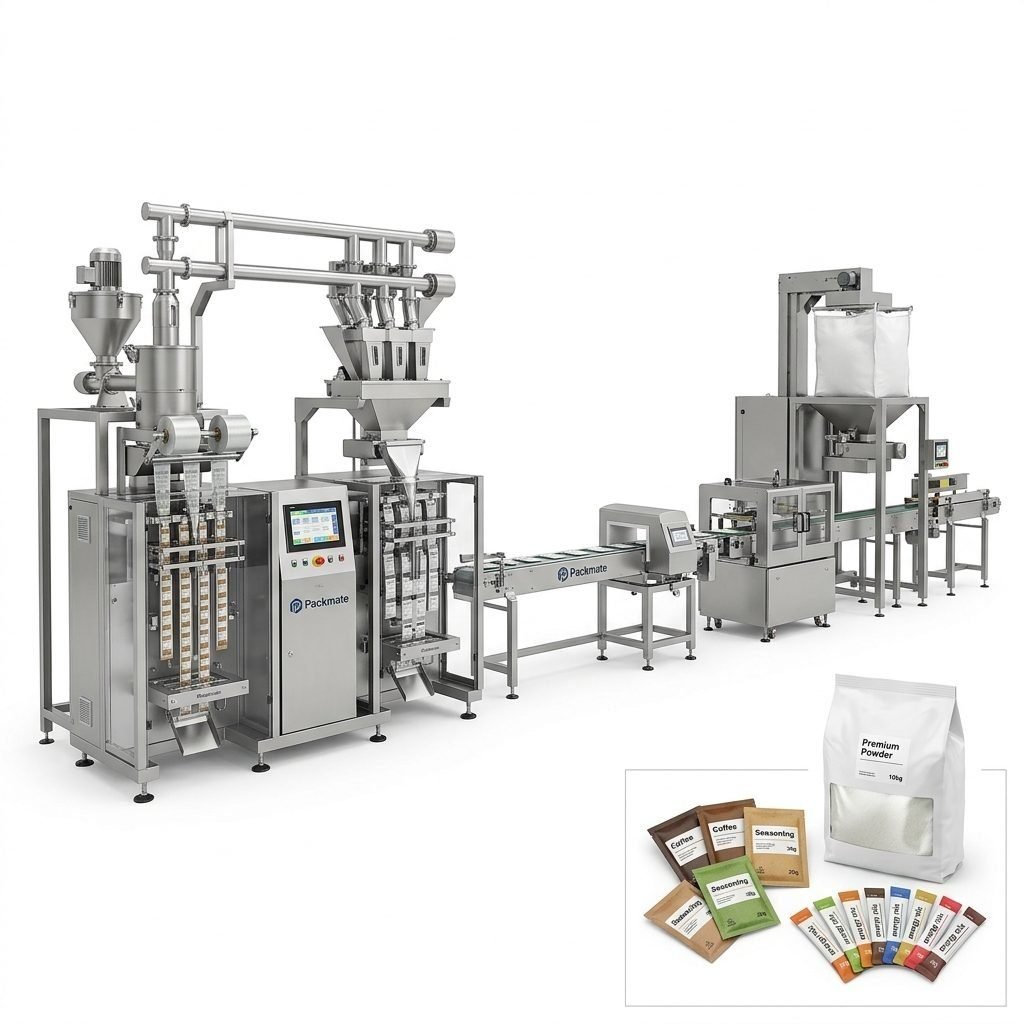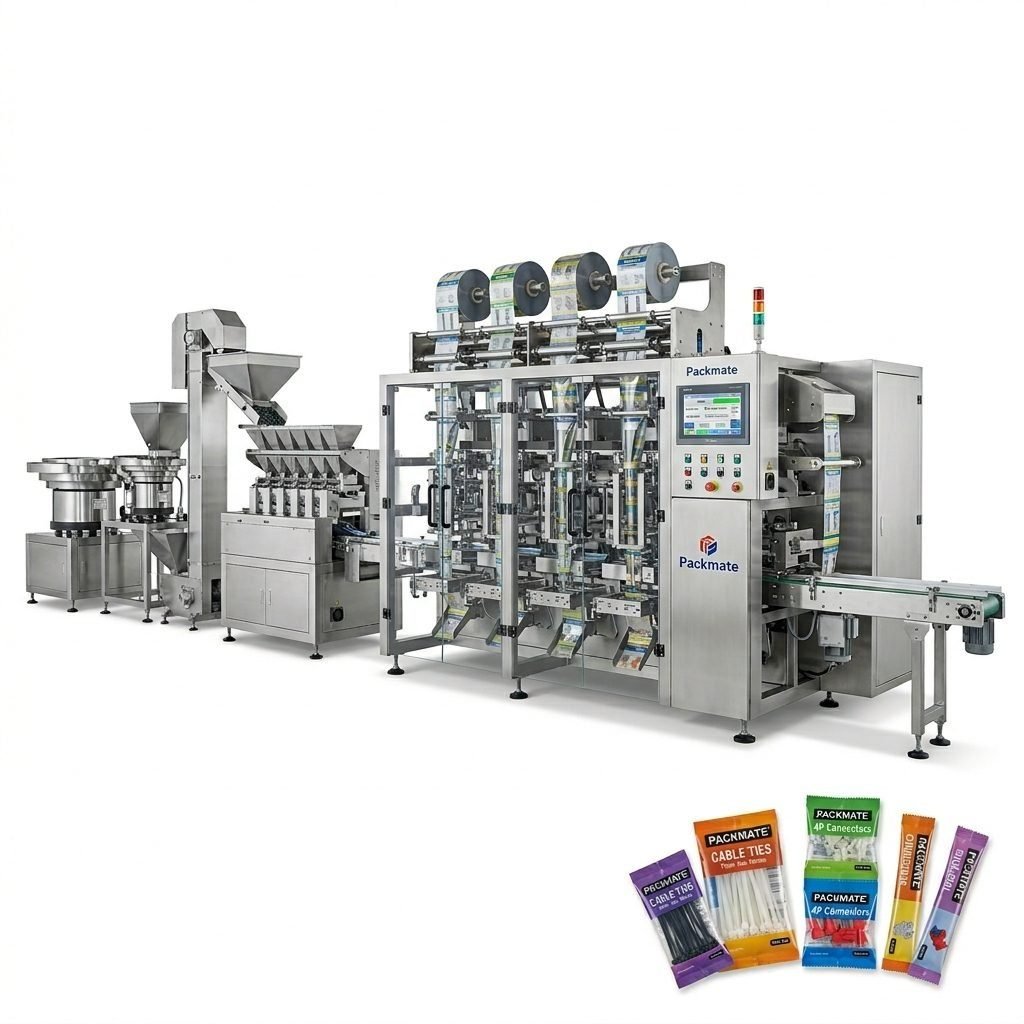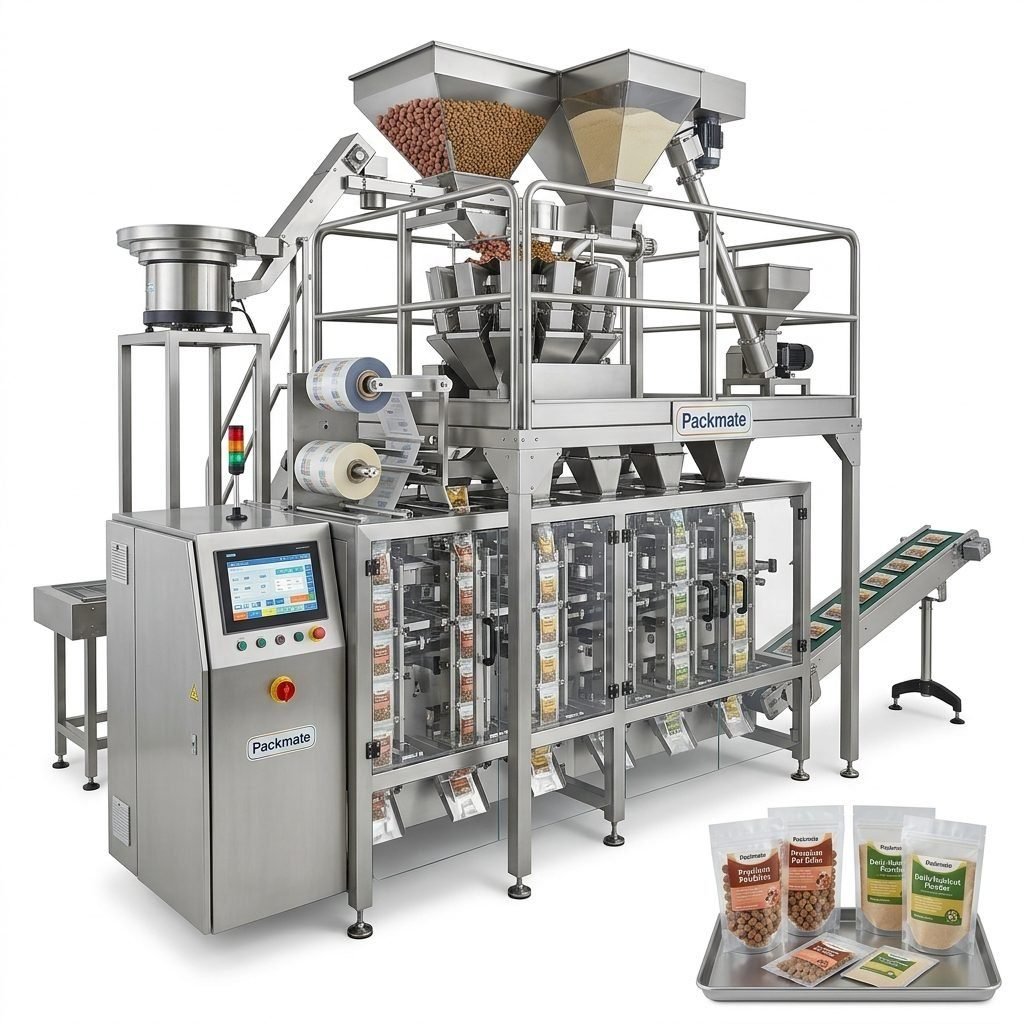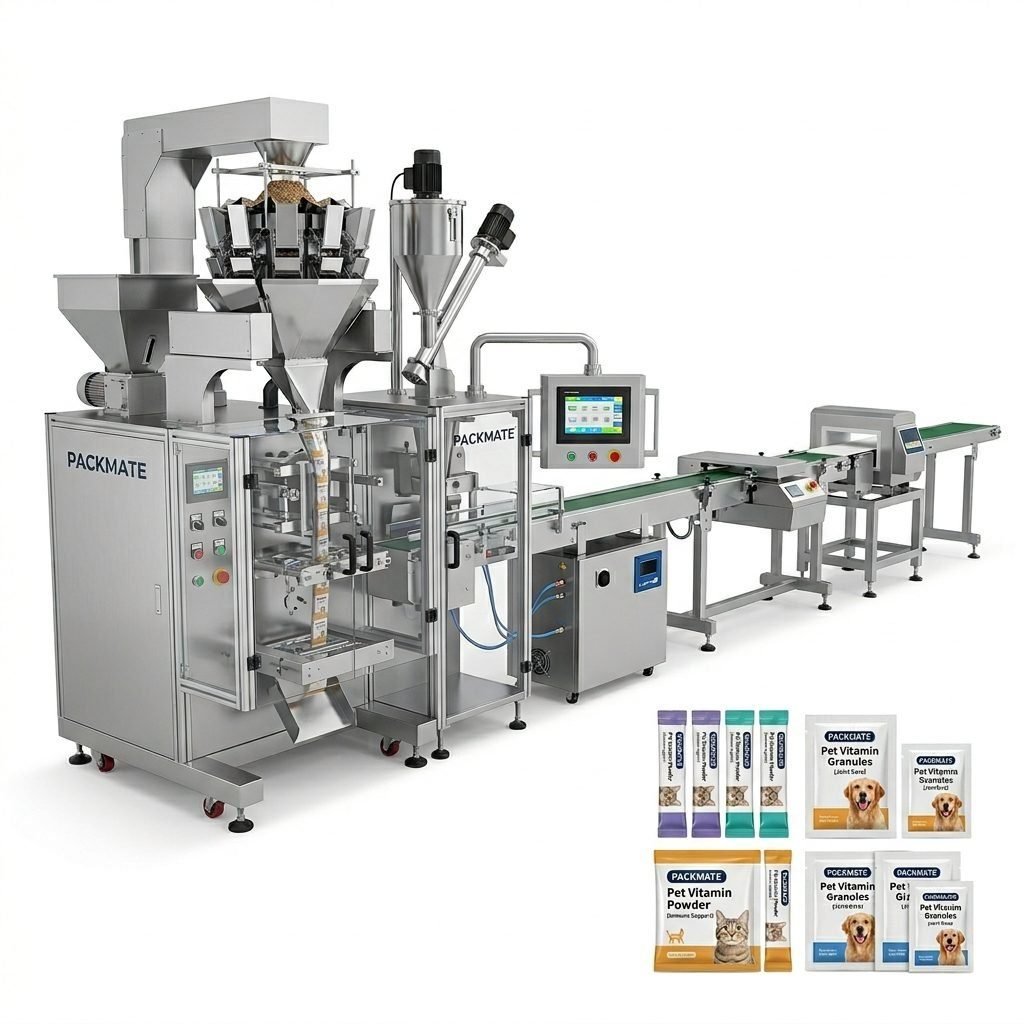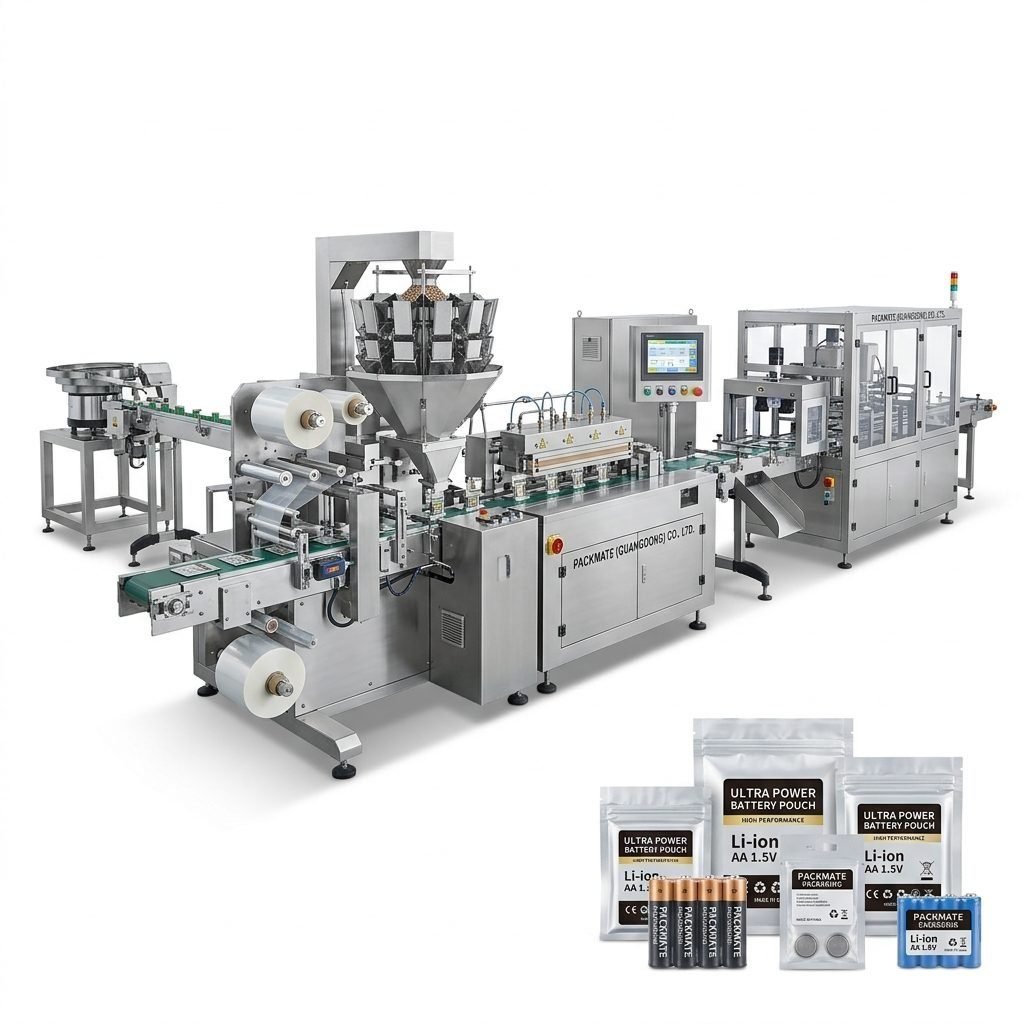
In the fast-paced world of manufacturing, the final stage of packaging—end of line—is where efficiency, reliability, and speed converge to protect your product and prepare it for the market. End of line packaging machinery encompasses the automated systems that handle tasks after primary packaging, such as cartoning, case packing, palletizing, and labeling. This complete guide delves into the critical aspects of these systems, exploring how they drive operational efficiency, reduce costs, and ensure consistent output for industries ranging from food and pharmaceuticals to consumer goods.
The Core Components of an End of Line System
An efficient end of line setup is not a single machine but a synchronized orchestra of equipment. Understanding each component’s role is the first step toward optimization.
Cartoners: These machines erect, load, and seal cartons. Speed and flexibility to handle different carton sizes are key for adapting to various product lines.
Case Packers: They automatically place primary packages (bottles, pouches, boxes) into shipping cases. Top-loading and side-loading are common variants, chosen based on product fragility and speed requirements.
Palletizers: Arranging and stacking filled cases onto pallets for storage and shipment. Robotic palletizers offer incredible flexibility for mixed pallet builds, while conventional layer palletizers excel at high-speed, uniform stacking.
Labeling & Coding Systems: Applying shipping labels, barcodes, expiry dates, and batch codes is crucial for traceability and compliance. Integration with Warehouse Management Systems (WMS) is often essential.
Conveyance & Integration: The network of conveyors, sorters, and sensors that connects all components. This is the circulatory system of the line, and its smooth operation is non-negotiable for overall efficiency.
Key Metrics for Measuring End of Line Efficiency
To improve, you must measure. Several critical metrics define the performance of your end of line packaging machinery:
Overall Equipment Effectiveness (OEE): The gold standard, combining availability, performance, and quality rates. A high OEE indicates a line that runs consistently, fast, and with minimal waste.
Line Speed (Units/Minute): The raw output rate. It must be balanced with upstream processes to avoid bottlenecks or starvation.
Changeover Time: The time lost when switching between different products or package sizes. Reducing this through quick-change mechanisms and smart design is a direct path to higher productivity.
Packaging Material Waste: Misformed cartons, misapplied labels, and case packing errors contribute to cost. Efficient machines minimize this through precision and self-correction.
Strategies for Maximizing Efficiency and ROI
Investing in end of line machinery is significant. Here’s how to ensure you get the maximum return through strategic planning and operation.
1. Prioritize Flexibility and Scalability
The market demands variety. Machinery that can handle multiple carton sizes, case patterns, and pallet configurations with minimal manual intervention future-proofs your investment. Modular systems that allow you to add capabilities (like a checkweigher or vision inspection system) as needs grow are ideal.
2. Embrace Smart Technology and IoT
Modern end of line systems are data hubs. Machines equipped with PLCs, HMIs, and IoT sensors provide real-time data on speed, downtime, and maintenance needs. This predictive data allows for proactive maintenance, reducing unplanned stoppages and allowing for data-driven decisions to optimize the entire workflow.
3. Ensure Seamless Upstream Integration
An end of line is only as good as its connection to the filling and primary packaging stages. Close collaboration with your filling line supplier or ensuring communication protocols (like OPC UA) are compatible prevents synchronization issues. A holistic view of the packaging process is critical.
4. Focus on Operator Experience and Safety
Efficiency isn’t just about machine speed. An intuitive human-machine interface (HMI), easy access for cleaning, and clear safety guarding reduce operator error and downtime. Well-trained operators who understand the system can quickly resolve minor faults and perform efficient changeovers.
The Packmate Advantage: Engineering Efficiency from Experience
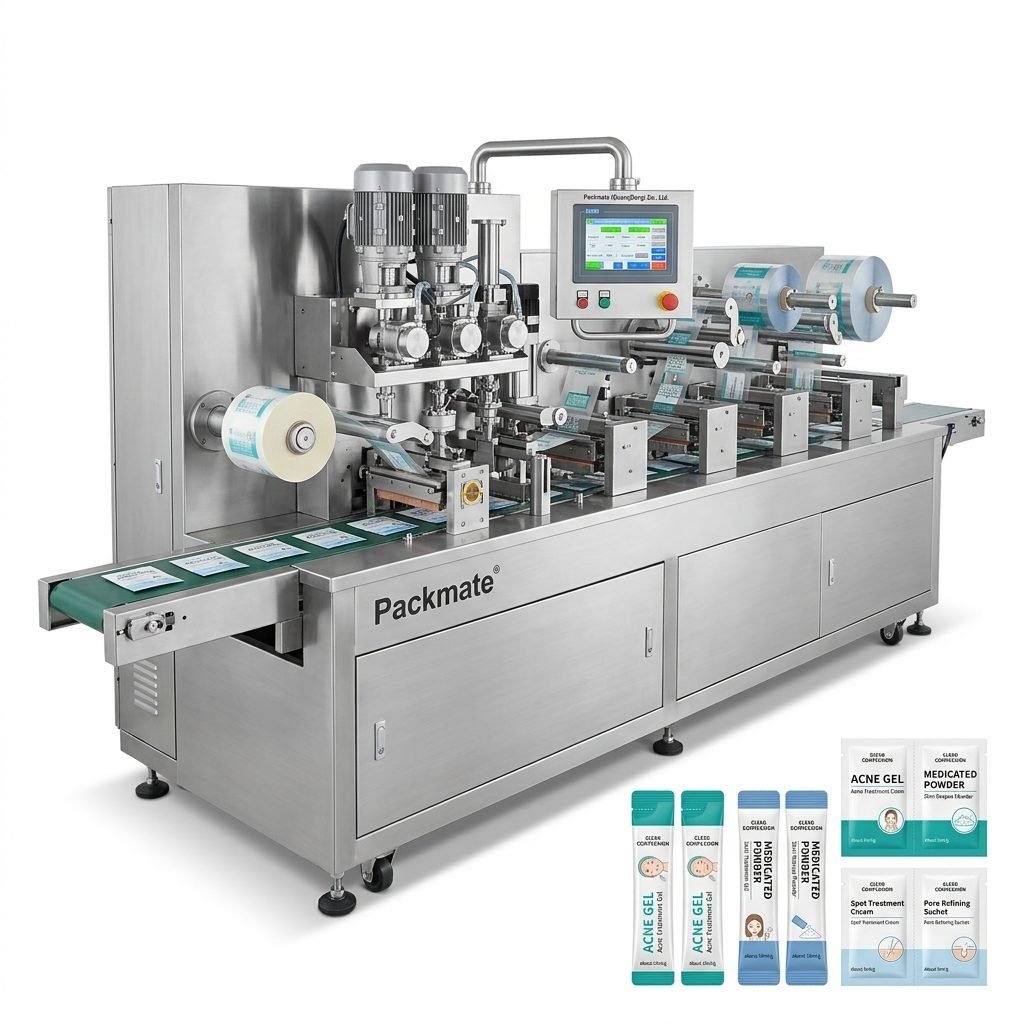
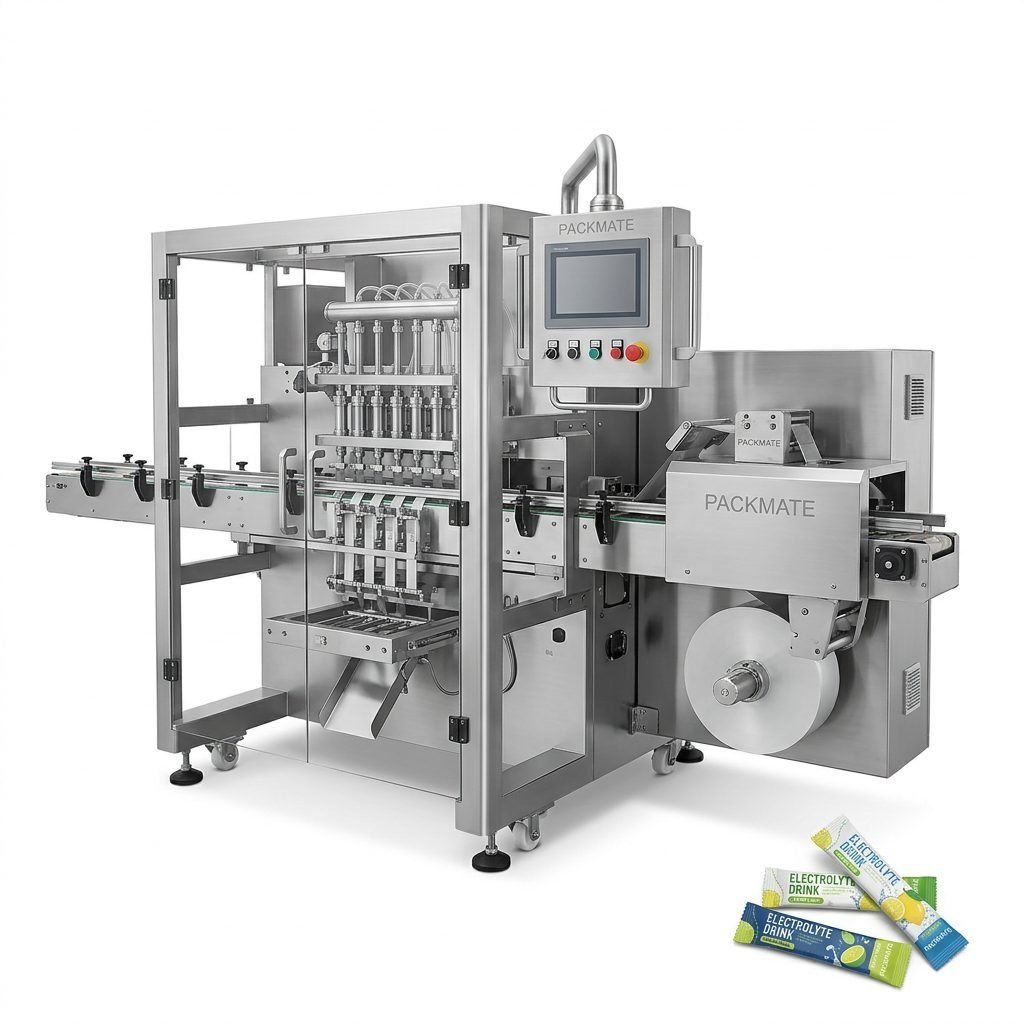
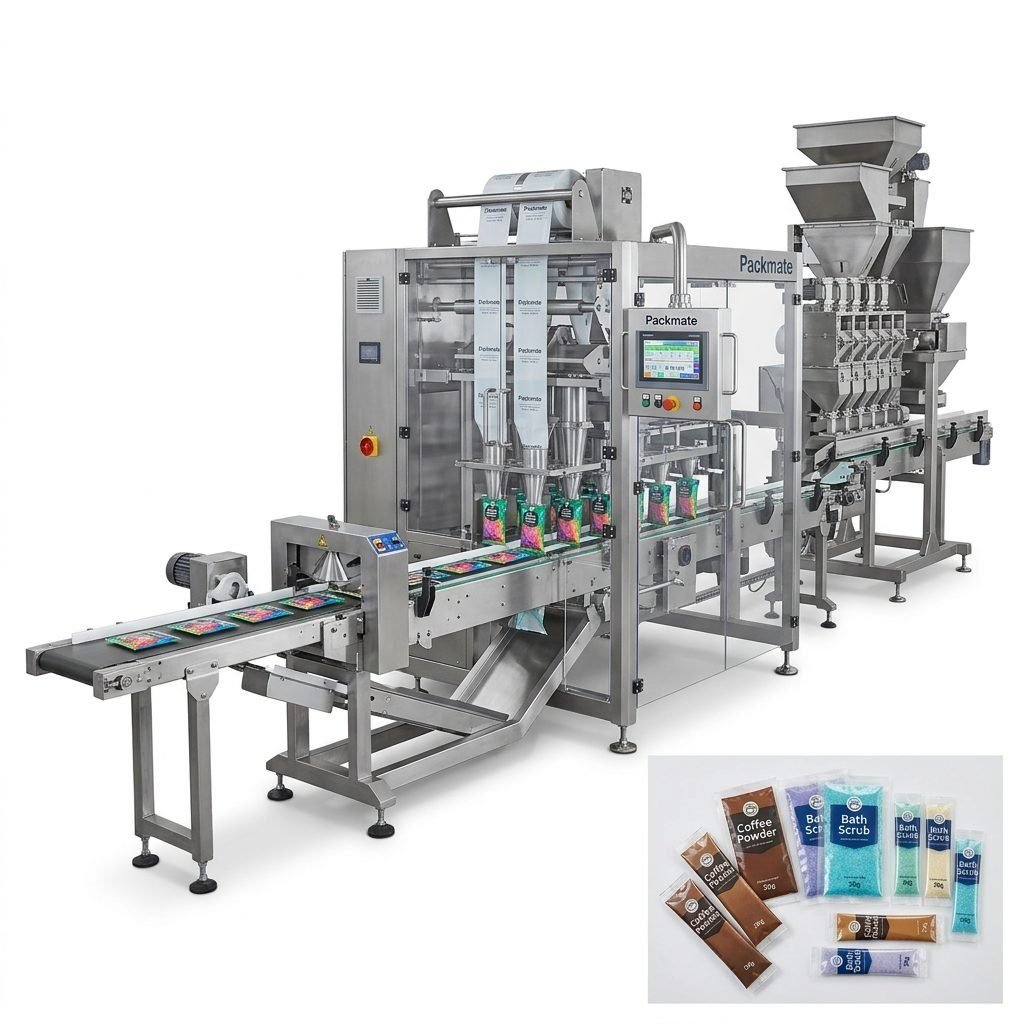
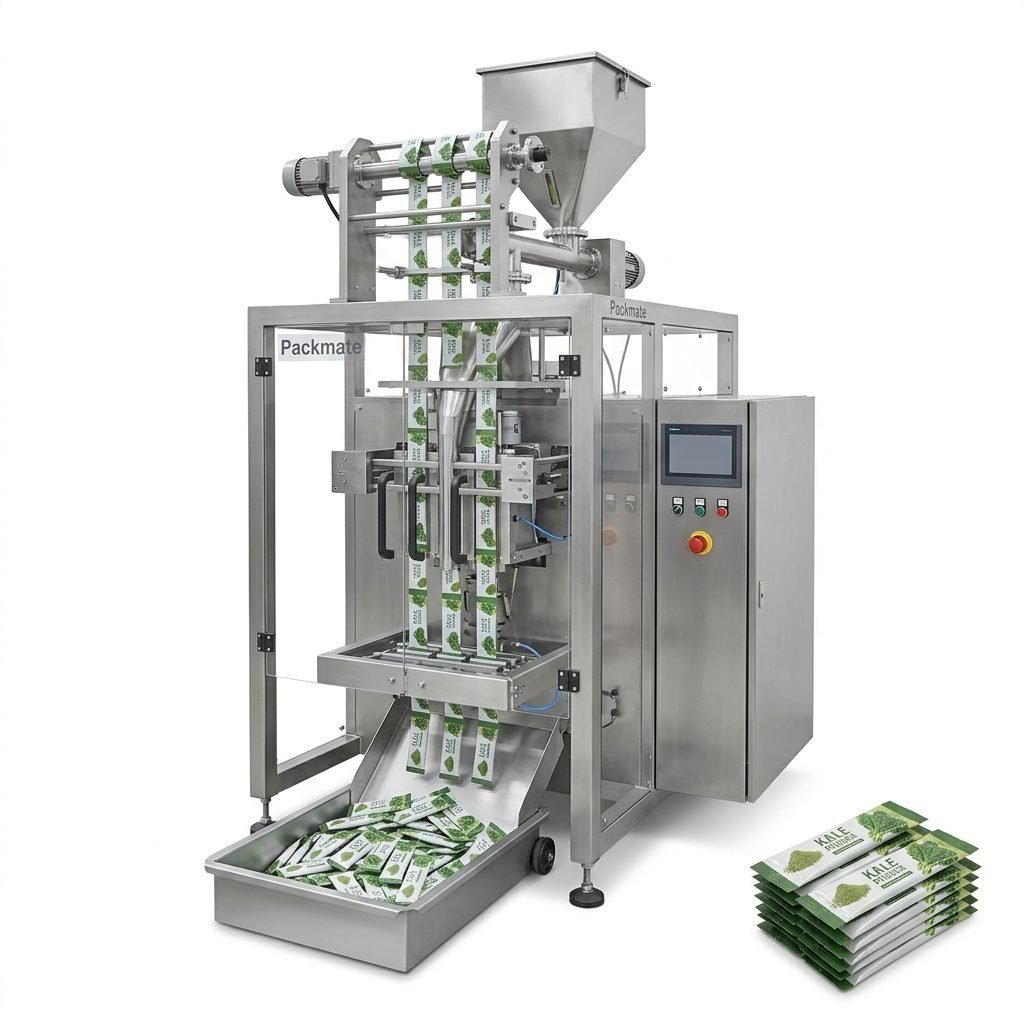
With over 22 years of company development and a 20,000㎡ modern manufacturing facility, Packmate Machinery understands that true efficiency is built on reliability and innovation. While renowned for primary packaging solutions like sachet and stick pack machines, our expertise encompasses the integrated flow of materials. We design our core packaging equipment with the end goal in mind—ensuring it interfaces smoothly with downstream cartoning and case packing systems.
Our philosophy is rooted in providing complete turnkey packaging solutions. This means we consider how the primary pouch filler will feed the cartoner, or how the batch data from a powder filling line will communicate with the labeling system. This systems-level approach, honed by a professional team of over 125 members, eliminates integration headaches and creates a seamless, efficient pipeline from product to pallet.
Common Questions About End of Line Packaging Machinery
Q1: How do I know if my facility needs automated end of line machinery?
A: Key indicators include high labor costs for manual packing, frequent bottlenecks after primary packaging, increased order volumes or SKU variety, consistency errors in manual packing, and challenges in meeting traceability requirements. An audit of your current post-packaging process can reveal these pain points.
Q2: What is the typical payback period for such an investment?
A: Payback periods vary but often range from 1 to 3 years. This is achieved through direct labor savings, reduced material waste, higher throughput, and lower costs from product damage. A detailed ROI analysis based on your specific throughput and labor rates is essential.
Q3: Can automated systems handle frequent product changeovers?
A> Yes, modern systems are designed for flexibility. Look for features like recipe management on the HMI (where settings for each product are saved), quick-change parts for carton sizes, and robotic systems that can be reprogrammed for new patterns. This minimizes downtime during changeovers.
Q4: How important is after-sales service and support?
A> It is critically important. Complex machinery requires reliable technical support, access to spare parts, and operator training. Choosing a manufacturer like Packmate with a strong global service network ensures your line maintains its efficiency over its entire lifespan, maximizing your investment.
Q5: We have limited floor space. Are compact solutions available?
A> Absolutely. Many manufacturers offer space-saving designs, such as vertical cartoners, right-angle conveyors, and compact robotic cells that optimize the footprint. Discussing your spatial constraints early in the planning phase is key to finding a suitable layout.