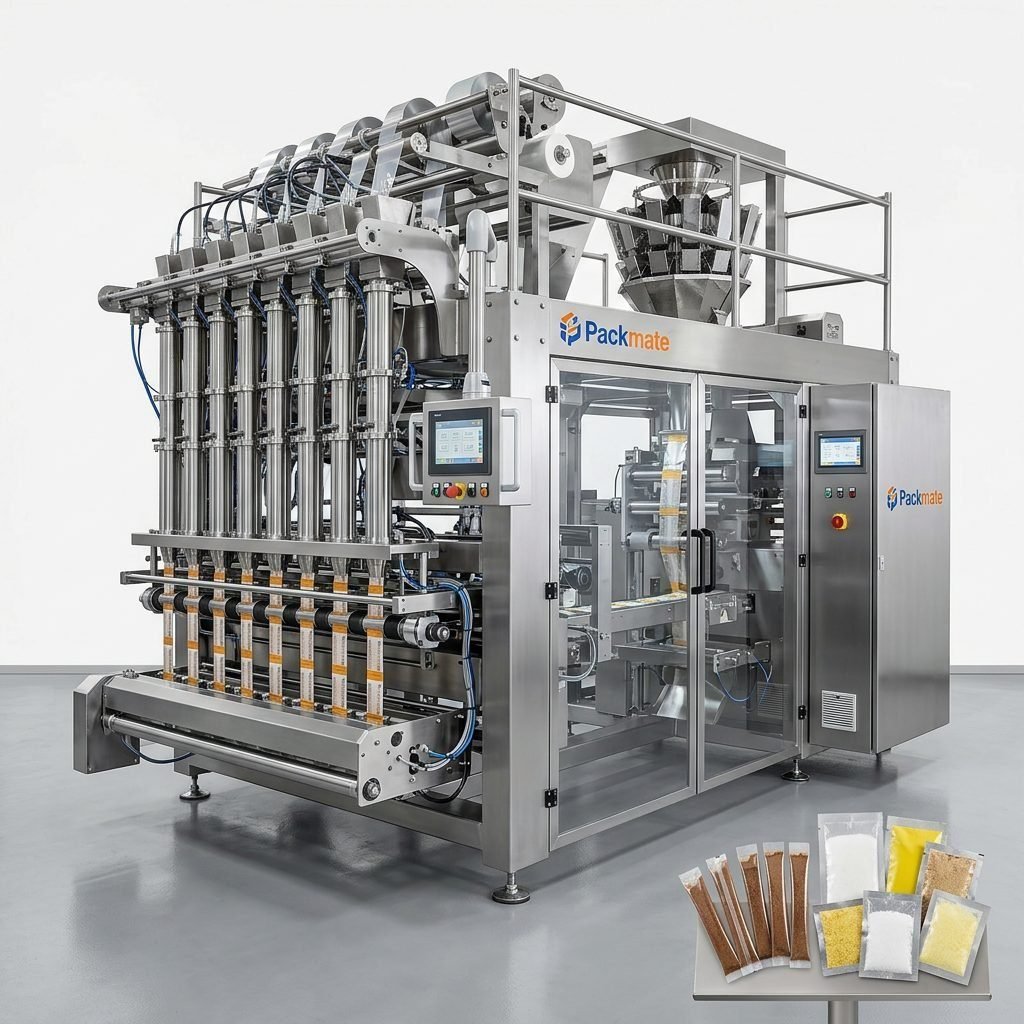
In the fast-paced world of food and meat processing, efficiency, hygiene, and product preservation are paramount. Selecting the right packaging machinery is not just an operational decision; it’s a strategic investment that impacts shelf life, brand presentation, and overall profitability. For businesses handling chub-style packaging—a popular method for ground meat, sausages, and various processed foods—the choice of equipment can define production success. This guide explores the top chub packaging machines designed to streamline your operations and ensure superior product quality.
The Critical Role of Specialized Chub Packaging
Chub packaging involves forming a tube of flexible film, filling it with a product—typically viscous or semi-solid like ground meat or dough—and then clipping both ends to create a secure, airtight package. This method is favored for its excellent barrier properties, which protect against contamination and extend freshness. Modern chub packaging machines automate this entire process, offering high-speed filling, precise weight control, and consistent clip sealing. For meat processors, this translates to reduced waste, improved food safety compliance, and a professional package that appeals to consumers at the point of sale.
Key Advantage: Advanced chub packers integrate features like nitrogen flushing or vacuum capabilities. This displaces oxygen from the package, dramatically slowing down oxidation and bacterial growth, which is crucial for preserving the color and taste of fresh meat products.
Essential Features of Top-Tier Chub Packaging Machines
When evaluating chub packaging equipment, several core features separate adequate machines from exceptional ones. Look for systems that offer:
- Versatile Film Handling: Compatibility with various barrier films, including multi-layer laminates, to suit different product requirements.
- Precision Filling Systems: Piston or pump fillers that ensure accurate portion control, minimizing giveaway and maximizing yield.
- Robust Clipping Mechanism: A reliable, high-speed clipper that creates strong, hermetic seals using aluminum or plastic clips.
- Easy-Clean Design (EHEDG/ USDA compliant): Sanitary construction with smooth surfaces and quick-disassembly parts is non-negotiable for meat packing to meet stringent hygiene standards.
- User-Friendly HMI Controls: An intuitive touchscreen interface for easy recipe changes, production monitoring, and troubleshooting.
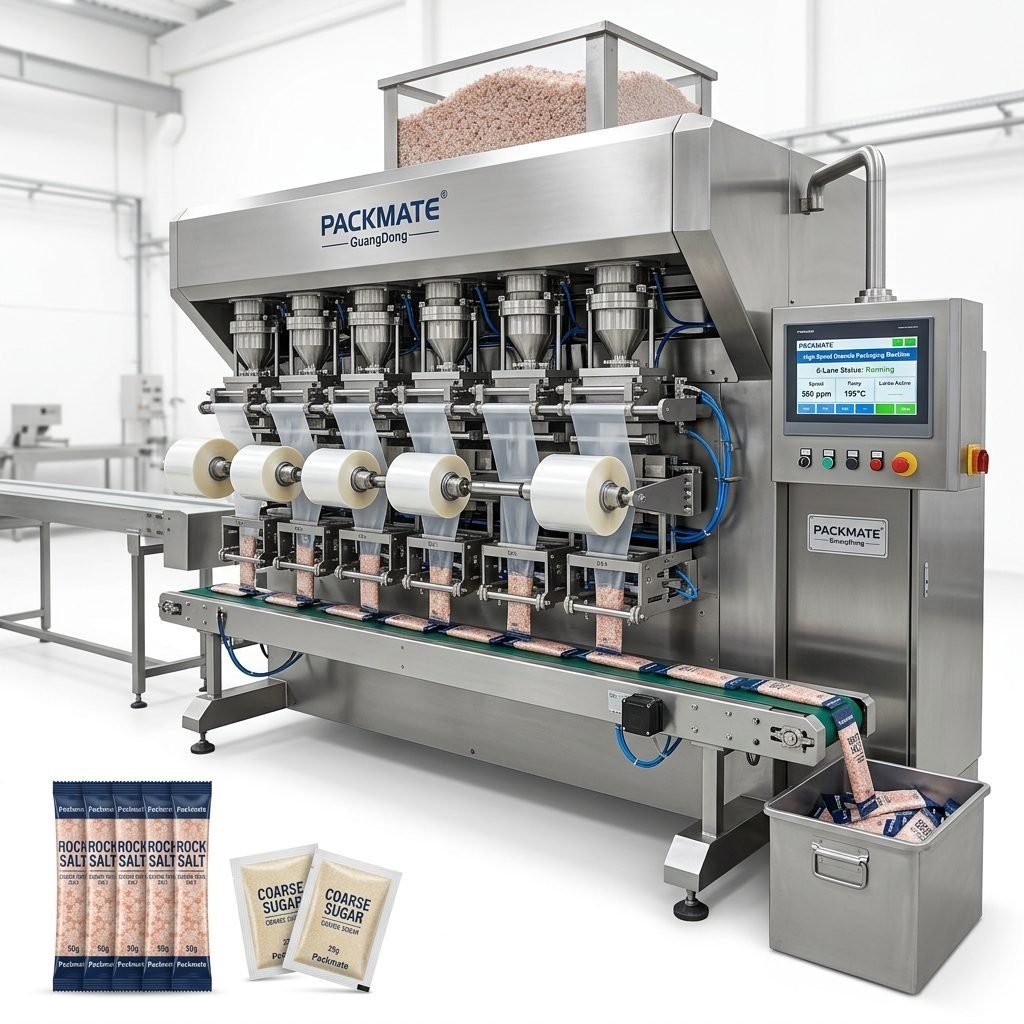
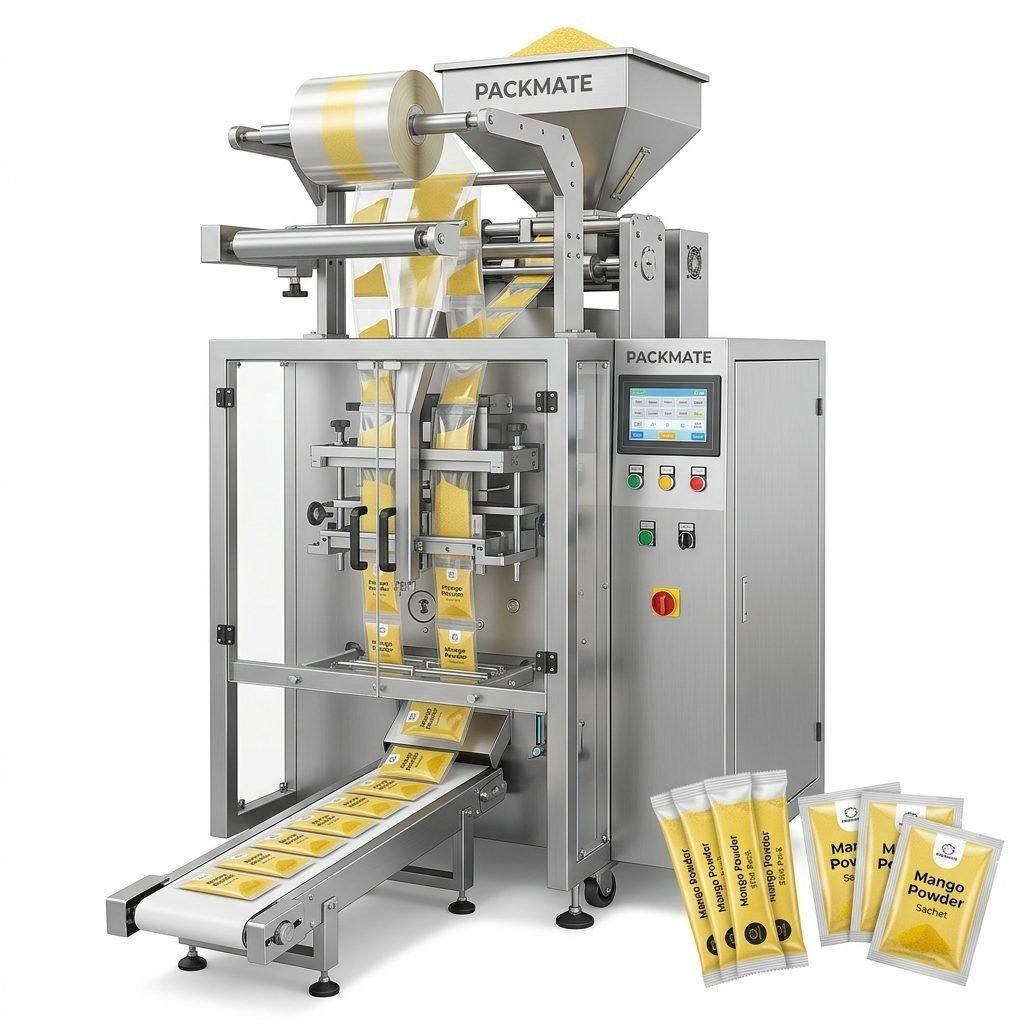
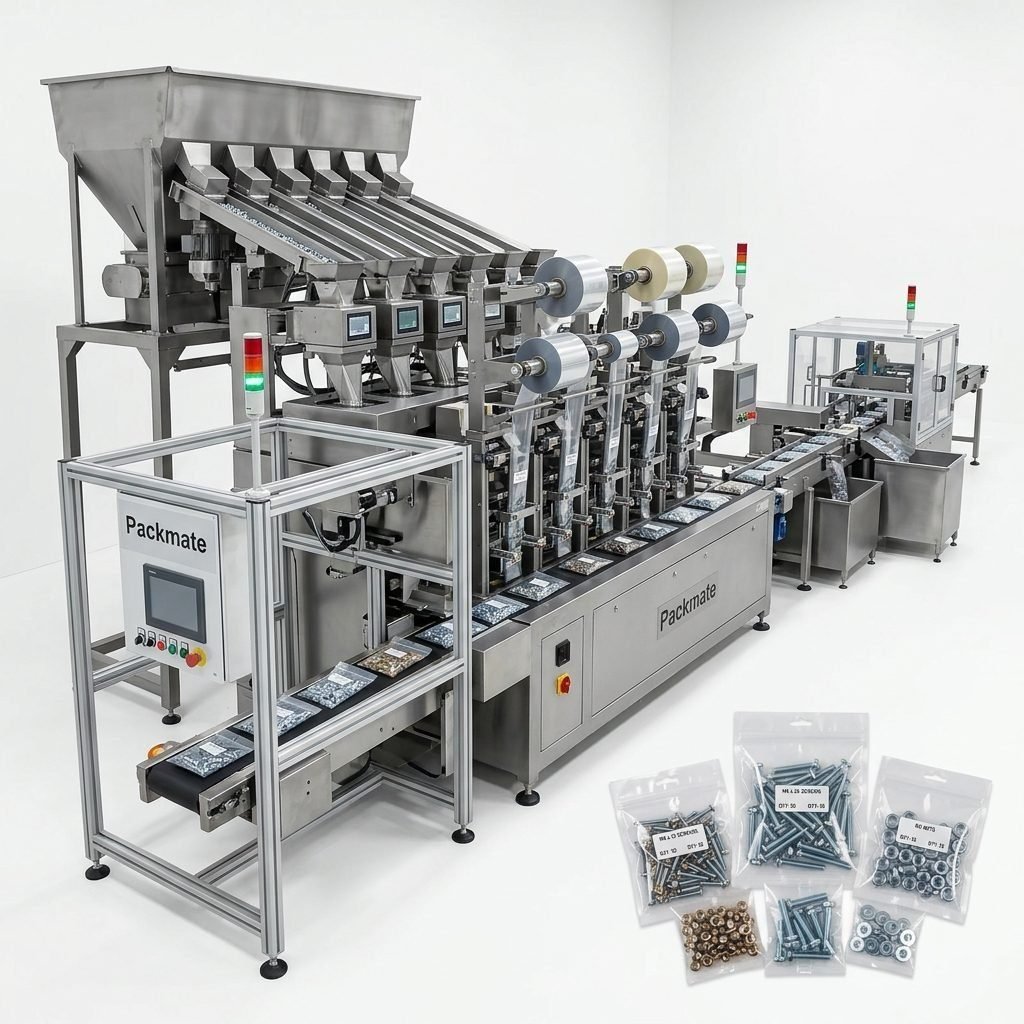
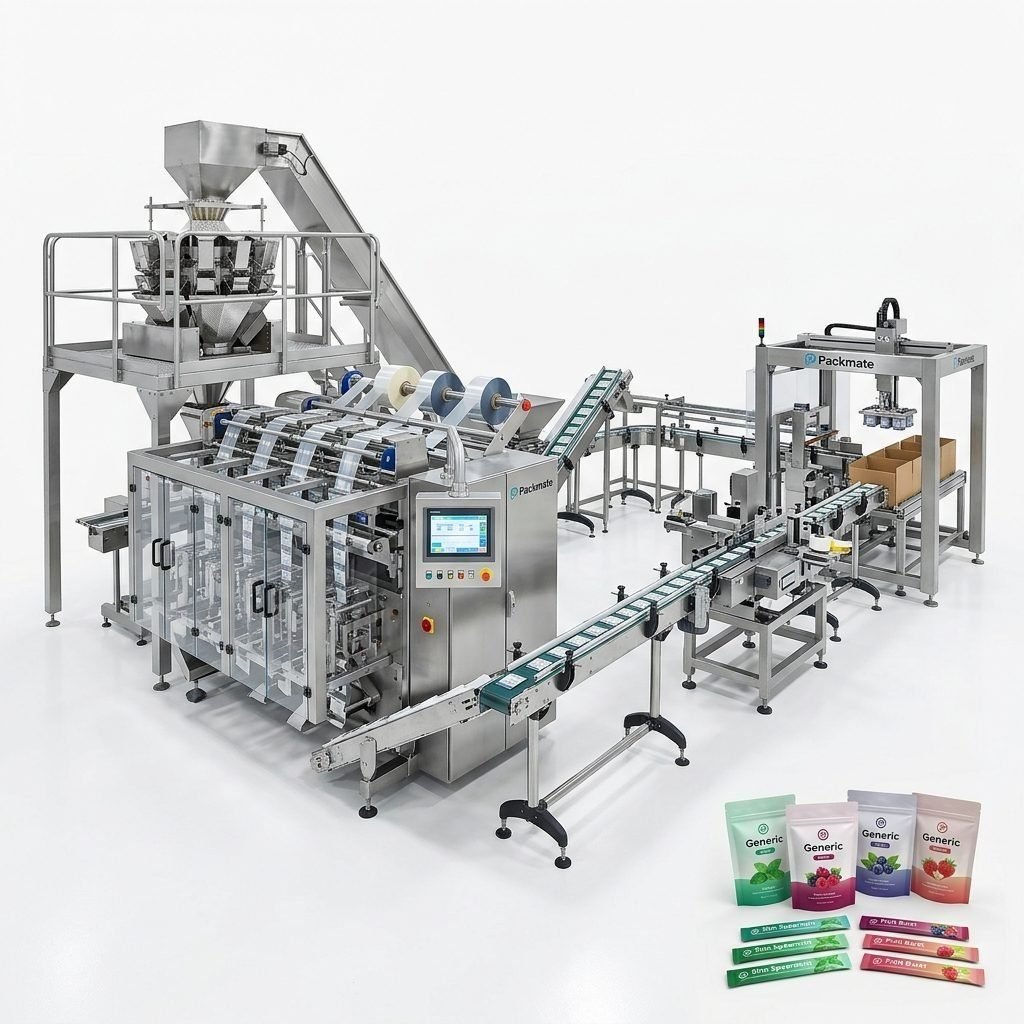
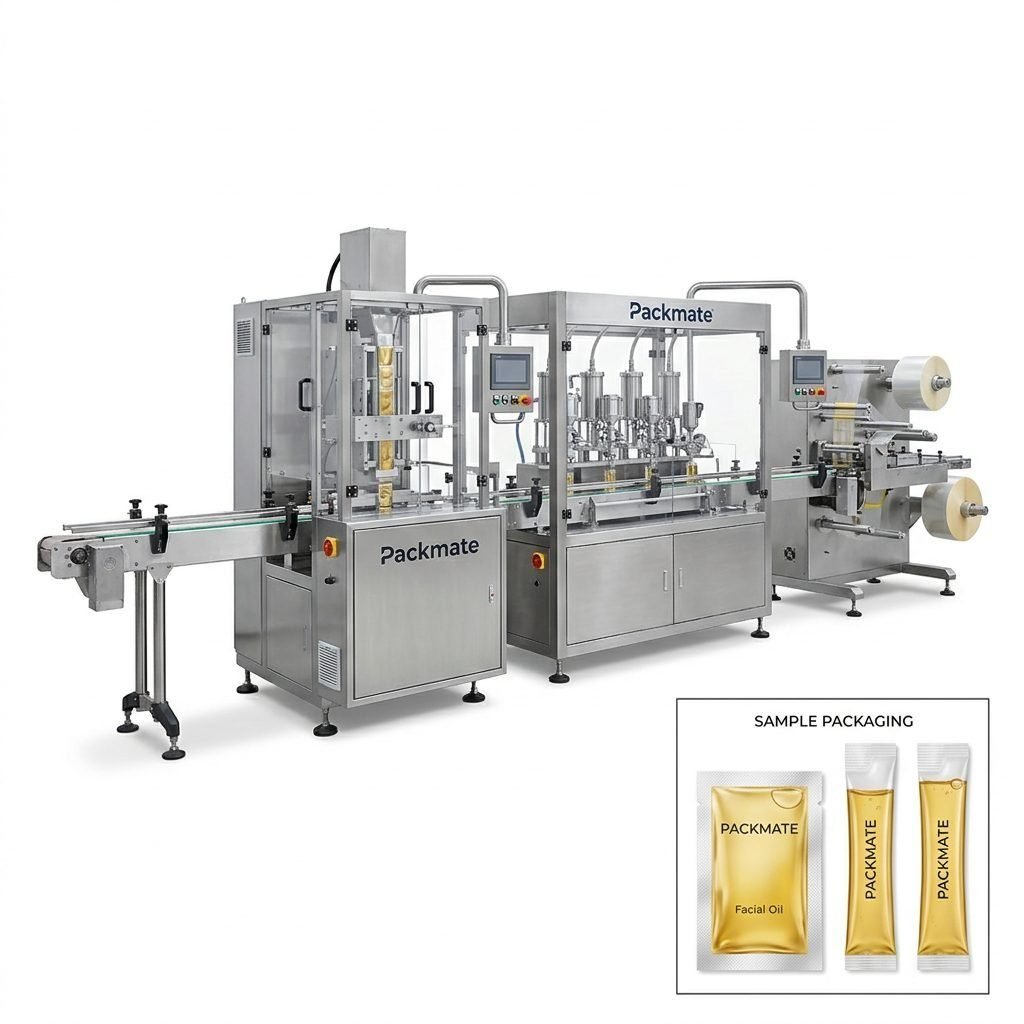
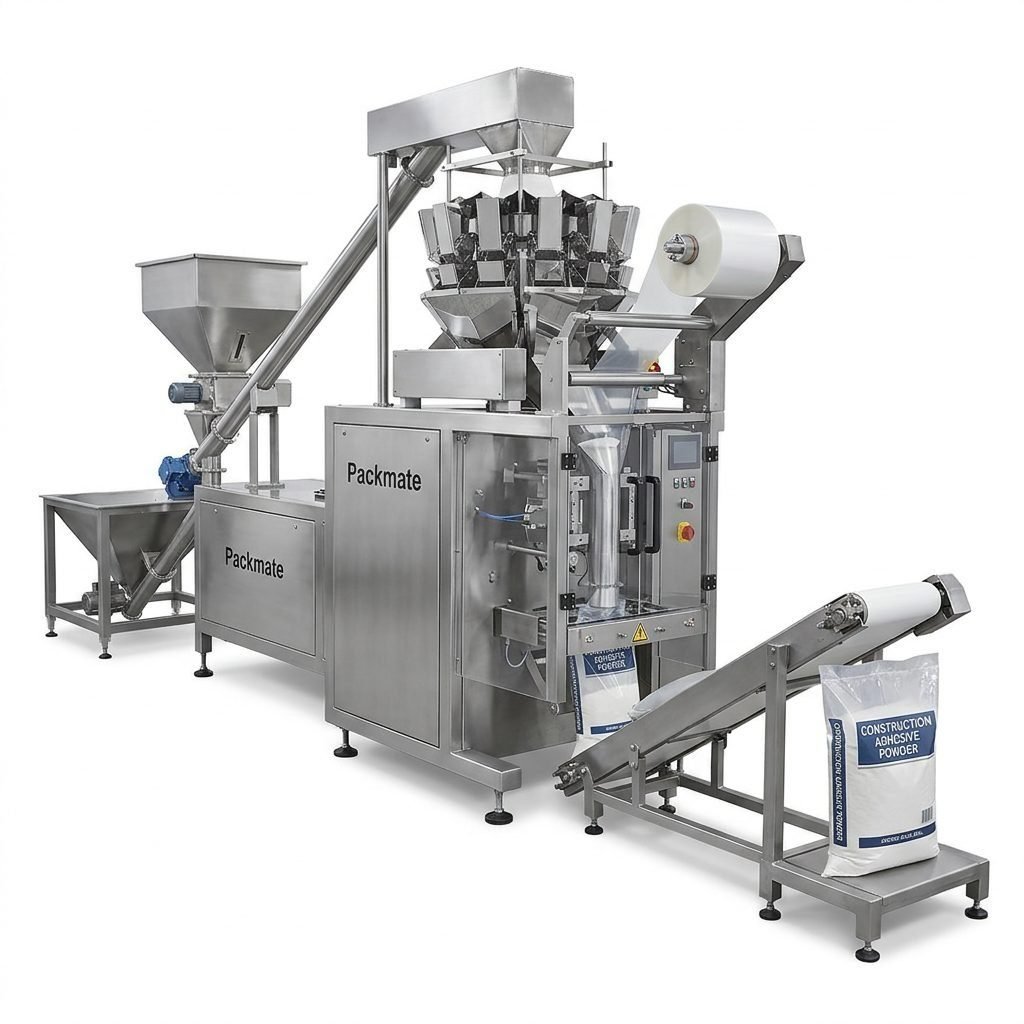
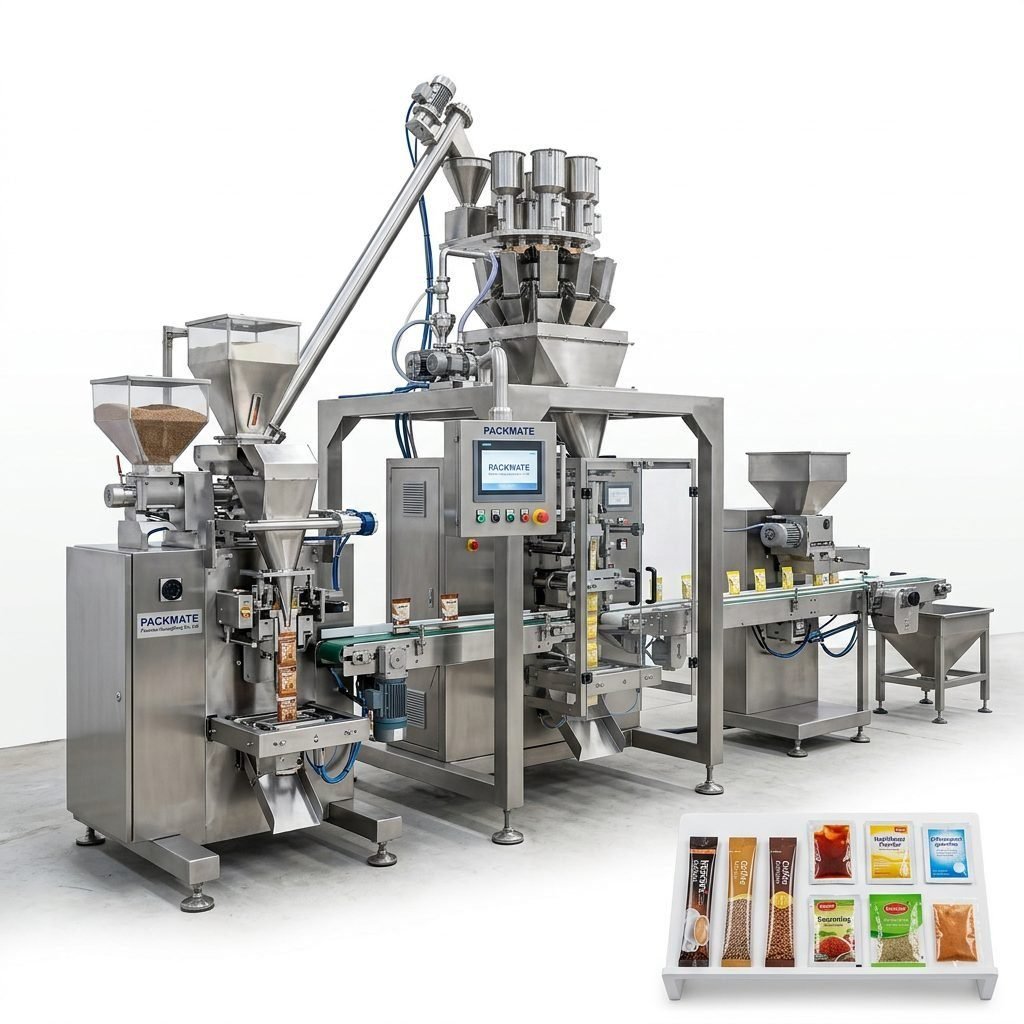
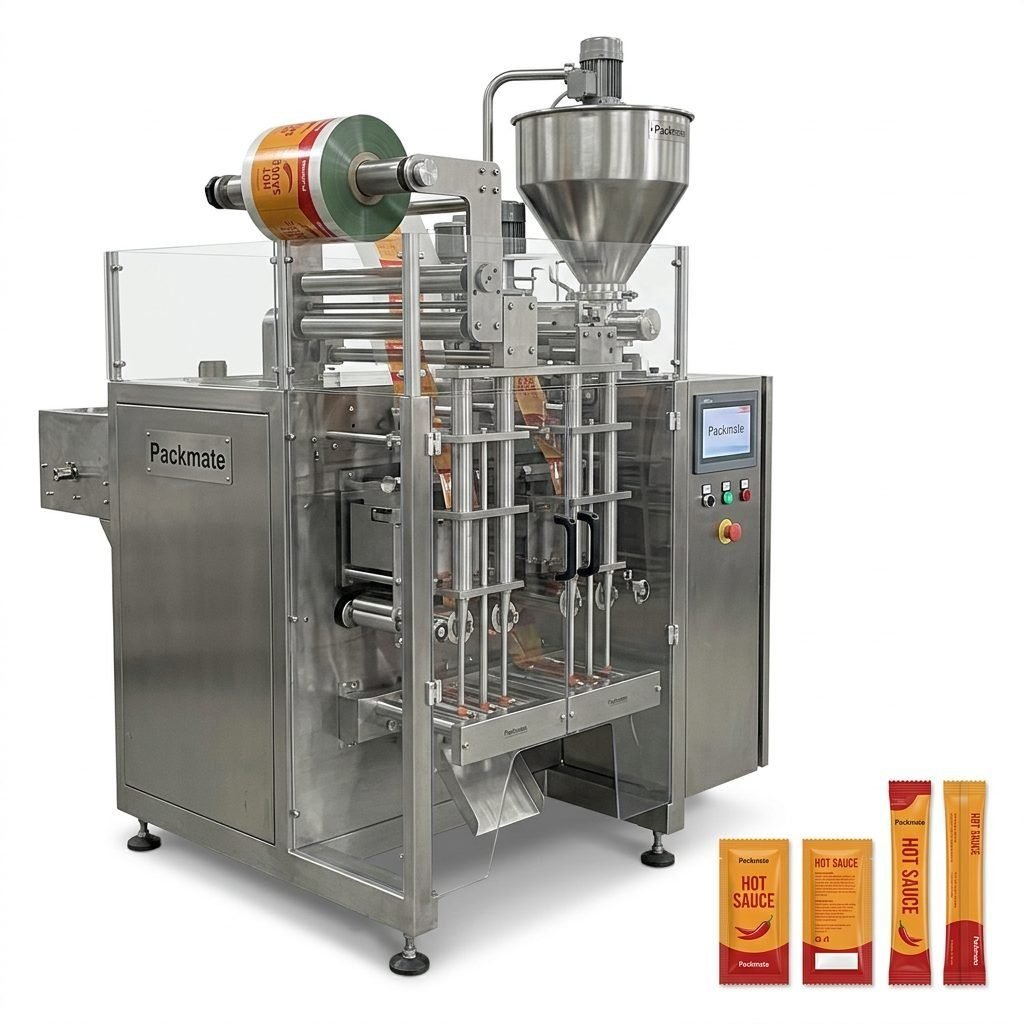
Manufacturers like Packmate Machinery understand these needs, engineering solutions that blend reliability with innovation. Their expertise in creating complete filling and packaging lines ensures that the chub packaging unit integrates seamlessly with upstream and downstream processes, such as mixing, grinding, and cartoning.
Applications Across the Food & Meat Industry
The application of chub packaging machines extends far beyond simple ground beef. Their adaptability makes them indispensable for a wide range of products:
Processed Meats: Fresh sausage, bratwurst, chorizo, and bulk breakfast sausage links are perfectly suited for chub packing.
Ground Products: Not just meat—chub packages are ideal for shredded cheese, cookie dough, mashed potatoes, and pet food.
Specialty Items: The format is excellent for marinated meats, seasoned ready-to-cook products, and even non-food items like sealants or adhesives.
Driving Efficiency in Modern Production Lines
Today’s top chub packaging machines are productivity powerhouses. Speeds can range from 40 to over 200 chubs per minute, depending on the model and product. This high throughput is essential for meeting the volume demands of large supermarkets and food service distributors. Efficiency is further enhanced by features like automatic film roll splicing (for non-stop production) and quick-changeover systems that allow producers to switch between different package sizes or products with minimal downtime. Integrating these machines with automated weighing and checkweighing systems creates a closed-loop, highly efficient packaging line that optimizes every gram of product.
Investment Considerations: Beyond the Machine Price
Choosing a chub packaging machine requires a total cost of ownership perspective. Consider factors such as energy consumption, the cost and availability of consumables (clips, film), required maintenance, and the manufacturer’s support network. A machine with a slightly higher initial price but superior durability, lower maintenance needs, and excellent technical support from a provider like Packmate will offer a far better return on investment over its lifespan. Their commitment to providing complete turnkey solutions means they can assist with everything from factory layout planning to after-sales service, ensuring your operation runs smoothly.
The Future of Chub Packaging Technology
The evolution of chub packaging is closely tied to Industry 4.0. The next generation of machines will feature even greater connectivity, offering real-time data on production output, machine efficiency (OEE), and predictive maintenance alerts. Sustainability is another key driver, with developments focusing on reducing film waste, using recyclable or biodegradable packaging materials, and optimizing energy use. Manufacturers at the forefront, such as Packmate with their over 30 years of expertise, are continuously innovating to meet these future challenges, helping food and meat processors stay competitive in a dynamic market.
Frequently Asked Questions (FAQs)
1. What is the primary benefit of chub packaging for meat?
The primary benefit is the excellent barrier seal that significantly extends shelf life by minimizing exposure to oxygen. This preserves the meat’s color, texture, and flavor better than many other flexible packaging formats, reducing food waste and enhancing food safety.
2. Can one chub packaging machine handle different product types?
Yes, many modern machines are designed for quick changeovers. By adjusting the filling head, tube size, and clip settings, and potentially changing the film type, a single machine can often package a range of products from fine-ground meat to coarse sausage or even non-meat pastes.
3. How important is the clipping system?
It is critically important. The clipping system is responsible for creating the hermetic seal. A robust, consistent clipper ensures there are no leaks, which is vital for maintaining vacuum or modified atmosphere and preventing product spoilage and contamination.
4. What hygiene standards should the machine meet for meat packing?
For meat applications, machines should be designed to meet sanitary standards such as USDA guidelines or EHEDG recommendations. This includes using food-grade stainless steel, having smooth and crevice-free surfaces, and allowing for easy and complete cleaning and sanitization.
5. Where can I see these machines in operation or get more specifications?
Reputable manufacturers often provide case studies, video demonstrations, and detailed catalogs. You can explore specific machine models and their applications by visiting a manufacturer’s product pages, such as the packaging machines section on Packmate’s website, or by contacting them directly to discuss your specific needs.