In today’s fast-paced industrial landscape, the quest for efficiency and cost reduction is relentless. For businesses handling granules, powders, and liquids—from food and pharmaceuticals to health supplements—packaging is a critical, yet often resource-intensive, stage of production. This is where the fully automatic packaging machine emerges as a transformative solution. By eliminating manual intervention, these sophisticated systems streamline operations, enhance consistency, and unlock significant financial savings.
Understanding Fully Automatic Packaging Systems
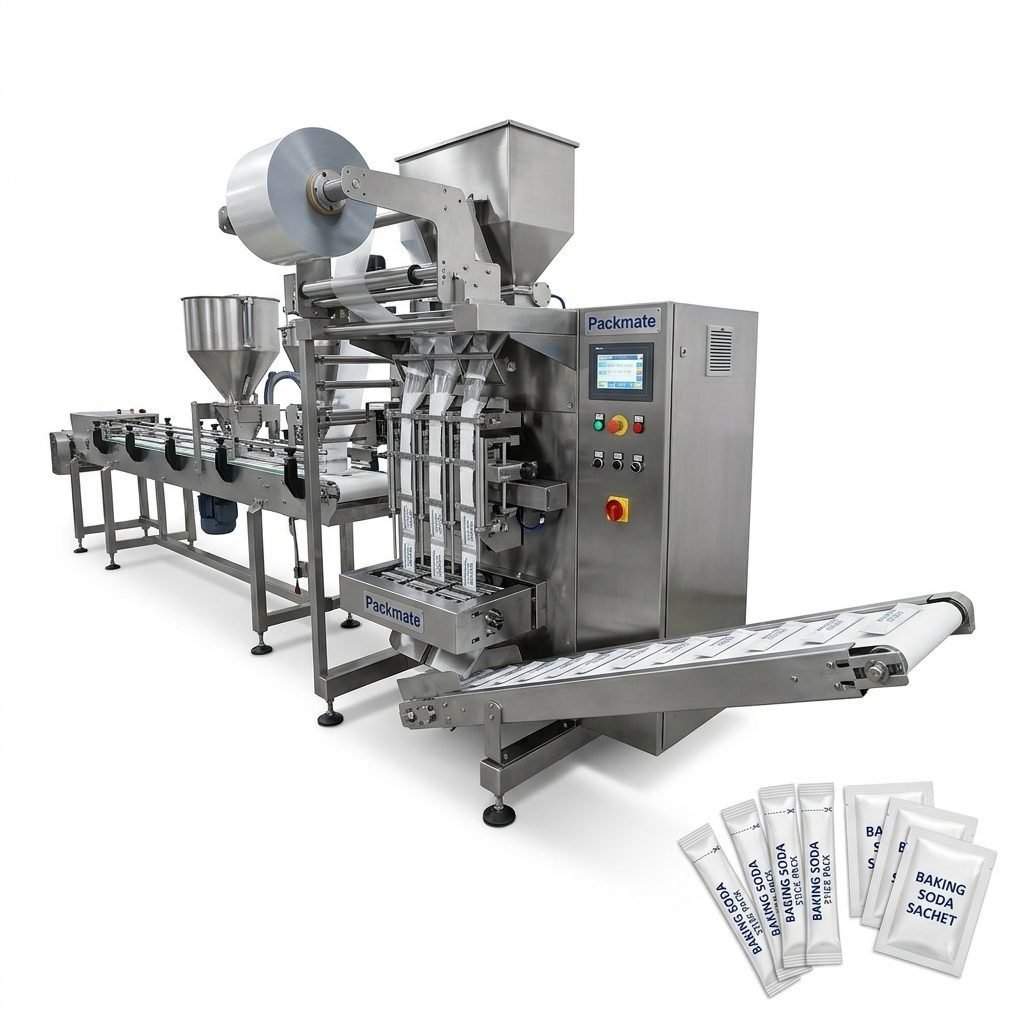
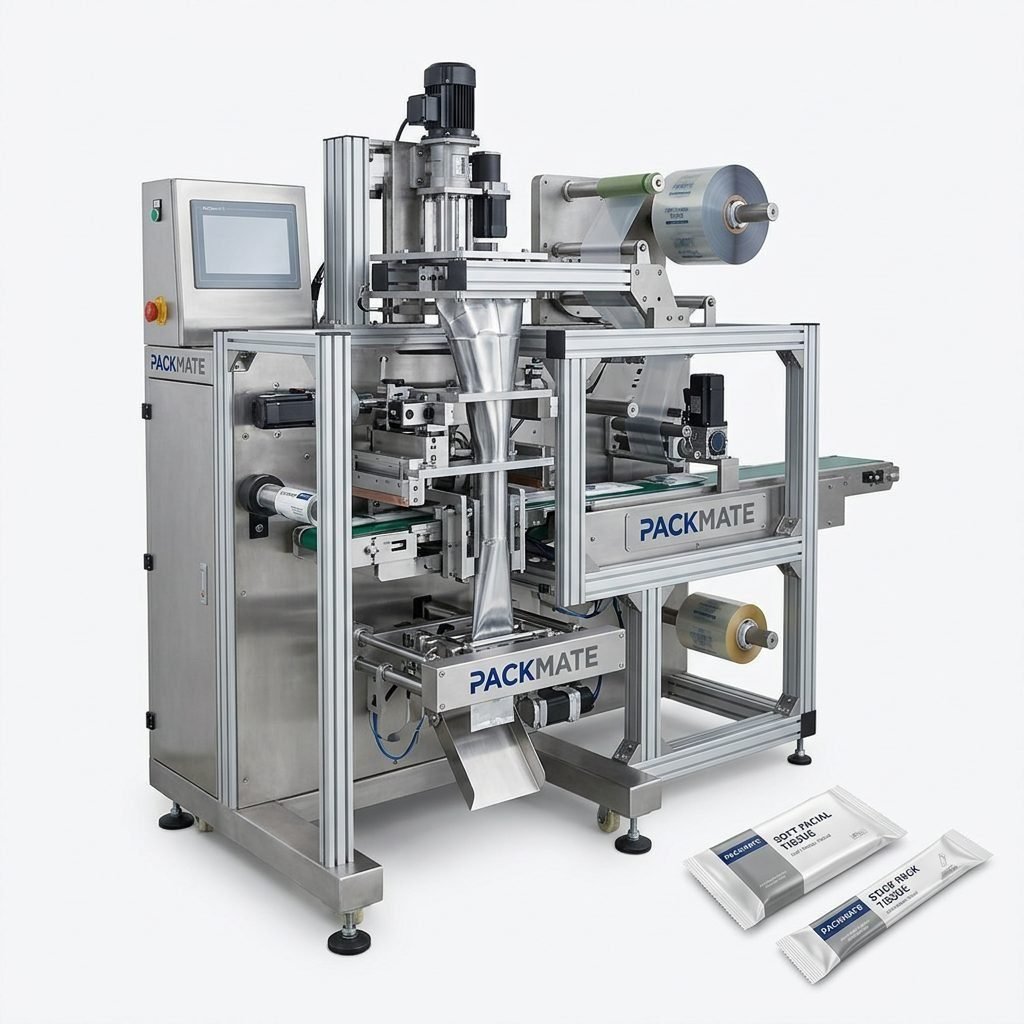
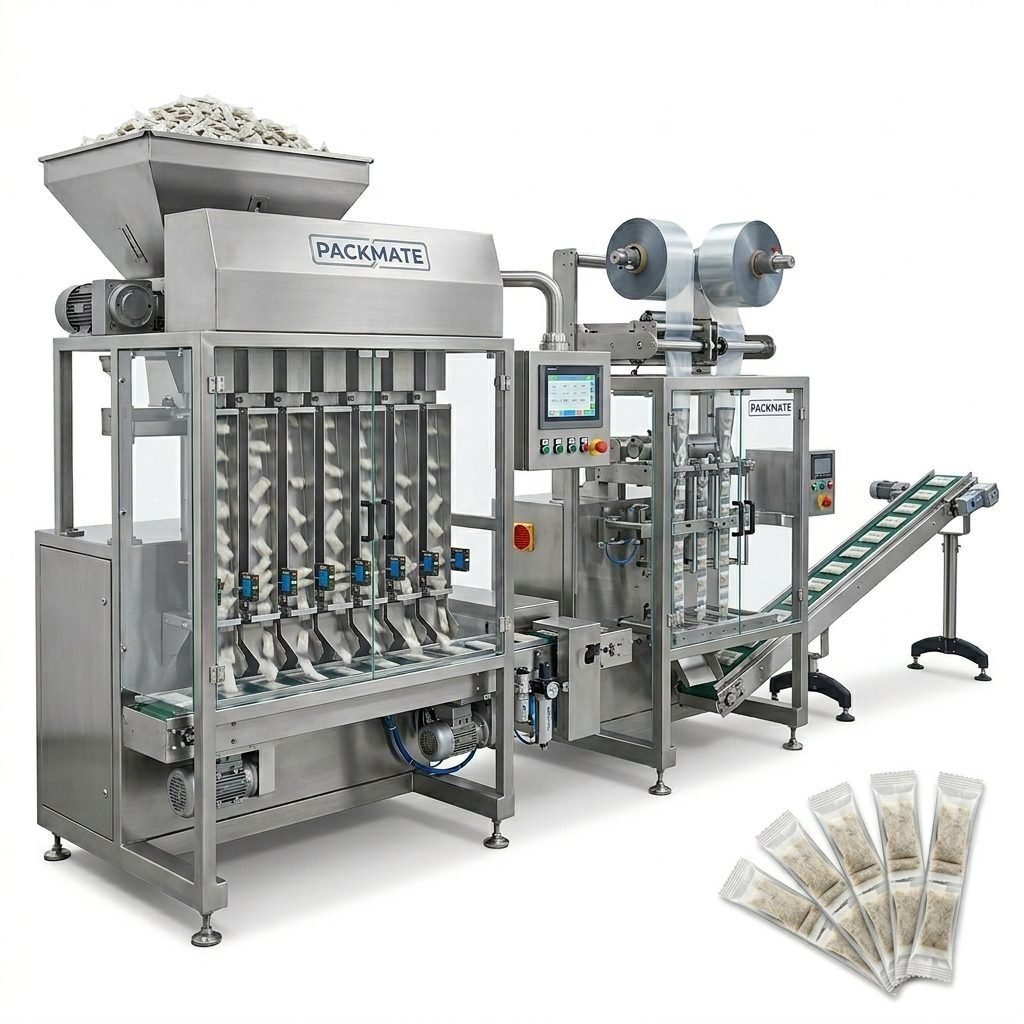
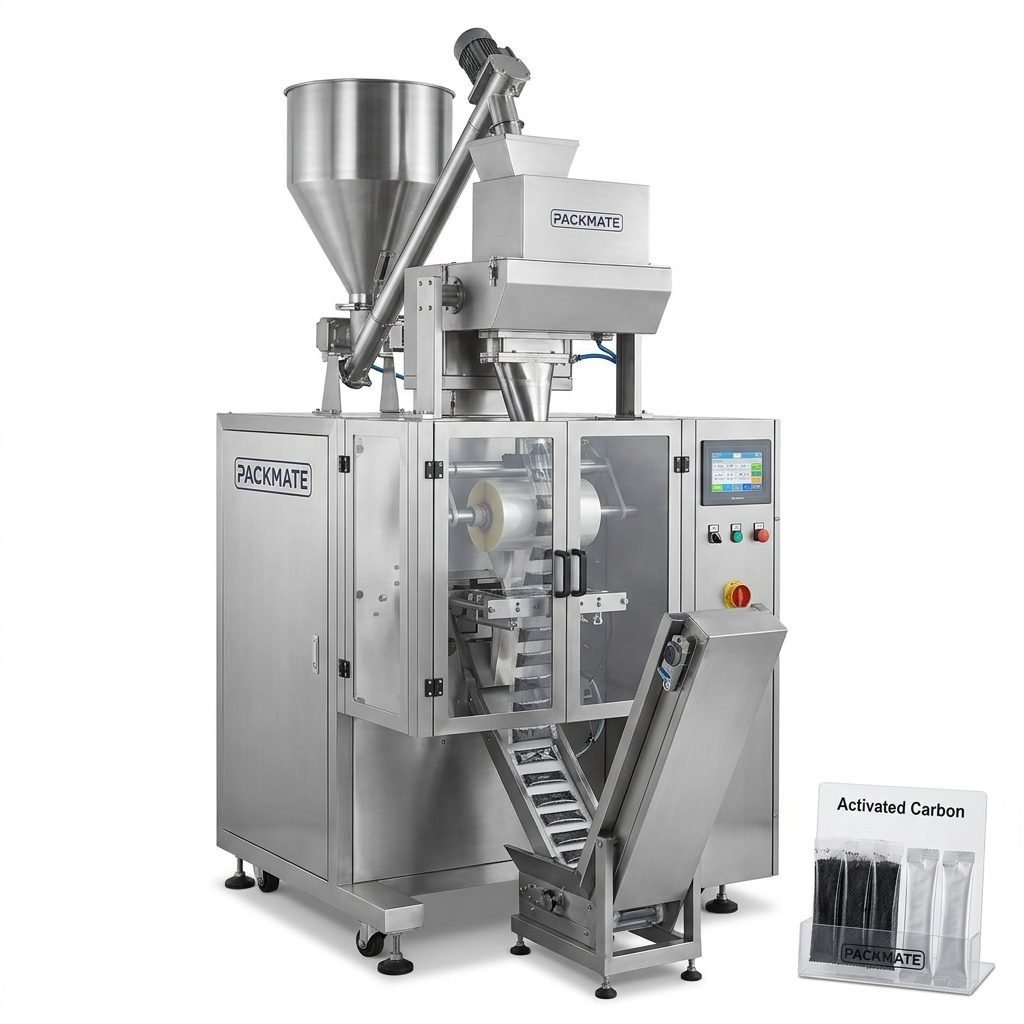
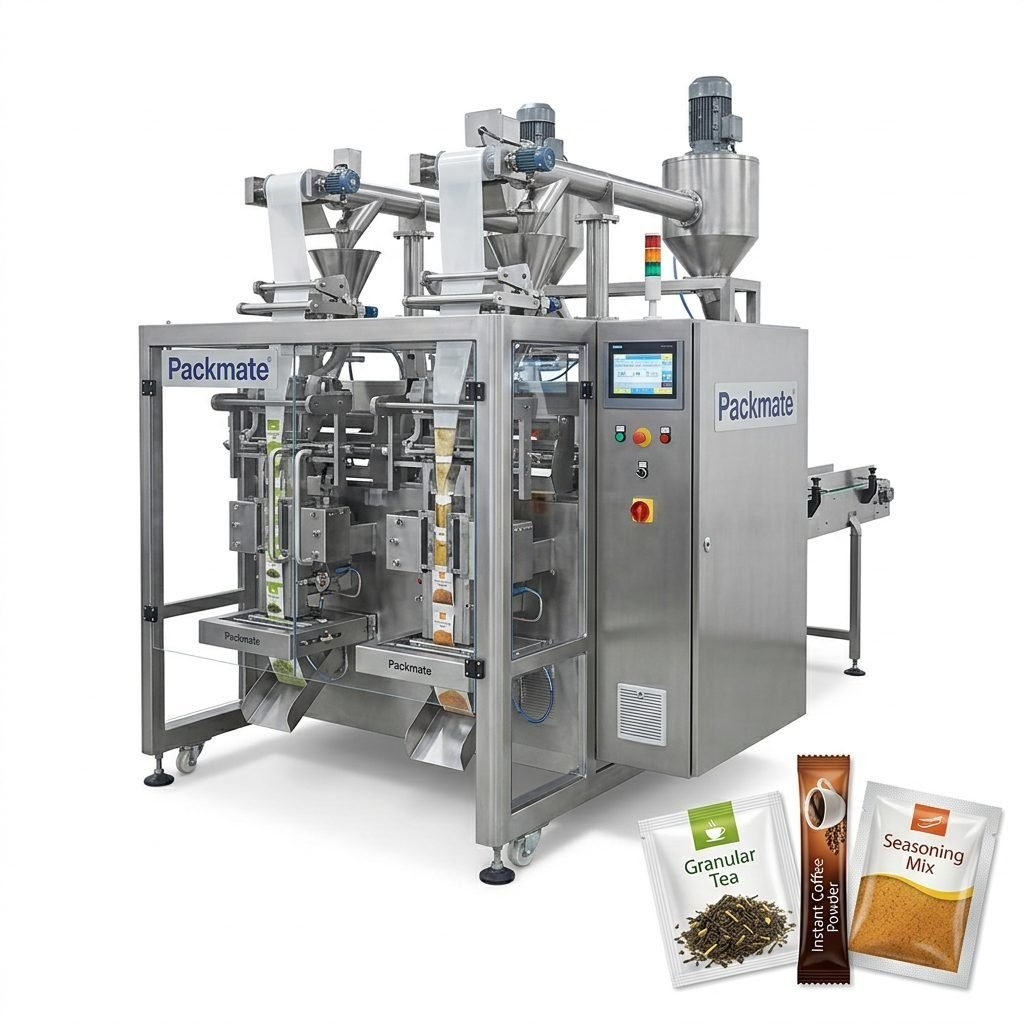
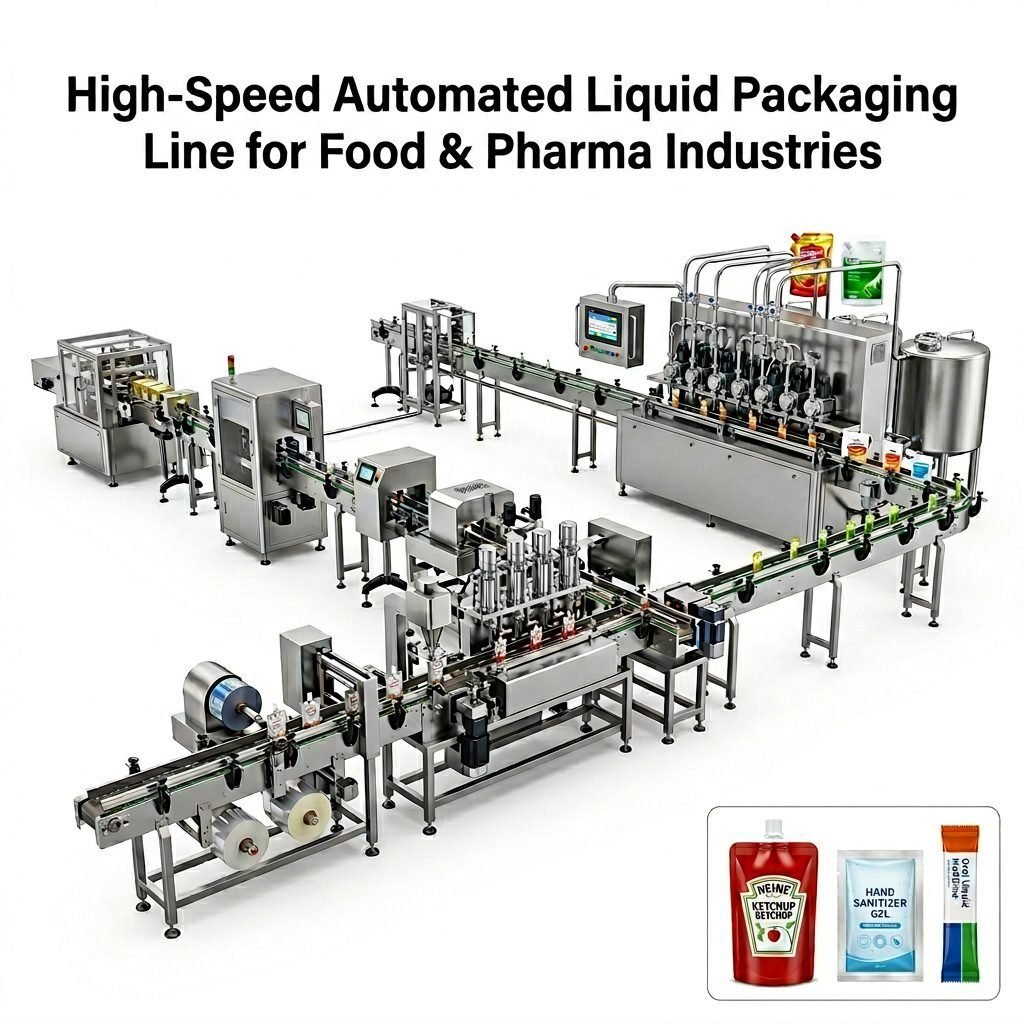
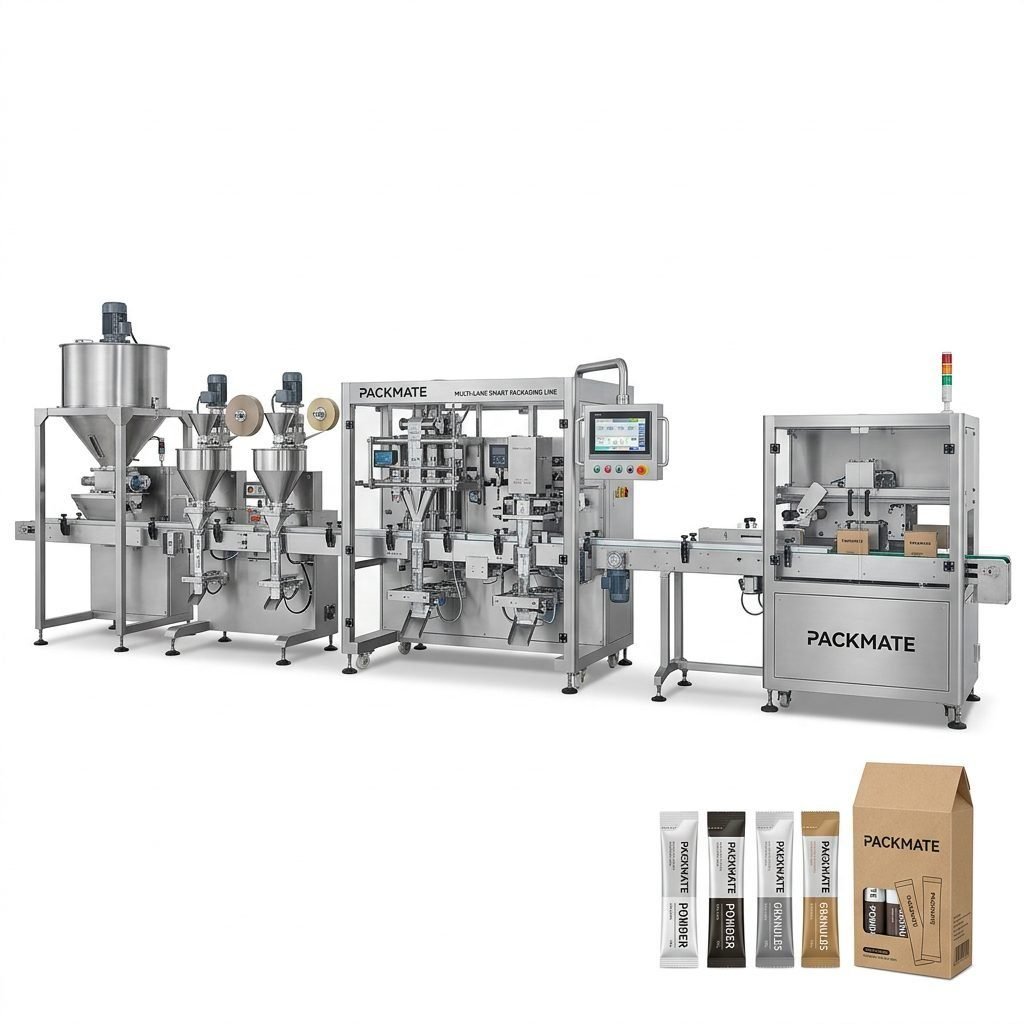
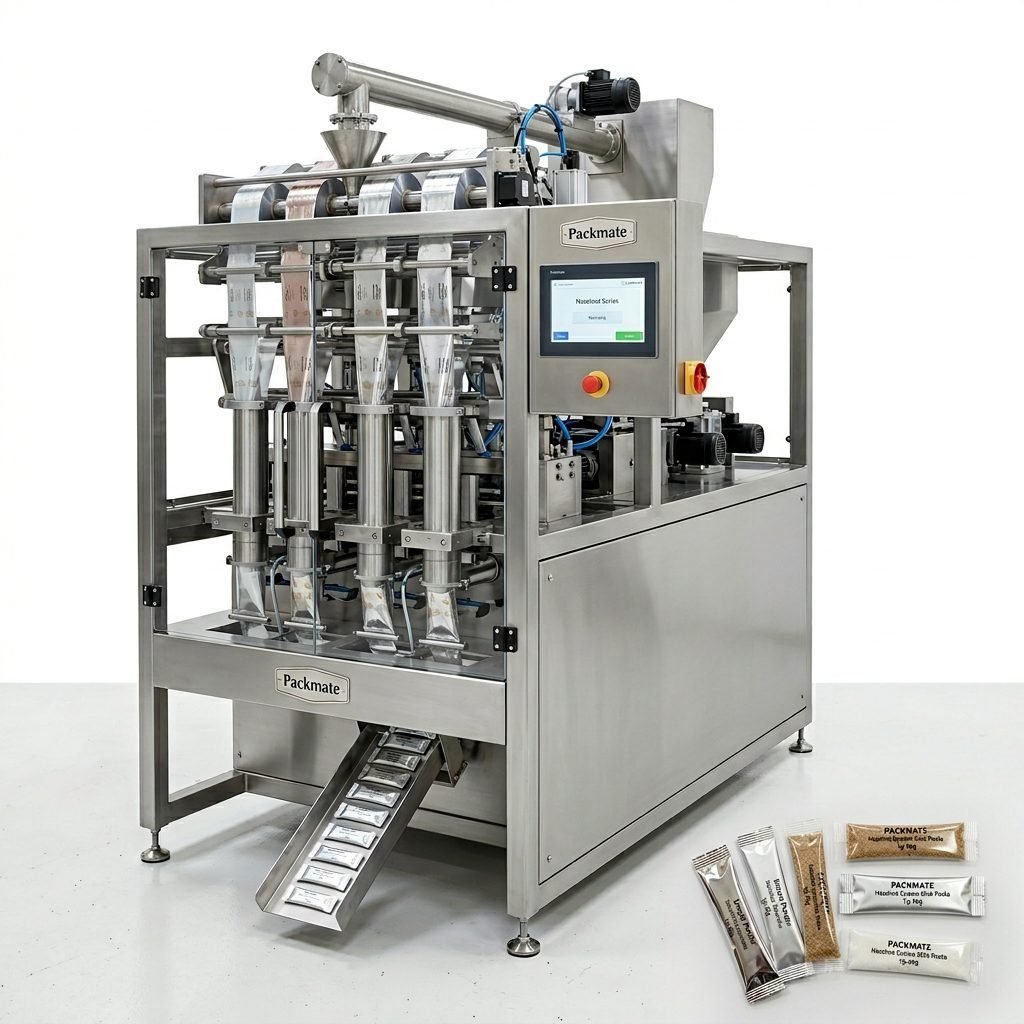
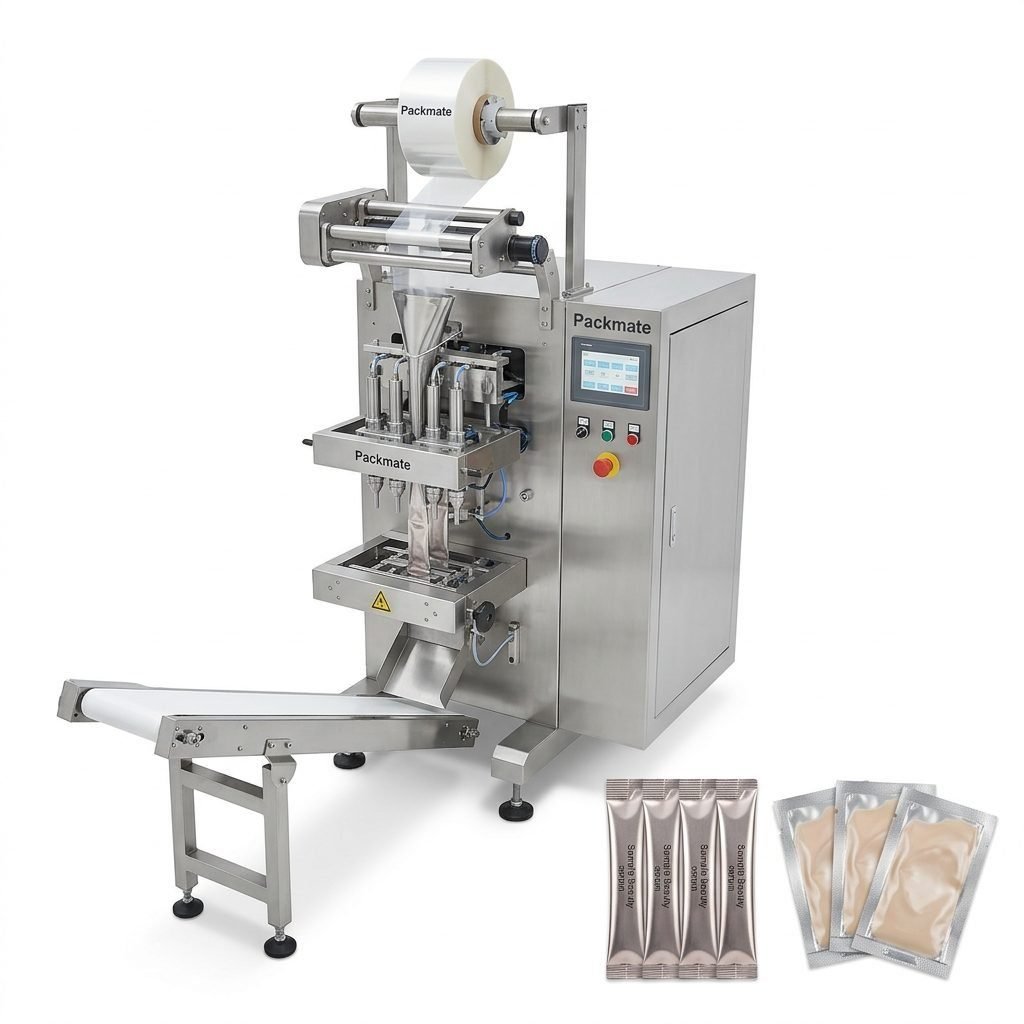
A fully automatic packaging machine is an integrated system designed to perform the entire packaging process—from feeding and weighing to filling, sealing, and coding—without human operation. Unlike semi-automatic models that require manual product loading or bag placement, these machines are the pinnacle of industrial automation. They are typically connected to upstream production lines and downstream handling systems, creating a seamless, continuous flow.
The core components of such a system often include:
Product Feeding & Weighing System: Precisely meters and measures the product (e.g., multi-head weighers for solids, pumps for liquids).
Film Unwinding & Forming Unit: Draws packaging material from a roll and shapes it into bags or pouches.
Filling Nozzles: Accurately dispenses the measured product into the formed packaging.
Sealing Jaws: Creates airtight seals (vertical and/or horizontal) to ensure product integrity.
Control Panel (HMI): The user interface for setting parameters, monitoring performance, and diagnosing issues.
Output Conveyor: Transports finished packs for collection or secondary packaging.
The Evolution Towards Full Automation
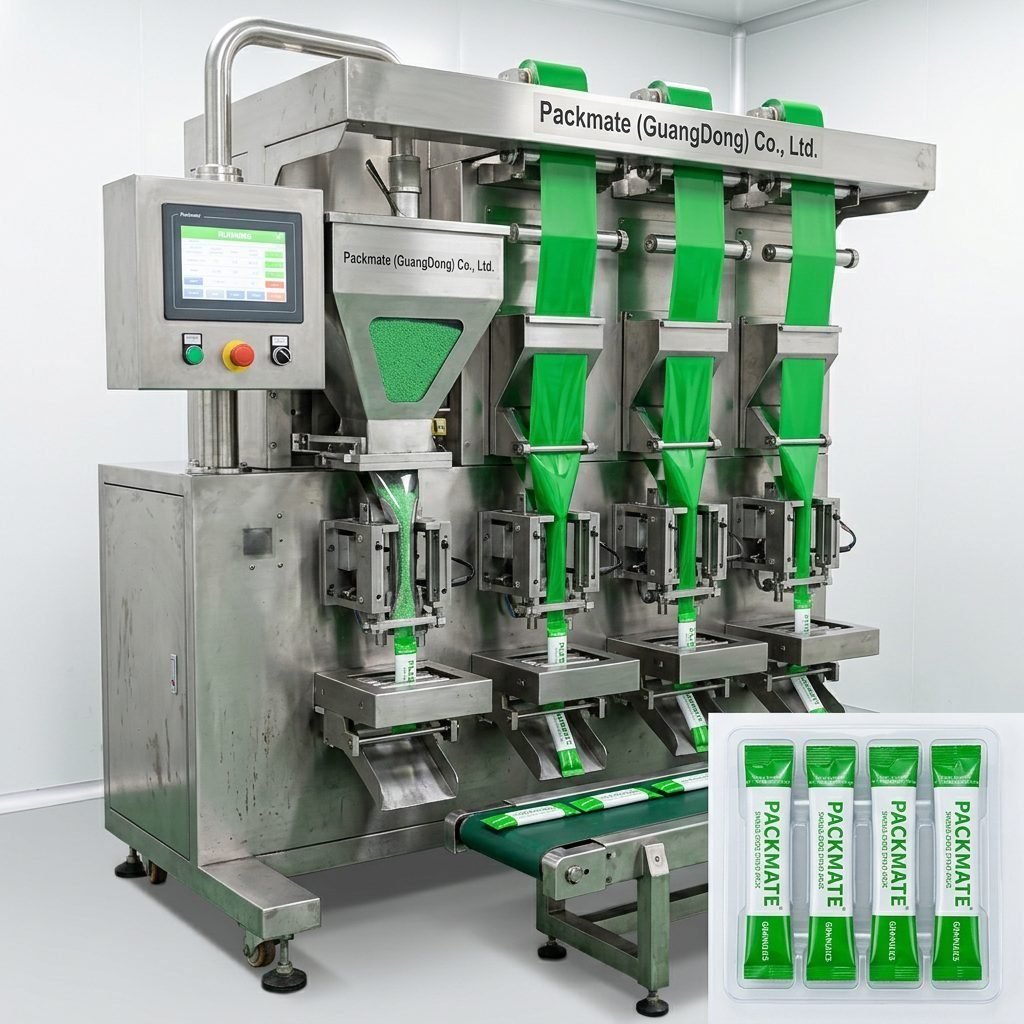
The drive for fully automated solutions is not new. It stems from decades of innovation aimed at overcoming the limitations of manual labor—fatigue, inconsistency, speed, and rising labor costs. Pioneering companies have been at the forefront of this evolution. For instance, Packmate Machinery, with roots dating back to 1993, began by addressing these very challenges in small workshops, gradually developing the reliable, high-speed machines that define today’s standards. Their journey from simple sachet machines to complex, multi-lane stick pack lines mirrors the industry’s broader shift towards comprehensive, turnkey packaging solutions.
Key Benefits: Efficiency Unlocked
The primary advantage of full automation is a dramatic increase in operational efficiency. This manifests in several tangible ways:
1. Unmatched Production Speed & Output: Automatic machines operate 24/7 with minimal stoppages. Speeds can reach hundreds, even thousands, of packs per minute, far surpassing any manual or semi-automatic process. This high throughput is essential for meeting large-scale demand and shortening time-to-market.
2. Exceptional Accuracy & Consistency: Human error in weighing or filling is eliminated. Advanced servo systems and precision scales ensure each pack meets exact weight specifications, reducing giveaway (overfilling) and protecting against underfilling, which is crucial for regulatory compliance in industries like pharmaceuticals.
3. Superior Product Quality & Hygiene: The closed, automated process minimizes product exposure to contaminants. Consistent heat sealing guarantees strong, uniform seals every time, extending shelf life and enhancing brand reputation by delivering perfect-looking products.
4. Enhanced Operational Safety: By removing workers from repetitive and potentially hazardous tasks (like handling hot sealing jaws or heavy materials), these machines create a safer work environment and reduce the risk of workplace injuries.
Driving Significant Cost Savings
While the initial investment is higher, the total cost of ownership (TCO) of a fully automatic system is typically lower over time. The savings are multi-faceted:
Direct Labor Cost Reduction
This is the most immediate saving. One automated line can replace multiple operators across multiple shifts. The freed-up personnel can be redeployed to higher-value tasks like quality control, maintenance, or supervision.
Minimized Material Waste
Precision dosing directly reduces product giveaway. Furthermore, intelligent film tracking and tension control optimize material usage from the roll, minimizing trim waste. Consistent sealing also drastically lowers the rate of rejected packs due to seal failures.
Reduced Downtime & Higher Overall Equipment Effectiveness (OEE)
Modern machines are designed for quick changeovers and easy cleaning, minimizing non-productive time. Their reliability, backed by robust engineering from experienced manufacturers operating in large 20,000㎡ manufacturing facilities, ensures maximum uptime. Higher OEE means more saleable product from the same capital asset.
Lower Long-Term Operational Costs
Energy-efficient drives, smart power management, and durable components designed for longevity all contribute to lower utility and maintenance costs compared to running several smaller, less efficient machines.
Selecting the Right Machine for Your Needs
Choosing a fully automatic packaging machine is a strategic decision. Key considerations include:
Product Characteristics: Is it a free-flowing powder, a sticky granule, or a viscous liquid? The product dictates the feeding and filling technology (auger, pump, volumetric cup).
Packaging Format: Do you need stand-up pouches, sachets, stick packs, or pillow bags? The machine must be configured for the specific film type and bag style.
Required Output Speed: Match the machine’s maximum speed to your current and projected production volumes.
Floor Space & Integration: Assess the available space and how the machine will connect to your existing production line. A reputable supplier like Packmate can provide detailed layout planning.
Supplier Expertise & Support: Partner with a manufacturer with proven experience, a strong track record, and comprehensive after-sales service. Review their case studies and industry certifications to gauge their capability.
Implementation and Future-Proofing
Successful implementation goes beyond installation. It involves operator training, preventive maintenance planning, and having access to reliable spare parts. The future of packaging automation is leaning towards IoT (Internet of Things) connectivity and data analytics. Next-generation machines will offer real-time performance monitoring, predictive maintenance alerts, and seamless integration with factory-wide MES (Manufacturing Execution Systems), further optimizing efficiency and cost control.
Investing in a fully automatic packaging machine is an investment in the future competitiveness of your business. It transforms packaging from a cost center into a strategic asset that drives quality, speed, and profitability.
Frequently Asked Questions (FAQ)
1. What is the typical payback period for a fully automatic packaging machine?
The payback period varies based on the machine’s cost, the labor costs it replaces, and the volume of production. For high-volume operations, it can often be between 12 to 24 months. Savings from reduced waste and increased output further accelerate the return on investment.
2. Can one machine handle different products and bag sizes?
Yes, most modern automatic machines are designed for quick changeover. By changing the forming tool, filling head, and the roll of packaging film, and adjusting parameters via the HMI, a single machine can often package a range of similar products in different sizes. This flexibility is key for manufacturers with diverse SKUs.
3. How difficult is it to operate and maintain these machines?
While complex internally, they are designed for user-friendly operation via touch-screen interfaces. Comprehensive training from the supplier is standard. Maintenance primarily involves routine cleaning, lubrication, and part inspection as per the manual. Choosing a supplier with strong technical support and readily available spare parts is crucial for smooth maintenance.
4. Are fully automatic machines suitable for small to medium-sized businesses (SMBs)?
Absolutely. The market offers scalable solutions. While large, multi-lane machines suit high-volume producers, there are compact, single-lane fully automatic machines perfect for SMBs looking to automate, improve quality, and grow capacity without a massive footprint. The key is to conduct a thorough needs analysis with a trusted supplier.
5. What kind of packaging materials can be used?
These machines are highly versatile and can run various heat-sealable laminates, including PET/PE, PET/AL/PE, OPP/CPP, and paper composites. The specific material must be compatible with the machine’s film handling and sealing system. Your machine supplier can provide guidance on optimal material selection for your product.