Investing in a foam packaging machine is a significant decision for any business involved in manufacturing, logistics, or e-commerce. The cost is not just a single figure; it’s a complex equation influenced by machine type, capabilities, automation level, and long-term operational value. This comprehensive guide will break down the factors affecting foam packaging machine prices and provide a clear comparison to help you make an informed investment.
Understanding Foam Packaging Machine Types and Their Price Ranges
The first step in understanding cost is identifying the right machine for your application. Prices vary dramatically based on the technology and output required.
1. Foam-in-Bag (FIB) Dispensing Systems
These are the most common systems for on-demand cushioning. They use two liquid chemical components (typically polyurethane) that mix and expand into foam inside a plastic bag. The price range is broad:
Entry-Level / Manual Systems: Ideal for low-volume operations, these may cost between $3,000 and $8,000. They often require more manual handling.
Mid-Range / Semi-Automatic Systems: Offering better speed and consistency, these systems range from $10,000 to $25,000.
High-Volume / Automatic Systems: Integrated into conveyor lines for fully automated packaging, these can range from $30,000 to $70,000+, depending on complexity and integration requirements.
2. Foam-in-Place (FIP) Machines
Similar to FIB but the foam is dispensed directly into a carton without a bag, molding around the product. They are generally for higher-volume, consistent-sized items.
Key Cost Factor: Mold tooling. The machine itself may cost $15,000 to $40,000, but custom molds for your specific products add significant upfront cost.
3. Loose Fill (Packing Peanuts) Machines
These machines produce and dispense expanded polystyrene (EPS) or biodegradable loose fill. They are often a lower-capital option.
Cost Range: Prices typically start around $5,000 for basic models and can go up to $20,000 for larger, automated hopper systems that integrate with scales.
Key Factors That Drive the Cost of a Foam Packaging Machine
Beyond the machine type, several core specifications directly impact the price tag.
Production Speed & Throughput: Measured in bags or cycles per minute. A machine rated for 10 bags/minute will cost significantly less than one capable of 40 bags/minute. High-speed models require more robust components and precision engineering.
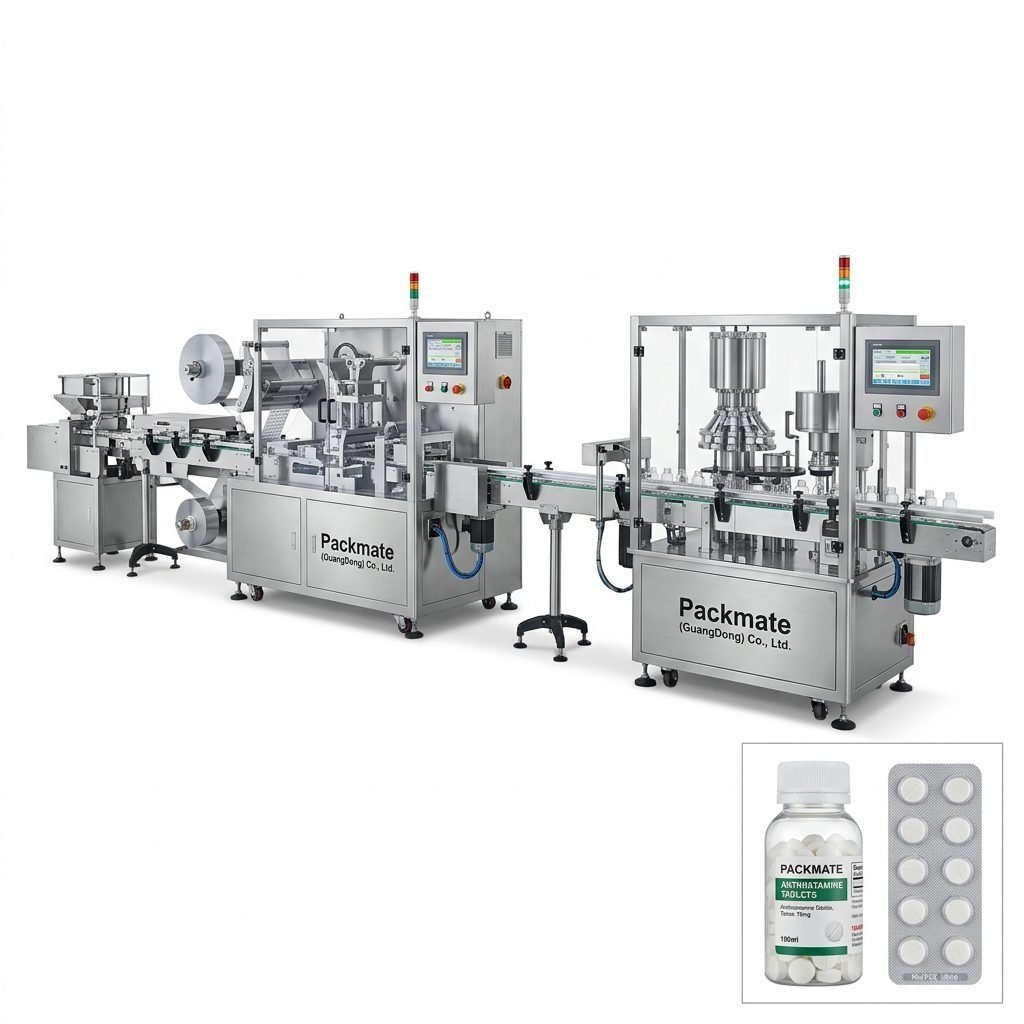
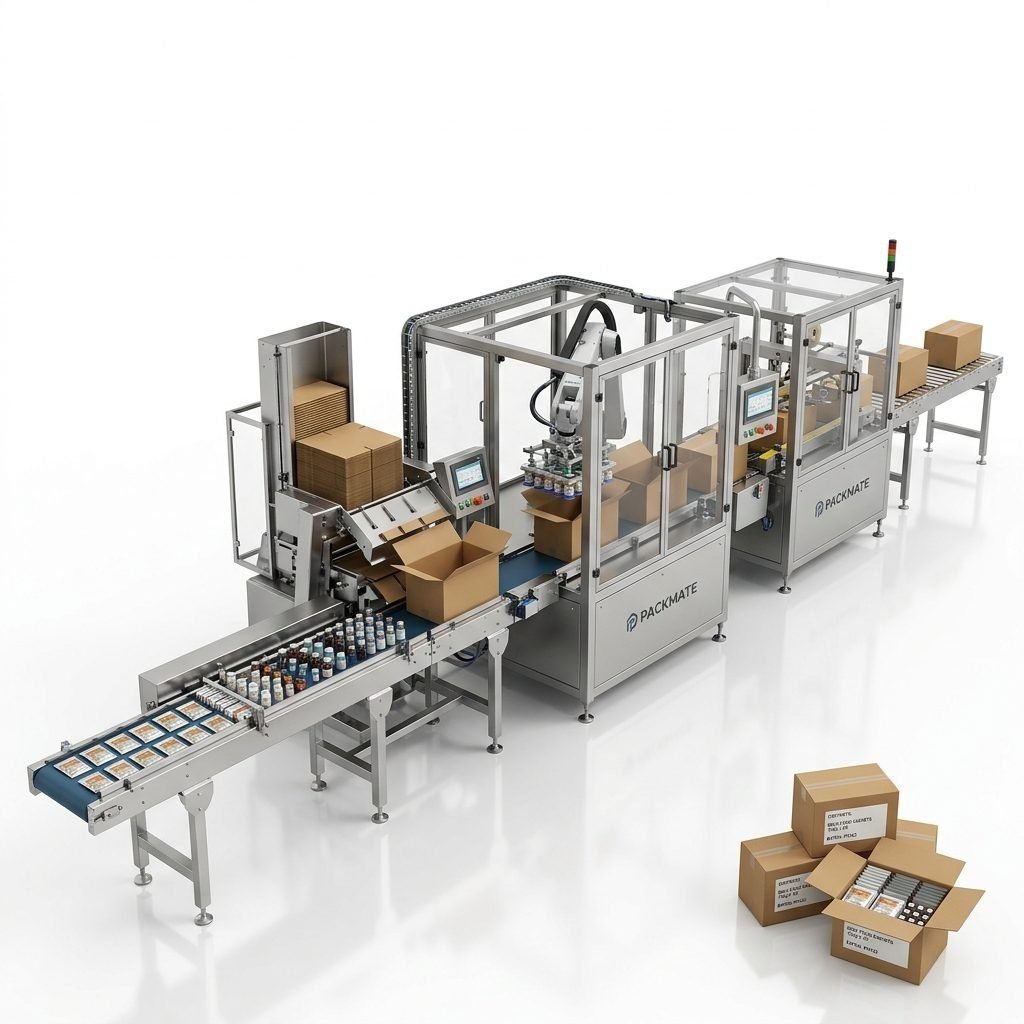
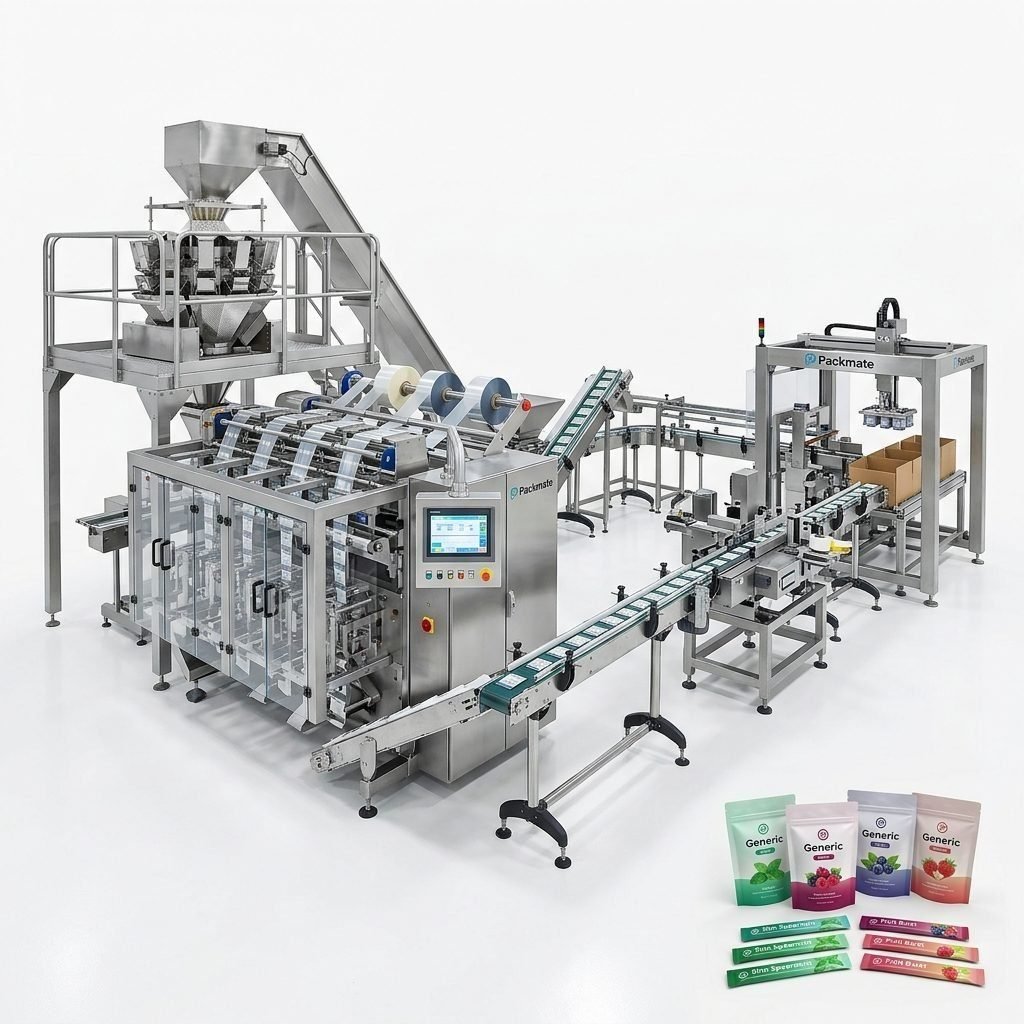
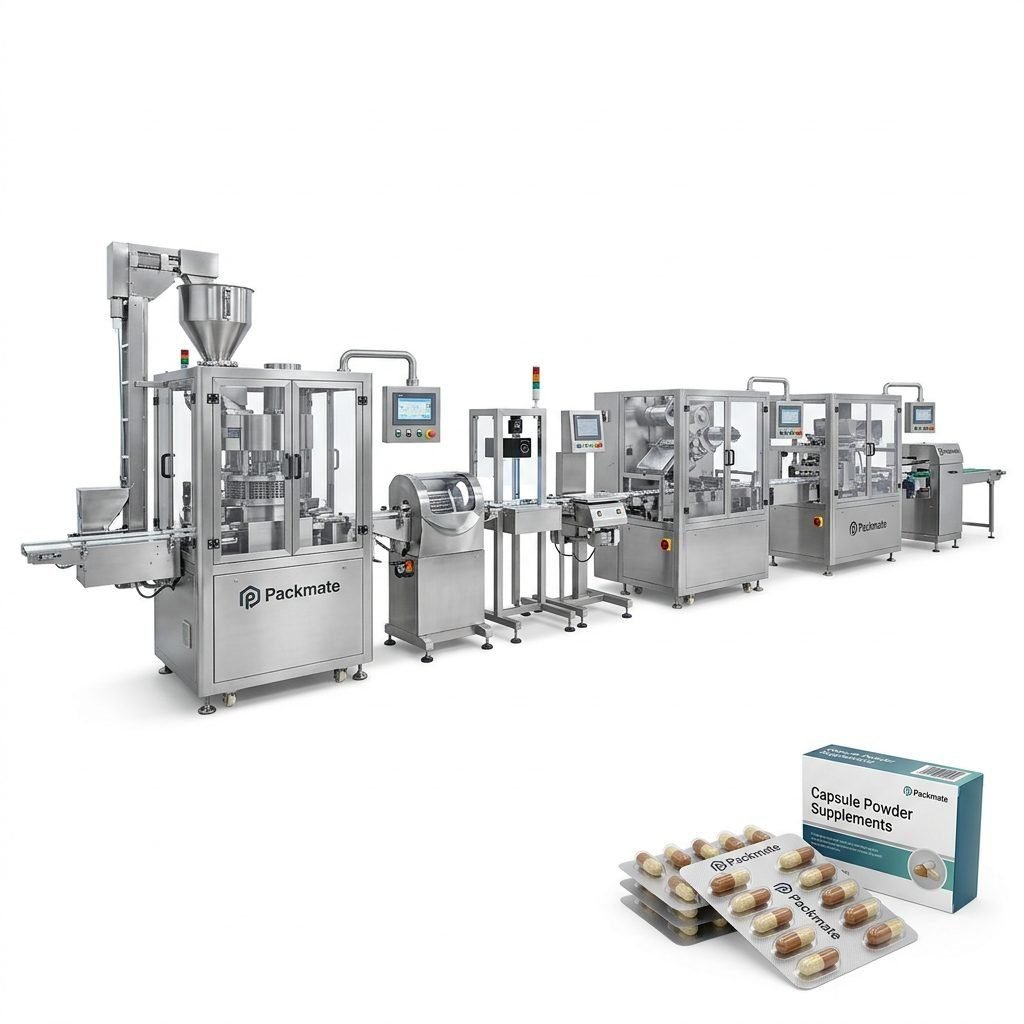
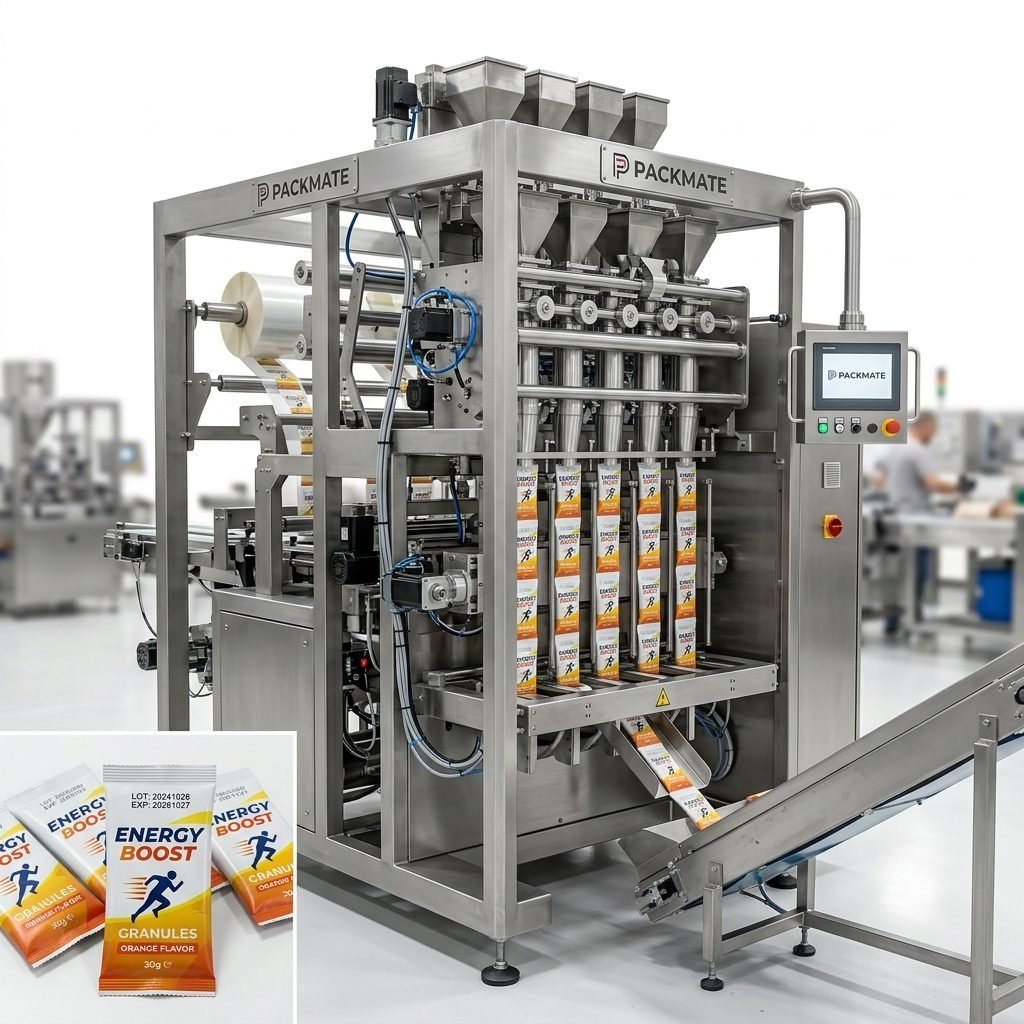
Level of Automation: This is a major cost driver. Manual feed machines are the least expensive. Adding automatic product feed, carton erectors, sealers, and labelers creates a turnkey system but increases investment. Companies like Packmate Machinery specialize in providing such complete filling and packaging lines, where the total solution cost must be considered.
Material Versatility & Film Compatibility: Machines that can handle a wider range of film types and thicknesses, or switch between different bag sizes quickly, command a higher price due to more complex sealing mechanisms and controls.
Machine Footprint & Build Quality: Industrial-grade machines with stainless steel contact points, precision-cut frames, and branded components (e.g., Mitsubishi PLCs, SMC pneumatics) are more reliable and durable, but also more costly than lighter-duty models.
Beyond the Sticker Price: Total Cost of Ownership (TCO)
The initial purchase price is only part of the story. A savvy buyer evaluates the Total Cost of Ownership over 5-10 years.
Operational Costs
Chemical Consumables: The ongoing cost of the polyurethane resins or EPS feedstock. Calculate cost per bag/carton based on your volume.
Film/Bag Material: For FIB systems, the cost of the plastic film rolls.
Energy Consumption: Higher horsepower machines and those with constant heating elements will use more electricity.
Maintenance & Downtime: A cheaper machine with frequent breakdowns and expensive, hard-to-find parts can quickly erase any initial savings. Investing in a machine from an established manufacturer with a strong service and support network is crucial for minimizing TCO.
Labor Efficiency: A more automated machine may have a higher upfront cost but can reduce labor requirements by 50% or more, leading to substantial long-term savings and consistency.
Price Comparison: Budget vs. Mid-Range vs. Premium
Here is a simplified comparison to illustrate the market segments. Note that specific brands and configurations will vary.
Budget Tier ($3k – $15k): Often manual or semi-automatic. Suitable for startups or very low volume. May have limited speed, basic controls, and lower durability. Consumable costs might be higher due to less precise dispensing.
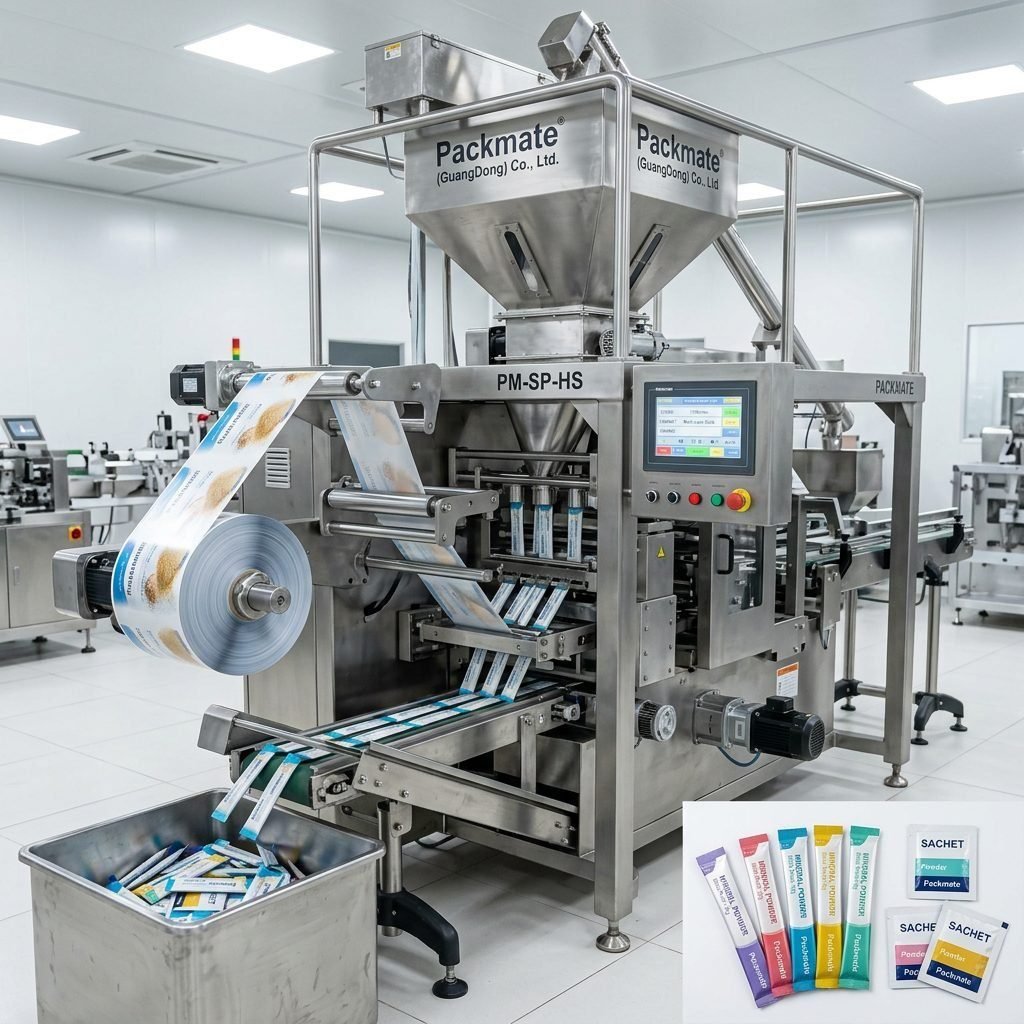
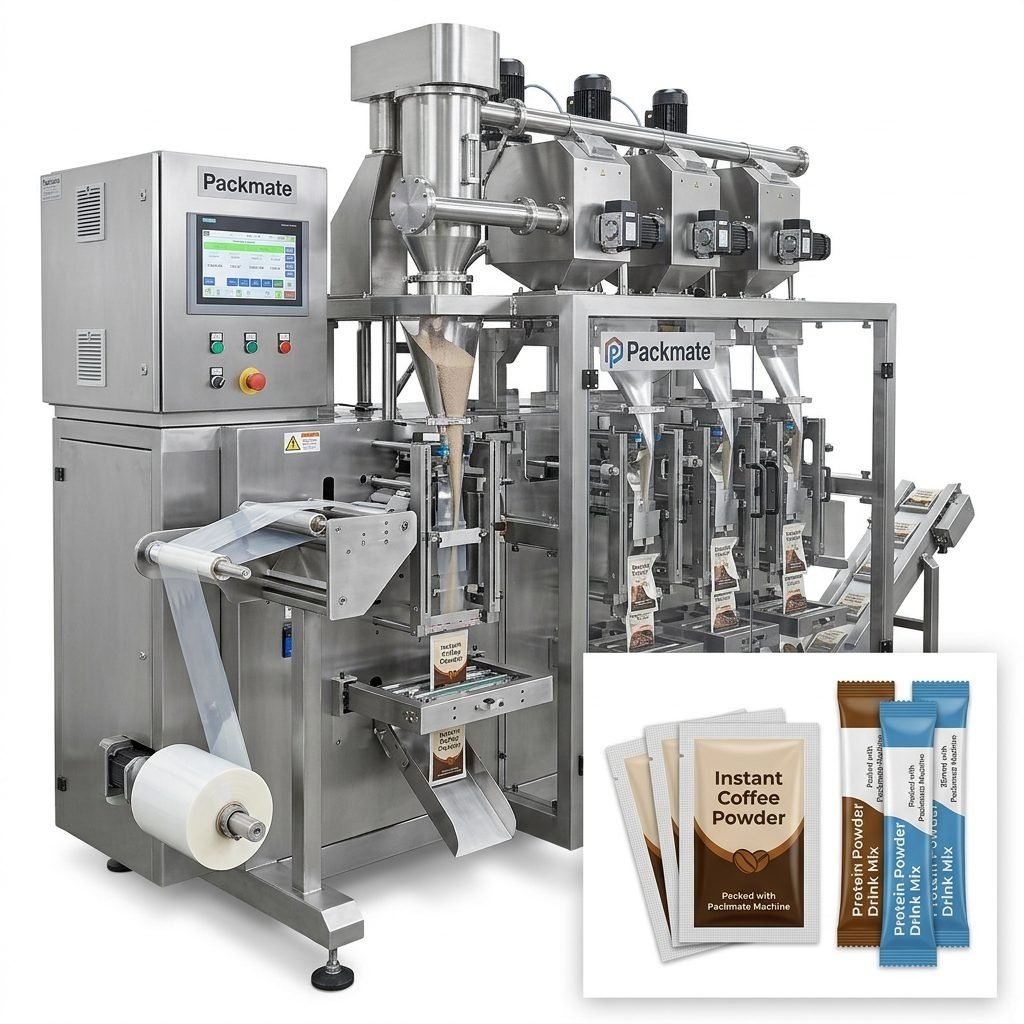
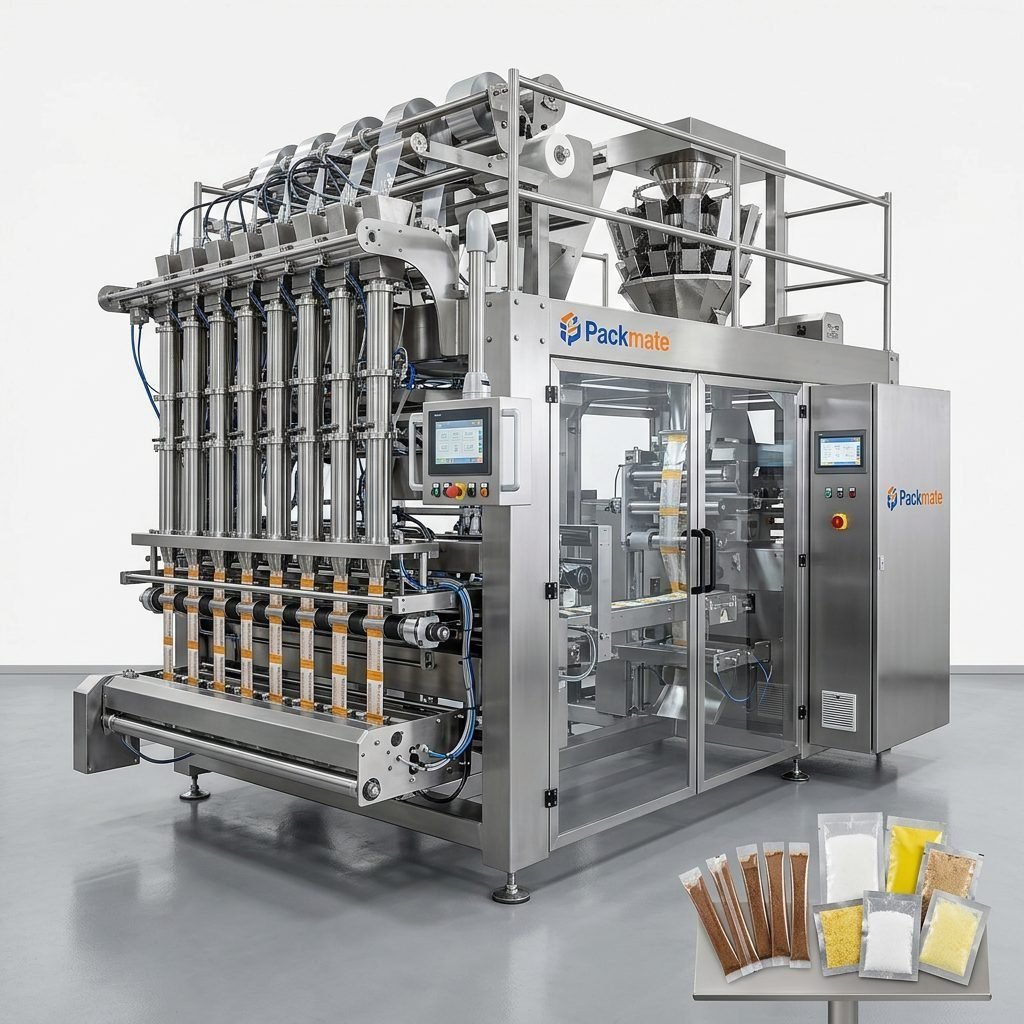
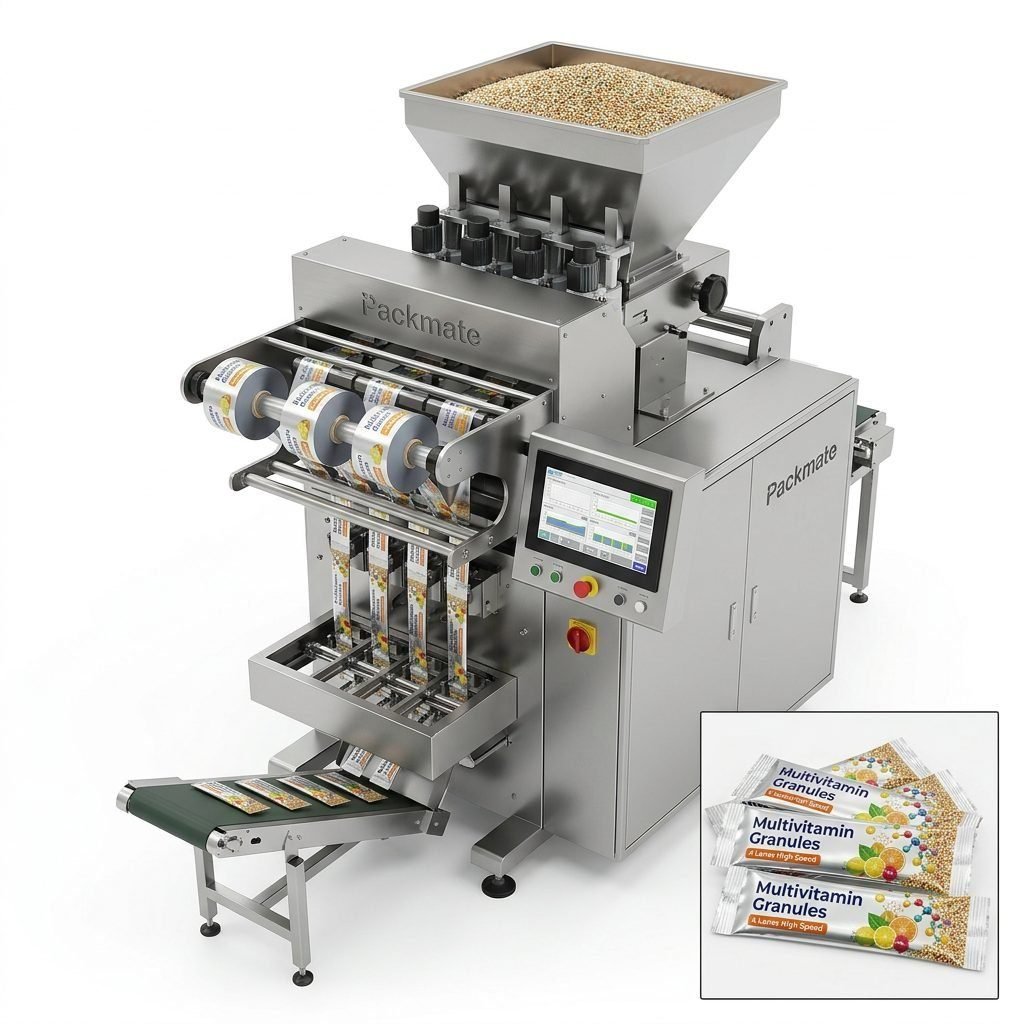
Mid-Range Tier ($15k – $45k): The sweet spot for many small to medium-sized businesses. Offers good speed, reliability, and better material efficiency. Often includes PLC controls, diagnostic features, and compatibility with a wider film range. Brands with a solid reputation, such as those offering robust sachet and stick pack machines, often compete in this segment with high-value engineering.
Premium Tier ($45k+): Fully automated, high-speed systems designed for integration into large-scale production lines. Feature high-precision dispensers, advanced diagnostics, networking capabilities, and premium components for maximum uptime. Justified by high volume and the need for minimal labor intervention.
Making the Right Investment: A Strategic Approach
Selecting a machine based solely on lowest price is risky. Follow this strategic approach:
1. Audit Your Current & Future Needs: Analyze your daily/weekly shipment volume, product size variability, and growth projections for the next 3-5 years.
2. Calculate Your True Costs: Factor in current labor time spent on packing, material waste, and damage rates. This establishes a baseline to measure ROI against.
3. Request Detailed Quotes & Demos: Get itemized quotes that include installation, training, and warranty. Insist on a live demo with your own products or similar ones.
4. Evaluate the Manufacturer: Research their history, reputation, and support structure. A company with deep expertise, like Packmate Machinery with over 30 years in packaging, often provides more reliable and innovative solutions that offer better long-term value than an unknown supplier.
5. Consider Financing & Leasing: Many suppliers offer options to preserve capital, making a higher-tier machine more accessible.
Conclusion
The cost of a foam packaging machine is an investment in your operation’s efficiency, product safety, and scalability. While entry-level machines start around a few thousand dollars, a comprehensive system for automated production can reach into the tens of thousands. The key is to look beyond the initial price and focus on Total Cost of Ownership, reliability, and the supplier’s ability to partner with you for long-term success. By carefully assessing your needs and comparing the true value offered by different machines, you can select a solution that reduces costs, improves productivity, and protects your products for years to come.
Frequently Asked Questions (FAQ)
1. What is the typical payback period for a foam packaging machine?
Payback periods can vary from 6 months to 2 years, depending on your volume and the labor/material savings achieved. A high-volume operation replacing manual packing with an automated system will see the fastest return.
2. Are the chemicals used in foam-in-bag systems safe and environmentally friendly?
Modern systems use non-CFC, non-HCFC polyurethane formulations. The expanded foam is inert and non-toxic. Many films are also recyclable (check with your local facility). For a greener option, consider machines that use biodegradable loose fill or paper-based cushioning.
3. Can one machine handle vastly different product sizes?
It depends. Many FIB machines can adjust bag length easily, making them flexible for different box sizes. However, Foam-in-Place (FIP) systems typically require a custom mold for each product profile, making quick changeovers difficult.
4. How important is after-sales service and technical support?
It is critically important. Packaging machines are mechanical systems that require maintenance and occasional troubleshooting. Choose a supplier with a proven track record of responsive technical support, available spare parts, and comprehensive training to minimize costly downtime.
5. Should I buy a new or used foam packaging machine?
A new machine comes with a full warranty, latest technology, and manufacturer support. A used machine can offer significant upfront savings but carries risks like unknown maintenance history, potential obsolescence, and limited support. It’s generally recommended for businesses with in-house technical expertise.