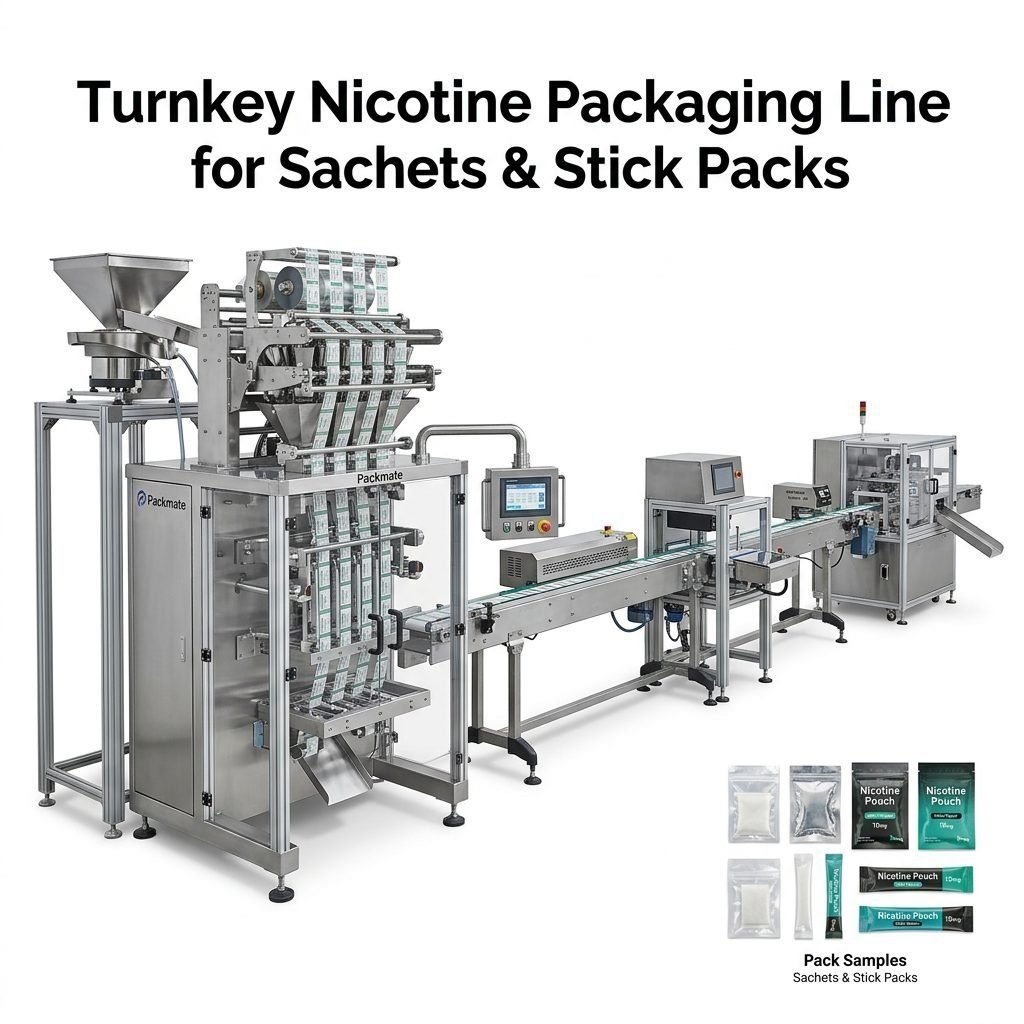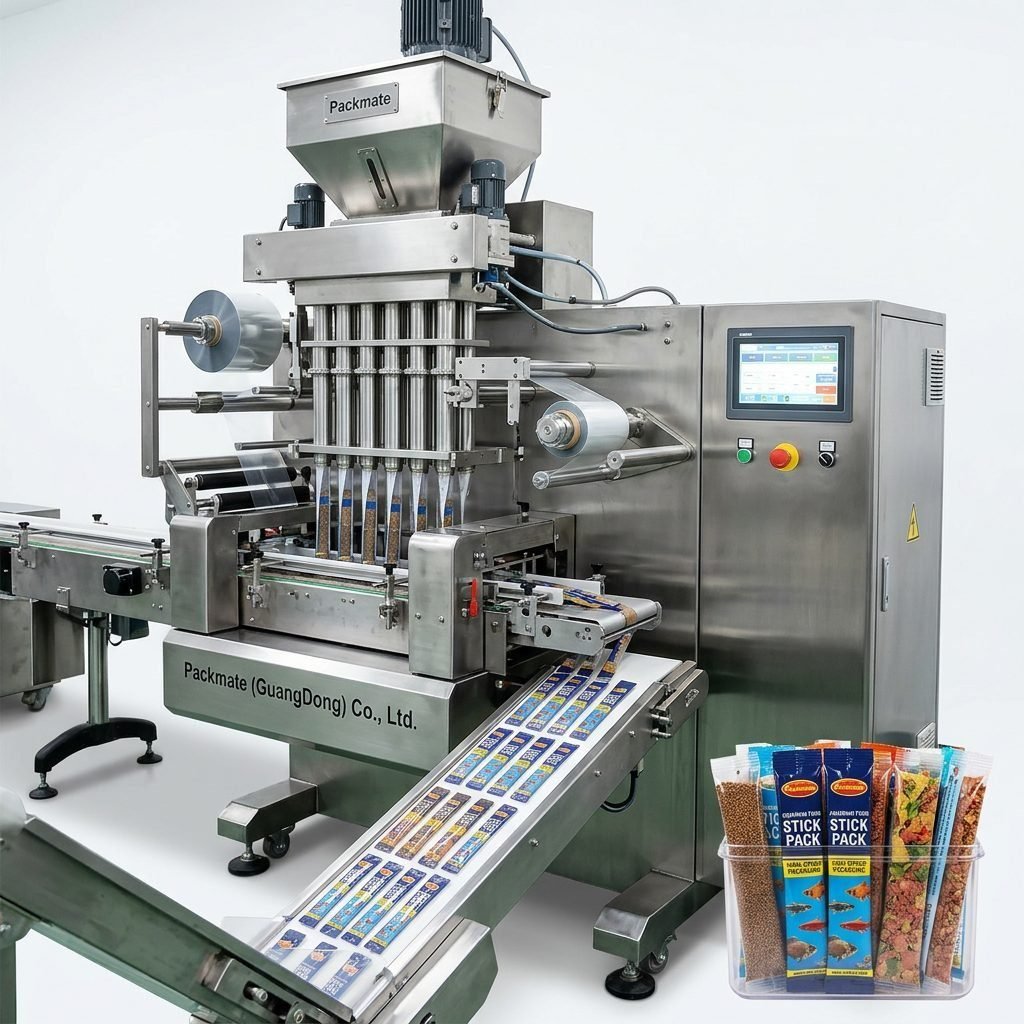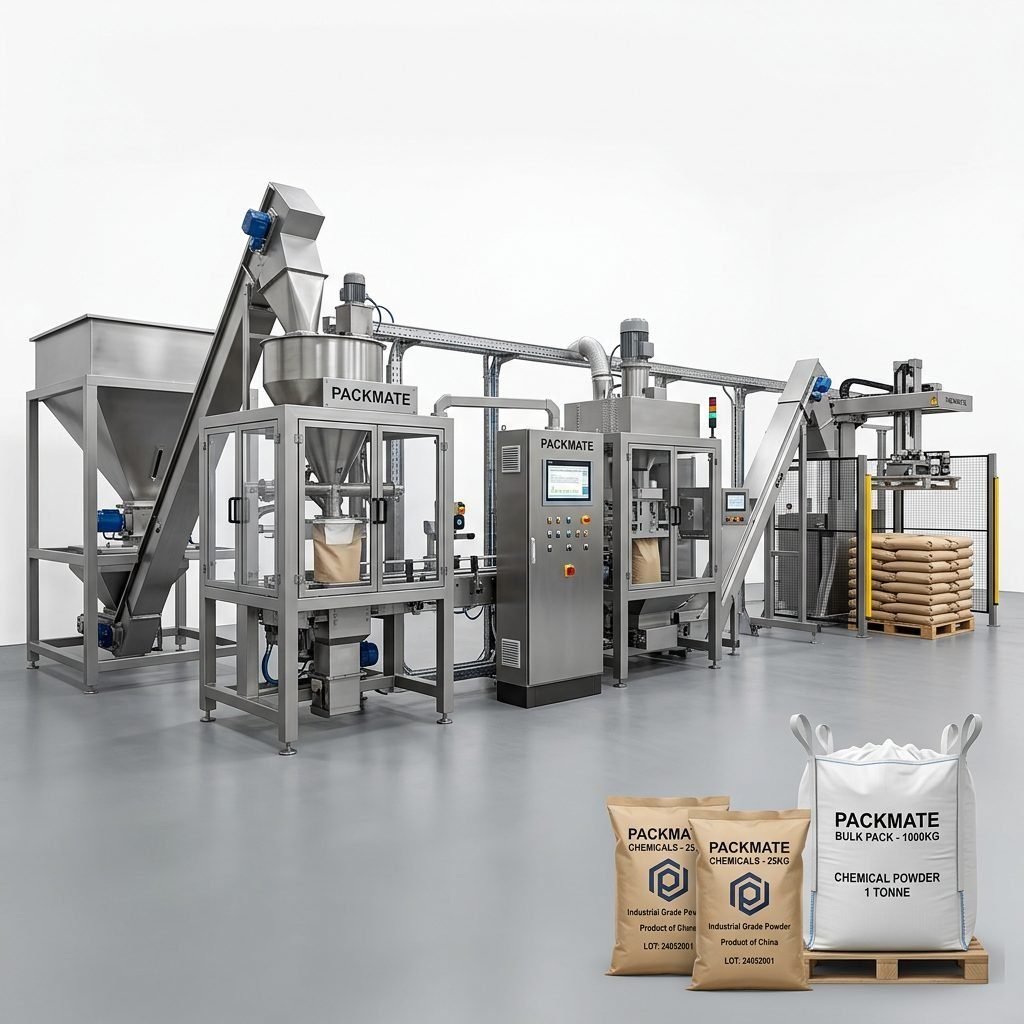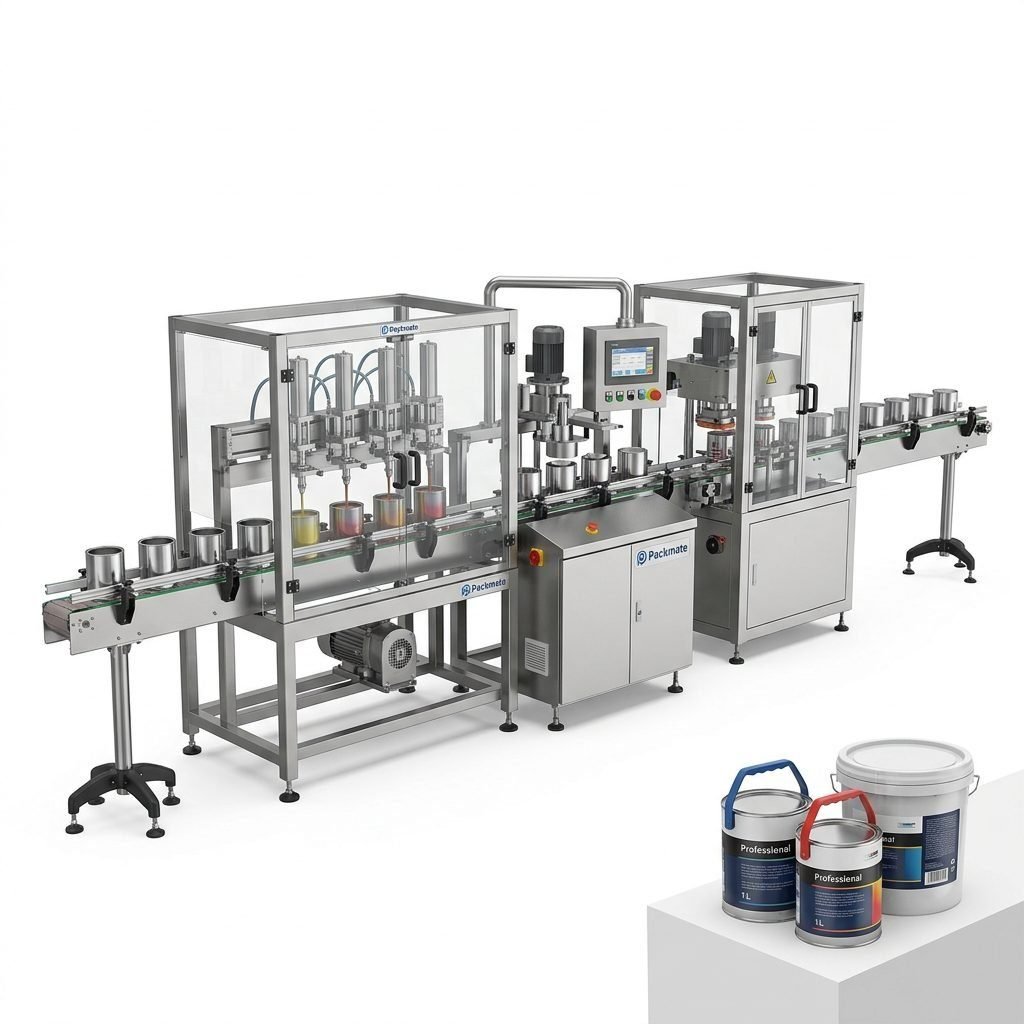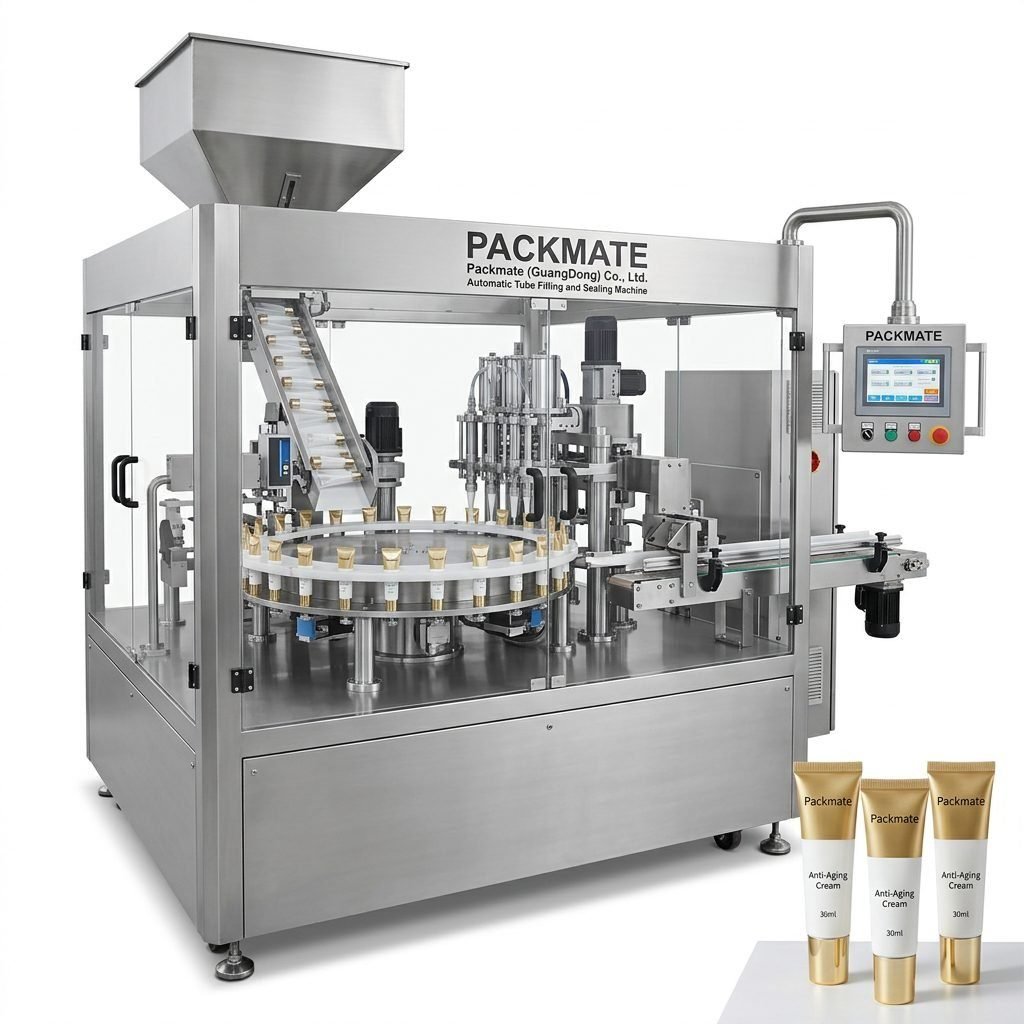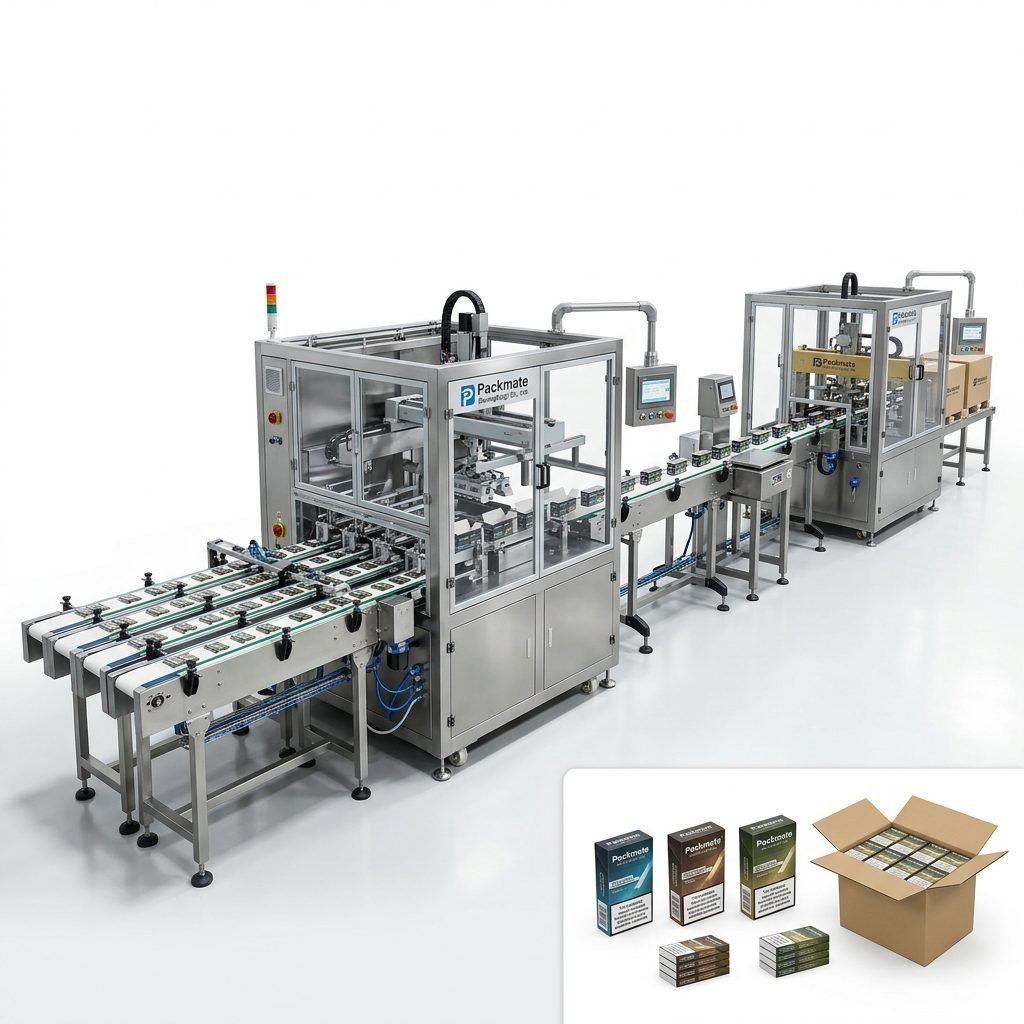
In today’s competitive food industry, the quest for greater efficiency and reduced operational costs is relentless. One of the most transformative solutions lies in the adoption of automated food packaging equipment. This technology represents a significant leap from manual and semi-automatic processes, offering unparalleled speed, consistency, and reliability. For businesses looking to scale, meet stringent safety standards, and improve their bottom line, automation is no longer a luxury—it’s a necessity.
The Core Benefits of Automation in Food Packaging
The transition to automated systems delivers a powerful return on investment through several key channels. First and foremost is the dramatic increase in production speed. Automated lines can operate continuously at high speeds, significantly outpacing manual labor and reducing cycle times. This directly translates to higher output and the ability to meet larger order volumes and tighter deadlines.
Cost reduction is another critical advantage. While the initial capital expenditure can be substantial, the long-term savings are compelling. Automation drastically lowers labor costs by reducing the number of operators required per line. It also minimizes product waste through precise measuring and filling, and decreases material waste via consistent and accurate sealing. Furthermore, these systems enhance workplace safety by handling repetitive and potentially hazardous tasks, leading to fewer workplace injuries and associated costs.
Beyond speed and cost, quality and consistency see remarkable improvement. Every package is sealed with the same precision, filled to the exact weight, and labeled identically. This eliminates human error and variability, ensuring every product that leaves your facility meets the highest standards of presentation and integrity. This consistency is crucial for brand reputation and consumer trust.
Key Technologies Driving Modern Packaging Lines
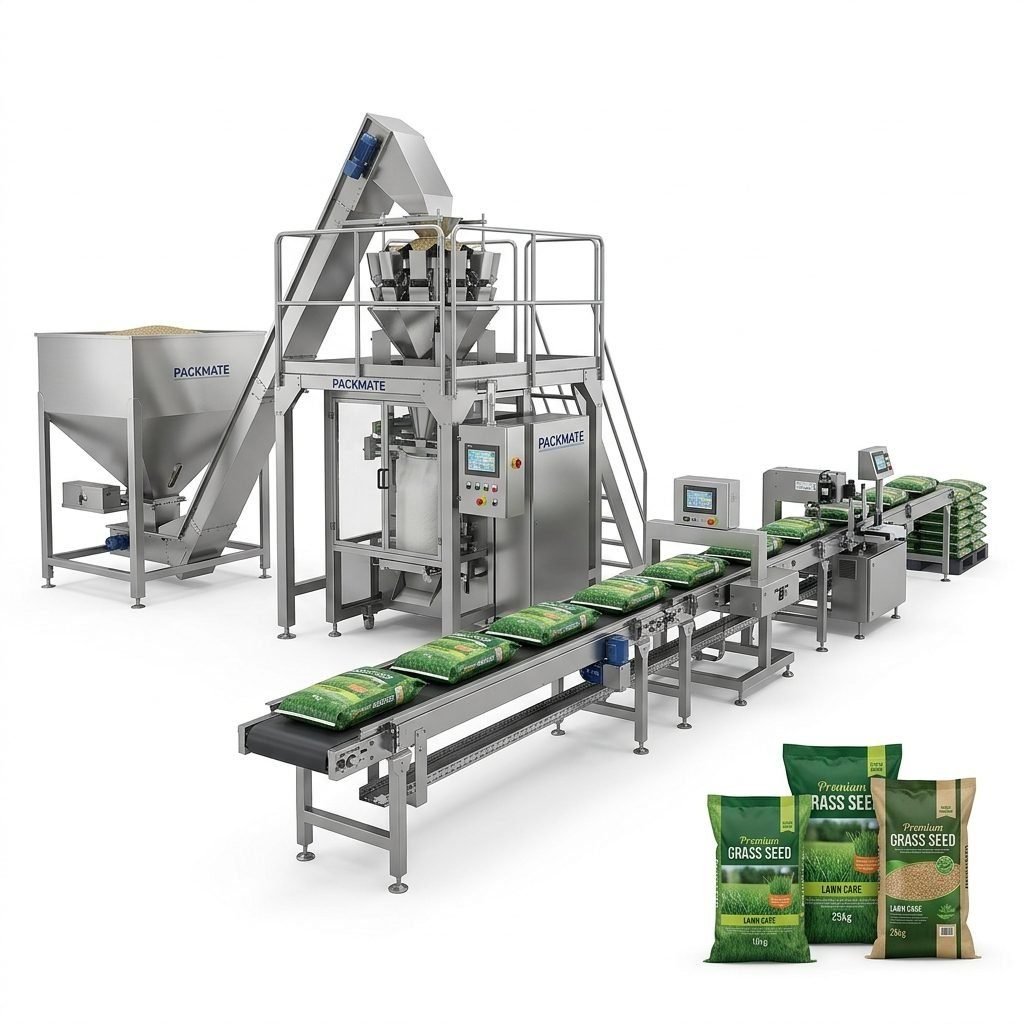
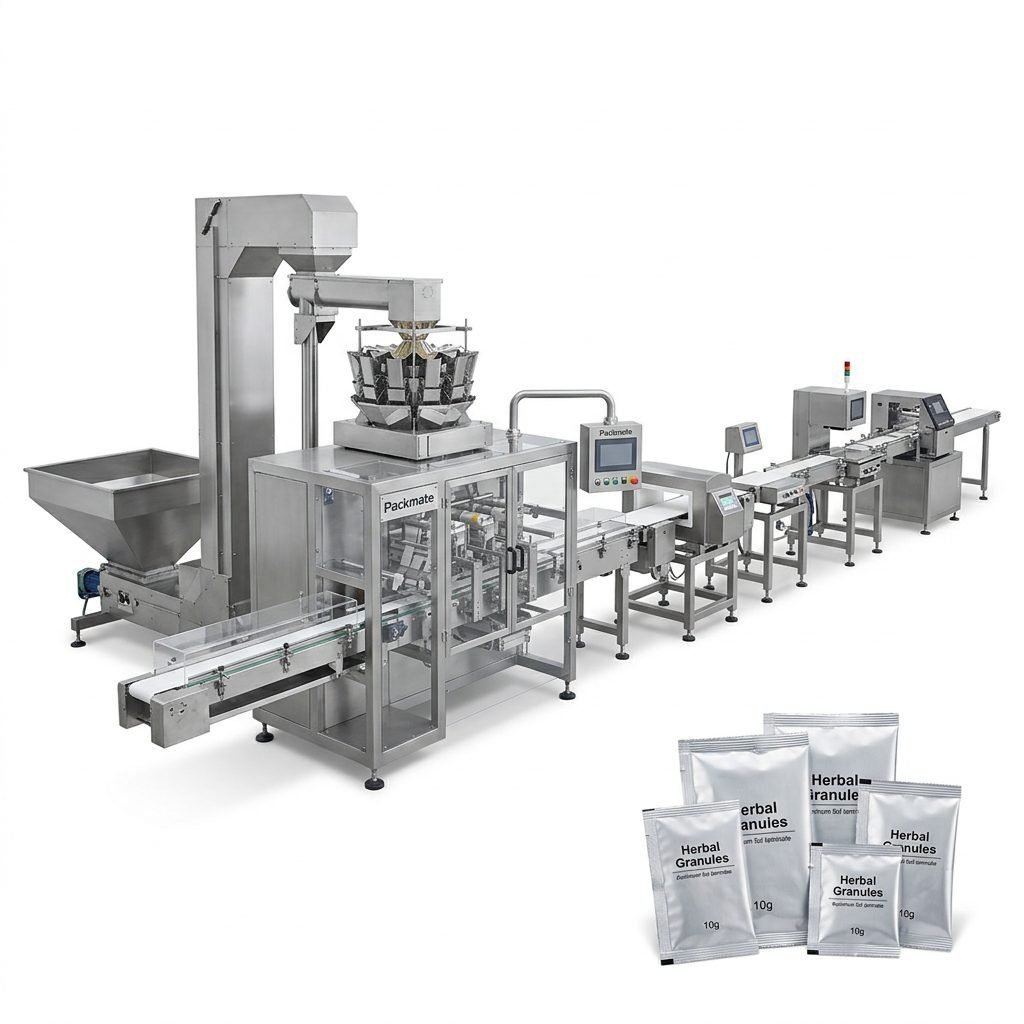
Modern automated packaging is a symphony of integrated technologies. At the heart of many systems are advanced weighing and filling mechanisms, such as multi-head weighers and auger fillers, which provide astonishing accuracy for powders, granules, and liquids. Vision inspection systems act as vigilant quality controllers, checking for fill levels, label placement, and seal integrity in real-time, rejecting any substandard packages.
Robotics has also become integral, performing tasks like case packing, palletizing, and delicate product handling with speed and gentleness. The entire process is managed and monitored by sophisticated Programmable Logic Controllers (PLCs) and Human-Machine Interfaces (HMIs), allowing for easy operation, recipe changes, and comprehensive production data tracking.
Choosing the Right Equipment for Your Needs
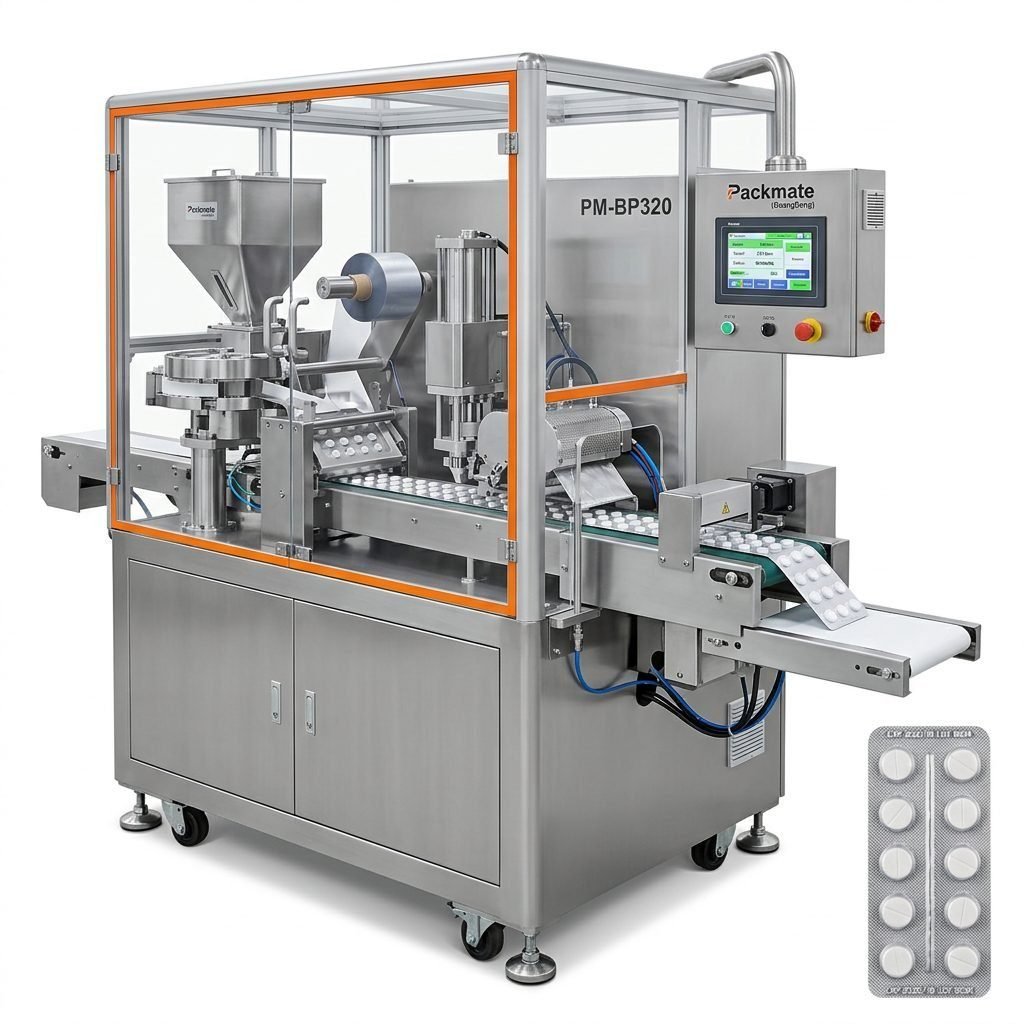
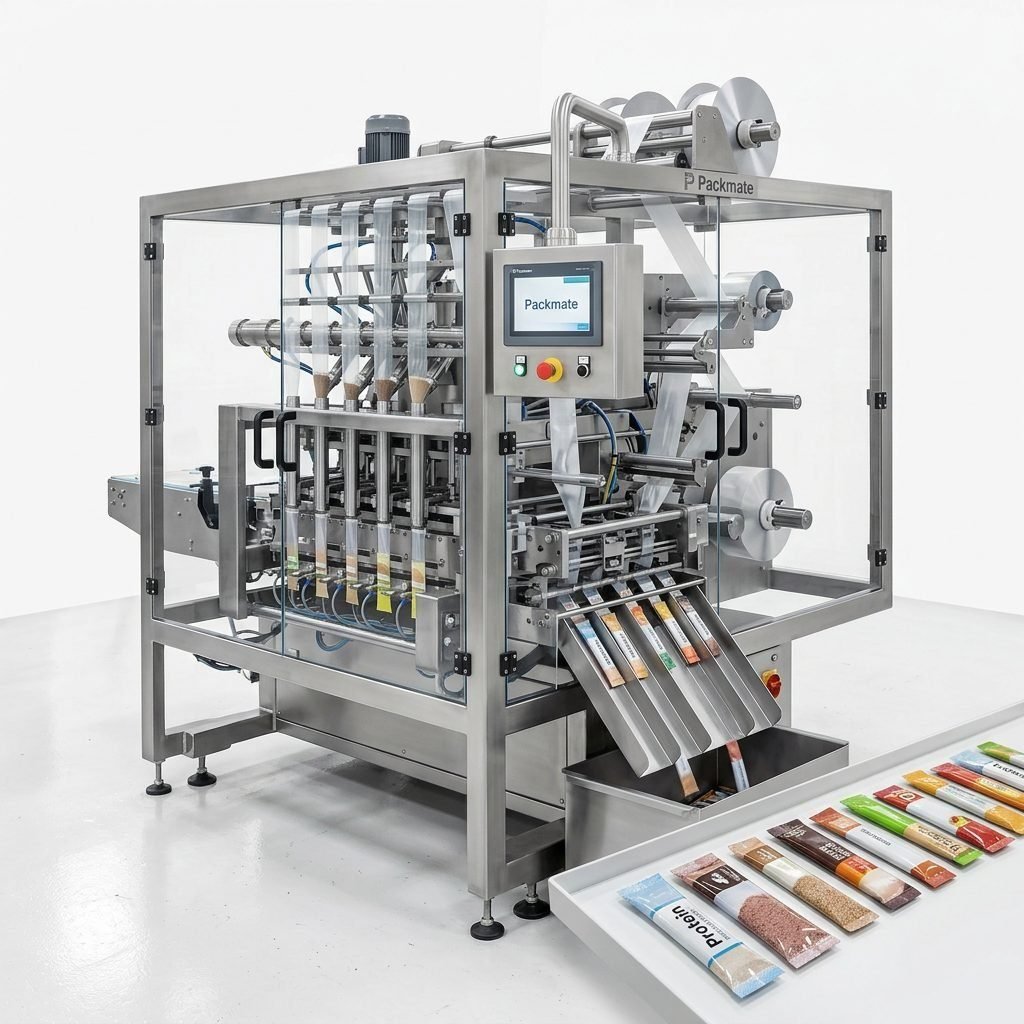
Selecting the appropriate automated packaging solution requires careful analysis. The primary consideration is your product type—whether it’s solid, granular, powdered, liquid, or viscous. The packaging format (stick packs, sachets, pouches, bottles) also dictates the machine type. It’s essential to partner with a manufacturer that offers a diverse range of solutions, such as the comprehensive portfolio available through Packmate’s packaging machines.
Other vital factors include your required production speed (packages per minute), the level of flexibility needed for changeovers, and the available factory floor space. A reputable supplier will not just sell you a machine but will provide a complete turnkey packaging line solution tailored to your specific workflow and future growth plans.
The Packmate Advantage: A Legacy of Innovation
When investing in automation, the manufacturer’s expertise and support are as important as the hardware itself. Packmate (GuangDong) Co., Ltd. brings over 30 years of dedicated experience to the table. Founded on a passion for automation by Mr. Jiang Sha, the company has grown from a small workshop into a leader with a 20,000㎡ modern facility, housing over 100 advanced production equipment units.
This deep-rooted history, detailed in their company profile, translates into profound practical knowledge. Packmate understands the real-world challenges on the production floor. Their team of over 125 professionals is committed to transforming ideas into reliable, innovative packaging solutions. They offer more than 50 machine models, specializing in high-speed sachet and stick pack machines and complete bagging lines, serving a global clientele in the food, pharmaceutical, and health industries.
Implementing Your Automated System: A Smooth Transition
Successful implementation is a phased process. It begins with a thorough consultation and analysis of your current and desired state. The chosen equipment is then meticulously installed and calibrated by expert engineers. Comprehensive operator and maintenance training is non-negotiable to ensure your team can run and troubleshoot the system effectively.
Finally, a robust after-sales service plan, including readily available spare parts and technical support, guarantees long-term uptime and protects your investment. A partner like Packmate, with a clear service commitment, ensures your transition to automation is smooth and sustainable.
The future of food packaging is intelligent and connected. The next evolution involves the Industrial Internet of Things (IIoT), where machines communicate data for predictive maintenance, real-time optimization, and seamless integration with Enterprise Resource Planning (ERP) systems. Embracing automation today positions your company to leverage these smart factory advancements tomorrow.
Frequently Asked Questions (FAQs)
1. What is the typical payback period for an automated food packaging line?
The payback period varies based on the system’s complexity, scale, and your existing labor costs. However, many businesses see a return on investment within 1 to 3 years due to savings in labor, reduced waste, and increased production capacity.
2. Can automated equipment handle multiple product types or package sizes?
Yes, many modern machines are designed for flexibility. With quick-change parts and programmable recipes, they can switch between different products, weights, and packaging formats with minimal downtime, making them ideal for batch production.
3. How reliable is automated packaging equipment, and what about maintenance?
High-quality automated equipment from reputable manufacturers is engineered for high reliability and uptime. Regular preventative maintenance is key. A good supplier will provide a maintenance schedule, training, and easy access to genuine spare parts to ensure long-term operational efficiency.
4. Is automation only suitable for large-scale food producers?
Not at all. While large companies benefit greatly, automation solutions are scalable. There are compact, modular, and affordable systems designed specifically for small and medium-sized enterprises (SMEs) to help them improve efficiency and compete effectively.
5. How do I ensure the equipment meets food safety and hygiene standards?
Choose equipment constructed with food-grade materials (like stainless steel) and designed for easy cleaning and sanitation (featuring smooth surfaces and minimal crevices). Reputable manufacturers design their machines in compliance with international standards such as ISO and relevant food safety regulations.