In the fast-paced world of cosmetic manufacturing, efficiency is the cornerstone of profitability and market competitiveness. The right packaging equipment can dramatically streamline your production line, reduce waste, ensure product integrity, and accelerate time-to-market. For businesses aiming to scale operations or enhance their current setup, investing in top-tier cosmetic packaging machinery is not just an option—it’s a strategic necessity.
Key Considerations for Selecting Packaging Equipment
Before diving into specific machine types, understanding the core factors that influence your choice is crucial. Your product’s form—be it liquid, cream, powder, or solid—dictates the primary filling technology. Production volume and desired speed set the benchmark for machine capacity, ranging from semi-automatic to fully automated, high-speed lines. Equally important are flexibility and changeover time; equipment that can handle multiple container sizes and formats with minimal downtime is invaluable for product diversification. Finally, adherence to industry regulations and hygiene standards is non-negotiable, especially for products with stringent safety requirements.
Why Efficiency Matters More Than Ever
Modern consumers demand not only quality products but also rapid innovation and sustainable practices. An efficient packaging line directly addresses these demands by enabling smaller, more frequent production runs of diverse products, reducing overstock and material waste. It allows brands to be agile, responding quickly to market trends without compromising on operational costs.
Top Equipment Categories for Cosmetic Lines
Building a robust production line involves integrating several key machines, each performing a critical function in the packaging sequence.
1. Filling Machines: The Heart of the Line
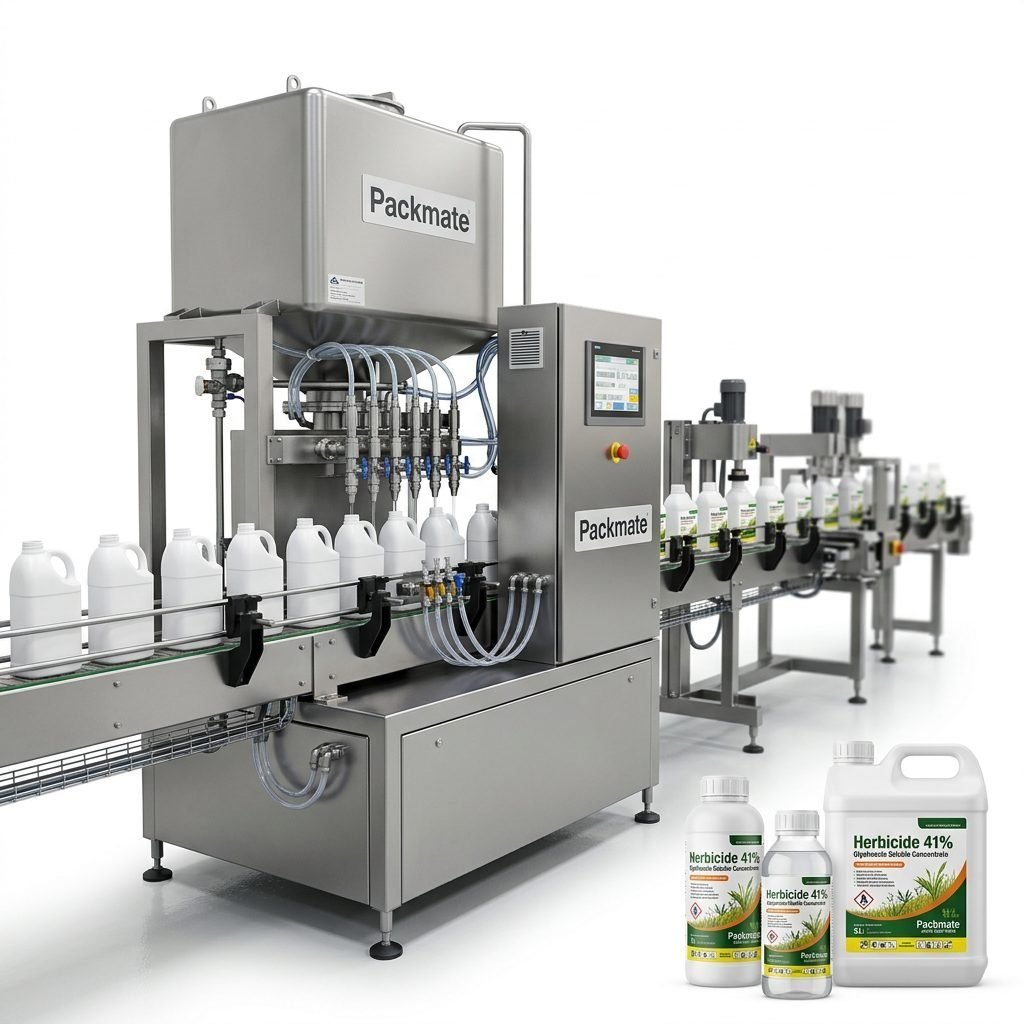
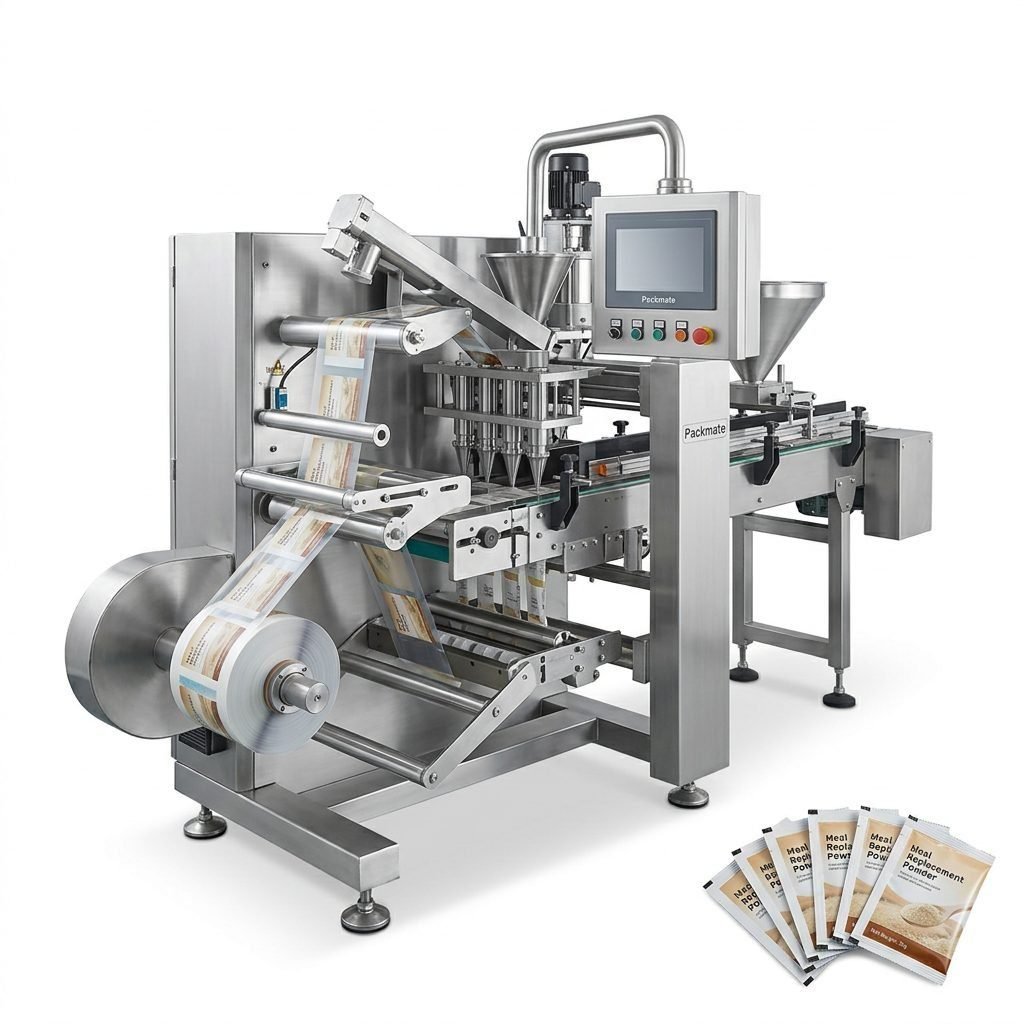
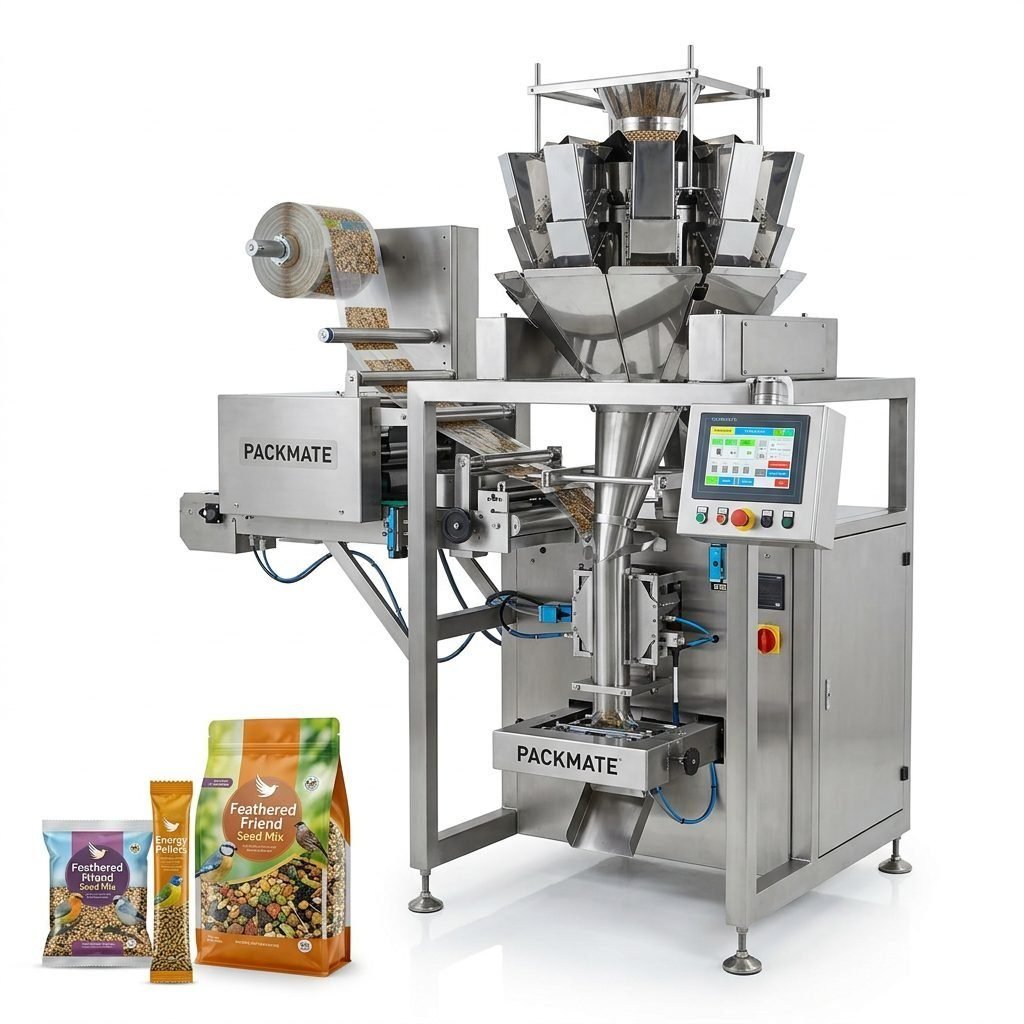
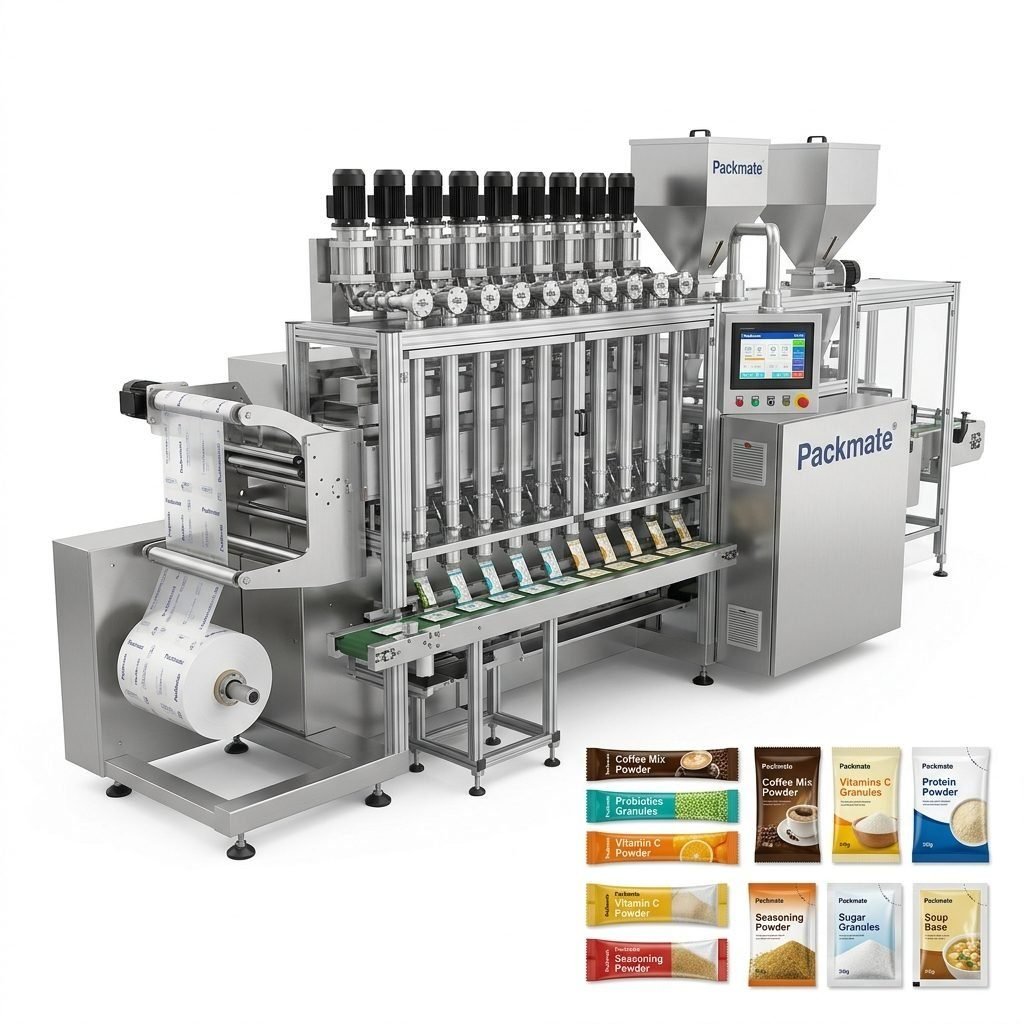
Accuracy and cleanliness are paramount here. For liquids and creams like serums and lotions, piston fillers and peristaltic pumps offer precise volumetric dosing while preventing product contamination. For powders such as eyeshadows or loose foundations, auger fillers provide exceptional accuracy by measuring by volume or weight. Viscous products like hair pomades often require specialized pumps or time-pressure fillers. The choice directly impacts product consistency and cost-saving by minimizing giveaway.
2. Capping and Sealing Equipment
This stage ensures product safety and shelf life. Automatic cappers can handle various closure types—snap caps, screw caps, pump dispensers, and crimp seals—at high speeds. Induction sealing is a critical addition for liquid products, applying an airtight foil liner under plastic caps to prevent leakage, tampering, and preserve freshness. Reliable sealing is your first defense against product spoilage and customer complaints.
3. Labeling and Coding Systems
Branding and compliance information come together at this stage. Automatic labelers apply front, back, and wrap-around labels with perfect registration on bottles, jars, and tubes. Integrated coding systems, like inkjet or laser coders, simultaneously print batch numbers, expiry dates, and barcodes. This traceability is essential for quality control and supply chain management. For a comprehensive look at integrated systems, explore our range of Filling & Packaging Lines.
4. Ancillary and End-of-Line Equipment
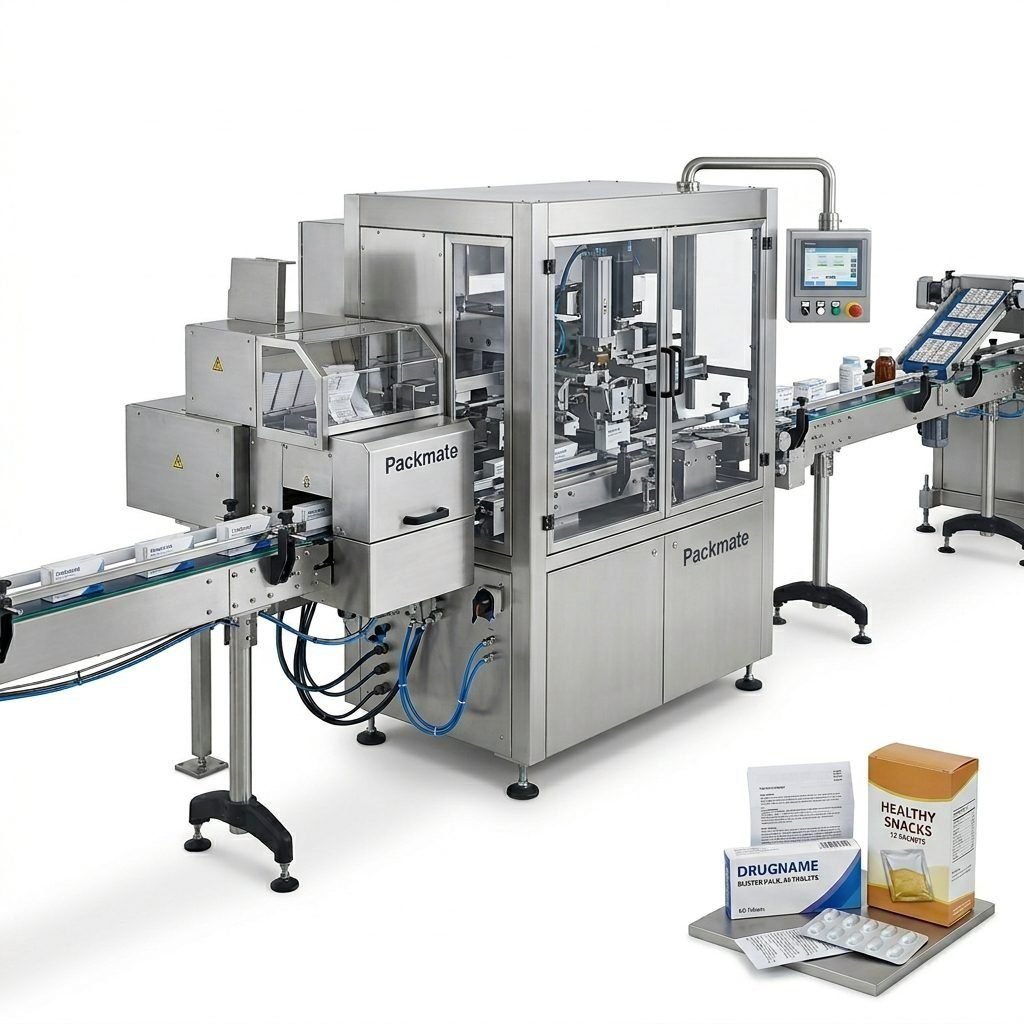
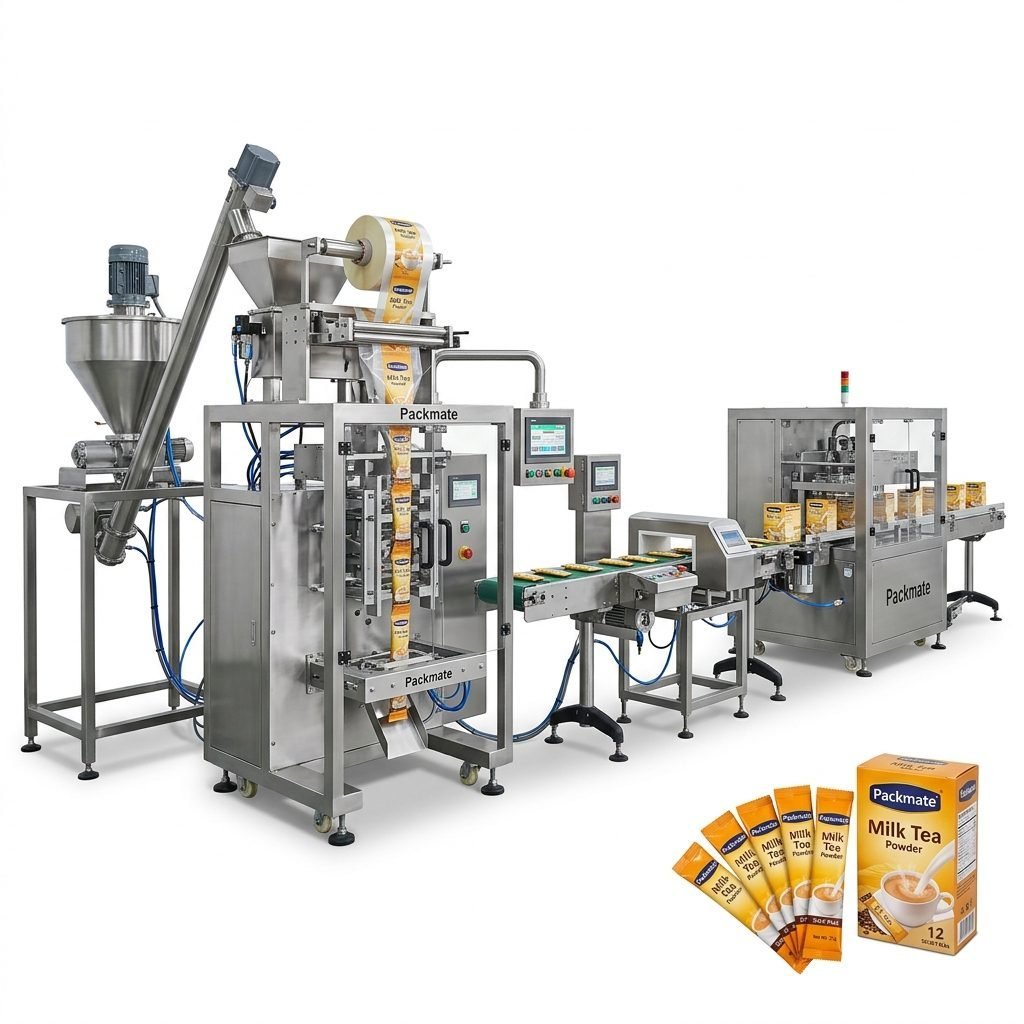
Efficiency extends beyond primary packaging. Unscramblers automatically orient and feed empty containers onto the conveyor. Accumulation tables buffer products between machines of different speeds, preventing bottlenecks. Finally, cartoning machines and case packers automate the secondary packaging process, preparing boxes for palletizing and shipment. These components are the unsung heroes that create a seamless, continuous flow. Discover supporting equipment in our Auxiliary Packaging Equipment section.
Integrating for Maximum Output: The Turnkey Solution
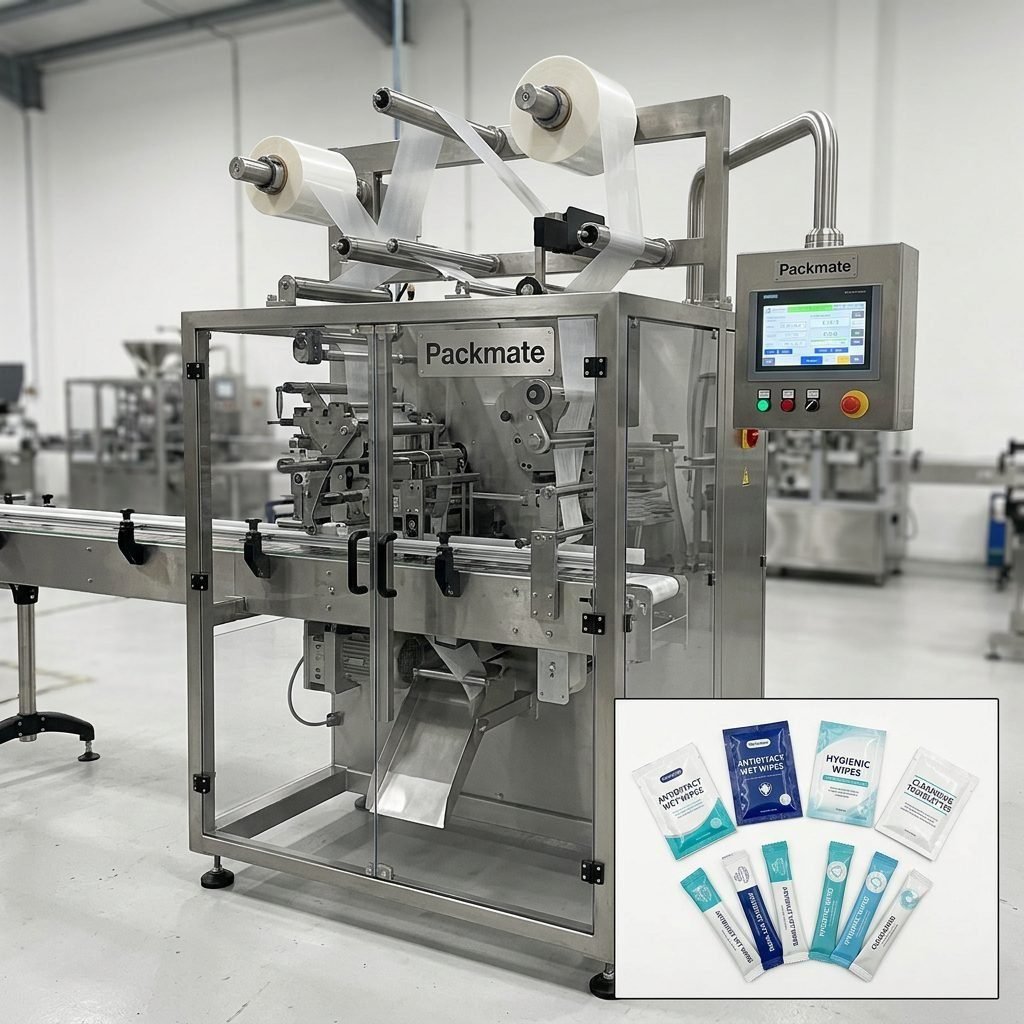
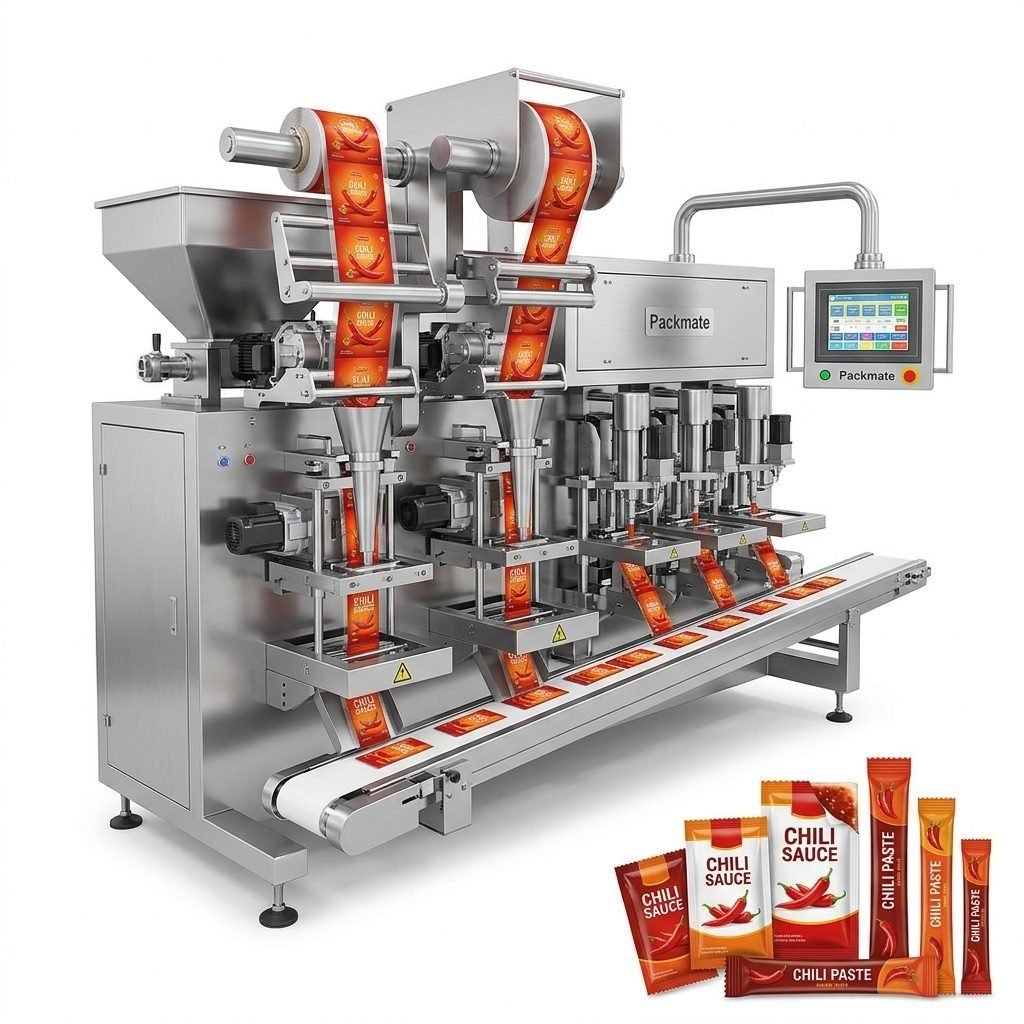
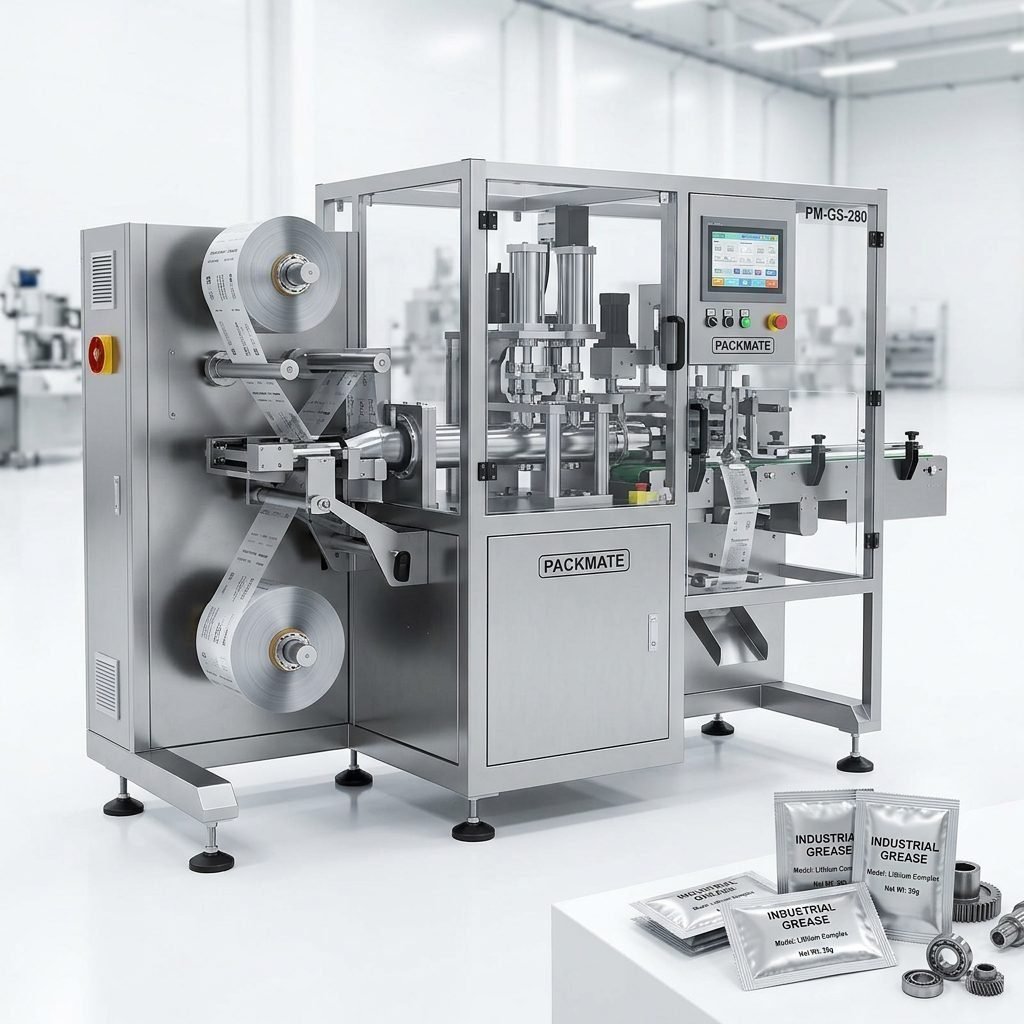
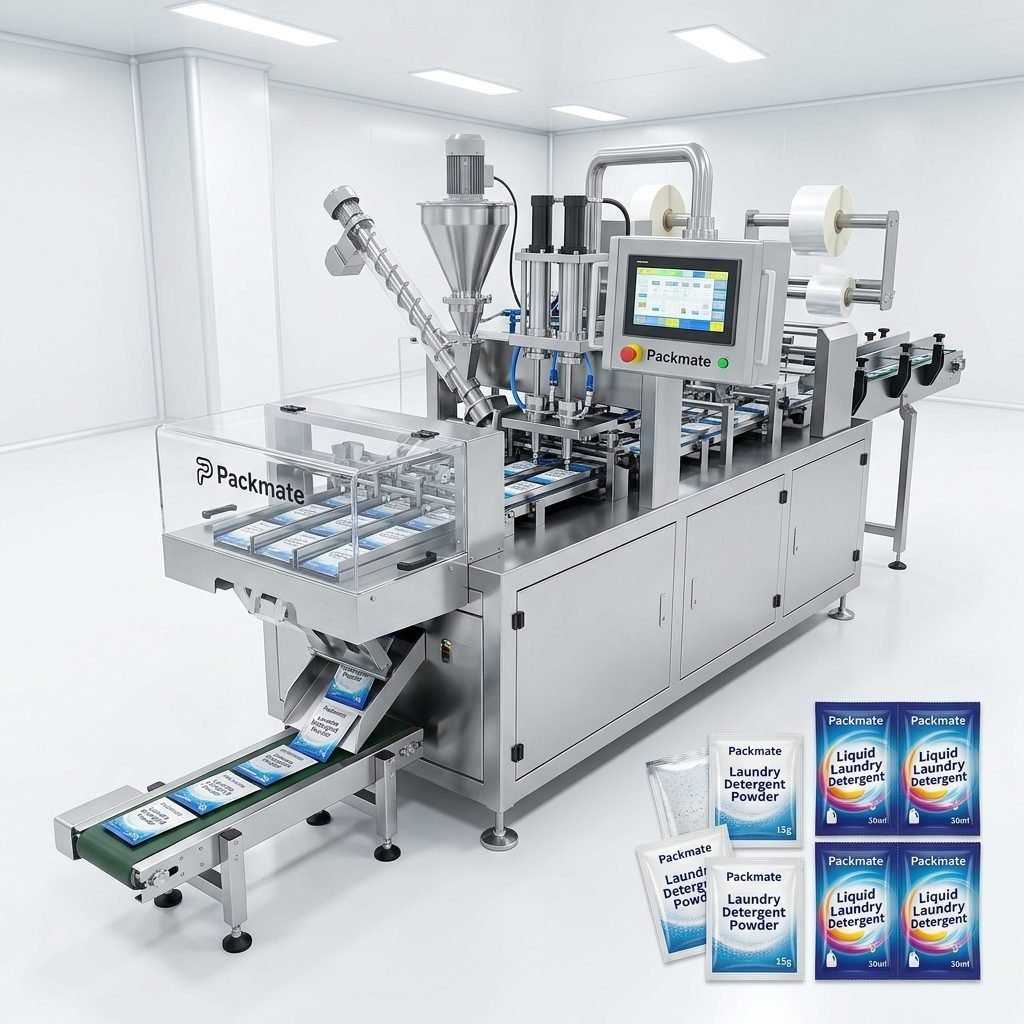
The true power of modern packaging lies in integration. A synchronized line where fillers, cappers, labelers, and packers communicate via a central control system (often PLC-based) eliminates manual handling, drastically reduces labor costs, and minimizes errors. This turnkey approach ensures all components are compatible and optimized to work together from day one, delivering the highest possible Overall Equipment Effectiveness (OEE). Companies like Packmate Machinery specialize in designing and delivering such complete, intelligent packaging solutions tailored to specific production goals.
Future-Proofing Your Investment
Technology in packaging is evolving rapidly. When selecting equipment, consider machines with modular designs that allow for future upgrades. Look for features like IoT connectivity for predictive maintenance and data analytics, which can preempt downtime. Sustainability is another key driver; equipment that handles recycled materials, reduces plastic use, or minimizes energy consumption will align with both regulatory trends and consumer expectations.
Frequently Asked Questions (FAQ)
What is the most important factor when choosing a cosmetic filling machine?
The most critical factor is matching the machine’s technology to your product’s physical characteristics (viscosity, abrasiveness, foaming tendency) and the required filling accuracy. An ill-matched machine will lead to product waste, inefficiency, and potential contamination.
How can I reduce changeover time between different packaging runs?
Invest in equipment with quick-change features, such as tool-less change parts, digital recipe storage, and servo-driven adjustments. A well-designed line with these features can switch formats in minutes rather than hours, maximizing production uptime.
Is full automation necessary for a small to medium cosmetic brand?
Not necessarily. While full automation offers the highest speed, semi-automatic or benchtop machines can be a perfect, cost-effective starting point for lower volumes. The key is to choose equipment that can potentially be integrated into a larger automated line as your business grows.
What certifications should I look for in cosmetic packaging equipment?
For markets like the EU and North America, look for machines built with materials and designs that comply with GMP (Good Manufacturing Practice) guidelines. CE certification is a must for equipment sold in Europe, indicating safety and health standards. For pharmaceutical-grade cosmetics, more stringent standards may apply.
How do I ensure the packaging line is hygienic and easy to clean?
Select equipment with sanitary design principles: stainless steel contact parts, smooth surfaces without crevices, CIP (Clean-in-Place) capabilities, and easy disassembly for manual cleaning. This is especially vital for water-based or natural cosmetic products prone to microbial growth.