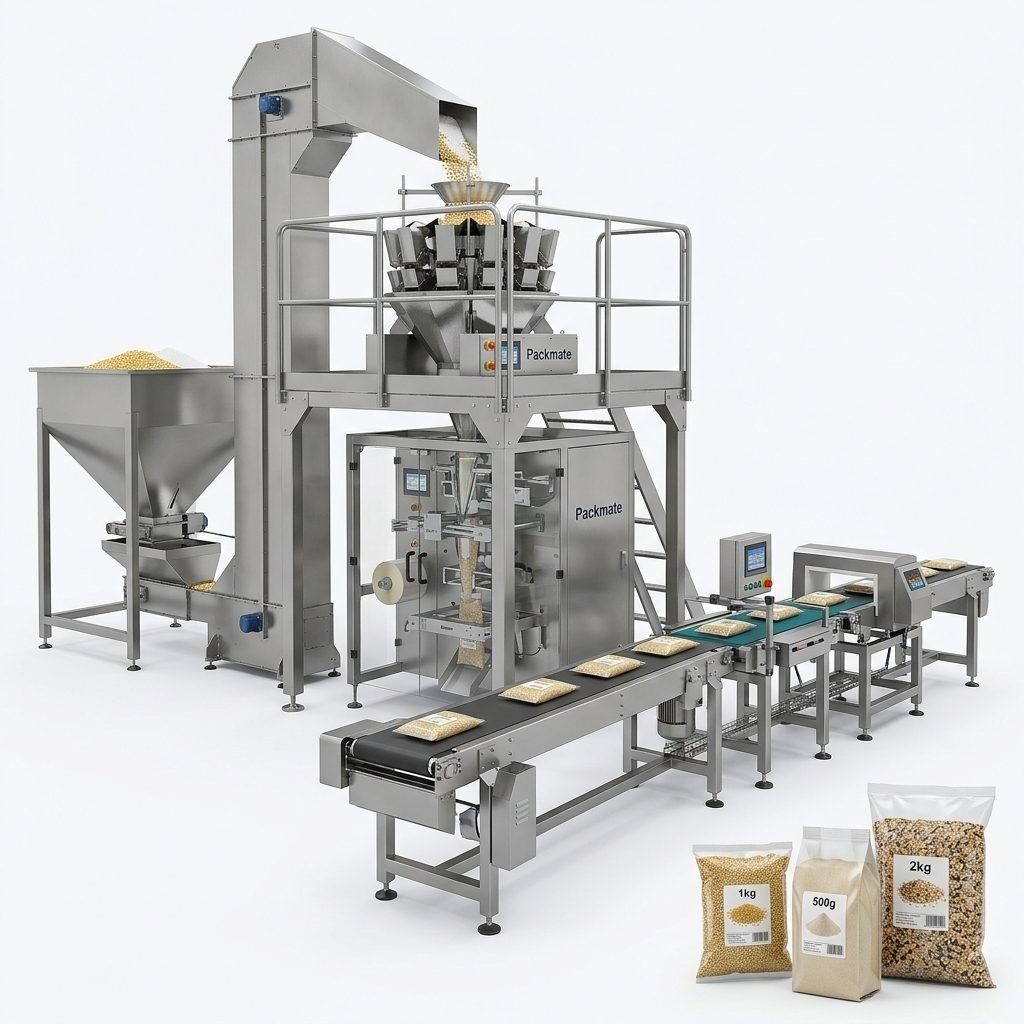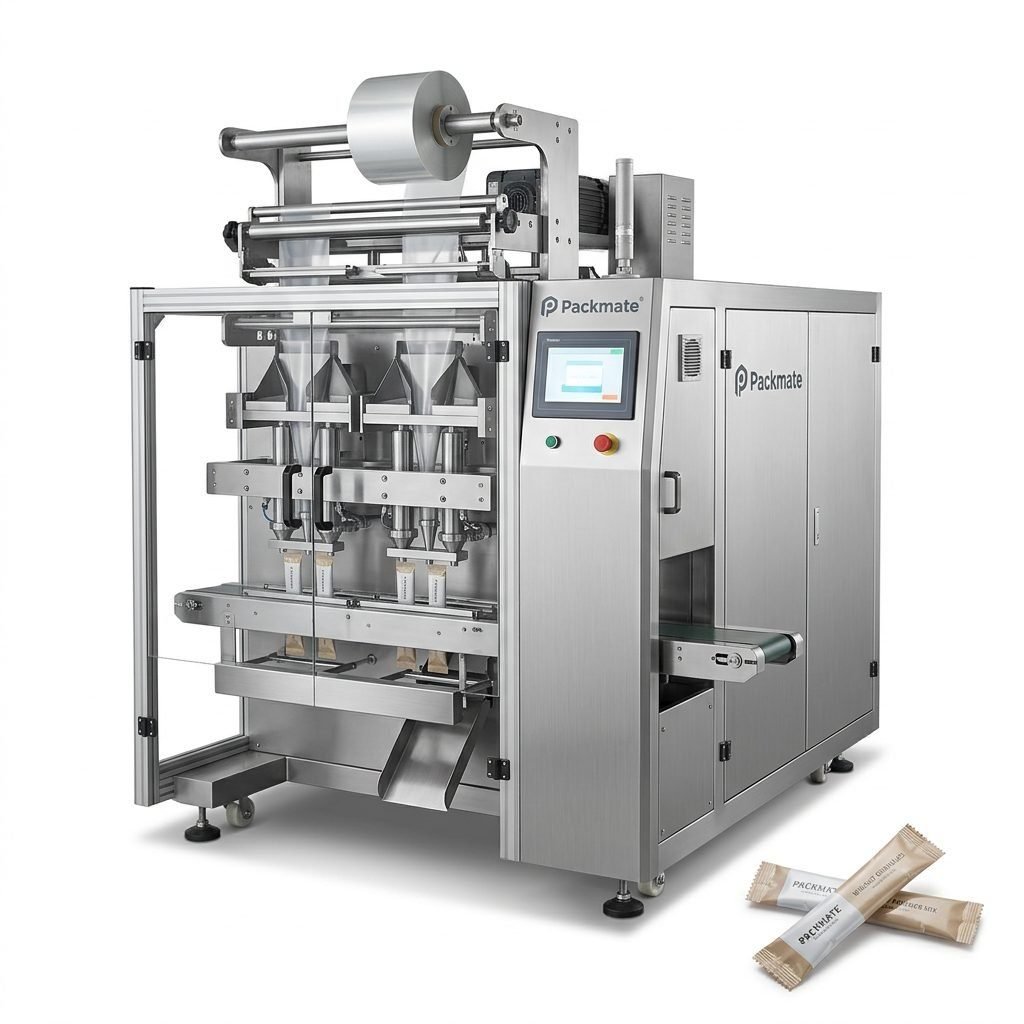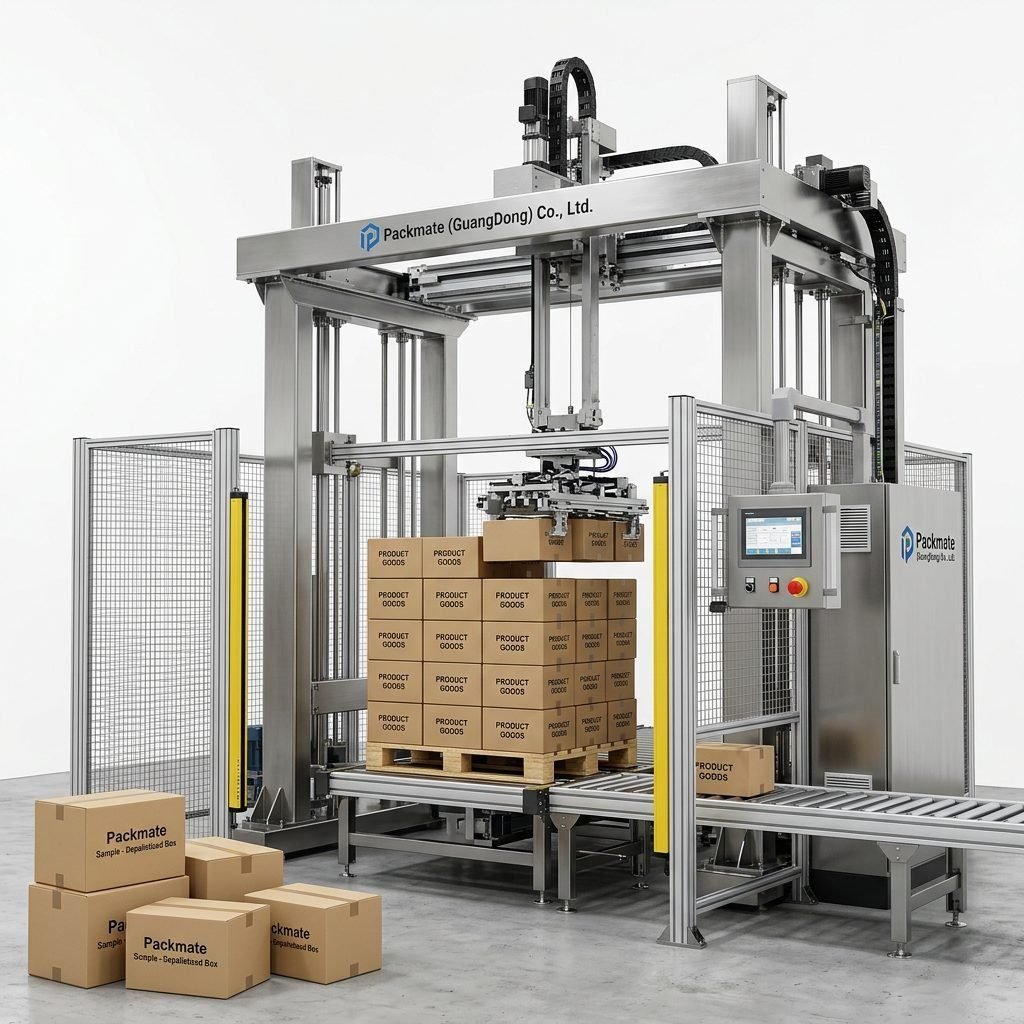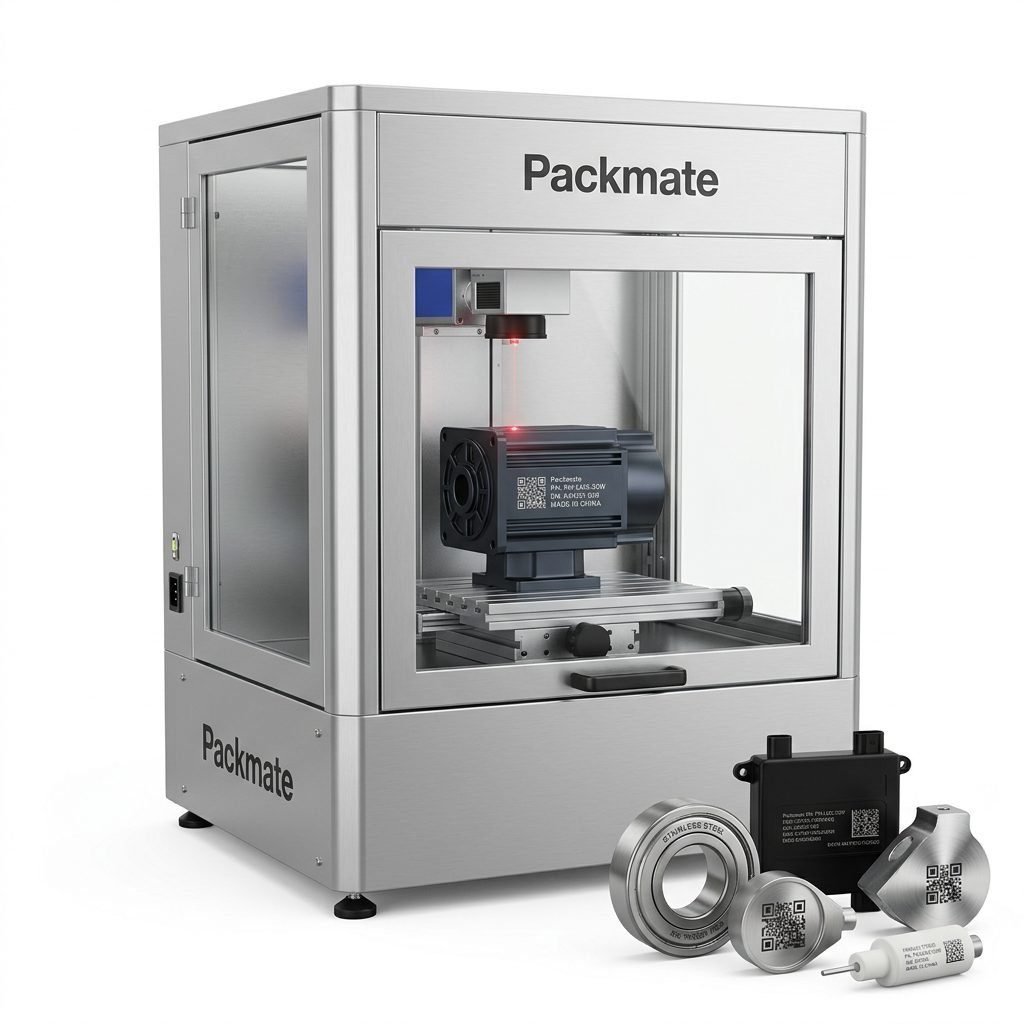
Bag-in-box (BIB) packaging has revolutionized the way liquids and semi-liquids are stored, transported, and dispensed across numerous industries. From wine and dairy to chemicals and pharmaceuticals, this efficient system combines the protective qualities of a box with the flexibility of a bag. At the heart of this packaging revolution lies sophisticated Bag in Box Packaging Equipment. This essential guide explores the critical components, top solutions, and key considerations for implementing a successful BIB line.
Core Components of a Bag-in-Box Packaging Line
A complete bag-in-box system is an integrated symphony of machines, each performing a specific function. Understanding these core components is the first step toward selecting the right equipment.
1. The Bag Forming, Filling, and Sealing Machine
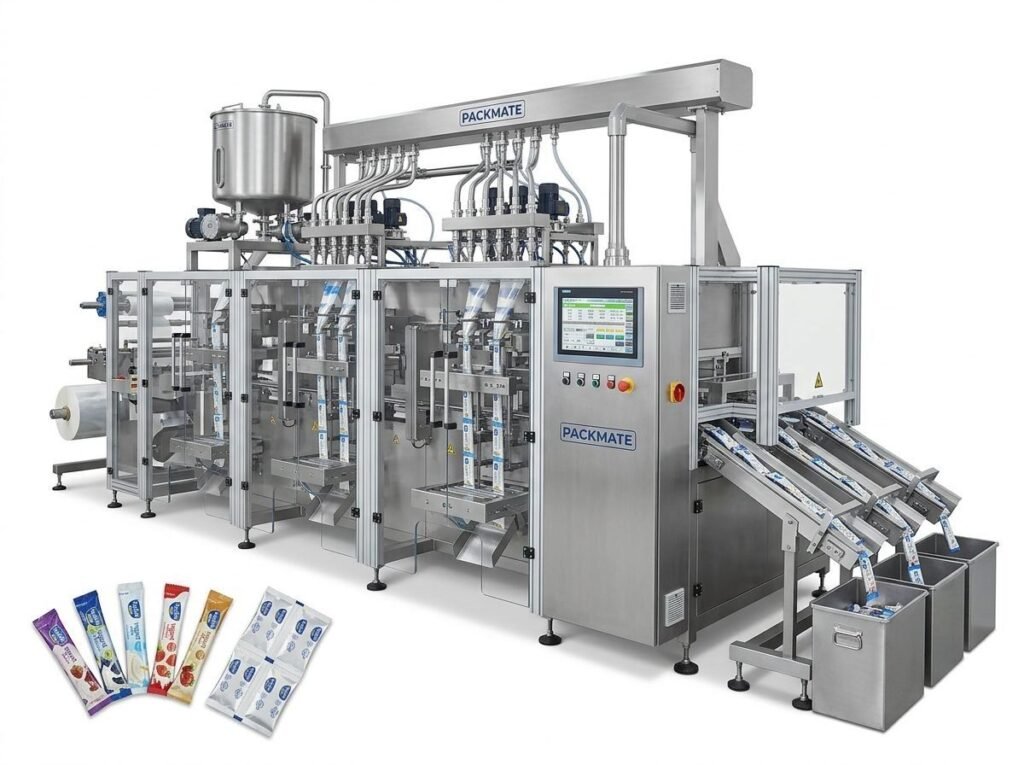
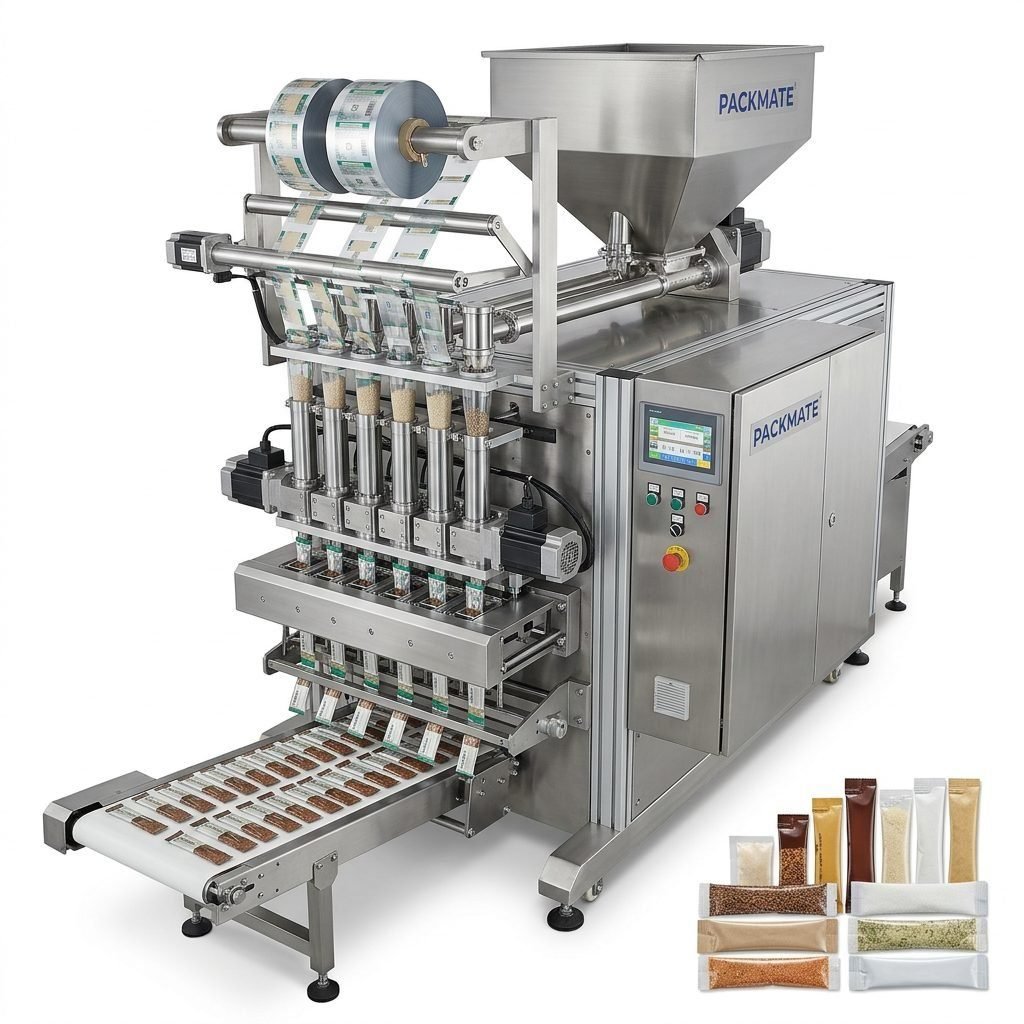
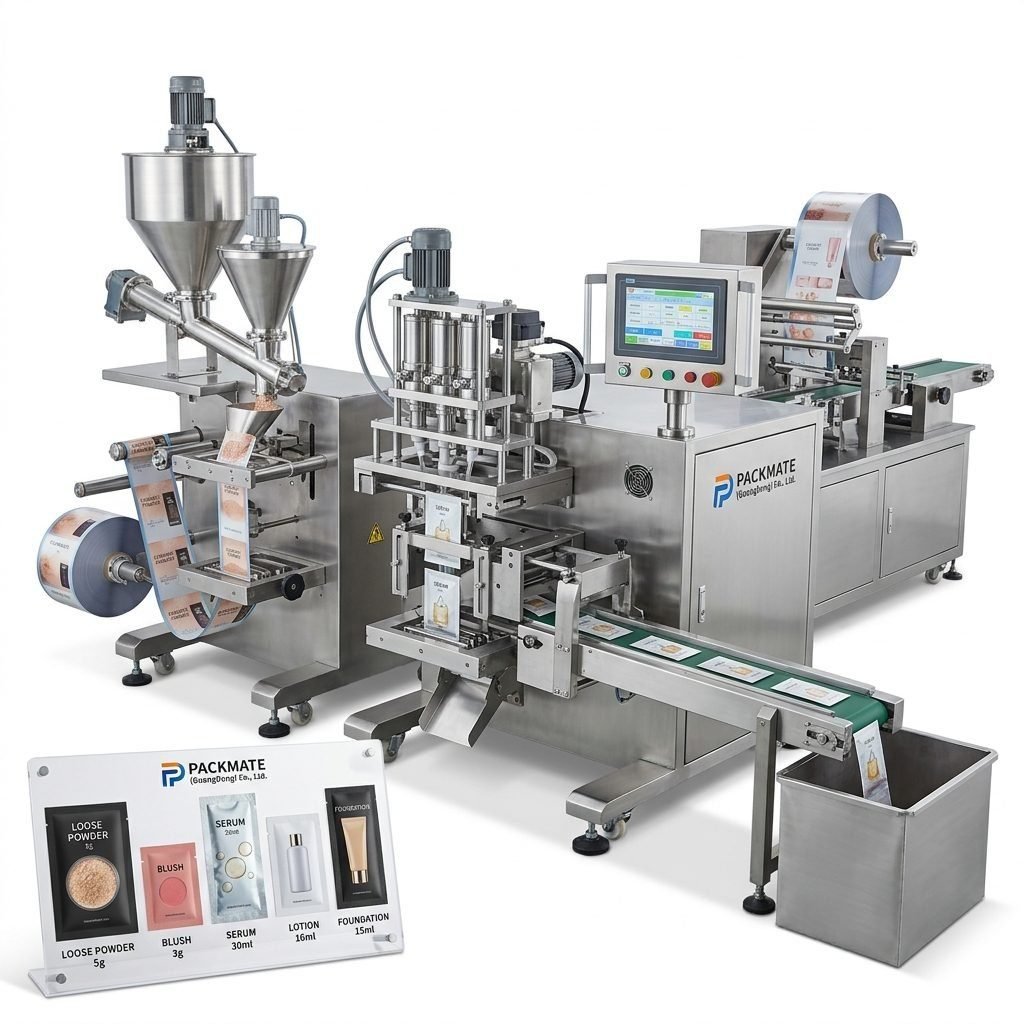
This is the centerpiece of the operation. Modern machines, like the advanced models from Packmate’s filling and packaging lines, often integrate multiple processes. They form the bag from a roll of multi-layered film, accurately fill it with the product—be it juice, sauce, or syrup—and hermetically seal it. Precision here is paramount to prevent leaks and ensure product shelf life.
Key Feature: Aseptic Capability
For sensitive products like dairy or nutraceuticals, aseptic filling technology is non-negotiable. This process sterilizes both the packaging material and the product separately before filling in a sterile environment, eliminating microorganisms without preservatives.
2. The Box Erecting and Placement System
Once the filled bag is ready, it needs a protective home. Automatic box erectors take flat corrugated cardboard blanks, form them into boxes, and position them precisely for bag insertion. Speed and reliability in this stage directly impact the overall line efficiency.
3. The Bag Insertion and Fitment Application Unit
This robotic or mechanical unit gently places the filled bag into the waiting box. Simultaneously, another station applies the fitment—the tap, spout, or cap—to the bag. This fitment is crucial for the end-user experience, allowing for clean, controlled dispensing.
Top Solutions & Modern Advancements
The market offers a range of solutions, from semi-automatic stations to fully integrated, smart lines. Leading manufacturers like Packmate Machinery drive innovation with over 30 years of expertise in intelligent packaging.
Fully Integrated Turnkey Lines
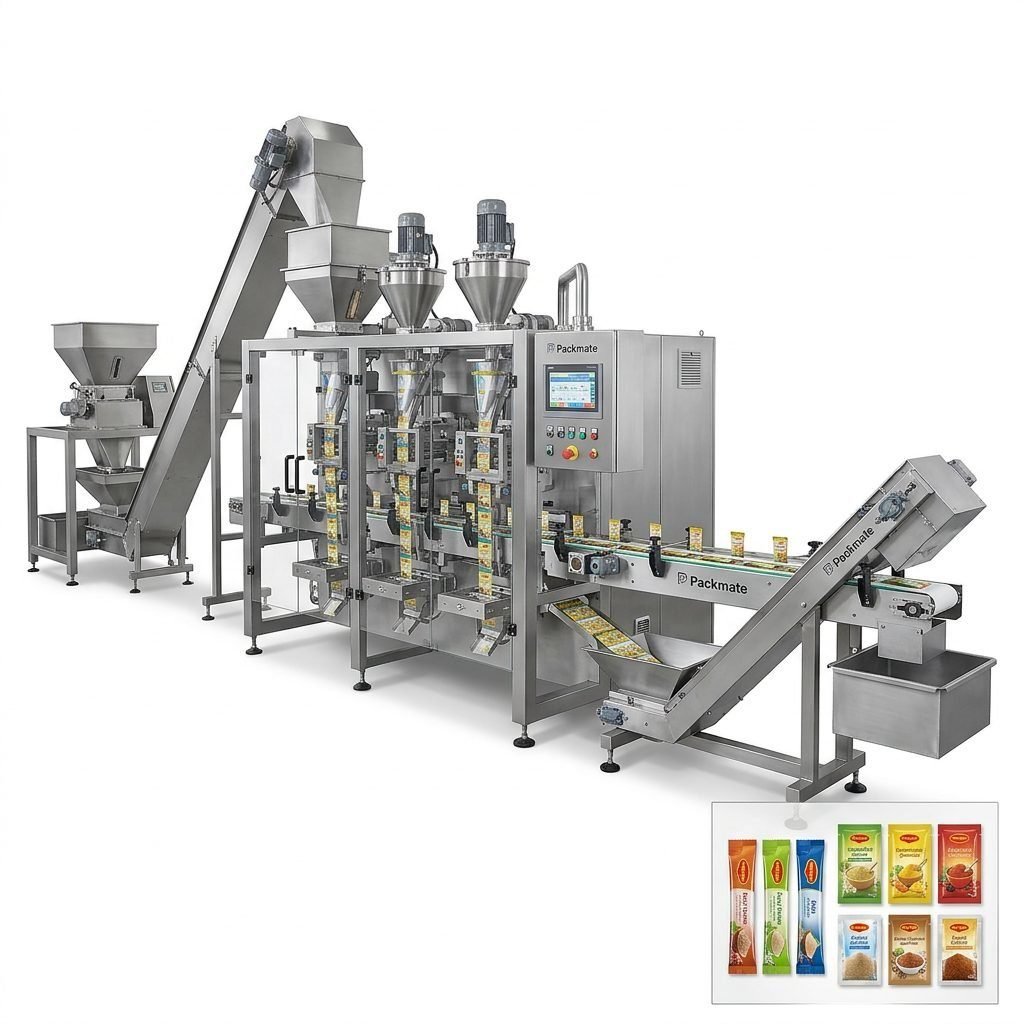
For high-volume producers, a turnkey line is the ultimate solution. These systems seamlessly connect every component—from film unwinding to final case packing—into one continuous, automated process. They offer maximum output, minimal manual intervention, and consistent quality. Exploring a manufacturer’s project case studies can provide real-world insights into line capabilities.
Advantage: Scalability and Flexibility
Modern equipment is designed for quick changeovers. With programmable logic controllers (PLCs) and user-friendly HMIs, operators can switch between bag sizes, box dimensions, or even products with minimal downtime, making the line adaptable to market demands.
Compact & Modular Systems
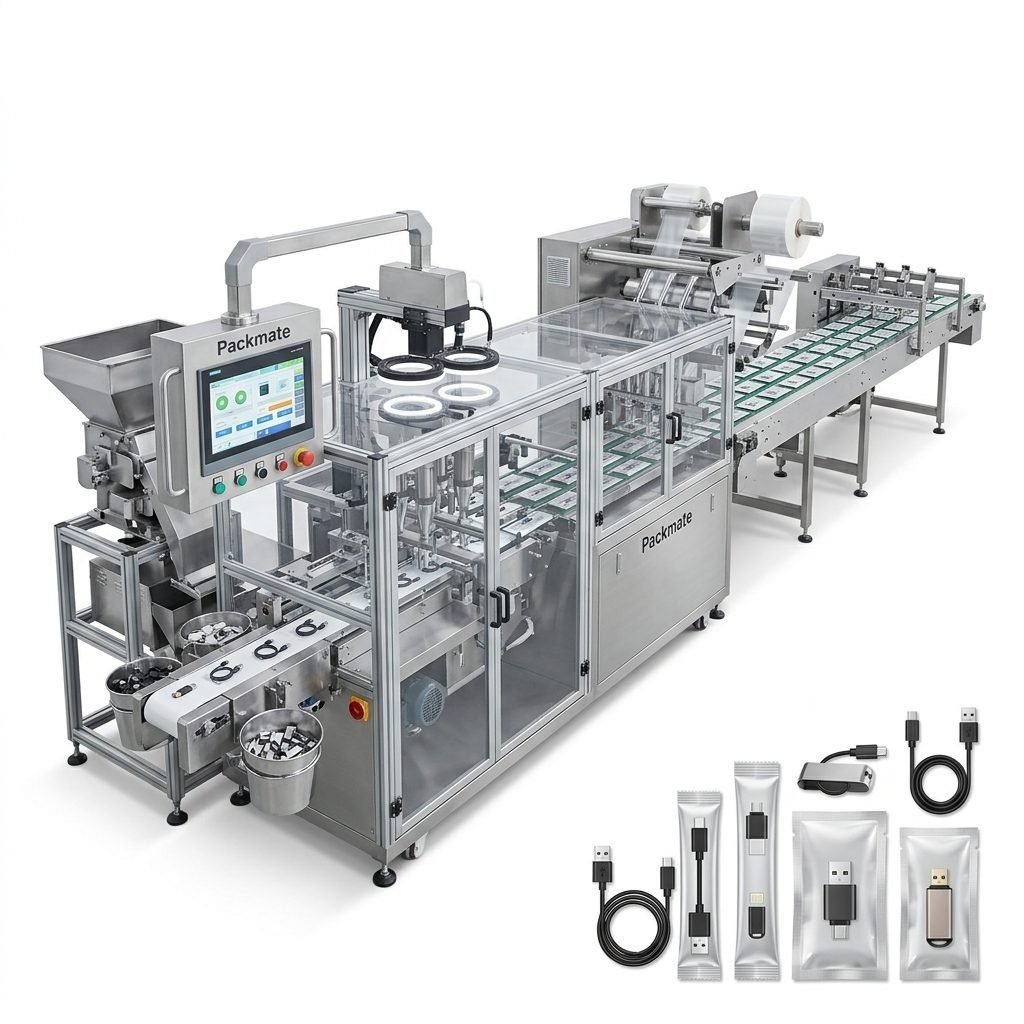
Smaller businesses or those with space constraints can opt for compact, modular systems. These allow companies to start with a core filling and sealing unit and later add box erecting or palletizing modules as their business grows. This approach aligns with the modular philosophy seen in other auxiliary packaging equipment.
Smart Manufacturing & Industry 4.0 Integration
The frontier of BIB packaging is connectivity. Top-tier equipment now features IoT sensors, data collection ports, and compatibility with factory management systems. This enables predictive maintenance (alerting technicians before a part fails), real-time OEE (Overall Equipment Effectiveness) tracking, and traceability for every batch produced.
Critical Selection Criteria for Your Business
Choosing the right equipment is a strategic investment. Beyond budget, consider these vital factors:
Product Viscosity and Characteristics: The pump and filling system must be engineered for your specific product, whether it’s a thin vinegar or a viscous puree.
Required Output Speed (BPM): Calculate your current and future production needs. Speeds can range from a few dozen to over a hundred bags per minute.
Hygienic Design and Compliance: For food or pharmaceutical applications, equipment must meet strict hygiene standards (e.g., EHEDG, FDA guidelines) with easy-to-clean surfaces and minimal dead spots.
Supplier Expertise and Support: Partner with a manufacturer that offers comprehensive support, from installation and training to readily available spare parts. A strong service network is invaluable for minimizing downtime.
The Sustainability Imperative
Modern BIB equipment plays a key role in sustainable packaging. It enables the use of lightweight, recyclable films and minimizes material waste through precise cutting and sealing. Furthermore, the bag-in-box format itself reduces packaging weight and volume compared to rigid alternatives, lowering carbon footprint in logistics.
Implementing the right bag-in-box packaging line is a transformative step that can enhance efficiency, ensure product integrity, and meet evolving consumer and regulatory demands. By focusing on integrated solutions, technological advancements, and a partnership with a reliable equipment provider, businesses can secure a robust and future-proof packaging operation.
Frequently Asked Questions (FAQs)
What types of products are best suited for bag-in-box packaging?
Bag-in-box is ideal for liquid and semi-liquid products that are sensitive to air or light. Common applications include wine, fruit juices, liquid eggs, dairy products (milk, cream), edible oils, syrups, condiments, liquid chemicals, and certain pharmaceutical or cosmetic liquids.
How does bag-in-box packaging extend product shelf life?
The shelf life extension comes from the combination of a sterile, multi-layer barrier film (often with aluminum or EVOH layers) and an airtight seal. As the bag collapses during dispensing, no air re-enters to oxidize or contaminate the remaining product, unlike with an open rigid container.
What is the typical speed range for an automated BIB line?
Speeds vary greatly based on bag size and machine configuration. Compact lines may run at 10-30 bags per minute (BPM), while high-speed, multi-lane integrated lines can achieve outputs of 60-120 BPM or even higher for smaller bag volumes.
Can one machine handle different bag and box sizes?
Yes, most modern machines are designed for quick changeover. By changing the forming mandrels, film reels, and box blanks, and adjusting settings via the PLC, a single line can be configured to run multiple sizes, though changeover time should be factored into production planning.
What are the key maintenance requirements for BIB equipment?
Regular maintenance is crucial. Daily cleaning, especially for food-grade applications, weekly checks of seals and gaskets, and periodic lubrication of moving parts as per the manufacturer’s manual are essential. Utilizing equipment with self-diagnostic systems can greatly simplify predictive maintenance.