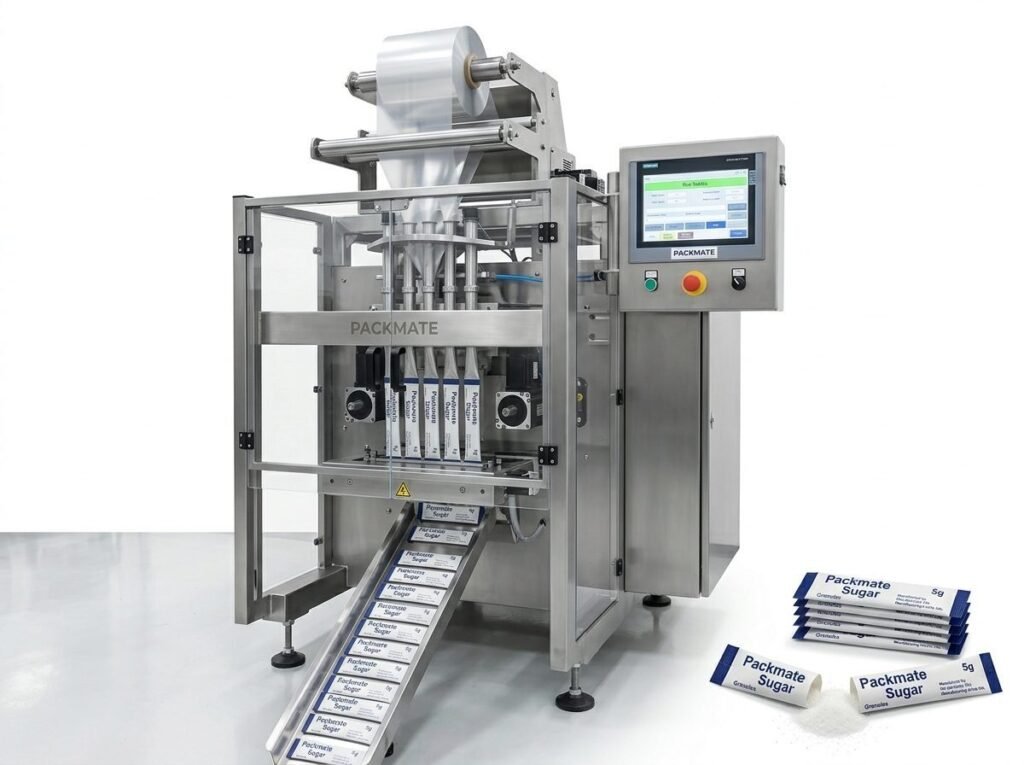
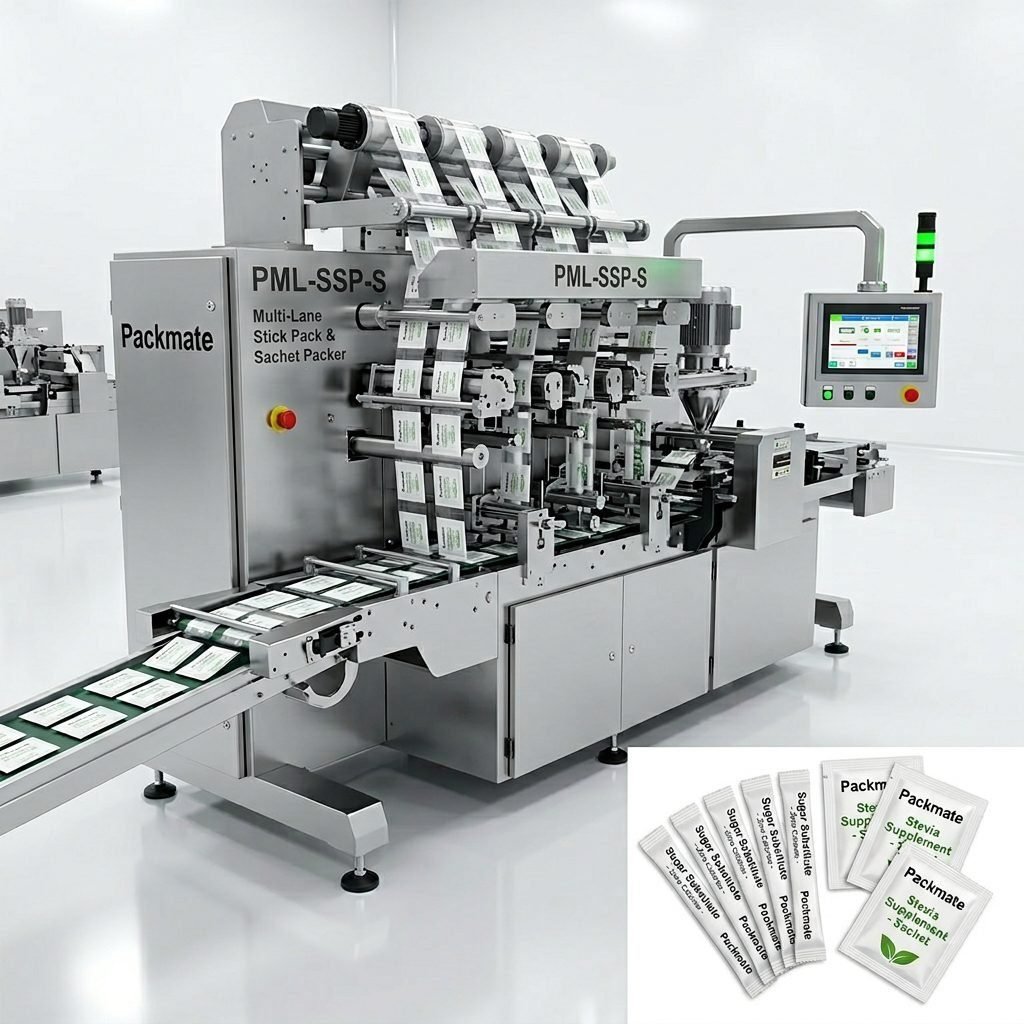
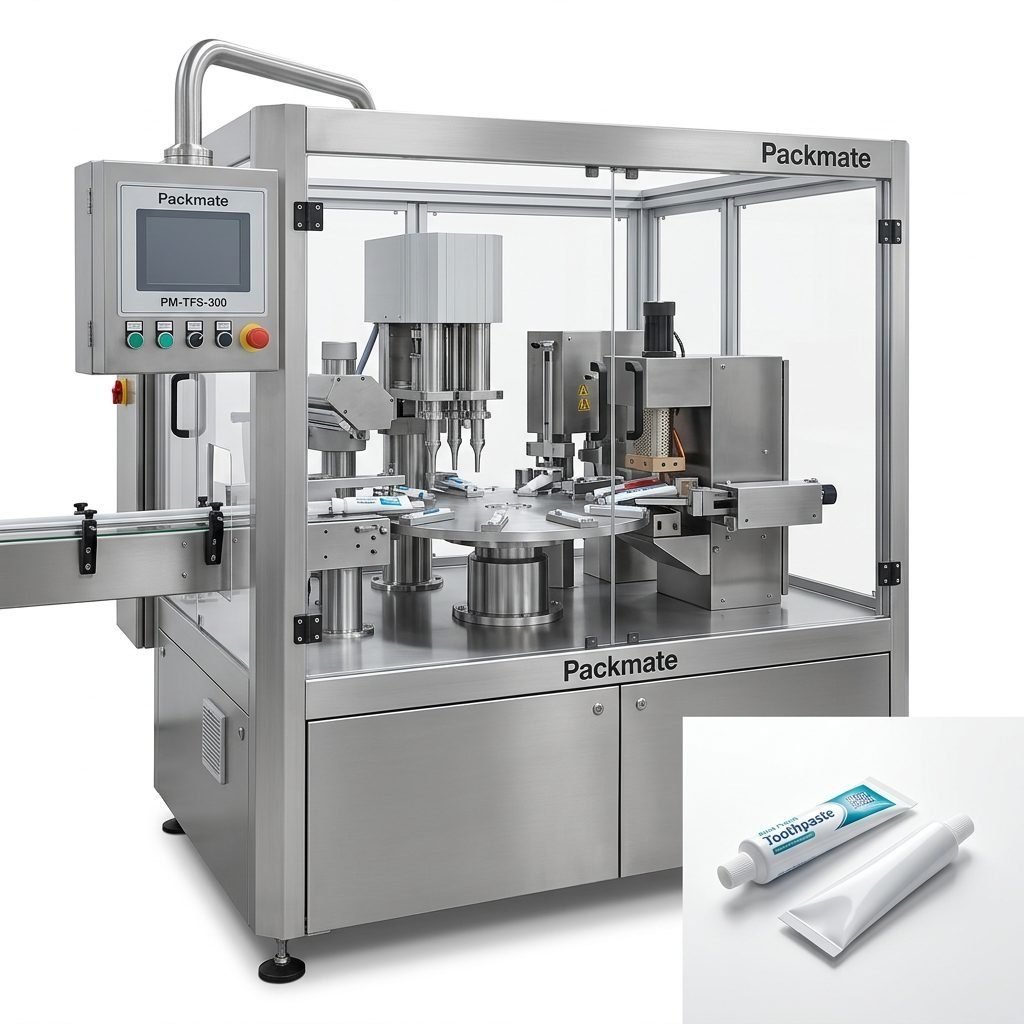
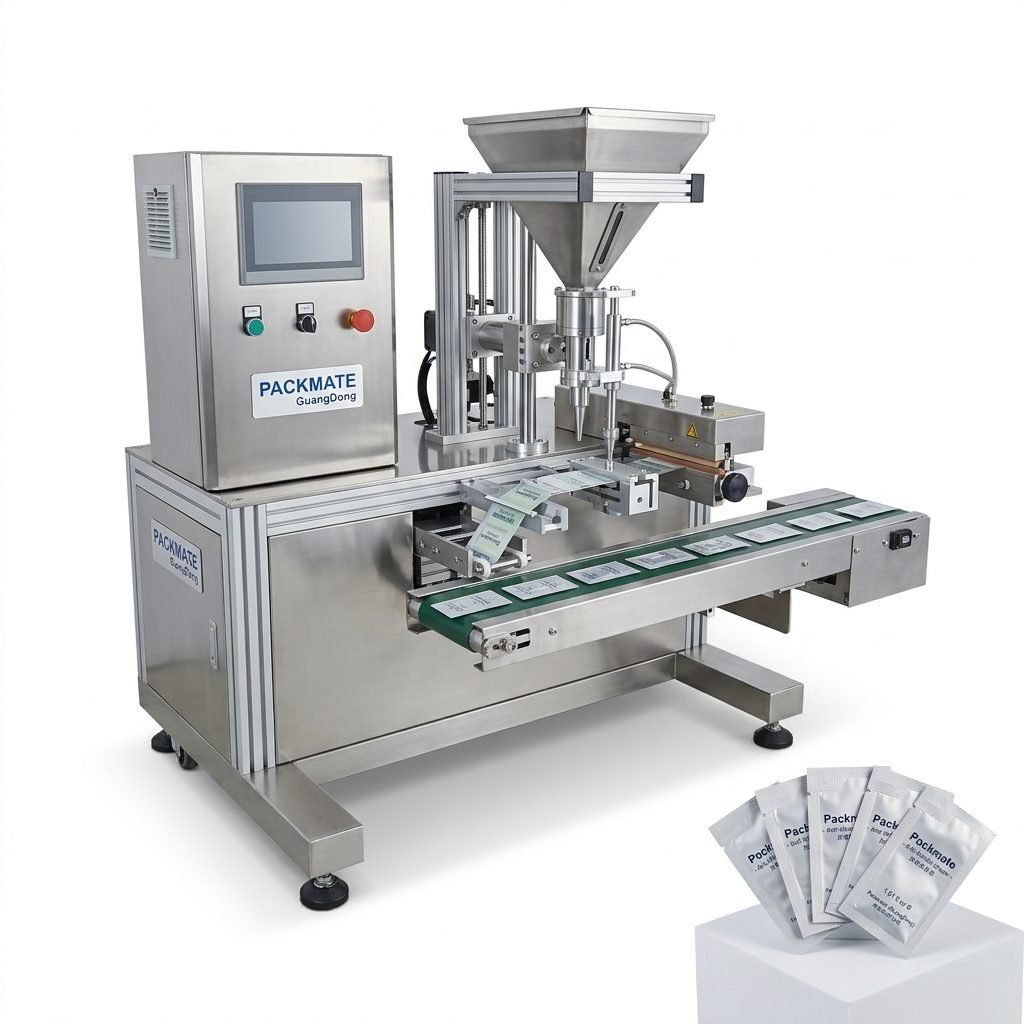
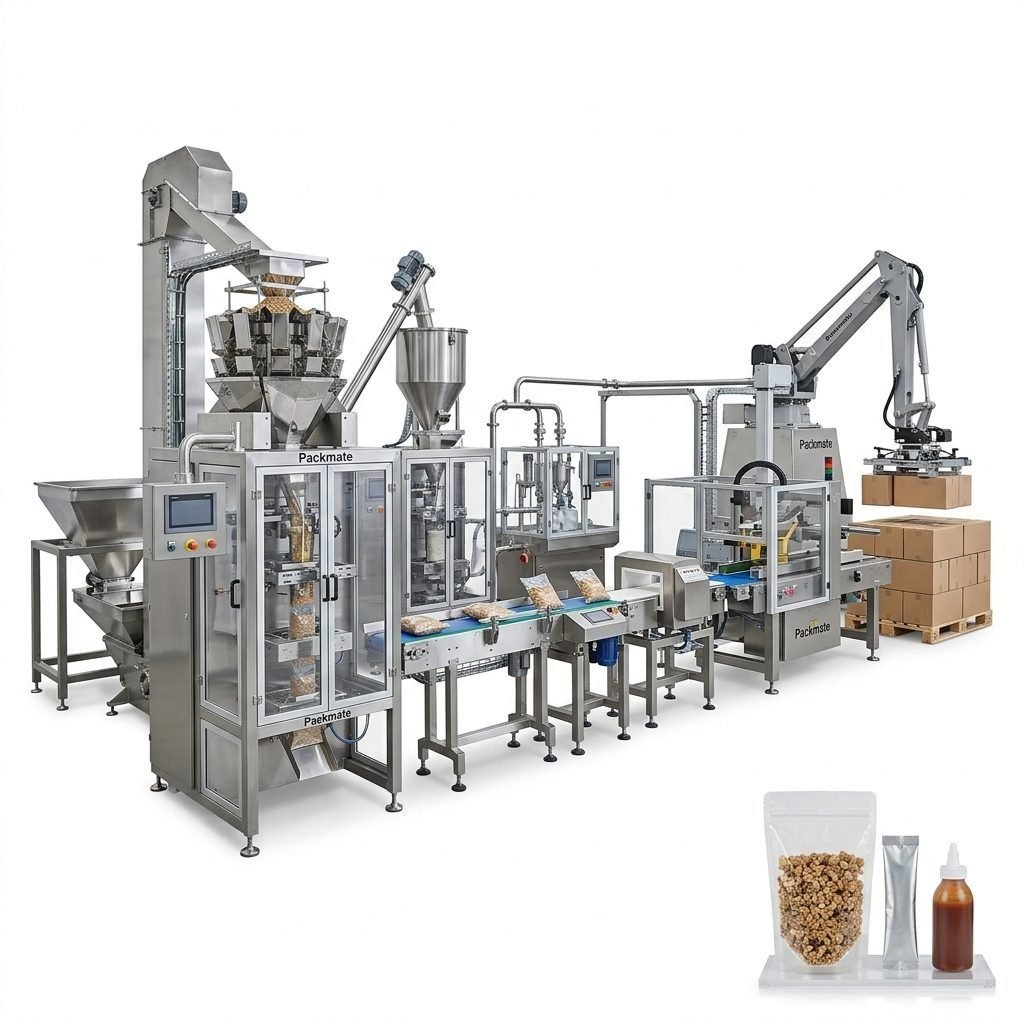
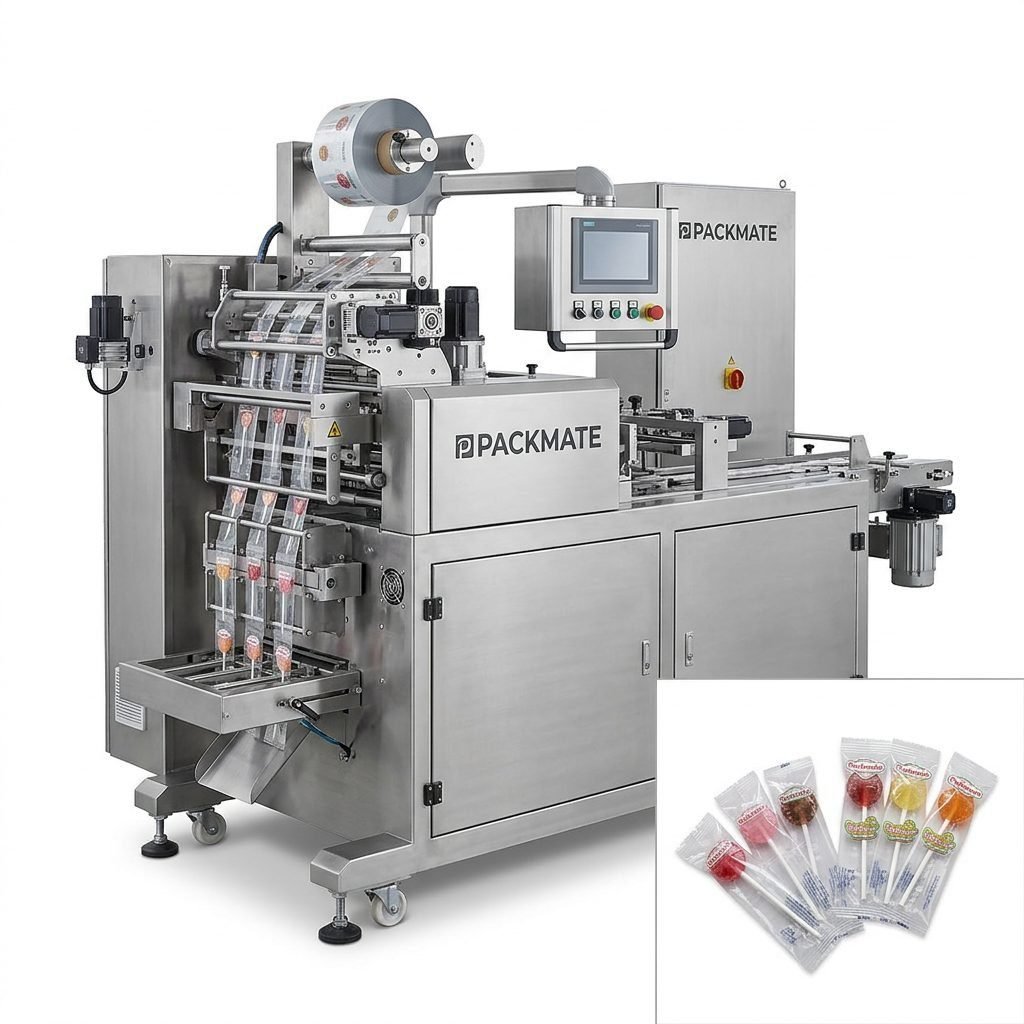
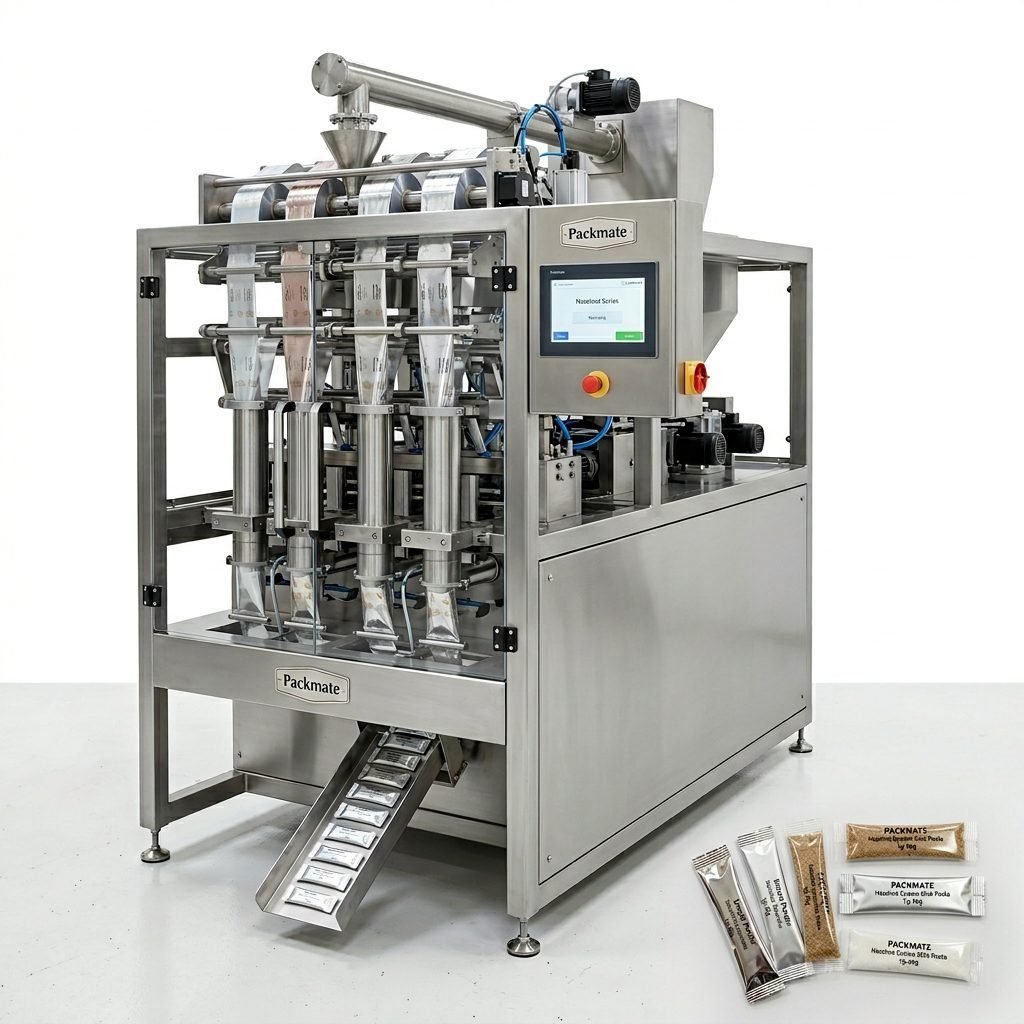
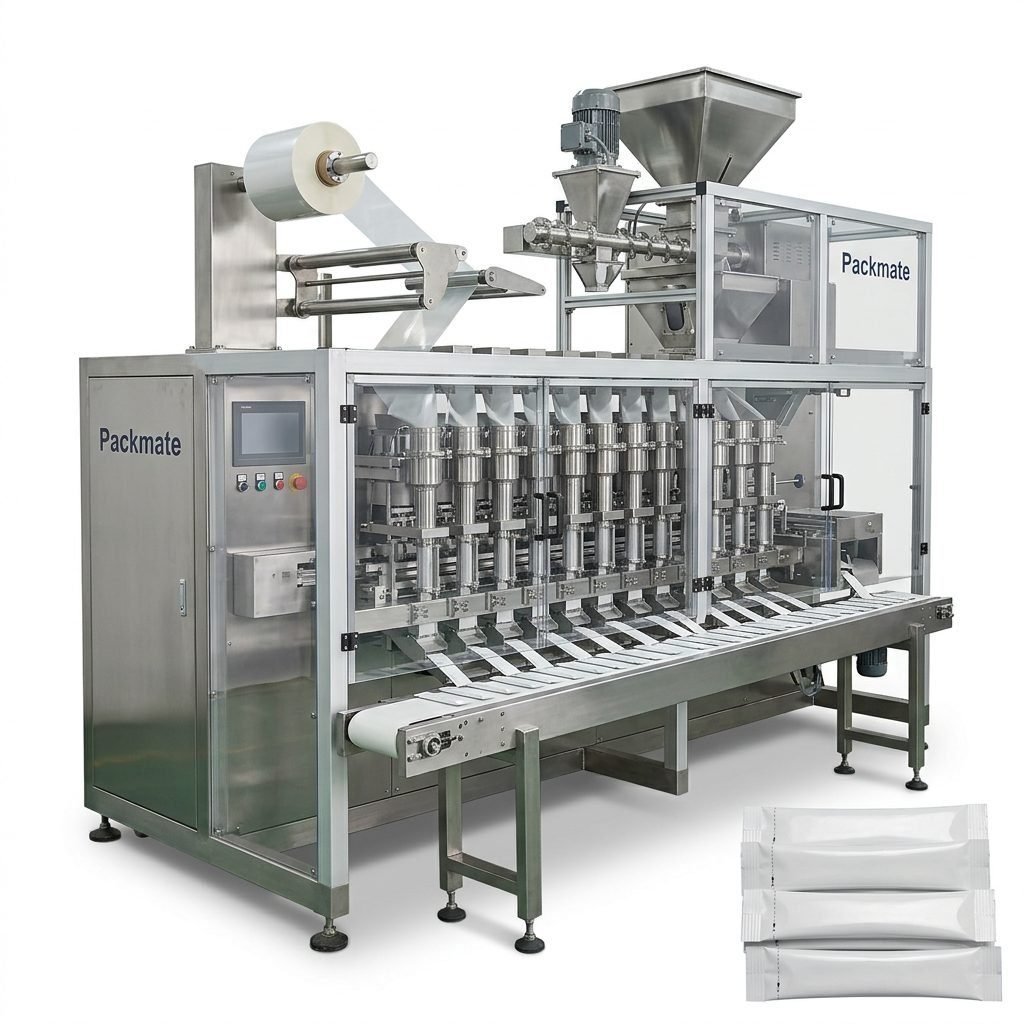
In the fast-paced world of ecommerce, the final leg of the customer journey—the unboxing experience—is paramount. Efficient shipping isn’t just about speed; it’s about the reliability and presentation of the product upon arrival. This is where the right fulfillment packaging machinery becomes a critical investment for any online business looking to scale and satisfy. The correct equipment streamlines operations, minimizes material waste, reduces labor costs, and ensures products are securely and professionally packed, directly impacting customer satisfaction and repeat business.
The Core of Ecommerce Efficiency: Automated Bagging Systems
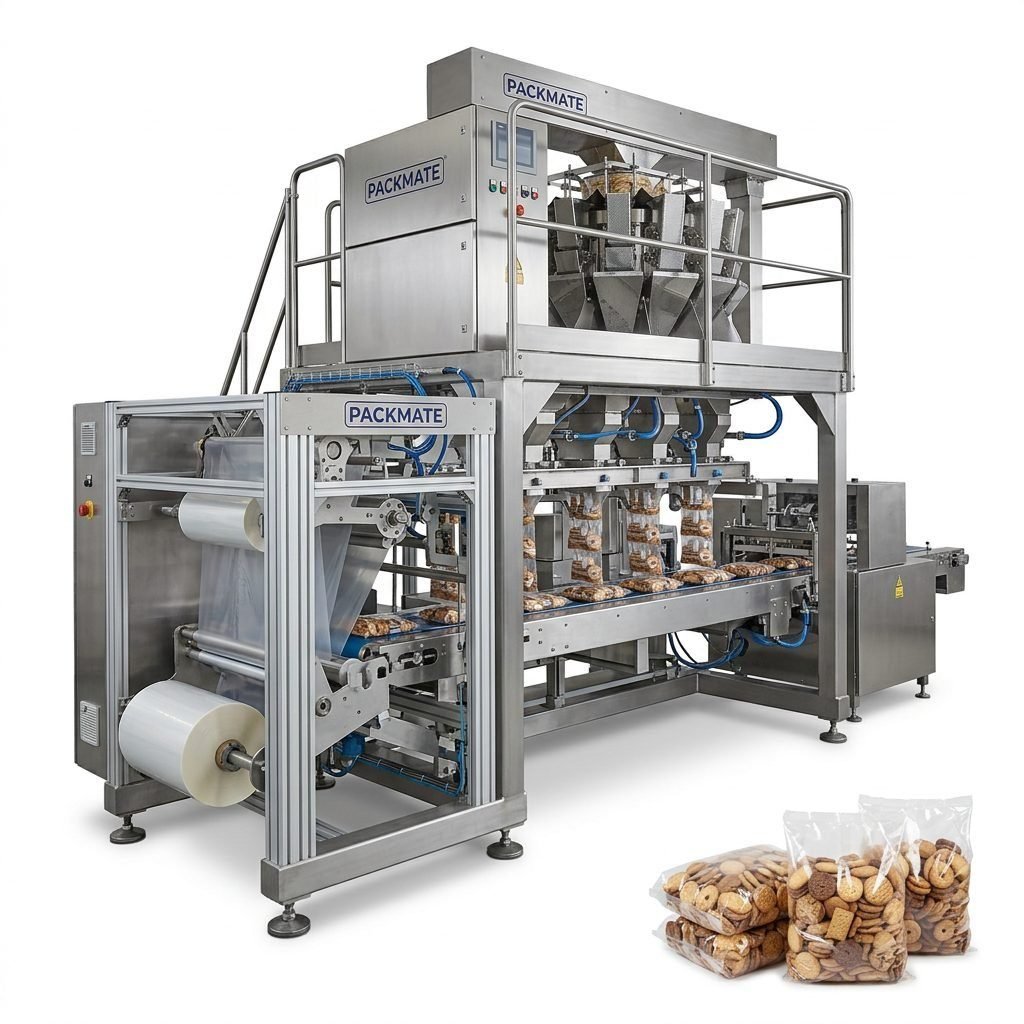
For businesses shipping a high volume of small, non-fragile items—from apparel to accessories—automated bagging systems are the workhorses of the fulfillment center. These machines automatically form, fill, and seal plastic or recyclable mailer bags at incredible speeds. Transitioning from manual bagging to an automated system can increase output by several hundred percent. The key advantage is consistency: every bag is sealed perfectly, with the correct label applied, eliminating leaks or opens during transit. This reliability is crucial for maintaining a positive brand image, as a poorly packaged item is often the customer’s first physical touchpoint with your brand.
When selecting a bagging machine, consider the versatility of bag sizes it can handle. A machine that can easily adjust to accommodate everything from a phone case to a small sweater provides future-proofing as your product catalog expands. Furthermore, look for integration capabilities with your existing warehouse management system (WMS) for seamless order processing. Leading manufacturers like Packmate Machinery offer robust solutions designed for continuous operation in demanding ecommerce environments, ensuring your packaging line never becomes a bottleneck during peak sales seasons.
Precision and Protection: Automated Carton Erection and Sealing
For larger, fragile, or multi-item orders, corrugated cardboard boxes remain the standard. Manual box setup and sealing is labor-intensive and prone to error. Automated carton erectors take flat cardboard blanks and form them into ready-to-fill boxes at high speeds. Paired with automatic case sealers—which apply tape neatly and consistently along the seams—this duo dramatically increases throughput. The precision of machine-applied tape also uses less material than manual methods and creates a stronger seal, significantly reducing the risk of damage from box failure. This is especially important for international shipping, where packages undergo more handling and stress.
Smart Packaging: Integrated Weighing, Labeling, and Sorting
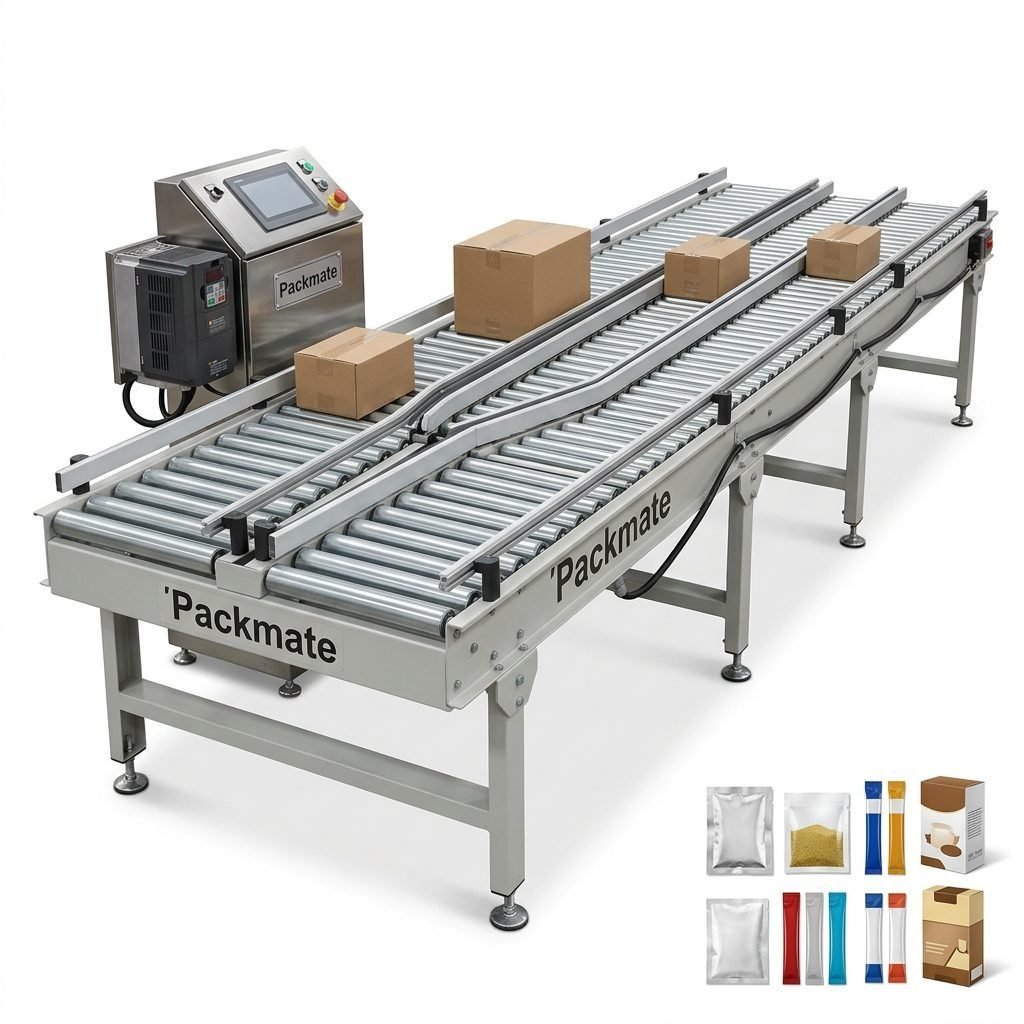
Modern fulfillment is about data as much as it is about physical packaging. Integrated systems that combine weighing, labeling, and sorting automate the entire post-pack process. An in-line scale automatically weighs the packed order, verifies it against the expected weight to catch picking errors, and then communicates with the labeling system to print and apply the correct shipping label. This “hands-off” approach minimizes errors in address and service selection. Subsequently, automated sorters can direct packages to the appropriate carrier chute based on the label data. This level of automation not only boosts efficiency but also provides valuable data analytics on shipping costs and order accuracy, allowing for continuous operational improvement.
Implementing such a system requires careful planning but pays dividends in scalability. For businesses experiencing rapid growth, this integration is often the key to maintaining shipping promises without exponentially increasing labor costs. Exploring a comprehensive weighing and packaging system can be the first step toward building a truly smart warehouse.
Sustainable Shipping: Right-Sizing and Material Reduction
Today’s consumers and retailers are increasingly eco-conscious. Efficient shipping also means sustainable shipping. “Right-sizing” equipment uses on-demand technology to create a custom-sized box or mailer for each order, eliminating empty space and the need for excessive void fill. This reduces material consumption, lowers shipping costs (as carriers charge based on dimensional weight), and minimizes the environmental footprint. Machines that can handle a variety of recycled or biodegradable materials are becoming essential. Investing in sustainable packaging technology is no longer just an ethical choice; it’s a competitive advantage that resonates with a large segment of the market and can often lead to direct cost savings.
The journey to packaging efficiency often starts with a clear understanding of your current pain points. Is it speed, cost, waste, or error rates? A trusted machinery provider can conduct an audit of your operations. Companies with deep industry expertise, such as Packmate, bring over 30 years of experience in designing solutions that are not only technologically advanced but also reliable and tailored to specific business needs, ensuring your investment delivers a rapid and sustained return.
Choosing the Right Machinery Partner
Selecting packaging machinery is a significant capital decision. Beyond the machine specifications, consider the manufacturer’s support ecosystem. Look for a partner that offers comprehensive training, readily available spare parts, and responsive technical service. The goal is to minimize downtime. A provider with a global service network is invaluable for international ecommerce businesses. Furthermore, a partner that understands the complete packaging line—from filling and sealing to cartoning—can offer more cohesive and efficient turnkey solutions, ensuring all components work in harmony. Reviewing a manufacturer’s case studies and client testimonials can provide real-world insight into their machines’ performance and support quality.
Conclusion: Packaging as a Strategic Advantage
In conclusion, top ecommerce fulfillment packaging machines are far more than just tools to close a box. They are strategic assets that drive operational efficiency, reduce costs, enhance brand perception through superior unboxing experiences, and support sustainability goals. From automated baggers and carton sealers to intelligent integrated systems, the right technology transforms the packing station from a cost center into a value-adding stage of the customer journey. As ecommerce continues to evolve, investing in robust, scalable, and smart packaging automation is not an option but a necessity for businesses aiming to thrive in a competitive online marketplace.
Frequently Asked Questions (FAQs)
What is the typical ROI timeframe for investing in automated packaging machinery?
The return on investment (ROI) varies based on order volume, labor costs, and the specific machine. However, many ecommerce businesses see a payback period of 12 to 24 months through labor savings, reduced material waste, and increased throughput that supports higher sales volume without proportional staffing increases.
Can these machines handle a wide variety of product sizes and shapes?
Yes, modern packaging machines are designed for flexibility. Key features to look for include tool-free changeover capabilities, adjustable forming parts, and programmable settings for different package dimensions. This allows a single machine to handle a diverse product catalog efficiently.
How do I ensure the machine integrates with my existing warehouse software (WMS/ERP)?
Most industrial packaging machines offer standard communication protocols (like Ethernet/IP, TCP/IP) or API access. It’s crucial to discuss integration requirements with both the machinery supplier and your software provider during the selection process to ensure compatibility and smooth data flow for order information and tracking.
What kind of maintenance do these machines require?
Regular preventative maintenance is essential for longevity and uptime. This typically involves daily cleaning, periodic lubrication of moving parts, and inspection of wear components like seals, blades, and sensors. Reputable suppliers provide detailed maintenance schedules and training for your operational staff.
Are there packaging solutions focused on sustainable/recyclable materials?
Absolutely. The market now offers machines specifically engineered to run recycled cardboard, biodegradable plastics, and compostable mailers. When discussing your needs with a supplier like Packmate, be sure to highlight sustainability as a key goal to explore the most suitable material-compatible equipment.