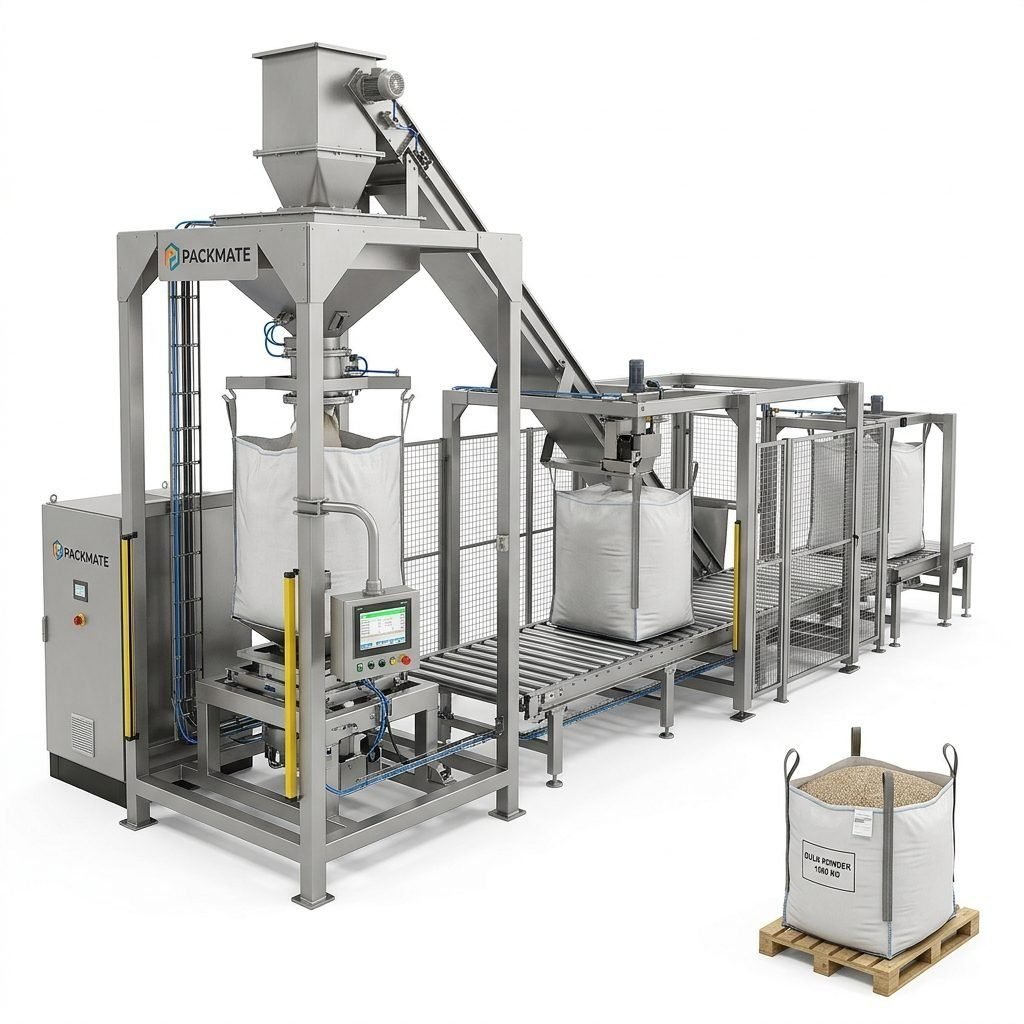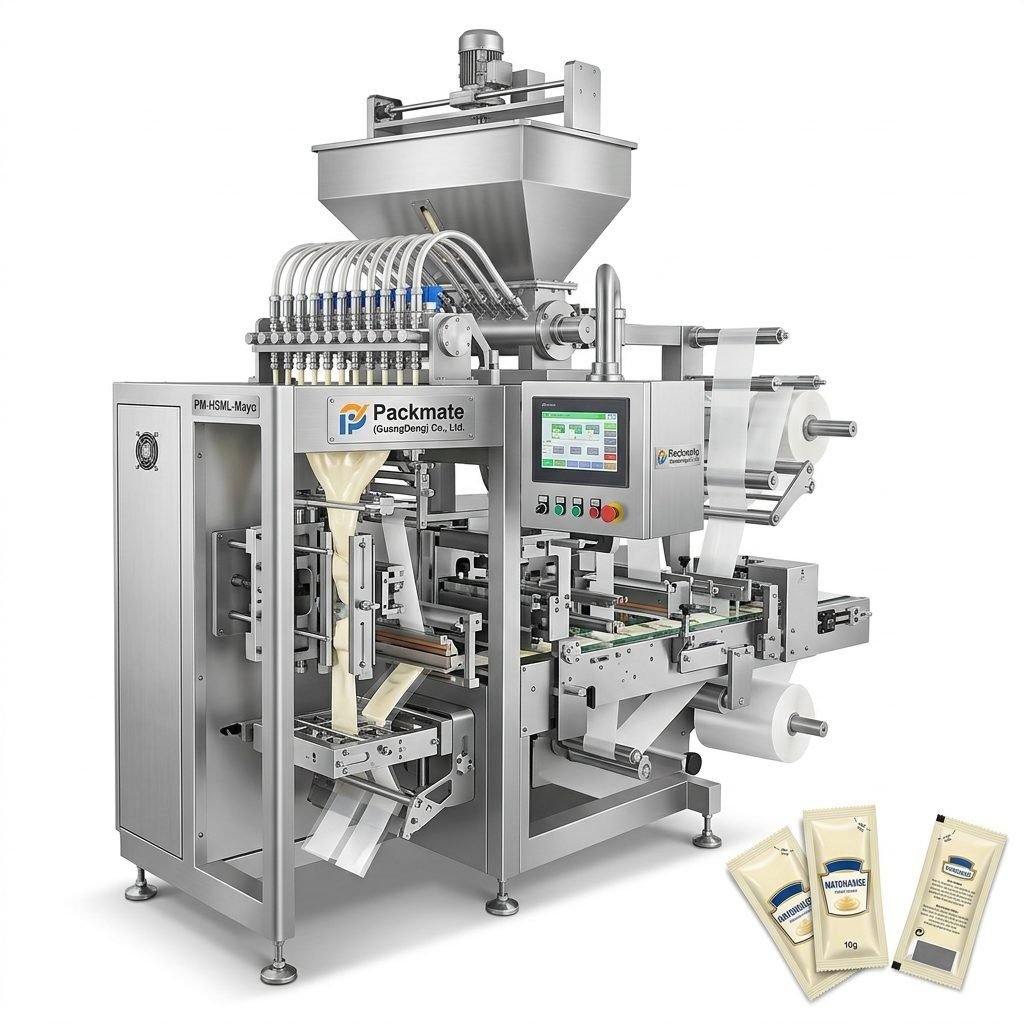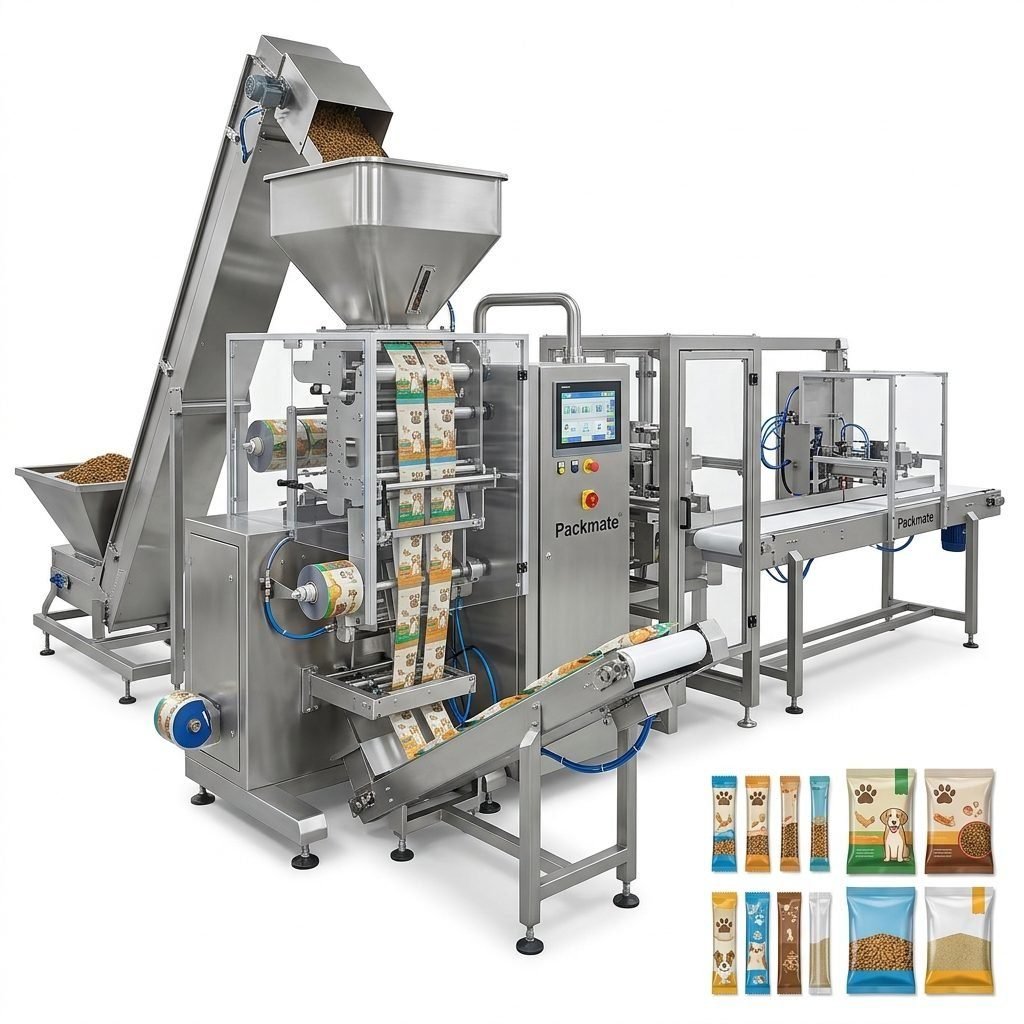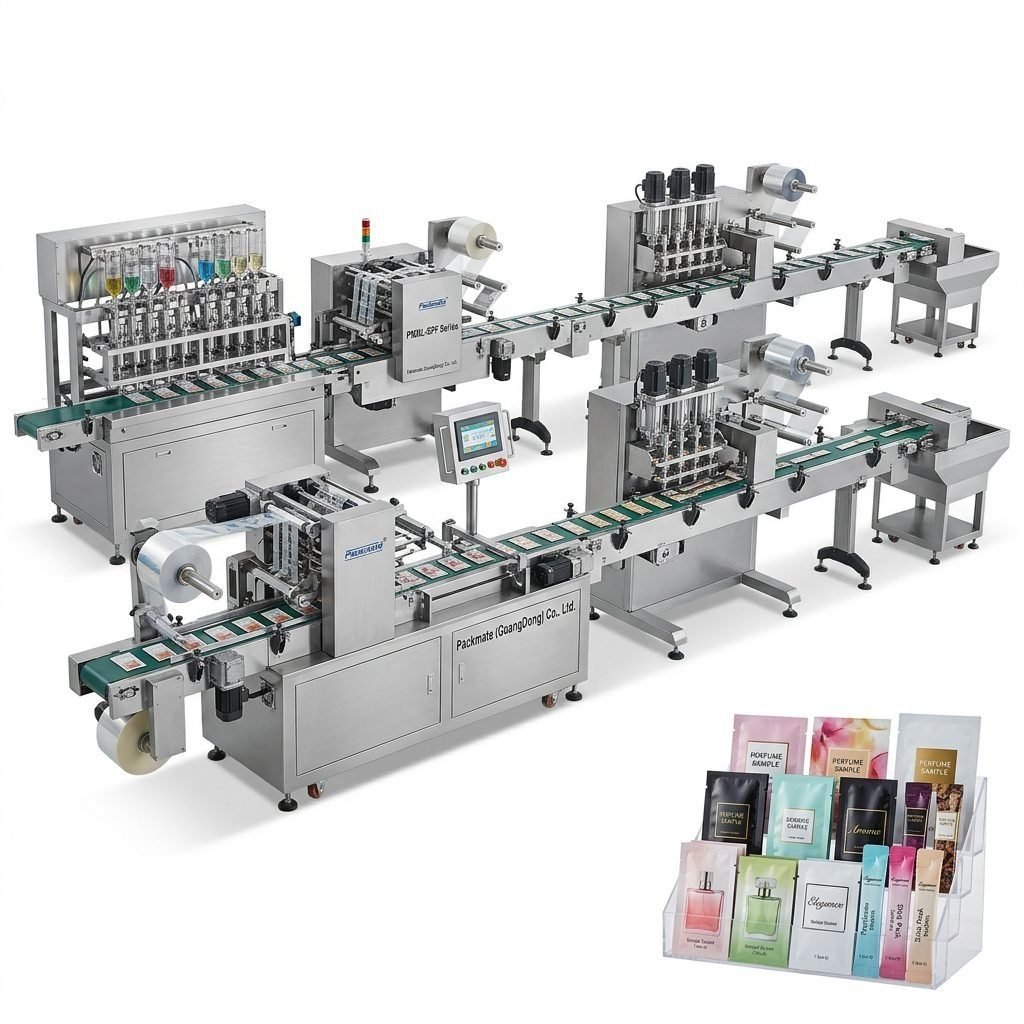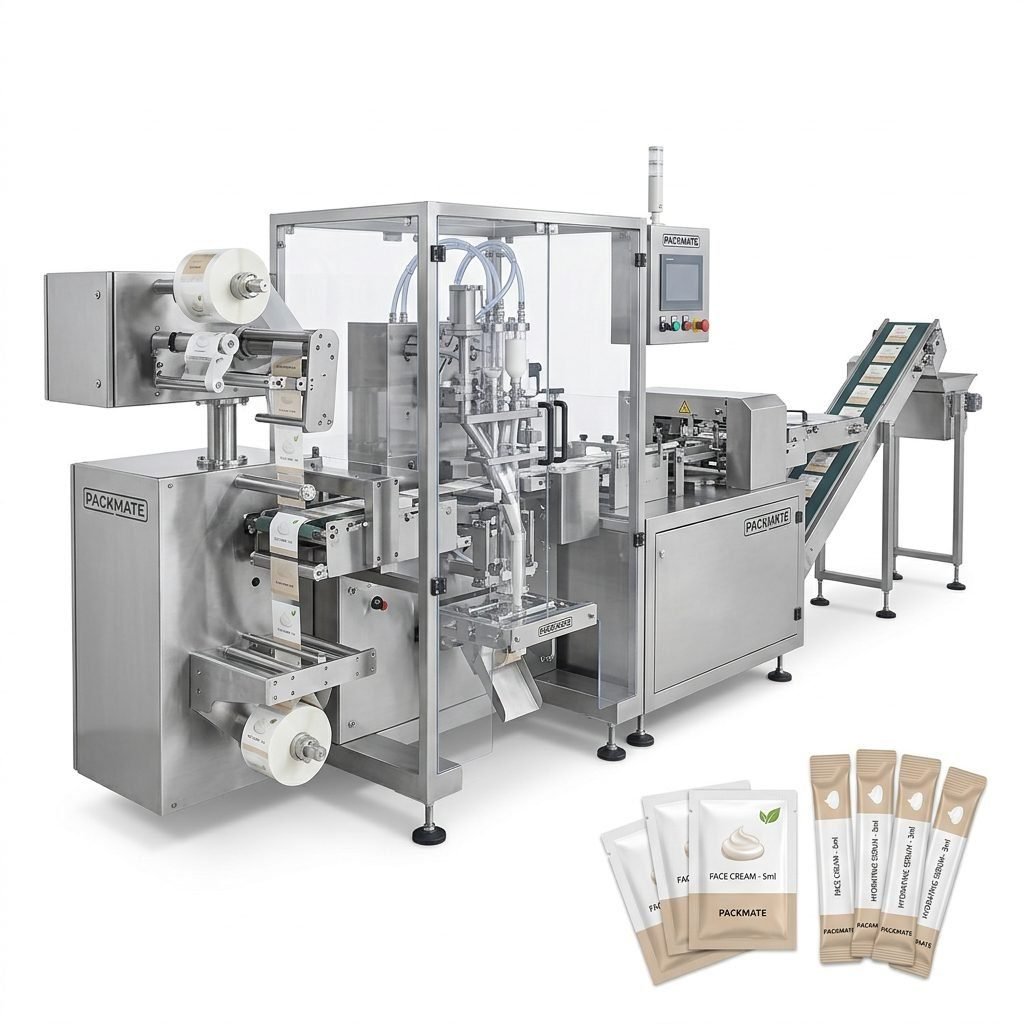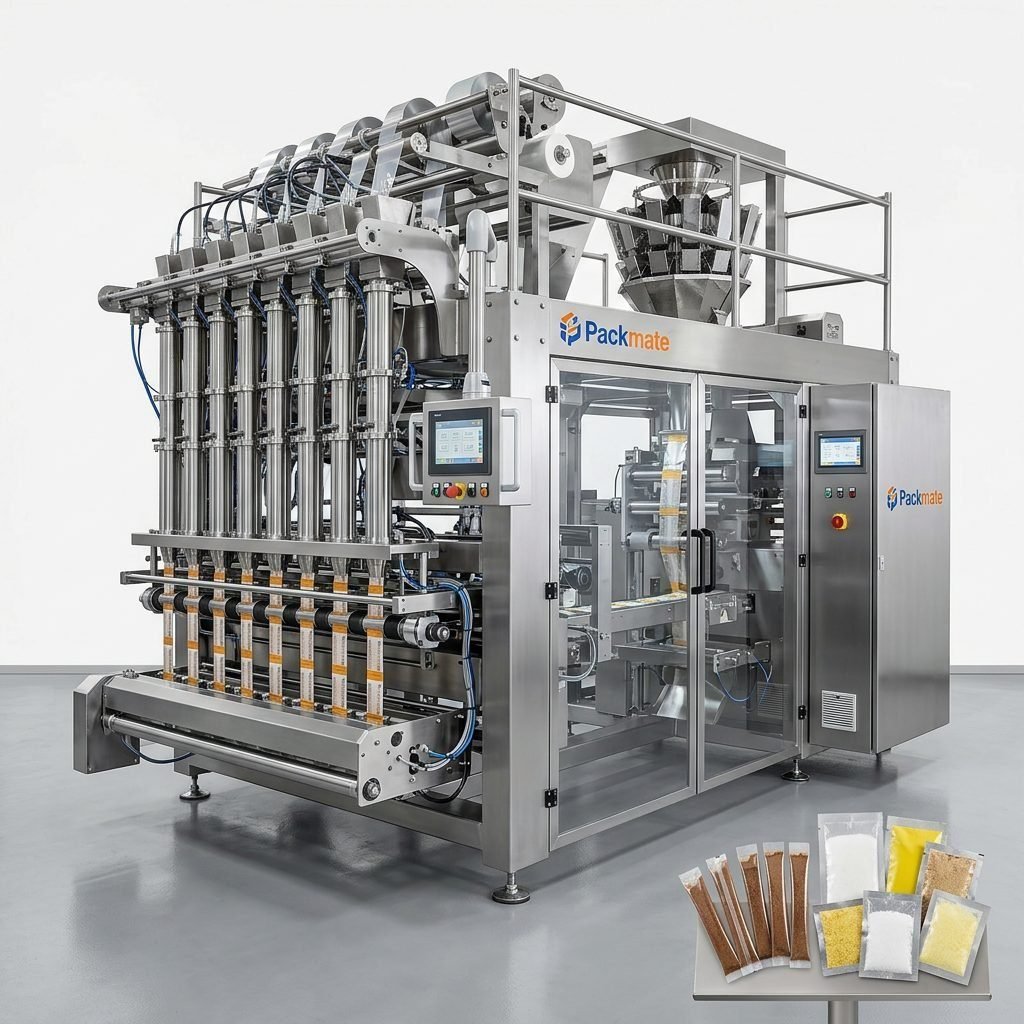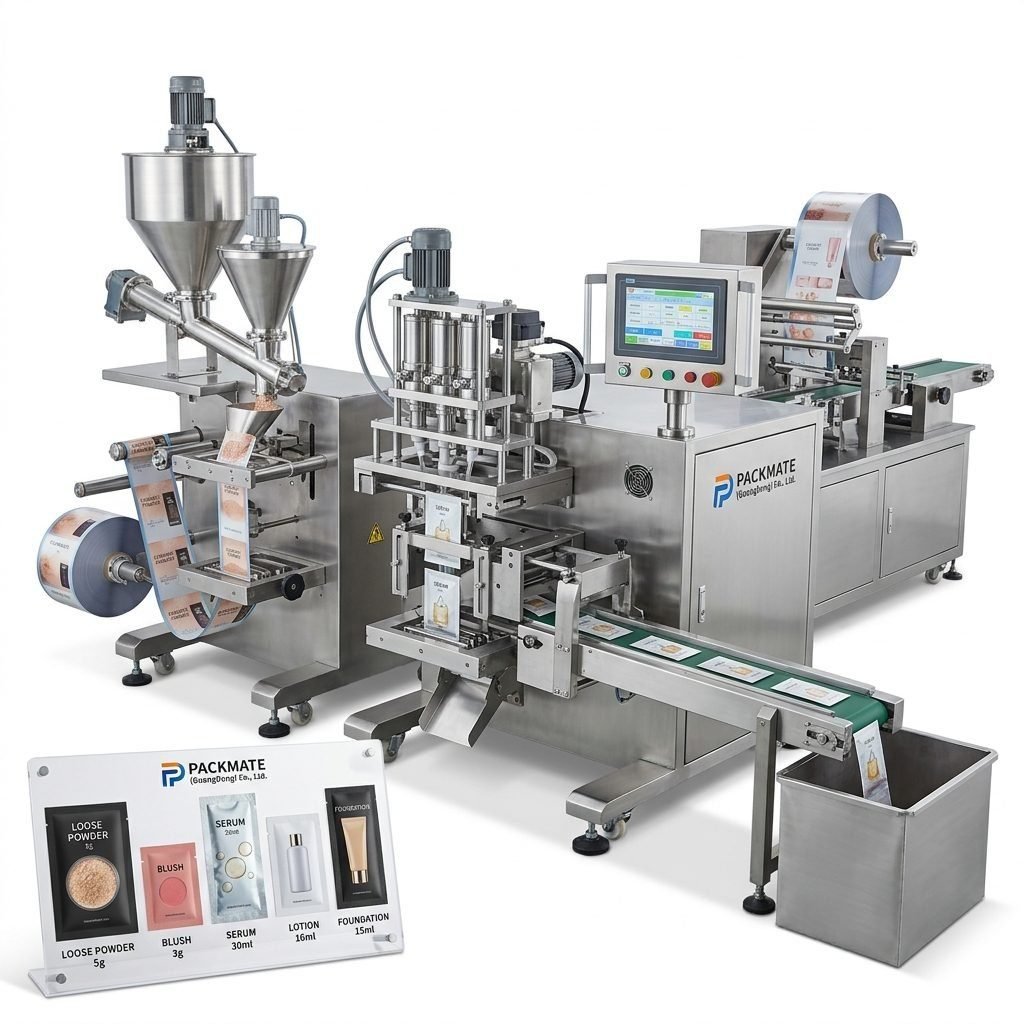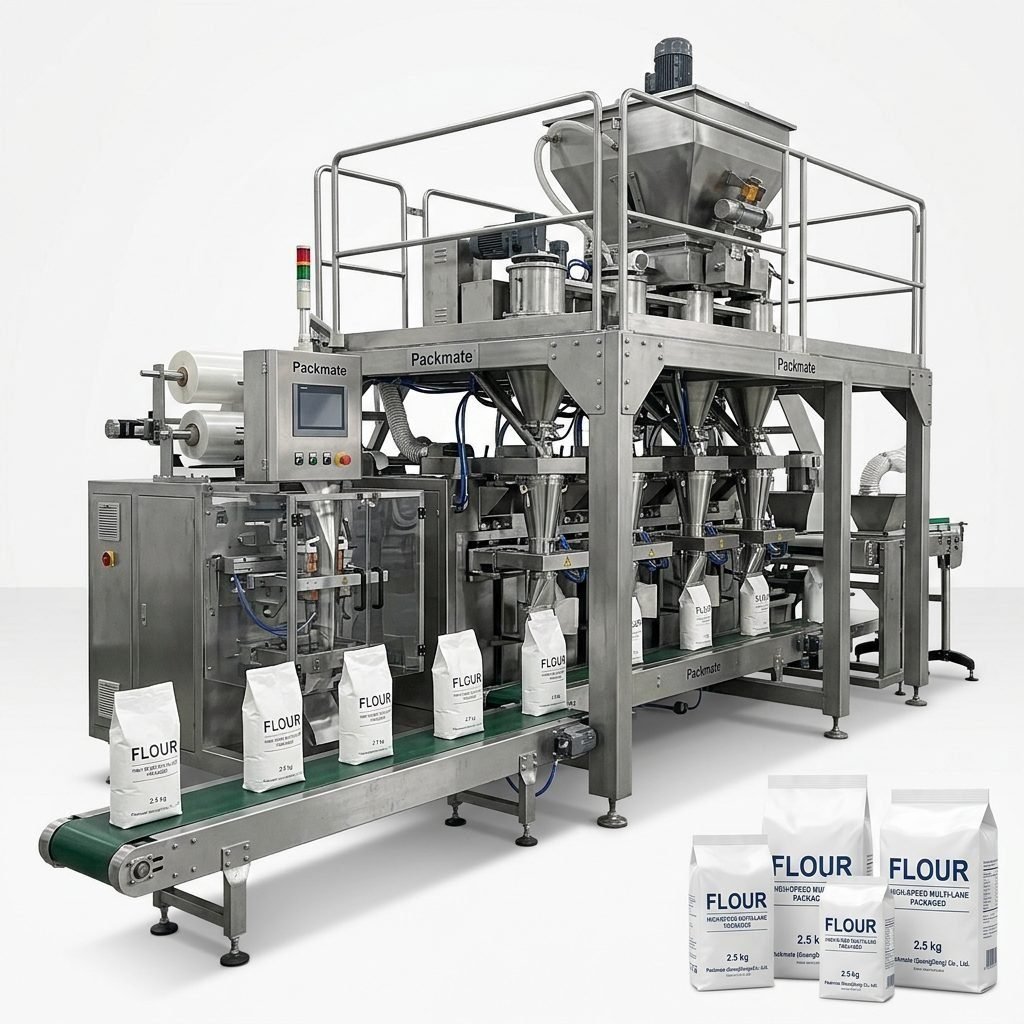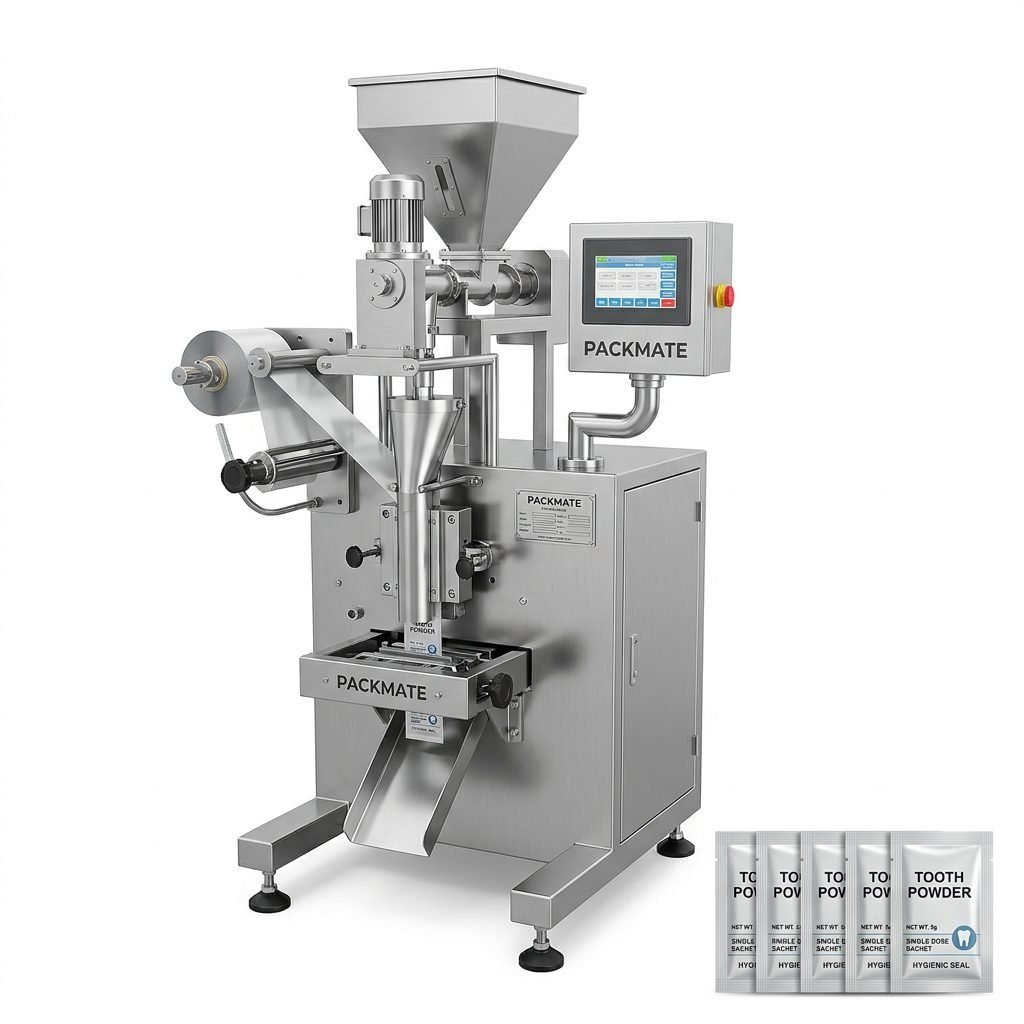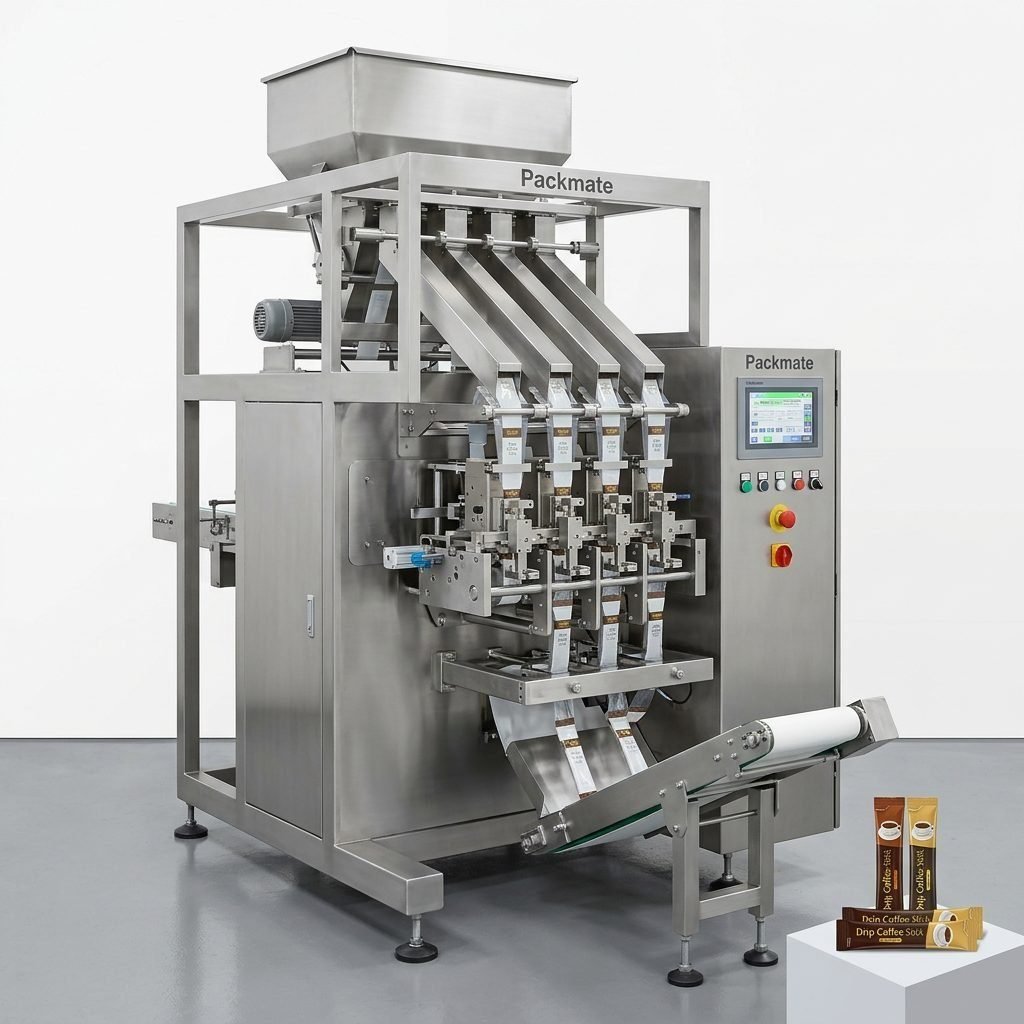
In the fast-paced world of manufacturing, efficiency is the cornerstone of profitability and growth. For industries handling powders—from food and pharmaceuticals to chemicals and health supplements—the packaging process is a critical juncture where speed, accuracy, and reliability converge. Manual or semi-automatic methods often become bottlenecks, leading to inconsistencies, product waste, and increased labor costs. This is where automatic powder packaging machines step in as transformative solutions, engineered to streamline production lines and ensure consistent, high-quality output.
The Core Advantages of Automation in Powder Packaging
Investing in a top-tier automatic powder packaging system is not merely an upgrade; it’s a strategic decision that impacts the entire production ecosystem. The primary benefits are multifaceted and significant.
Unmatched Speed and Throughput
Modern automatic machines are designed for high-speed operation, capable of filling and sealing hundreds, even thousands, of pouches, sachets, or stick packs per minute. This dramatic increase in throughput directly translates to higher production volumes and the ability to meet large-scale orders and tight deadlines without compromising on quality.
Precision and Consistency
Human error in weighing and filling is virtually eliminated. Advanced machines utilize sophisticated gravimetric or volumetric dosing systems to ensure each package receives the exact predetermined amount of powder. This level of precision is crucial for maintaining product quality, customer trust, and regulatory compliance, especially in industries like pharmaceuticals where dosage accuracy is paramount.
Reduced Material Waste and Labor Costs
By minimizing spillage and overfilling, automatic systems significantly reduce product giveaway. Furthermore, these machines require minimal human intervention, often needing only one operator for monitoring and refilling bulk powder hoppers. This optimization leads to substantial savings on both raw materials and operational labor expenses over time.
Enhanced Hygiene and Safety
Closed-system automatic packagers limit powder exposure to the environment, which is vital for maintaining hygiene standards in food and pharmaceutical production. It also creates a safer workplace by reducing dust inhalation risks for operators and minimizing direct contact with the product.
Key Features to Look for in a Top Machine
Not all automatic powder packaging machines are created equal. When selecting equipment for efficient production, several critical features should be non-negotiable.
1. Advanced Weighing and Filling Technology
The heart of any powder packager is its filling mechanism. Look for machines equipped with multi-head weighers for ultra-high precision or auger fillers with servo-driven technology for consistent volumetric dispensing. The choice depends on the powder’s characteristics (flowability, density) and the required accuracy.
2. Versatility in Packaging Formats
A machine that can handle multiple bag styles adds tremendous value. The best systems can seamlessly produce stand-up pouches, flat pouches, stick packs, and sachets with quick changeover capabilities. This flexibility allows manufacturers to respond quickly to market trends and customer preferences without investing in separate lines.
3. Robust Construction and Ease of Maintenance
Durability is key for 24/7 production environments. Machines constructed from high-grade stainless steel (especially in contact parts) ensure longevity and meet food-grade hygiene standards. Furthermore, a design that prioritizes easy access for cleaning, adjustment, and routine maintenance minimizes downtime and keeps the line running smoothly.
4. Integrated Smart Controls and HMI
A user-friendly Human-Machine Interface (HMI) with a touchscreen PLC is essential. It should allow for easy parameter setting (weight, speed, seal temperature), recipe storage for different products, and provide clear diagnostics. Connectivity features for data logging and integration into broader Industry 4.0 systems are becoming increasingly important for smart factory management.
Choosing the Right Partner: Beyond the Machine
Selecting the right equipment is only half the battle. Partnering with a reputable and experienced manufacturer is equally critical for long-term success. A partner like Packmate Machinery brings more than just hardware to the table.
With over 22 years of company development and a sprawling 20,000㎡ modern manufacturing facility, Packmate embodies the expertise needed to deliver reliable solutions. Their journey, from a focused workshop to a leading manufacturer, is built on a deep understanding of the challenges in powder packaging. They offer a comprehensive range of solutions, from specialized sachet & stick pack machines to complete filling & packaging lines.
Their commitment extends to providing complete turnkey packaging solutions. This includes thorough pre-sales consultation, custom engineering to fit specific powder properties and output goals, comprehensive installation, training, and reliable after-sales support. Viewing their diverse case studies can provide tangible proof of their capability to solve complex packaging challenges across the globe.
The Impact on Your Bottom Line
The transition to an automatic powder packaging line represents a significant capital investment. However, the return on investment (ROI) is compelling when calculated holistically. The combined savings from reduced labor, lower material waste, decreased downtime, and higher output quality directly enhance profitability. Moreover, the gained production capacity and consistency open doors to new market opportunities and strengthen your brand’s reputation for reliability.
Conclusion
In the quest for efficient production, top automatic powder packaging machines are indispensable allies. They are engineered to deliver precision, speed, and hygiene, transforming a potentially problematic stage of manufacturing into a seamless, high-performance operation. By carefully evaluating machine features and partnering with an experienced manufacturer committed to innovation and support—such as Packmate Machinery—businesses can unlock new levels of productivity, quality, and growth in an increasingly competitive landscape.
Frequently Asked Questions (FAQs)
Q1: What type of powder filling system is most accurate?
For the highest accuracy, especially with fine, non-free-flowing powders, multi-head weigh cell systems are considered the gold standard. They use multiple weighing buckets and a computer to combine doses for precise target weights. For consistent, free-flowing powders, servo-driven auger fillers offer excellent speed and very good accuracy.
Q2: Can one machine package different types of powders?
Yes, many automatic machines are designed for versatility. However, it’s crucial to consult with the manufacturer. Changeover between different powders may require adjustments to the filling system, different auger types, or thorough cleaning protocols to prevent cross-contamination, especially in food and pharma applications.
Q3: How do I determine the right packaging speed for my needs?
Calculate your current and projected future production volumes (e.g., bags per shift or month). Choose a machine whose maximum speed provides a comfortable buffer above your peak demand. Consider factors like product changeover frequency and planned maintenance, which will affect average operational speed.
Q4: What kind of after-sales support should I expect?
A reputable supplier should offer comprehensive support including detailed installation guidance (or on-site installation), thorough operator and maintenance training, readily available spare parts, and access to technical support for troubleshooting. Many, like Packmate, provide remote diagnostics and have a global service network.
Q5: Are automatic powder packaging machines difficult to clean and maintain?
Modern machines are designed with sanitation in mind. Look for features like tool-less disassembly of contact parts, easy-access panels, and surfaces made of smooth, cleanable materials like stainless steel. A good supplier will provide clear cleaning and preventative maintenance schedules to ensure ease of operation and longevity.