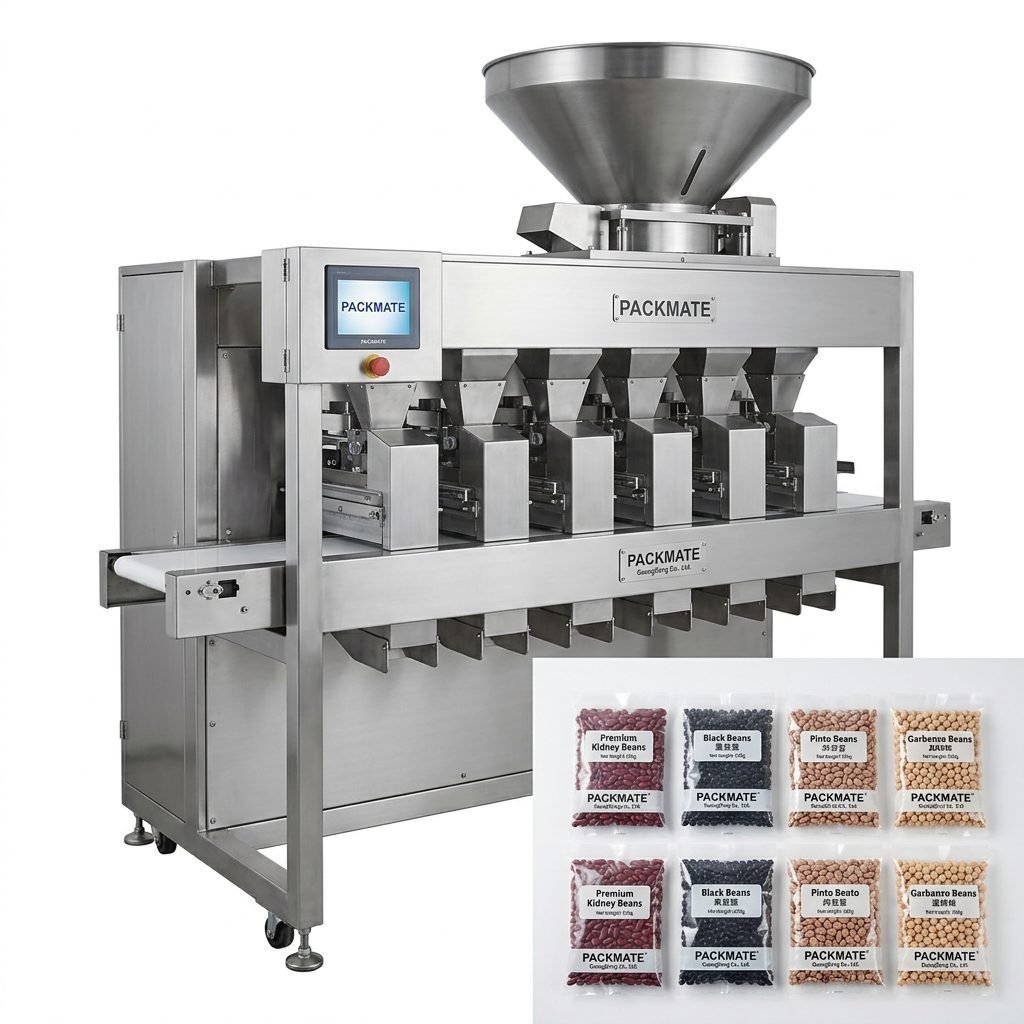
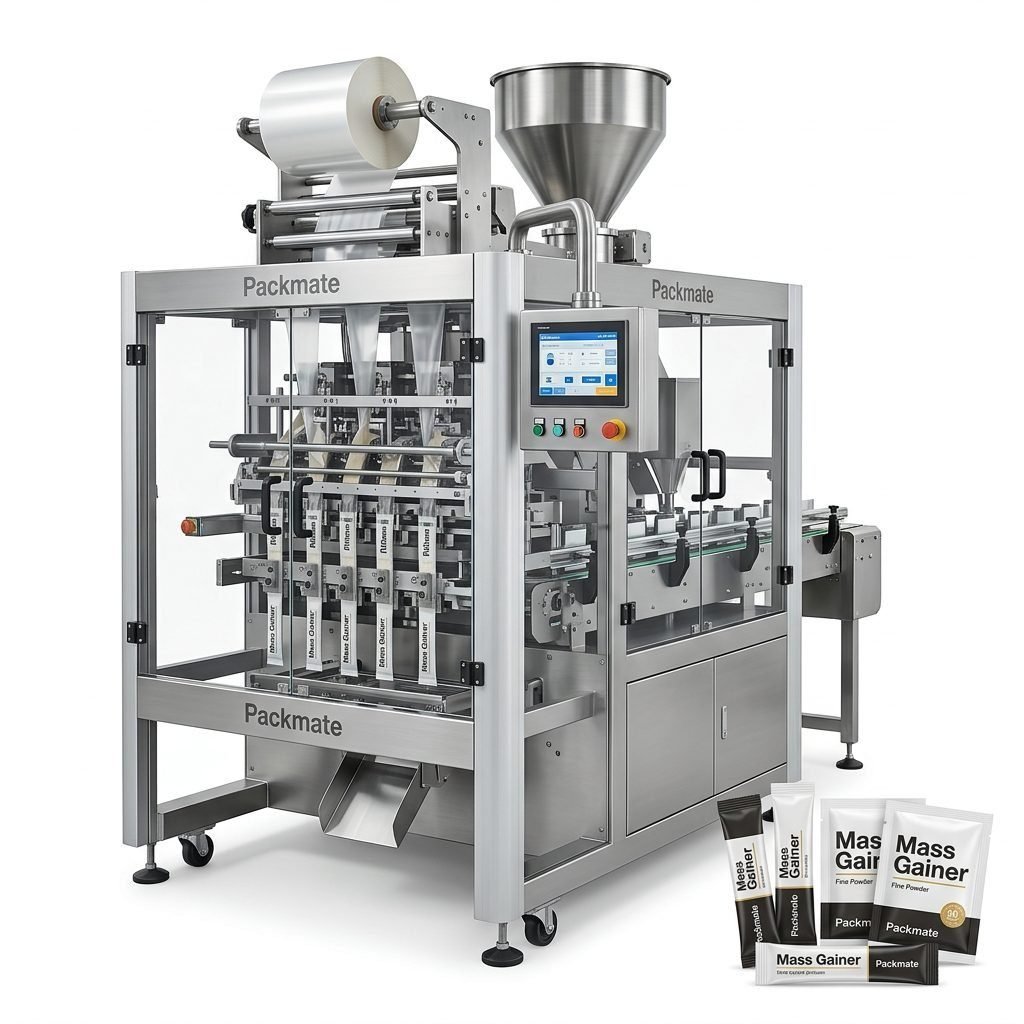
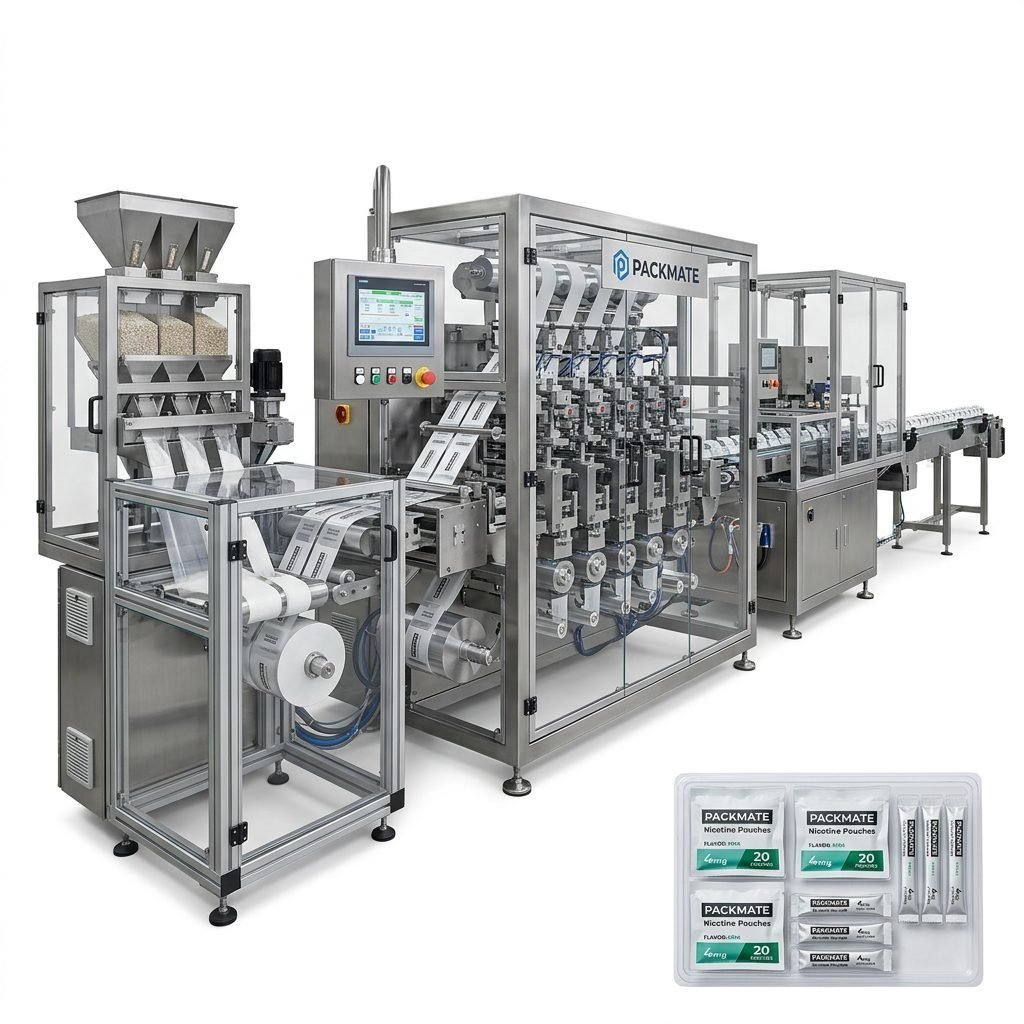
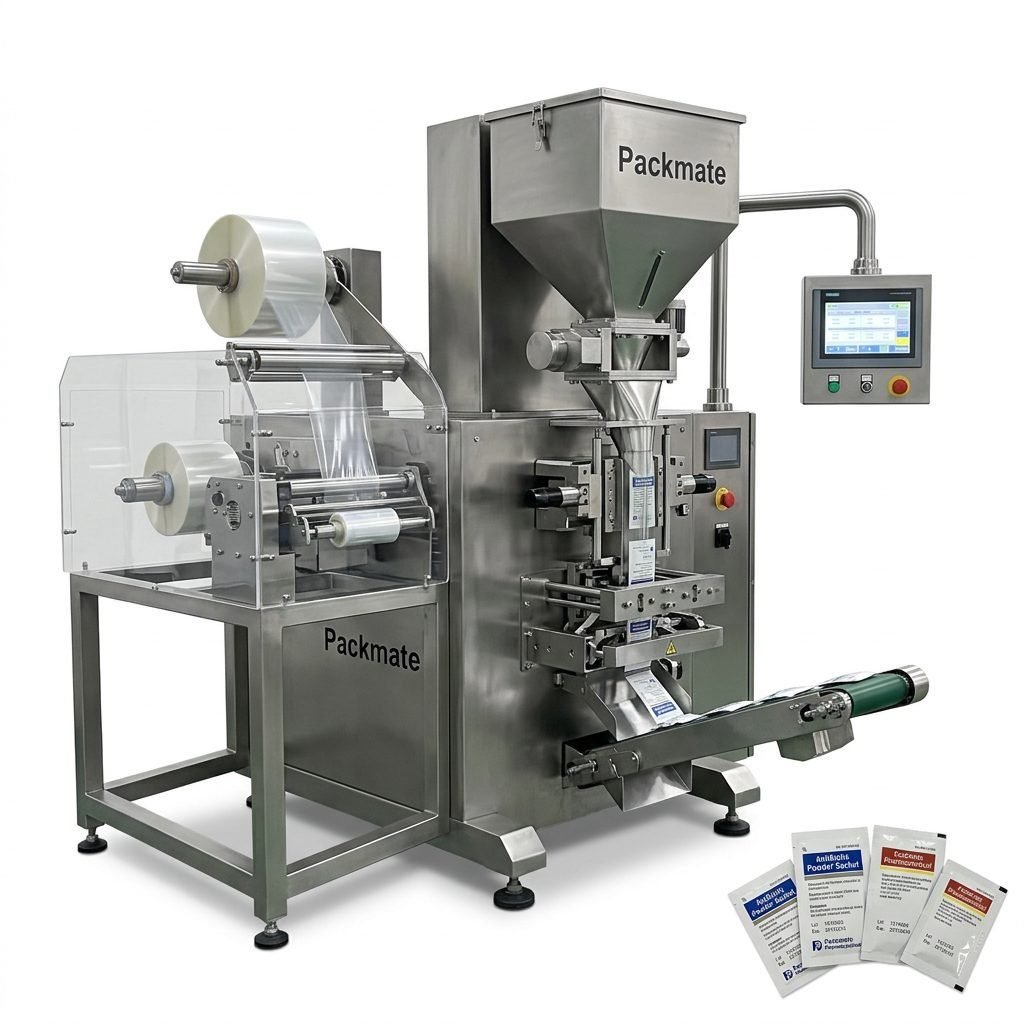
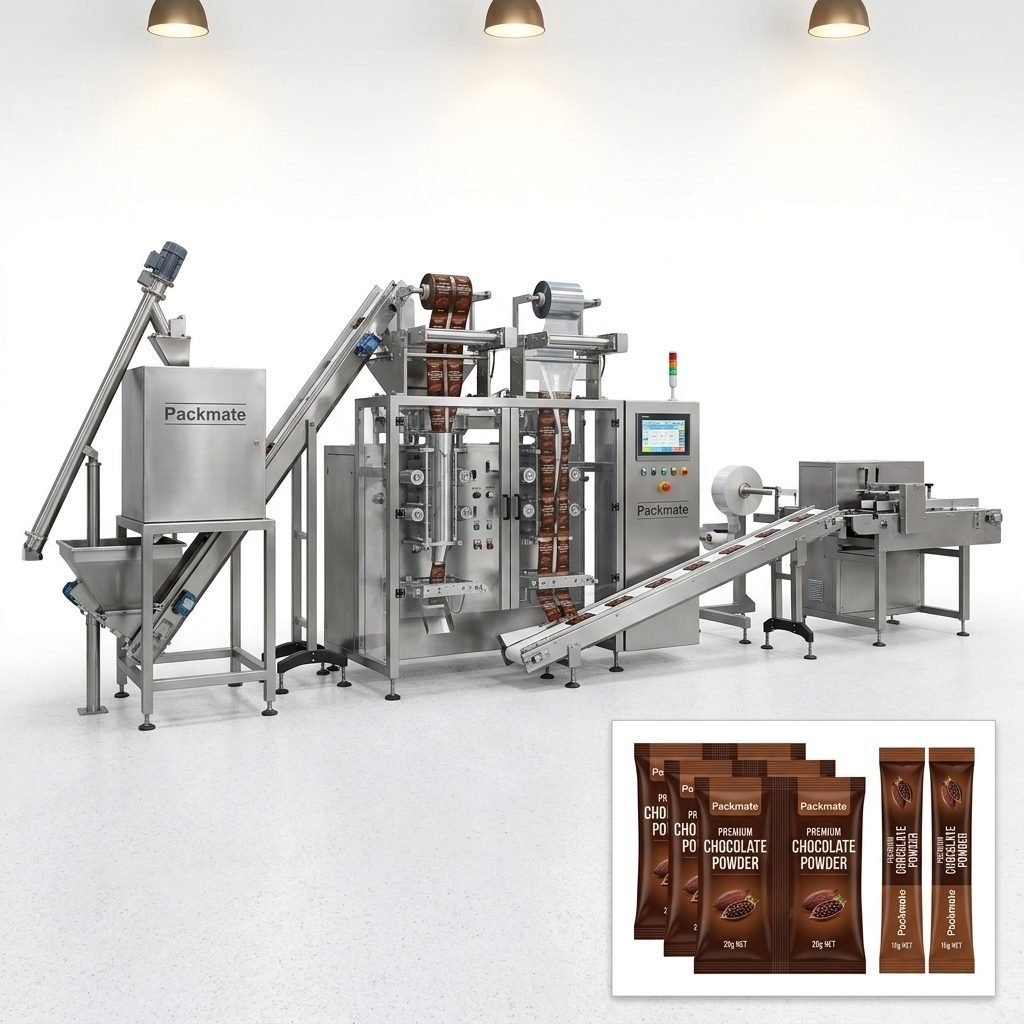
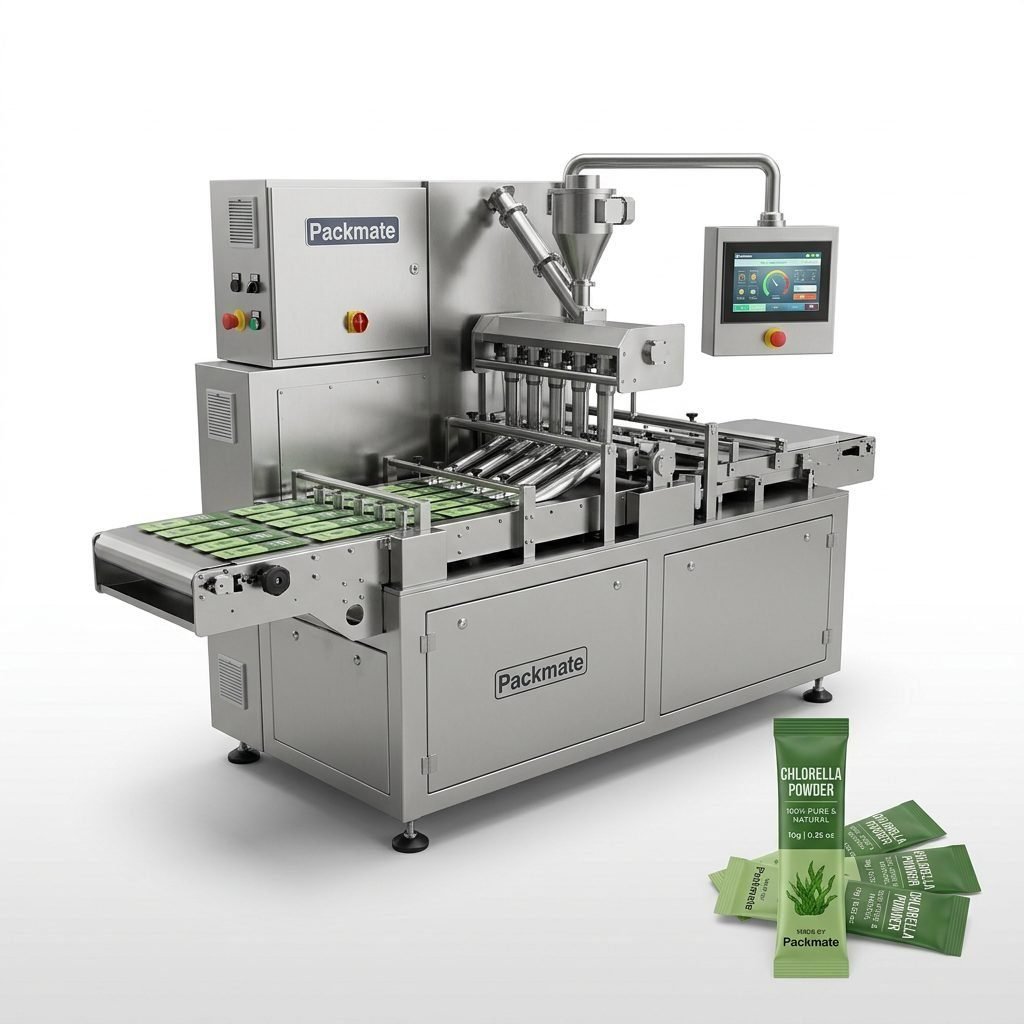
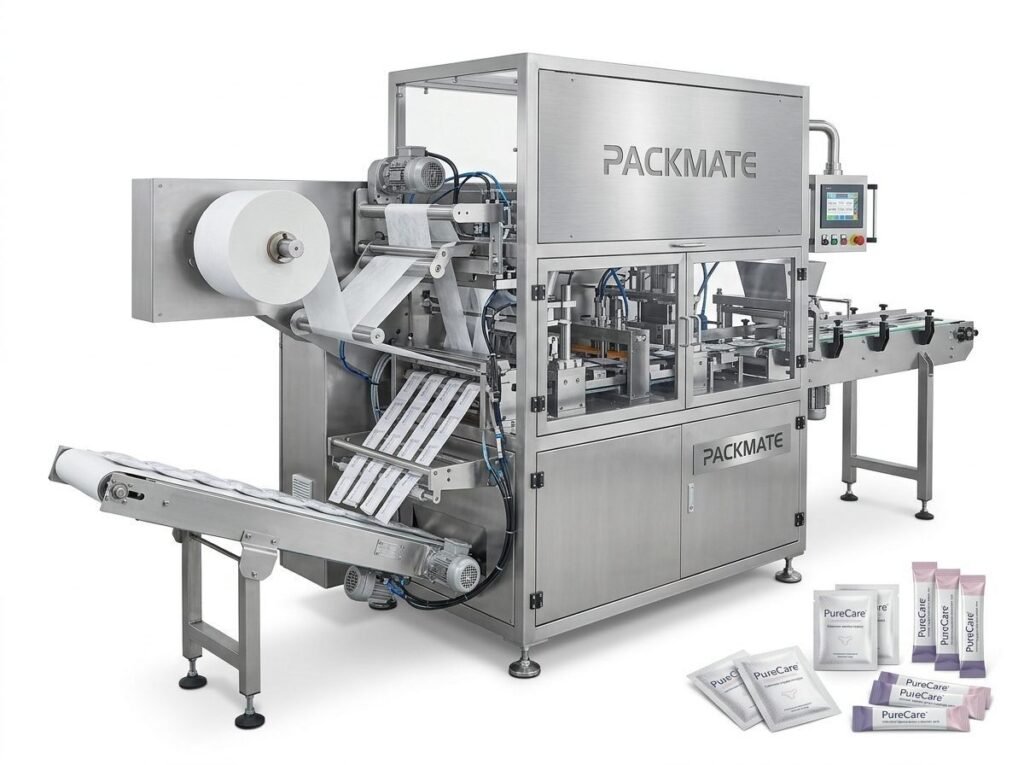
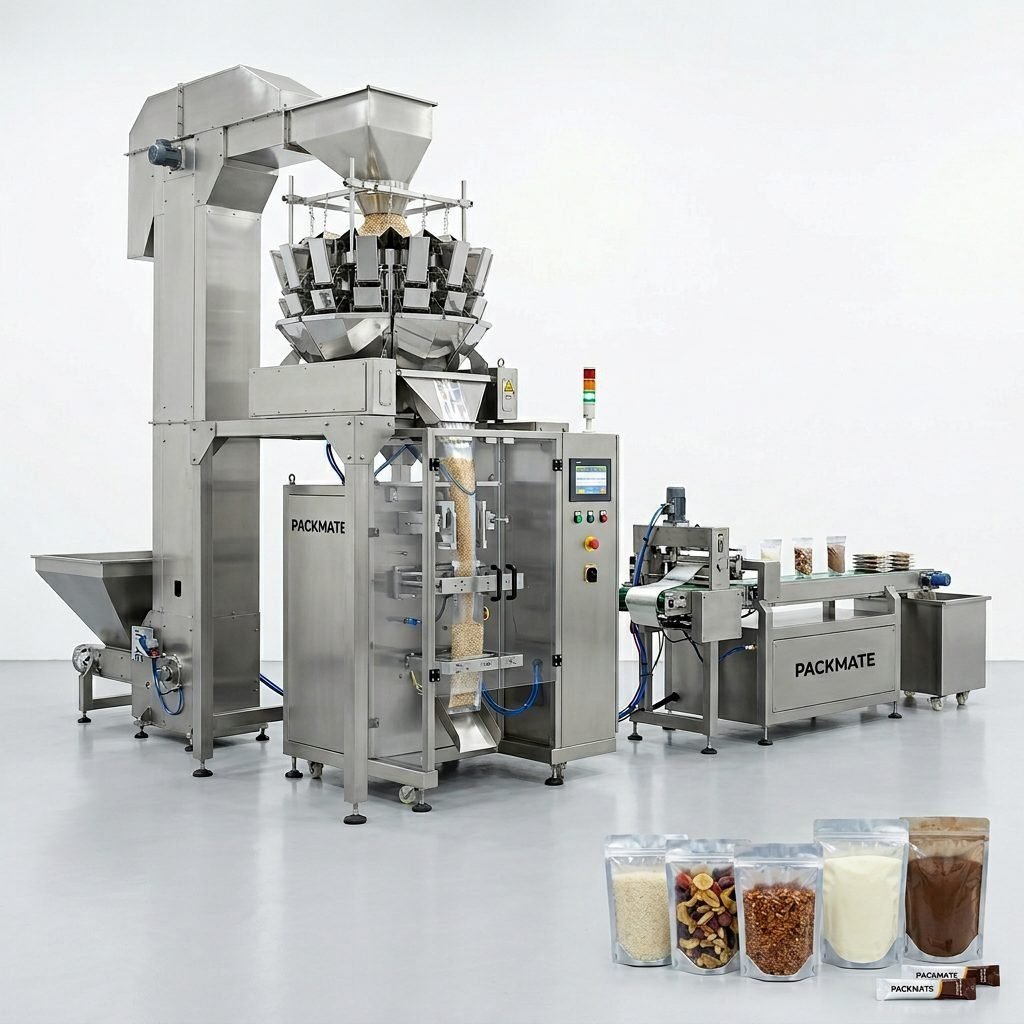
In the fast-paced world of product manufacturing and distribution, ensuring that goods reach consumers in pristine condition is paramount. This is where heat sealer packaging machines step in as indispensable tools. These machines provide a reliable, efficient, and often automated method for creating airtight seals on various packaging materials, offering robust protection against moisture, contaminants, and tampering. For businesses aiming to enhance shelf life, maintain product integrity, and project a professional image, investing in a top-tier heat sealer is a critical operational decision.
The Core Mechanism: How Heat Sealers Work
At their heart, heat sealers function by applying controlled heat and pressure to thermoplastic materials. The process typically involves two jaws—one heated and one often cooled or padded. The packaging film is placed between them; the heat activates the adhesive or melts the inner layer of the film, and the pressure ensures a uniform bond. Once the heat cycle completes, the jaws separate, leaving behind a strong, hermetic seal. Modern machines offer precise control over temperature, pressure, and dwell time (sealing duration), allowing for customization based on material thickness and type, whether it’s polyethylene, polypropylene, or laminated foils.
Key Advantages of Automated Heat Sealing
Transitioning from manual to automated heat sealing systems unlocks significant benefits. Consistency is the foremost advantage; machines eliminate human error, producing seals of identical strength and quality every time. This directly enhances product safety and reduces waste from faulty packaging. Furthermore, automated systems, like those offered by industry leaders, dramatically increase production throughput, allowing businesses to scale operations efficiently. They also improve workplace safety by minimizing direct contact with heat elements and repetitive strain injuries associated with manual tools.
Selecting the Right Machine for Your Needs
Choosing a heat sealer is not a one-size-fits-all process. The optimal machine depends on your specific products, volume, and packaging materials.
1. Impulse Sealers
Ideal for light to medium-duty applications, impulse sealers use a brief burst of electricity to heat a metal wire (the sealing element). They are excellent for sealing bags made of polyethylene and polypropylene and are commonly used in retail, laboratories, and small-scale production. They are cost-effective and portable but may not be suitable for continuous, high-volume operations.
2. Constant Heat Sealers
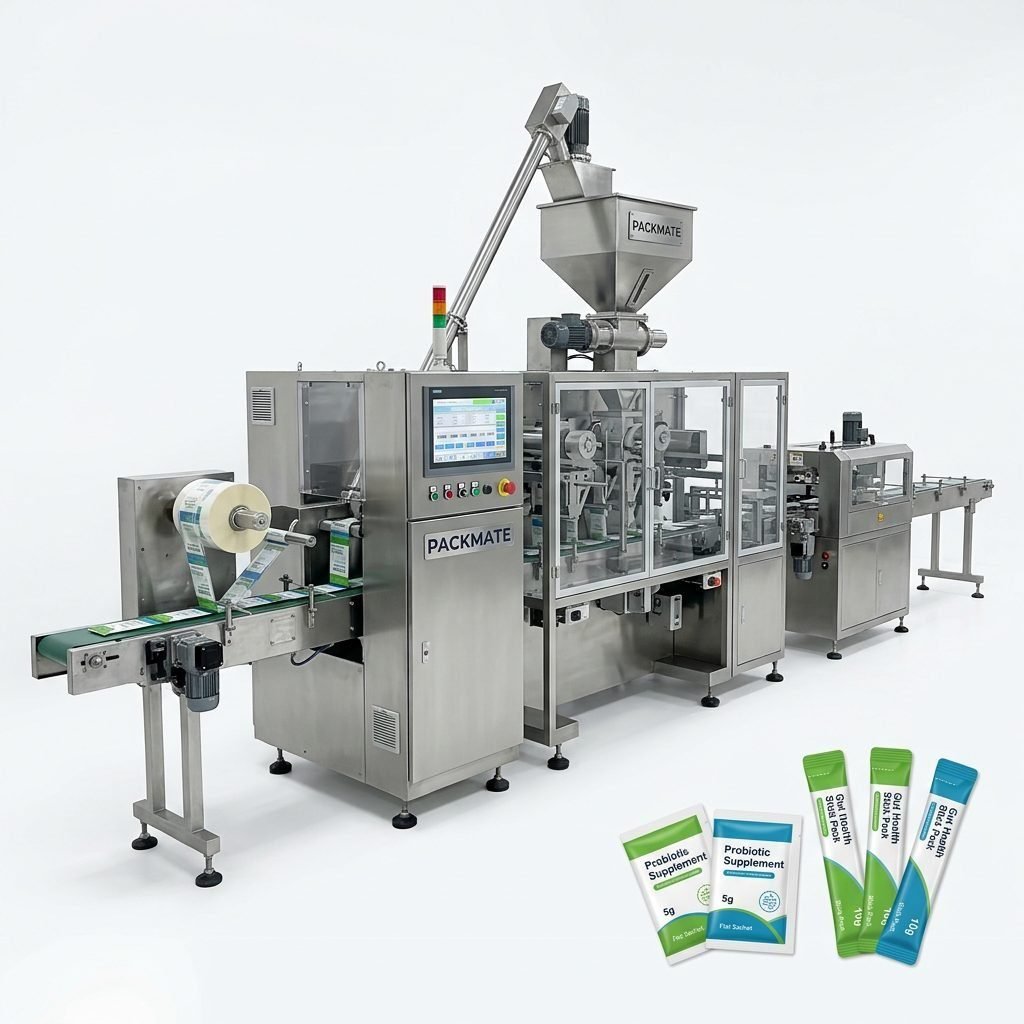
These machines maintain a consistently heated sealing bar. They are faster than impulse sealers and perfect for sealing thicker materials or laminates, such as those used in sachet and stick pack machines. Constant heat sealers are a staple in food packaging for items like snacks, powders, and granules, where speed and a strong seal are crucial.
3. Band Sealers
For high-volume, continuous production lines, band sealers are the go-to solution. Products move on a conveyor under a continuous heated band, creating a consistent seal as they pass through. This technology is integral to fully automated filling and packaging lines, providing unmatched efficiency for packaging liquids, powders, and solid items in pouches or bags.
Critical Selection Criteria
- Seal Bar Length & Width: Determines the maximum package size you can process.
- Material Compatibility: Ensure the machine’s temperature range suits your films (e.g., low-density polyethylene vs. polypropylene).
- Production Speed: Measured in seals per minute or bags per minute. Match this to your output requirements.
- Automation Level: From manual foot pedal operation to fully integrated systems with PLC controls.
- Durability & Support: Opt for manufacturers with a proven track record of quality and reliable after-sales service.
Integration into Modern Packaging Lines
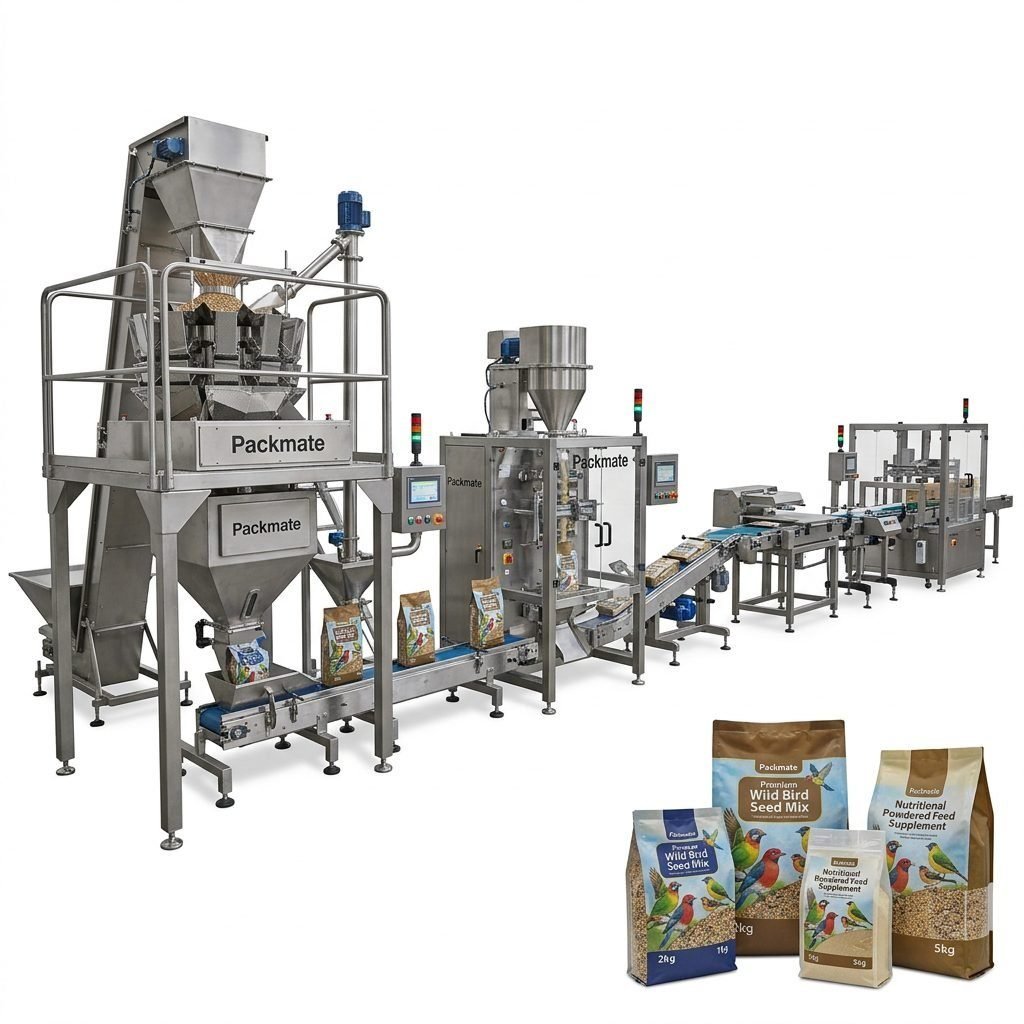
A standalone heat sealer is powerful, but its true potential is realized when integrated into a complete packaging system. In a modern factory, a heat sealer works in concert with weighing systems, fillers, labelers, and coders. For instance, a vertical form-fill-seal (VFFS) machine incorporates heat sealing as a core function, forming the bag from a roll of film, filling it with product, and then sealing it—all in one continuous motion. This synergy minimizes handling, maximizes hygiene, and optimizes floor space. Companies like Packmate Machinery, with decades of expertise, specialize in designing such turnkey solutions that streamline the entire packaging workflow from start to finish.
Ensuring Longevity and Optimal Performance
To protect your investment, regular maintenance of your heat sealer is non-negotiable. Key practices include daily cleaning of the sealing jaws to prevent adhesive buildup, which can cause weak seals. Regularly check the integrity of the Teflon coating or sealing tape on the jaws, as damage here leads to uneven heat distribution. Calibrate temperature and pressure settings periodically according to the manufacturer’s guidelines. Always use packaging materials recommended for your specific machine model to avoid undue stress on the heating elements and ensure consistent seal quality.
Troubleshooting Common Seal Issues
Even the best machines can encounter issues. A weak or peeling seal often points to insufficient temperature, pressure, or dwell time. Conversely, a burned or wrinkled seal indicates excessive heat or pressure. If the film sticks to the sealing jaws, the Teflon cover likely needs replacement. For persistent problems, consulting the machine manual or contacting your supplier’s technical support, such as the team behind Packmate’s comprehensive service network, is the most efficient course of action.
Frequently Asked Questions (FAQ)
What types of materials can a heat sealer package?
Heat sealers are versatile and can handle a wide range of thermoplastic materials, including polyethylene (PE), polypropylene (PP), polyester, and multi-layer laminates. The key is to match the machine’s temperature and pressure capabilities to the specific melting point of the film. Always consult your material supplier and machine manufacturer for compatibility.
How do I choose between an impulse sealer and a constant heat sealer?
The choice hinges on your production volume and material. Impulse sealers are perfect for intermittent, lower-volume tasks and are great for basic poly bags. Constant heat sealers are designed for faster, continuous operation and can handle thicker, more complex materials commonly used in professional food and pharmaceutical packaging.
Can heat sealers be used for liquid packaging?
Yes, but it requires specific technology. For liquid pouches, a band sealer or a specialized vertical form-fill-seal (VFFS) machine is typically used. These machines create a seal above the product’s liquid level to prevent contamination of the sealing area, ensuring a strong, leak-proof closure. Integration with liquid filling nozzles is critical.
What safety features should I look for in a heat sealer?
Prioritize machines with safety guards or covers over the heated elements, emergency stop buttons, and automatic shut-off features. For automated models, look for sensors that prevent operation if a bag is misaligned. Proper training for operators on handling hot surfaces is also essential.
How important is after-sales service and technical support?
Extremely important. Like any precision industrial equipment, heat sealers may require calibration, part replacement, or troubleshooting. Choosing a manufacturer with a strong global support network, readily available spare parts, and detailed technical documentation ensures minimal downtime and protects your long-term productivity. This is a core commitment of established providers in the industry.