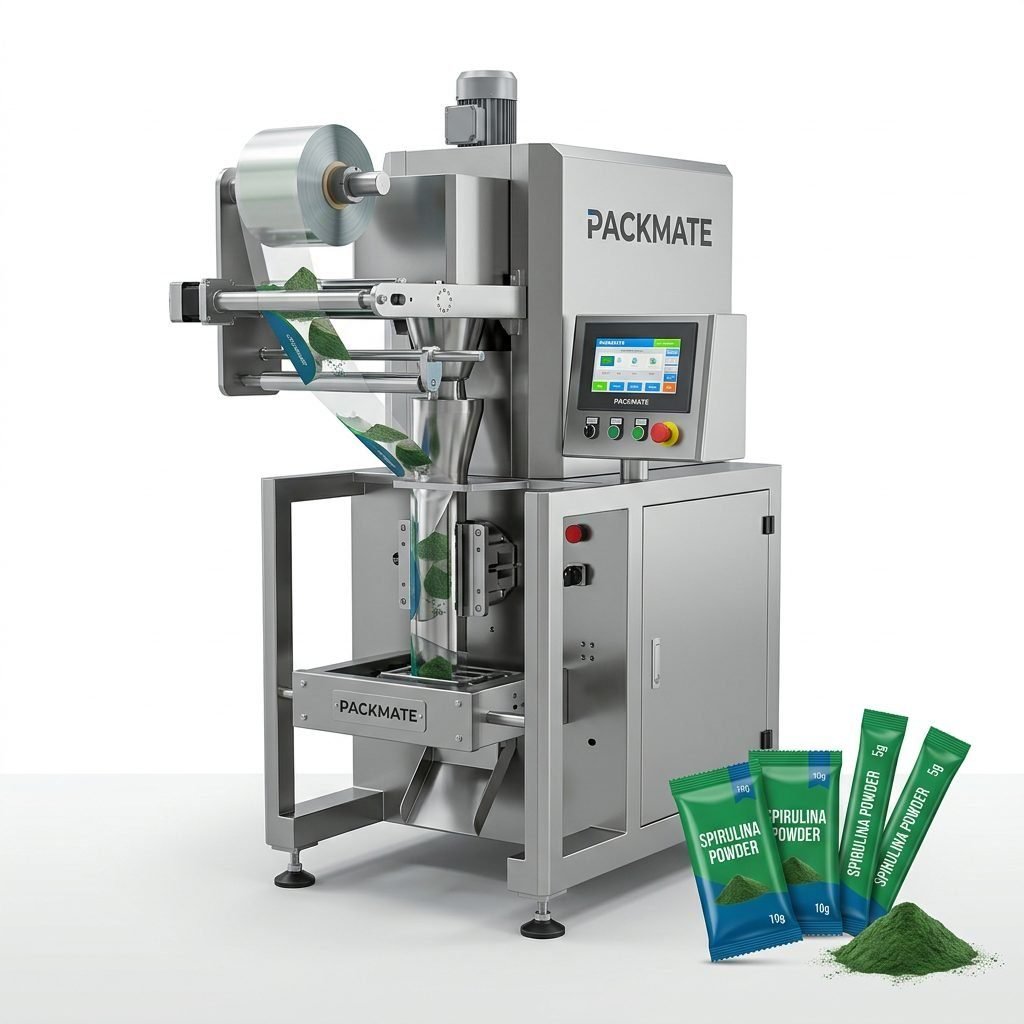
Selecting the right peanut butter packaging machine is a critical investment for manufacturers aiming to boost efficiency, ensure product freshness, and enhance brand appeal. This comprehensive guide explores the various types of machines available, analyzes key cost factors, and provides essential buying tips to help you make an informed decision for your production line.
Understanding Different Types of Peanut Butter Packaging Machines
The packaging process for peanut butter requires specialized equipment capable of handling its viscous, sometimes sticky, consistency. The choice of machine largely depends on your desired package format, production volume, and level of automation.
1. Pouch & Sachet Packaging Machines
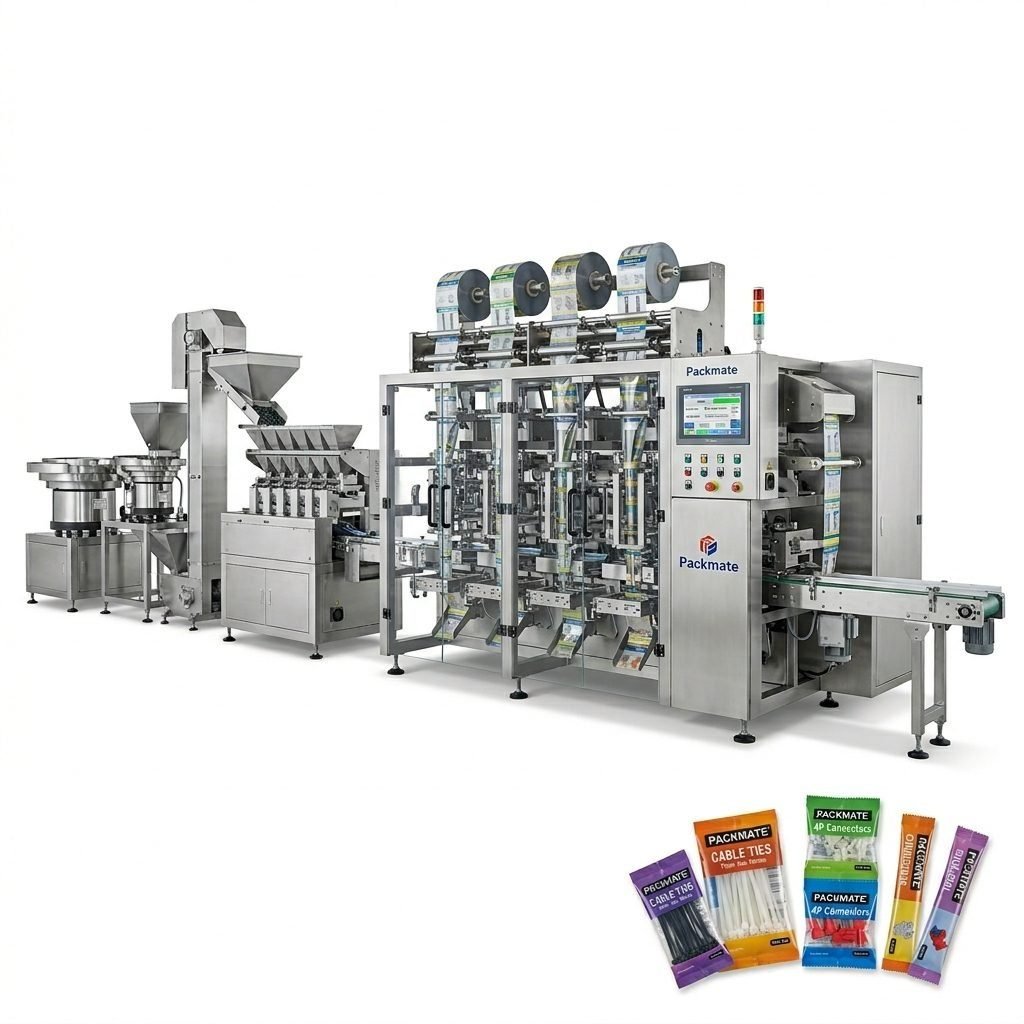
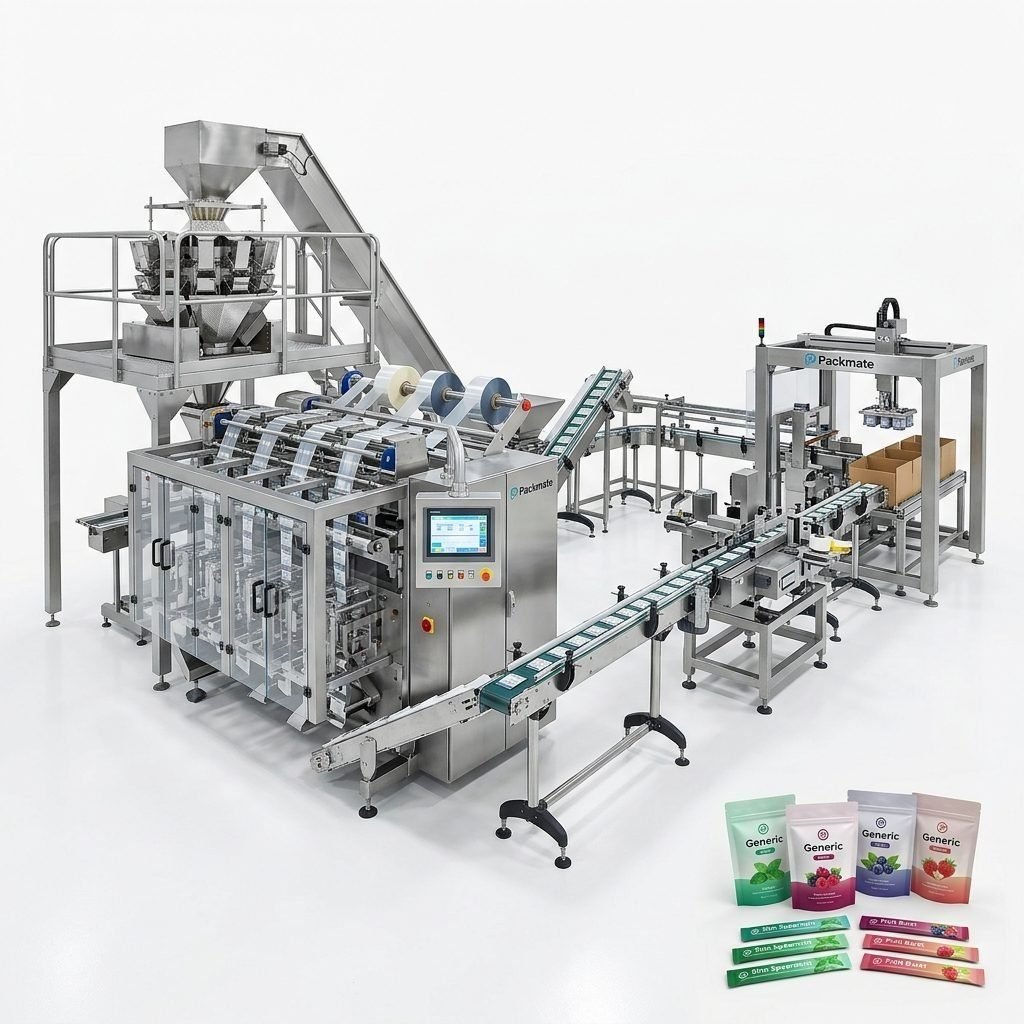
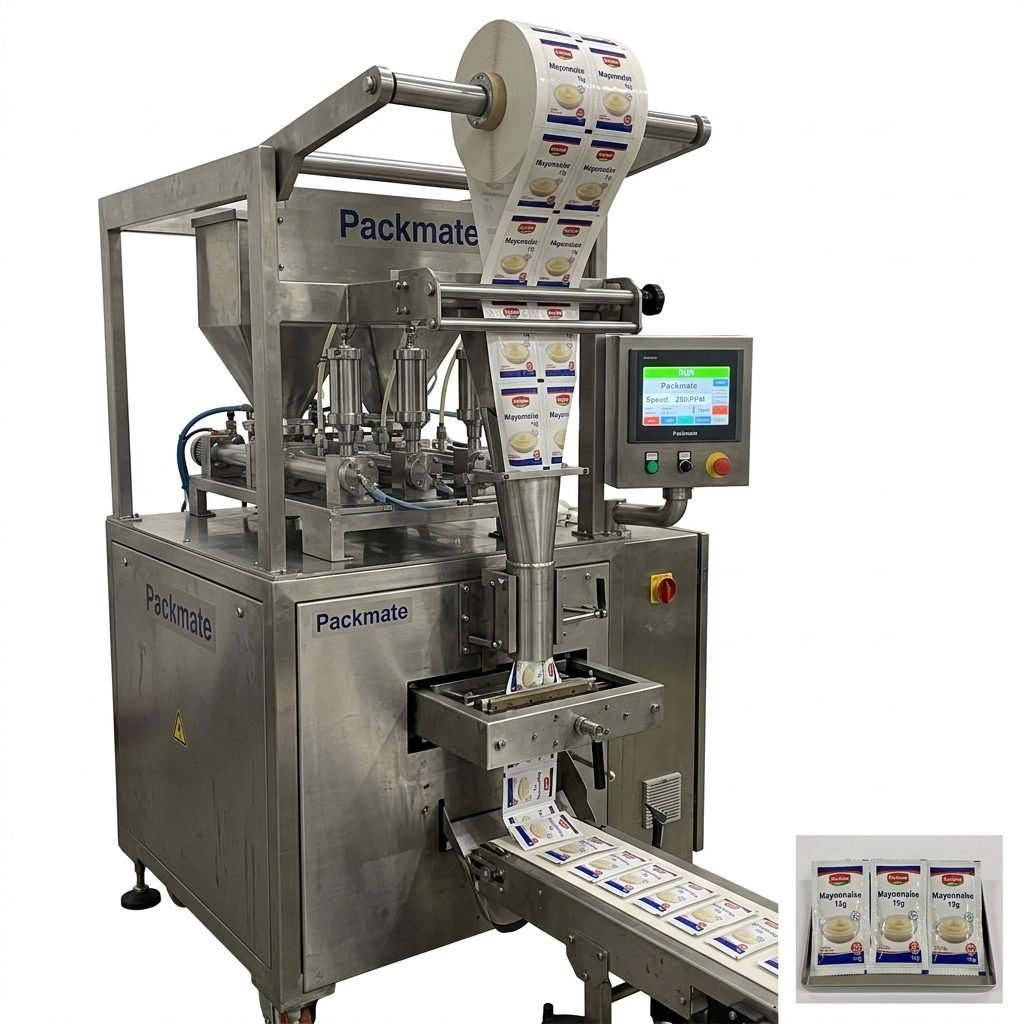
These are ideal for single-serve portions, promotional samples, or smaller retail units. Machines form, fill, and seal pre-printed roll stock film into sealed pouches. For peanut butter, machines with positive displacement piston pumps or auger fillers are essential for accurate, clean filling of the thick product. This format is popular for its cost-effectiveness and consumer convenience. Explore our range of efficient Bag & Pouch Packaging Machines designed for viscous products.
2. Jar and Bottle Filling Lines
For the classic retail presentation, automated lines handle glass or plastic jars. A complete line typically includes a jar unscrambler, a filling station, a capping or lidding machine, and a labeling system. Peanut butter filling requires specialized volumetric or weight-based fillers to minimize product waste and ensure consistent fill levels. The speed of these lines can vary from semi-automatic to high-speed rotary fillers for large-scale production.
3. Stick Pack Machines
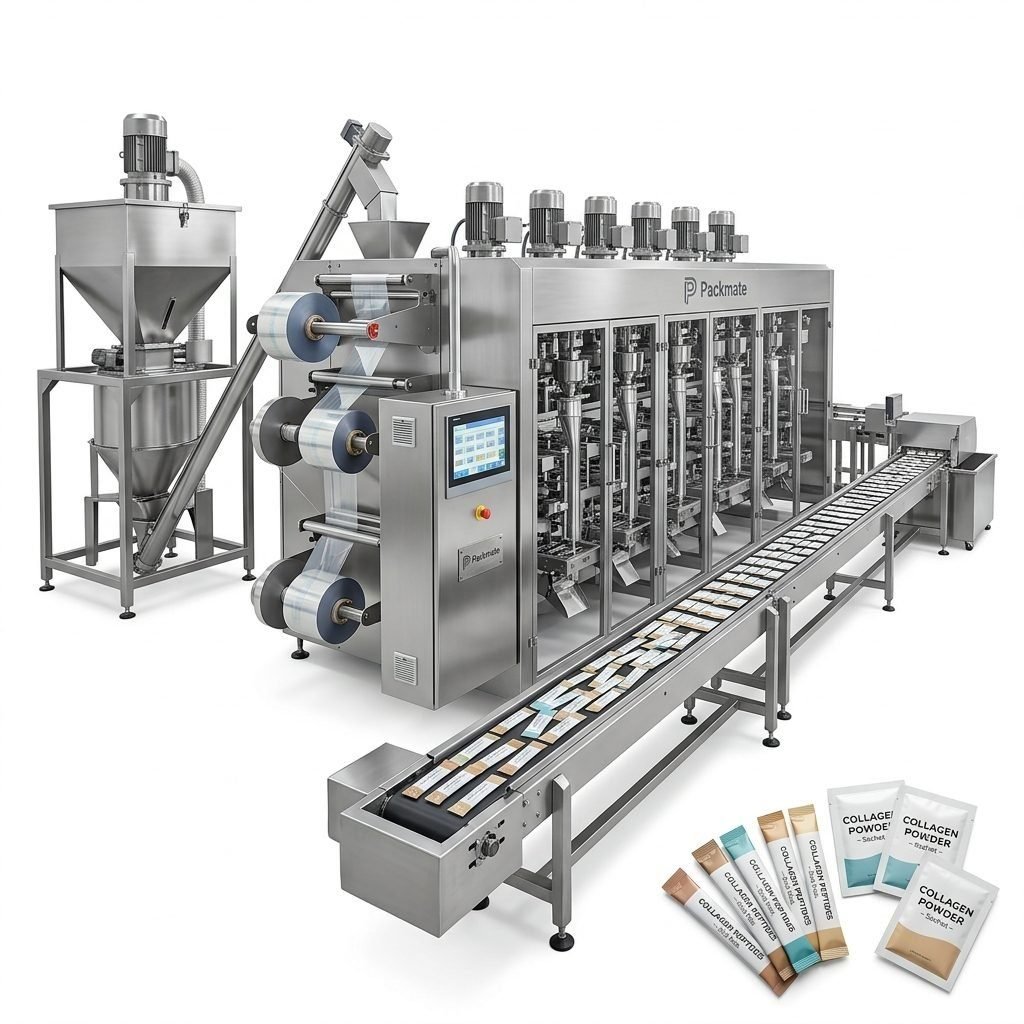
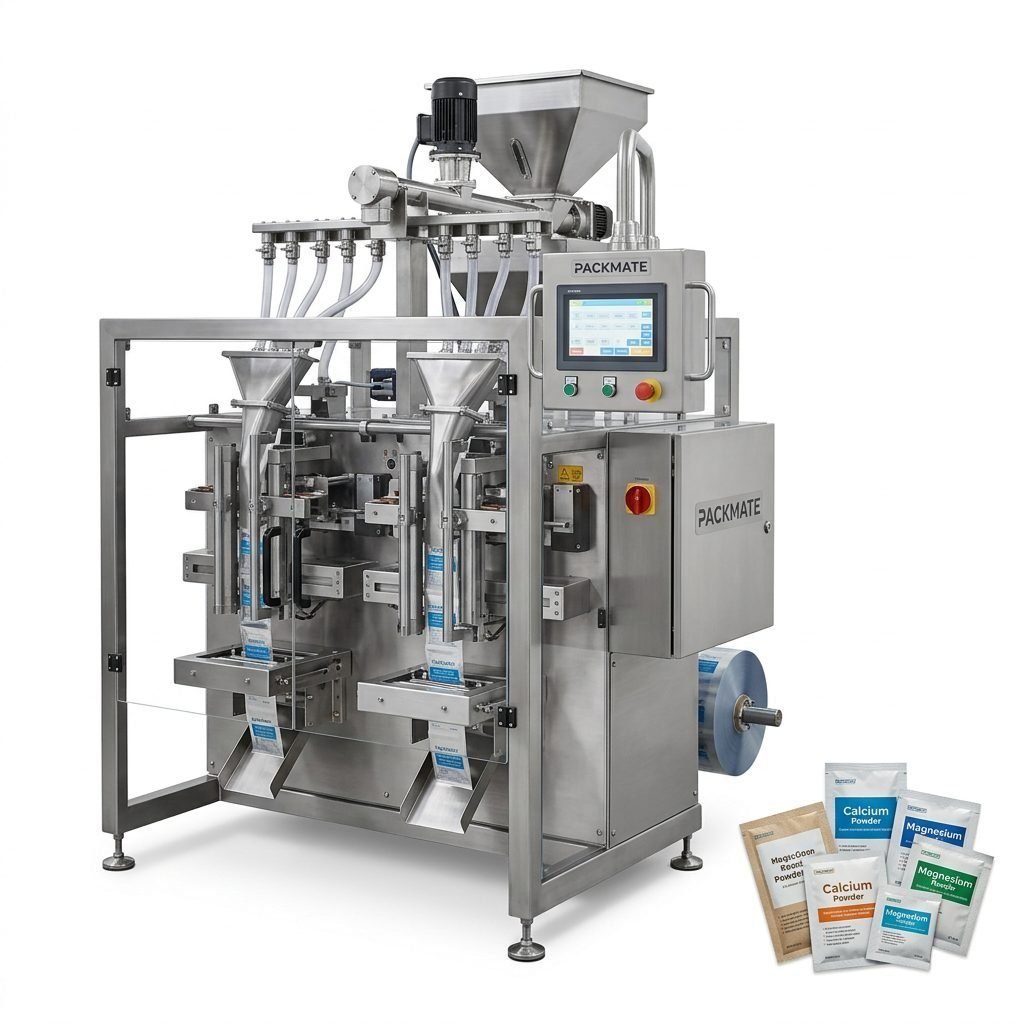
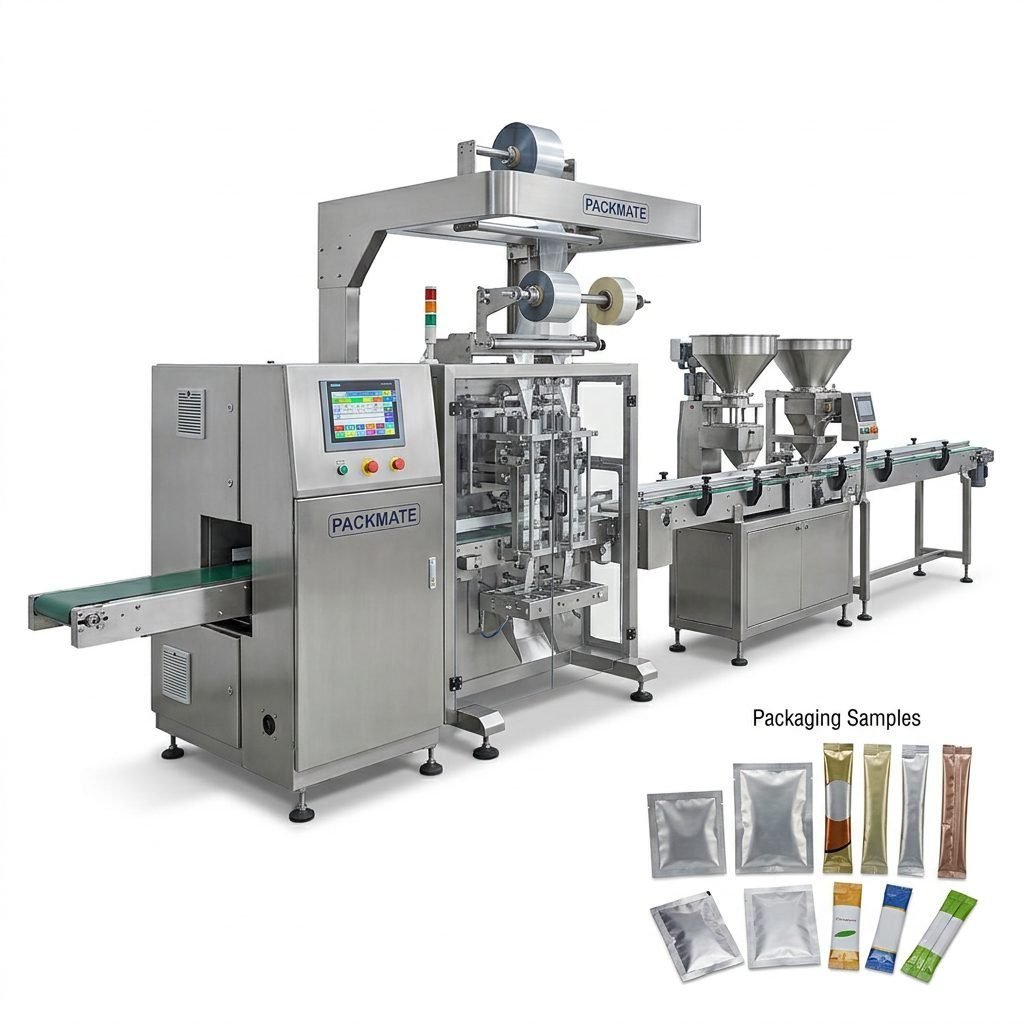
Stick packs are a growing trend for on-the-go nut butter snacks. These slim, elongated packages are produced on high-speed, multi-lane machines. Packaging peanut butter in this format demands precision to prevent leakage and ensure a clean seal. Machines must be equipped with robust filling systems and precise temperature controls on the sealing jaws to handle the product’s oil content. Discover our advanced Sachet & Stick Pack Machines perfect for portion-controlled spreads.
4. Bulk Packaging Systems
For food service or industrial customers, peanut butter is often packaged in large pails, tubs, or bags. This requires heavy-duty filling and sealing equipment capable of handling larger volumes per cycle. Systems often incorporate checkweighers and palletizing robots downstream to manage the heavy containers.
Key Factors Influencing Machine Cost
The price of a peanut butter packaging machine is not a single figure but a spectrum influenced by several interconnected factors. Understanding these will help you budget effectively.
Level of Automation: This is the primary cost driver. A semi-automatic machine, where jars are placed and removed manually, is the most affordable entry point. A fully automatic linear machine offers higher output with conveyor integration. The most expensive are high-speed rotary machines with integrated vision systems and robotics, designed for massive, unattended production runs.
Production Speed and Output: Cost scales directly with required speed (packages per minute). A machine rated for 60 jars per minute will be significantly less expensive than one built for 300 jars per minute, due to the need for more robust components, precision engineering, and advanced control systems.
Machine Versatility and Changeover: A machine designed to handle only one jar size and peanut butter type will cost less than a versatile model that can quickly switch between different container sizes, package types (e.g., from jars to tubs), and even different viscous products (e.g., from peanut butter to jam). Quick-changeover features add to the initial investment but save time and money in the long run.
Construction Quality and Brand: Machines built with high-grade stainless steel, food-grade lubricants, and premium servo motors from reputable brands like Siemens or Mitsubishi command a higher price. This investment translates to longer machine lifespan, better hygiene, easier maintenance, and greater reliability, reducing total cost of ownership. As a manufacturer with over 30 years of expertise, Packmate prioritizes durable construction in our 20,000㎡ modern facility to ensure lasting value for our clients.
Additional Features and Integration: Costs increase with add-ons like nitrogen flushing systems to extend shelf life, in-line metal detectors, automatic checkweighers, CIP (Clean-in-Place) systems, and sophisticated HMI (Human-Machine Interface) panels with data tracking capabilities.
Essential Buying Tips for Your Investment
Purchasing a packaging machine is a major decision. Follow these tips to ensure you select the right partner and equipment.
1. Define Your Precise Requirements
Before contacting suppliers, document your needs: target production speed, package dimensions and materials, desired uptime, available factory floor space, and utilities (electrical, compressed air). Don’t forget to plan for future growth—consider a machine with 20-30% extra capacity.
2. Request a Product Sample Test
Never buy a machine untested with your actual product. Reputable manufacturers like Packmate offer lab tests or factory trials. Send samples of your exact peanut butter (including variants with chunks or added oils) to see the machine in action. This validates filling accuracy, seal integrity, and overall performance.
3. Evaluate Total Cost of Ownership (TCO)
Look beyond the initial price tag. Factor in costs for installation, training, spare parts, preventive maintenance, energy consumption, and potential downtime. A slightly more expensive, reliable machine from a trusted supplier often has a lower TCO than a cheaper, less reliable option. Review our comprehensive Service and support offerings to understand our commitment to your operational success.
4. Scrutinize After-Sales Support
Ensure the supplier provides clear documentation, readily available spare parts, and responsive technical support. Ask about warranty terms, the availability of on-site installation and training, and the proximity of service engineers. A company with a strong global footprint is advantageous.
5. Consider the Supplier’s Experience and Reputation
Choose a supplier with a proven track record in food packaging, specifically with viscous products. Examine their company history, client portfolio, and industry certifications. A supplier that offers complete turnkey solutions—from single machines to integrated Filling & Packaging Lines—can streamline your project and ensure compatibility between all line components.
Conclusion
Investing in the right peanut butter packaging machine is a strategic step toward operational excellence. By thoroughly understanding the machine types, carefully analyzing the cost factors, and diligently following the buying tips outlined above, you can select equipment that enhances your productivity, protects your product quality, and provides an excellent return on investment. Partnering with an experienced and reliable manufacturer is the cornerstone of a successful packaging operation.
Frequently Asked Questions (FAQs)
What is the typical speed range for a fully automatic peanut butter jar filler?
Speeds vary widely based on jar size and machine design. For standard retail jars (e.g., 16oz/454g), linear fillers typically run between 30 to 120 jars per minute. High-speed rotary fillers can exceed 300 jars per minute for large-scale production.
Can one machine handle both creamy and chunky peanut butter?
Yes, but it requires a versatile filling system. Piston fillers with wide-mouth cylinders or specially designed pumps are often used. It’s crucial to test both product types during the machine evaluation to ensure consistent fill weight and avoid clogging with chunky varieties.
How important is nitrogen flushing for peanut butter packaging?
Nitrogen flushing (or gas flushing) is highly recommended. It displaces oxygen inside the package, significantly slowing down oxidation and rancidity. This extends the product’s shelf life and maintains its fresh flavor and color, making it a valuable feature for quality-conscious brands.
What are the key maintenance requirements for these machines?
Daily cleaning of product contact parts is essential. Regular maintenance includes lubricating moving parts (with food-grade lubricants), checking seal jaw temperatures and pressures, calibrating the filling system, and inspecting wear parts like seals and gaskets. A proactive maintenance schedule prevents unplanned downtime.
How do I choose between a pouch machine and a jar filling line?
The choice depends on your market and product strategy. Pouches offer lower packaging material cost, reduced shipping weight, and appeal for single-serve/convenience markets. Jars provide superior product protection, a traditional retail presence, and better re-closability. Many manufacturers operate both lines to serve different market segments.