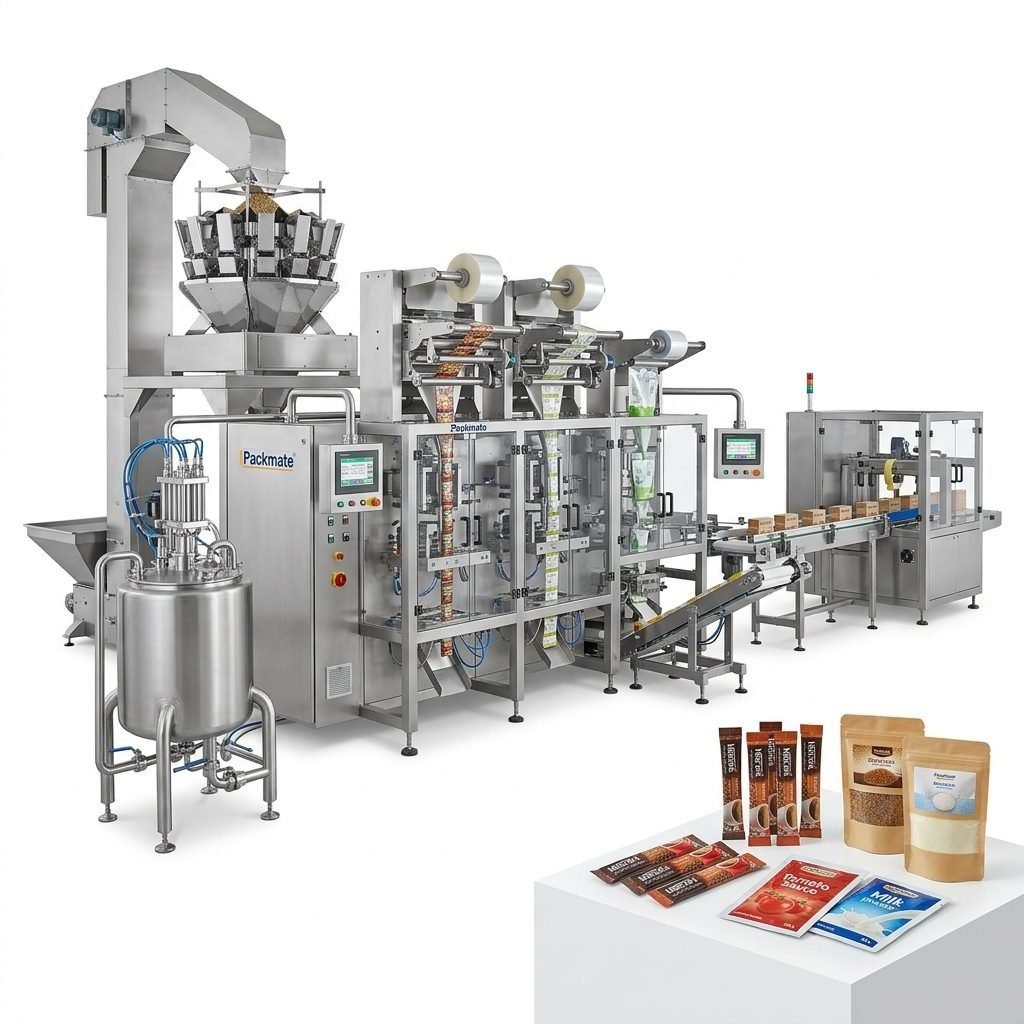
Chewing gum packaging is a critical process that ensures product freshness, hygiene, and market appeal. The right packaging machine can significantly impact production efficiency, cost-effectiveness, and final product quality. This guide delves into the various types of chewing gum packaging machines, their key features, and essential considerations for making an informed purchase.
Understanding Different Types of Chewing Gum Packaging Machines
The choice of packaging machine largely depends on the gum format (stick, pellet, slab, etc.), production volume, and desired packaging style. Here are the primary types used in the industry.
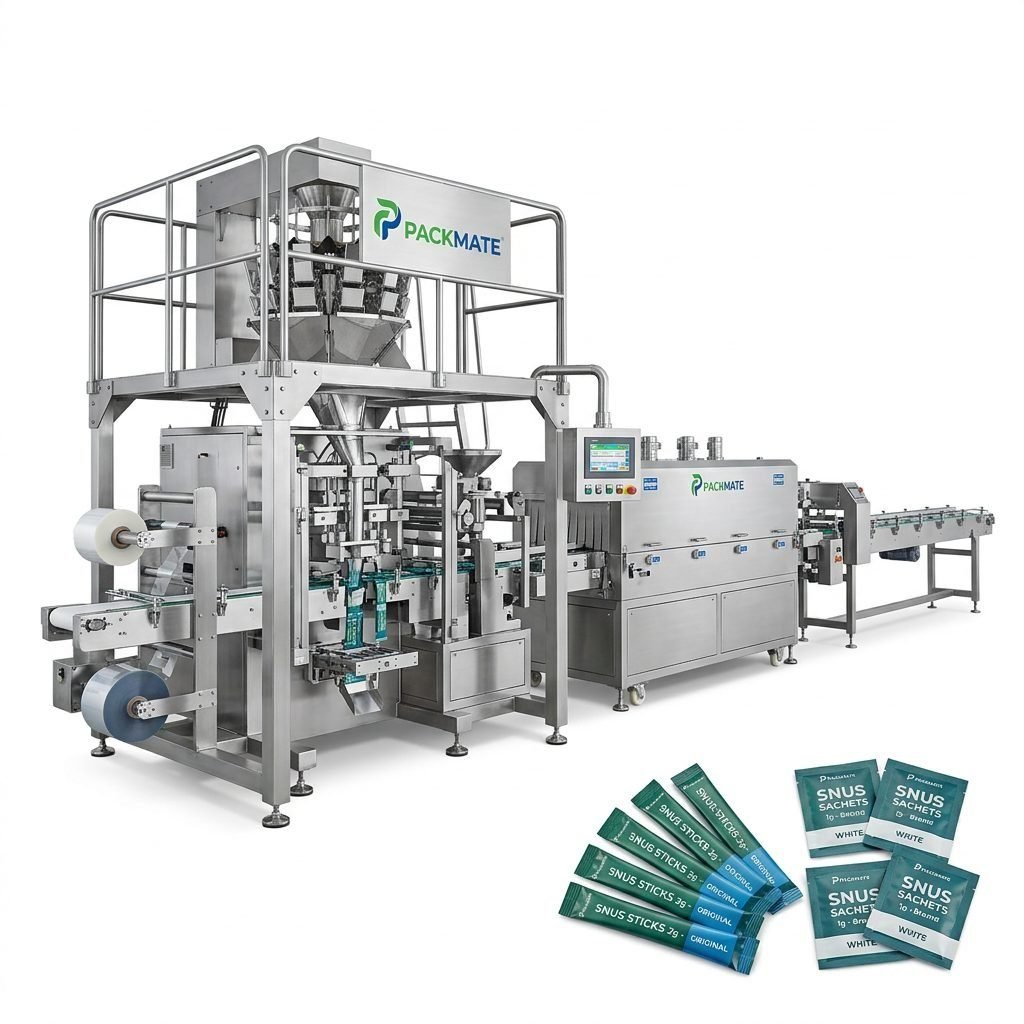
Stick Pack Packaging Machines
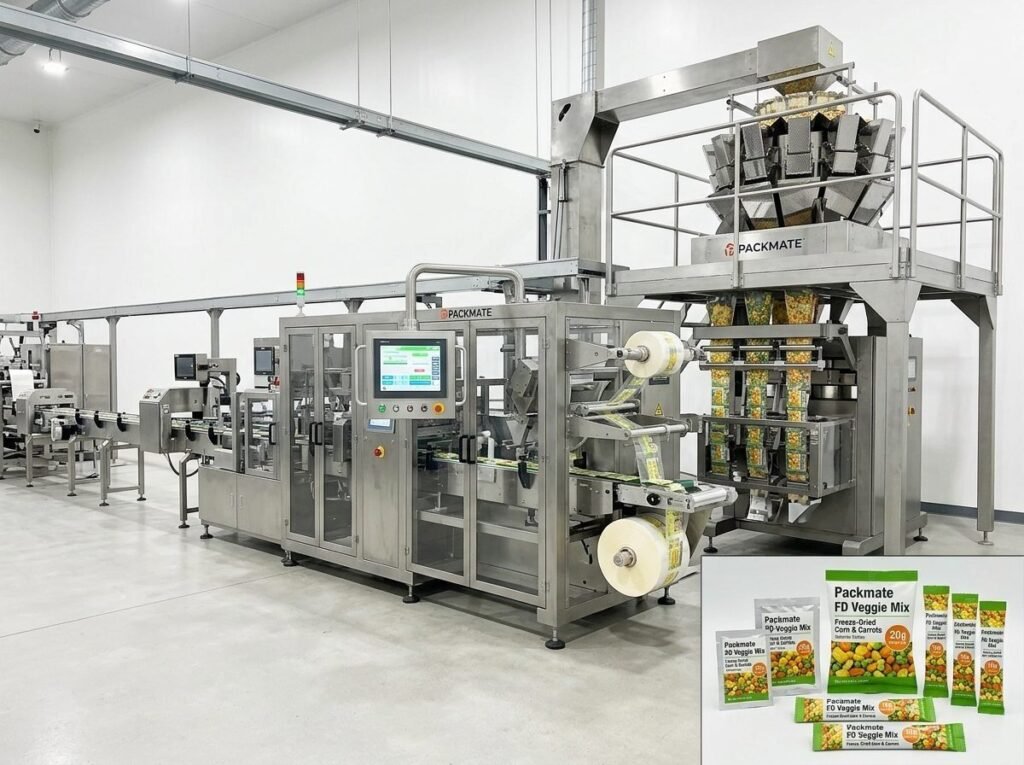
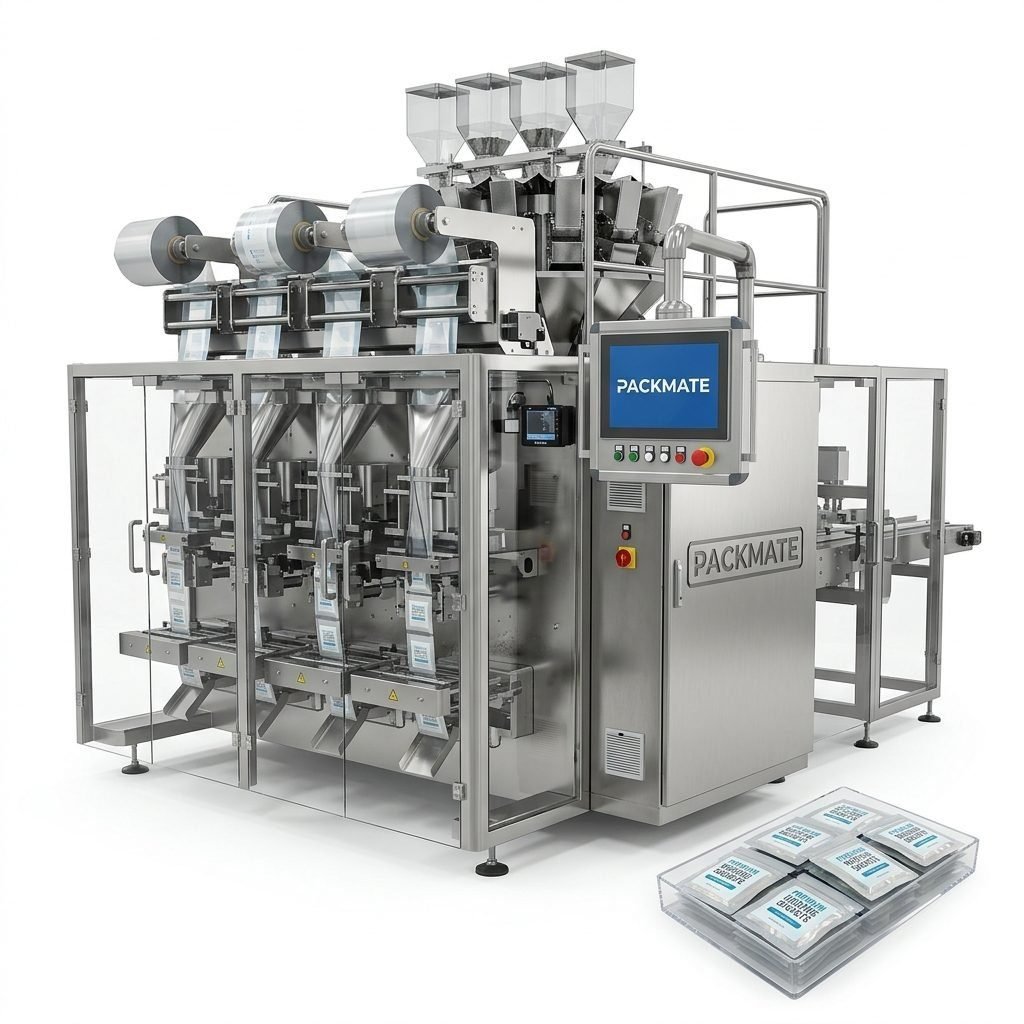
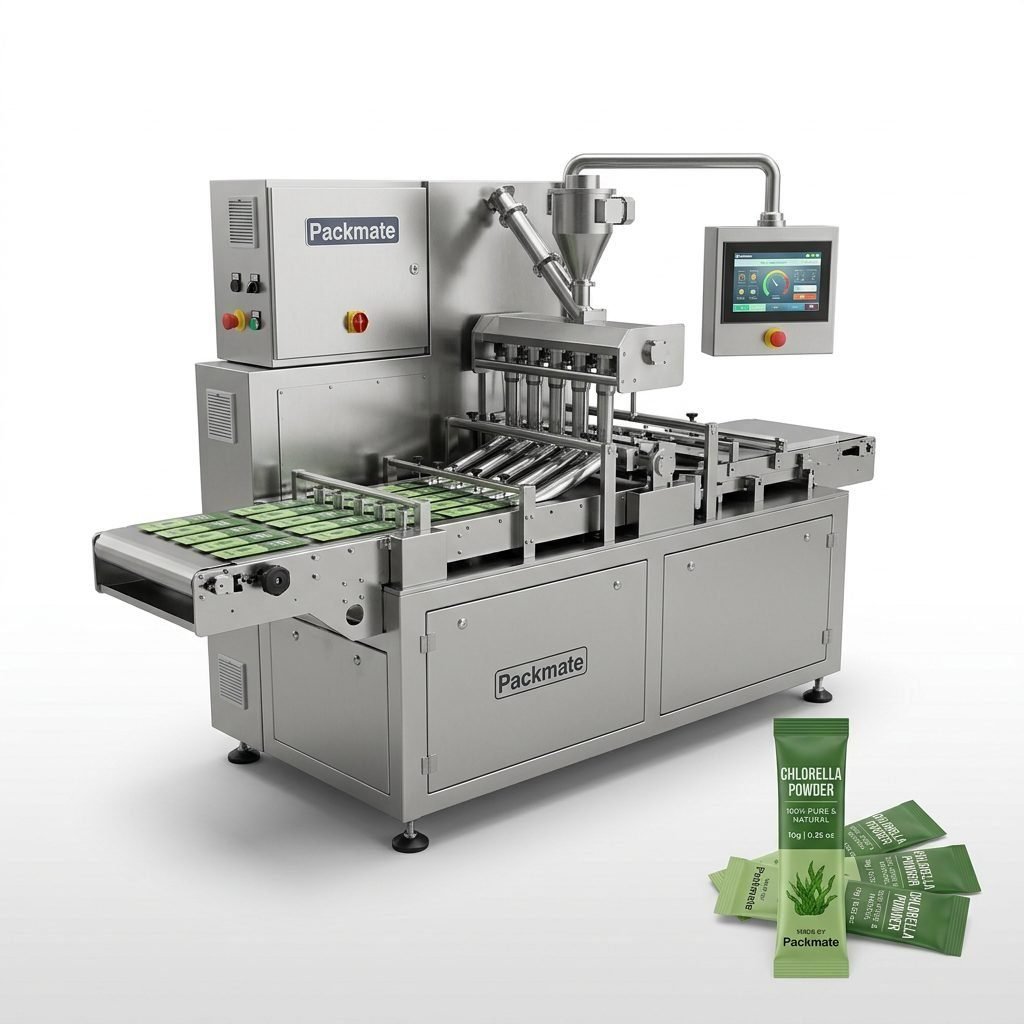
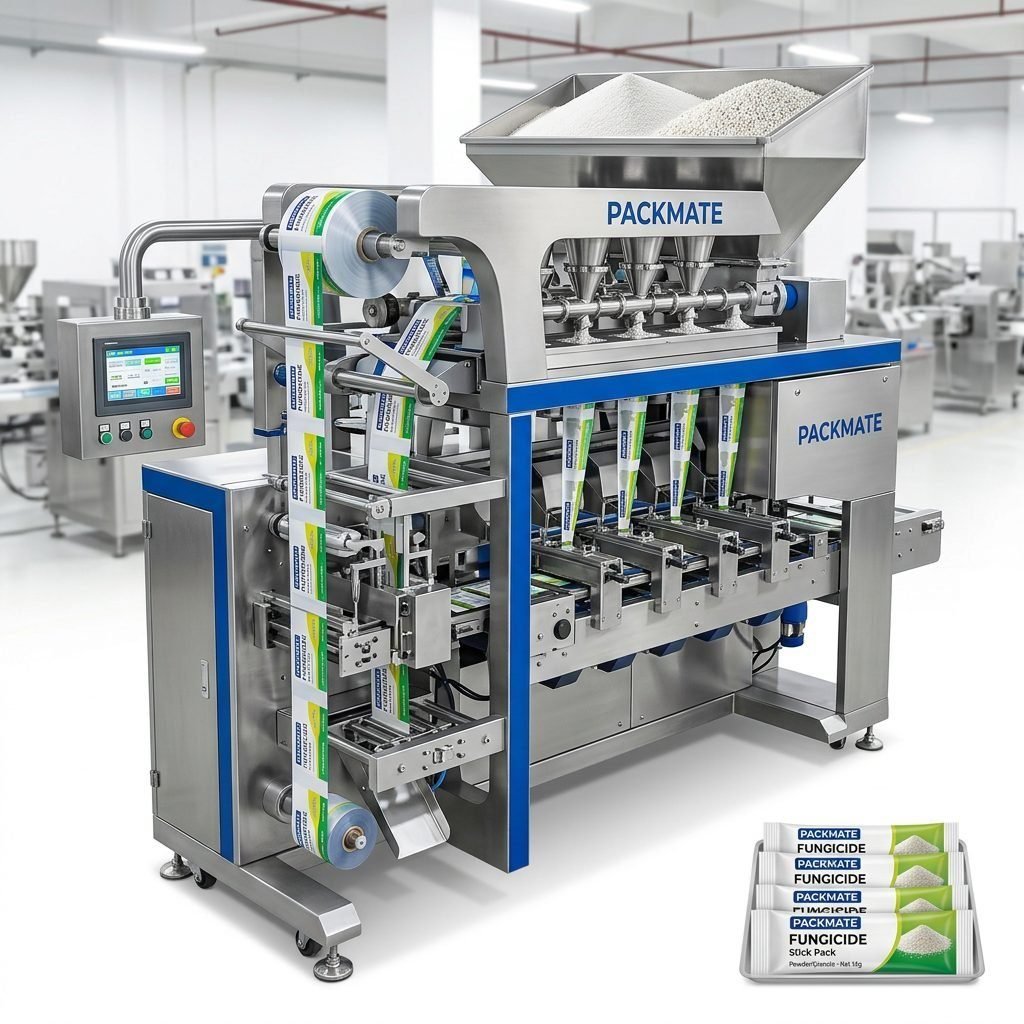
These are the most common machines for individually wrapping stick gums. Modern stick pack machines often feature multi-lane designs, allowing for simultaneous wrapping of multiple sticks, which dramatically increases output. They are ideal for high-volume production lines.
Key Application: Perfect for standard stick gums found in retail checkout lanes and convenience stores. They provide a tight, sealed wrap that protects the gum from moisture and contamination.
Sachet Packaging Machines
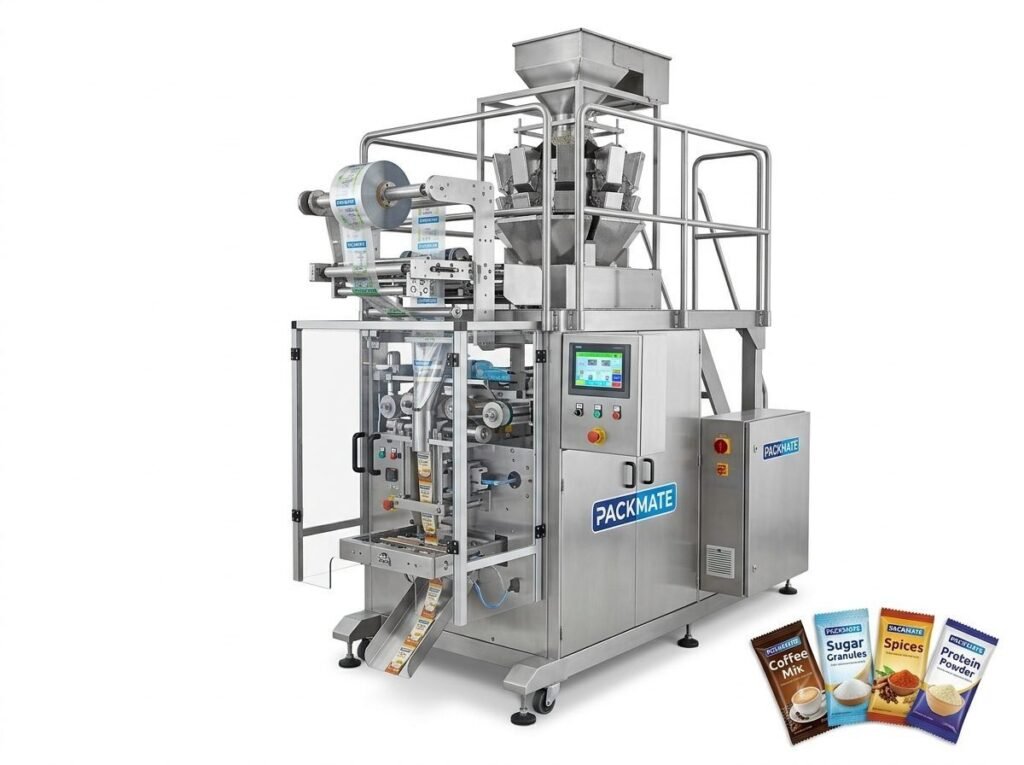
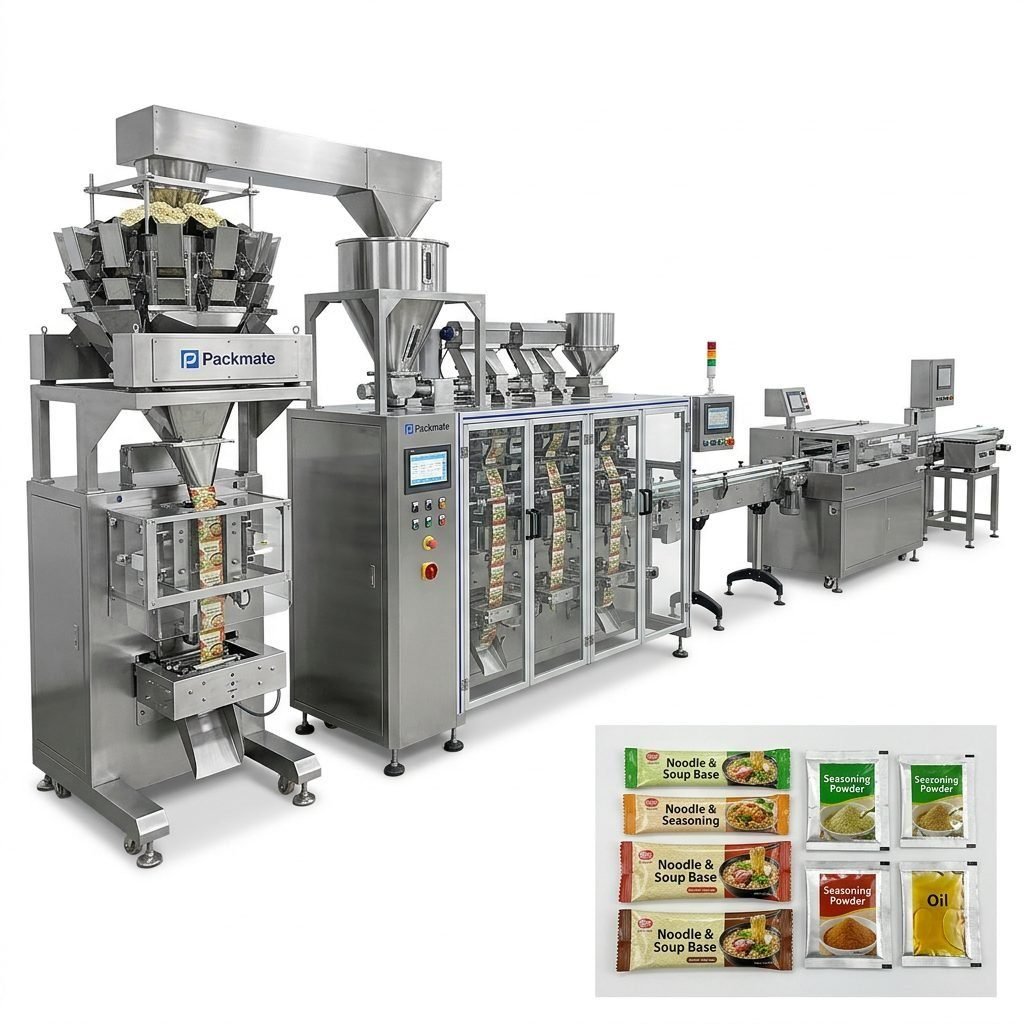
Used for packaging pellet gums, powdered gums, or smaller quantities of product. Sachet machines create small, sealed pouches from roll film. They are highly versatile and can handle various packaging materials, including foil laminates for superior barrier protection.
Blister Packaging Machines
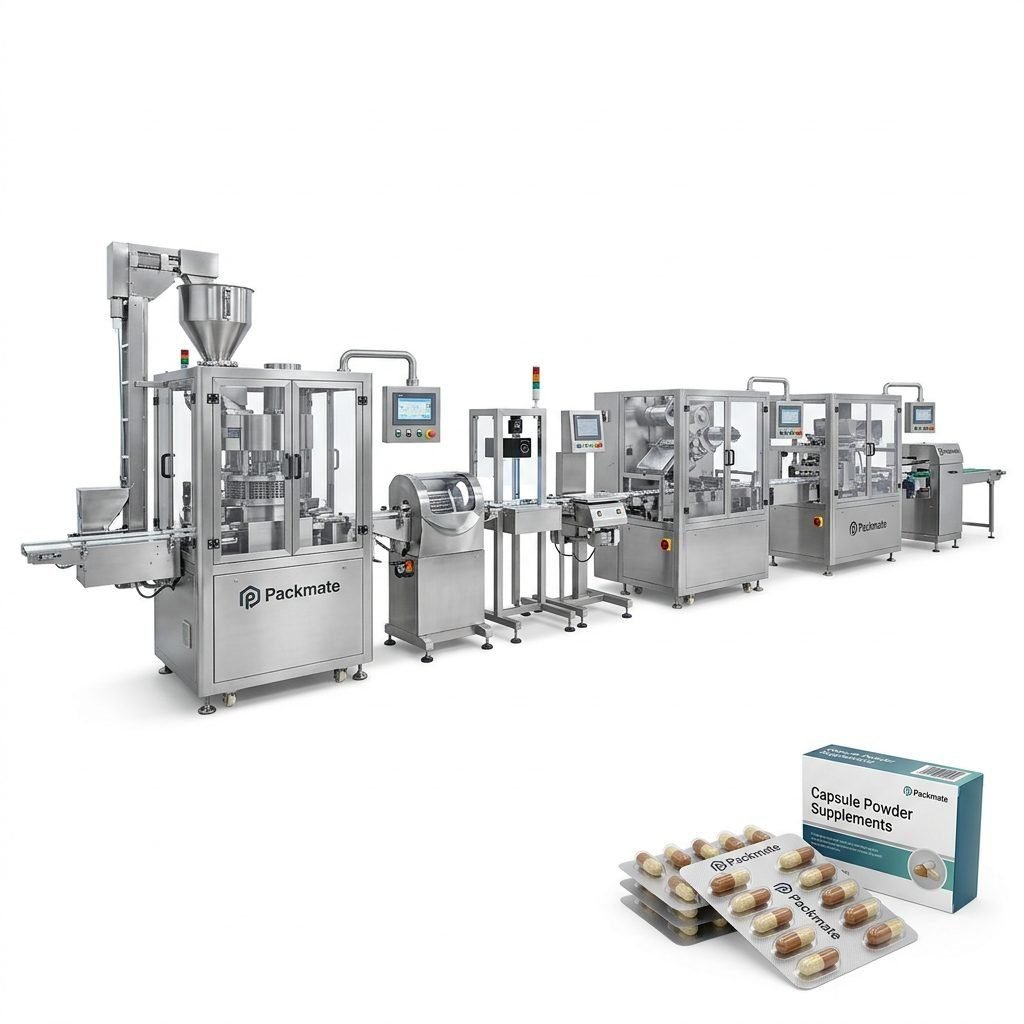
This type is used for packaging gum in blister packs, often backed by cardboard. It’s a popular choice for slab gum or gum sold in multi-piece packs. Blister packaging offers excellent product visibility and tamper evidence, enhancing consumer trust.
Flow Wrap Machines
Flow wrappers encase products in a loose pouch sealed at both ends. They are suitable for wrapping multiple sticks together in a bundle or for packaging novelty gum boxes. This method is fast and efficient for secondary packaging.
Essential Features to Look For in a Packaging Machine
Beyond the type, several features determine a machine’s performance, reliability, and suitability for your specific needs.
Speed and Production Capacity
Measured in packs per minute (PPM), this is a crucial factor. High-speed machines are necessary for large-scale manufacturers, while smaller operations might prioritize flexibility over raw speed. Always match the machine’s capacity with your current and projected output.
Automation Level and Ease of Operation
Modern machines offer varying degrees of automation. Look for features like touch-screen PLC controls, automatic film splicing, and fault detection systems. An intuitive HMI (Human-Machine Interface) reduces training time and minimizes operator error.
Why Automation Matters:
Automated packaging lines not only boost output but also ensure consistent packaging quality, reduce labor costs, and enhance overall line efficiency. They are a long-term investment in productivity.
Flexibility and Changeover
Can the machine handle different gum sizes and packaging materials? Quick-change parts and tool-less adjustments are vital for manufacturers who run multiple product SKUs. This flexibility minimizes downtime during product switches.
Hygiene and Construction
Food-grade contact parts made from stainless steel are non-negotiable for chewing gum packaging. The machine should be designed for easy cleaning and maintenance to comply with stringent food safety standards like FDA or CE regulations.
Integration with Upstream/Downstream Equipment
The best machine is one that integrates seamlessly into your existing production line. Consider its compatibility with feeders, cartoners, checkweighers, and other auxiliary equipment.
Comprehensive Buying Guide: Making the Right Investment
Purchasing a chewing gum packaging machine is a significant decision. Follow this step-by-step guide to navigate the process.
1. Conduct a Thorough Needs Analysis
Start by defining your requirements. What is your current and future production volume? What gum formats do you package? What is your target packaging speed? What is your available floor space? Answering these questions creates a clear specification list.
2. Research Reputable Manufacturers
Look for established manufacturers with a proven track record in food and confectionery packaging. Evaluate their experience, client portfolio, and after-sales service support. A company like Packmate Machinery, with over 30 years in intelligent packaging solutions, exemplifies the expertise needed for reliable machinery.
3. Evaluate Machine Quality and Technology
Request detailed specifications and, if possible, arrange for a live demonstration or video test using your actual product and packaging material. Assess the build quality, control system sophistication, and energy efficiency.
Pro Tip: Don’t just buy a machine; invest in a solution. Consider if the supplier offers a complete turnkey packaging line, from design to installation and training. This holistic approach from partners like Packmate can streamline your entire operation.
4. Consider Total Cost of Ownership (TCO)
The purchase price is just one part of the cost. Factor in installation, maintenance, spare parts, energy consumption, and potential downtime. A slightly more expensive, robust machine with lower maintenance needs often has a better TCO than a cheaper, less reliable alternative.
5. Verify After-Sales Support
Ensure the manufacturer provides comprehensive support, including installation supervision, operator training, readily available spare parts, and responsive technical service. Good support is critical for minimizing operational disruptions.
6. Review Warranty and Service Agreements
Carefully read the warranty terms and understand what is covered. A strong warranty reflects the manufacturer’s confidence in their product. Discuss service agreement options for preventative maintenance.
Frequently Asked Questions (FAQs)
What is the typical output speed of a chewing gum stick pack machine?
Speeds vary widely based on the machine’s lane configuration and automation level. Basic single-lane machines may run at 100-200 sticks per minute, while advanced multi-lane machines from leading suppliers can achieve speeds exceeding 800 sticks per minute. For specific models, you can explore options on the packing machine products page.
Can one machine package different sizes and shapes of gum?
Yes, many modern machines are designed for flexibility. The key is “quick changeover” capability. Machines with modular designs and tool-less adjustments allow operators to switch between different product sizes and packaging formats with minimal downtime, often in under 30 minutes.
What packaging materials are compatible with these machines?
Most machines are designed to handle a range of heat-sealable laminates, including paper/plastic/foil combinations. The specific material depends on the required shelf life and barrier properties (moisture, light, aroma). It’s essential to consult with the machine manufacturer and your material supplier to ensure compatibility.
How important is after-sales service when buying a packaging machine?
Extremely important. Reliable after-sales service is crucial for ensuring long-term machine uptime and productivity. It includes access to technical support, availability of genuine spare parts, and provision of maintenance training. Choosing a manufacturer with a strong global service network, like Packmate, provides peace of mind.
What are the key maintenance routines for a gum packaging machine?
Regular maintenance is vital. Daily routines include cleaning and visual inspection. Weekly tasks might involve lubricating moving parts and checking seal integrity. Periodic maintenance (monthly/quarterly) should include more thorough inspections, belt tension checks, and calibration of weighing systems if equipped. Always follow the manufacturer’s specific maintenance schedule.