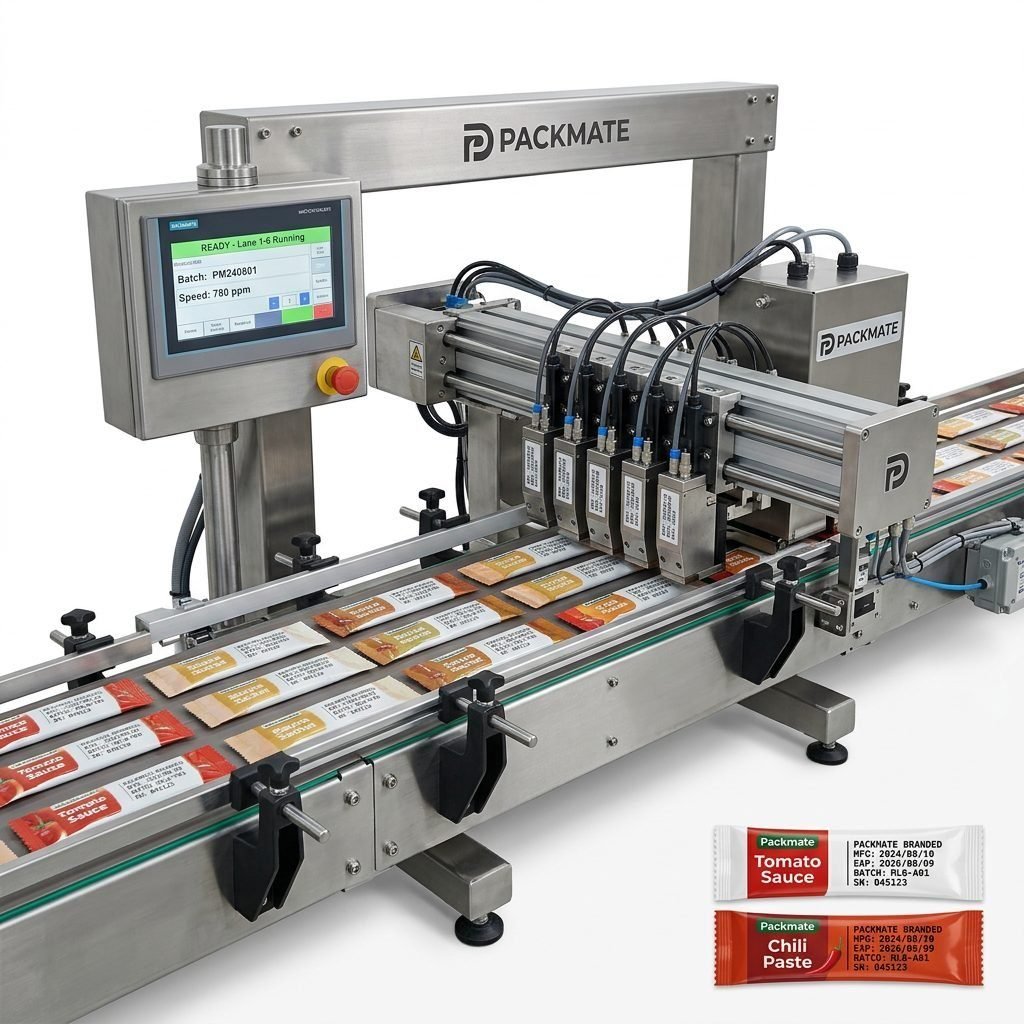
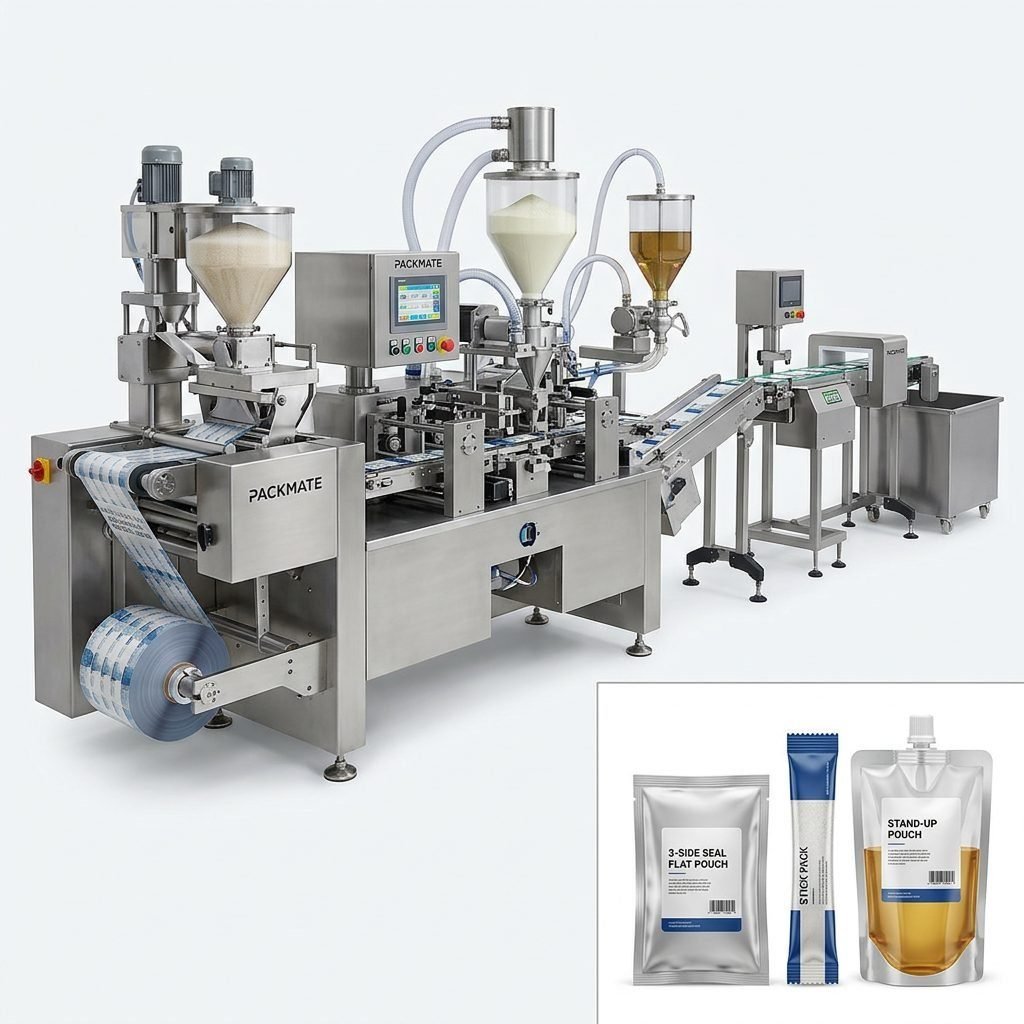
The world of flexible packaging machinery is vast and complex, offering solutions for countless industries. Selecting the right equipment is not merely a purchase; it’s a strategic investment that impacts production efficiency, product quality, and ultimately, your bottom line. This guide aims to demystify the process, providing a comprehensive roadmap for the selection and effective use of flexible packaging machinery.
Understanding Flexible Packaging Machinery
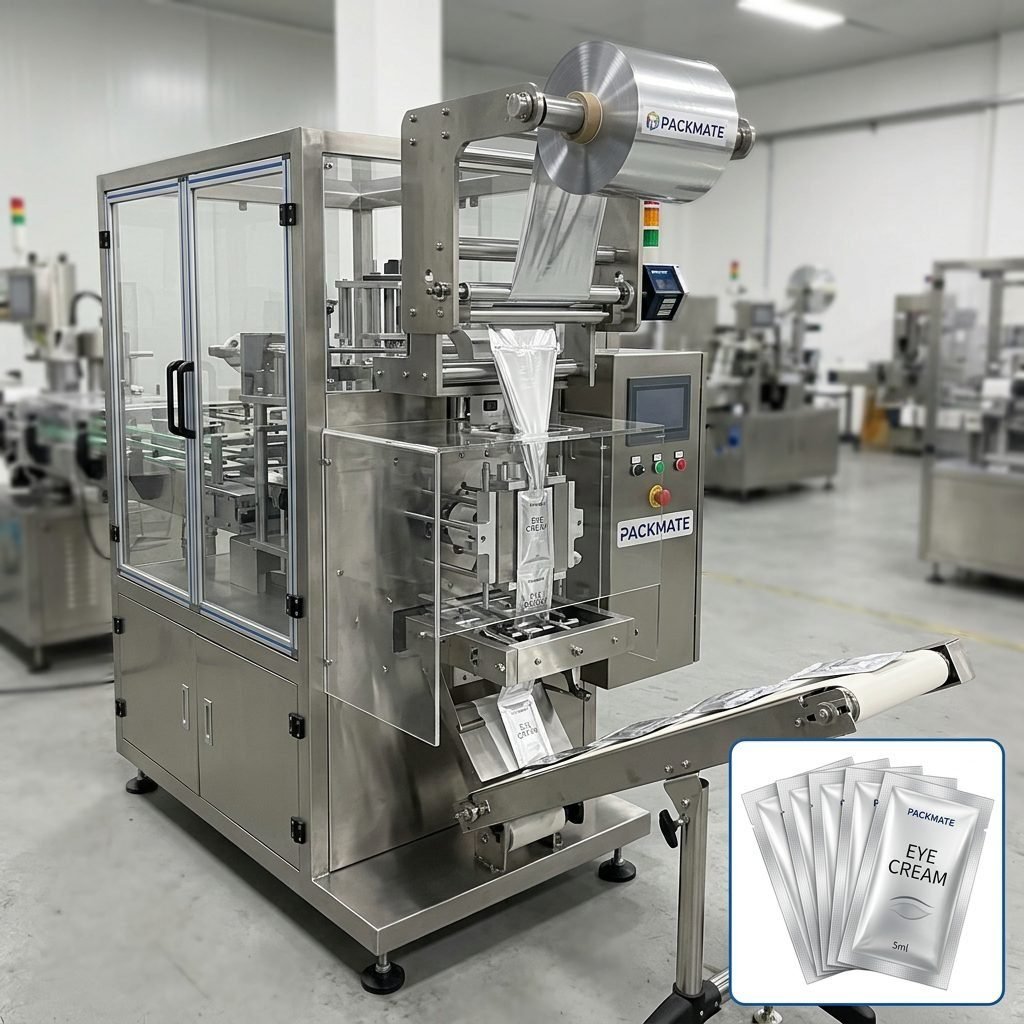
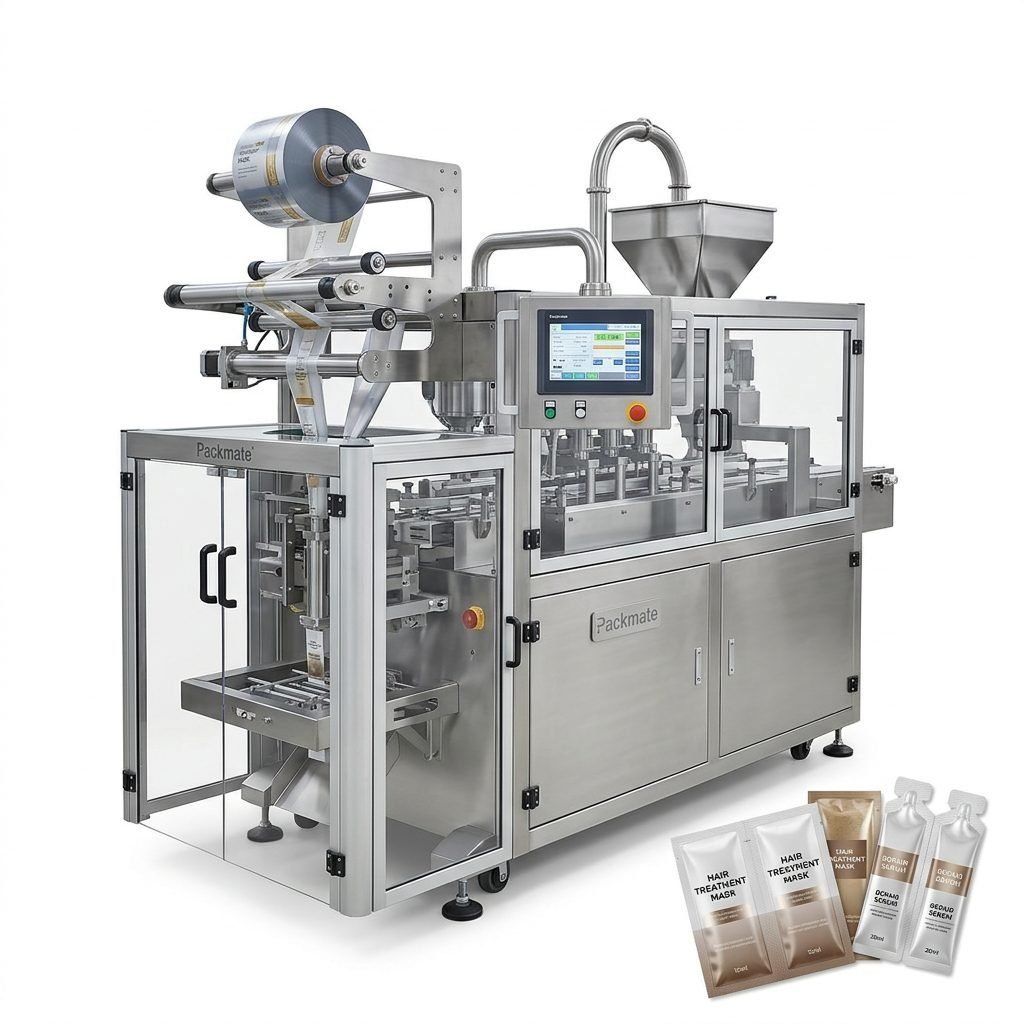
Flexible packaging machinery automates the process of forming, filling, and sealing packages using materials like films, laminates, and foils. This technology is pivotal for products ranging from food seasonings and pharmaceuticals to cosmetics and hardware components. The primary advantage lies in its ability to create lightweight, cost-effective, and highly customizable packages that extend shelf life and enhance brand appeal.
Key Takeaway: The core function of this machinery is to achieve high-speed, consistent, and hygienic packaging, which is essential for meeting modern production demands and regulatory standards.
Core Components of a Packaging Line
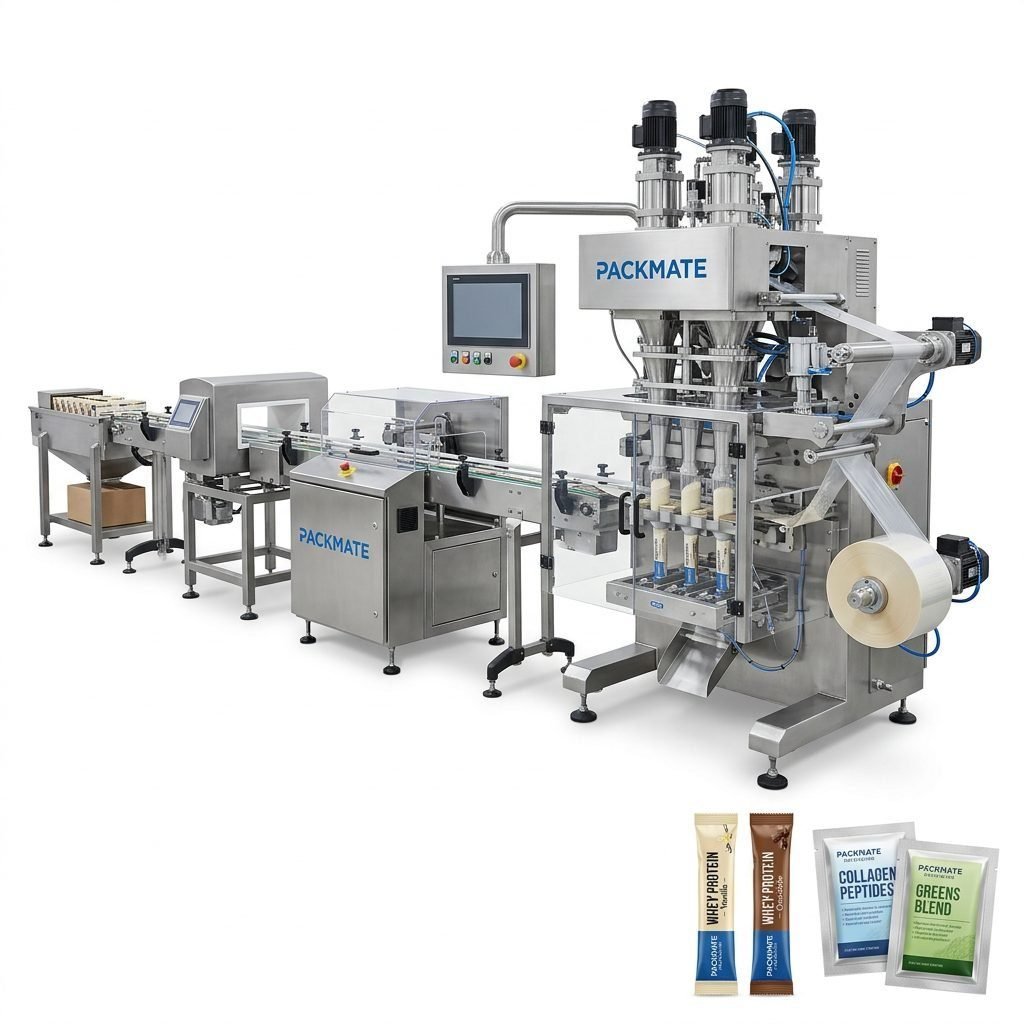
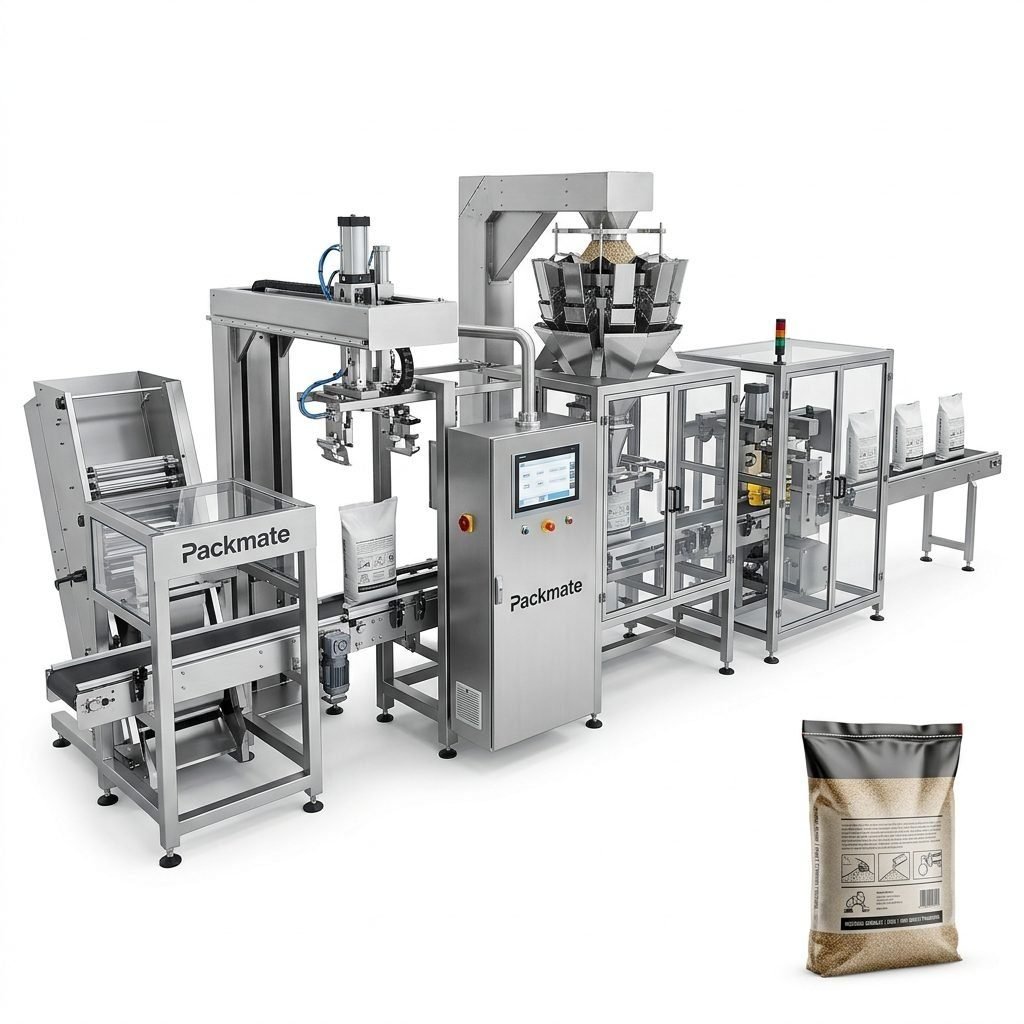
A complete flexible packaging system is rarely a single machine. It is typically an integrated line comprising several key components:
- Unwinding System: Holds and feeds the roll of packaging film.
- Forming Section: Shapes the flat film into a pouch (e.g., vertical form-fill-seal) or prepares pre-made pouches.
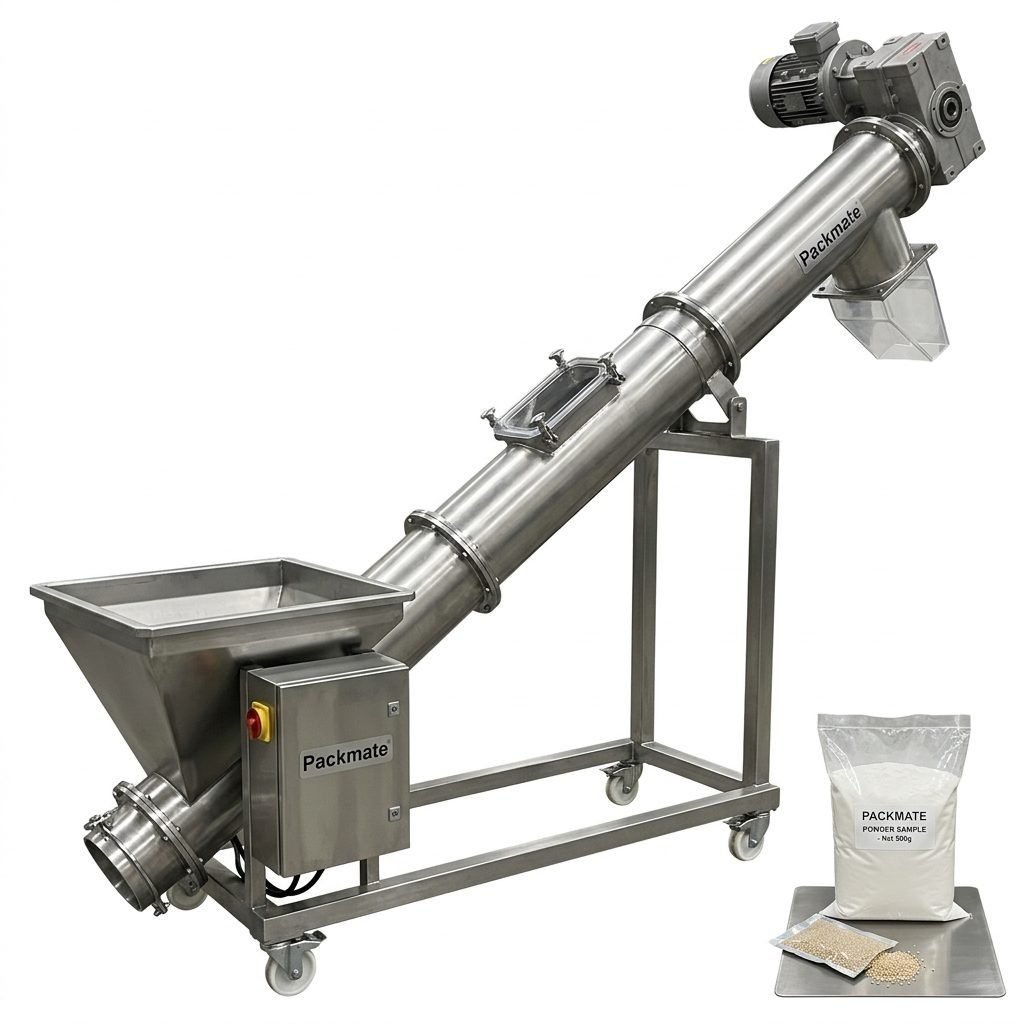
- Product Feeding & Weighing System: Precisely meters and delivers the product. For granular or powdered goods, multi-head weighers or auger fillers are common. For liquids, pumps are used.
- Sealing System: Creates airtight seals using heat, pressure, or ultrasonics.
- Control Panel (HMI): The brain of the operation, allowing for parameter setting, monitoring, and troubleshooting.
A Step-by-Step Guide to Selection
Choosing the correct machinery requires a meticulous assessment of your specific needs. Rushing this process can lead to costly mismatches.
Step 1: Define Your Product and Packaging Specifications
This is the most critical step. You must have clear answers to the following:
Product Type: Is it a powder, granule, liquid, paste, or solid? Each requires different feeding technology.
Packaging Material: What is the film structure (e.g., PET/AL/PE)? Its thickness and sealing properties dictate the machine’s sealing capabilities.
Bag/Pouch Style & Size: Determine the final bag dimensions (length, width), seal type (3-side seal, 4-side seal, pillow bag), and any special features like zippers or spouts.
Required Output Speed: Calculate your required bags-per-minute (BPM) based on production targets.
Step 2: Evaluate Machine Types and Manufacturers
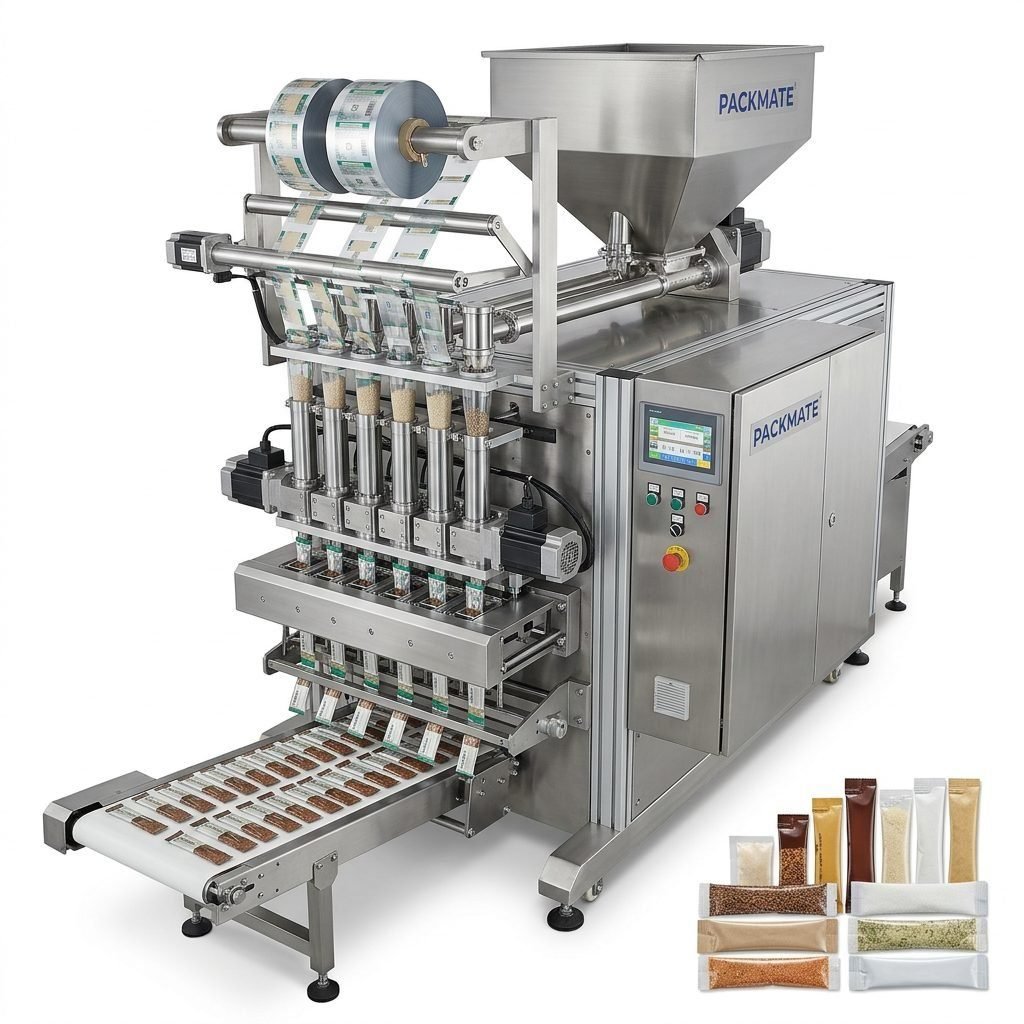
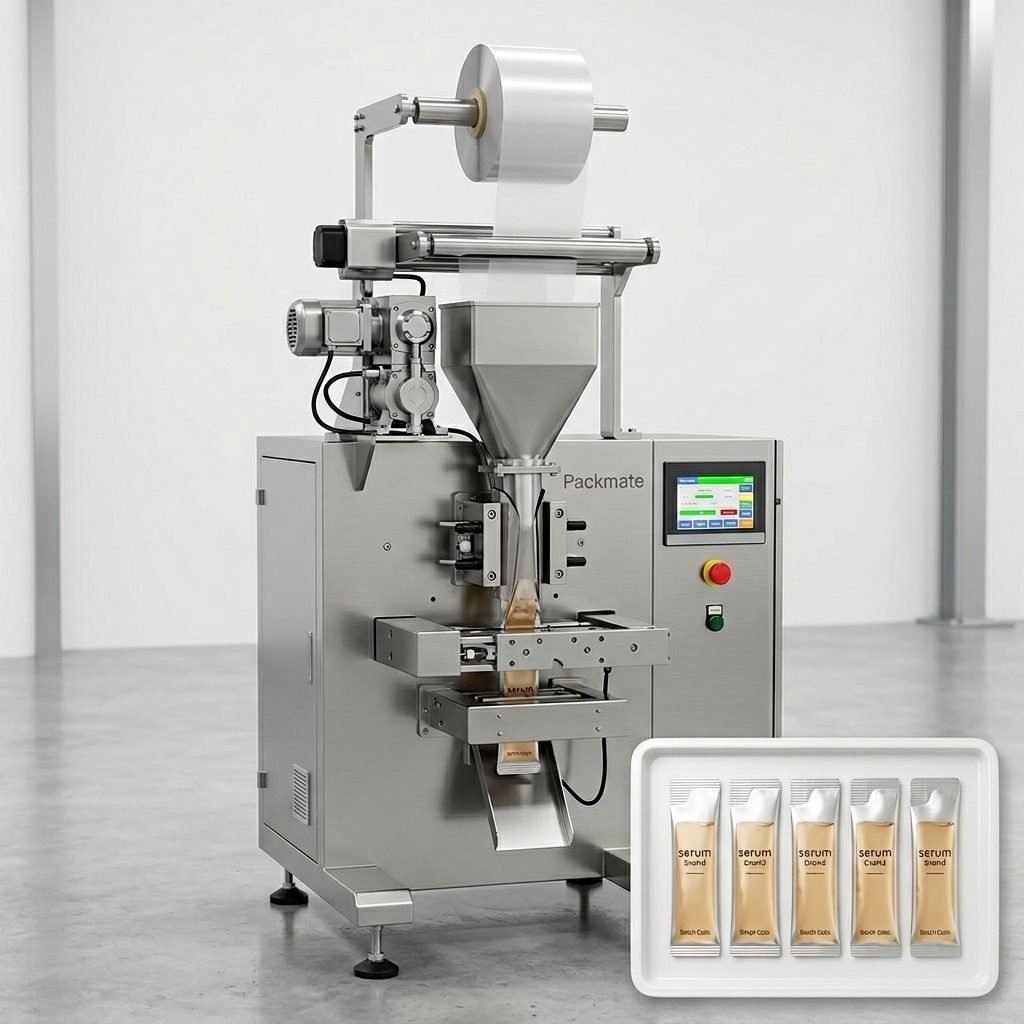
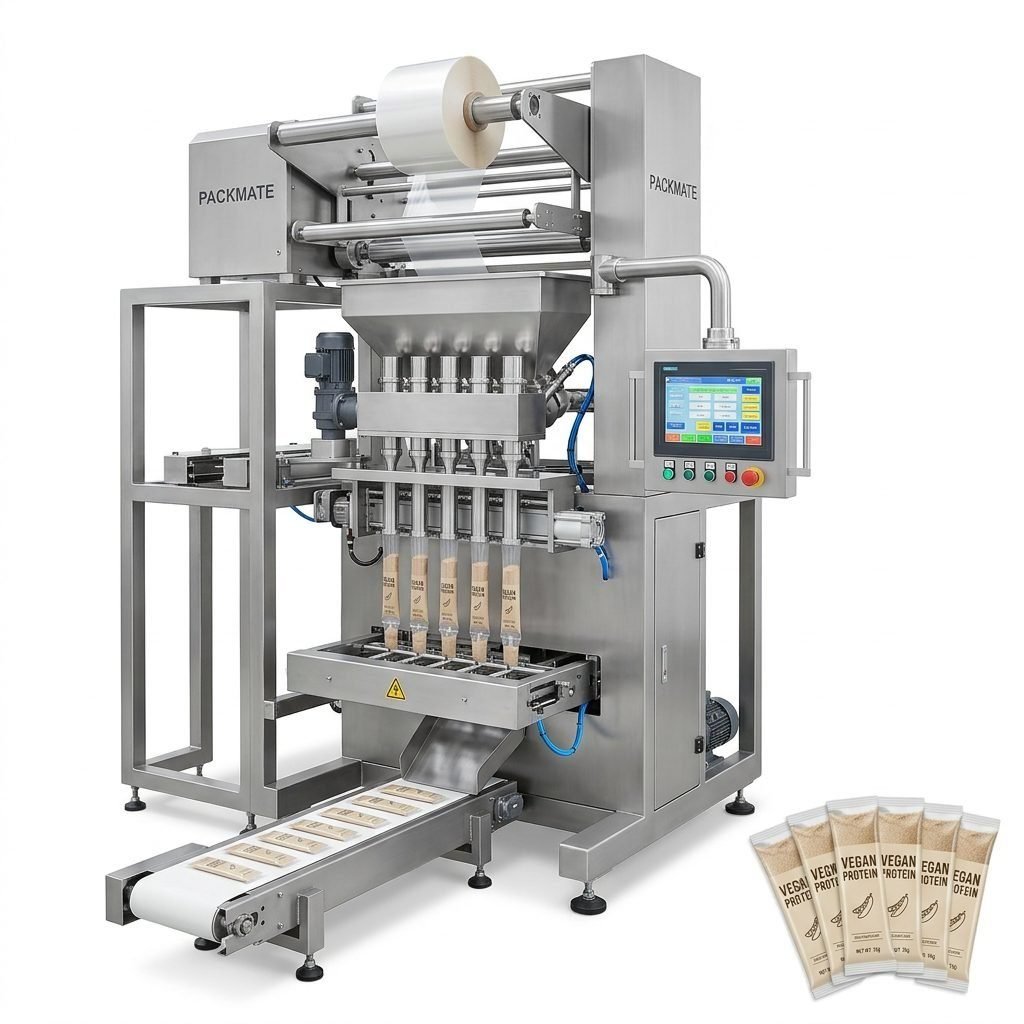
With your specs in hand, research the types of machines available. The most common is the Vertical Form-Fill-Seal (VFFS) machine, ideal for a wide range of free-flowing products. For higher speeds and more complex layouts, multi-lane stick pack and sachet machines are often the solution.
When evaluating manufacturers, look beyond the price tag. Consider their industry experience, technical support, spare parts availability, and reputation for reliability. A partner with a strong track record, like Packmate Machinery with over 30 years in the field, can provide invaluable peace of mind and long-term partnership.
Step 3: Consider Integration and Future Needs
Will the machine need to integrate with existing upstream (e.g., mixers) or downstream (e.g., cartoners) equipment? Ensure communication protocols are compatible. Furthermore, think about scalability. Can the machine handle a range of bag sizes or be upgraded later? Choosing a modular system from a provider offering complete filling and packaging lines offers greater future flexibility.
Best Practices for Optimal Use and Maintenance
Proper operation and care are essential to maximize the return on your investment and ensure consistent package quality.
Operational Excellence
Thorough Operator Training: Ensure all personnel are trained not just on startup/shutdown, but on understanding the cause and effect of parameter adjustments.
Standardized Procedures (SOPs): Develop clear SOPs for changeovers, cleaning, and daily checks to maintain consistency and safety.
Monitor Key Parameters: Regularly check and record sealing temperature, pressure, and film alignment. Small deviations can lead to seal failures or product waste.
Preventive Maintenance is Key
A proactive maintenance schedule is non-negotiable. This includes daily cleaning, weekly lubrication of moving parts, and periodic inspection of critical components like sealing jaws, cutting blades, and sensors. Using genuine spare parts from your manufacturer, which you can often find through their service department, ensures compatibility and longevity.
Troubleshooting Common Issues
Even with the best practices, issues can arise. Here’s a quick reference for common problems:
- Poor Seal Integrity: Often caused by incorrect temperature/pressure, contaminated sealing jaws, or unsuitable film material.
- Inconsistent Fill Weight: Check the product feeder (auger, weigher) for wear, calibration, or product bridging.
- Film Wrinkling or Misalignment: Adjust film tension controls and ensure the film roll is mounted correctly and running true.
- Machine Stoppages: Frequently related to sensor misalignment, product jams in the feed system, or electrical faults.
Always consult your machine’s manual first and maintain a good relationship with your supplier’s technical support team for complex issues.
Frequently Asked Questions (FAQ)
1. What is the typical lead time for a new flexible packaging machine?
Lead times vary significantly based on machine complexity and customization. For standard models, it can range from 8 to 16 weeks. It’s crucial to discuss timelines early in the procurement process with your chosen manufacturer.
2. How do I determine the right speed (BPM) machine for my needs?
Calculate your total daily/weekly production volume in units. Divide this by your available production hours (factoring in changeover and maintenance time) to get your required average output. It’s advisable to choose a machine with a 15-20% higher maximum speed than your calculated need to account for peak demand and future growth.
3. Can one machine handle different types of products?
Many machines are versatile, but changeovers require time and adjustment. If you frequently switch between vastly different products (e.g., fine powder to coarse granules), you may need different feeding systems. Discuss your product portfolio with the machine builder to find the most efficient solution, which may involve quick-change parts or dedicated lines.
4. What are the most important factors for maintaining seal quality?
The “seal triangle” is critical: Temperature, Pressure, and Dwell Time. All three must be correctly balanced for the specific packaging material. Clean sealing jaws, consistent film quality, and proper alignment are equally vital. Regular maintenance and monitoring are essential.
5. What training and support should I expect from the manufacturer?
A reputable manufacturer should provide comprehensive on-site installation and commissioning, followed by detailed operator and maintenance training. They should also offer accessible after-sales support via phone, email, or remote diagnostics, and have a reliable system for providing technical documentation and spare parts. Always clarify the scope of support before purchase.