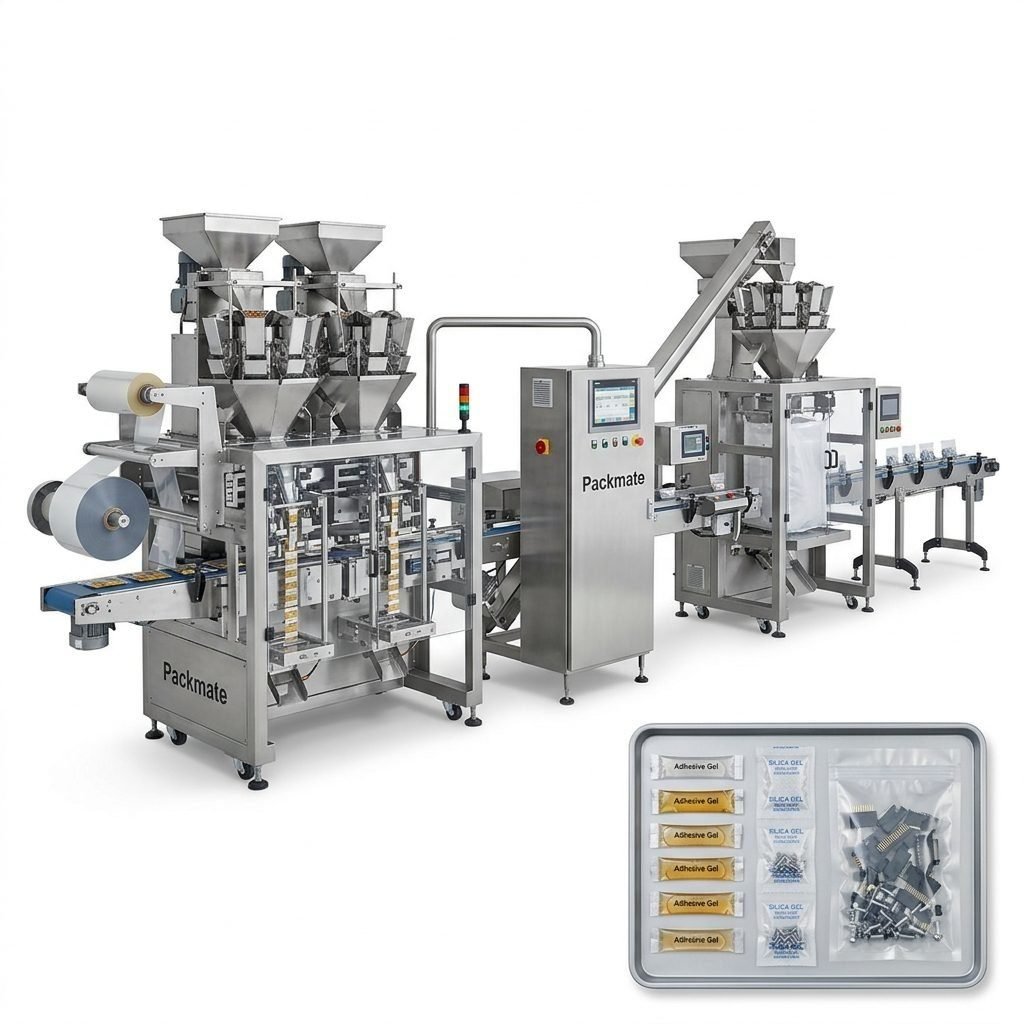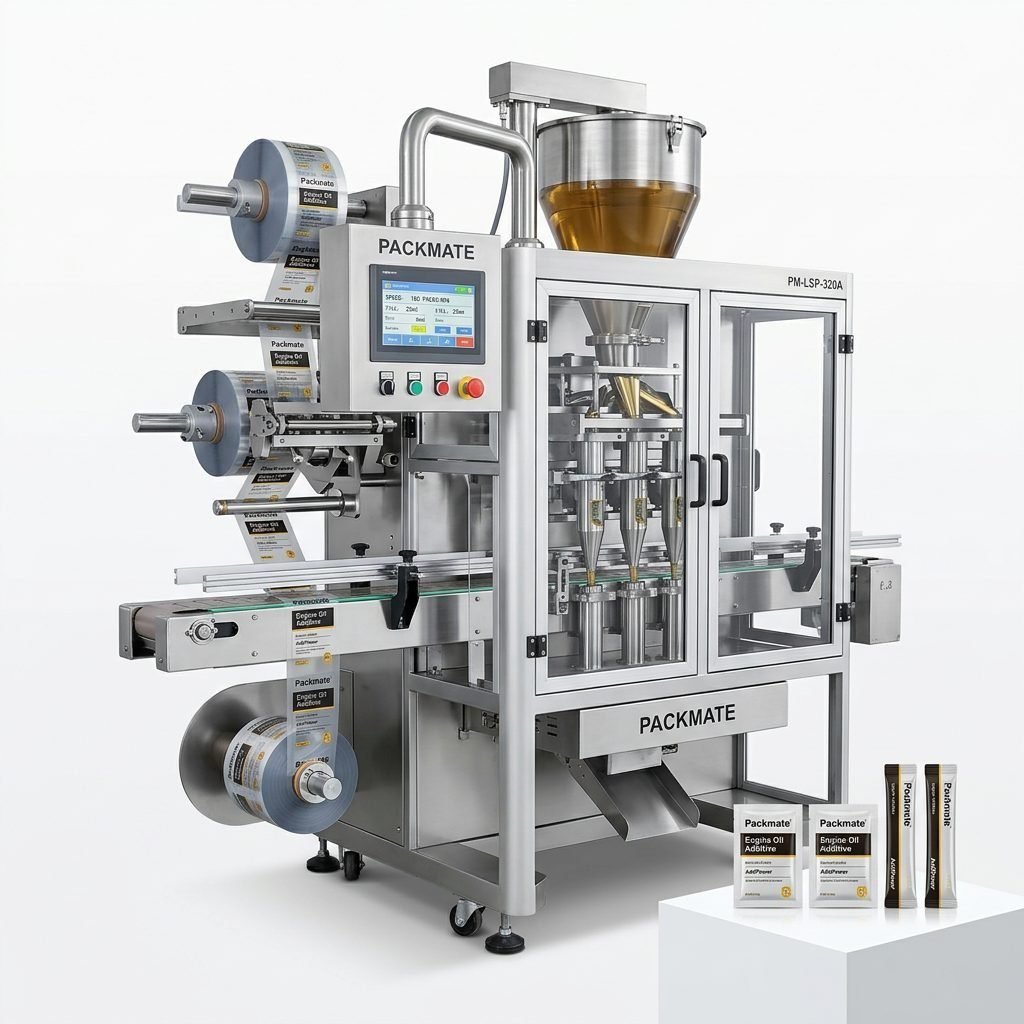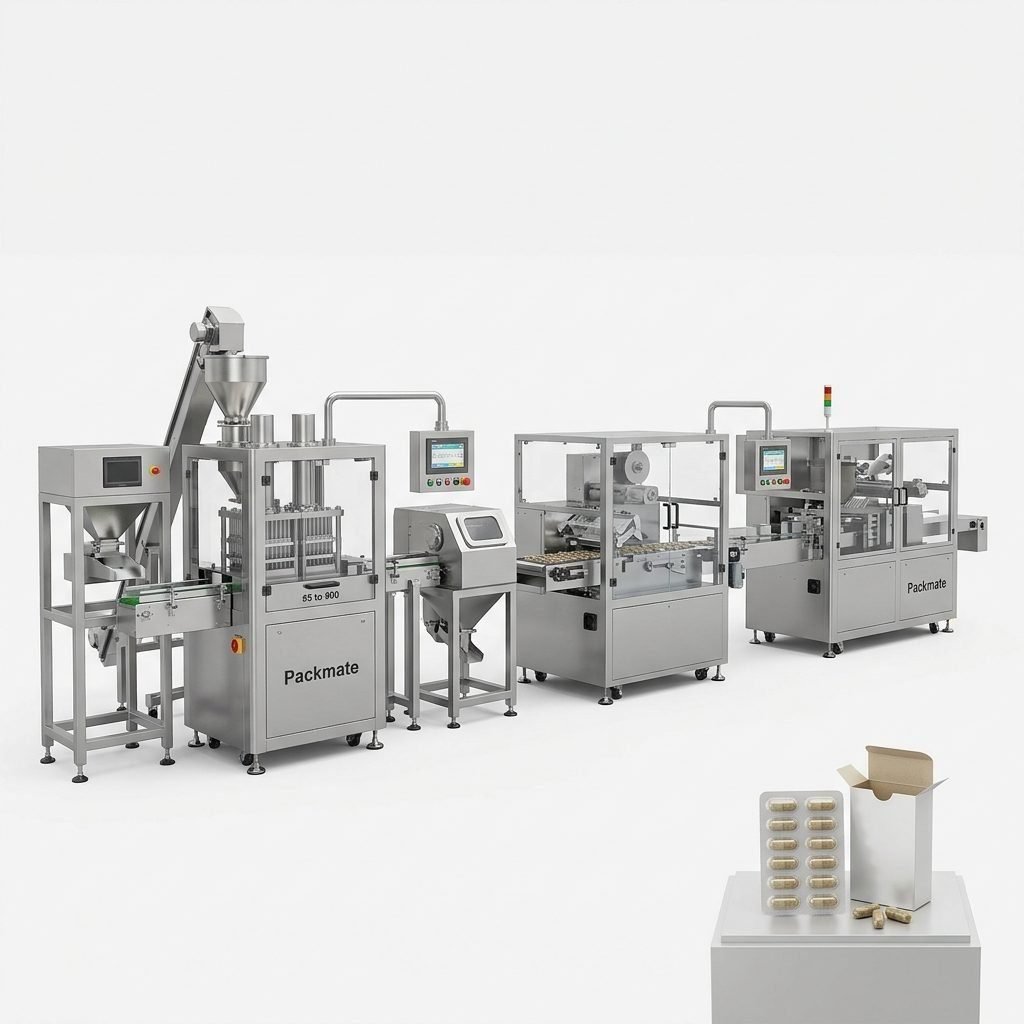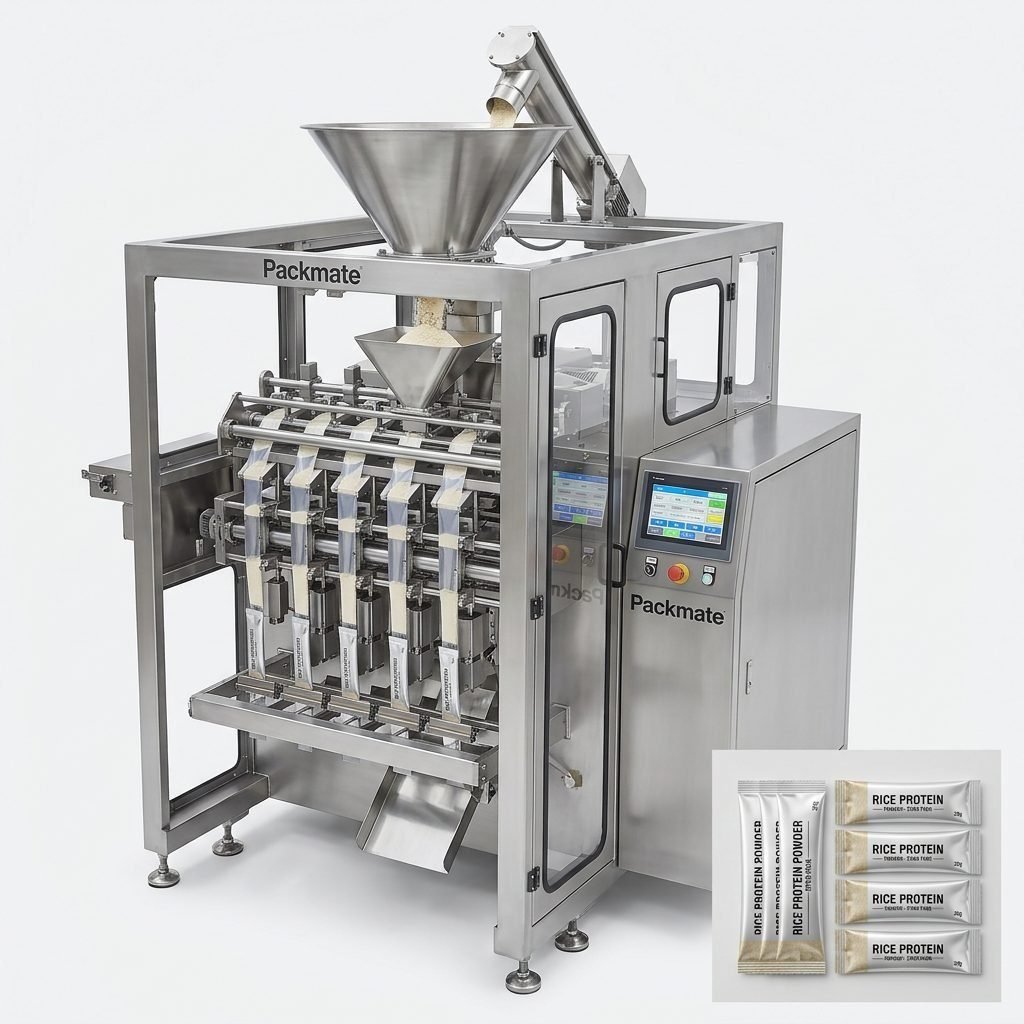
In the fast-paced world of manufacturing, the role of a Packaging Machine Operator is critical to ensuring products are sealed, labeled, and prepared for distribution efficiently and safely. This position sits at the heart of production lines across industries like food, pharmaceuticals, and consumer goods. A skilled operator does more than just press buttons; they are the guardians of productivity, quality control, and machinery longevity. This detailed job description outlines the core duties, essential skills, and requirements needed to excel in this vital career.
Core Duties and Responsibilities
The daily tasks of a Packaging Machine Operator are diverse, requiring a blend of technical skill and meticulous attention to detail. Below are the primary responsibilities associated with this role.
Machine Setup and Operation
Operators are responsible for preparing packaging machinery for production runs. This involves loading raw materials such as film, labels, and product, and configuring machine settings like speed, temperature, and fill weight according to specific job orders. They must ensure the machine is calibrated correctly to produce packages that meet exact specifications for size, seal integrity, and appearance.
Key Operational Task: A crucial part of setup is conducting initial quality checks on the first few packages produced. This proactive step prevents large-scale waste and ensures the entire batch meets quality standards before full-speed production begins.
Quality Control and Inspection
Maintaining high-quality output is a non-negotiable duty. Operators must continuously monitor the packaging process, visually inspecting packages for defects like poor seals, incorrect labeling, or contamination. They perform periodic checks using scales and measuring tools to verify weight and dimensions. Any discrepancies must be identified quickly, and the machine adjusted or stopped to rectify the issue, documenting all quality-related events as required.
Routine Maintenance and Troubleshooting
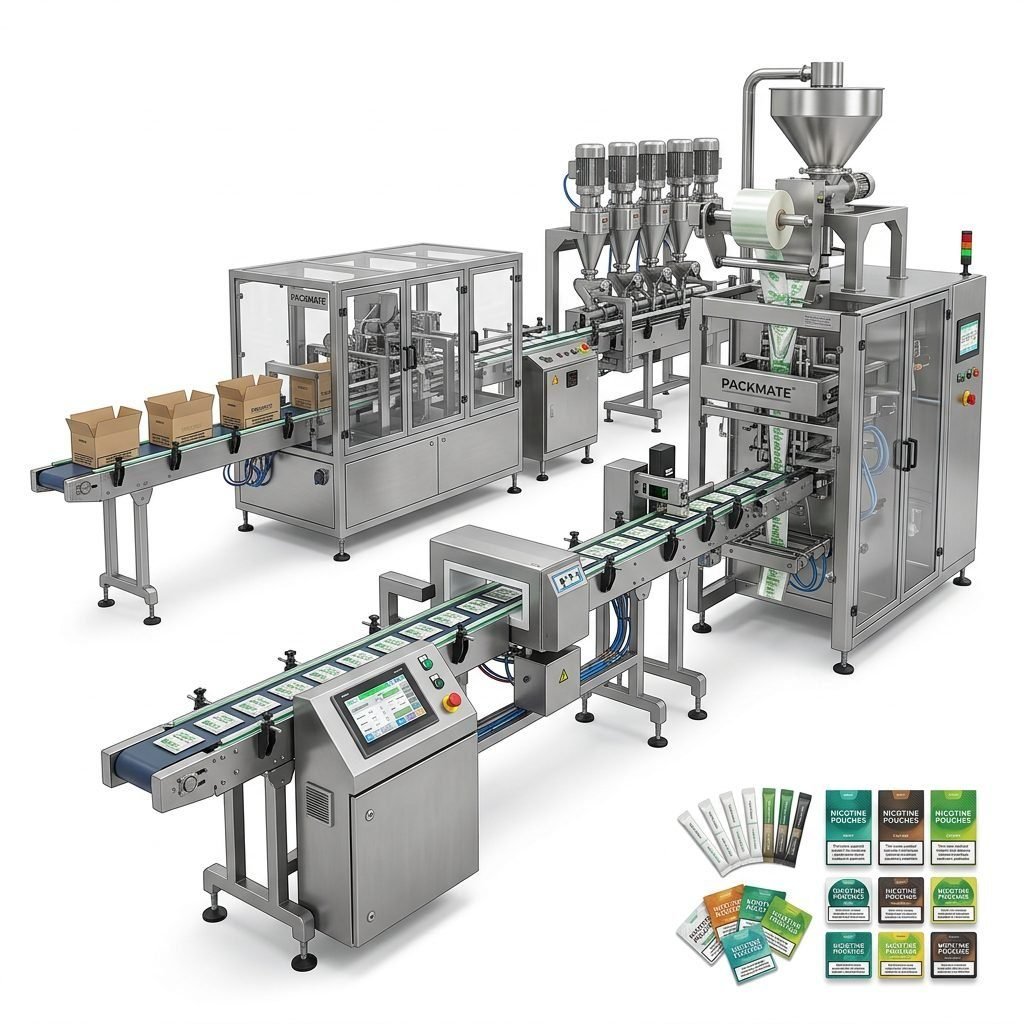
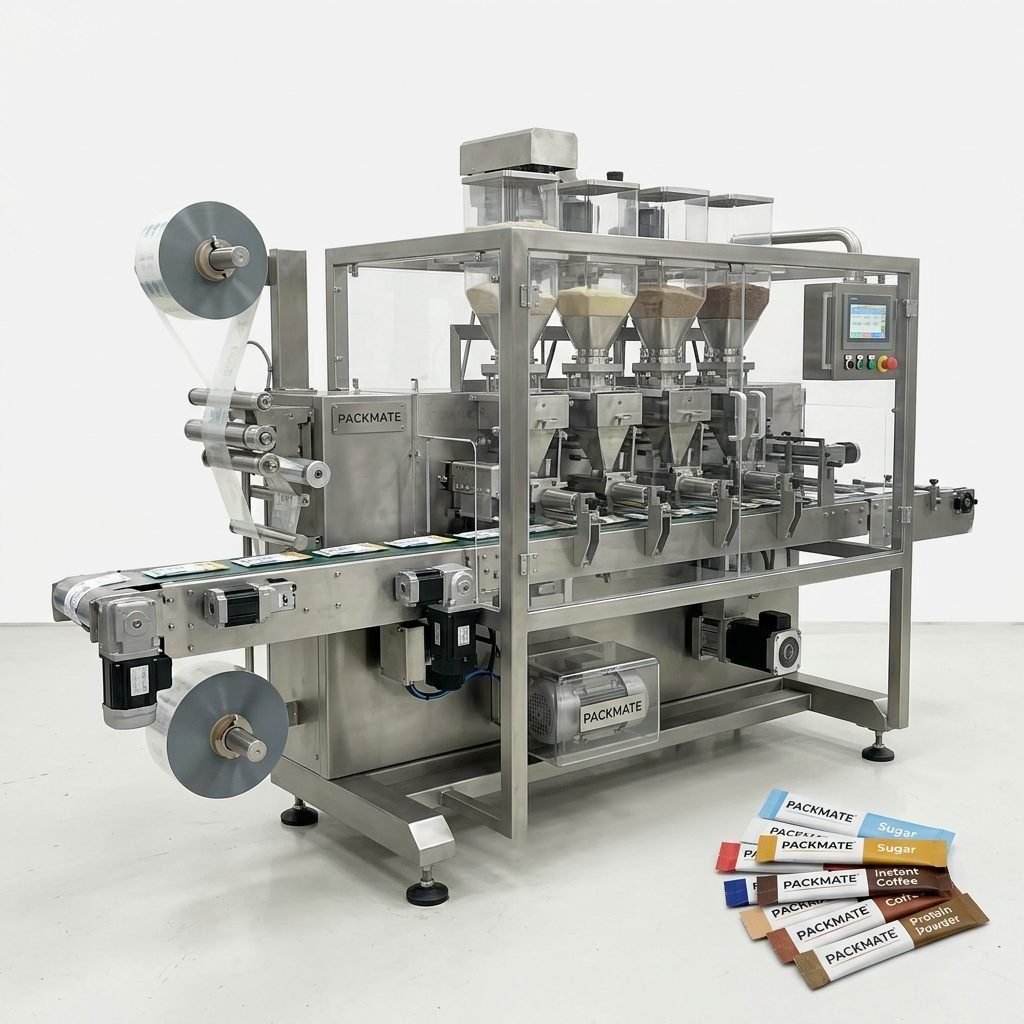
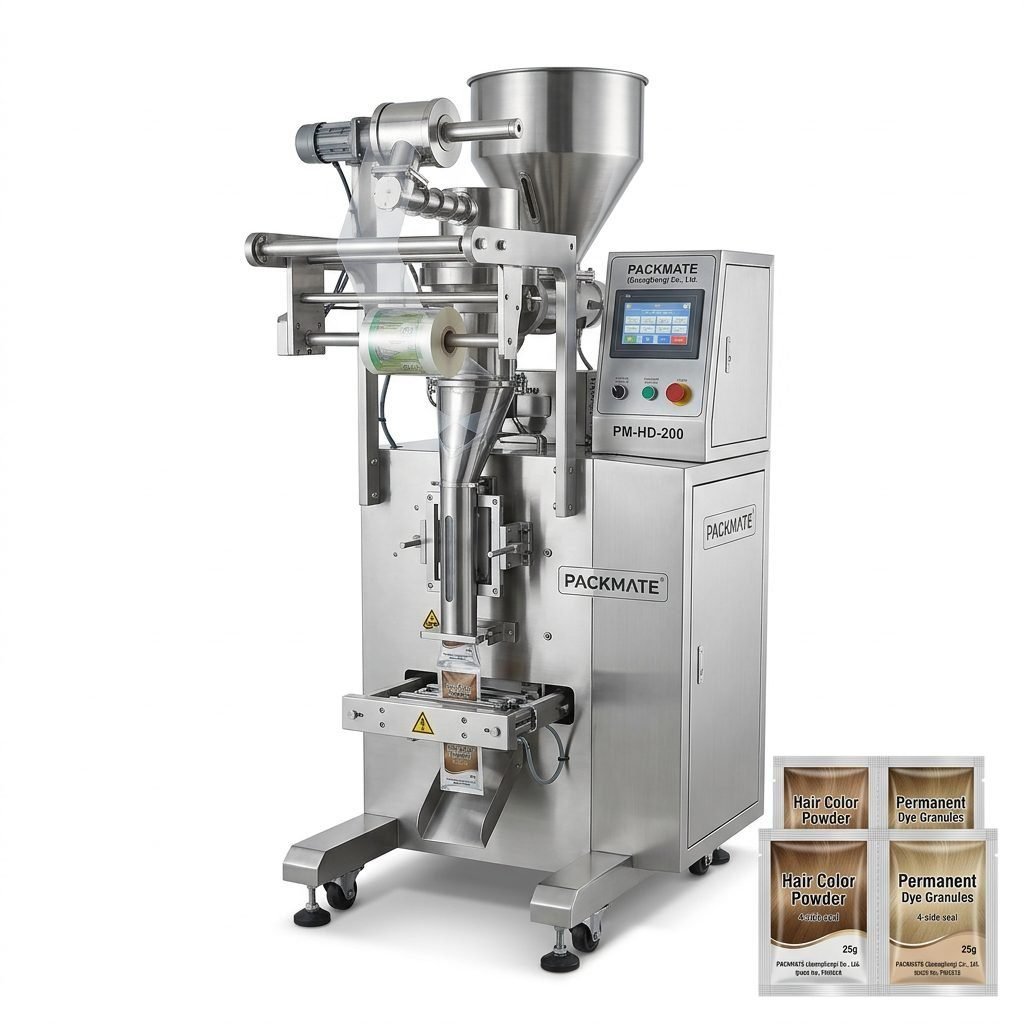
Preventive maintenance is key to avoiding costly downtime. Operators perform basic cleaning, lubrication, and parts replacement as per maintenance schedules. When a machine jams, malfunctions, or produces errors, the operator is the first line of defense. They must diagnose common mechanical or electrical issues and perform minor repairs. For complex problems, they escalate to maintenance technicians, clearly communicating the symptoms. Companies that invest in robust machinery, like the advanced production lines from Packmate Machinery, often find their operators can maintain peak efficiency with proper training.
Production Documentation and Safety Compliance
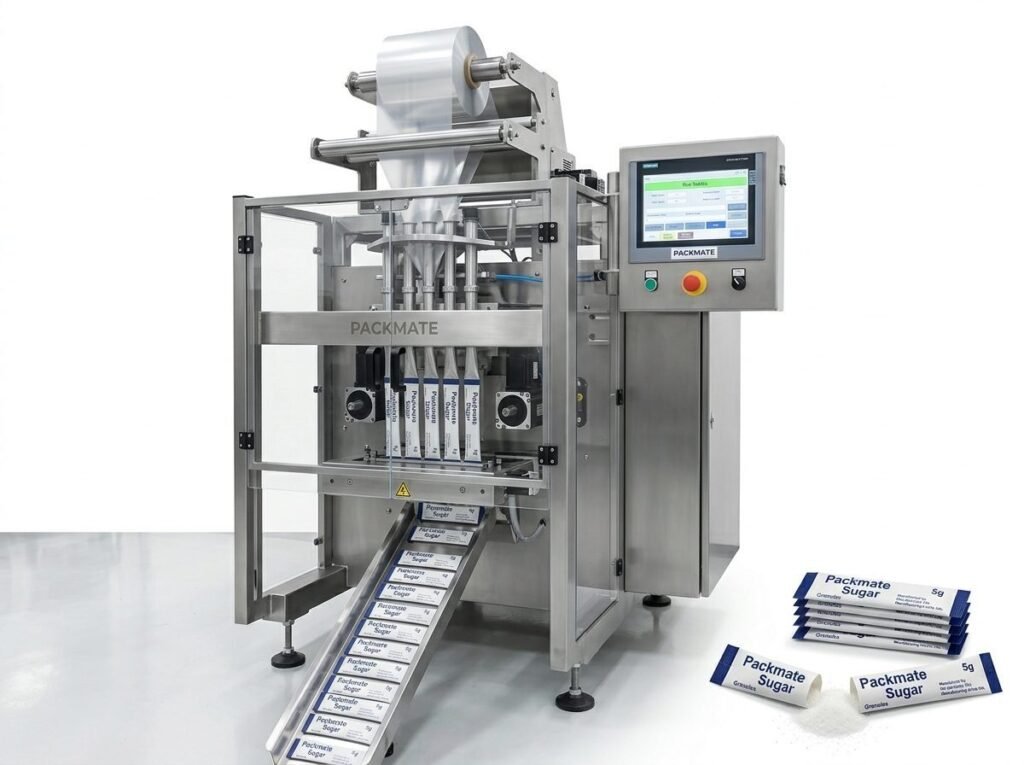
Accurate record-keeping is essential. Operators log production data, including quantities produced, machine downtime, and materials used. They must strictly adhere to all safety protocols, especially in industries like pharmaceuticals or food processing. This includes wearing appropriate personal protective equipment (PPE), following lock-out/tag-out procedures during maintenance, and ensuring the work area meets hygiene standards, such as those required in facilities producing sachet and stick pack items.
Essential Skills and Qualifications
To perform these duties effectively, a Packaging Machine Operator needs a specific set of hard and soft skills.
Technical and Mechanical Aptitude
A strong understanding of how machinery works is fundamental. This includes the ability to read and interpret technical manuals, diagrams, and gauges. Familiarity with programmable logic controllers (PLCs) and basic troubleshooting of pneumatic, mechanical, and electronic systems is a significant advantage. Experience with specific types of equipment, such as filling and packaging lines, is highly valued by employers.
Attention to Detail and Problem-Solving
The ability to spot a subtle defect in a high-speed production line is critical. Operators must have sharp eyes and a patient, methodical approach. When issues arise, effective problem-solving skills allow them to identify the root cause—whether it’s a material flaw, a machine setting error, or a worn component—and implement a solution swiftly.
Soft Skills for Success
Reliability and Initiative: Production schedules depend on consistent operator attendance and performance. A good operator shows initiative by anticipating needs and performing tasks without constant supervision.
Communication and Teamwork: Operators must communicate clearly with supervisors, quality control staff, and maintenance teams. They are part of a larger production ecosystem.
Physical Stamina: The role often involves standing for long periods, lifting moderate weights (like boxes of materials), and performing repetitive tasks.
Educational and Experience Requirements
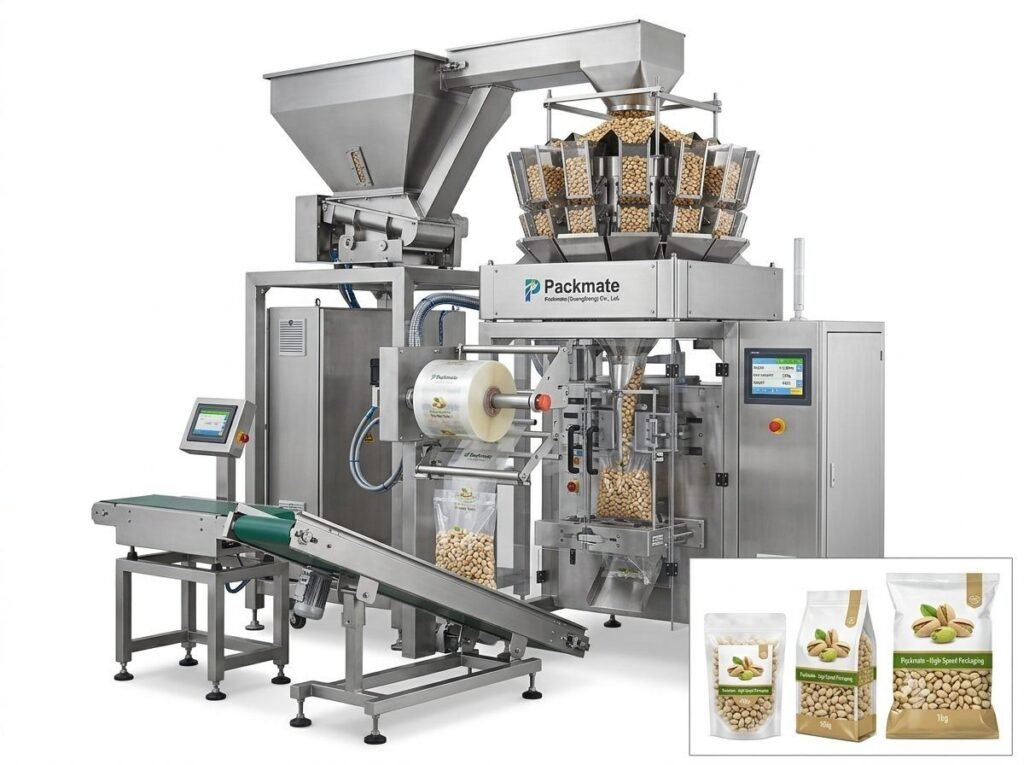
While a high school diploma or equivalent is typically the minimum educational requirement, relevant vocational training or certification in industrial maintenance or mechatronics is a strong plus. Most skills are gained through on-the-job training. Employers typically seek candidates with 1-2 years of experience in a manufacturing or packaging environment. Familiarity with Good Manufacturing Practices (GMP) and safety standards like OSHA is often required, particularly in regulated sectors served by companies like Packmate (GuangDong) Co., Ltd., which specializes in equipment for the pharmaceutical and food industries.
Work Environment and Career Path
Packaging Machine Operators typically work in factories or production plants. The environment can be noisy and may involve exposure to varying temperatures. Shifts often include nights, weekends, and overtime to meet production demands. The career path for a diligent operator can be rewarding. With experience, one can advance to a Senior Operator, Lead Technician, Production Supervisor, or specialize in maintaining complex systems like weighing and packaging systems. Continuous learning about new automation technologies is key to career growth.
Frequently Asked Questions (FAQs)
What is the most challenging part of a Packaging Machine Operator’s job?
The most challenging aspect is often troubleshooting unexpected machine breakdowns under the pressure of a tight production schedule. It requires keeping a calm head, systematically diagnosing the problem, and knowing when to attempt a fix or call for specialized help to minimize downtime.
Is formal education or certification required to become an operator?
While not always mandatory, a high school diploma is standard. Certifications in industrial technology, mechanical systems, or specific safety protocols (like OSHA) can make a candidate much more competitive and may lead to higher starting wages and faster advancement.
What industries employ the most Packaging Machine Operators?
This role is essential in any industry that produces physical goods. Major employers include the food and beverage, pharmaceutical, cosmetics, chemical, and consumer goods sectors. The specific machinery and standards will vary by industry.
How important is computer literacy for this role?
Extremely important. Modern packaging machines are controlled by computer interfaces and HMIs (Human-Machine Interfaces). Operators need to be comfortable inputting parameters, navigating digital menus, and understanding basic error codes displayed on screens.
What is the career progression like for a Packaging Machine Operator?
Career progression is well-defined. Experienced operators can move into roles with more responsibility, such as training new hires, managing a shift, or transitioning into preventive maintenance and repair. Some pursue further education to become industrial mechanics or production managers.