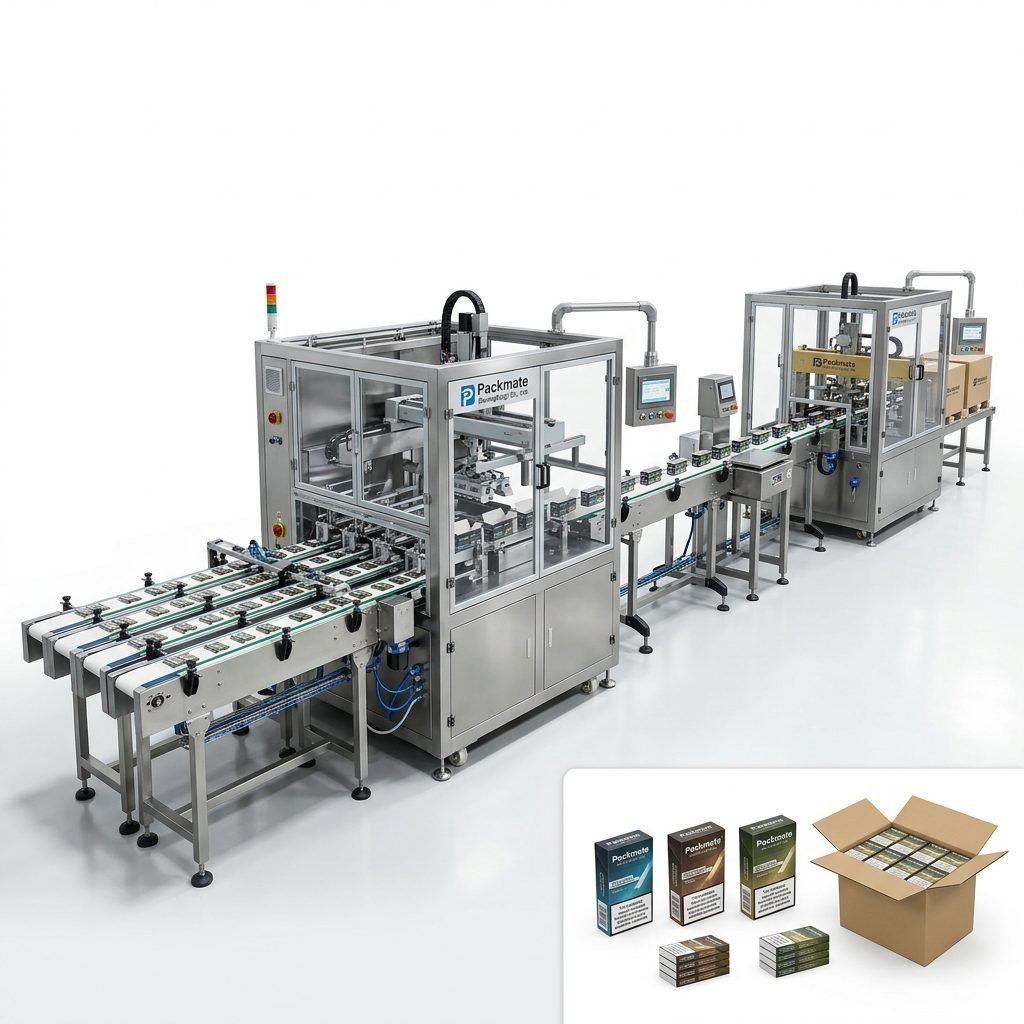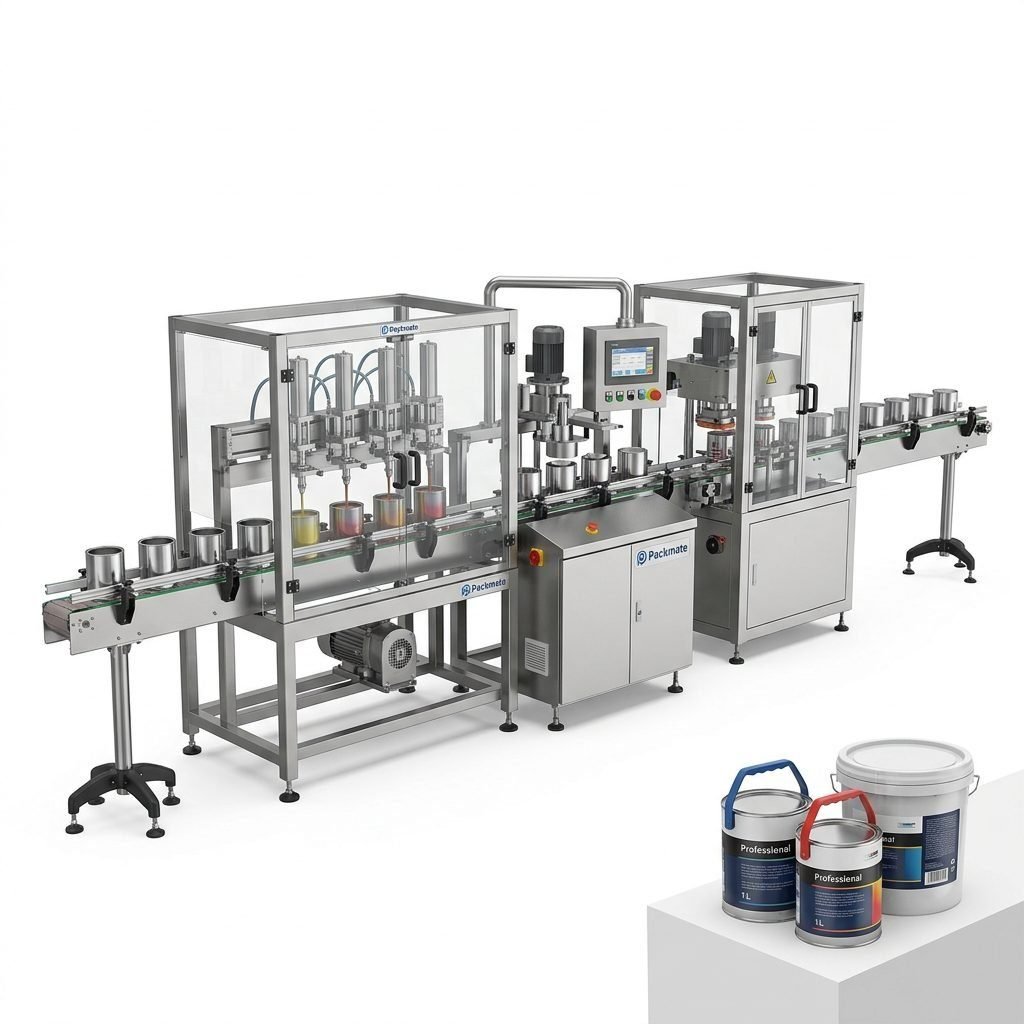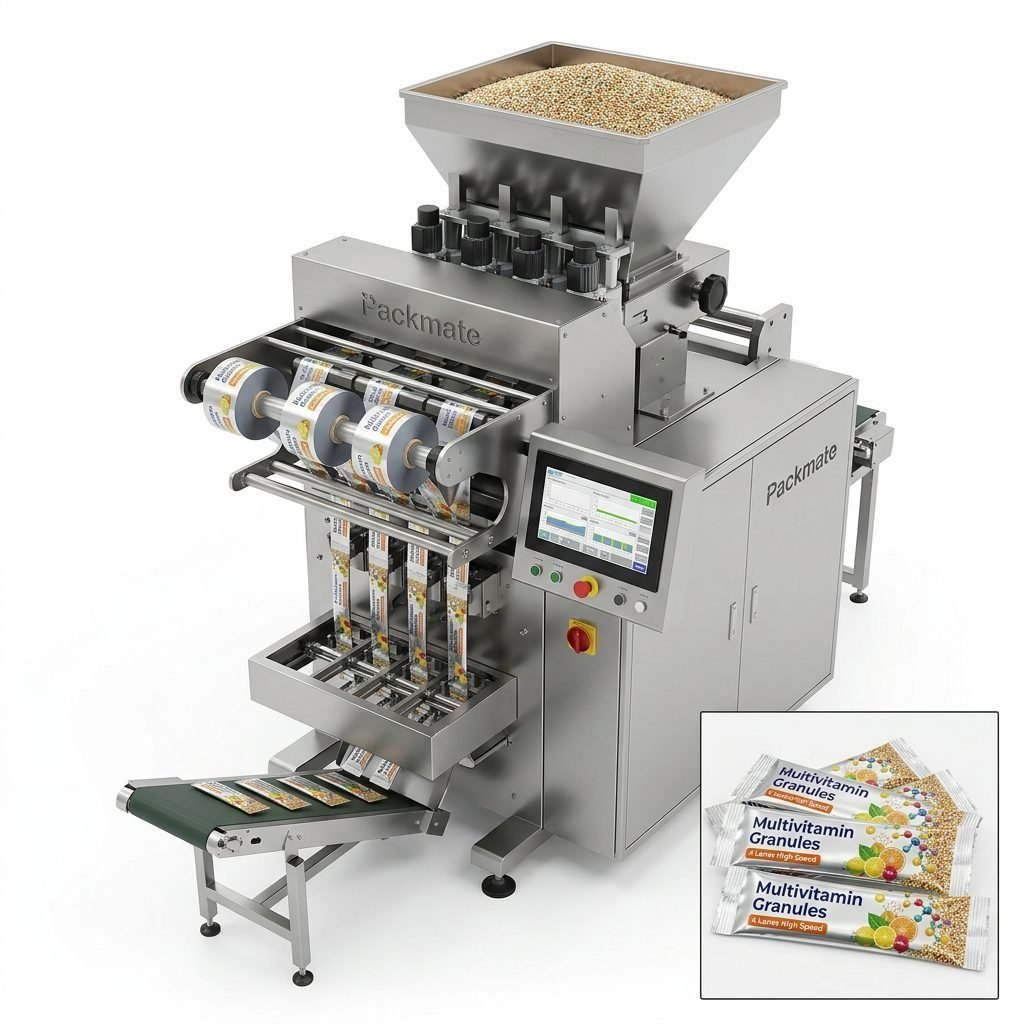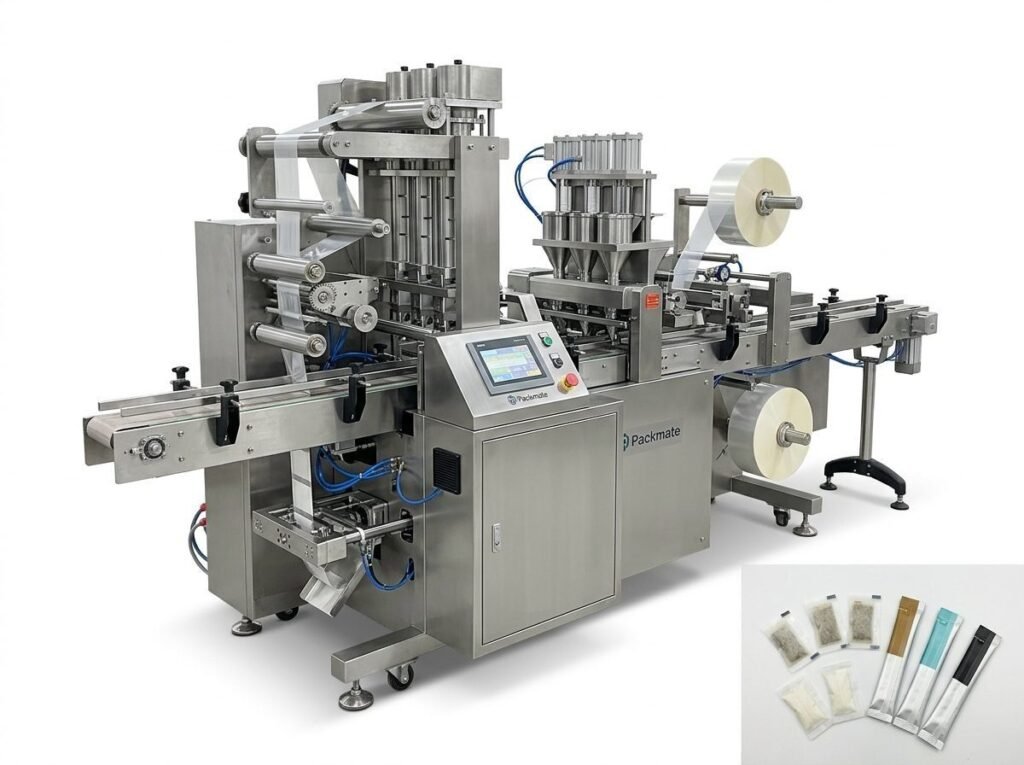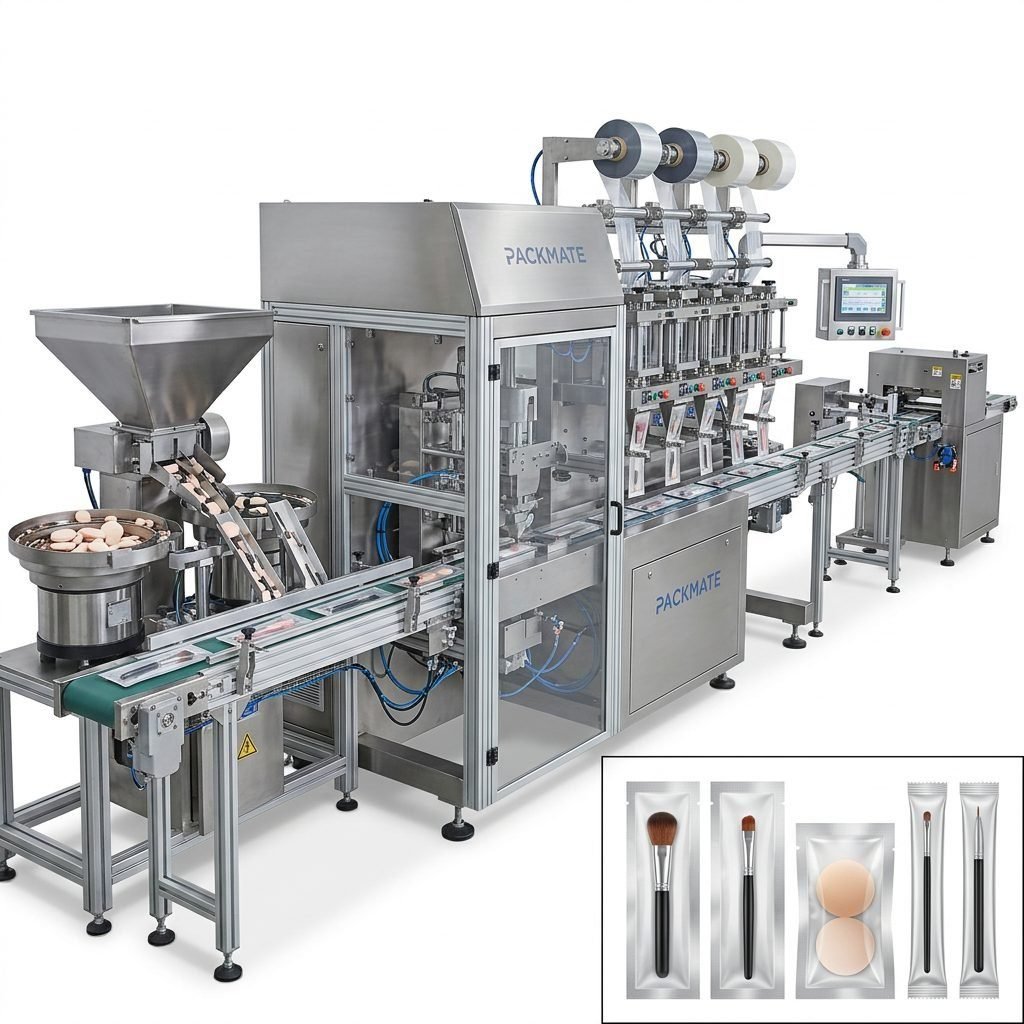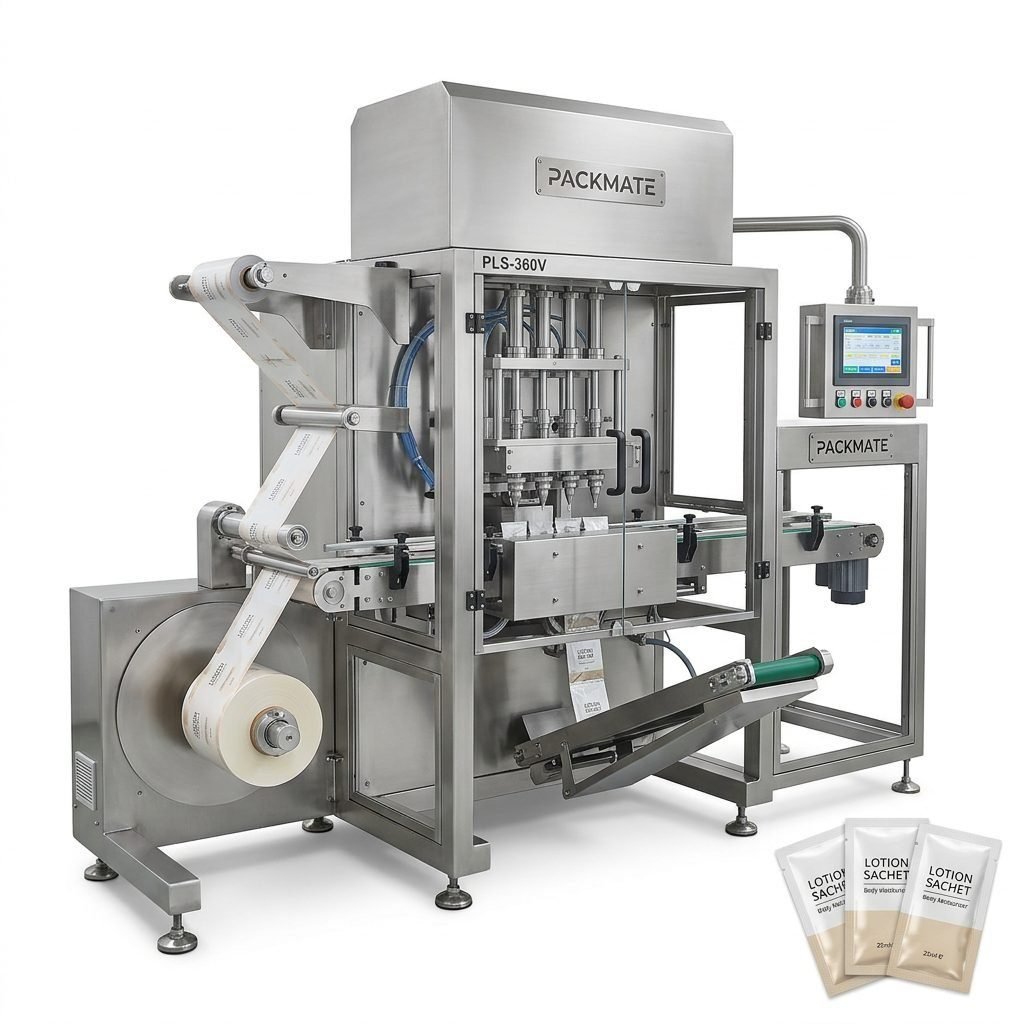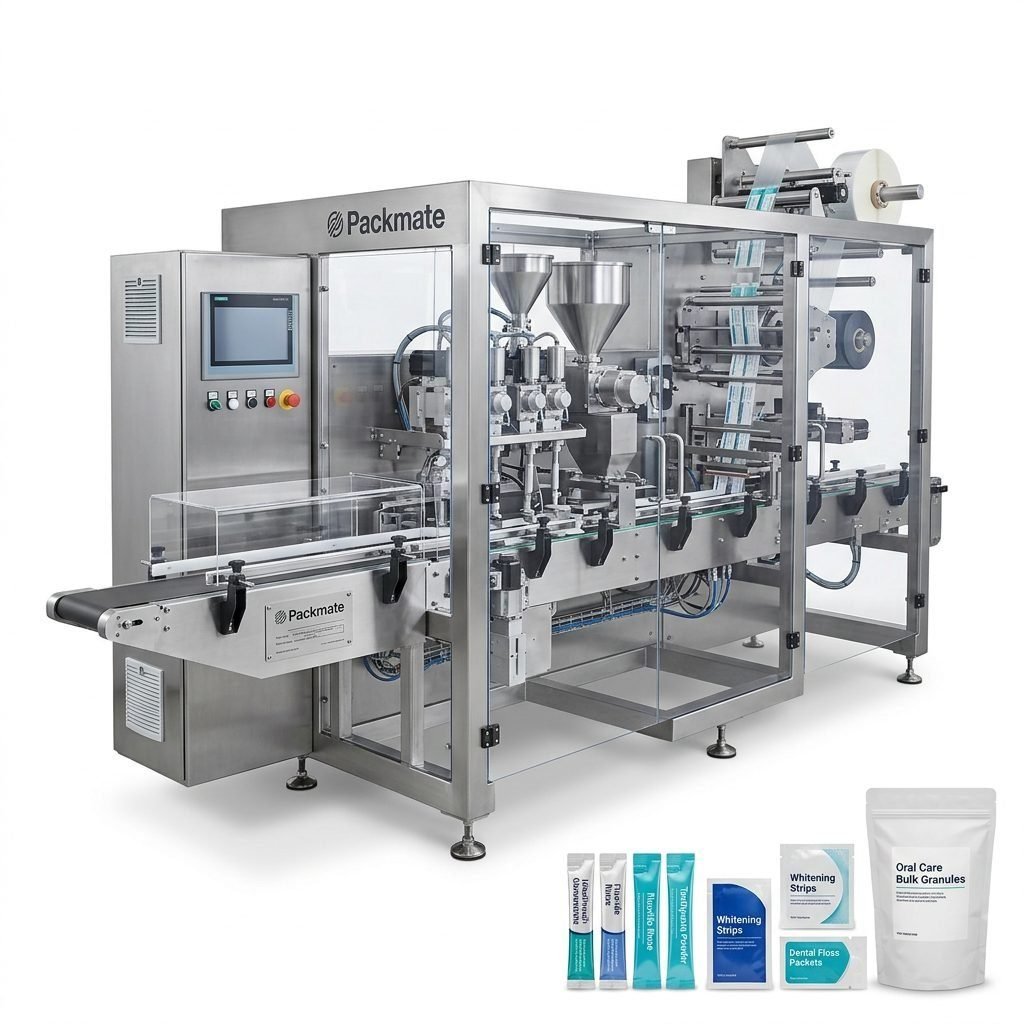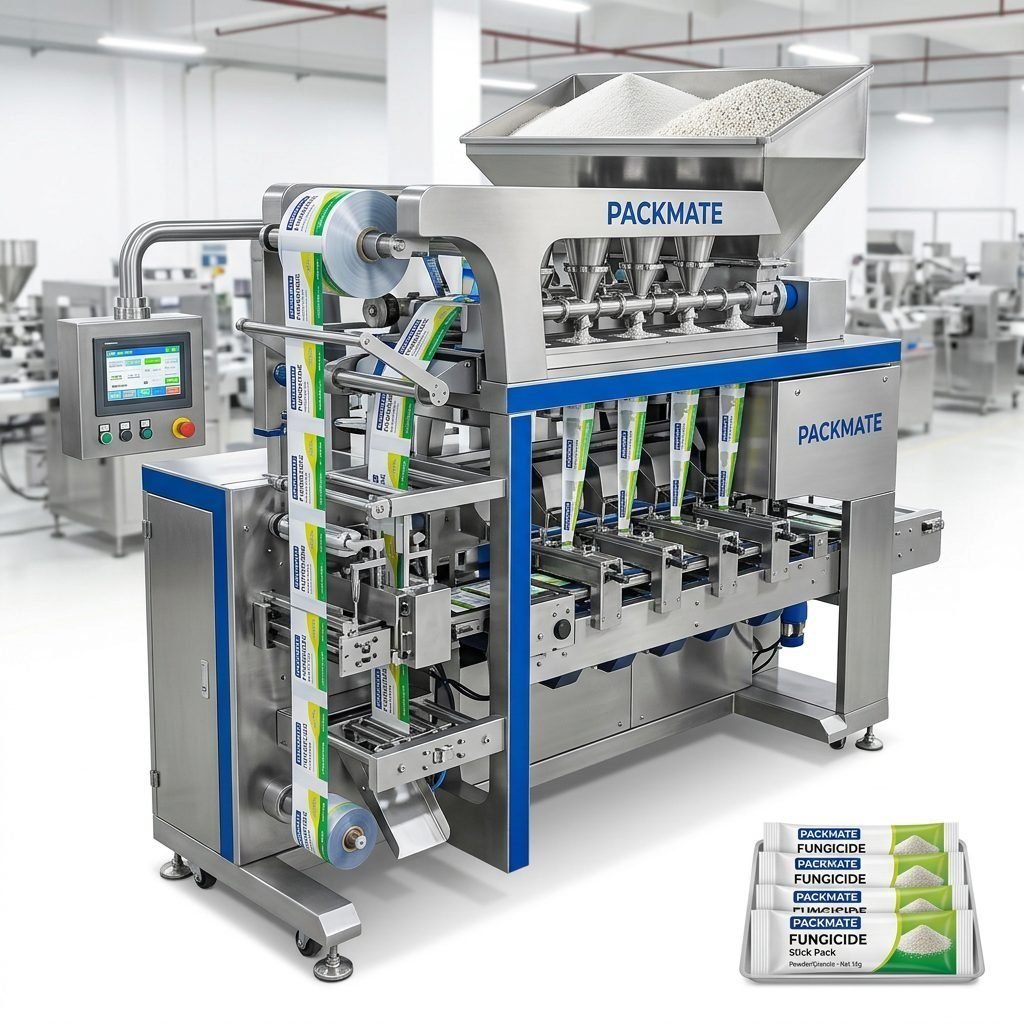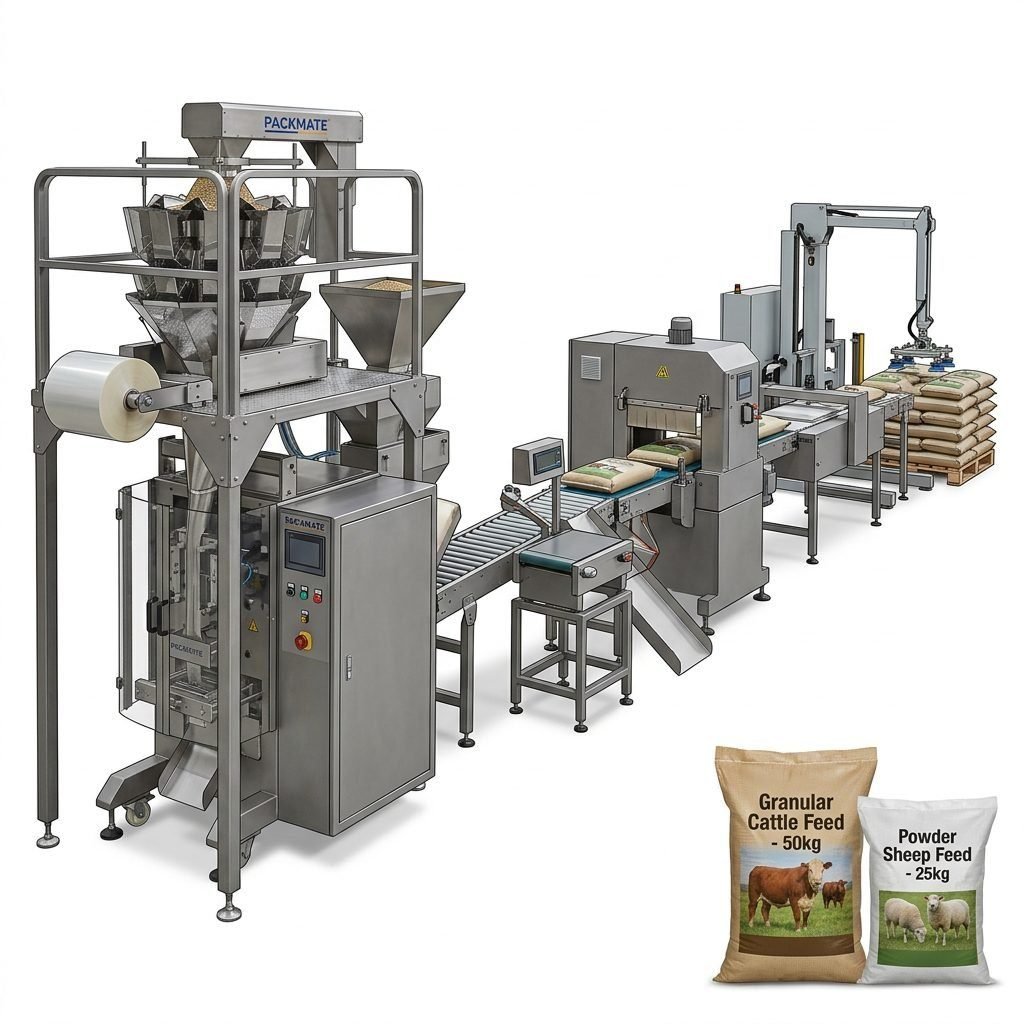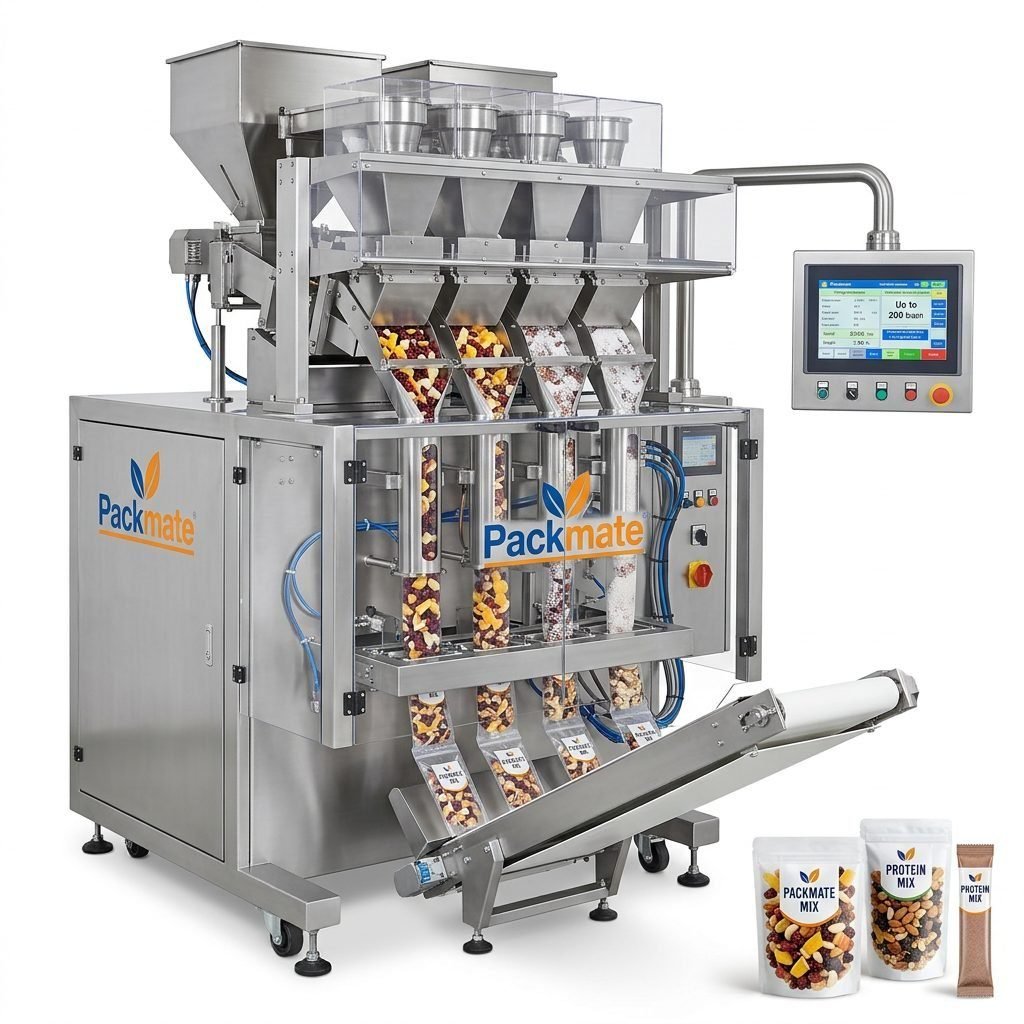
When exploring the world of modern packaging machinery, visual references are not just supplementary—they are essential. High-quality photos, detailed images, comprehensive galleries, and clear visuals serve as critical tools for industry professionals, decision-makers, and engineers. They bridge the gap between technical specifications and real-world application, providing a tangible understanding of machine design, operation, and integration. For a company like Packmate Machinery, with over three decades of expertise, visual documentation showcases the evolution from a passionate workshop idea to a global leader in intelligent packaging solutions.
The Power of Visual Documentation in Packaging
In an industry driven by precision, efficiency, and reliability, seeing is believing. Detailed images of packaging machinery allow potential clients to assess build quality, component layout, and ergonomic design without a physical inspection. A gallery showcasing a multi-lane stick pack machine in operation, for instance, can reveal the smoothness of the film feed, the accuracy of the sealing jaws, and the stability of the product delivery system. Visuals transform abstract concepts like “high-speed” or “precision weighing” into observable reality, building trust and setting clear expectations.
Key Visual Elements to Look For
When reviewing packaging machinery photos, focus on several critical aspects. Close-up shots of critical components like servo motors, touch-screen HMIs, and stainless-steel contact parts indicate the level of engineering and hygiene standards. Wide-angle images of the full production line demonstrate how individual machines, such as fillers, sealers, and cartoners, integrate seamlessly. Visuals of the control panel interface provide insight into user-friendliness and automation capabilities. Finally, images of the final packaged product—be it a perfectly sealed sachet of powder or a uniform stick pack—are the ultimate proof of performance.
From Gallery to Reality: The Packmate Visual Journey
The story behind the machines is as important as the machines themselves. The journey from Mr. Jiang Sha’s small workshop in 1993 to the modern 20,000㎡ manufacturing facility of Packmate (GuangDong) Co., Ltd. is a narrative best told through visuals. Historical photos contrast early prototypes with today’s sophisticated, computer-controlled systems. Images of the factory floor, with rows of advanced CNC machines and assembly stations, speak volumes about manufacturing scale and quality control. This visual timeline does more than document growth; it embodies a commitment to innovation that began with a single vision for better automation.
Visualizing Innovation and Customization
Beyond standard models, the true capability of a packaging machinery manufacturer lies in customization. Visual galleries that feature machines adapted for specific products—whether for the delicate handling of pharmaceutical powders or the robust packaging of granular snacks—are invaluable. They demonstrate a provider’s flexibility and application expertise. For example, visuals of a tailored filling and packaging line for liquid supplements show specialized nozzles, drip trays, and clean-in-place (CIP) systems that standard brochures might not detail. These images assure clients that their unique challenges can be met with engineered solutions.
Why Detailed Visuals Matter for Global Clients
In a global market, physical factory visits are not always feasible. Comprehensive visual assets become the primary tool for remote evaluation. High-resolution images and virtual tours allow an international client to inspect weld quality, material finishes, and overall machine aesthetics. They can see the organization of electrical cabinets and the accessibility for maintenance. This level of visual transparency is a hallmark of a confident and reputable manufacturer like Packmate, which serves clients worldwide. It reduces perceived risk and facilitates informed decision-making across continents.
Beyond the Machine: Visuals of Support and Service
The relationship with a machinery provider extends beyond the point of sale. Visual content should also encompass the support ecosystem. Photos of engineers conducting factory acceptance tests (FAT), detailed installation guides with annotated diagrams, and visuals of training sessions for client technicians all contribute to a complete picture. They highlight the company’s dedication to ensuring successful integration and long-term operation. Seeing a well-documented service and support process in action provides peace of mind that the investment is protected.
The Role of Visuals in Technical Communication
Complex technical information is often best conveyed visually. Annotated images explaining the working principle of a auger filler, flowcharts illustrating machine sequences, or 3D renderings showing possible line layouts are powerful communication tools. They help bridge language barriers and ensure that both sales engineers and technical directors have a unified understanding of the system’s capabilities. This clarity is crucial when planning a complete weighing and packaging system, where integration precision is paramount.
In conclusion, the next generation of packaging machinery is not only defined by its technical specifications but also by the quality and depth of its visual representation. From detailed component close-ups to sweeping shots of automated production lines, these visuals tell the story of engineering excellence, operational reliability, and a customer-centric approach. They are an indispensable resource for anyone looking to invest in the future of their packaging operations.
Frequently Asked Questions (FAQs)
What details should I look for in packaging machinery photos?
Focus on the build quality visible in weld seams and frame construction, the type and brand of critical components (servo motors, PLCs), the cleanliness and organization of the electrical panel, the design of product-contact parts (usually 304 or 316 stainless steel), and the overall accessibility for maintenance and cleaning. Also, look for images showing the machine running actual product.
Can I request custom visuals or videos of a machine handling my specific product?
Yes, reputable manufacturers like Packmate often provide product-specific testing services. You can typically send samples of your material (granules, powder, liquid) to the factory. They can run tests on the appropriate machine and provide you with video evidence, packaged samples, and a detailed test report, which is the most accurate visual proof of performance.
How do visuals help with machine installation and training?
Comprehensive installation manuals with step-by-step photos, exploded-view diagrams of assemblies, and video tutorials are invaluable for your technical team. They reduce setup time, prevent installation errors, and serve as a lasting visual reference for routine maintenance and troubleshooting procedures.
Are factory and facility images important when choosing a supplier?
Absolutely. Images of a modern, organized manufacturing facility with advanced production equipment indicate a company’s investment in quality control, R&D, and production capacity. They suggest the capability for consistent build quality and the scalability to handle large or repeat orders reliably.
Where can I find a complete gallery of packaging machinery?
Manufacturers usually host extensive galleries on their official websites under sections like Products, Case Studies, or Gallery. For example, you can explore various machine categories and applications directly on Packmate’s product pages and case study portfolio to see real-world implementations.